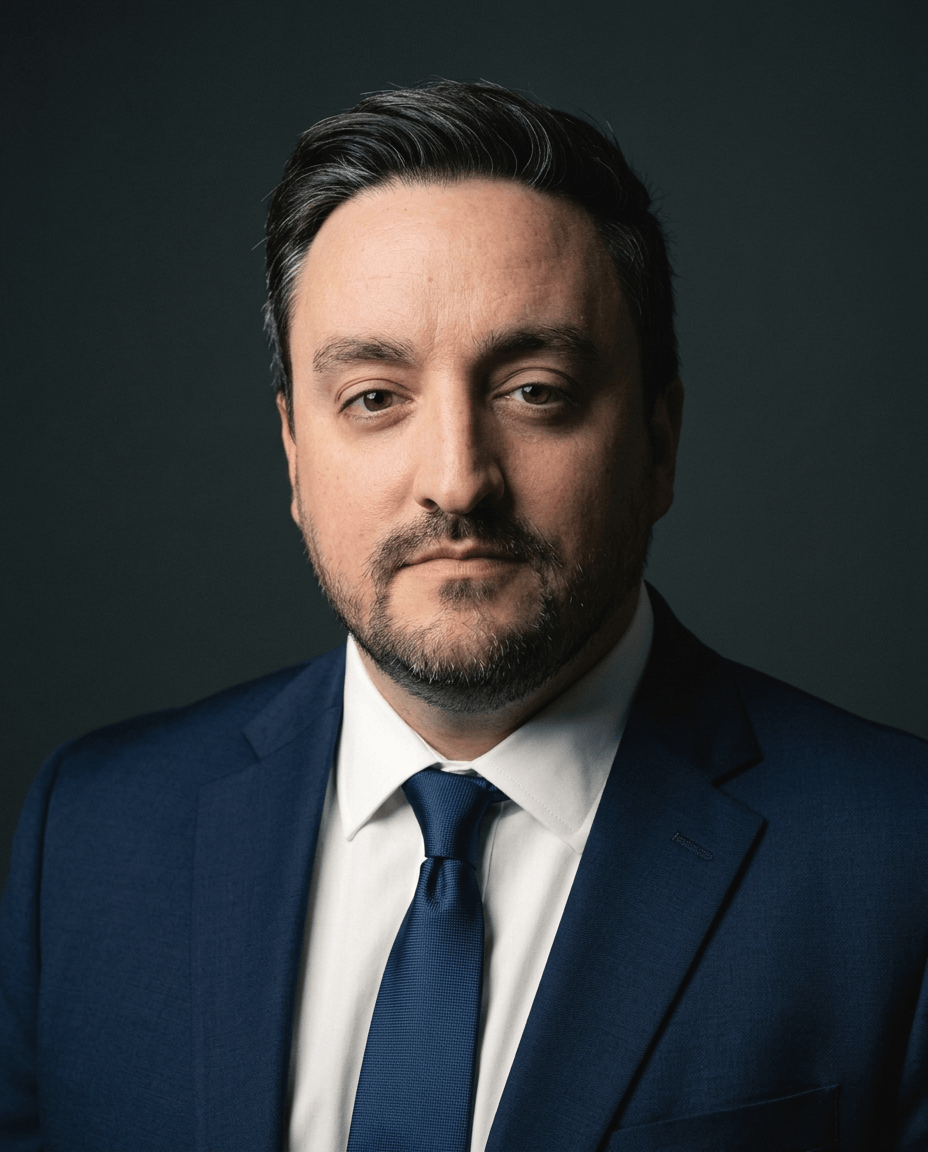
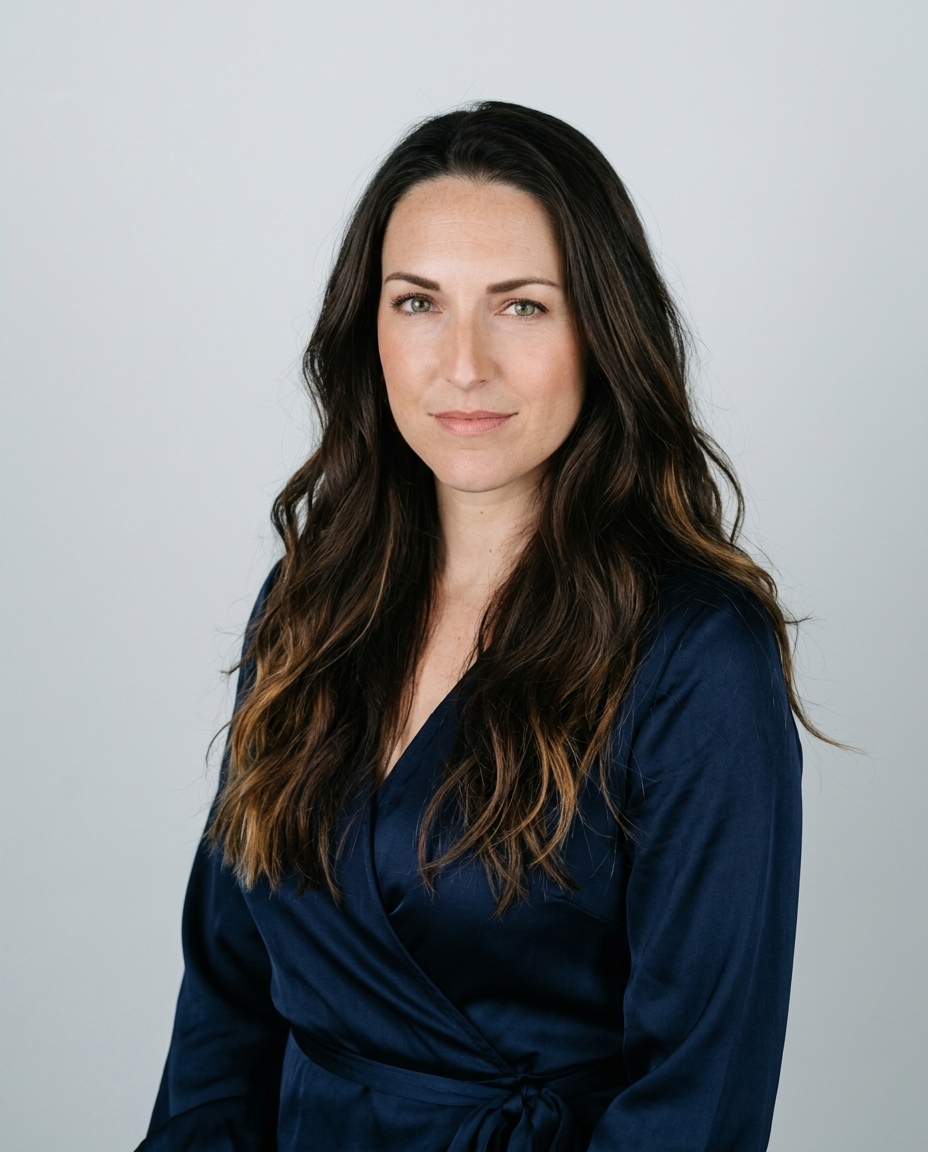
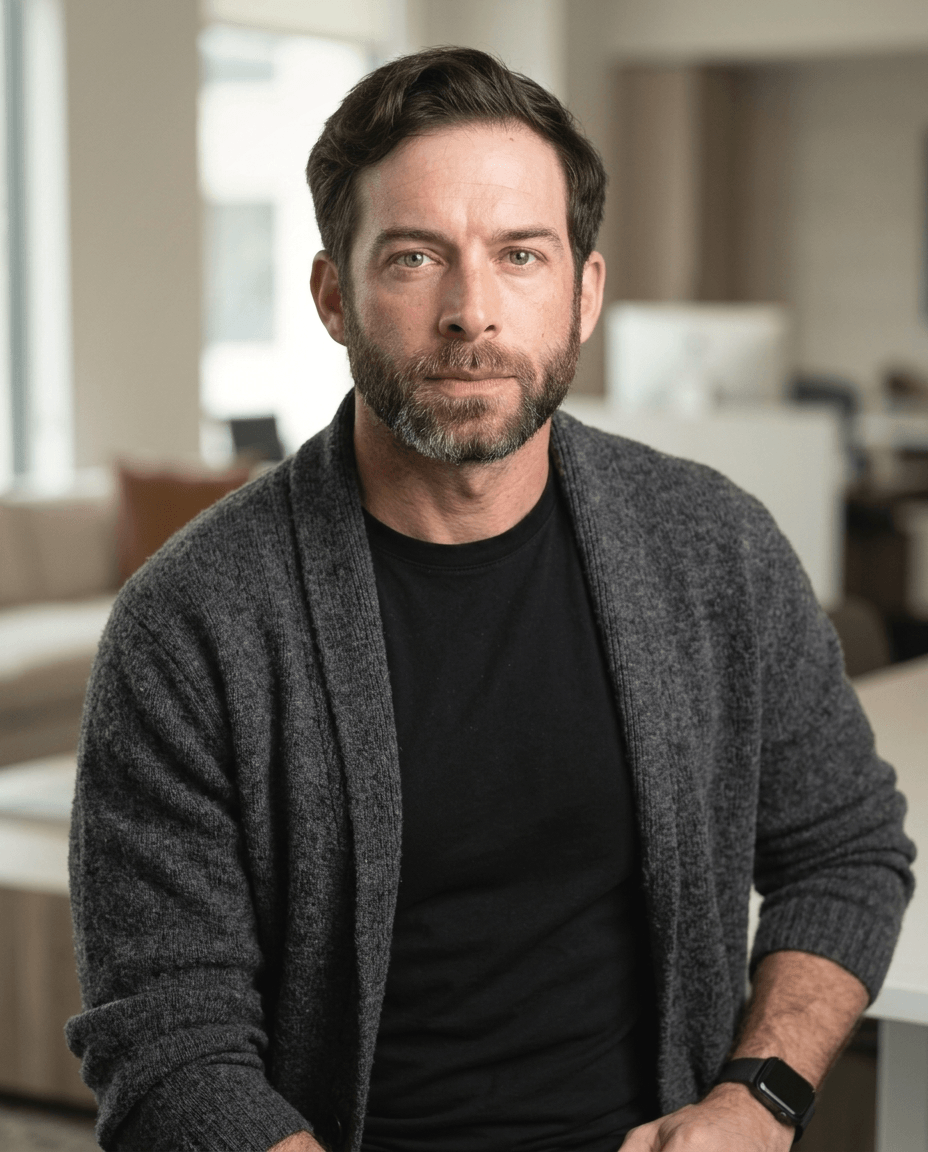
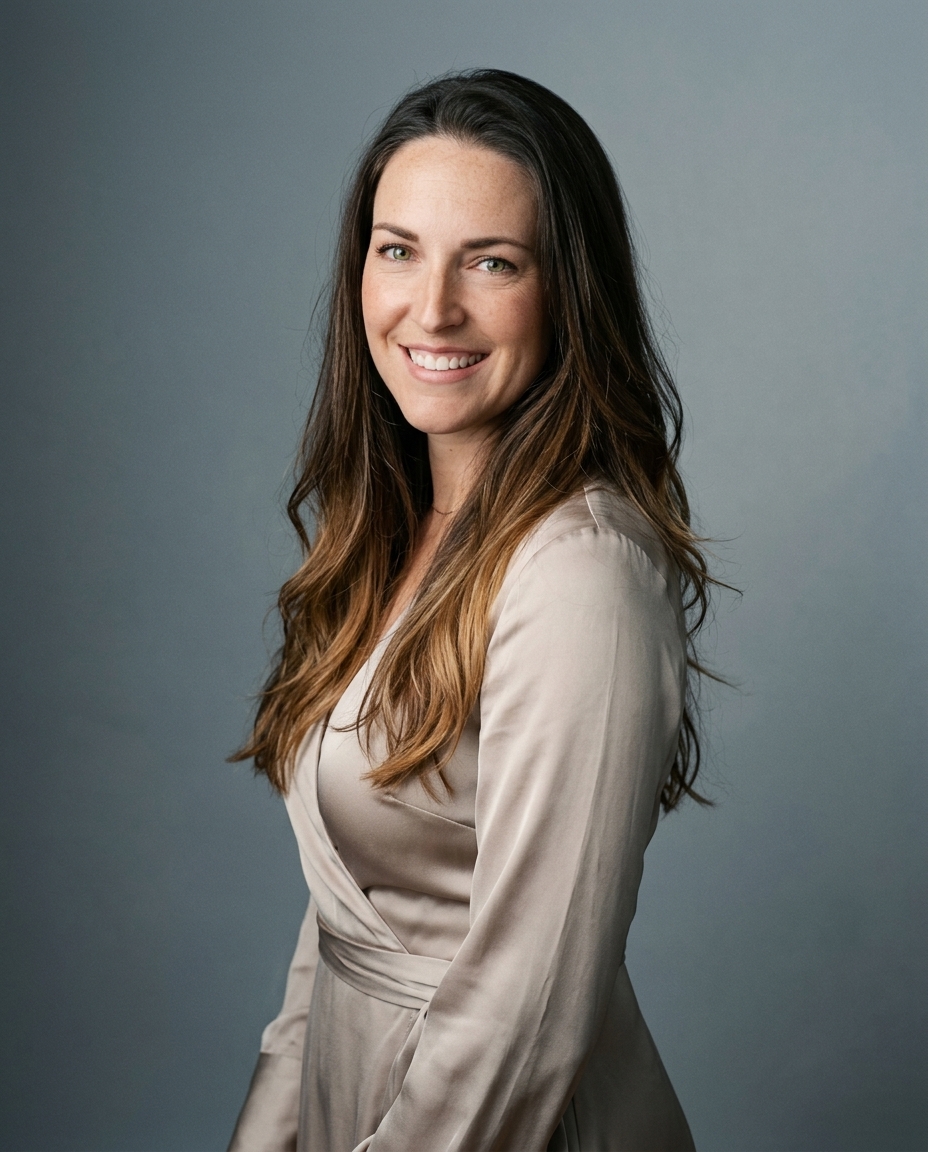
A professional headshot has real technical requirements — dimensions, resolution, file formats, aspect ratios — and each platform has its own version of these specs.
Most of the time, you don't need to know any of this. You just need your headshot to "work" on LinkedIn, your company website, and the occasional press feature. But when you're uploading and something fails ("file too large"), when a journalist asks for "a high-res version," or when you're preparing a passport photo that has strict government specs, the details suddenly matter.
This is the definitive 2026 reference. Bookmark it.
General technical specs for any professional headshot
The baseline everyone should hit:
| Spec | Recommendation |
|---|---|
| Resolution | Minimum 2000×2000px, ideally 3000×3000px |
| Print quality | 300 DPI (dots per inch) |
| File format | JPEG (most uses), PNG (web transparency or higher quality), TIFF (print production) |
| File size | Under 8 MB for most platforms |
| Color space | sRGB for web, Adobe RGB or CMYK for print |
| Common print size | 8" × 10" (most US professional headshot prints) |
If you're receiving headshots from a photographer or AI tool, confirm they're delivered at these minimums. AI Headshots delivers at 4096×4096 by default (16 megapixels) — more than enough for any use case, including large-format printing.
File naming convention
Name your files professionally so they're easy to find later:
FirstName_LastName_Context_Year.jpg
Examples:
Joseph_West_LinkedIn_2026.jpgJoseph_West_Corporate_2026.jpgJoseph_West_Headshot_2026_HighRes.jpg
Generic filenames like IMG_0483.jpg or headshot_final_FINAL_v3.jpg create real friction when a journalist or HR rep asks for "your current headshot" and you have to dig through a folder.
Platform-specific requirements
Each platform has its own spec. Here's the 2026 reference:
- Resolution: minimum 400×400 px (they'll accept more, but displays at 400)
- Maximum upload size: 8 MB
- Aspect ratio: 1:1 (square)
- Recommended file format: JPEG or PNG
- Framing: Face should take up ~60% of the frame
- Background: Clean, neutral (white, soft gray, light blue)
- Expression: Warm, confident, professional smile
- Currency: LinkedIn's own data says profiles with photos get 21× more views; profiles with current photos outperform profiles with old ones
The LinkedIn photo is the single most-viewed professional photo in the modern career. It deserves the most attention. See our LinkedIn headshots style guide for specific recommendations.
- Profile display sizes: 176×176 on desktop, 196×196 on mobile, 36×36 on feature phones
- Tone: Casual to moderately professional
- Clothing: Smart casual acceptable
- Background: Outdoor or relaxed settings work here; can be more personality-forward
- Expression: Natural, friendly, more casual than LinkedIn
- Profile format: Circular display
- Framing: Keep generous headspace — tight crops get awkwardly rounded
- Tone: Flexible based on personal brand
- Background: Creative freedom; color or texture works here
- Expression: Can be subtle, candid, or playful
X / Twitter
- Display size: Small profile format
- Background: Simple, neutral — the photo is small, so complexity gets lost
- Expression: Friendly, approachable
- Framing: Tight; face should occupy most of the frame
Passport photo (US specific)
Passport photos have the strictest rules:
- Size: 2×2 inches
- Head height: 1-1⅜ inches from chin to top of head
- Background: Pure white or off-white
- Expression: Neutral (no smile — yes, really)
- Clothing: No uniforms, no hats (with religious exceptions), no glasses (rules changed in 2016)
- Resolution: 600 DPI minimum for print
- Format: JPEG, 51×51mm digitally
Note: US passport photos are NOT the same as general professional headshots. Don't use one for the other.
Resume photo (varies by region)
- US convention: Typically no photo on resumes (to avoid bias)
- International convention: Photos common in Europe, Latin America, Asia — aspect ratio usually matches passport
- Medical/hospitality fields: Photos expected in many US contexts
- Resolution: 300 DPI if printed, 72 DPI if digital
Professional vs. creative field requirements
The baseline requirements differ by industry register:
Professional / business tier
- Color scheme: Neutral (black, gray, navy, white)
- Framing: Tight head-and-shoulders
- Makeup/grooming: Subtle, natural
- Retouching: Minimal, preserves texture
- Lighting: Soft, even studio lighting
- Expression: Quarter-smile register — warm but professional
- Background: Neutral, non-competing
Use for: Corporate, LinkedIn, Executive, Lawyer, Doctor, Consultant headshots.
Creative tier
- Color scheme: Broader palette acceptable, including brand colors
- Framing: More compositional variety
- Makeup/grooming: Bold styling acceptable
- Retouching: Stylized effects permissible
- Lighting: Experimental, dramatic shadows, colored lights okay
- Expression: Full range — can include more personality
- Background: Texture, color, or contextual settings work
Use for: Actor, Model, creative / personal branding headshots.
Posing requirements
Whatever register you're in, the posing conventions are consistent:
- Posture: Straight back, relaxed shoulders (no slouch, no rigid military stance)
- Head position: Slight turn, 10-15° off-center (not square to camera)
- Eye contact: Direct with the lens
- Smile: The quarter-smile — subtle, genuine, eyes engaged
- Hands: Generally out of frame unless deliberate creative choice
- Shoulders: Angled 15-30° away from camera for depth
If you're shooting selfies to feed into an AI tool, these conventions still apply to the inputs. Good selfie inputs produce better AI outputs. See How to prepare selfies for AI headshots for detail.
Clothing requirements
What works
- Solid colors that complement your skin tone
- Neutral tones (navy, charcoal, gray, white, soft earth tones)
- Well-fitted, comfortable clothing that looks like clothes you'd actually wear
- Layers (blazers, cardigans) that add dimension
What doesn't
- Bright whites that blow out under studio lighting
- Neon or super-saturated colors that compete with the face
- Busy patterns (small stripes, plaids, prints) that create visual noise
- Large visible logos or text on clothing
- Excessive jewelry that pulls focus
Accessories
- Minimal jewelry — simple earrings, small necklace, watch if natural
- Glasses — fine, but watch for lens reflection; frames should fit the face
- Religious/cultural accessories — absolutely fine, photographed with care
Background & lighting requirements
Background
- Professional contexts: white, gray, navy, or subtle texture
- Creative contexts: colored, textured, or contextual settings
- Outdoor: blurred bokeh preferred — background should be out of focus
- Avoid: clutter, recognizable landmarks, patterns, logos
Lighting
- Primary light: Soft source, positioned 45° above and in front
- Fill: Secondary soft source opposite the primary to lift shadows
- Rim (optional): Subtle backlight for separation from background
- Avoid: overhead fluorescents, harsh direct sun, phone flash, mixed color temperatures
Editing
- Do: Remove minor blemishes, balance skin tone, soften (not erase) shadows, clean background
- Don't: Use heavy filters, smooth skin to plastic, reshape facial features, change identifiable characteristics
Pre-session preparation (for traditional shoots)
If you're doing a traditional photographer session, prep matters:
- Pick your outfit the day before (try it on, check for wrinkles)
- Get a good night's sleep
- Stay hydrated the days leading up
- Maintain normal grooming (fresh haircut 1-2 weeks before, not the morning of)
- Practice poses and expressions in a mirror — especially the quarter-smile
- Arrive 10 minutes early, relaxed
For AI tools, prep = good selfie inputs. How to prepare selfies for AI covers this.
Update frequency
- Standard rule: Every 12-24 months
- Minimum: Update if appearance has meaningfully changed (hair, weight, glasses, aging)
- Industry-specific: See How Often Should You Update Your Headshot
- At AI Headshots pricing ($29): annual refreshes are economically default
The quick reference
Most professionals need:
- One "primary" headshot cropped square for LinkedIn (at least 400×400, ideally 1000×1000+)
- One wider version for website/press (higher resolution, slightly wider crop)
- Files named professionally, stored in a dedicated folder
- Updated every 12-24 months
If your AI tool or photographer delivers at 4096×4096, you can crop any of these variants from a single source file. AI Headshots delivers at that resolution by default, which is why we can give you 40-200 usable variations from one pack.
Need a headshot that meets every spec? Upload your selfies and get 40+ professional headshots in under 30 minutes — all delivered at 4096×4096px, ready for any platform or print.
Related: What is a headshot? · Types of headshots · How to prepare selfies for AI
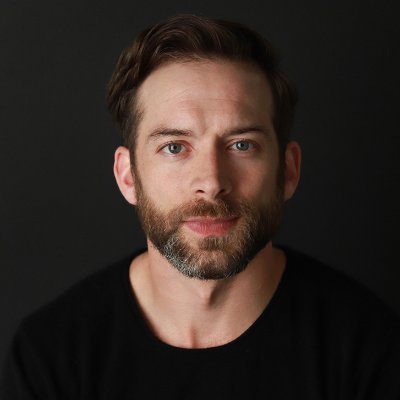
Joseph West
Founder of AI Headshots and Studio Pod — the automated headshot studio in Houston, Texas. Photographer first, AI engineer second.