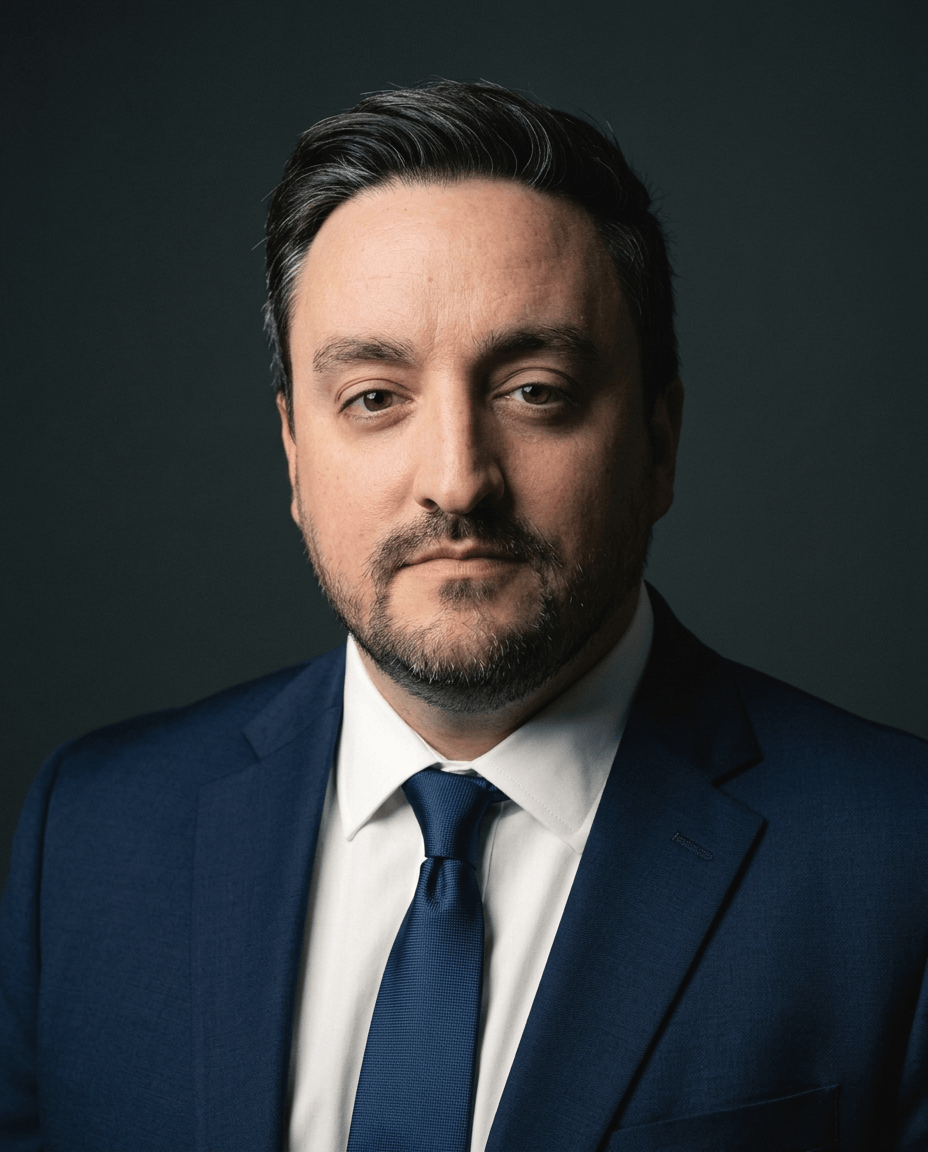
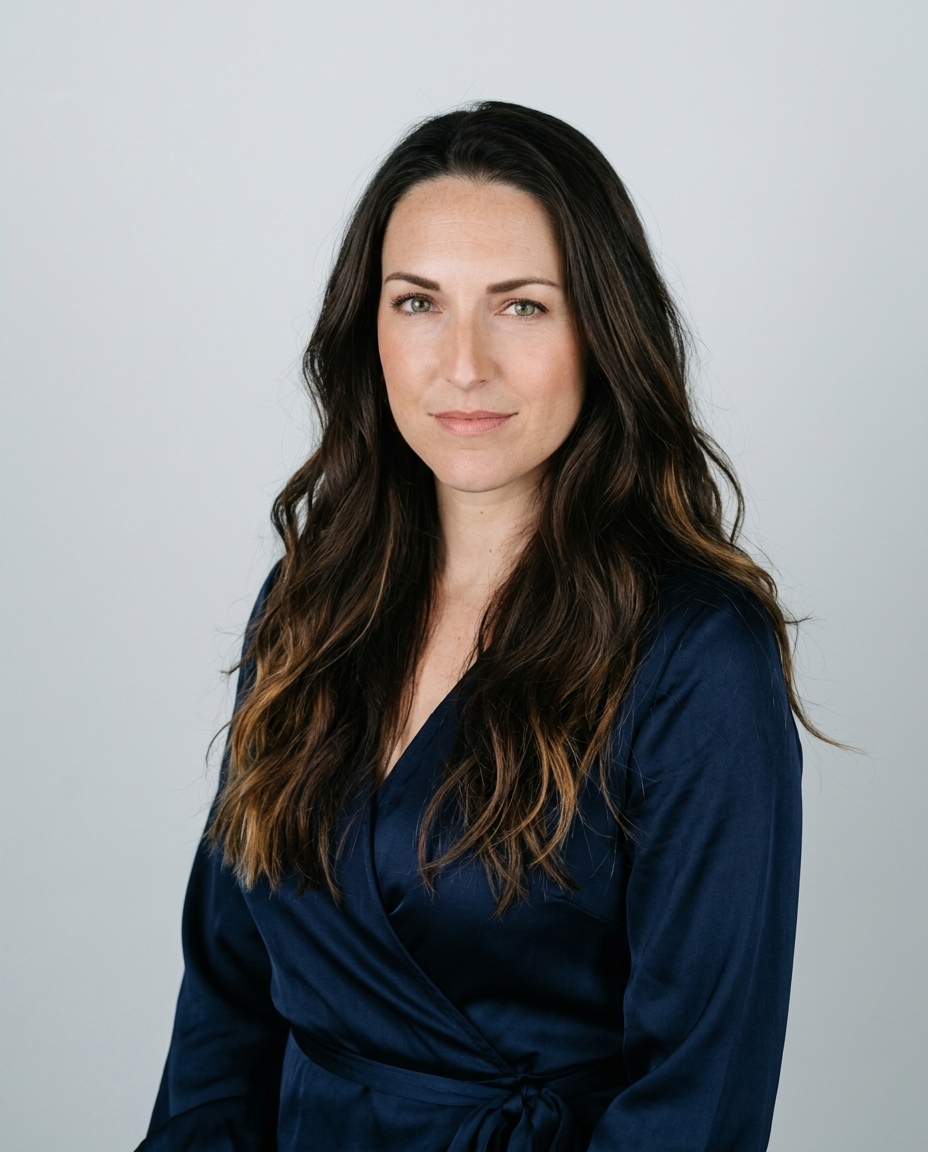
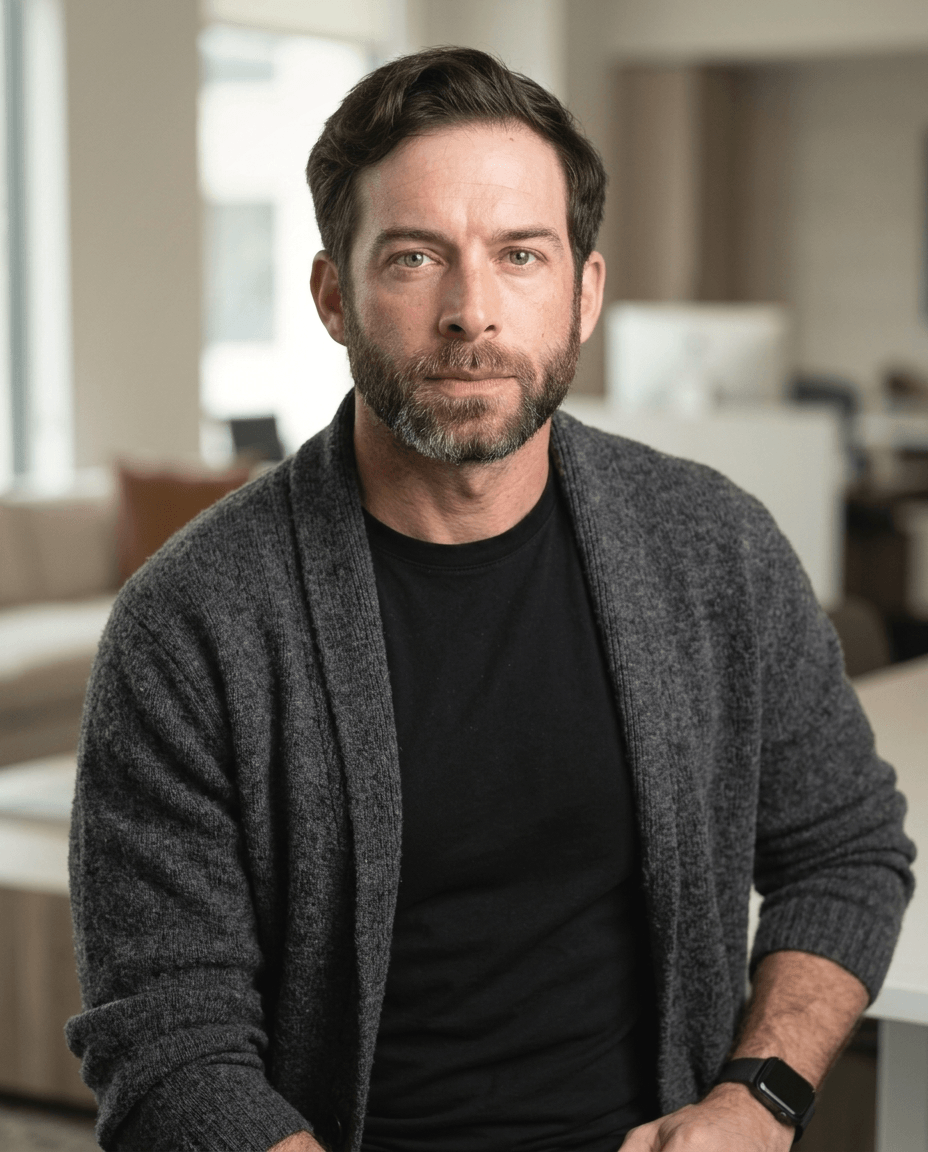
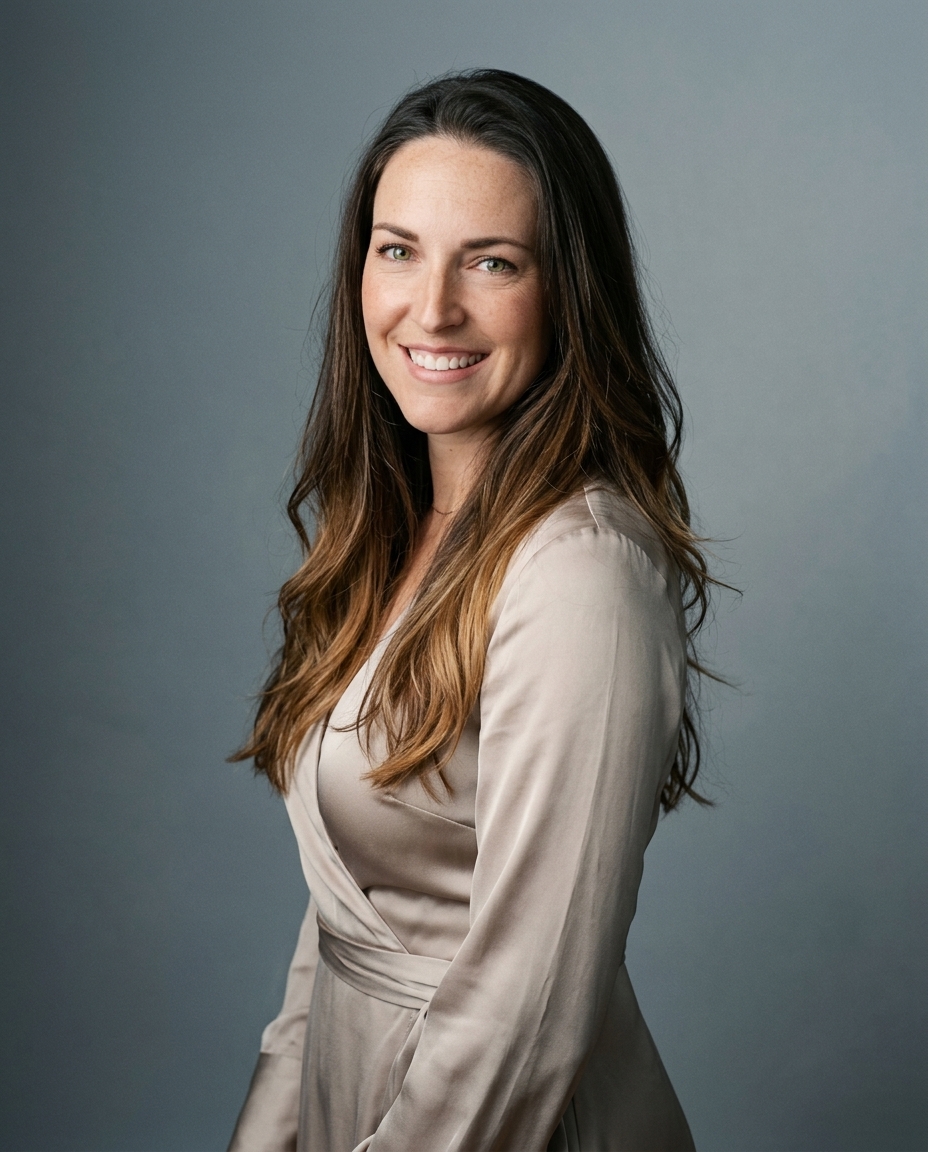
For twenty years, the conventional answer to "how often should you update your headshot?" was "every 2-3 years."
That wasn't a best practice. It was a budget constraint.
At $300-600 per professional photography session, a 2-3 year refresh cadence was the frequency that most professionals could economically justify. The advice wasn't based on what would look best for your career — it was based on what your wallet could handle.
In 2026, with AI-generated headshots starting at $29, that budget constraint is gone. And once you remove the budget constraint, the right refresh cadence turns out to be dramatically more frequent than most professionals are used to.
The seven signs you need a new headshot
Regardless of how recently you refreshed, you need a new headshot when:
1. Your physical appearance has changed. New hairstyle, new hair color, new facial hair (or removal), new glasses, visible weight change, significant aging. Your headshot should look like the person who shows up to the meeting.
2. It's been two years. Even without appearance changes, photography aesthetics shift. A 2022 headshot looks different from a 2026 headshot in subtle ways — lighting conventions, retouching style, register expectations. Two years is the outer edge of "still current."
3. You've changed roles. New job, new promotion, new company, transition from corporate to entrepreneurship, transition from individual contributor to leadership. Your headshot should reflect your current professional position.
4. You've rebranded. Launched a new website. Updated your positioning. Shifted your target client. Your headshot is a component of your brand — and when the brand evolves, the headshot should too.
5. Your current photo isn't professional quality. Cropped group photos, casual selfies, poorly lit phone pictures, or any image that obviously isn't a professional headshot. This is worse than an outdated headshot — this is an absent one.
6. Industry style has shifted. Corporate photography moved away from rigid formal poses starting in 2020. If your headshot still has the 2015 stiff-smile-against-white-backdrop energy, it's actively dating you.
7. You've had a major launch. New business. Speaking engagement. Media feature. Book release. Product launch. The headshot people see right after hearing about you should match who you are right now.
Update frequency by profession
Different professions have different optimal refresh cadences based on how much their professional image drives business outcomes:
| Profession | Optimal Cadence | Why |
|---|---|---|
| Realtors | Every 12 months | Headshot on every listing, yard sign, business card — dated photo is a credibility leak |
| Executives & public-facing leaders | Every 12-18 months | Board decks, press, investor materials — stale photo signals disengagement |
| Entrepreneurs & personal brands | Annually | Your face IS the product |
| Actors | Every 12 months or on look change | Casting directors want current |
| Lawyers | Every 18-24 months | Conservative register but firm bio currency matters |
| Doctors | Every 2 years or role change | Hospital directory standards |
| Sales professionals | Every 12-18 months | Inbound outreach relies on profile photos |
| Consultants | Every 18-24 months | Pitch deck currency matters |
| Corporate mid-level | Every 2-3 years | Lower direct impact on personal revenue |
| Students & early career | At every transition | Graduation, first job, promotion |
The historical "2-3 year" rule was really a lower bound that everyone treated as the target because anything more frequent was cost-prohibitive. With $29 AI refreshes available, these cadences stop being aspirational and become reasonable.
The economics that changed
Here's the budget math for a realtor (the most refresh-sensitive profession) in 2020 vs. 2026:
2020 economics (traditional photography):
- Photographer session: $400
- Annual refresh: $400/year
- Biennial refresh: $200/year (what most realtors did)
- 5-year refresh: $80/year (what many realtors actually did)
2026 economics (AI Headshots):
- AI pack: $29
- Annual refresh: $29/year (less than a single listing's coffee budget)
- Biennial refresh: $14.50/year
- On-demand refresh (every role change): $29 per event
At 2020 prices, even quarterly refreshes were economically insane. At 2026 prices, quarterly refreshes cost less than a single business lunch per year. The incentives completely inverted.
Why annual refreshes outperform 2-3 year refreshes
Three compounding effects:
1. Currency signals engagement. A fresh headshot quietly signals that you're actively maintaining your professional presence. An obviously outdated one signals the opposite — that you're coasting, that your business isn't actively growing, that you're not investing in your own brand.
2. Appearance matching reduces meeting friction. If your LinkedIn headshot is from 2020 and you walk into a 2026 client meeting looking noticeably different, clients do a mental reconciliation — "is that really the same person?" It's a small thing, but it introduces micro-doubt at the exact moment you want to be building trust.
3. Seasonal/contextual optimization. Annual refreshes let you match the photo to what your business needs right now. Winter headshot for year-end reports. Spring refresh for the busy real estate season. Fall update before a product launch. Annual cadence enables contextual optimization that multi-year cadence can't.
The counter-argument: when NOT to refresh
There's a case for stability:
- Recognizable brand identity — some individuals have built significant brand equity around a specific headshot (authors, podcasters, some politicians). Changing the photo forces audience re-recognition.
- Premium positioning — if you're known for consistency as a professional signal, frequent changes can undermine that.
- Editorial hero shots — if your headshot is on the jacket of a book that's going to be in print for 5 years, refreshing the digital version doesn't matter.
These are real exceptions. For most professionals, though, the incentive for freshness dominates.
How to make refreshes easy
Three practical tips:
1. Use the same AI tool every refresh. If you used AI Headshots for your 2026 headshot, use us again in 2027 — the consistency of the framework will make your updates look like a coherent progression rather than a series of jarring aesthetic shifts.
2. Shoot fresh selfies each time. Don't reuse the same selfie set year after year. Current input selfies → current output headshot. Our selfie prep guide walks through what makes good input.
3. Update everywhere at once. When you refresh, update LinkedIn, your email signature, your company bio, your social profiles, your speaker bios, your press kit — all on the same day. Consistency across platforms is the whole point.
The right cadence for most people
If you're a working professional and not sure which cadence fits, here's the simple answer:
Annually. Every year. On your birthday if you want a trigger.
At $29 per refresh, there's no financial reason to wait longer. The ROI favors staying current, and the cost of staying current is trivially low.
The 2-3 year rule was a product of expensive photography. It's not a rule that makes sense in an era of AI-priced refreshes. Update annually, and stop thinking about it.
Refresh your 2026 headshot. Upload your selfies — 40+ professional headshots in under 30 minutes, starting at $29. Refresh as often as you want.
Related: The ROI of a professional headshot · Headshot trends 2026 · What headshots actually cost

Joseph West
Founder of AI Headshots and Studio Pod — the automated headshot studio in Houston, Texas. Photographer first, AI engineer second.