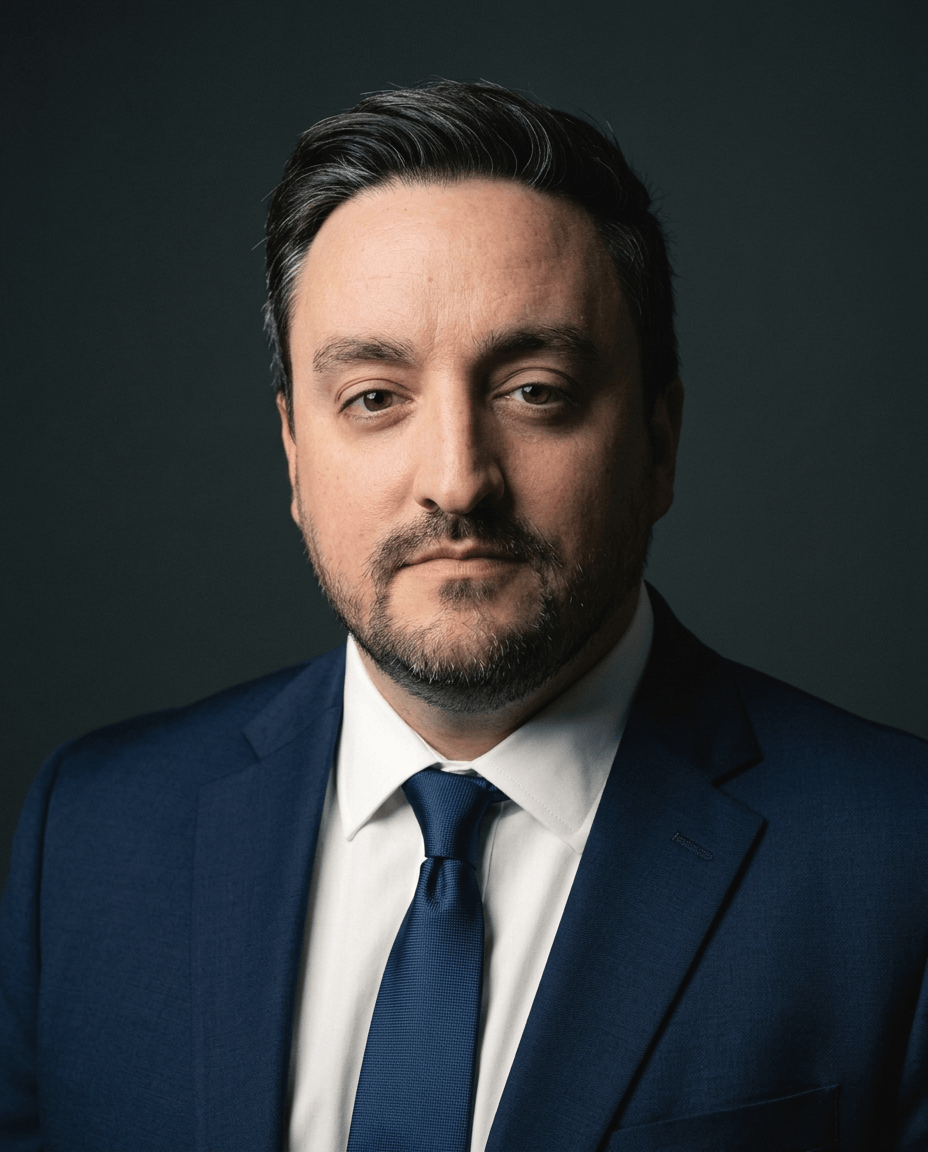
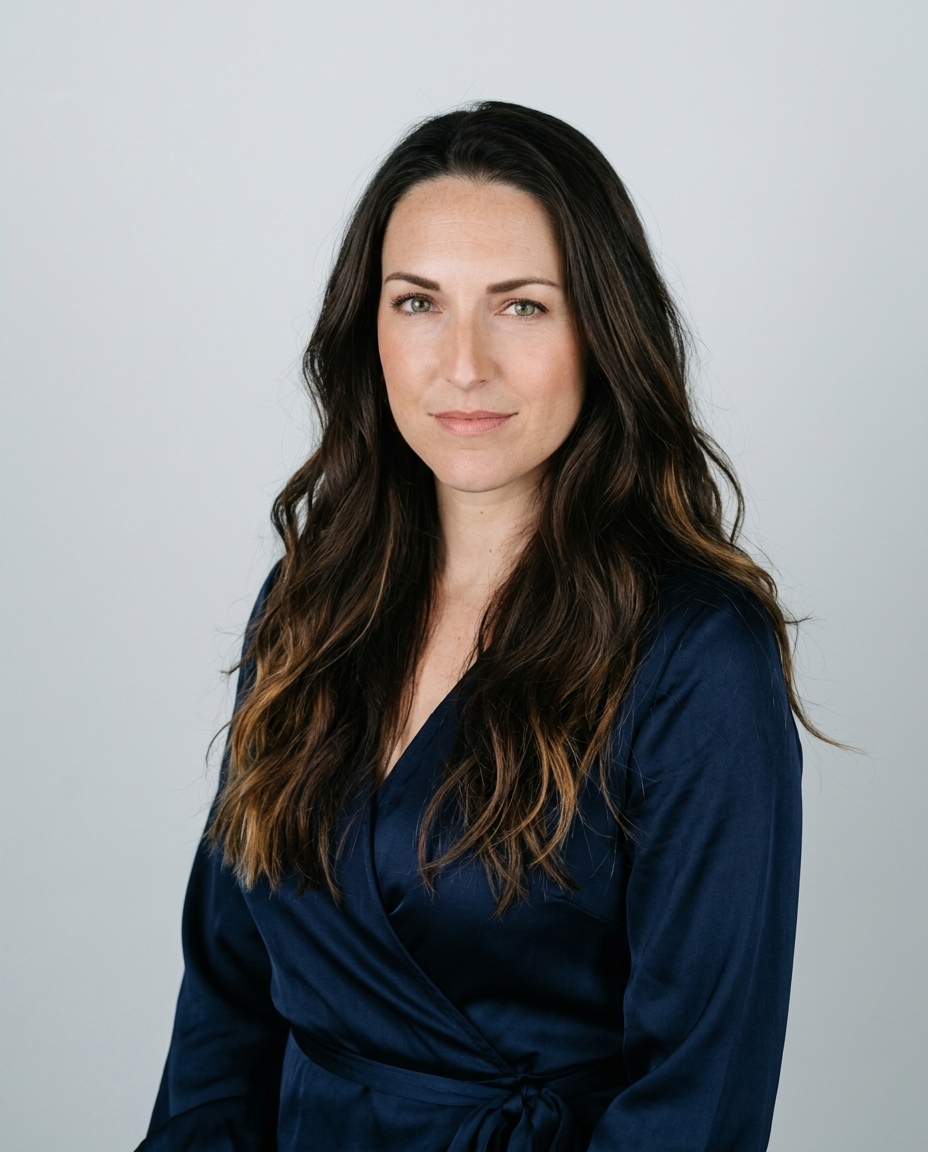
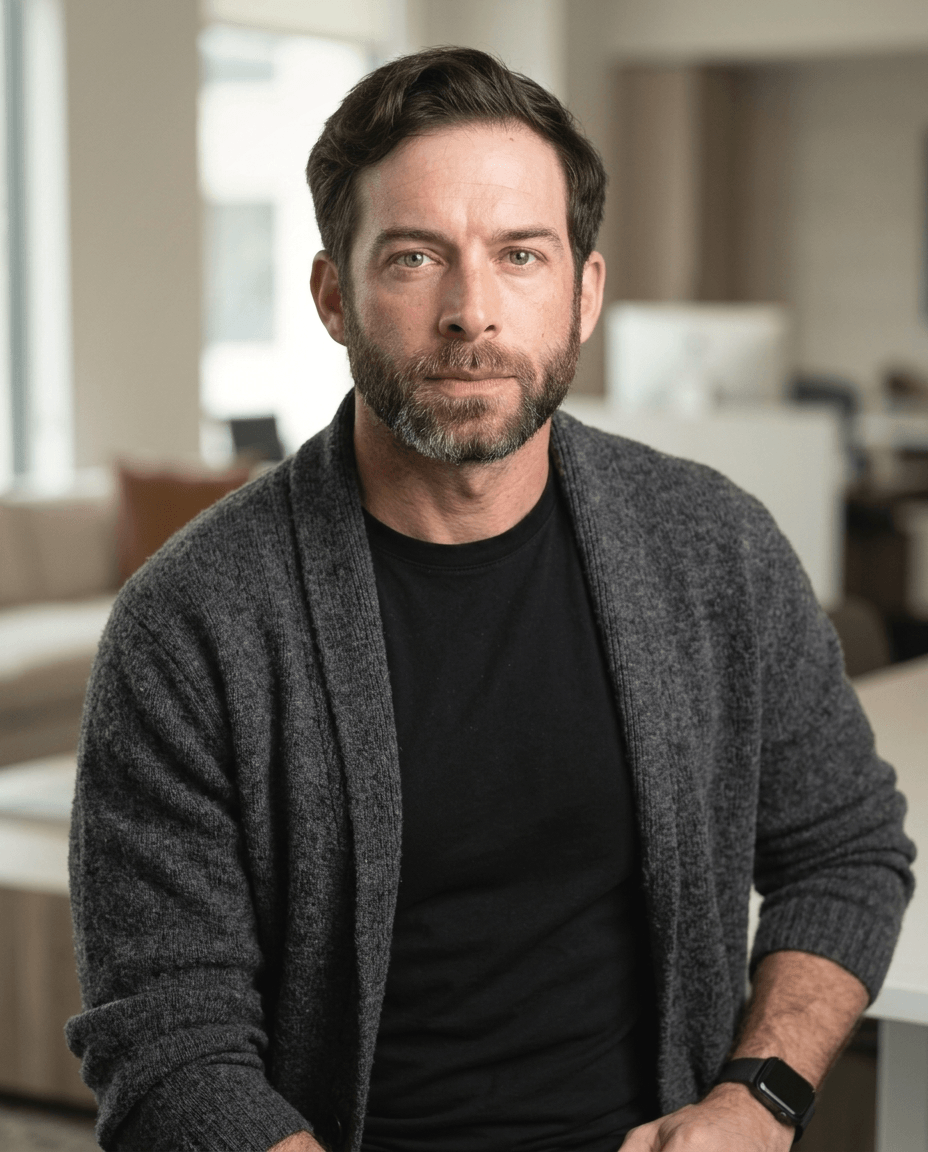
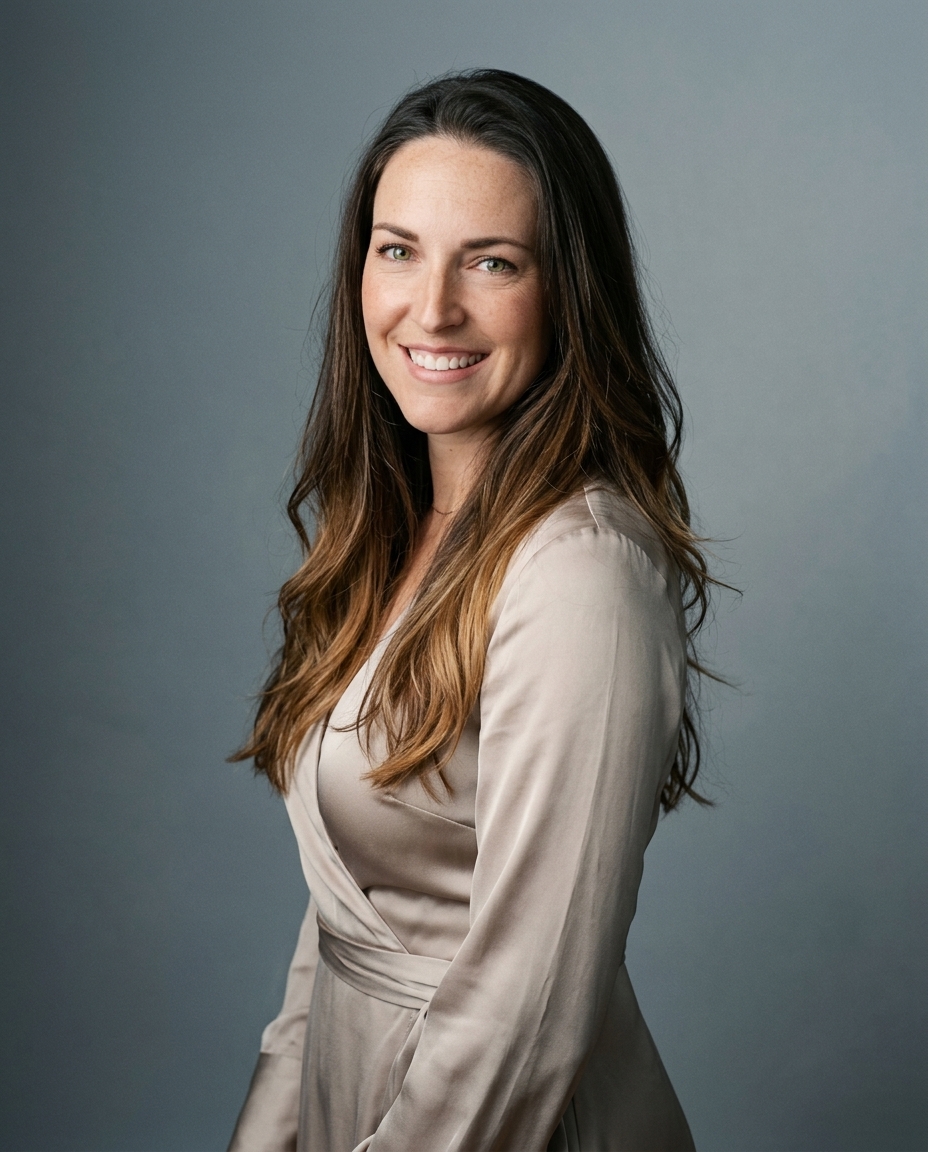
You make seven-second first impressions in person. Online, you make them in less than one.
Before anyone reads your bio, checks your credentials, or glances at your portfolio, they've already looked at your headshot and decided something. Whether you're worth responding to. Whether they trust you with their project, their money, their career referral. Whether you belong in the room they're about to enter.
That's the ROI case for a professional headshot. It's compelling — good headshots measurably drive more connection requests, more responses, more conversions. The only reason most people historically didn't have one was the math: professional headshots cost $150–$600, and you had to justify the expense against an invisible future return.
At $29, that math breaks. And when the math breaks, the ROI conversation stops being about whether to invest — and starts being about refresh cadence.
What ROI actually means for a headshot
Three real dimensions of return:
1. Visibility ROI. LinkedIn's own data shows that profiles with a professional photo receive up to 21× more views and 9× more connection requests than profiles without one. That's not a subtle effect. Your profile isn't appearing in different searches when you add a photo; the same people are looking at the same profiles and engaging dramatically more when one has a decent photo attached.
2. Trust ROI. There's a well-documented effect where viewers engage more readily with clear, warm, confident professional imagery. Poor photos — bad lighting, casual context, outdated appearance — create evaluative friction. Viewers don't articulate "this photo is making me hesitate," but they hesitate. Bad headshots quietly cost conversions without anyone knowing why.
3. Opportunity ROI. This is the hardest to quantify and often the largest. The introductions you don't get because a prospect landed on a weak profile. The speaking invitations that go to someone with a cleaner visual presence. The press opportunities, referrals, and partnership pitches that flow toward the person who looks the part. None of these losses show up in a trackable column.
For anyone in a trust-dependent industry — realtors, lawyers, doctors, executives, consultants, freelancers selling their expertise — all three ROI dimensions hit at once.
The cost math used to kill the ROI at scale
Pre-AI, the ROI math worked but was fragile. A $500 professional session distributed over 1,000 profile impressions is $0.50 per impression. Real value — but the cost is upfront, the return is diffuse, and most people resisted making the investment.
More critically: the cost structure made refreshing economically irrational for most people. If a headshot costs $500 and lasts a few years, your annual "headshot budget" is $100-200. Refreshing more often than every 2-3 years wasn't financially defensible — even though you probably should refresh more often (your appearance changes, style shifts, the photo ages).
What AI pricing changes
When the cost drops to $29, the ROI framing inverts.
It's no longer "can I justify this investment?" It's "why wouldn't I refresh annually?"
Consider:
- Realtors update headshots every 12-18 months to match current business. At $29, that's $29/year. At $400, it was $300+/year. The economic barrier to frequent refreshes collapses.
- Career changers need a fresh headshot at every major transition — new job, new company, promotion. At $29, every transition triggers a refresh. At $400, only major transitions justify it.
- Consultants and freelancers need industry-appropriate register shifts (pitch deck for Fortune 500 vs. website for SMB vs. LinkedIn for general networking). Traditional photography forced one look. AI Headshots at $29-59 gives you 100+ photos across 10 styles — genuinely useful multi-register coverage.
- Teams need consistency across 15+ people. The ROI math on coordinating a photographer session across a distributed team is terrible. The ROI on AI team headshots at $29/person is trivially good.
The dollar-cost-per-impression calculation when a headshot costs $29 and generates 1,000+ impressions is under 3 cents per impression. At that level, the ROI conversation moves from "is this worth it" to "am I getting the most out of it" — which is a much better place to be.
The four mechanisms that turn headshots into revenue
Independent of whether you choose traditional or AI photography, here's how a good professional headshot actually makes you money:
- Higher response rates on outreach. Cold email reply rates, connection request acceptance rates, and inbound DM response rates all correlate with profile photo quality. A better photo means more of your outreach converts into actual conversations.
- Faster trust-building with new leads. In trust-dependent industries, the time between first contact and first meaningful conversation is a sales-cycle variable. Better visual presence shortens it.
- Premium positioning that justifies higher pricing. Professionals with polished personal brands can charge more. Your headshot is a component of the brand asset that lets you defend premium pricing.
- Enhanced referral likelihood. People refer other people to contacts who look trustworthy at a glance. Your headshot is part of the "glance" moment that determines whether a warm introduction happens.
These mechanisms compound over months and years, which is why the ROI math is so lopsided: a tiny upfront investment drives effects that persist across hundreds of professional interactions.
The hidden cost of not having a good headshot
Most professionals think about the cost of the investment and underweight the cost of not investing.
Missing conversions leave no trail. Prospects who bounced because your profile looked unconvincing don't email you to explain. Referrals that got redirected to someone more polished don't circle back to tell you why. Press opportunities and speaking invitations that flowed elsewhere don't announce that they were considering you first.
That invisible opportunity cost — the stuff you never hear about — has always been the real ROI lever. The upfront investment is a small, known number; the missed opportunity is a large, unknown number that compounds.
Why DIY phone photos destroy the ROI
The temptation to save $29 by using a phone selfie is the ROI trap. Technical deficiencies in a phone selfie (we covered this in more depth in Why Your Phone Camera Isn't Enough) undermine all three ROI dimensions:
- Lighting looks amateur → reduced trust signal → fewer conversions
- Composition is off → reduced professional credibility → fewer opportunities
- Post-processing is missing or bad → reduced polish signal → reduced referrals
The $29 investment in AI Headshots isn't replacing "no headshot." It's replacing the phone selfie that's actively hurting you. The ROI delta is the gap between no-signal-of-investment and genuine-signal-of-investment — which is much larger than the $29.
How to maximize your headshot's ROI
Five compounding moves:
- Use the same headshot everywhere. Identical photos across LinkedIn, email signature, company bio, speaking profile, and social media — consistency is its own brand signal.
- Refresh on a predictable cadence. Don't wait for the "perfect moment." Annually (at $29, trivial) or biennially maintains currency.
- Use multiple versions from one session. A formal version for firm bios. A warmer version for personal platforms. A wide crop for website headers. AI Headshots delivers 40-200 photos per pack precisely so you have this range.
- Pair the photo with strong copy. A great headshot plus a mediocre bio still underperforms. The photo earns the click; the copy earns the conversation.
- Refresh fast after major moments. New job, promotion, rebrand, big press feature — refresh within a week. The photo should reflect the you people just heard about.
The ROI conclusion
An outdated, low-quality, or absent headshot is costing you business right now. It's just costing you invisibly — in the conversations that didn't happen, the referrals that didn't arrive, the opportunities that flowed past you to someone more polished.
The old ROI math favored investing in a headshot despite the cost. The new ROI math, with $29 AI pricing, favors obsessively refreshing because the cost is negligible and the compounding returns are not.
Ready to capture the ROI? Upload your selfies and get 40+ professional headshots in under 30 minutes, starting at $29.
Related: What headshots actually cost in 2026 · The 10,000 Headshot Study · AI Headshots vs traditional photographer
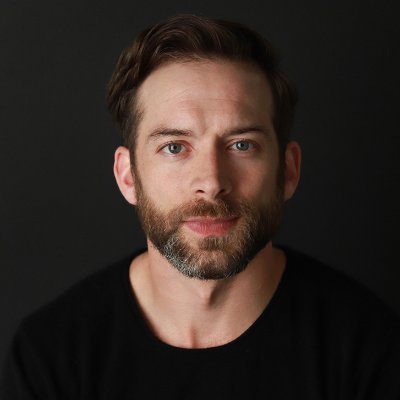
Joseph West
Founder of AI Headshots and Studio Pod — the automated headshot studio in Houston, Texas. Photographer first, AI engineer second.