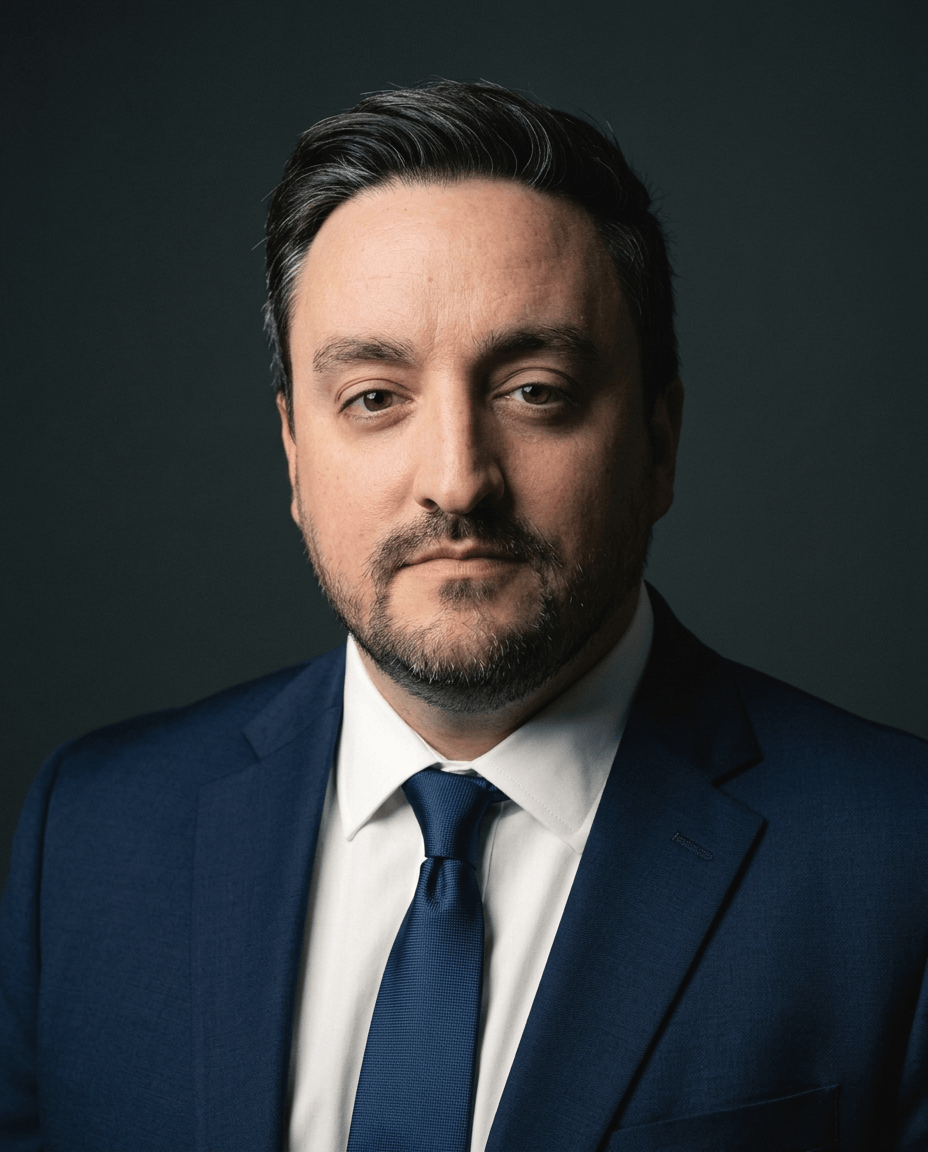
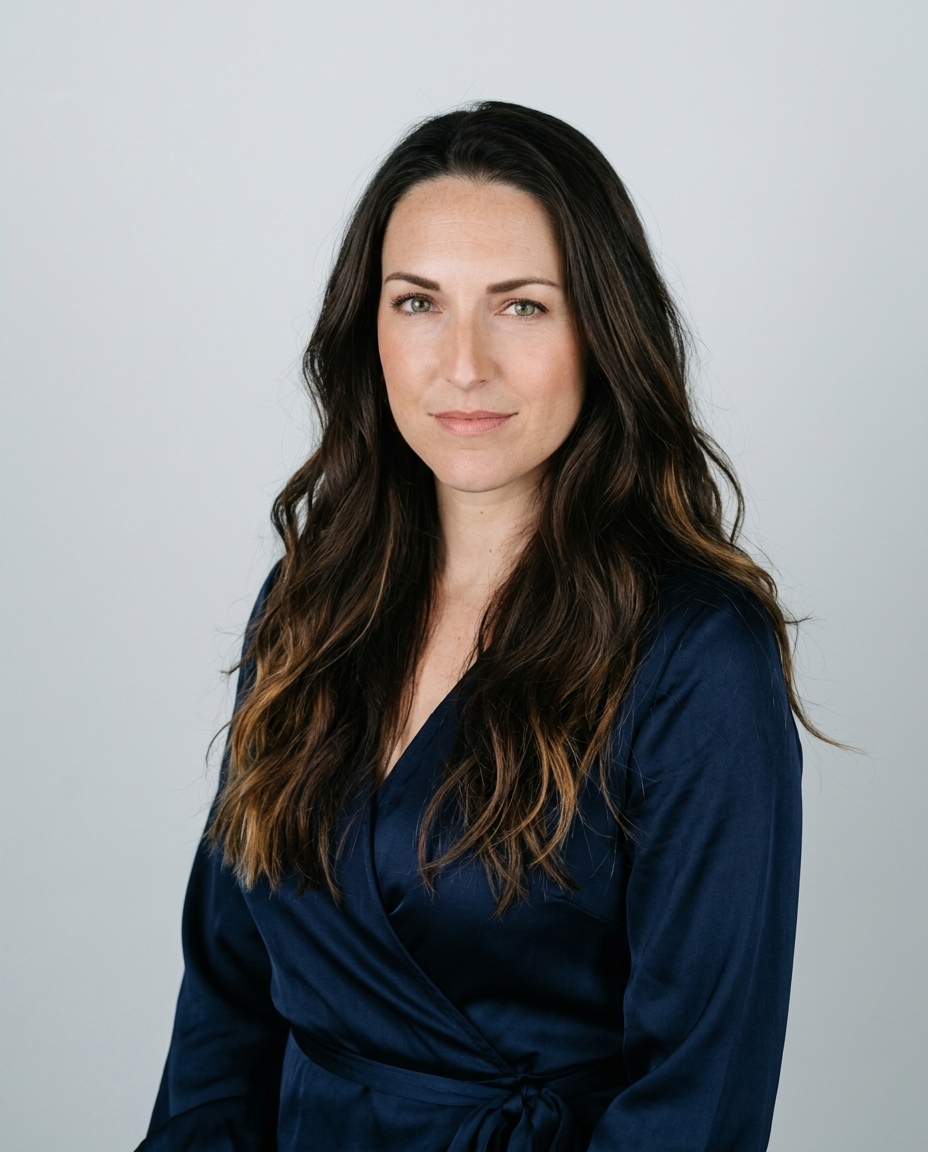
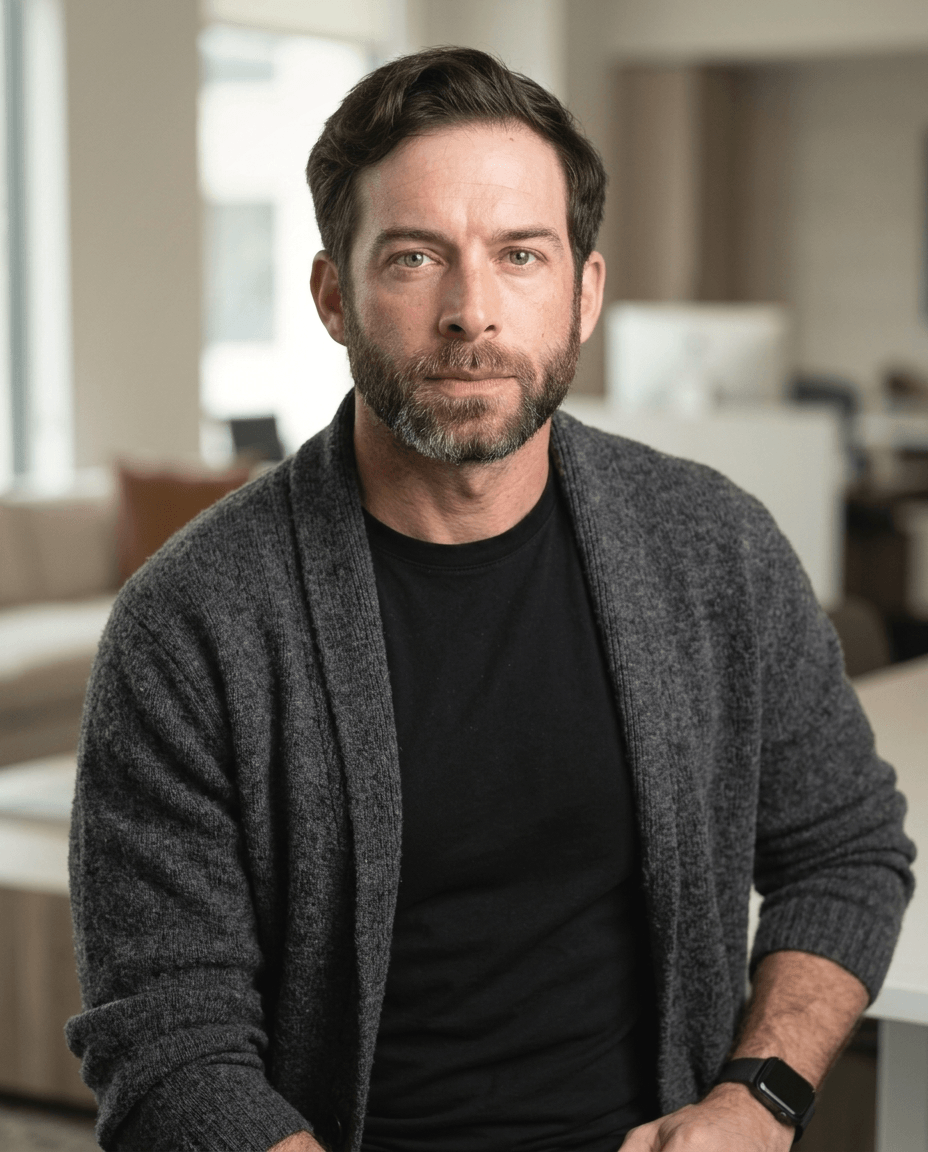
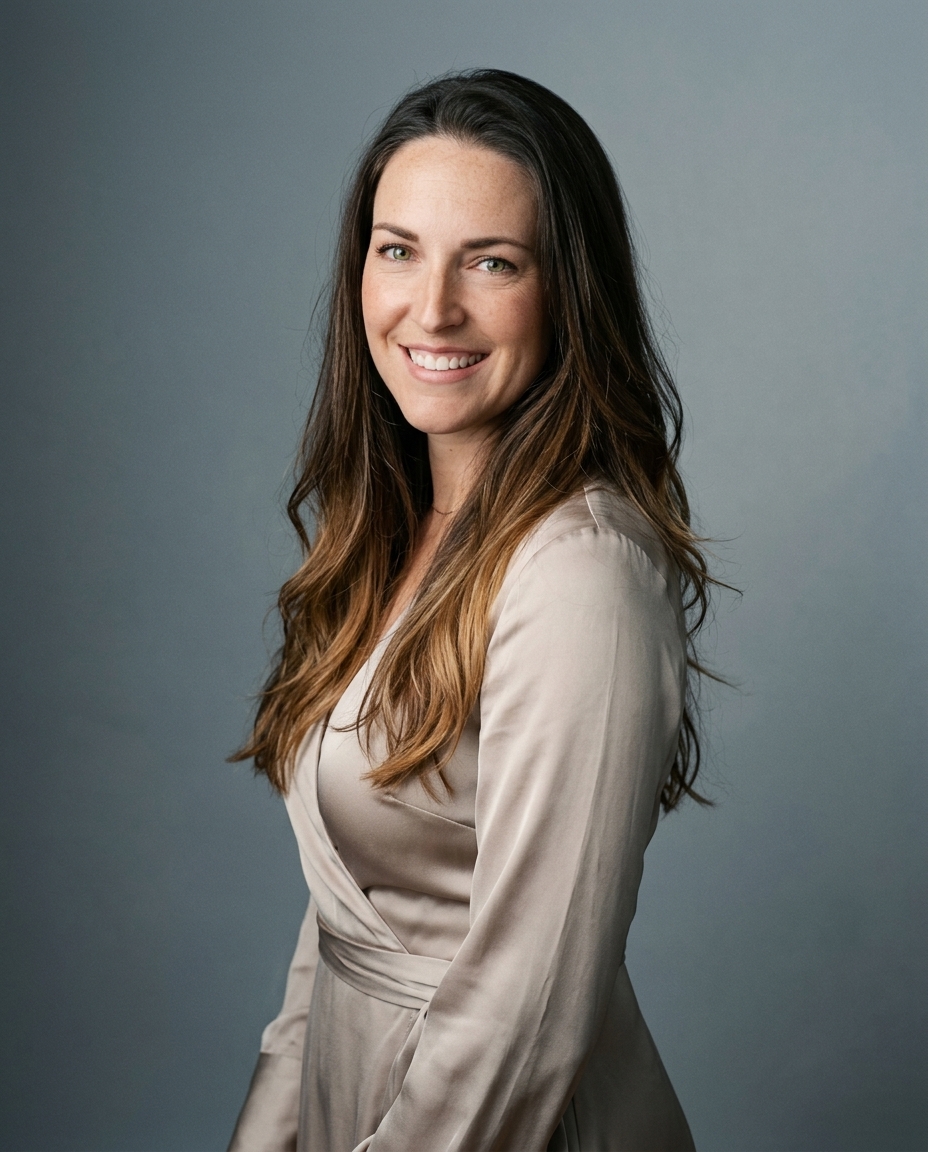
Your phone takes better photos than most professional cameras did twenty years ago. It has computational image processing, multi-lens optical switching, AI-assisted scene recognition, and more megapixels than any professional needs.
And it still isn't enough for a professional headshot.
This isn't a story about megapixels. It's a story about what phones can't simulate, what human photographers instinctively fix, and what the best AI tools now compensate for. Let's unpack all three.
The four specific problems with phone cameras
1. Wide-angle distortion. Phone cameras have short focal lengths (typically 26-52mm equivalent on standard lenses). When you hold the phone at arm's length to take a selfie, the short focal length exaggerates whatever's closest to the lens — usually your nose. Features get compressed and flattened in a way that reads as "selfie" to anyone's visual pattern-matching, even if they can't articulate why.
Professional portrait photographers use 85-135mm lenses specifically because at those focal lengths, from the proper working distance, facial features render in natural proportion. The background compresses flatteringly. The face has dimension and depth. The photo looks like the subject rather than a wide-angle caricature.
Phone cameras can't fake this optically. Their digital "portrait mode" simulates depth of field but can't change the fundamental lens geometry.
2. Light you didn't control. Professional photography's defining technical skill is lighting. Studio setups put a large soft light source at the right angle to the face (typically 45° off-center), often with a fill light and a subtle rim light. The shadows are soft. The skin has dimension without harsh contrast. The catchlights in the eyes show a specific shape that reads as "studio."
Phone cameras take the light they find. Overhead office fluorescents create raccoon-eye shadows. Window light is directional but usually unflattering without angling yourself deliberately. Phone flash flattens the face and removes dimension.
No algorithmic post-processing can fully recover a photo taken under bad lighting. The shadows are baked in.
3. Amateur composition. Professional headshot composition is deliberate: where you crop, what angle you shoot from, how you frame the shoulders, where the subject looks. These decisions are based on decades of portrait photography conventions — conventions that matter because viewers unconsciously compare every headshot they see against the ones they've seen thousands of times before.
Phone selfies skip all of that. You hold the phone where your arm can reach. You crop where your frame happens to land. The angle is whatever's comfortable.
4. No direction. Studio photographers give micro-direction before each shot — "chin down slightly," "small smile before you look at the lens," "turn your shoulders 20 degrees right." These tiny adjustments make the difference between a photo that looks like you at your best and a photo that looks like you mid-blink.
Selfies have no direction. You make whatever face you think looks good, freeze it, and tap the button. The result is usually fine. Rarely great.
Where each problem shows up in real professional use
These four technical gaps compound in predictable ways:
- LinkedIn profile thumbnails: Phone selfies read as "casual, not quite trying." Profile scroll-past rates go up. Connection acceptance rates drop.
- Firm bio pages: A phone selfie on a legal or medical professional's bio page creates cognitive dissonance — the context expects professionalism, the photo provides informality.
- Sales outreach: Cold email reply rates correlate with profile image quality. A phone selfie signals "probably not worth responding to" before the prospect reads your pitch.
- Media mentions and press features: Journalists writing about a professional will often pull the headshot from LinkedIn. Your phone selfie becomes the image in the published article.
The missed-opportunity cost of a phone selfie headshot is enormous and almost entirely invisible. You don't know about the connections you didn't make, the responses you didn't get, the referrals that flowed to someone more polished.
The AI answer — and its honest caveats
AI headshot generation solves for the phone limitations by synthesizing what a professional photographer would have produced. The right AI can:
- Render faces with the lens compression of an 85-105mm portrait lens
- Apply professional lighting patterns (key, fill, rim) to the synthesized image
- Compose the photo at studio-standard crops and angles
- Direct the synthesized expression toward the quarter-smile range that reads as professional-but-warm
But — and this is the honest caveat — not every AI headshot tool actually does these things. AI tools built by software teams retrofitting open models inherit the averaged mediocrity of the internet: over-retouched Instagram filters, casual selfies passed off as professional photos, stock-photo stiffness. Those tools produce outputs that sometimes look more artificial than a good phone selfie.
The AI worth using is the AI built by people who actually shoot headshots. AI Headshots was built by the photographers running Studio Pod, our physical automated headshot studio in Houston. After 10,000+ real studio sessions we know what correct lens compression, correct lighting, correct composition, and correct direction actually produce — and we designed the product around exactly that.
Where photographer-built AI fixes the phone problems
Compared side-by-side against phone selfies:
Lens compression: The AI generates images that simulate proper 85-105mm rendering even though your input selfies were shot with a phone's wide lens. It's doing photographic interpolation based on what good portrait photos look like.
Lighting: The model applies studio lighting patterns by default — soft key light, gentle fill, subtle rim separation from the background. Your input selfie can have bad lighting; the output won't.
Composition: Professional crops, appropriate framing, proper subject distance. Studio conventions, applied automatically.
Expression: Output heads toward the quarter-smile register that reads as warm-professional. The synthetic "gaze" is directed at the lens with appropriate depth of attention.
The result is a professional-register headshot from selfie-register input. The phone's technical limitations don't matter because the AI isn't using the phone's output as the final image — it's using it as a reference for facial identity, then compositing a proper studio-quality photo around the reference.
When a phone selfie is still okay
Honest context: phone selfies are fine for:
- Casual team directories at small companies that aren't client-facing
- Internal communications (Slack profile photos, internal wiki)
- Personal social media (Instagram, personal Facebook)
- Community or hobby group memberships
- Early-stage businesses with literally zero budget and no client-facing touchpoints
For everything that touches paid professional reputation — LinkedIn, firm bios, team pages, press materials, external-facing business assets — phone selfies are a quiet drag on your professional returns.
The threshold question
If you're evaluating whether to upgrade from a phone selfie to a professional headshot, the threshold question is simple: does the photo get seen by anyone whose opinion affects your career or revenue?
If yes, invest in a real professional headshot. The cost has never been lower — $29 for 40 AI-generated variations is cheaper than a team dinner. The ROI math is straightforward.
If no (internal teams, personal social, casual contexts), a phone selfie works fine.
The phone was never the issue. The misuse of phone selfies in contexts that demanded professional photography was the issue. The phone is for casual photos. The AI is for professional headshots. Both can live on the same device — the photo on your LinkedIn profile just doesn't have to come from the same camera that takes your vacation pictures.
Ready to upgrade from the phone selfie? Upload your selfies and get 40+ professional headshots — built by working photographers, not another AI from a software team that scraped the internet. Starting at $29.
Related: The ROI of a professional headshot · How to prep selfies for the best AI output · The 10,000 Headshot Study
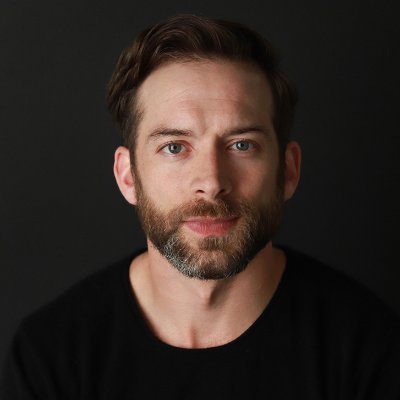
Joseph West
Founder of AI Headshots and Studio Pod — the automated headshot studio in Houston, Texas. Photographer first, AI engineer second.