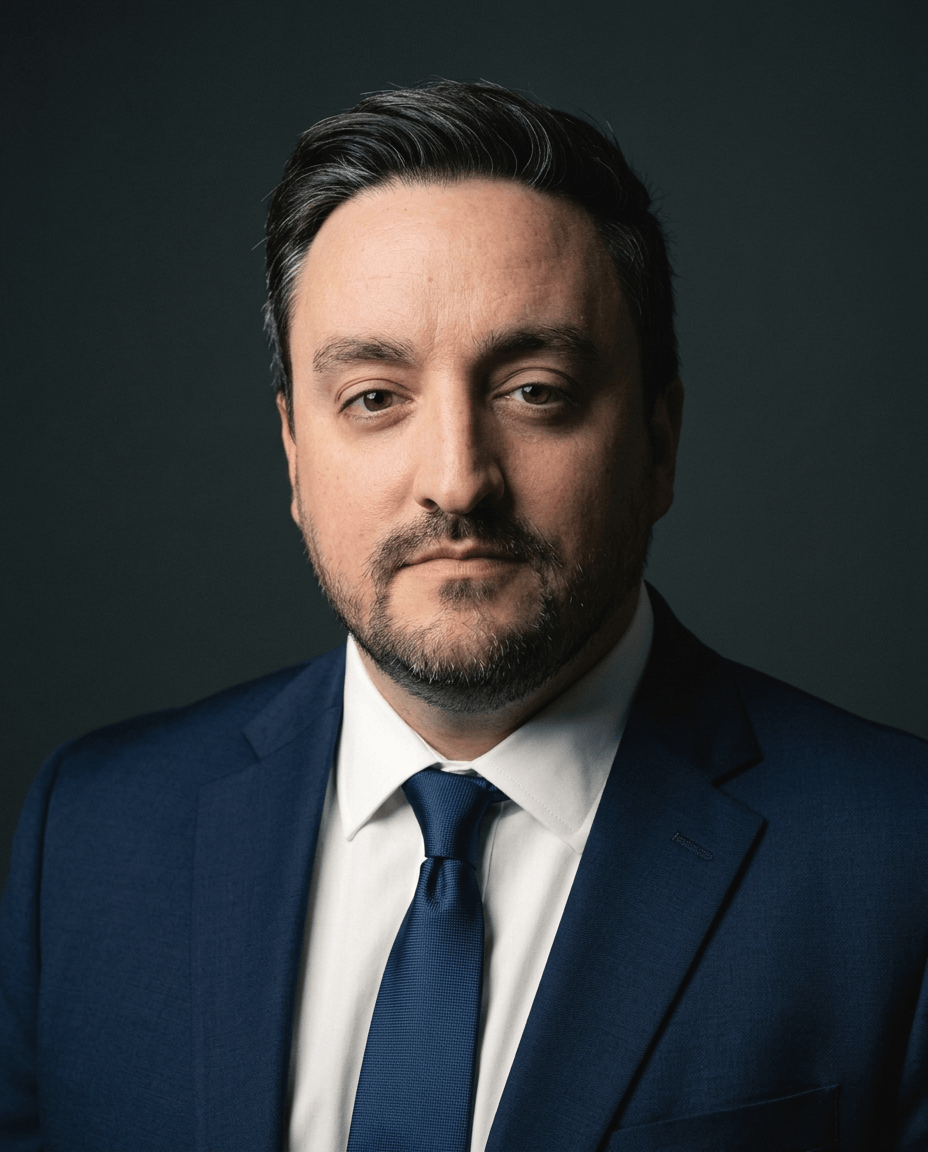
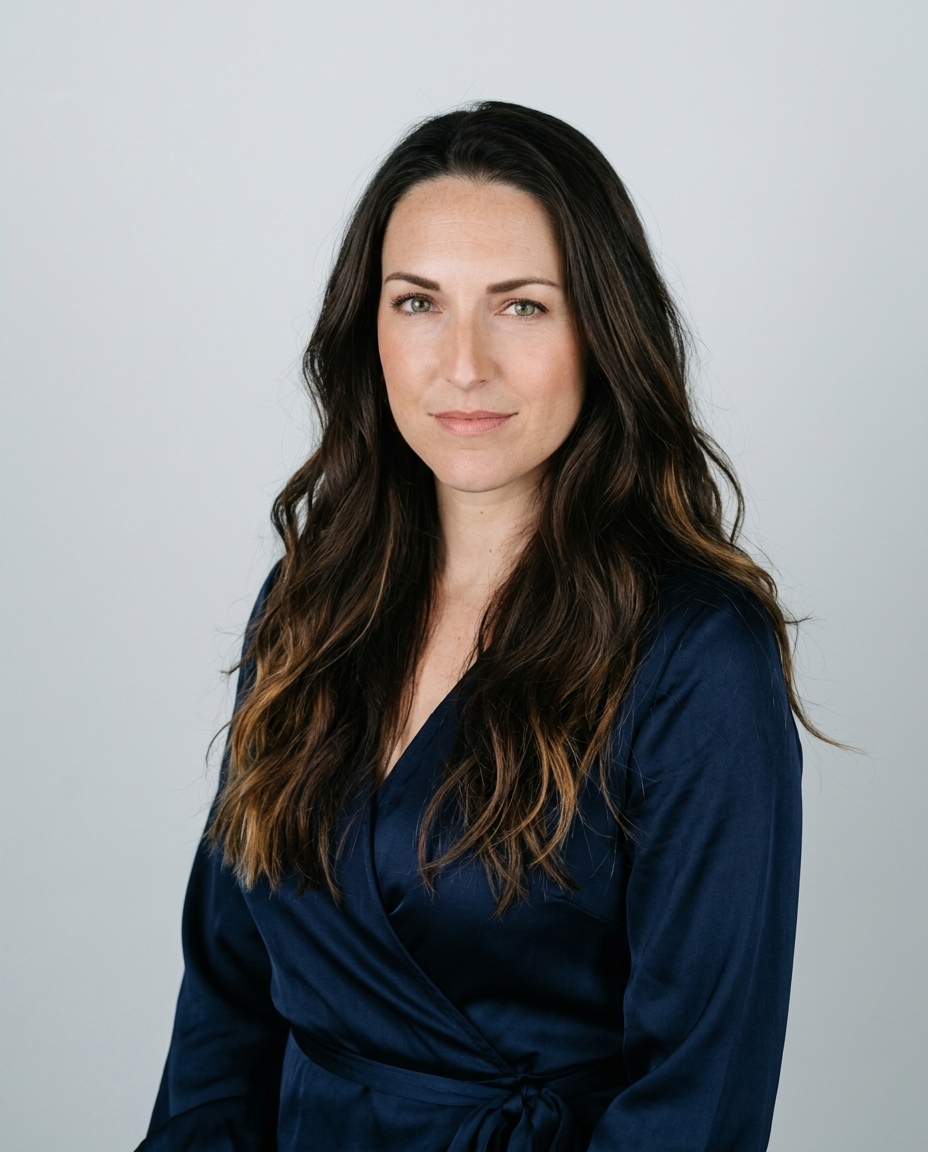
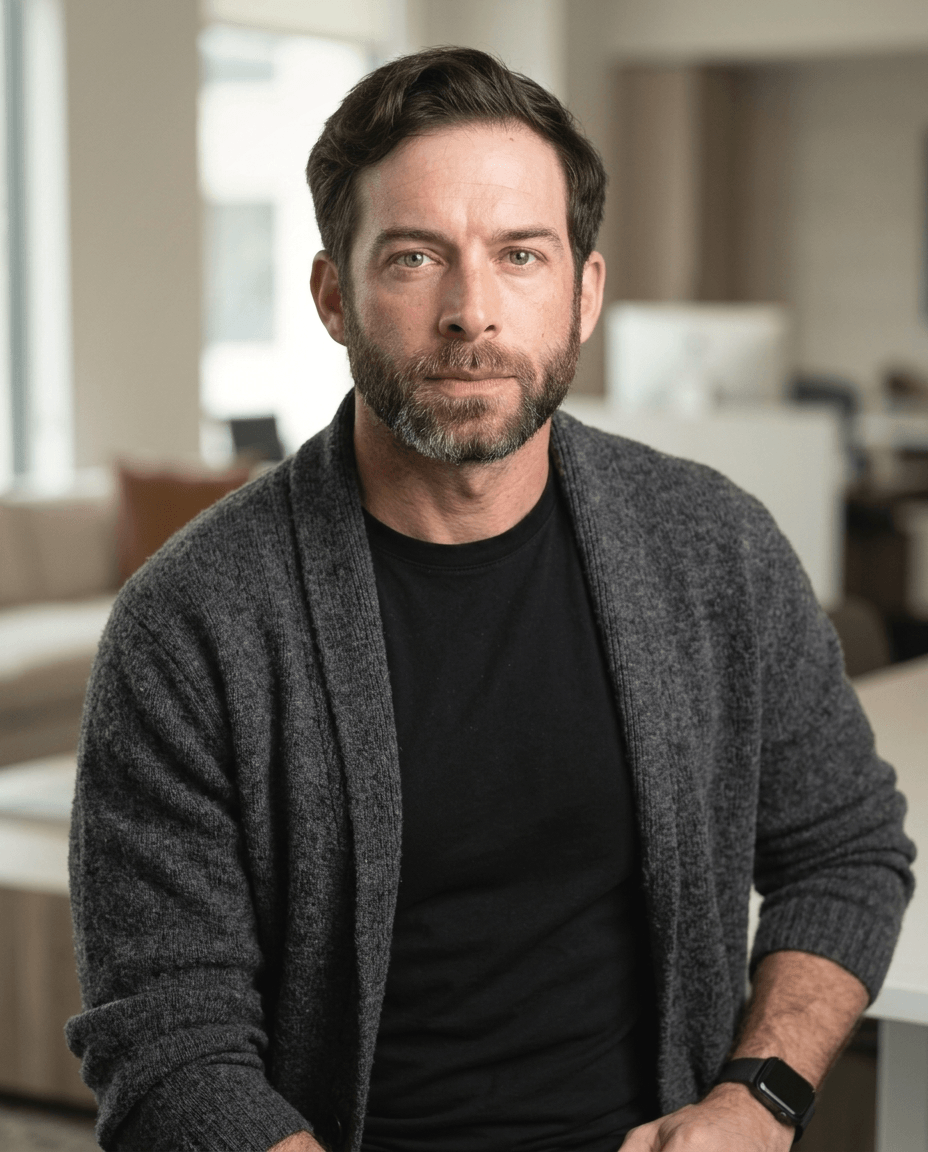
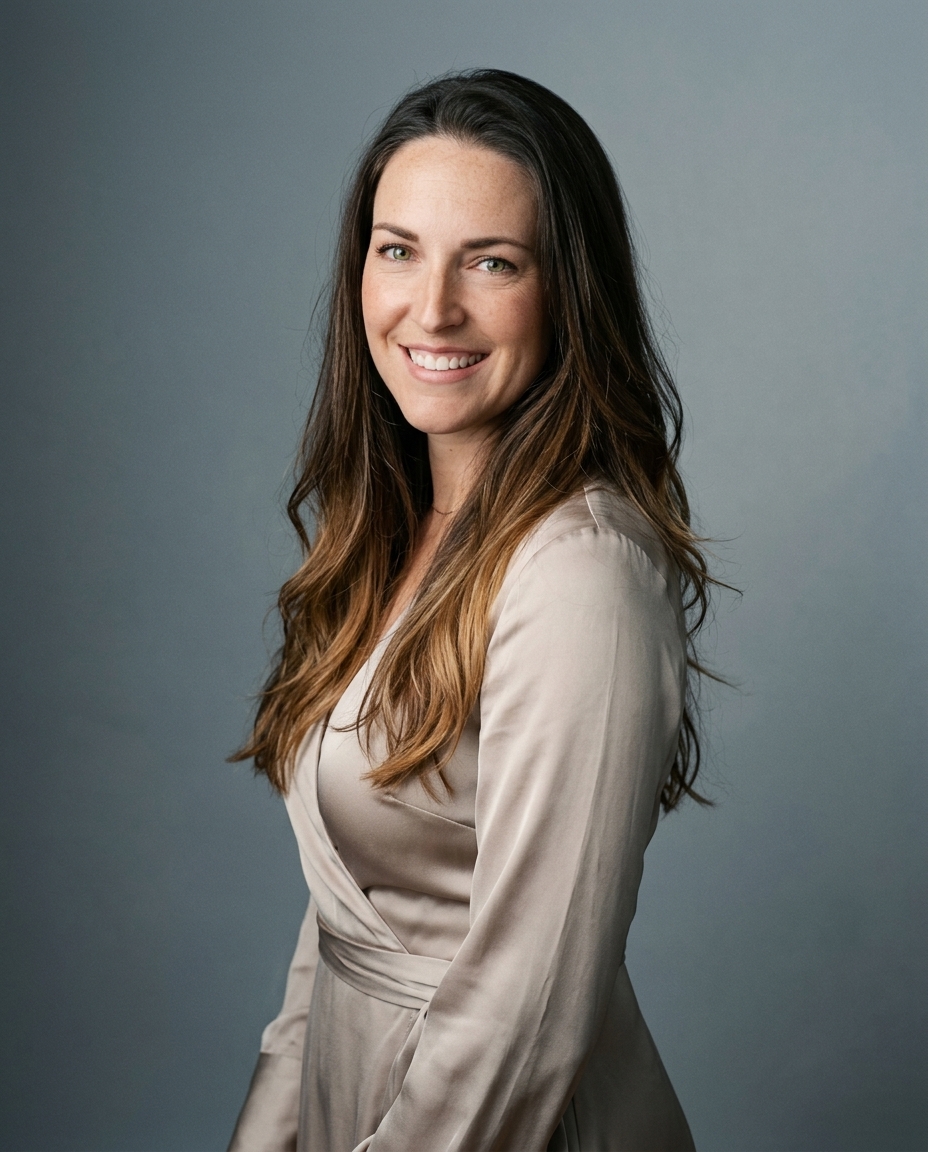
We've seen tens of thousands of selfies become professional headshots — and there's one mistake that kills more outputs than any other.
It isn't the AI.
It's the input.
The single biggest factor separating a headshot that gets used on LinkedIn from one that goes straight to the trash is the quality and variety of the photos you upload. We know this because we built AI Headshots on top of Studio Pod, an automated headshot studio in Houston where we've shot over 10,000 real professionals in controlled conditions. We know what good selfies look like because we shoot real customers in our studio every day.
Here's what we've learned — and exactly how to give the AI the best possible chance at nailing your headshot on the first try.
Variety beats volume
The most common question we get is "how many selfies should I upload?"
The answer most tools give is some arbitrary number. Ours isn't arbitrary — it's 10 to 20, and it's rooted in the same coverage we've found works for real customers at Studio Pod. Here's why:
Our AI is pattern-matching across five dimensions: facial structure, expression range, lighting conditions, background variety, and angle. If you upload 50 near-identical photos of yourself smiling straight at the camera in your office, you've given the AI one data point, not 50. It'll learn that version of you perfectly — but when it tries to generate a three-quarter profile in a different outfit, it has nothing to draw from.
The 10-selfie rule isn't about quantity. It's about coverage.
Aim for:
- 3-4 different expressions (neutral, slight smile, full smile, thoughtful)
- 3-4 different angles (straight on, slight turn left, slight turn right, up/down tilt)
- 3-4 different lighting conditions (outdoors, indoor near a window, overhead, low-key)
- Varied backgrounds (not always the same wall)
Ten well-chosen photos covering those dimensions will outperform 50 similar selfies every time.
Lighting is the quiet killer
Of all the input issues we see, lighting is the most common — and the hardest for people to self-diagnose.
The problem: your phone makes bad lighting look okay in the preview. The AI doesn't get fooled.
Here's what we've learned from shooting thousands of people in our Houston studio, where we control every light source:
Avoid these lighting situations:
- Overhead fluorescent (office ceilings) — creates raccoon eyes and kills skin texture
- Harsh direct sunlight at noon — maxes out shadows, blows out highlights
- Phone flash in a dim room — flattens your features and kills dimension
- Mixed warm/cool lighting (tungsten + daylight) — confuses color reproduction
Upload selfies shot in these conditions:
- Near a large window during daytime, facing the window
- Outdoors in overcast light or open shade
- Golden hour (first or last hour of daylight)
- Indoors with soft diffused lamps at a 45° angle from your face
If you can't tell whether your lighting is good, here's a simple test: look at the shadows under your eyes and nose. Soft, barely-there shadows mean good light. Dark, defined shadows mean harsh light. The AI sees exactly what you see — but it doesn't forgive the way your brain does.
Keep your face the hero
A surprising number of input photos we see include sunglasses, hats, heavy makeup, scarves, or other face-coverings. Every piece of that is information the AI has to guess around.
Guidelines we give Studio Pod customers that apply equally here:
- No sunglasses. The AI can't learn your eyes if it can't see them.
- Minimal makeup for the input. The AI applies its own treatment based on the craft baked in. Heavy contouring or editorial makeup confuses it.
- Clean clothing choices. Solid colors translate better than busy patterns — but you don't need to shoot in a suit. The AI will dress you in whatever style you pick at generation time.
- Don't over-edit. Raw unfiltered selfies give the AI cleaner signal. FaceTune'd selfies introduce artifacts the model thinks are real features.
The photos you upload aren't your final headshots. They're the raw material the AI uses to learn what YOU look like. The cleaner that signal, the cleaner the output.
The 10-selfie rule
Here's the framework we recommend every customer follow:
Shoot 10 selfies across these 5 buckets:
- Two neutral, straight-on — no smile, looking at the camera. Your "base" reference.
- Two natural smile — not posed, just a genuine slight smile. Eyes should crinkle.
- Two three-quarter angle — one looking slightly over each shoulder.
- Two different lighting conditions — one near a window, one outdoors.
- Two different outfits or backgrounds — just so the AI learns you in more than one context.
That's 10 photos, done in 5 minutes, covering every dimension the AI needs.
If you want to add a few more — go to 15 or 20. More variety rarely hurts. But stop before 20. Beyond that, you're not adding signal, you're adding noise.
What about Instagram?
If you have an active Instagram, you probably already have 50+ selfies the AI can pull from — and we support importing directly. That works, but with one caveat: Instagram photos are usually filtered, which degrades the input signal.
If you use the Instagram import, let our face-matching AI filter for the best candidates rather than bulk-importing. The model picks photos with varied expressions and clean lighting, and rejects filtered shots that would hurt the output.
The honest truth
Even with perfect input, AI headshots aren't magic. AI Headshots was built by working photographers, which is why it handles skin texture, hand positioning, and lighting more accurately than competitors built by software teams retrofitting open models. But it still benefits from good raw material.
Think of it this way: a professional photographer can make a great headshot with a cheap camera, because they know how to see the shot. AI Headshots can make a great headshot with imperfect selfies, because it was built by real photographers. But the best results come when both sides bring their A-game.
Shoot 10 good selfies. Spend 5 minutes on lighting. Keep your face the hero. You'll get headshots that don't look AI-generated — because the difference between "uncanny" and "usable" is almost never the AI.
It's the input.
Ready to try it? Upload your 10 selfies and get 40+ professional headshots in under 30 minutes.
Want more context? Read the 5 rules that separate great headshots from mediocre ones, or compare AI headshots vs a traditional photographer before deciding.
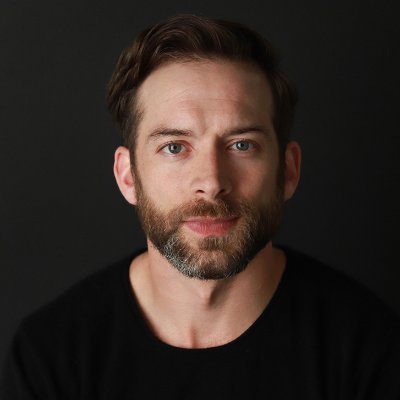
Joseph West
Founder of AI Headshots and Studio Pod — the automated headshot studio in Houston, Texas. Photographer first, AI engineer second.