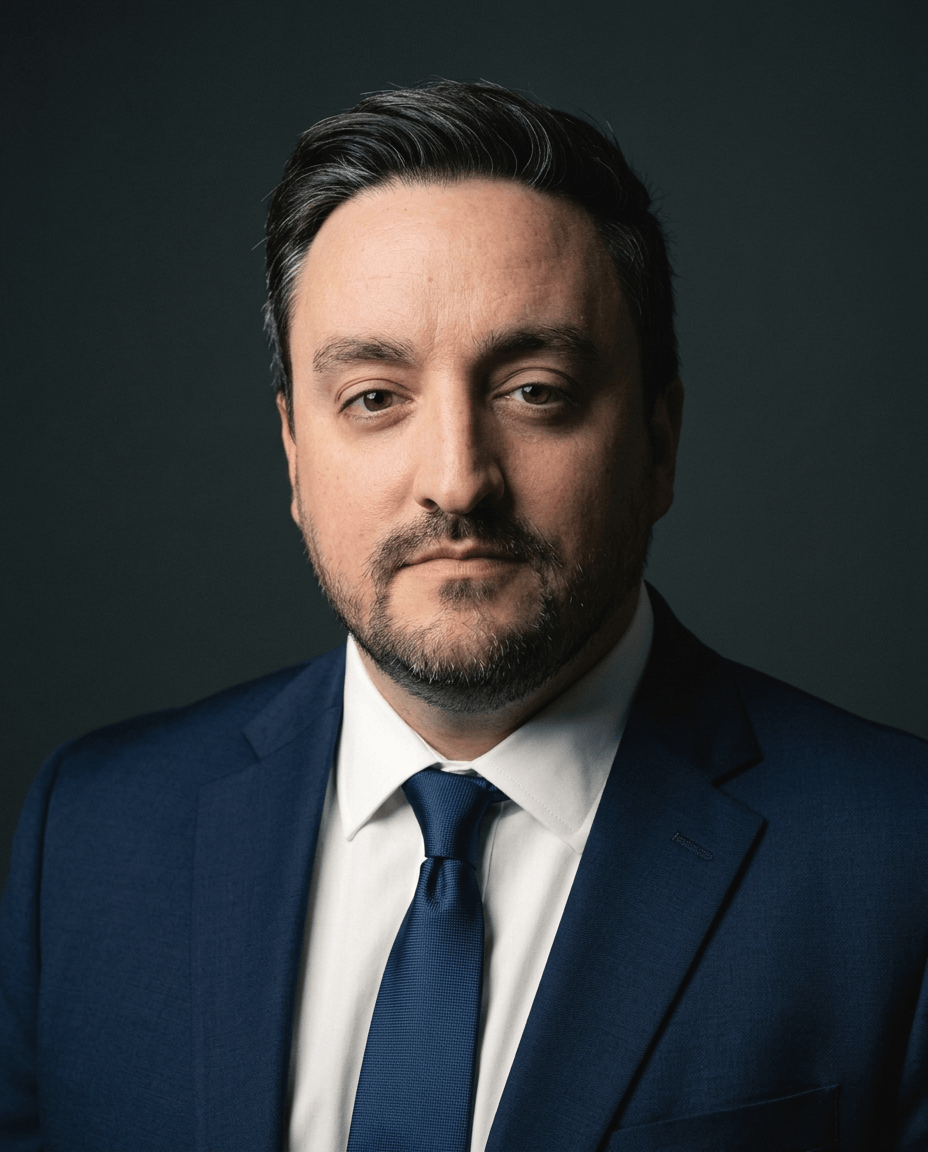
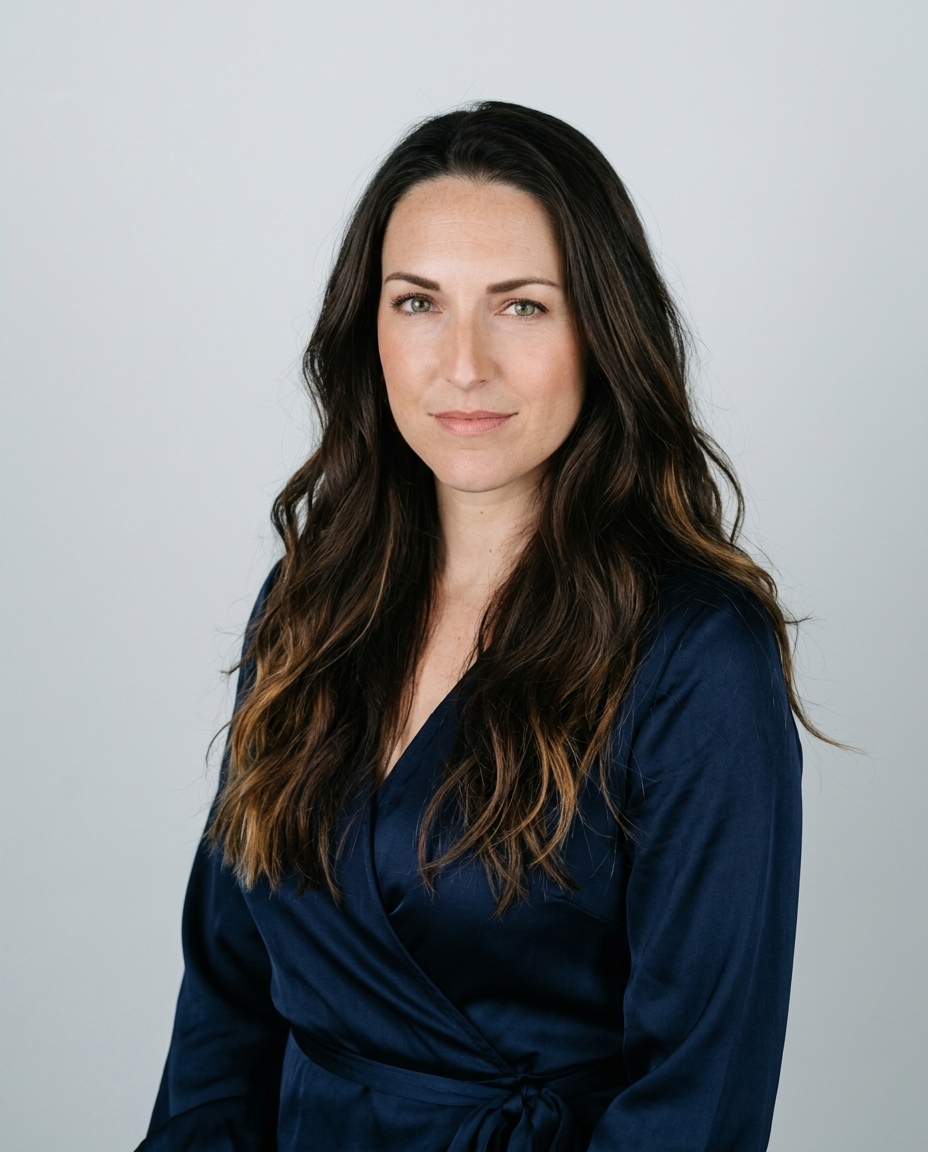
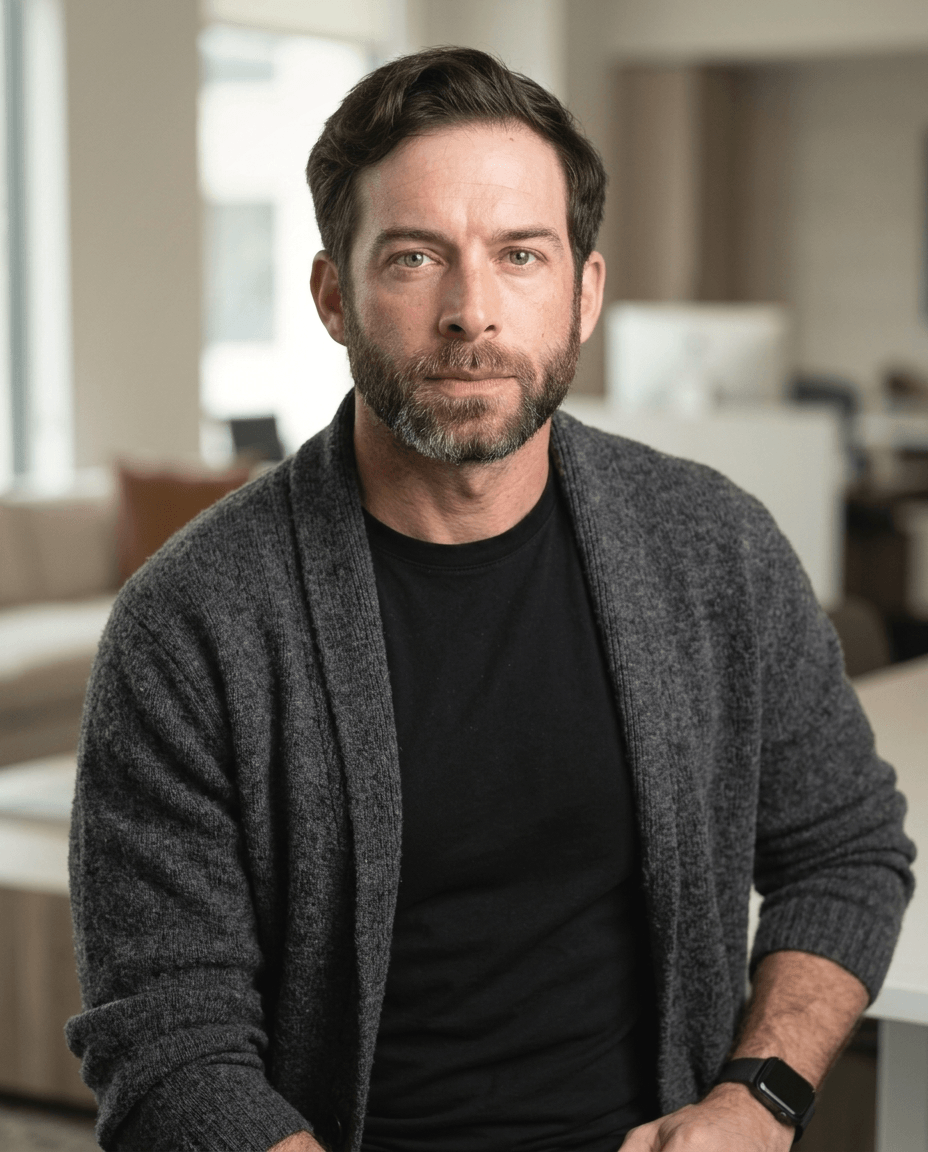
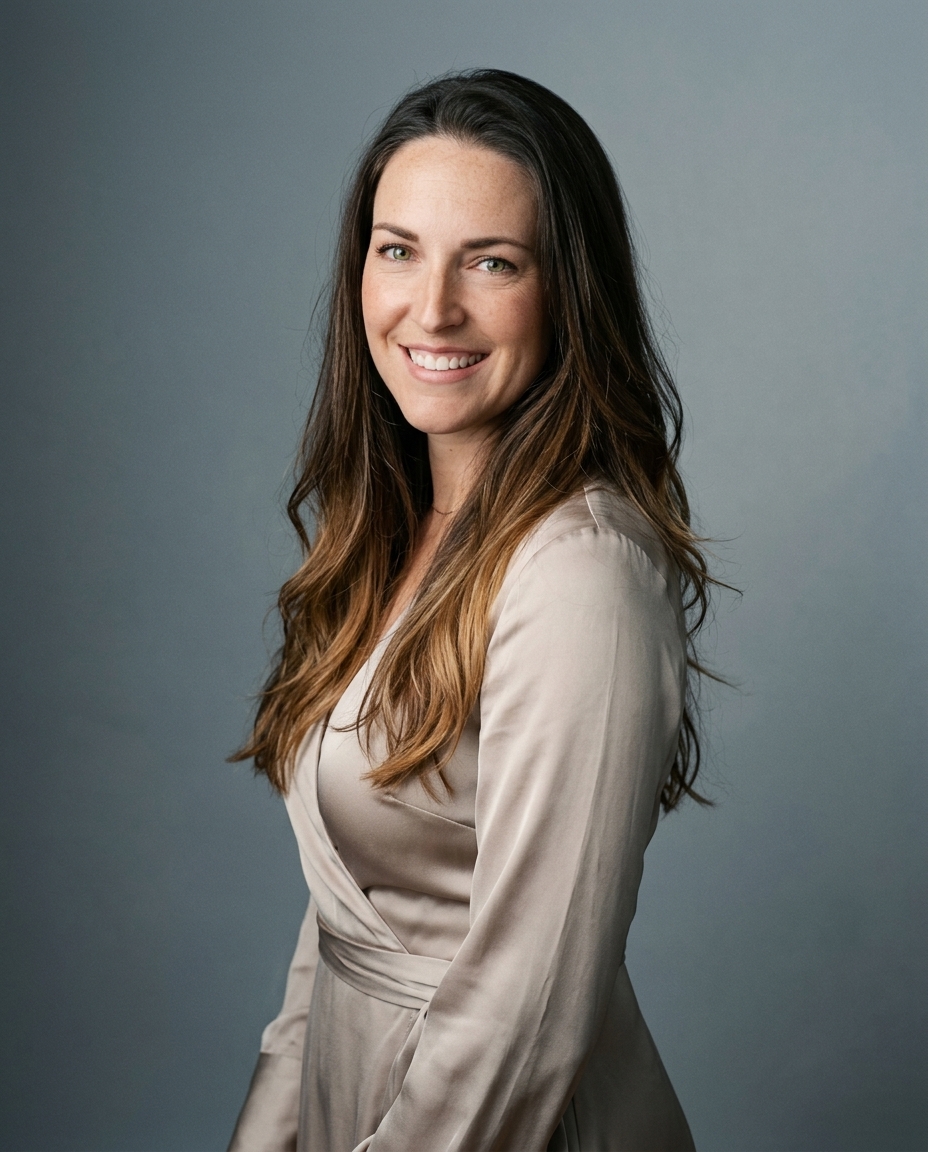
Doctor headshots have a unique problem: they need to communicate two things that are hard to balance at the same time.
Clinical credibility — the patient (or hospital system, or fellowship committee) has to believe you know what you're doing.
Personal warmth — the patient has to want to tell you things. The fellowship committee has to want to interview you. The hospital system has to want a face that represents them.
After shooting hundreds of physicians at Studio Pod in Houston (a few blocks from the Texas Medical Center), here's what actually works.
The framing
Head-and-shoulders, eye contact, slight smile. That's the baseline for 95% of medical headshots. Variations:
- Closer crop (shoulders cut just above clavicle): more intimate, better for patient-facing portals like MyChart.
- Wider crop (showing more of the white coat or scrubs): more institutional, better for hospital staff directories and research publications.
- Three-quarter angle vs square-on: three-quarter reads as more dynamic, square-on reads as more authoritative. Pick by specialty.
Wardrobe by specialty
This is where most generic photographers fail doctors. The right wardrobe is highly specialty-specific.
Primary care, internal medicine, family medicine:
- White medical coat over a soft collared shirt (light blue, pale grey, or warm cream)
- Stethoscope visible at the collarbone — signals patient-facing role
- Optional name embroidery if your hospital permits
Surgeons and anesthesiologists:
- Light-blue or hunter-green surgical scrubs (V-neck cut)
- White coat optional; many surgeons prefer scrubs-only for accuracy
- Surgical cap if relevant to your subspecialty's branding
Pediatricians:
- White coat over a warm-toned collared shirt
- Tasteful color (soft yellow, sage, dusty pink) reads as approachable
- Slightly broader smile than other specialties — kids and parents respond to it
Psychiatrists and therapists:
- Skip the white coat — too clinical for trust-building
- Soft sweater (merino crew, cardigan) or business-casual blazer
- Warmer color palette overall
Researchers and academic physicians:
- White coat over a more formal shirt + tie (men) or fine blouse (women)
- Background can be slightly more "institutional" (library, office) than patient-facing
- Slightly more formal expression
Specialists (cardiology, oncology, neurology):
- White coat over a crisp collared shirt
- Tie (men) or fine jewelry (women) if patient-facing
- Slightly more authoritative expression
Lighting
The clinical headshot lighting standard in 2026:
- Soft front light (large softbox or window) — not dramatic, not flat
- 1.5:1 to 2:1 shadow ratio — visible dimensionality without harsh shadow
- Eye-level camera position — looking up at you reads as authoritarian, looking down reads as unflattering
- Neutral background — soft grey or warm cream gradient. Avoid clinical white (blows out) and any branded backdrop unless approved by your hospital
Don't shoot in your actual office. The lighting, clutter, and background almost never works for a portrait.
Expression — the balance
The hardest part of a doctor headshot is the expression. You want:
- Eye contact that says "I'm listening" rather than "I'm studying you"
- Subtle smile that suggests competence + accessibility, not "I'm here to sell you something"
- Relaxed shoulders — most physicians instinctively hold tension here, which reads as cold
Practical trick: think about explaining a complex diagnosis to a patient who's nervous. That's the expression you want — present, kind, professional.
Where the photo lives
Different surfaces need different shots. Most physicians need at least three:
- Hospital directory / staff page: clinical, white coat, light grey background, slight smile
- Patient-facing portal (MyChart, etc.): warmer, closer crop, more visible smile
- LinkedIn / professional networking: business casual, no white coat, lighter background — your "I'm available for new opportunities" shot
The cost difference is real: a traditional photographer session is usually $300-$600 for one look. AI headshot tools deliver multiple specialty-appropriate styles in one pack.
Common mistakes
I see these constantly:
- Wearing scrubs that don't fit. Borrowed scrubs that are 2 sizes too big read as unkempt. Even AI tools can't fix poor wardrobe fit.
- Smiling too hard. Big toothy smiles work for sales. They don't work for "trust me with your health."
- Holding the stethoscope wrong. It should drape naturally, not be clutched. If you don't normally pose with it, take it out of the shot.
- Forgetting hair. Most physicians don't get a haircut before their headshot. 5-7 days out is the sweet spot.
- Wearing patterned ties or scrubs. Patterns turn into visual noise at thumbnail size.
What AI can do for physician headshots
Most medical professionals refresh their headshots every 5-7 years because traditional photography is expensive and scheduling-hostile. AI headshot tools change the math:
- 30-minute turnaround — possible to get headshots for a new fellowship application the same day
- Multiple specialty-appropriate styles in one pack — clinical, patient-facing, academic, LinkedIn
- $29-$59 per pack vs $300-$600 per traditional session
- Re-runnable for residents changing rotations, fellows changing programs
The result quality has gotten high enough that most hospital systems accept AI-generated headshots for staff directories. (Disclosure required by some institutions — check your hospital's policy.)
If you want the medical headshot version without booking a Friday afternoon photographer session: AI Doctor Headshots at $29 for 40+ outputs, 30-minute delivery. We designed our model around what we learned shooting actual physicians at Studio Pod.
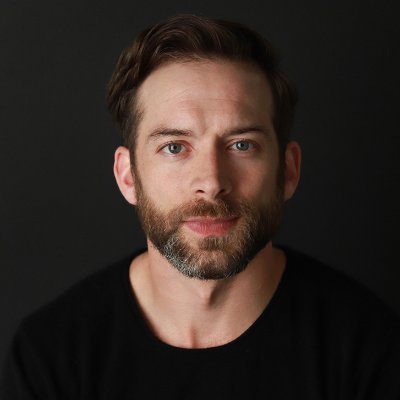
Joseph West
Founder of AI Headshots and Studio Pod — the automated headshot studio in Houston, Texas. Photographer first, AI engineer second.