A lawyer's headshot has to do something most professional photos don't: it has to read as authoritative the moment a prospective client lands on the firm bio page.
But "authoritative" looks completely different at BigLaw vs a boutique trial firm vs a plaintiffs solo. The wardrobe, the lighting, the expression, the background — all of it varies by firm type. Generic legal photography flattens these distinctions and the result is forgettable.
Here's what each register actually wants.
BigLaw partner (AmLaw 100)
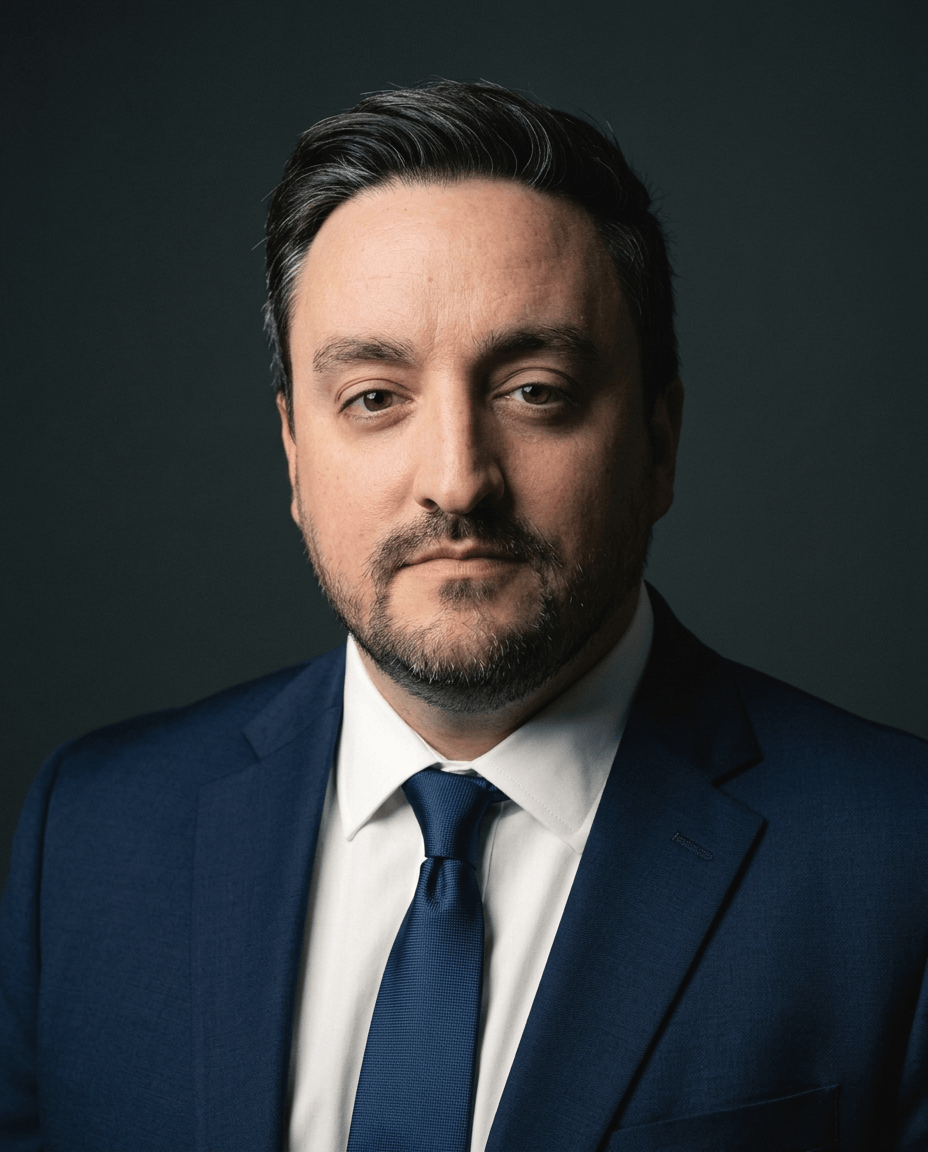
The aesthetic: restrained, conservative, old money. The kind of headshot that lives on Cravath's website without standing out.
- Wardrobe: dark charcoal or navy pinstripe suit, white French-cuff shirt, deep burgundy or navy silk tie. Cufflinks acceptable if subtle.
- Lighting: sharp directional key from upper-left at 45°, deeper 3:1 shadow ratio for gravitas, hair light to separate from background.
- Background: deep navy gradient or rich charcoal. Never warm tones — too inviting.
- Expression: direct, settled gaze. Closed-mouth confidence, not a smile.
- Framing: square-on, head-and-shoulders. No three-quarter angle — too dynamic for the BigLaw register.
The mistake most BigLaw lawyers make: trying to look "approachable." That softer style works for boutique firms or in-house counsel. It reads as out-of-character on a Cravath bio page.
Mid-size firm partner / GC
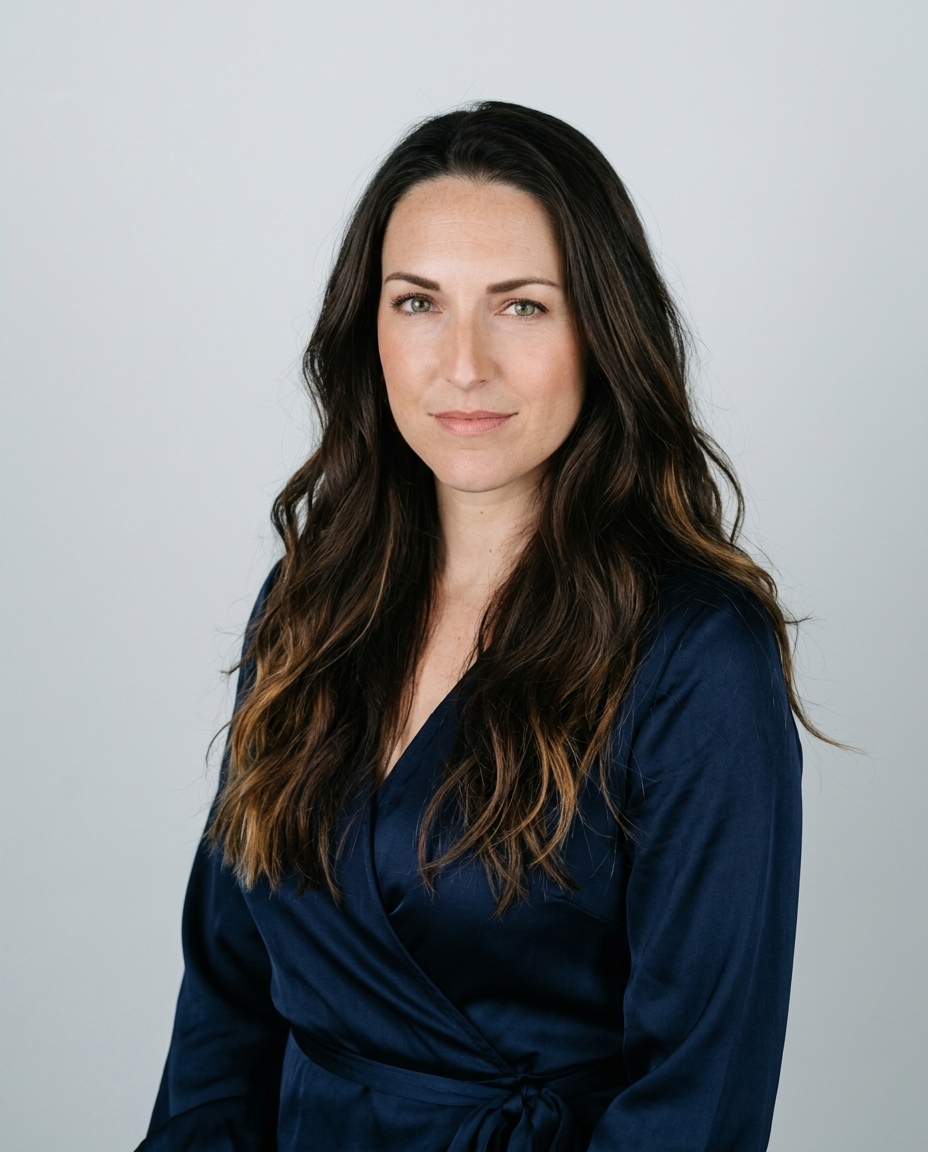
The aesthetic: professional but human. The kind of headshot that says "I'm the partner you'd actually want on your matter."
- Wardrobe: mid-grey or navy suit, light-blue or white shirt, more relaxed tie (or no tie if firm permits). Less formal than BigLaw, still serious.
- Lighting: softer directional key, 2:1 shadow ratio. Some shadow for depth but less dramatic than BigLaw.
- Background: mid-grey gradient or warm charcoal.
- Expression: subtle smile, eyes engaged. Closed-mouth or slight teeth depending on personal style.
- Framing: slight three-quarter angle. Adds dynamism without being too informal.
This is also the right register for in-house counsel, GCs, and corporate legal departments. You want to read as: smart, trusted advisor, real human.
Boutique trial firm
The aesthetic: sharper than BigLaw, more confident than mid-size. Trial lawyers need to look like they'd take your case in front of a jury.
- Wardrobe: dark suit, bold solid tie (deep red, royal blue, burgundy). Cufflinks if it's your style.
- Lighting: strong directional, dramatic shadow ratio (3:1 or 4:1). The shot should read as "this person has been in front of a courtroom."
- Background: dark gradient, often with subtle vignette. Implies seriousness without literally pictured drama.
- Expression: more direct, sometimes near-stoic. Eyes that say "yes, I can win this for you."
- Framing: square-on or slight angle, tighter crop than BigLaw.
This is the only legal headshot register where a more dramatic shot actually works.
Plaintiffs lawyer / personal injury
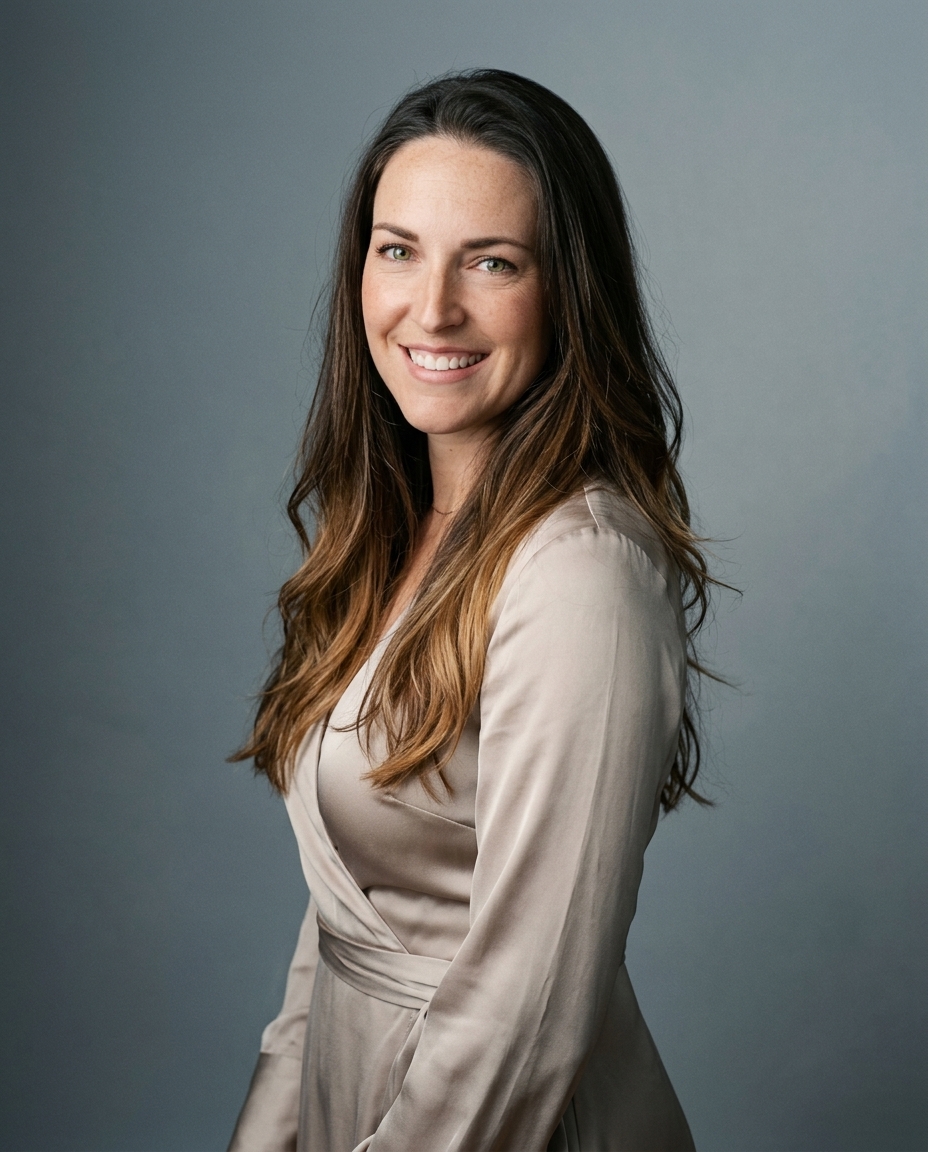
The aesthetic: warm + approachable. The plaintiffs' clients are often in difficult moments — they need to feel that you're going to help them, not intimidate them.
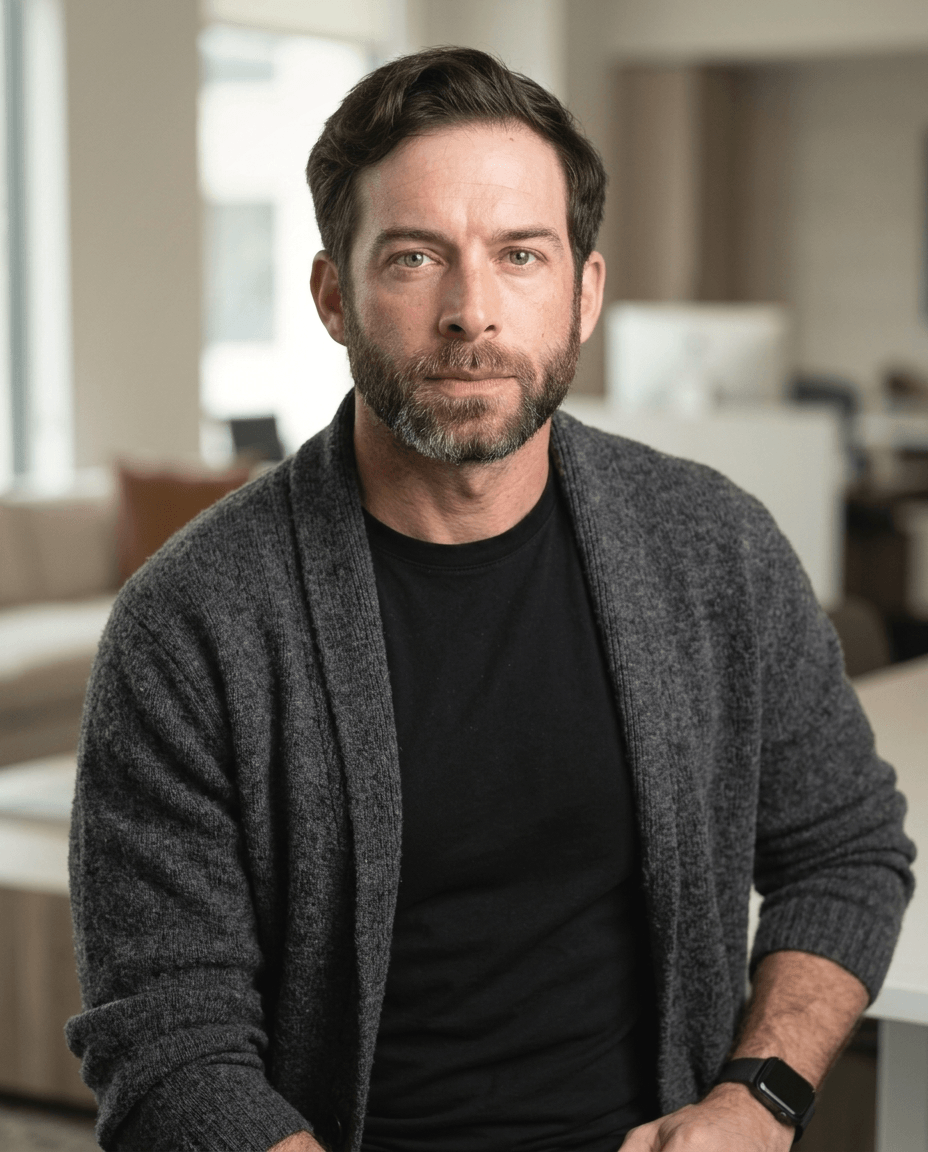
- Wardrobe: less formal than other registers. Navy suit, light-blue or white shirt, tie optional. Some PI lawyers shoot in business casual (open-collar, no tie) and it works.
- Lighting: softer, more even. 1.5:1 shadow ratio. Beauty-dish style key.
- Background: warm cream, light grey, or environmental (a softly-lit office with subtle bokeh).
- Expression: warm smile. This is the only legal register where a more visible smile reads correctly. You want to communicate: "I'm here to help."
- Framing: three-quarter angle, head-and-shoulders. Adds approachability.
The plaintiffs register is also right for family law and immigration — both areas where empathy is the primary professional currency.
Family law / immigration / civil rights
Similar to plaintiffs but often even softer:
- Warmer color palette
- Slightly broader (still tasteful) smile
- Body language that reads as "present and listening" — slight forward lean, open shoulders
Tax / regulatory / appellate
Sometimes called "the gray suits." Highest possible read of authority + intellect:
- Charcoal suit, white shirt, conservative tie
- Sharp lighting, strong shadow ratio
- Often slightly more austere expression than even BigLaw — the appellate aesthetic is more academic than commercial
Where the photo lives
Different surfaces need different shots. Most lawyers need:
- Firm bio page: primary shot, matched to firm aesthetic
- Martindale-Hubbell / Super Lawyers: formal version of #1, same wardrobe
- LinkedIn: more approachable, often business casual or open-collar
- Pitch decks / RFPs: clean version of #1, can be slightly more dramatic
- CLE speaker pages: more dynamic — three-quarter angle, more visible expression
A good lawyer headshot session delivers 3-5 of these in one shoot. (AI headshot tools do this by default — pick multiple styles in one pack.)
What changes in 2026
Two things have shifted in legal headshot aesthetics in the last 2 years:
Open collar acceptance. Even BigLaw firms increasingly accept open-collar shots for younger associates' LinkedIn profiles (not for firm bios — those stay traditional). The distinction now: formal for the firm-facing surfaces, smart-casual for the lawyer-facing surfaces.
AI generation acceptance. Hospital systems were earlier adopters; law firms are catching up. The bar exam states that disclose AI-generated portraits has narrowed (Texas, California, NY now accept disclosed AI headshots on bar association listings).
The AI shortcut
If you're a lawyer reading this:
- Identify your firm's aesthetic register (BigLaw / mid-size / boutique trial / plaintiffs / etc.)
- Match the wardrobe + expression + lighting to your register
- Shoot multiple variations for different surfaces
You can do this with a traditional photographer ($500-$1,200 per session, 2-3 weeks) or an AI headshot tool ($29-$59 per pack, 30 minutes). The AI version delivers all the variations in one pack — formal for firm bio, business casual for LinkedIn, three-quarter for CLE speaker pages.
AI Lawyer Headshots — we designed our model around what we learned shooting actual attorneys at Studio Pod. Pick your firm-appropriate style during selection.
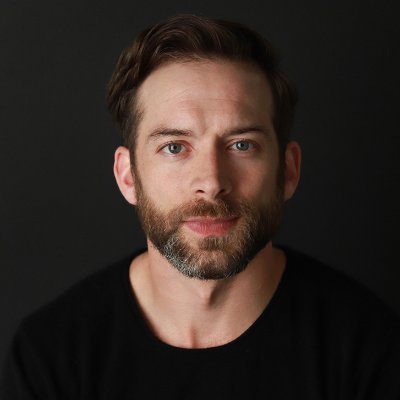
Joseph West
Founder of AI Headshots and Studio Pod — the automated headshot studio in Houston, Texas. Photographer first, AI engineer second.