The "professional headshot" category has been shifting faster in the last two years than in the previous ten. Rigid corporate portraits are being replaced by relaxed, editorial-feeling images. Heavy retouching has become a tell. AI has arrived in the category with real capability and real limitations. Every professional asking "what should my headshot look like in 2026?" is asking a more complicated question than they realize.
After running Studio Pod and photographing over 10,000 professionals across every industry in Houston, we've got a front-row seat to what's changing and what isn't. Here are the six trends shaping 2026, and the honest answer on where AI fits in the picture.
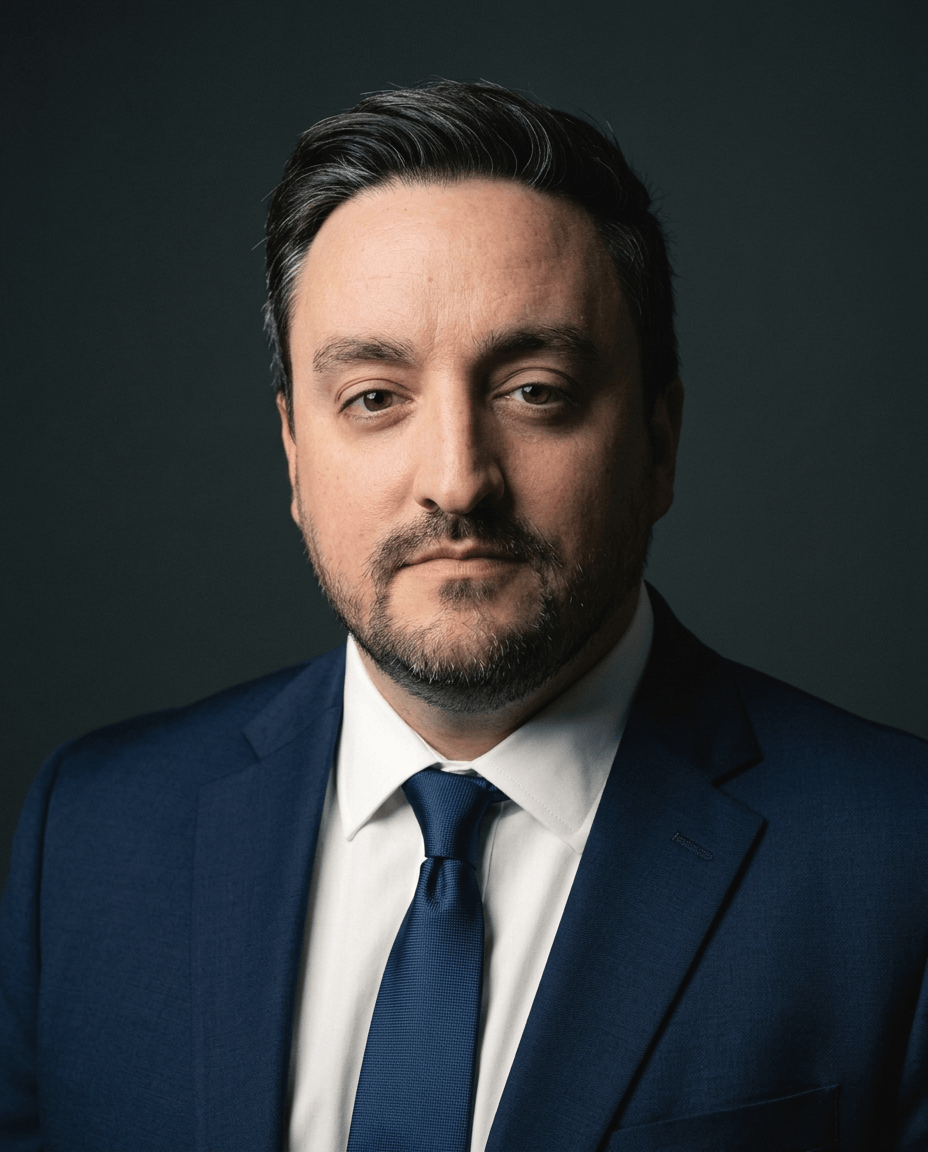
1. Natural expressions. Relaxed posing. No more corporate stiffness.
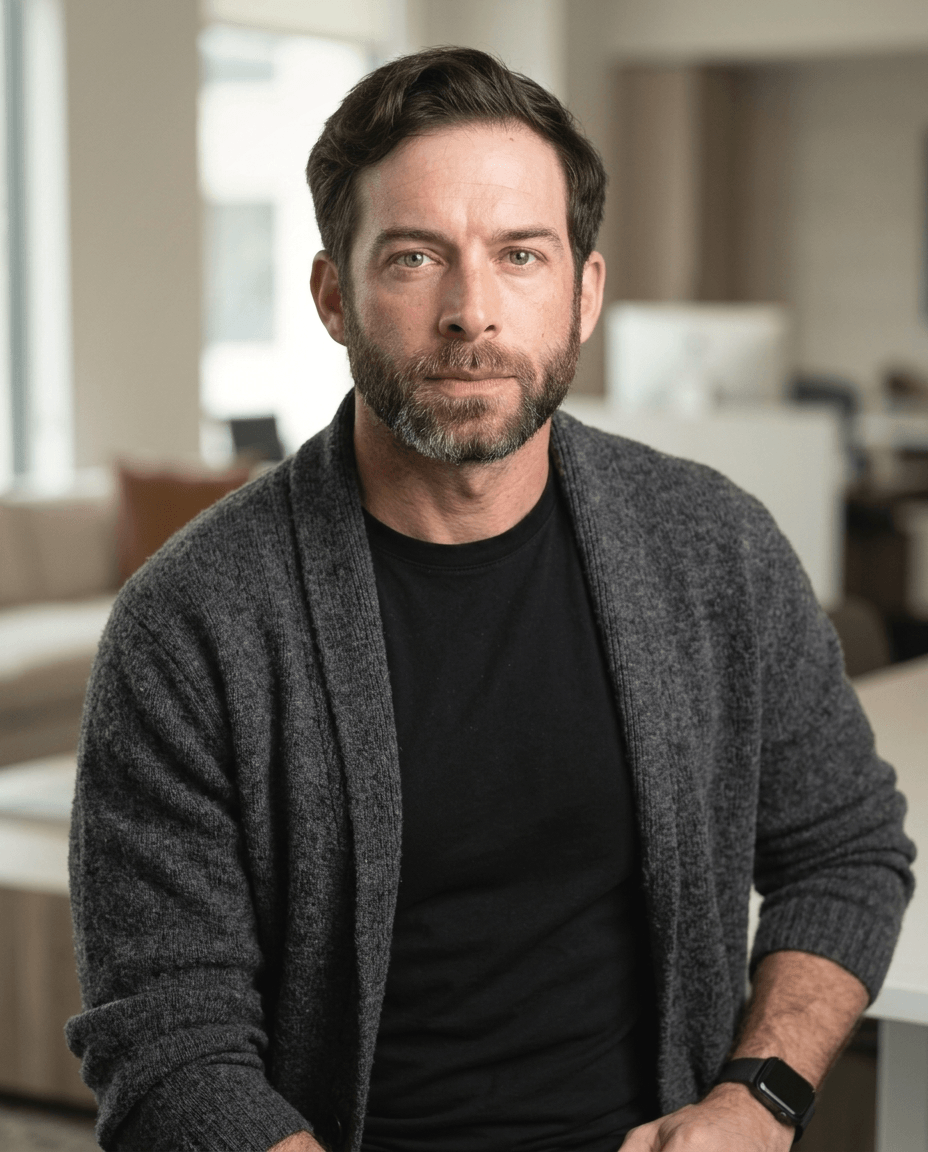
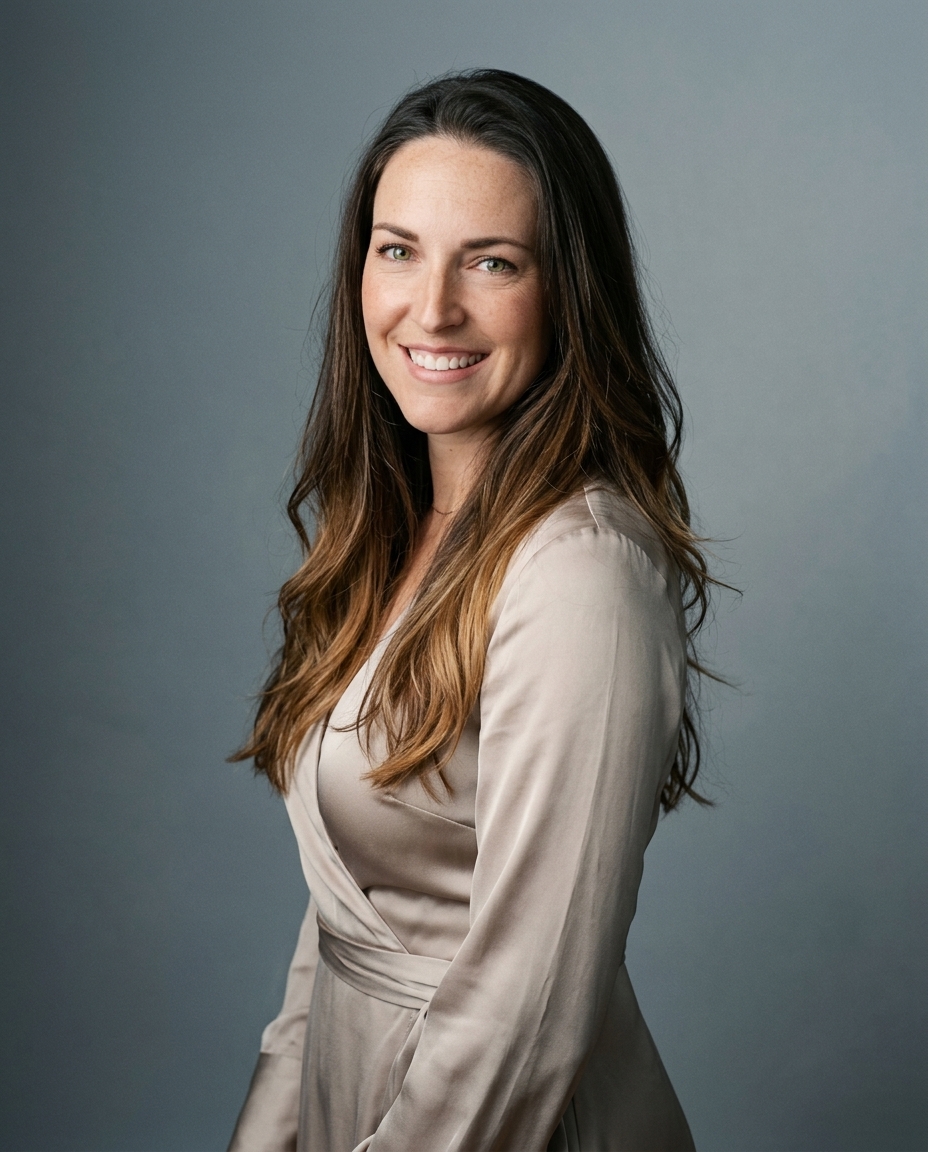
The defining shift of the last two years: the formal posed corporate headshot is going away. Mid-laugh expressions, subtle body turns, natural hand placement, genuine eye engagement — these have replaced the rigid smile-for-the-camera pose that defined 2010s professional photography.
What's driving it: the audience got better at detecting performance. A posed corporate portrait reads as "this person was told to look professional." A relaxed natural-expression photo reads as "this is actually how this person looks when they're being themselves." Trust signals have migrated from "looks professional" to "looks authentically themselves."
The register still has to be context-appropriate — a lawyer's headshot and a creative's headshot land in different places on the spectrum. But across every industry, "natural" is replacing "performed."
2. Minimal retouching. Texture is back.
Heavy skin smoothing, wrinkle erasure, and dramatic feature reshaping — the "Instagram filter" aesthetic that dominated 2015-2020 professional photography — is actively hurting current-era headshots. It reads as inauthentic. Laugh lines, pores, and asymmetry are signals of reality, and reality signals trust.
2026 retouching is about correction, not transformation. Color-balanced skin tones. Removed stray hairs. Softened (not erased) under-eye shadows. Blemishes reduced but not cleared. The goal is "you on a great day," not "you as your younger, airbrushed digital twin."
This is also where many AI headshot tools struggle. Models built by software teams retrofitting heavily-filtered Instagram data tend to over-retouch by default — producing that plastic, age-indeterminate look that reads as suspicious. It's one of the specific reasons we designed AI Headshots around real studio craft, with deliberate texture preservation built in.
3. Environmental and story-driven headshots
Plain studio backdrops are increasingly being replaced by contextual settings that tell the professional's story.
An architect photographed in their studio. A chef near their kitchen. A realtor on location at a listing. A surgeon in a hospital hallway. The environment adds immediate context — who you are, what you do, where you belong — that a neutral backdrop can't.
The trade-off: environmental shots work brilliantly on your website and your "About" page, but they can feel overproduced for LinkedIn. Most professionals now mix both registers — environmental for brand moments, studio for LinkedIn — rather than choosing one or the other.
4. Darker, warmer, brand-aligned backgrounds
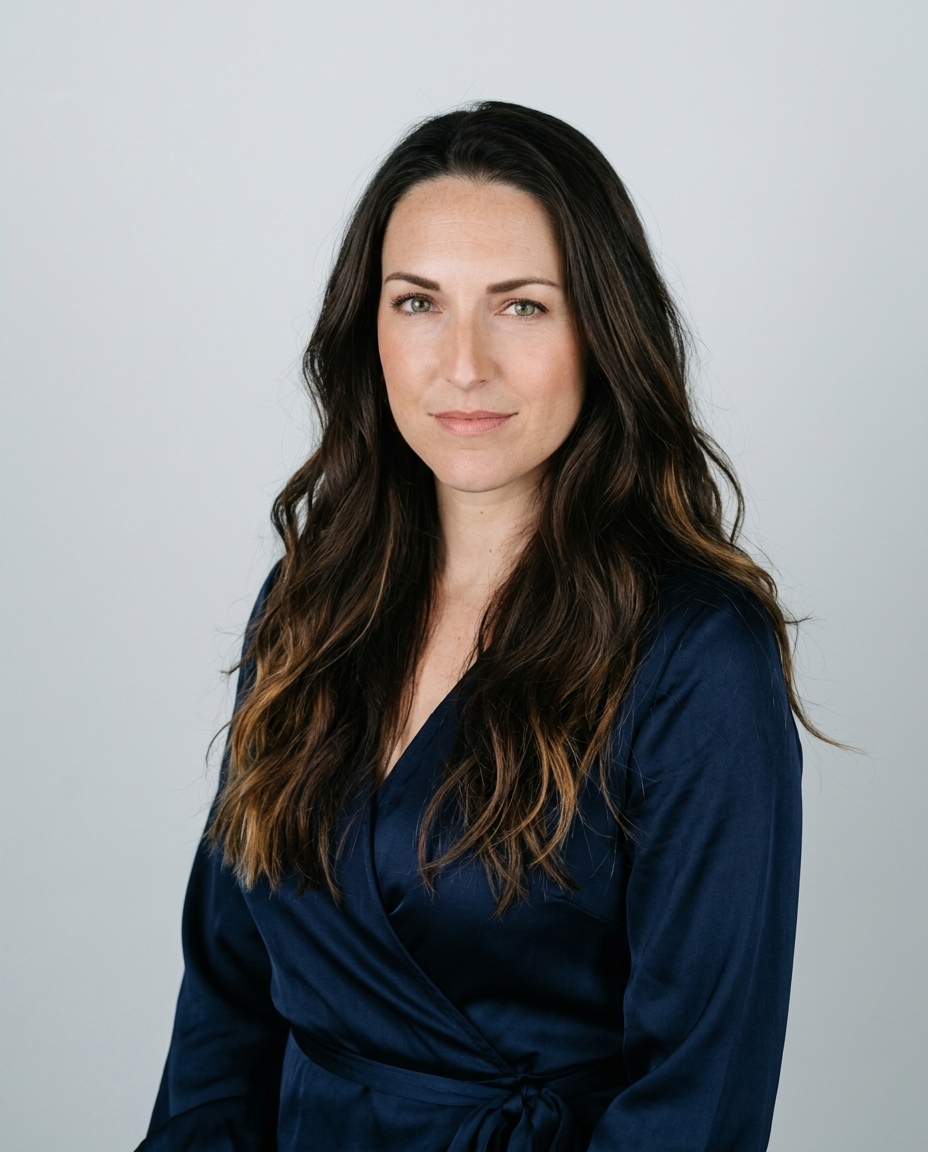
When studio backgrounds are used, the color palette has quietly evolved. Bright whites and cool greys — the dominant studio backgrounds of 2015-2020 — are being replaced with deeper tones: charcoal, slate, warm black, navy, muted olive.
Two reasons. First, darker backgrounds flatter skin tone across a wider range of complexions (the "bright white" backdrop tends to wash out some skin tones while blowing out others). Second, organizations increasingly coordinate background color with brand guidelines. Team pages and pitch decks look dramatically more polished when everyone's headshot shares a consistent background palette.
5. Multi-purpose branding sessions
Single-image headshot sessions are becoming obsolete for serious professionals.
Current practice: one session produces multiple crops (LinkedIn square, website header rectangular, Zoom background wide), multiple expressions (warm for personal, confident for executive, professional for formal), and multiple outfits if budget allows.
This is where AI has quietly won a category. A traditional photographer session produces 5-15 retouched variations from one look in one outfit. AI Headshots delivers 40-200 photos across multiple styles, outfits, and backgrounds in a single pack. For multi-platform, multi-context professional branding — the exact need 2026 professionals have — the economics favor AI dramatically.
6. Personal brand over generic "corporate" aesthetic
The question has shifted from "do I look professional?" to "does this actually look like me?"
Generic corporate portraits — the navy suit, the beige backdrop, the practiced smile — still work for some contexts. But for the growing cohort of freelancers, founders, consultants, and individual-brand professionals, personality is the differentiator. Your headshot should look like someone specific, not someone replaceable.
This cuts against the AI headshot instinct. Most AI tools are built by software teams averaging "professional headshots" from the internet and produce outputs that look like... the aggregate. A generic professional. The tools that win the personal-brand era are the ones built by people who treat each person as an individual instead of averaging. (That is why we built AI Headshots around a real studio that shoots diverse subjects across every profession — so the product framework reflects ranges of real humans instead of converging on a bland median.)
The AI honest assessment — where AI is and isn't the right tool in 2026
Let's address the elephant directly: AI-generated headshots became mainstream in 2024-2025, and the category is now split into two very different tiers — tools that clearly look AI-generated, and tools that don't.
What gives away a first-gen AI headshot:
- Unnaturally smooth skin (over-retouching baked into the model)
- Wrong hand rendering (a known weak spot for AI image models)
- Symmetry that's too perfect (real faces aren't symmetrical)
- Repetitive expressions across multiple "different" outputs
- Subtle background proportion issues — chairs that don't sit right, windows slightly too small, straight lines that almost-but-not-quite line up
What photographer-built modern AI gets right:
- Natural skin texture with appropriate retouching (not over-smoothed)
- Hand positioning learned from real studio shots
- Asymmetric facial features preserved
- Expression variety across a pack
- Backgrounds that render cleanly because they.re variations on real studio backdrops we shoot in every day
The honest 2026 answer: AI is now the right tool for 90% of professional headshot needs — LinkedIn, team pages, realtor yard signs, corporate directories, hospital profiles — IF you pick an AI built by photographers who actually run a studio rather than a software team retrofitting scraped internet data.
The 10% where AI isn't the right tool: editorial moments where the photo is the product. Book jackets. Magazine features. Iconic brand images that'll be used for years. For those, hire a real photographer.
What a great 2026 headshot looks like — the checklist
Technical:
- Photographed (or AI-generated) within the past 2 years
- Current resemblance to how you actually look now
- High resolution — print-ready at minimum 2000×2000px
- Clear facial visibility with good lighting (no harsh under-eye shadows)
Aesthetic:
- Natural, approachable expression — not forced
- Confident body language without stiffness
- Feels like you, not a generic stock professional
Composition:
- Intentional, clean background (not distracting)
- Wardrobe matching your actual professional presentation
- Color palette aligned with your personal or organizational brand
Post-processing:
- Subtle retouching that preserves texture
- No obvious feature manipulation
- Skin still looks like skin
Platform versioning:
- Cropped square for LinkedIn and profile photos
- Wider shot for website headers and press use
- Consistency across all your active platforms
Refresh timeline in 2026
Update your headshot every 1–2 years at minimum. Update sooner if:
- Significant hair change (color, length, style)
- Noticeable change in appearance (gained/lost weight, aging, style evolution)
- Major career transition or rebranding
- Move into a higher-visibility role involving speaking or press
- New business launch or personal brand repositioning
At $29 per refresh, there's no economic reason to delay. The ROI math favors obsessive currency over cost conservation.
The through-line
Every trend above is about the same thing: authenticity signals are becoming the primary currency of professional photography.
Natural expressions > performed poses. Preserved texture > heavy retouching. Environmental context > generic studio. Personal brand > corporate aesthetic. Real photography (or AI built by real photographers) > generic AI output.
2026's great headshot is the one that looks like you at your best on a normal day — not like you as an optimized, idealized, heavily-post-processed digital character. The professionals getting the most out of their headshots this year are the ones who understood this shift and updated their image accordingly.
Refresh your 2026 headshot. Upload your selfies and get 40+ professional headshots built for this era — built by working photographers, not a software team using internet-scraped averages.
Related: The 10,000 Headshot Study · How often to update your headshot · Types of headshots
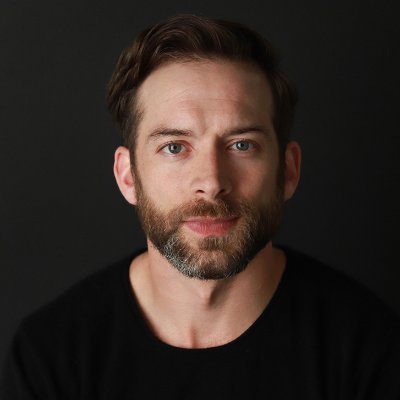
Joseph West
Founder of AI Headshots and Studio Pod — the automated headshot studio in Houston, Texas. Photographer first, AI engineer second.