"Professional headshot" isn't one thing. It's ten things that all live under the same header but work differently depending on who you are, what you do, and where the photo's going to live.
A realtor's yard-sign headshot is different from a lawyer's firm-bio headshot, which is different from an actor's agency submission, which is different from a doctor's hospital directory photo. The clothing, lighting, expression, background, and crop all shift — subtly — based on the register the industry expects.
After running Studio Pod and photographing more than 10,000 professionals across Houston, we've landed on ten distinct headshot styles that cover almost every professional use case. Here's the guide.
The 10 professional headshot styles
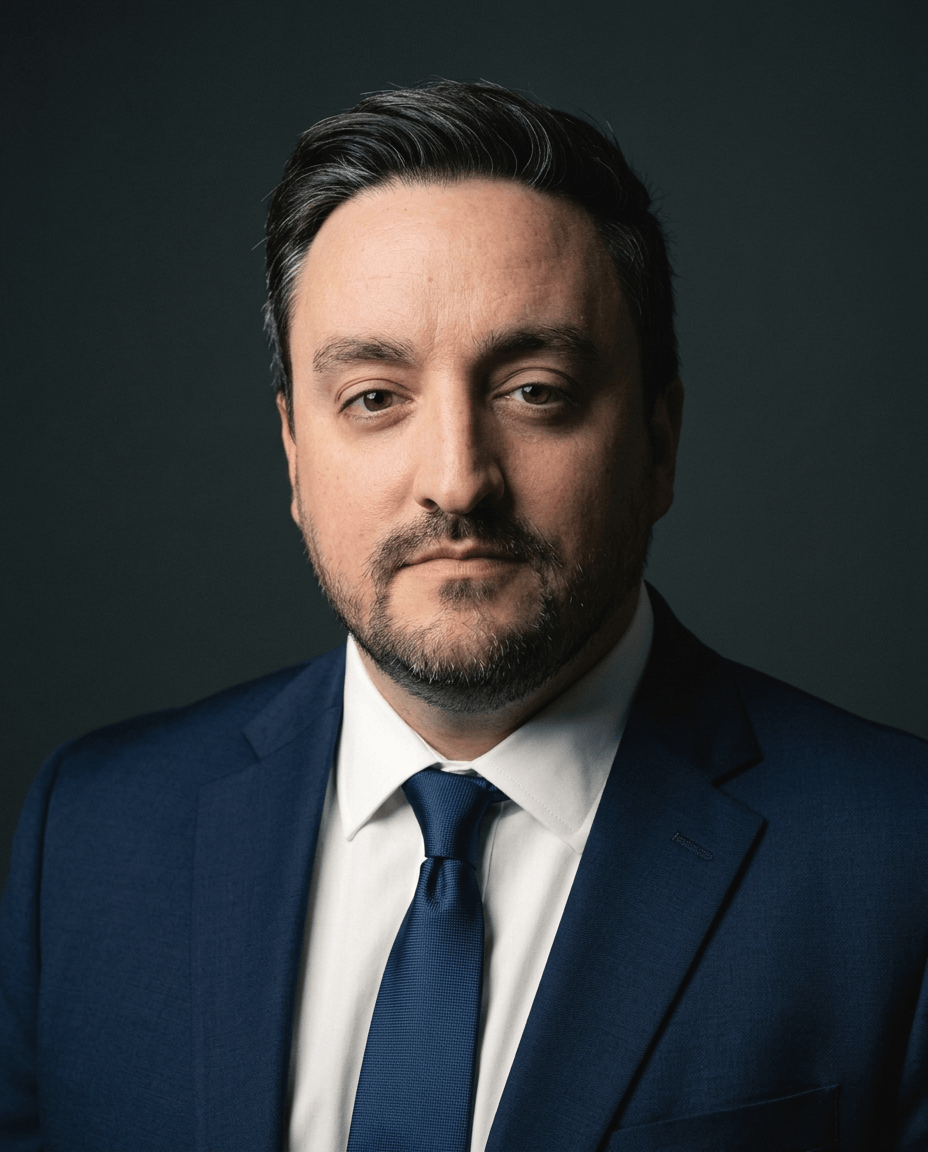
1. Corporate / professional headshots
Purpose: Convey reliability and competence on company websites, team pages, and corporate directories.
What it looks like: Neutral backgrounds (soft gray, navy, white), conservative attire (blazer, collared shirt, or blouse), controlled professional lighting, direct eye contact with a slight smile.
Refresh cadence: Every 2-3 years.
Best for: Corporate employees, partners at professional services firms, financial advisors, corporate directors.
→ See /styles/corporate-headshots
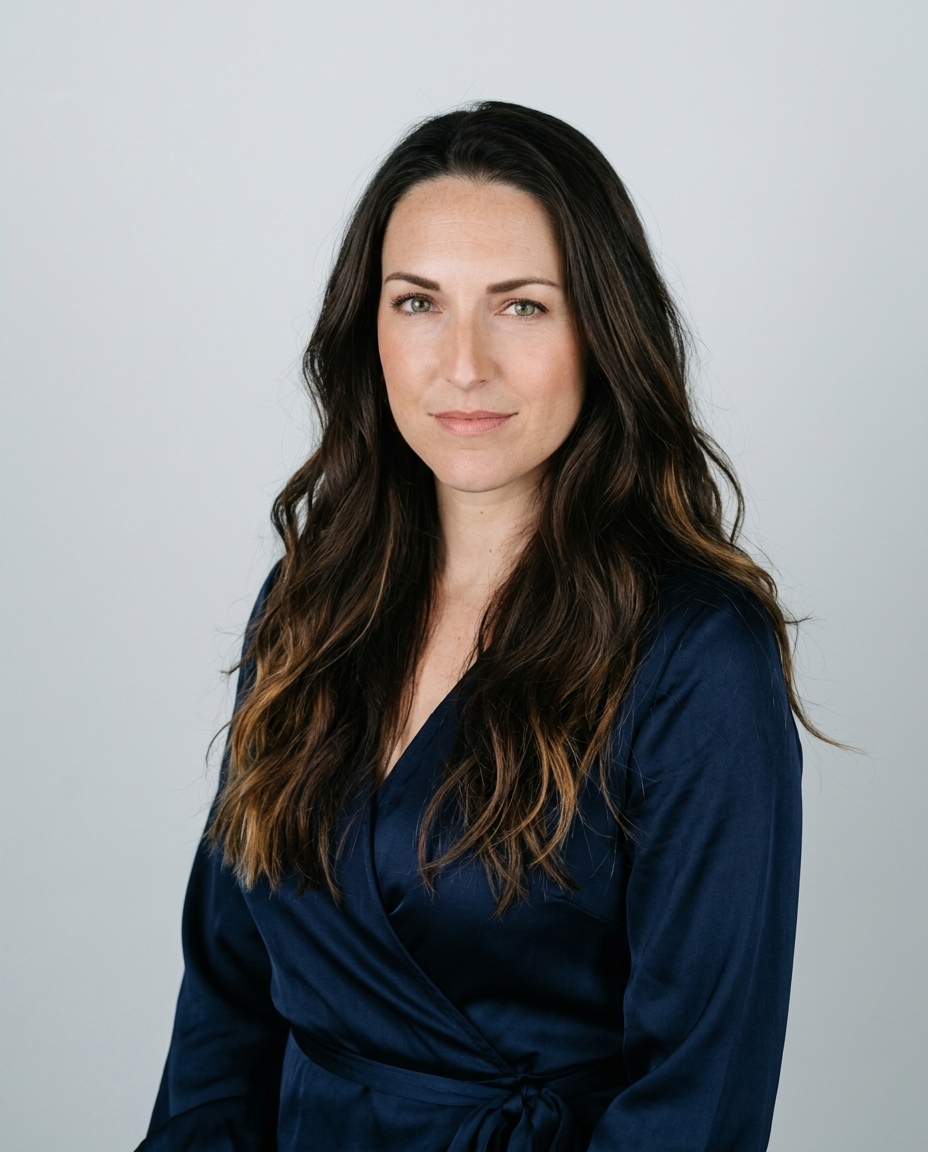
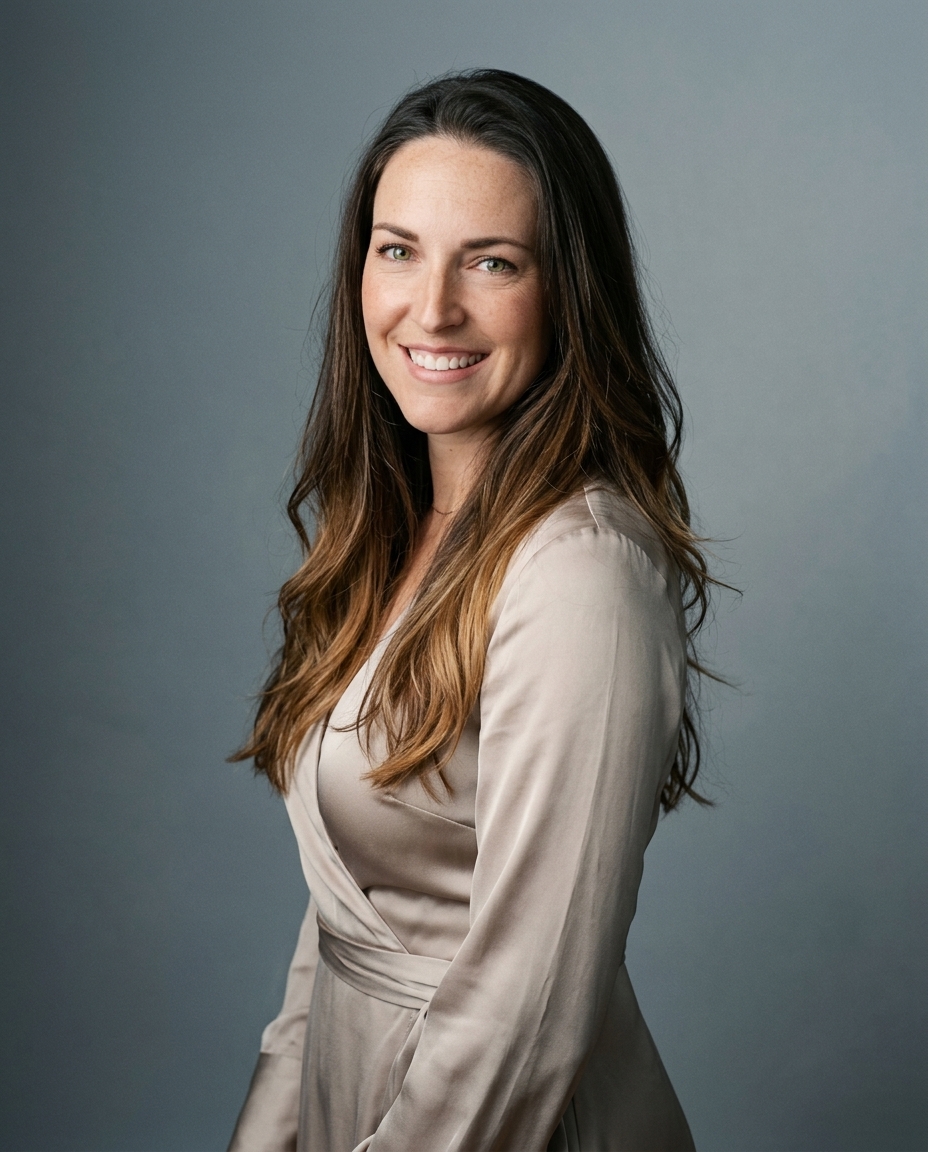
2. LinkedIn / social media headshots
Purpose: Create a favorable split-second impression that encourages connection and engagement.
What it looks like: Clean non-distracting background, face occupies 60-70% of the frame, warm but professional expression, industry-appropriate attire. Sized and cropped for LinkedIn's 400×400 profile thumbnail.
Refresh cadence: Every 2 years, or after any significant career change.
Best for: Every professional. LinkedIn is the single most-viewed professional photo of most people's careers.
→ See /styles/linkedin-headshots
3. Executive headshots
Purpose: Signal gravitas, decisiveness, and competence at scale.
What it looks like: Darker, more directional lighting. Deeper backgrounds (charcoal, navy, black). Conservative tailored attire. Subtle three-quarter pose. The register is "someone who makes decisions that matter."
Refresh cadence: Annually for visible executives; every 2-3 years otherwise.
Best for: C-suite, board members, investor-facing leaders, conference keynote speakers.
→ See /styles/executive-headshots
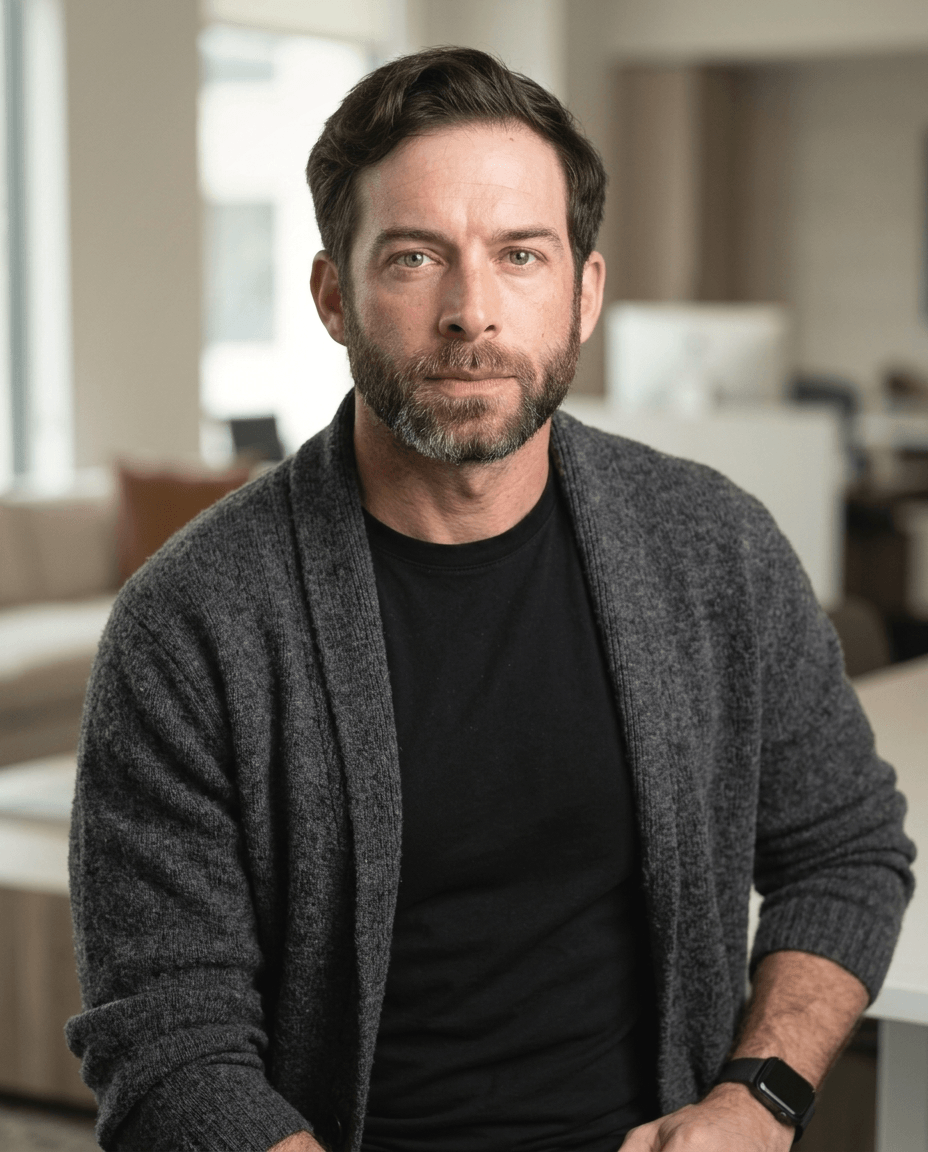
4. Creative / personal branding headshots
Purpose: Reflect the personality that's central to your freelance or entrepreneurial work.
What it looks like: Bolder colors, signature elements (jewelry, distinctive attire), playful or thoughtful expressions. The background can have context — colorful walls, outdoor light, creative studios. More editorial, less corporate.
Refresh cadence: Every 1-2 years.
Best for: Freelancers, founders, consultants with strong personal brands, creative agency owners, solopreneurs.
5. Actor headshots
Purpose: Help casting directors assess fit for roles across the range of types you can play.
What it looks like: Natural, expressive. Two main subcategories — commercial (bright, approachable, everyday characters) and theatrical (more serious, dramatic registers). Multiple looks per session is standard. Retouching is deliberately minimal to preserve authenticity.
Refresh cadence: Every 1-2 years, or anytime your look changes significantly.
Best for: Working actors, aspiring actors preparing submissions, voice-over professionals adding visual assets.
→ See /styles/actor-headshots and /styles/acting-headshots
6. Modeling headshots (digitals)
Purpose: Show agencies your raw appearance — no filters, no heavy editing, just your face and body as they actually are.
What it looks like: Minimal makeup, neutral wardrobe (fitted tee, simple tank), plain background, specific required poses (front-facing, profile, smile, neutral). Agencies call these "polaroids" or "digitals." Specific conventions apply.
Refresh cadence: Every 6-12 months, or anytime your look changes.
Best for: Models, model-adjacent creators, anyone submitting to agencies or development divisions.
7. Event / trade show headshots
Purpose: Quick professional photos captured on-the-fly at conferences, trade shows, and industry events.
What it looks like: Business casual, portable backdrops or neutral setups, relaxed posture, natural smile. Often free or low-cost with event registration. Fast turnaround is the point.
Refresh cadence: As needed per event.
Best for: Anyone speaking at, exhibiting, or networking at industry events who needs a fresh photo fast.
8. University / academic headshots
Purpose: Serve student directories, faculty pages, graduation programs, and alumni publications.
What it looks like: For students: neat simple clothing, direct eye contact, approachable expression. For faculty: more formal, warmer in register, often in campus or office context. Consistent across the institution.
Refresh cadence: Once for students; every 3-5 years for faculty.
Best for: Students preparing for graduation/job search, professors and academic researchers, alumni publications.
9. Environmental headshots
Purpose: Tell the story of what you do by showing you in the context of doing it.
What it looks like: Real work clothing (doctor's coat, architect's rolled sleeves, painter's studio attire), captured in your actual workplace or a representative location, often with subtle motion or contextual props. Less "studio shot," more "editorial magazine feature."
Refresh cadence: Every 2-3 years, or with a role change.
Best for: Doctors, architects, chefs, tradespeople, creators, anyone whose work environment is part of their professional story.
10. Team headshots
Purpose: Create a consistent visual grid for company websites, team pages, and internal directories.
What it looks like: Identical or highly similar backgrounds across the full team, matching crops and lighting registers, complementary (not matching) wardrobe. The individual photo isn't the point — the team grid is the point.
Refresh cadence: Each time the team composition changes meaningfully (new hires, departures, rebrand).
Best for: Companies launching new websites, distributed teams, growing startups, firms adding new partners.
Specialty styles worth calling out
Beyond the main ten, a few use-case-specific variants come up often enough to name:
- Doctor headshots: Clinical credibility with warmth. White coat / scrubs / business professional depending on specialty.
- Lawyer headshots: Conservative, authoritative. Dark suit, neutral background, direct eye contact.
- Realtor headshots: Warm and trustworthy. Confident smile, mid-level formal attire, friendly register.
- Commercial vs. theatrical actor headshots: Commercial skews brighter and more approachable; theatrical skews more serious and dramatic.
- Black and white headshots: Aesthetic choice, strong for editorial and creative contexts; less flexible than color for digital profile photos.
- Outdoor headshots: Natural-light variants of most of the above. Works particularly well for creative and environmental use cases.
- Headshots with glasses: Not a separate category but a specific concern — lens reflection, frame cropping, and how the glasses interact with studio lighting all matter.
How to pick your style
Three questions:
- Where will the photo live? LinkedIn → LinkedIn style. Firm bio → corporate or lawyer. Agency submission → actor or model. Hospital directory → doctor.
- Who's looking at it? Board members expect executive; clients shopping for a realtor expect warmth; casting directors expect range.
- How often will you refresh it? If annually, skip the expensive photographer session — the cost-per-refresh math only works with AI. If once every 5 years, spring for the real session.
For most people, the answer is "LinkedIn style, maybe corporate for the firm directory, refreshed annually." Which is exactly the register AI Headshots was built for.
How we deliver each style
AI Headshots was built by the photographers behind Studio Pod's 10,000+ professional sessions across every style listed above. That's why we offer explicit style categories rather than generic "professional" output — because years in the studio taught us these registers aren't interchangeable.
Pick your style pack at checkout; we deliver 40-200 headshots in that specific register. Need multiple styles? The Professional tier ($39) gives you 100 headshots across 10 styles — the most variety you'll get in the category.
Ready to see yours? Upload your selfies and pick your style — 40+ headshots in under 30 minutes, starting at $29.
Related: The 10,000 Headshot Study · 5 rules behind every great headshot · How to prep selfies for AI
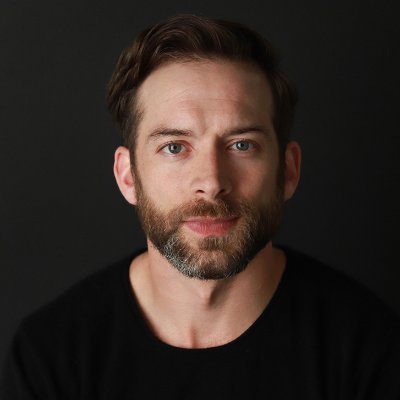
Joseph West
Founder of AI Headshots and Studio Pod — the automated headshot studio in Houston, Texas. Photographer first, AI engineer second.