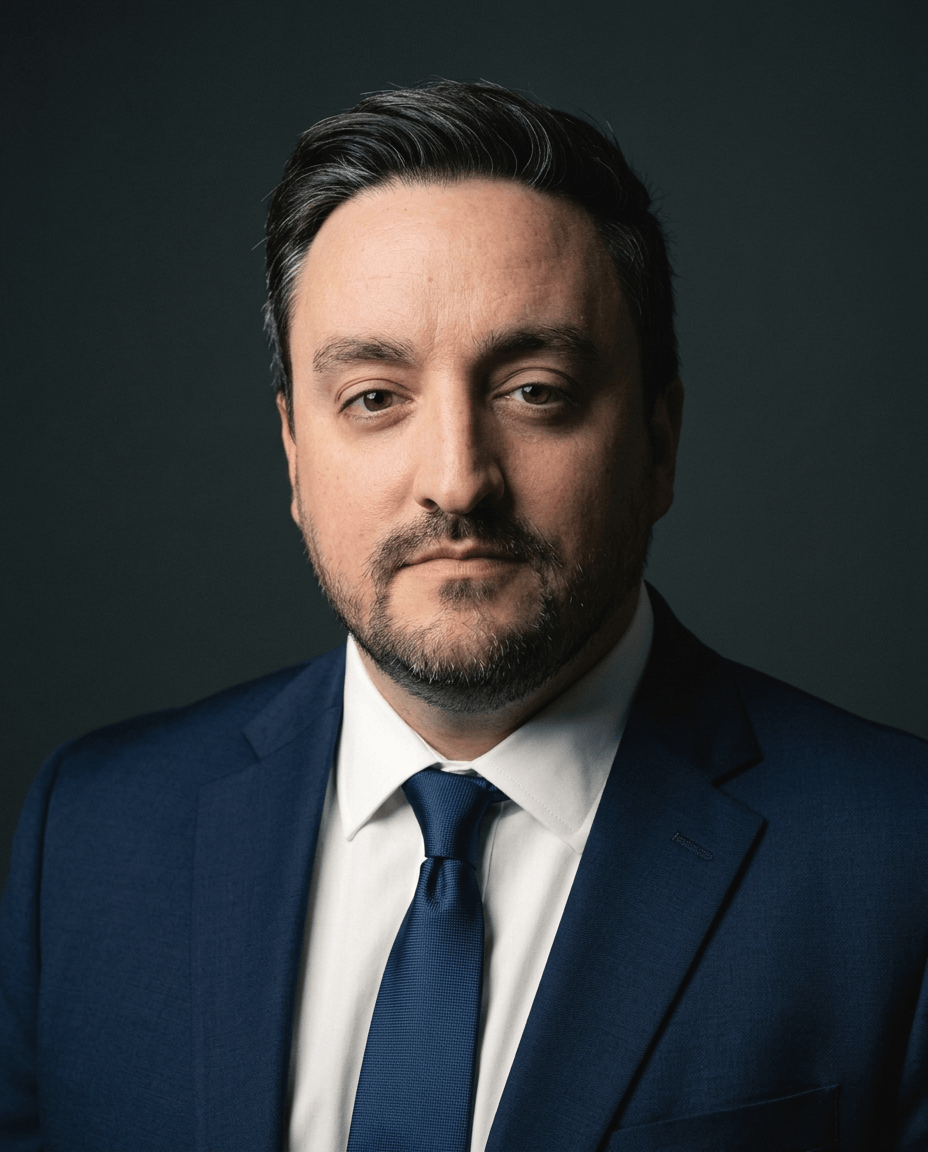
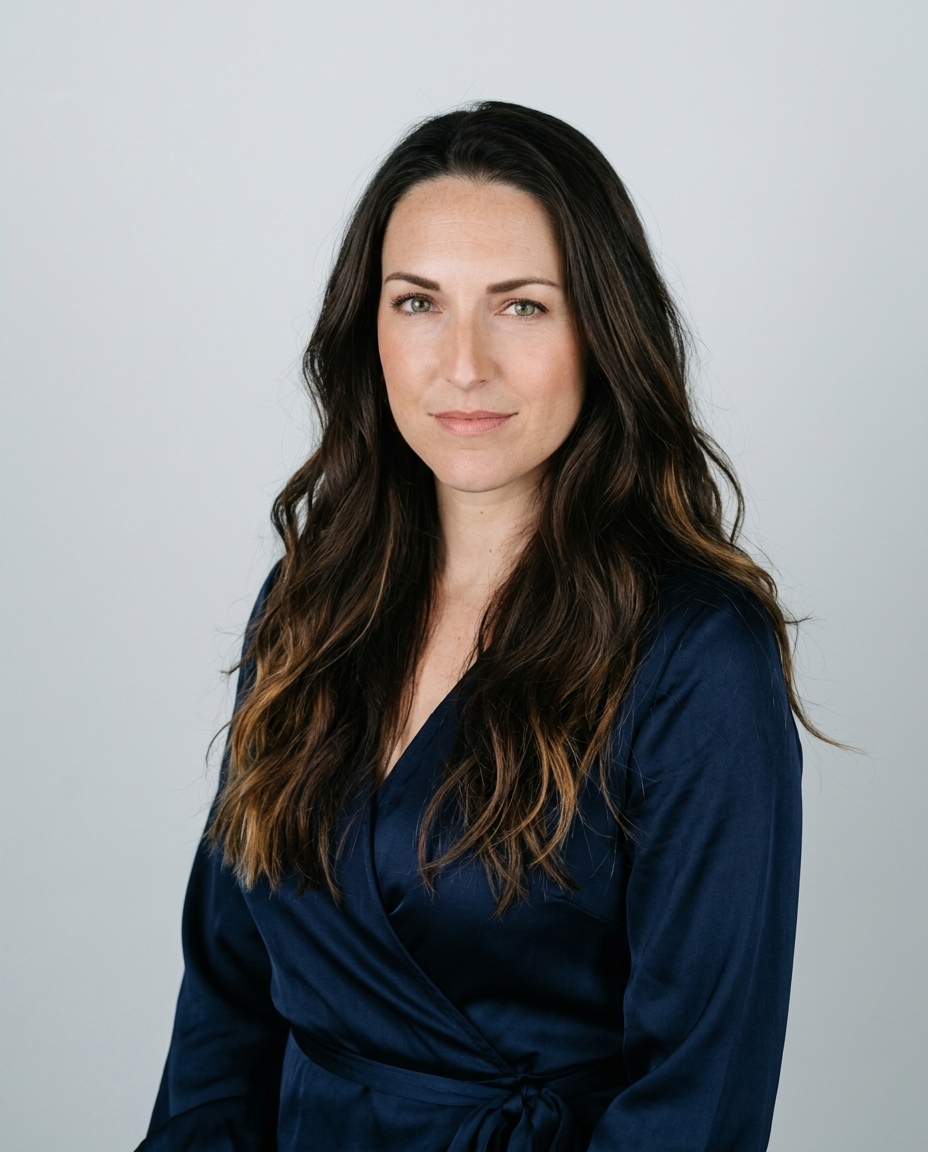
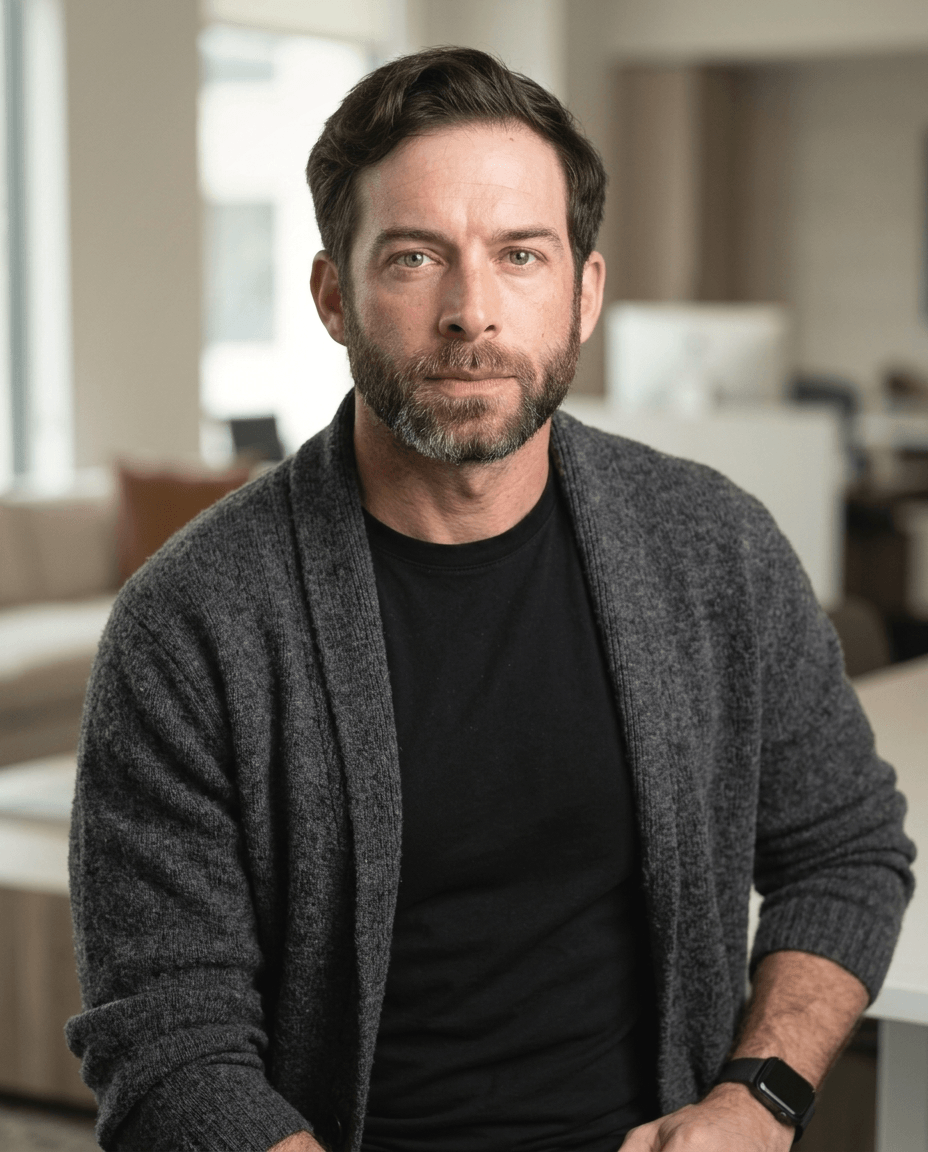
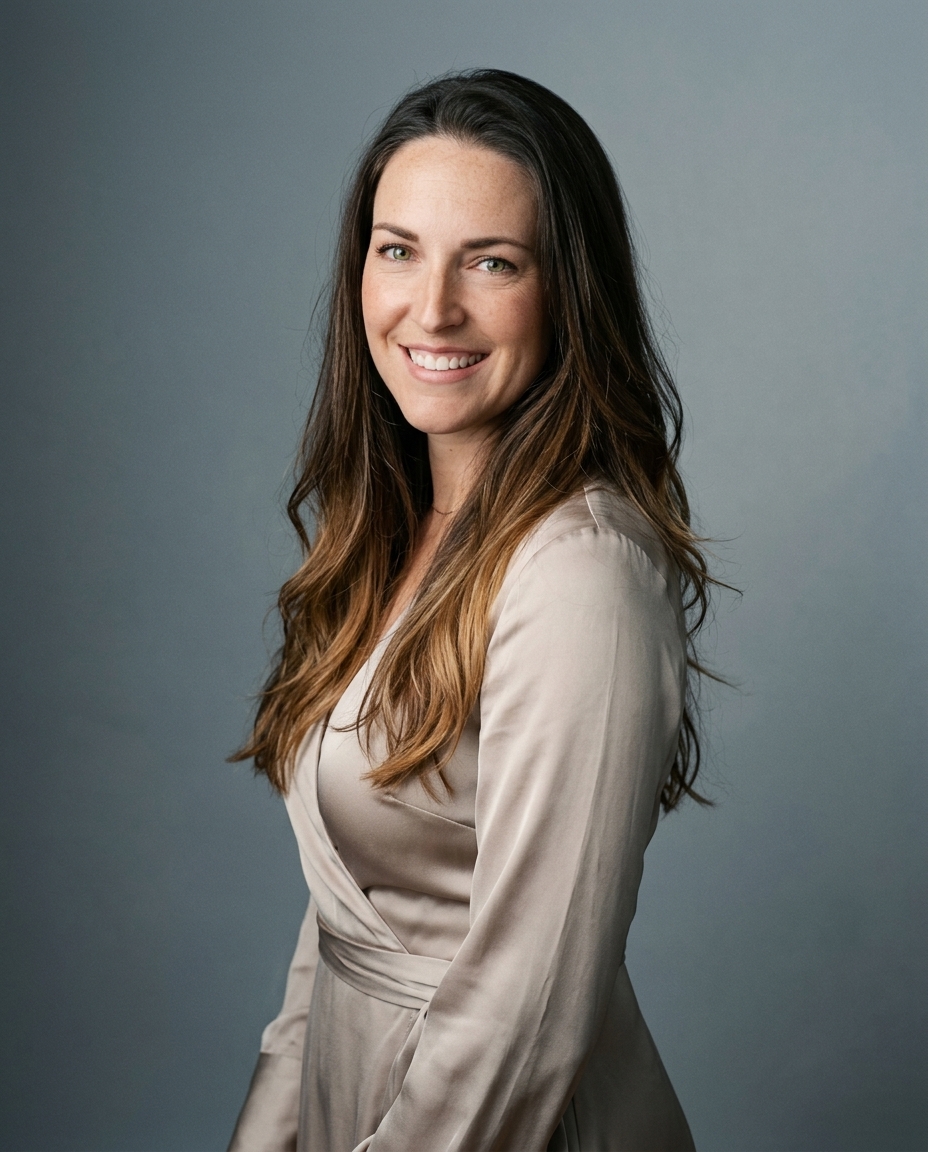
A headshot is a professional photograph focused on your face — typically framed from the shoulders up — designed to present you clearly and professionally across business contexts.
That's the short answer. The longer answer is why headshots matter more in 2026 than at any point in their history, how they differ from portraits, what makes a good one, and why AI has broken the traditional category open.
After running Studio Pod, our automated headshot studio in Houston, we've photographed more than 10,000 professionals. This guide is the definitional reference built on that experience.
The working definition
A professional headshot has four defining properties:
- Framing from the shoulders up (occasionally chest-up for environmental context)
- Primary focus on the face — face occupies 60-70% of the frame
- Professional quality — intentional lighting, composition, and post-processing
- Business-appropriate register — attire, expression, and background match a professional context
That's it. Everything else — style variations, industry conventions, platform specs — are variations on this definition.
A quick selfie isn't a headshot. A family photo cropped tight isn't a headshot. A product photo of a person isn't a headshot. The professional intent is part of the definition.
Headshot vs portrait — the actual difference
These terms get conflated, but they serve different purposes:
Headshots prioritize clarity and professionalism:
- Tight crop on face/shoulders
- Neutral, non-distracting backgrounds
- Direct professional framing
- Used for business platforms: LinkedIn, company About pages, firm directories, press releases
Portraits embrace creativity and artistic expression:
- Wider composition, more body visible
- Contextual, styled, or artistic backgrounds
- Mood exploration through lighting and composition
- Used for: album covers, editorial features, personal art projects, branded photography
Corporate contexts almost always want headshots. Creative industries sometimes want portraits. Most working professionals need both — a tight headshot for LinkedIn and maybe an environmental portrait for their website hero.
How to get a professional headshot in 2026
Four modern paths, from fastest/cheapest to slowest/most editorial:
1. AI-generated headshots (under 30 min, $29-59)
AI tools built by working photographers can now produce headshot-quality outputs from selfie inputs. The best of these — AI Headshots by Studio Pod — were built by photographers who actually run a studio, rather than software teams retrofitting scraped internet data, which solves most of the quality issues that plagued first-generation AI headshot tools.
Best for: LinkedIn refreshes, team pages, realtor yard signs, remote teams, career transitions, anyone refreshing frequently.
Limitations: Not the right tool for book-jacket-defining iconic images. Editorial photographers still win the 10% of use cases where the photo is the product.
2. Automated physical studios (15-20 min, $50-100)
Studio Pod and similar automated studios use professional camera equipment and lighting in a self-service format. Walk in, stand on the mark, walk out with retouched photos in about 20 minutes. Real camera output without the photographer coordination overhead.
Best for: Locals who prefer real-camera output, teams coordinating in-person sessions, anyone wanting human retouch review.
3. Traditional photographer sessions (30-90 min shoot + 1-3 weeks delivery, $200-1,000)
A session with a professional photographer produces 5-15 retouched images from one session. Typical cost varies by market — $200-400 in most US cities, $500-1,000 in major markets like NYC and SF.
Best for: Corporate brand shoots, actors needing custom direction, anyone wanting editorial depth in a specific vision.
4. High-end editorial sessions ($500-1,500+)
Dedicated editorial or brand photographers working with executives, authors, and personal-brand professionals. Longer sessions, custom styling, extensive post-processing.
Best for: Book jackets, magazine features, keynote speaker profiles, iconic images meant to last 3-5+ years.
5. DIY / phone selfie (free)
Your phone can technically capture a professional-looking photo if you nail lighting, composition, and direction yourself. In practice, very few amateur attempts clear the professional bar. Read why in Why Your Phone Camera Isn't Enough.
Best for: Internal teams, casual community contexts, temporary placeholders only.
Types of headshots (by professional context)
Not all headshots are interchangeable. Different professional contexts expect different registers:
- Corporate / business headshots — conservative, polished, consistent across a team
- LinkedIn headshots — warm, professional, platform-optimized for 400×400
- Executive headshots — authoritative, darker register, gravitas-signaling
- Creative / personal branding — personality-forward, varied backgrounds, individualized
- Actor headshots — expressive range, multiple looks, casting-ready
- Model digitals — agency-submission format, minimal makeup, specific required poses
- Team headshots — consistent across all members, same background/lighting/crop
- Doctor, lawyer, realtor — industry-specific registers
For a deeper breakdown of which register fits which career, see Types of Headshots.
What makes a good headshot
Five non-negotiables:
1. Clear, direct framing
Face takes up 60-70% of the frame. Cropping from mid-chest to just above the head. Shoulders angled 15-30° (not square to camera). Camera at eye level, never below. These are centuries-old portrait conventions — they work because they work.
2. Soft, flattering light
Soft diffused lighting flatters almost every face. Harsh direct light (overhead office fluorescents, midday sun, direct phone flash) creates unflattering shadows. The single biggest differentiator between amateur and professional headshots is usually lighting, not the camera.
3. Simple, non-competing background
Solid neutral colors, subtle texture, or softly-focused environmental context. Never busy patterns, recognizable objects, or multiple colors that pull focus from the face. The background's job is to separate you visually — nothing more.
4. Genuine, approachable expression
The quarter-smile register — mouth lifted 10%, eyes engaged, genuine warmth — works for almost every professional context. Avoid forced grins (dates quickly) and stone-faced neutral (reads as cold). We wrote a full framework on this in The Studio Pod Framework.
5. Subtle, natural retouching
Correction, not transformation. Blemishes reduced. Skin tone balanced. Texture preserved. Heavy smoothing that erases pores or reshapes features makes a headshot look artificial — which in 2026 specifically reads as "AI-generated" and triggers distrust.
Common mistakes that ruin a headshot
- Poor lighting — overhead fluorescents, harsh sun, direct flash, mixed color temperatures
- Outdated photos — your headshot from 2019 is working against you now
- Casual context for professional use — cropped vacation or group photo as your LinkedIn headshot
- Heavy filtering or editing — Instagram-style smoothing that erases reality
- Wrong crop — too wide (face lost in frame) or too tight (cutting off the head)
- Busy background — office clutter, patterned walls, recognizable landmarks
- Dead eyes — looking at the lens without thinking of anything
Where you'll use your headshot
A single good headshot shows up in dozens of places:
- LinkedIn profile (the highest-traffic professional photo you'll ever have)
- Company About page and team directory
- Email signature
- Business cards
- Conference and speaker profiles
- Press coverage and media mentions
- Sales enablement materials (pitch decks, proposals)
- Professional network profiles (Alignable, industry-specific platforms)
- Firm bio pages (for legal, medical, consulting, accounting)
- Personal website
- Social media across platforms
The photo doesn't have to be identical everywhere — different platforms have different sizing and register expectations — but it should be recognizably the same person, clearly professional, and current.
How often to update
Short answer: every 12-24 months, or anytime your appearance meaningfully changes. Longer answer in How Often Should You Update Your Headshot.
At traditional photographer pricing, annual refreshes were economically irrational for most people. At $29 AI pricing, there's no reason to let your headshot age past a year.
The 2026 conclusion
A headshot is a specific photographic genre with definable properties — tight framing, soft light, simple background, warm expression, subtle retouching, professional intent.
For most of the 21st century, getting one required a photographer session, a chunk of money, and a 1-3 week wait. In 2026, that's no longer true. Between AI-generated tools ($29), automated physical studios ($50), and traditional photographers ($200-1,000+), the category now has options at every budget tier.
The right tool depends on the job. For 90% of professional headshot needs — LinkedIn refreshes, team pages, remote workforce photos, career transitions, frequent refreshes — AI built by photographers who run a real studio now delivers equivalent quality at a fraction of the cost. For the remaining 10% where the photo is the product itself, human photographers still win.
Whatever path you pick, the rules of what makes a great headshot haven't changed. Good lighting. Clean composition. Warm, professional expression. Subtle retouching. Industry-appropriate register. Get those right and your headshot earns its keep across every platform it lands on.
Ready for a 2026 headshot? Upload your selfies and get 40+ professional headshots in under 30 minutes, starting at $29.
Related: Types of headshots · What headshots actually cost · The 10,000 Headshot Study · 5 rules behind every great headshot

Joseph West
Founder of AI Headshots and Studio Pod — the automated headshot studio in Houston, Texas. Photographer first, AI engineer second.