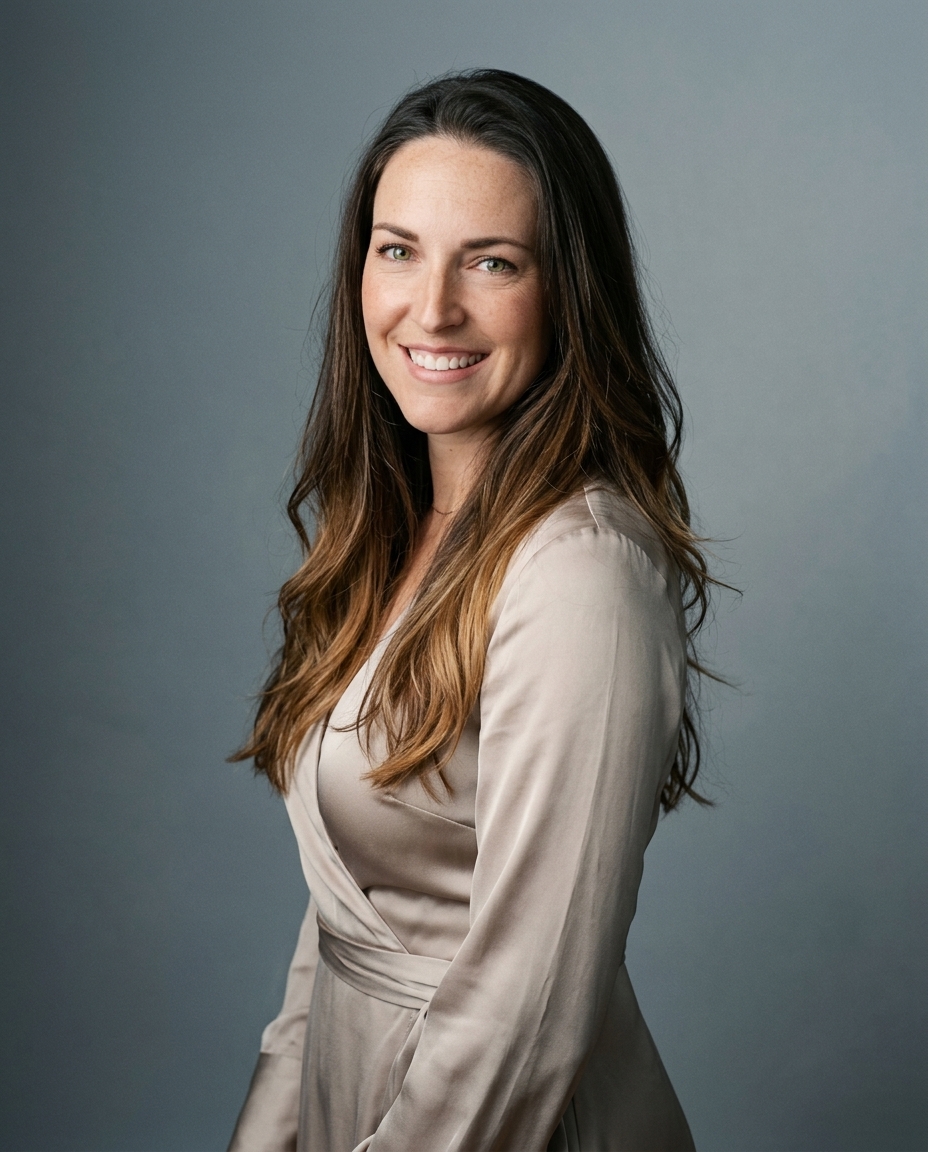

Your headshot is your first audition. One photo doesn't carry an acting portfolio anymore. Casting directors and agents want range fast, and they often see your image as a small thumbnail before they see anything else. That reality is why actor headshots still follow strict presentation rules. In major markets, the standard submission is an 8×10-inch vertical color print at a minimum of 300dpi, framed chest-up so your face reads clearly at small sizes. Deviate from that, and you can get screened out early, as noted in City Headshots' actor headshot standards.
After shooting 10,000+ real professionals at Studio Pod in Houston, we learned something simple. The strongest actor headshots samples aren't just flattering. They're specific. They show a believable lane, a usable tone, and a face that still looks like you when the file is compressed, cropped, or printed.
That's exactly why we built AiHeadshots. We're photographers Joseph West and Chris Bailey, not a software team retrofitting open models. The same photographic decisions that shape a strong live shoot also shape a strong AI result. You need a package, not a single hero image. These are the five styles that cover working actors.
Table of Contents
- 1. 1. The Theatrical Headshot
- 2. 2. The Commercial Headshot
- 3. 3. The Character Headshot
- 4. 4. The Lifestyle & Branding Headshot
- 5. 5. The LinkedIn-Crossover Headshot
- 5-Way Comparison of Actor Headshot Types
- Build your acting portfolio in minutes
1. 1. The Theatrical Headshot

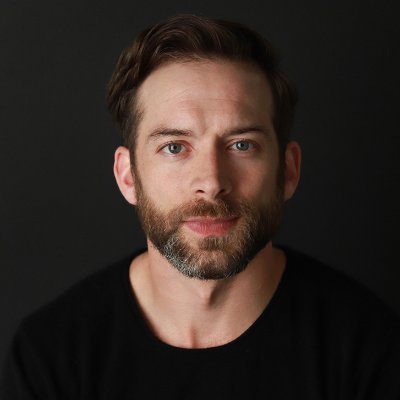
The theatrical shot is the center of the set. If your actor headshots samples only include one image with weight and emotional presence, this is the one. It needs quiet intensity, not melodrama. Strong theatrical images suggest a point of view without looking like a scene still.
Most actors miss by pushing too hard. They tighten the mouth, harden the eyes, or dress in a way that signals "serious actor" instead of believable person. That reads false in a second. A better frame uses softer but directional light, direct or near-direct eye contact, and a neutral wardrobe color that doesn't compete with your skin tone.
Depth beats drama
A theatrical headshot should feel like a casting director has caught you mid-thought. That's where depth comes from. The expression isn't blank, and it isn't performative. It's settled.
Practical rule: If the image looks like you're trying to look intense, it's already off.
We frame these chest-up because your face has to carry the image when it's viewed small. That matters in both traditional and digital review. If you want a solid starting point for setup and framing, our guide to how to take actor headshots walks through the essentials.
A real example. If you're targeting indie film, prestige TV, crime drama, or theater submissions, this shot should feel grounded and readable. Think clean dark tee or simple textured layer. No loud jewelry. No heavy pattern. No grin.
How to build it affordably
A live photographer can absolutely make this look sing, but you're usually paying for session time, editing, and image selection. In practice, a photographer day rate often starts around $300 to $600+, and many actors still walk away with one or two true keepers. AiHeadshots starts at $29 on our pricing page, and it gives you volume to test subtle expression changes instead of betting everything on one setup.
Because we built AiHeadshots out of a working studio, the look isn't based on generic portrait prompts. It's based on what we learned shooting thousands of real faces under real light. Upload 10 to 20 phone selfies. Then sort for the image that feels lived-in, not acted.
If you're comparing options, you may also look at HeadshotPro, BetterPic, Aragon, Secta, or ProPhotos. They all serve people who want AI portraits. Our difference is simple. We came from photography first, and we tuned the system around the same decisions that make theatrical acting portraits work in a real session.
2. 2. The Commercial Headshot

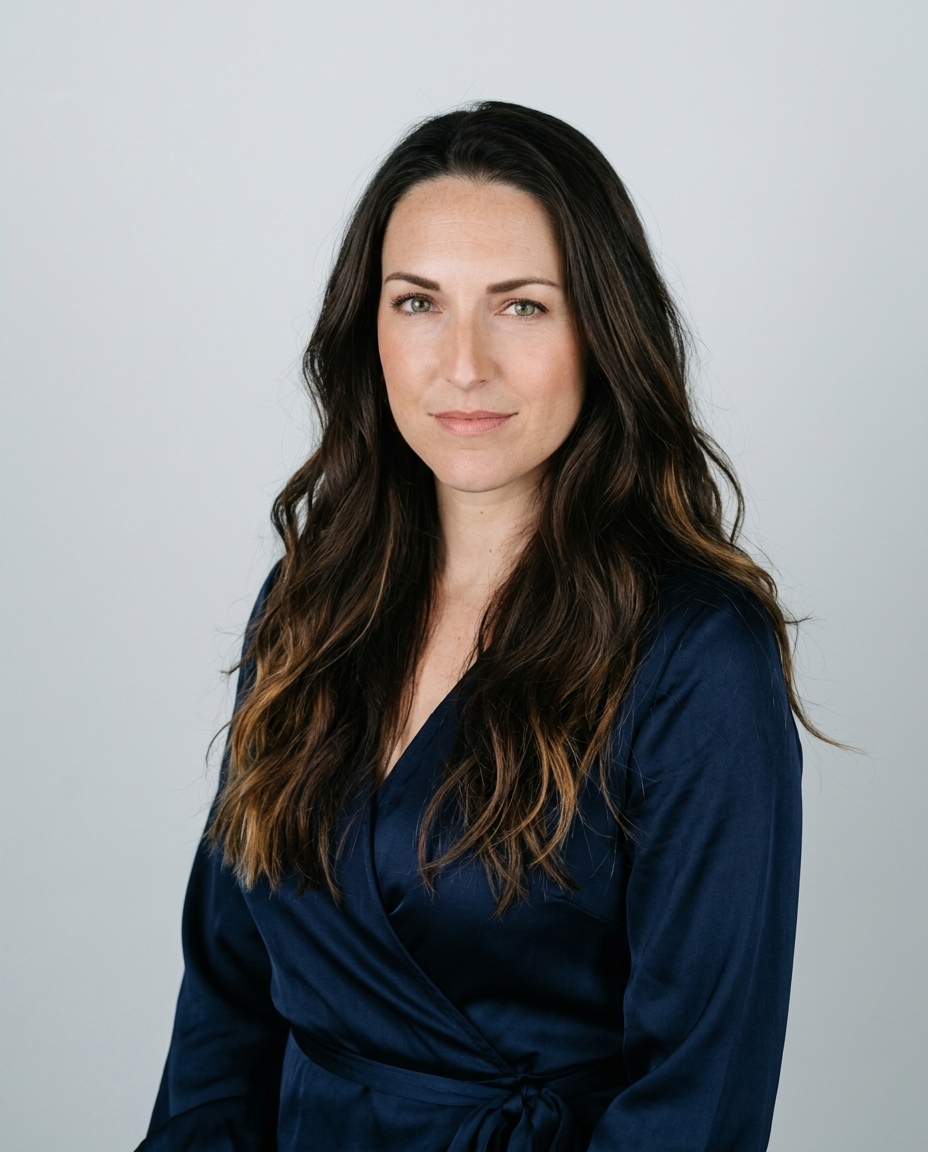
This is the shot that says you can sell trust in one glance. Commercial casting wants open expression, clean energy, and immediate likability. Not fake cheerfulness. Not sitcom mugging. Just ease.
The lighting should be brighter than theatrical, with gentler contrast and a cleaner background. Wardrobe should feel familiar and polished. A knit, denim shirt, simple blouse, or soft-color top usually works better than formalwear. You're not selling luxury mystery here. You're selling connection.
Warmth has to look believable
The best commercial images start in the eyes, not the mouth. If the eyes are flat and the smile is pasted on, the image dies. We direct actors to think less about "smile more" and more about opening the face. Tiny changes matter. A looser brow. Slightly lifted cheeks. A posture that feels engaged, not posed.
Casting doesn't need the happiest version of you. It needs the version people trust fastest.
A real-world use case is easy to picture. This is the shot for consumer brands, hosting work, healthcare ads, family campaigns, financial services spots, and friendly coworker roles. If your portfolio skips this look, you narrow yourself without meaning to.
What usually ruins it
Over-retouching ruins commercial faster than any other style. Skin can look polished, but if texture disappears, trust disappears with it. The same goes for AI images that smooth the face into plastic or alter bone structure. That's one reason actors are still cautious about AI-generated submissions. Backstage stresses that your photo needs to be a recognizable representation of you, and the wider industry still doesn't have clear universal standards for AI headshot acceptance. The confusion is real enough that Backstage's headshot guide has become part of the conversation around recognizability and realism.
We built around that problem. AiHeadshots is for usable headshots, not fantasy portraits. You upload everyday phone selfies, and our system returns a broad set of studio-grade options shaped by real photographic logic. That includes commercial looks that feel clean, current, and human.
If you want to see how that plays out across different faces and wardrobes, browse our actor and professional headshot examples. You'll notice the strongest commercial frames all do one thing well. They look like someone you'd meet.
3. 3. The Character Headshot

Character headshots are where precision matters most. This isn't broad "range." It's one castable signal. Tough detective. Dry professor. Sharp founder. Quirky neighbor. Ambitious ADA. You aren't dressing as the role. You're showing a believable version of yourself that slots into it fast.
Actors often avoid this style because they think it boxes them in. Used well, it does the opposite. It gives decision-makers a shortcut. They don't have to wonder where you fit. They can see it.
Specificity wins
A character image usually starts with one styling decision and one expression choice. That's enough. Maybe it's a blazer with no tie, a serious but not hostile expression, and harder side light. Maybe it's curls, denim, and a sideways half-smile that reads witty best friend. The mistake is stacking too many signals at once.
One of the strongest patterns we saw in 10,000+ real shoots is that small wardrobe shifts create major type shifts. Change the neckline. Add structure. Remove polish. Swap bright openness for restraint. Suddenly the same actor reads entirely differently.
Don't costume the role. Hint at it.
AI can either help or hurt. Generic systems often produce dramatic stereotypes. A photographer-built system should stay anchored to your real face and your actual casting lanes. That's why we built AiHeadshots from studio practice, then pressure-tested it on real clients instead of treating actor portraits like text-generated avatars.
Where actors overdo it
Character work goes wrong when actors chase gimmicks. Props are usually a mistake. Extreme expressions are usually a mistake. Heavy makeup, hard retouching, and theatrical wardrobe pieces turn a castable image into a concept image.
A stronger scenario is simple. Say you're often read as a public defender, startup operator, teacher, detective, or exhausted parent. Build a version of that energy through posture, light, and color. Keep the face central. Keep the styling restrained.
If you want proof that consistency matters more than hype, our customer reviews show what people respond to in finished images. They talk about realism, speed, and having enough usable options to match different contexts. That's the actual value of character samples. Not novelty. Utility.
4. 4. The Lifestyle & Branding Headshot

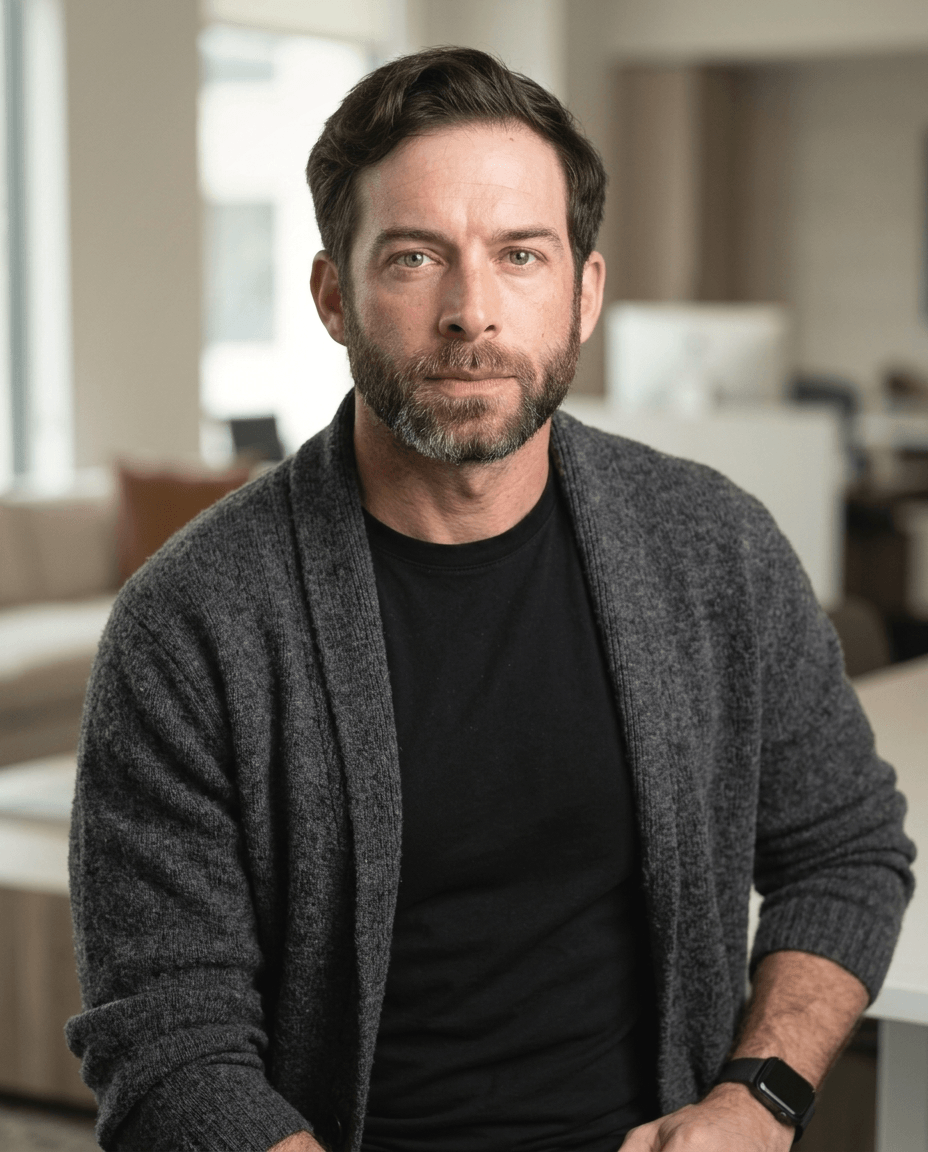
This one sits outside strict casting tradition, but it's increasingly useful. A lifestyle and branding headshot shows the person behind the performer. Not your role. Your vibe. That matters for personal websites, press kits, podcasts, guest articles, creator work, and social profiles that need more warmth than a standard acting crop.
The energy changes here. You can relax the pose. You can allow a little more environment. You can let personality come through in the wardrobe. The image still needs discipline, but it doesn't need to feel like an audition file.
This one sells the person
A lot of actors now work across categories. They act, teach, host, write, coach, produce, and build audiences. This style supports all of that. It makes you legible as a creative professional, not just a performer waiting to be cast.
We usually prefer natural posture, softer expressions, and styling that feels lived-in. Think jacket over tee, textured sweater, open collar, or smart casual layers. Here, color can do more work than in a theatrical shot, because the frame has room for personality.
A branding headshot should still look castable. It just shouldn't feel boxed in.
Wardrobe does more work here
Wardrobe choice matters more in this style because the clothes help define identity. That's why we tell clients to think in terms of adjectives, not outfits. Grounded. Modern. Warm. Clean. Creative. Then choose pieces that support those words.
Our attire guide for professional headshots is useful here because the same rules apply. Solid colors. Clean structure. No distracting logos. Texture beats busy pattern.
AiHeadshots handles this category especially well because it can generate variety without forcing you into a full-day shoot. You can test casual layers, polished casual, and more editorial looks from the same selfie set. For actors building both casting materials and public-facing personal branding, that flexibility matters. If you're managing a larger group, our team headshot options are built for consistency across multiple people too.
5. 5. The LinkedIn-Crossover Headshot

Actors don't live in one lane anymore. Plenty of working actors also consult, teach, speak, coach, sell, or lead teams. That means you need one image that plays cleanly in professional spaces outside casting. This is that image.
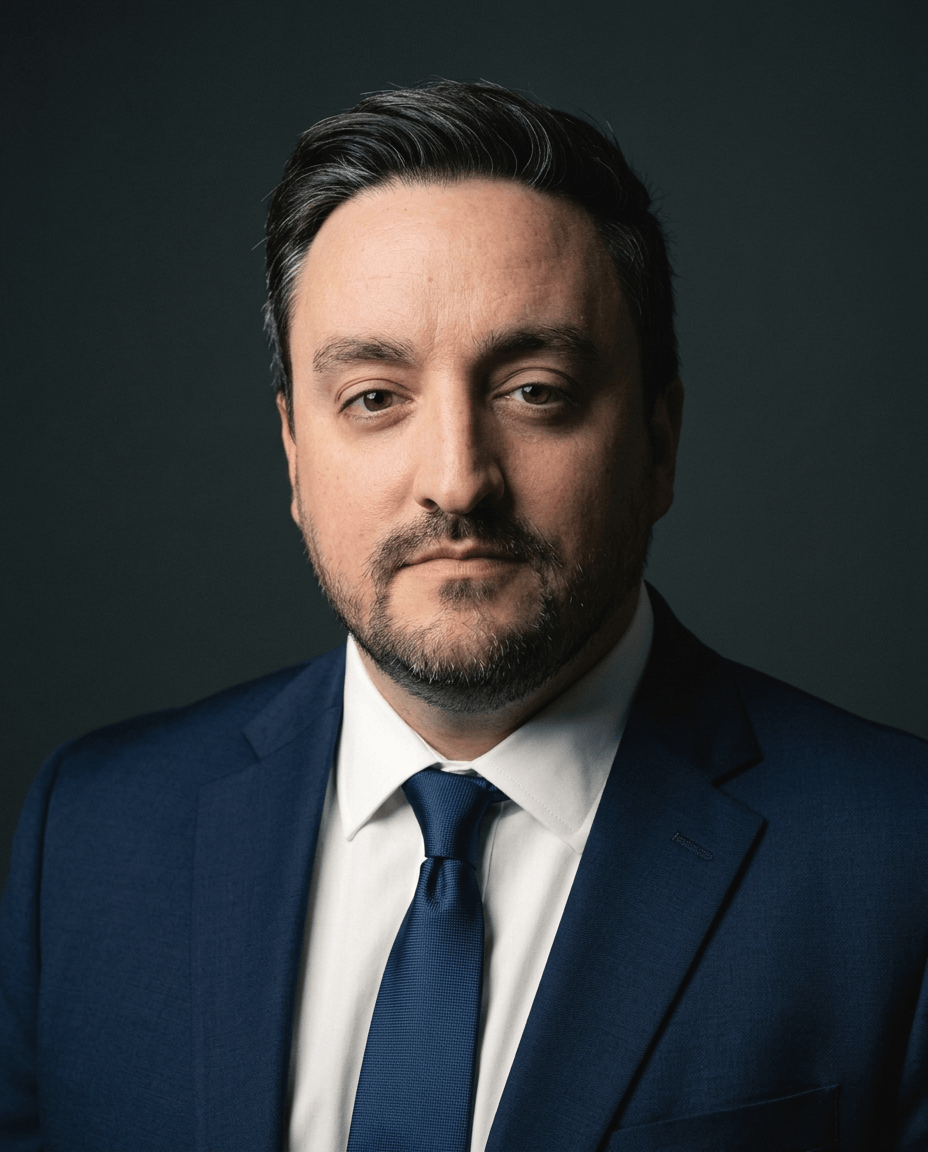
The LinkedIn-crossover headshot is more polished than commercial and less moody than theatrical. It should look capable, current, and composed. Think clean background, balanced light, direct expression, and wardrobe with more structure.
Professional does not mean stiff
The fastest way to ruin this style is to overcorrect into corporate cliché. You don't need a frozen smile and a generic suit pose. You need credibility. That's different.
For men, that might mean jacket and open collar, or a clean crewneck under a blazer. For women, it might mean a fitted top, simple blazer, or polished knit with shape. The frame should stay close enough that your face leads the picture. That's why chest-up composition remains useful across categories.
If it looks like a stock photo, it won't work on LinkedIn and it won't work anywhere else.
A useful second career image
This shot earns its place because it has practical reach. You can use it for LinkedIn, speaker bios, course pages, client decks, company sites, and business press. It doesn't replace your actor headshots samples. It complements them.
AiHeadshots was built for this kind of overlap. We serve LinkedIn, executive, team, actor, and corporate clients with the same photography-first system. You upload 10 to 20 phone selfies, no studio visit required, and receive 30+ studio-grade headshots in about 30 minutes. If you're building a broader professional profile, our LinkedIn headshot guide for 2026 shows what reads as credible without looking cold.
If you want the backstory, about AiHeadshots and Studio Pod explains why our system looks different from generic AI portrait tools. We built it after years inside a real studio, not as a prompt wrapper.
5-Way Comparison of Actor Headshot Types
| Headshot Type | Implementation Complexity 🔄 | Resource Requirements ⚡ | Expected Outcome ⭐ | Ideal Use Cases 📊 | Key Advantages 💡 |
|---|---|---|---|---|---|
| The Theatrical Headshot | Moderate–high: controlled, directional lighting and strong direction | Studio lighting, dark seamless background, layered wardrobe | Dramatic, emotionally rich, character-ready | Dramatic film, serialized TV, theatre submissions | Conveys depth and emotional availability; casts as serious roles |
| The Commercial Headshot | Low–moderate: bright even lighting and smile coaching | Bright/high-key light (studio or outdoors), colorful approachable wardrobe | Friendly, trustworthy, instantly likable | Commercials, print ads, hosting, spokesperson roles | Maximizes mass appeal and casting for commercials |
| The Character Headshot | High: character-specific styling, props, and environment | Costumes/props, location or set, varied looks | Highly specific, type-cast clarity | Niche casting where a distinct character is required | Quickly communicates a strong, castable type to directors |
| Lifestyle & Branding Headshot | Low–moderate: natural, candid direction with minimal rigging | Natural light locations (cafe, park), authentic personal wardrobe | Authentic, relatable, personality-forward | Personal websites, social media, press kits | Builds audience connection and personal brand versatility |
| LinkedIn‑Crossover Headshot | Moderate: polished studio or modern office setup | Clean backgrounds, business attire, professional retouch | Professional, credible, polished | LinkedIn, speaker bios, corporate sites, training videos | Signals credibility to non-acting clients and broadens opportunities |
Build your acting portfolio in minutes
Having a range of strong, specific headshots isn't extra anymore. It's baseline. One image can't carry theatrical, commercial, character, branding, and crossover-professional use at the same time. The actors with the most usable portfolios usually aren't the ones with the flashiest photos. They're the ones with the clearest options.
A traditional photographer can create these looks well. That's still a valid path. But it often means coordinating schedules, paying a session fee in the $300 to $600+ range, waiting on edits, and hoping the final selects cover enough ground. For many actors, that's hard to repeat every time their look, branding, or target roles shift.
We built AiHeadshots to solve that from a photographer's perspective. Studio Pod has shot 10,000+ real professionals since 2019, and that studio history matters. Joseph West and Chris Bailey didn't start as an AI company looking for a use case. We were photographers first. Then we built a system around real light, usable framing, natural skin texture, and believable expression.
That shows up in the product. AiHeadshots delivers 30+ studio-grade headshots in about 30 minutes. Plans are Basic $29, Professional $39, Executive $59, and Teams for 10+ seats at $22 to $29 per seat. More than 30,000 customers have used it, with 255,000+ headshots delivered and a 4.9★ rating. You also get a 100% money-back guarantee within 14 days. For privacy, inputs are retained for 7 days, outputs for 30 days, and billing data for 90 days.
If you're building actor headshots samples, don't chase random styles. Build a usable set. One theatrical. One commercial. One clear character lane. One branding image. One LinkedIn-crossover option. That's a real portfolio.
Upload 10 selfies, see your first headshot in 30 minutes, $29.
AiHeadshots gives you photographer-built headshots without the studio schedule. Upload 10 to 20 phone selfies, get 30+ polished options in about 30 minutes, and build your acting and professional portfolio fast. Start with AiHeadshots try or compare plans on AiHeadshots pricing.