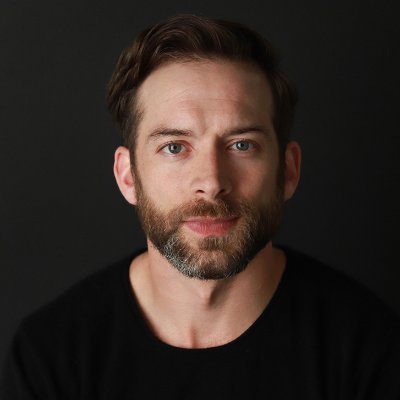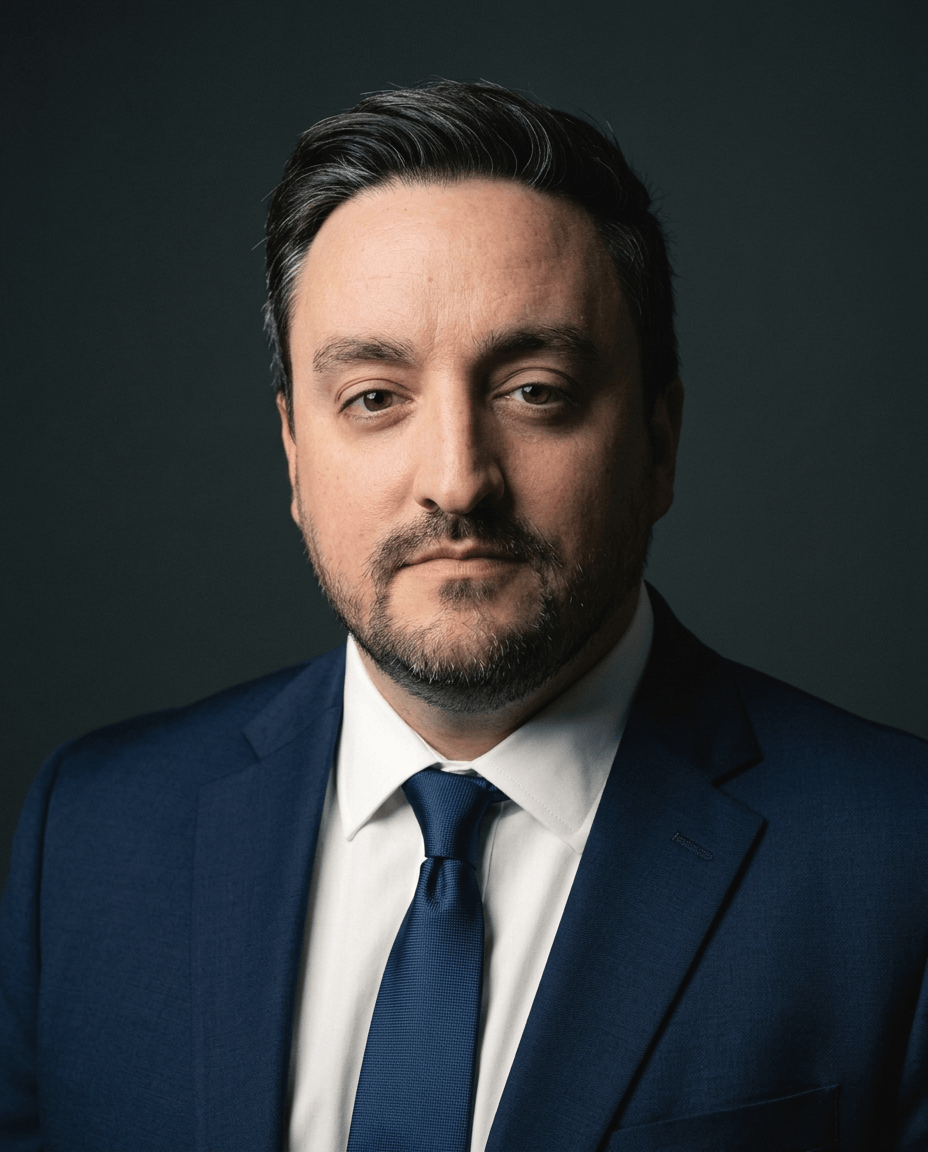
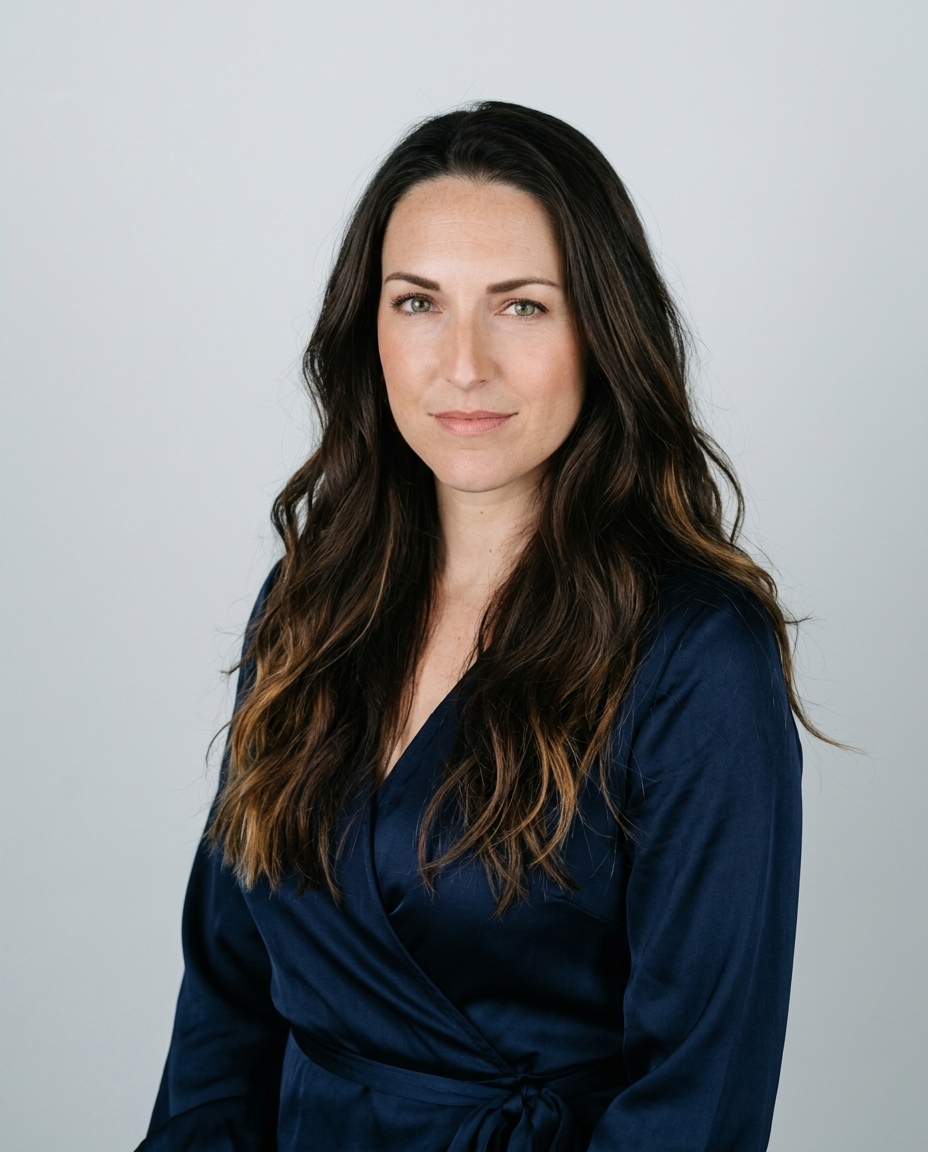
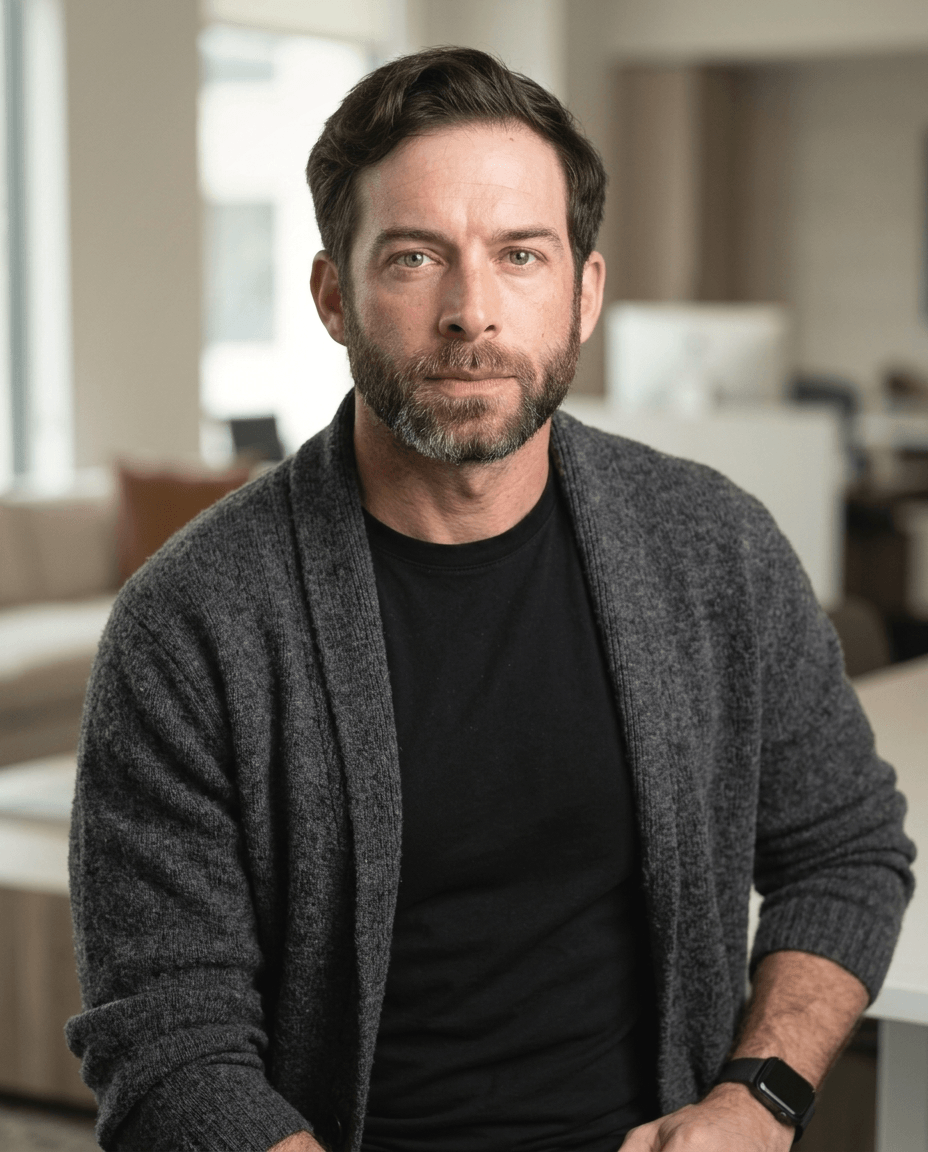
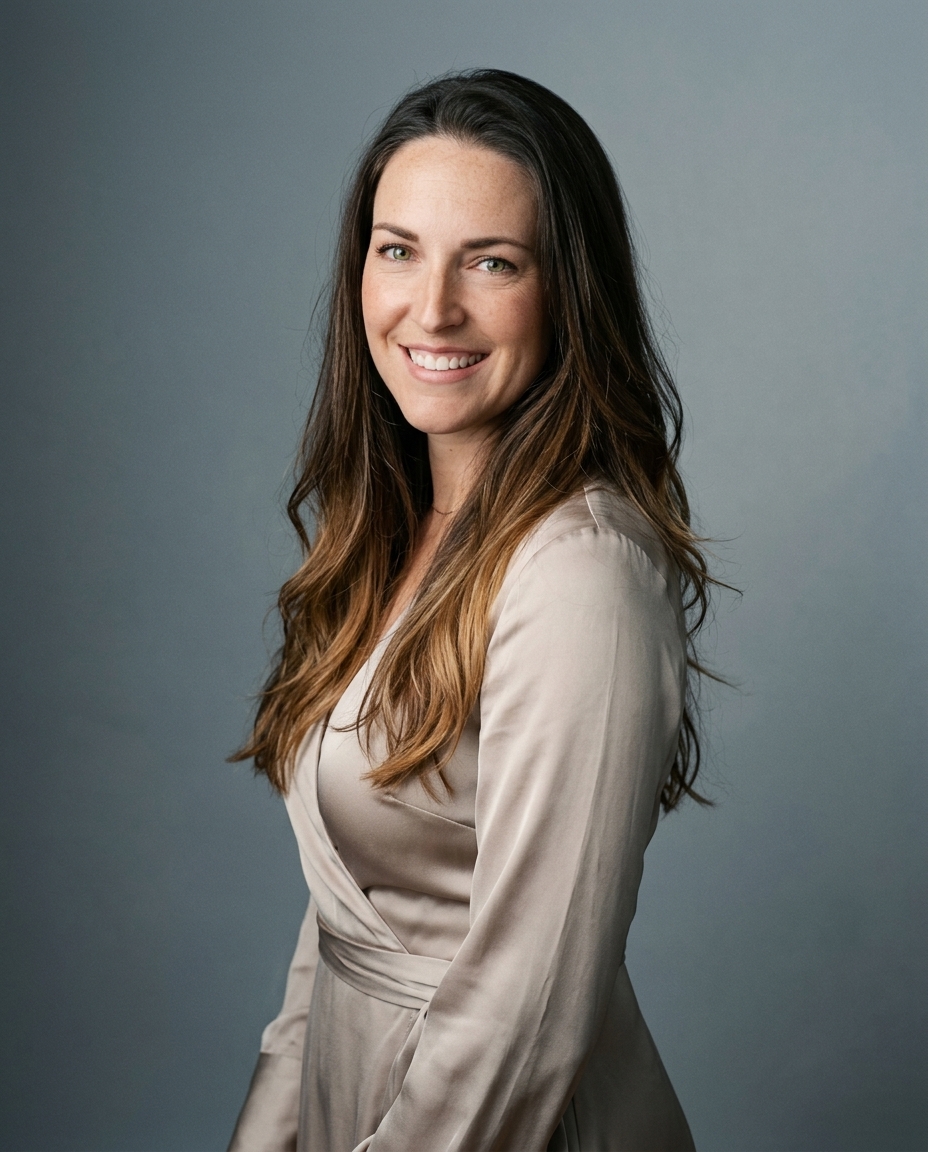

Most actor headshot advice is backwards. It obsesses over cameras, fake smiles, and finding your “good side.” Casting directors don't care about any of that first. They care whether your photo reads fast, feels true, and suggests a bookable person at thumbnail size.
That's the standard for how to take actor headshots that work. Your headshot isn't a portrait for your family. It's a marketing asset for casting. We come at this as photographers first. Studio Pod has photographed 10,000+ real professionals since 2019, and that matters here because headshot quality comes from lighting, direction, selection, and restraint, not from software tricks or generic posing tips. If you also need your materials to stay consistent across platforms beyond casting profiles, this guide to a LinkedIn headshot optimizer is a useful reference for thinking about image consistency as part of your wider personal brand.
Table of Contents
- Your headshot's only job
- Technical setup for authentic headshots
- Posing and expression your real job as an actor
- The three paths to your final headshot
- Selection retouching and distribution
Your headshot's only job
A strong actor headshot does one thing. It makes someone in casting pause long enough to believe you could walk into the story.
That's why so much common advice fails. “Just look natural” is incomplete. “Use a good camera” is shallow. “Smile more” is wrong for half the jobs you want. A headshot works when it communicates type, current appearance, and emotional availability in one glance.
Practical rule: If the photo is beautiful but unclear, it fails. If it's simple but instantly castable, it works.
Treat the frame like ad copy. Every choice either helps the face read or gets in the way. Wardrobe, crop, light, background, expression, and retouching all answer the same question: would a casting director trust this image as a truthful preview of the person who shows up?
Actors usually make one of two mistakes. They submit a flat, generic photo that could belong to anyone. Or they overproduce it and end up with something glossy, strained, and false. Casting wants neither. They want clarity with personality.
Here's the useful shift. Stop asking, “Is this flattering?” Start asking, “Does this sell me as castable?” Flattering helps. Castable wins.
Start with bookable looks
You don't need a dozen versions of yourself. You need a small set of distinct, useful looks. Casting guidance commonly points actors toward two core looks, a more serious theatrical image and a friendlier commercial image, while also keeping a simple variety on the profile rather than endless near-duplicates, as noted by Backstage's headshot guidance.
That distinction matters because “commercial” and “theatrical” aren't moods. They're casting signals.
A commercial headshot usually reads open, warm, trustworthy, and available. A theatrical headshot carries more specificity. It can be guarded, sharper, more layered, more private. Same actor. Different access point.

Most actors should decide their looks before the shoot. Not while standing in front of the lens wondering what to do with their face.
A clean prep process helps. Write down the roles you're believable for right now. Not your dream roles. Your current bookable lane. Then match each lane to one wardrobe option, one energy, and one expression range. If you're shooting your own material from selfies or preparing reference shots, our selfie prep guide will help you avoid the mistakes that make source images harder to use.
Build wardrobe around the role, not fashion
Wardrobe should frame the face and support the casting idea. That's it.
Busy patterns, giant jewelry, loud logos, and “statement” pieces kill actor headshots because they pull attention down and sideways. The face stops being the first read. Solid colors usually work better. Necklines matter because they shape the frame around your jaw and neck. Texture helps. Costume styling doesn't.
Bring options that create different impressions without changing who you are.
Hair and makeup follow the same rule. You should look like yourself on a very good day. Not editorial. Not “content creator polished.” Not disguised. If your real-life hair, facial hair, glasses, or grooming change the way people read you, that belongs in the planning stage, not as an afterthought.
A good brief is simple:
- Commercial look: approachable, direct, lighter energy
- Theatrical look: grounded, specific, less performative
- Wardrobe choices: solid, clean, face-forward
- Grooming: current, believable, repeatable in real life
That's the real pre-shoot work. If you don't decide what the image is selling, the camera won't decide it for you.
Technical setup for authentic headshots
The gear matters less than people think. The setup matters more.
Authentic headshots come from controlled light, flattering perspective, and a background that stays quiet. Most bad actor headshots fail because one of those three elements is off. The actor is usually not the problem.

Light does the heavy lifting
If you're shooting at home, find a large window with soft indirect light. Face the window or turn slightly toward it. Don't stand in hard sun. Don't mix window light with orange lamps. Don't put overhead kitchen lighting in the frame and hope editing fixes it.
Soft light works because it keeps skin natural, preserves detail around the eyes, and avoids hard shadows that age the face or make the image feel harsh. A clean actor headshot doesn't need dramatic lighting. It needs believable lighting.
In a studio, the same principle applies with more control. Key light shapes the face. Fill light softens contrast. A hair or separation light can pull you off the background. But the result should still feel simple. If the lighting style becomes the point of the image, the headshot starts reading as a portrait session instead of a casting tool.
Perspective is where amateurs get caught
Most phone-camera problems are perspective problems. Too close, and the nose comes forward while the sides of the face fall away. Too low, and the jaw softens. Too wide, and the whole face starts to distort.
A dedicated camera with a portrait lens gives you more forgiving compression and cleaner subject separation. That said, a phone can still work if you respect distance, avoid wide-angle distortion, and keep the frame simple. We broke down the practical limits in our guide on why a phone camera isn't enough.
Here's a quick reference:
| Element | What works | What fails |
|---|---|---|
| Light | Soft, even, indirect | Harsh sun, mixed light, overhead light |
| Camera position | Slightly above eye level or level | Too low, too close |
| Background | Plain, muted, uncluttered | Busy rooms, sharp details, bright objects |
| Crop | Chest-up, face dominant | Full torso, too much empty space |
The technical setup should disappear. Casting should notice your face first and the photo style second.
Background choice is simpler than people make it. Solid gray, muted blue, or any neutral surface works if it doesn't compete with skin tone and clothing. Don't use a location just because it feels cinematic. If the brick wall, office, park, or staircase says more than your face does, it's the wrong background.
Posing and expression your real job as an actor
Actors get in trouble when they think headshots are about posing. They're not. They're about direction.
Your body needs to be organized enough that your face can do the work. That starts with posture, angle, and a frame that prioritizes the head and eyes.

Direct your face, don't pose it
A practical workflow for actor headshots is to start with a chest-up frame, keep the body tall, and “turtle” the face slightly toward the camera to sharpen the jawline. Casting-focused direction also recommends testing both sides of the face with slight head turns to find the stronger angle, according to City Headshots' actor headshot workflow.
That small forward movement matters. The chin is often pulled back when a camera appears. The jaw disappears. The neck compresses. The expression loses authority. A slight forward reach fixes that without looking stiff.
Visible hands usually create problems in true actor headshots. So do props. They introduce extra storytelling and steal attention from the face. Keep the composition honest and tight.
Expression has to come from thought
A dead face with “good posture” still won't book the room. Your eyes need a point of view.
Don't try to “look happy.” Don't try to “look intense.” Those instructions create generic facial masks. Give yourself an internal sentence instead. Something playable. Something private. The camera reads thought faster than it reads effort.
A few useful internal prompts:
- You've just recognized someone and you're deciding whether to trust them.
- You know more than the other person in the scene, and you're not giving it away yet.
- You're about to say yes, but only after making them earn it.
- You're listening to something that matters.
These aren't scene studies. They're ignition points. Enough to wake up the eyes and mouth without pushing into performance.
This quick breakdown shows the difference between face management and actual connection:
A good actor headshot holds a tiny internal monologue. A bad one just arranges features.
Eye contact should usually land near the lens, not wander off into a fake cinematic distance unless that specific choice supports the look. Tiny changes matter. A one-degree head turn can change confidence. A slight soften in the lower eyelids can make the image feel more open. This is acting in a small key. That's why actors who stop trying to “serve looks” almost always photograph better.
The three paths to your final headshot
Once you understand what a useful actor headshot needs to do, you have three practical ways to get there. They're not equal. They solve different problems.
Traditional photographer
This is still the strongest option when you need high-touch direction and a fully controlled session. An experienced headshot photographer can adjust light, watch micro-expression changes, direct wardrobe shifts, and catch the small mistakes you won't see yourself.
The trade-off is cost and speed. One industry guide says actors in Los Angeles and New York City may pay about $600, while good headshots in Atlanta should cost about $250–300, and another guide puts typical pricing at roughly $200 to $1,000 depending on market and number of looks, as outlined in Amy Jo Berman's headshot pricing discussion. For a major career step, that spend can make sense.
What doesn't make sense is hiring a portrait photographer who doesn't understand casting. Nice portraits and useful actor headshots are not the same product.
DIY
DIY works if budget is tight and you're disciplined enough to think like a photographer. You need control over light, a neutral background, a clean crop, and someone behind the camera who can keep you engaged instead of self-conscious.
The upside is obvious. There's no session fee. You can test endlessly. You can reshoot after every haircut or wardrobe adjustment.
The downside is also obvious. Most DIY shots look DIY. Not because the actor is unphotogenic, but because self-direction breaks down fast. Your posture slips. The expression gets repetitive. The lighting turns patchy. You keep the photo you personally like instead of the one that casts.
AI-assisted
There's now a middle path for actors who need speed, lower cost, and a range of usable looks without booking a live studio session.

AiHeadshots is one example. It comes from Studio Pod, an automated studio founded by photographers Joseph West and Hunter Casner, not a software team retrofitting generic image models. You upload 10–20 phone selfies, and the system delivers 30+ studio-grade headshots in about 30 minutes. Pricing starts at $29 for Basic, with $39 Professional and $59 Executive tiers. You can see the actor-specific styling here: actor headshots.
That photographer heritage matters. A lot of AI outputs fail for the same reason bad DIY headshots fail. The face looks polished but not directed. The light looks dramatic but not believable. The image reads “image generation” before it reads “castable actor.” Systems built from real studio experience usually make better decisions about crop, facial clarity, retouching restraint, and lighting logic.
A simple comparison helps:
| Path | Best for | Main trade-off |
|---|---|---|
| Traditional photographer | Major update, expert direction, full control | Highest cost |
| DIY | Lowest budget, total control, frequent testing | Highest risk of amateur result |
| AI-assisted | Fast refresh, affordable variety, no studio visit | Depends on strong source selfies |
None of these paths guarantees a useful headshot on its own. The strategy still matters. The expression still matters. The final selection still matters. The method only changes how you get there.
Selection retouching and distribution
The shoot is not the finish line. Selection is where most actors either sharpen the work or ruin it.
Choose the image that casts fastest
Your favorite image is often the wrong choice. Actors tend to choose the photo where they feel most attractive, most dramatic, or most “like themselves” in a private sense. Casting needs the photo that reads fastest and clearest to someone who doesn't know you.
Actors are commonly advised to keep their portfolio to 3–5 looks, because casting directors need to read a range quickly, and headshots should be updated every 1–2 years or sooner after visible changes such as a hair color change or a weight change of more than 10 pounds, according to Brandon Andre's guidance on how many headshots an actor needs.
That should make your selection process ruthless. Distinct beats similar. Useful beats pretty. Current beats nostalgic.
Ask for opinions from people who understand casting, not just from friends who like the nicest picture.
A small bank of clearly different looks is stronger than a gallery of nearly identical expressions in different shirts.
Retouch lightly, distribute deliberately
Retouching should remove distraction, not reality. Take out the temporary blemish, the stray hair, the under-eye shadow that comes from bad sleep if it dominates the frame. Keep your skin texture. Keep your bone structure. Keep the face someone will meet at the audition.
If the headshot and the human don't match, the image has already failed.
Distribution needs the same discipline. Use your chosen looks across casting sites, agency materials, personal sites, and social profiles that support your professional presence. If you need a clean system for organizing those assets, this guide on how to create a digital portfolio is a practical place to start.
The final standard is simple. Your headshot should look current, castable, and unmistakably like you. Not the most polished version of you. The most believable version of you.
Upload 10 selfies, see your first headshot in about 30 minutes, and compare options built from real studio photography at AiHeadshots or review plans on pricing.