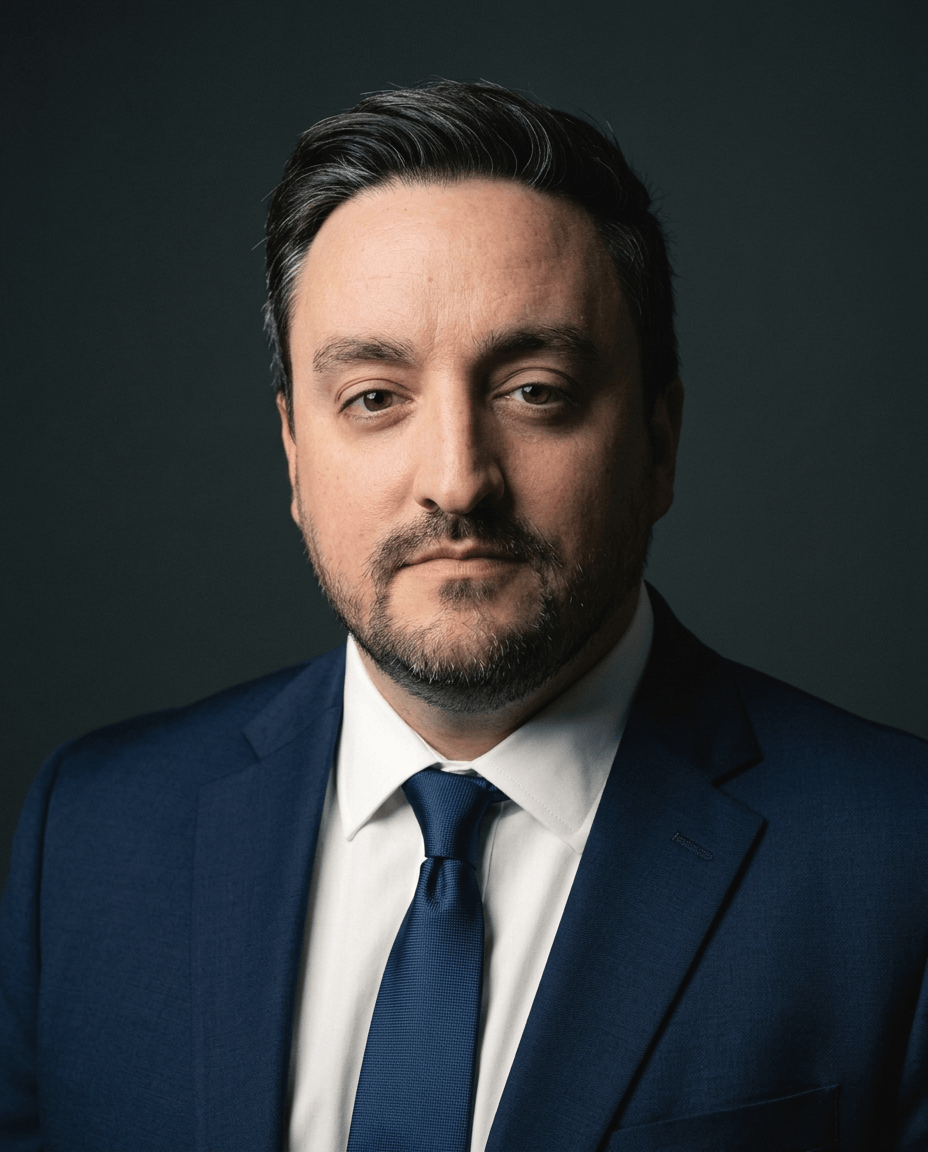
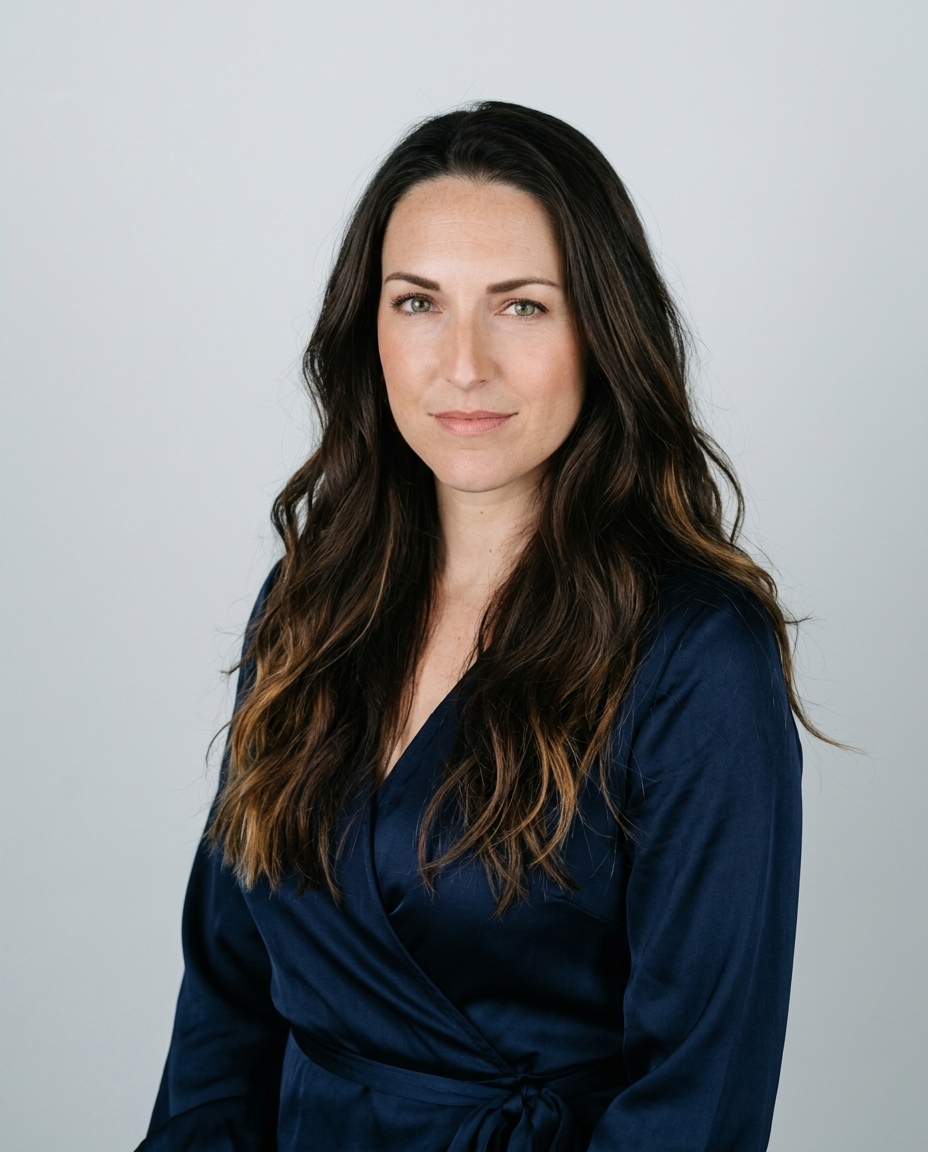
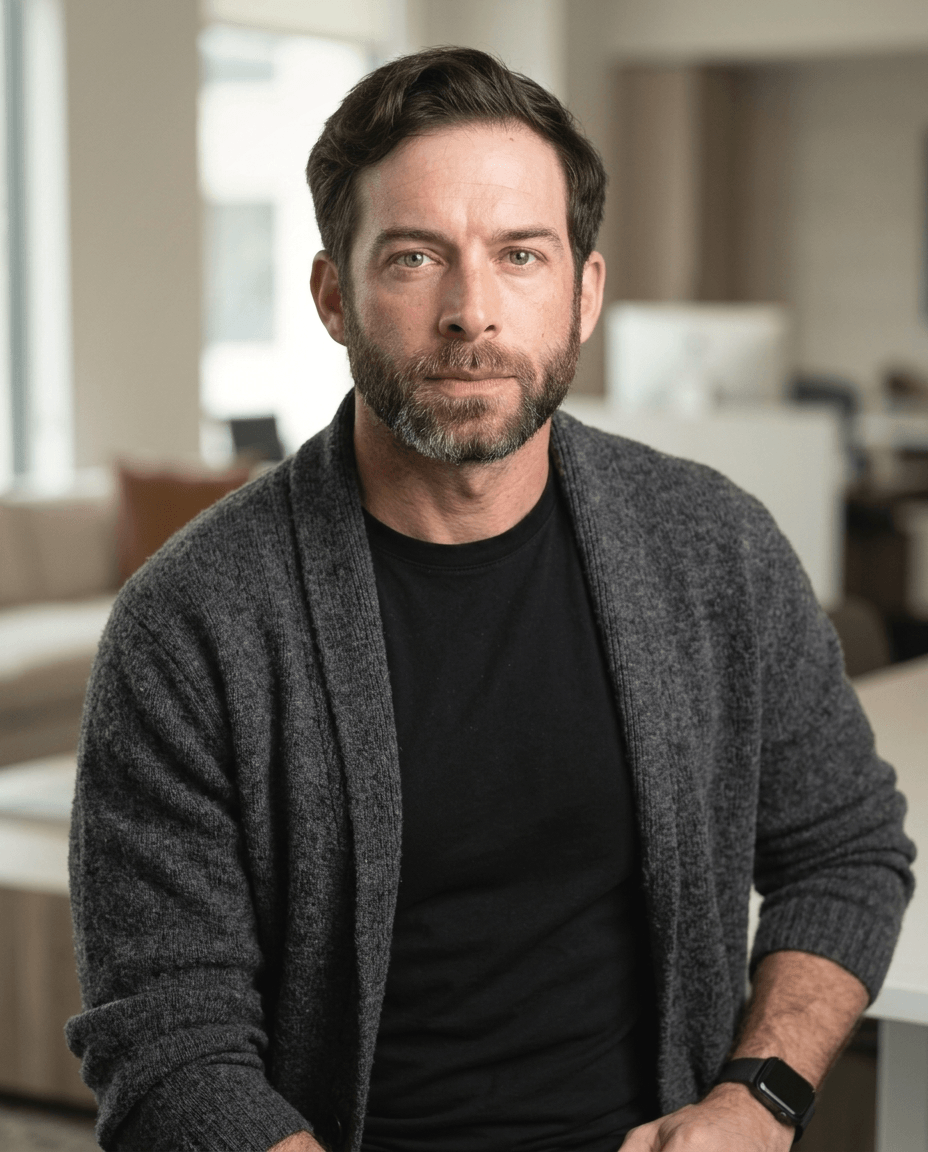
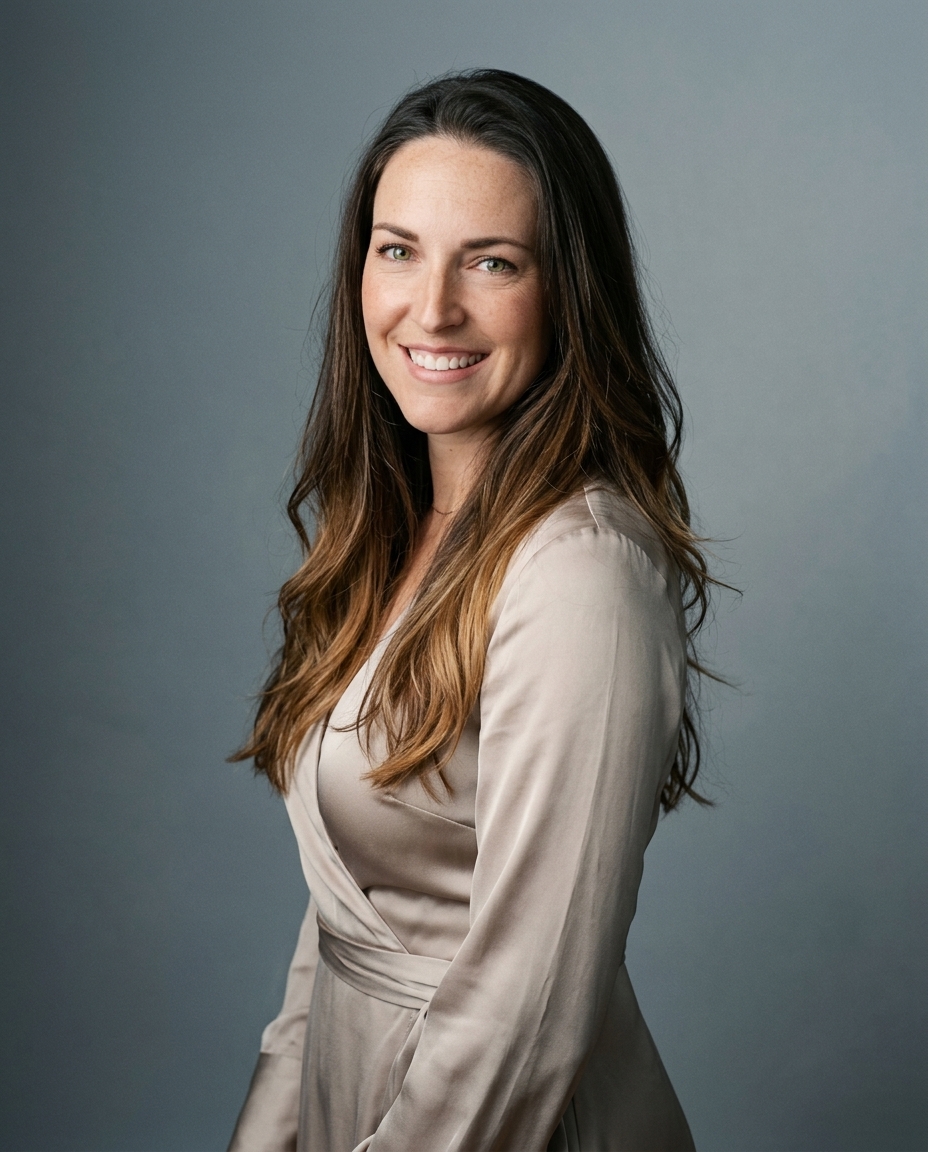
Search "good headshot examples" and you get a wall of faces. What you don't get is the one thing that actually helps: why those examples work, so you can reproduce them instead of just admiring them.
We've shot over 10,000 professionals at Studio Pod, and the good ones aren't good by accident. They share a short list of traits. Learn the list and you can look at any headshot — including your own — and know in two seconds whether it's working.
(Want to see finished examples first? Our examples gallery has real output. Then come back for the why.)
The 6 marks of a good headshot
Every genuinely good headshot hits most of these. Bad ones miss three or more.
- Sharp, well-lit eyes. The eyes are the whole game. They should be in crisp focus and catch a little light (a "catchlight"). Dull or shadowed eyes kill a headshot no matter what else is right.
- A flattering angle. Lens at or just above eye level, face turned about 10–15° off-camera. Straight-on and shot-from-below both flatten and distort.
- A clean, non-distracting background. Neutral, or softly blurred. If your eye goes to the background before the face, it's wrong.
- A genuine, relaxed expression. A real smile crinkles the eyes; a held one looks like a hostage photo. Even a serious expression should look at ease, not tense.
- Wardrobe that fits the field. Solid, fitted, appropriate to the industry. The clothes should support the face, not compete with it.
- Natural skin. Retouched enough to look polished, not so much it looks like plastic. Over-retouching is the fastest way to look dated.
What "good" looks like by category
"Good" isn't one thing — it shifts with the job the headshot is doing.
- Corporate — conservative wardrobe, neutral backdrop, confident-but-approachable expression. The goal is competence without stiffness. (Corporate headshots →)
- Creative — editorial light, more personality, sometimes a colored or environmental backdrop. Here, bland is the failure. (Creative headshots →)
- LinkedIn — warm, well-lit, face centered for the circular crop, a slight smile. The single most-seen version of you at work. (LinkedIn headshots →)
- Actor — honest, minimal, no glamour — casting needs to see the real you, not a retouched ideal. (Actor headshots →)
The tells of a bad example
Reverse the list and you get the red flags: dead eyes, shot from below, a cluttered background, a frozen grin, a distracting outfit, plastic skin. If a "good example" you're copying has any of these, it isn't one.
How to get your own good example
You don't need to be photogenic — you need enough good raw material and a way to pick the winner. That's exactly what AI Headshots does: upload 10–20 selfies, and the model generates dozens of properly-lit, well-angled shots hitting the six marks above. You pick the keeper.
Prefer a real camera? Our sister studio, Studio Pod, shoots these in person in Houston — same team, same craft. We just built the AI for everyone who can't get to the studio.
Ready for your own good example? See pricing — 30+ professional headshots in about 30 minutes, from $29, with a 14-day money-back guarantee.
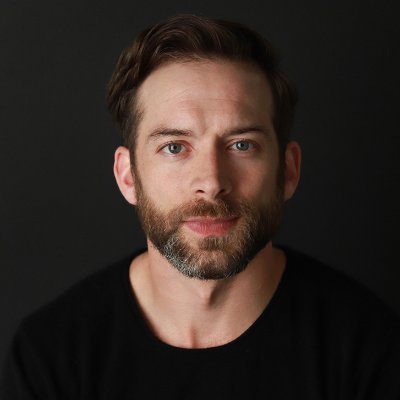
Joseph West
Founder of AI Headshots and Studio Pod — the automated headshot studio in Houston, Texas. Photographer first, AI engineer second.