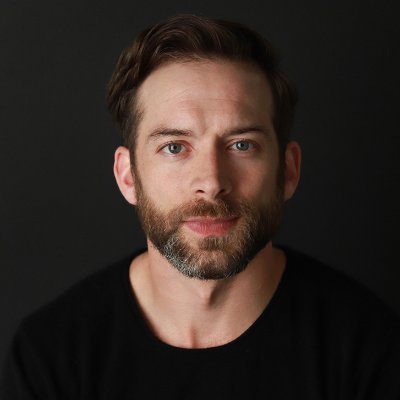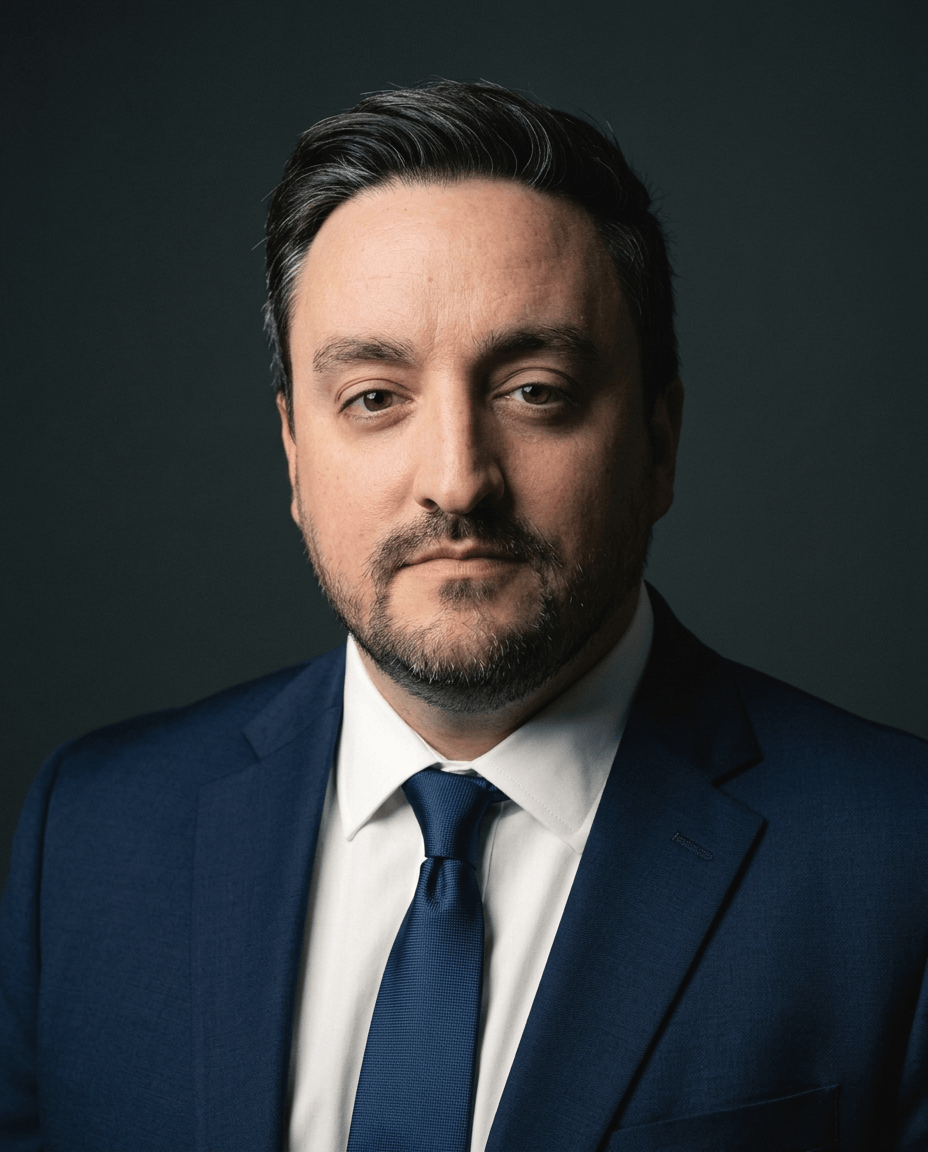
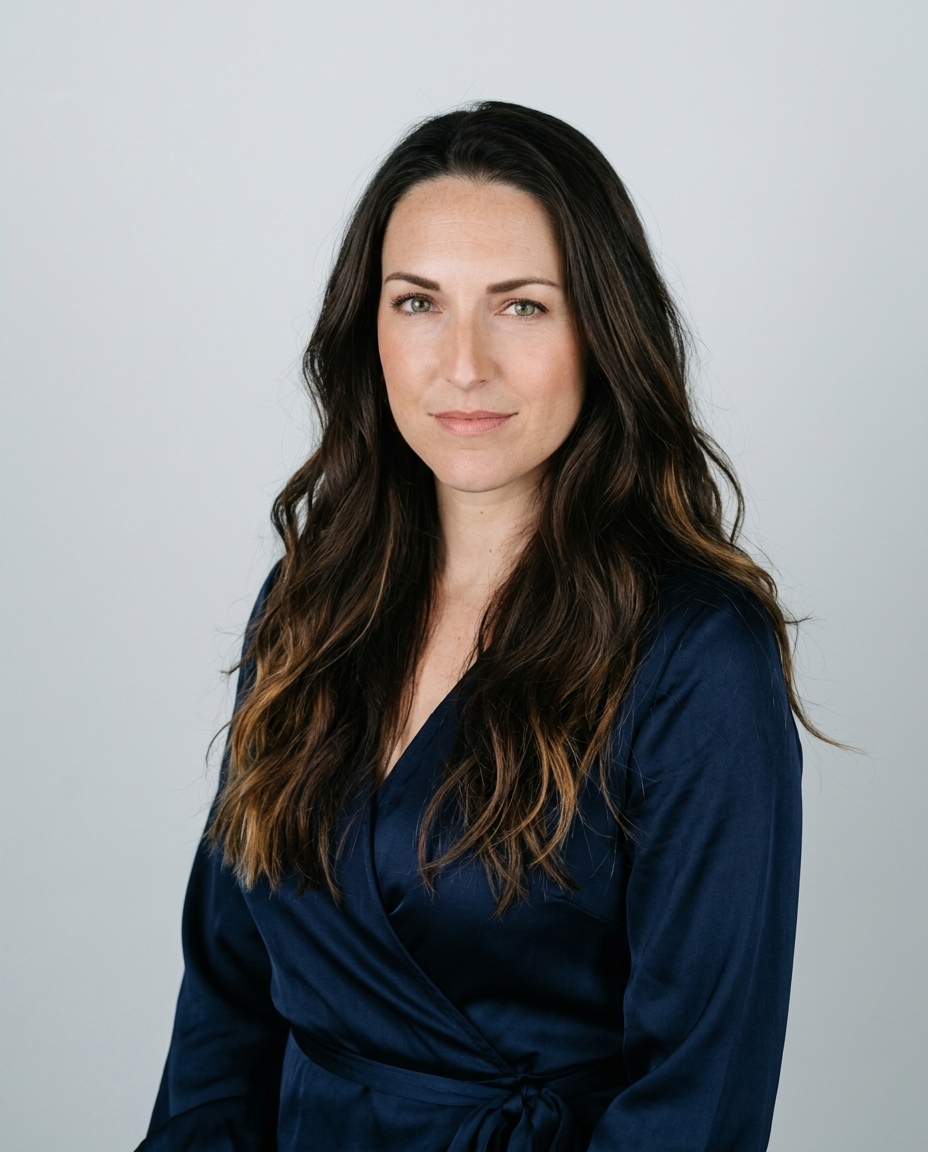
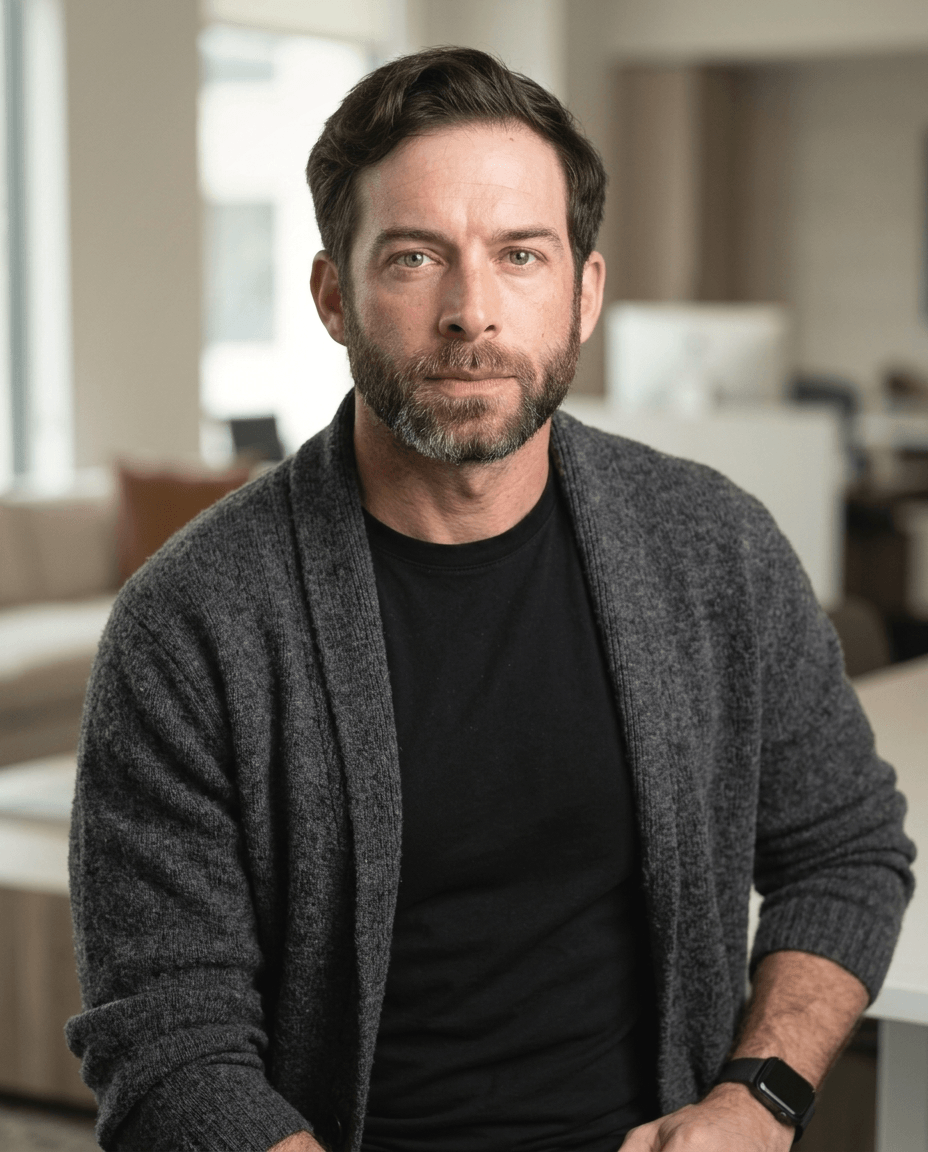
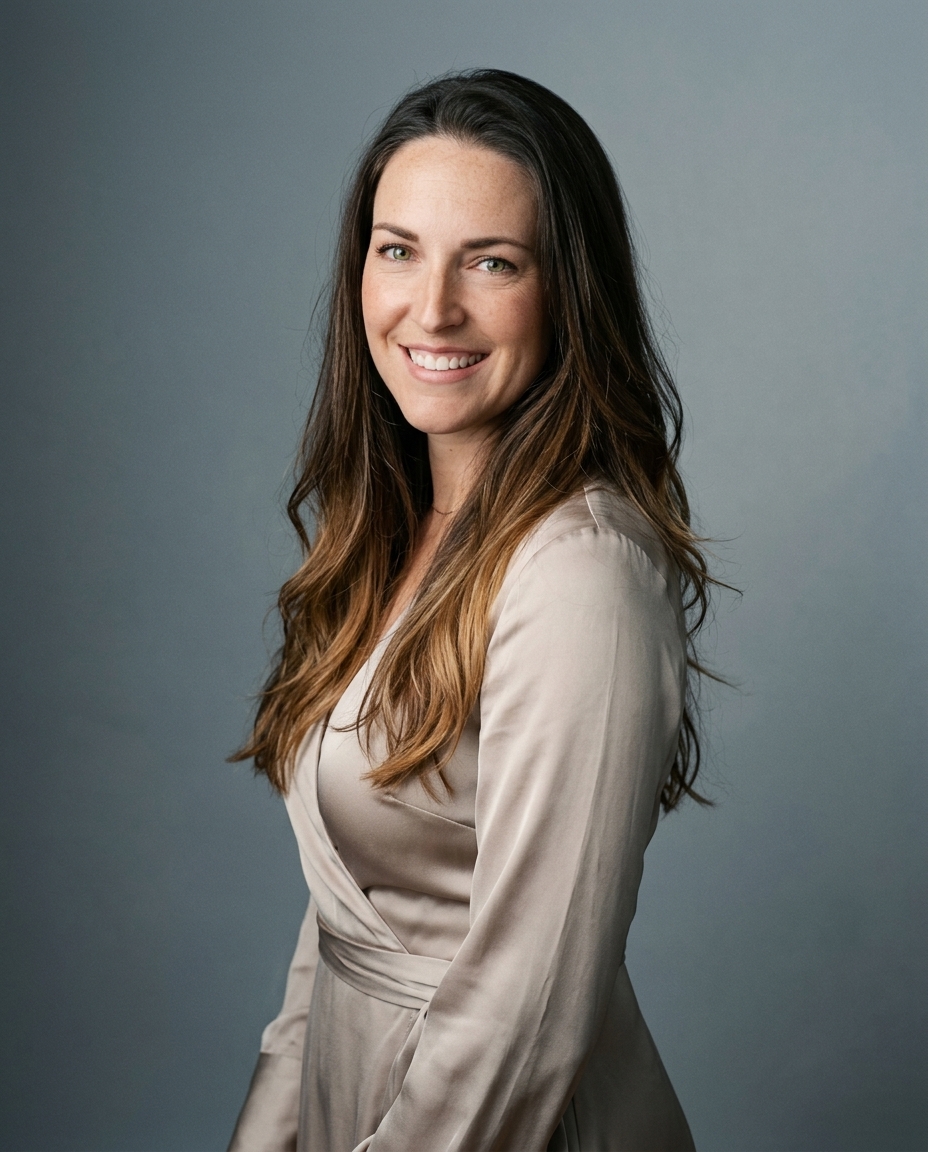

The most common wardrobe mistake in professional headshots isn't being too casual. It's wearing clothes that fight the light. A technically strong portrait falls apart fast when your shirt disappears into your skin tone, your jacket blocks facial detail, or a bright top pulls attention away from your eyes.
That's why attire for professional headshots isn't about dressing fashionably. It's about building a clean frame around the face. At Studio Pod, we've shot 10,000+ real professionals since 2019, and that experience shapes how photographers think about wardrobe: as part of exposure, contrast, and composition. That same photography-first approach is also why we built AiHeadshots as photographers first, not as a software team retrofitting open models.
Table of Contents
- Your headshot attire is a tool not a fashion statement
- The foundation is color and contrast
- Fit fabric and necklines build the frame
- Use layers and accessories with intention
- Align your attire with your role and brand
- The final check before your headshot
Your headshot attire is a tool not a fashion statement
The wrong outfit can sabotage an otherwise excellent portrait. Good lighting won't rescue a shirt with glare, a limp collar, or a color that erases the line between your face and your clothing.
That's the key shift people need to make. You're not dressing for a full-length look. You're dressing for a cropped image, often seen first as a small thumbnail on LinkedIn, a company site, or a conference page.
In a headshot, clothing has a narrow job. It should support the face, simplify the silhouette, and stay visually quiet enough that your expression does the work. If the viewer notices your pattern before your eyes, the attire has failed.
Practical rule: The best outfit for a headshot is usually less interesting in person than people expect. That's why it works on camera.
At Studio Pod, we've seen this repeatedly across executives, recruiters, founders, attorneys, physicians, and sales teams. The clothes that perform best aren't the trendiest. They're the ones that create separation, hold their shape, and behave predictably under light.
That's also why broad style advice often misses the mark. “Wear something you love” is incomplete. If what you love is reflective silk, pale beige near your skin tone, or a soft collar that collapses under a jacket, the camera will show every weakness.
The better question is simple. Does this piece improve the portrait, or complicate it?
The foundation is color and contrast
Color is physics before it is style. In a headshot, the camera reads brightness values first, then color, then detail. If the tonal separation between your face, your clothing, and the background is weak, the portrait feels flat before anyone can name why.
Why medium-to-dark solids work
Solid, medium-to-dark colors usually photograph best because they give the face a clean tonal base. Navy, charcoal, deep green, and burgundy tend to hold shape under soft studio light and keep attention on the eyes instead of the outfit, as noted in this professional headshot clothing guide.
At Studio Pod, after photographing 10,000+ professionals, this pattern shows up again and again. The best-performing wardrobe pieces create clear separation without adding visual noise. A jacket or top that sits a few tonal steps darker than the skin usually makes jawline, chin, and neckline read more clearly in the final crop. That is one reason good corporate headshots feel polished even at thumbnail size.

Patterns interfere with that job. Small checks, tight stripes, loud florals, and visible logos create competing points of contrast across the frame. The eye keeps bouncing between those high-frequency details instead of settling on the expression. On camera, a quiet solid almost always beats a more interesting print.
You can see that clearly across different lighting setups and backgrounds in our headshot examples gallery.
What cameras do with black, white, and skin-tone colors
Pure white and pure black create problems for different technical reasons. White kicks back a large amount of light and can push highlights past what the camera sensor holds cleanly. Black absorbs light and can compress into a dense block with little visible texture. In both cases, exposure decisions shift away from the face, which is the part of the frame that needs the most tonal nuance.
Skin-adjacent colors cause a different failure. Beige, cream, camel, blush, and faded pastels can collapse the edge between face and clothing, especially against light gray or white backgrounds. The portrait loses outline. The face no longer sits forward with enough authority.
If your shirt and your skin are too close in brightness, your features lose definition before retouching even starts.
The fix is simple. Choose a color that separates cleanly from your complexion and still fits your professional setting. Lighter skin usually benefits from deeper mid-tones. Deeper skin often looks stronger in richer, more saturated colors than in dusty, low-contrast shades. Brand alignment still matters, but it does not override contrast.
Fabric can shift color performance too. Linen, for example, often looks great in person but its texture and creasing can scatter light unevenly in a tight portrait crop. If you're considering it, Los Angeles Apparel's guide on linen gives useful context on how the fabric behaves.
Fit fabric and necklines build the frame
Once color is right, structure takes over. Headshots flatten three-dimensional people into a two-dimensional crop. That means fit, fabric behavior, and neckline shape become compositional tools, not minor style details.
Wrinkles read louder than you think
Wrinkle-free clothing is essential because wrinkles are difficult to remove digitally and signal a lack of preparation. Stiff, snug collars also keep a clean frame around the face, and V-necks or button-downs left open at the top create diagonal lines that pull attention upward, as explained in this guide to professional headshot wardrobe choices.

Wrinkles matter because they catch light unpredictably. Every crease becomes a bright ridge next to a dark trough. That creates visual noise in the exact part of the frame where you want simplicity. The eye notices those little contrast spikes immediately.
Fabric choice matters too. A cloth that looks elegant on a hanger can turn messy in a cropped portrait if it collapses, bunches, or reflects unevenly. If you're considering linen or linen blends, it helps to understand how the fabric drapes and creases before you put it in front of a camera. Los Angeles Apparel's guide on linen is a useful primer on how the material behaves.
For more examples of how clean structure changes the final image, our guide to good corporate headshots shows the difference that wardrobe discipline makes.
Necklines control the eye line
A neckline isn't just a style choice. It's a directional cue. High, tight, bulky necklines can shorten the neck and crowd the jawline. Soft, open necklines create space under the face.
That's why a crisp button-down worn open at the top often works better than one fastened to the throat. The slight opening creates diagonal lines. Those lines lead the eye inward and upward. A V-neck does the same thing in a simpler way.
A jacket can help, but only if the shoulders fit and the lapels sit cleanly. If the garment pulls, gaps, or sags, it widens the body visually and weakens the shape of the portrait.
Use layers and accessories with intention
Layers help a portrait when they add structure. They hurt it when they add clutter. A blazer, cardigan, or light jacket can create depth at the shoulders and sharpen the outline of the torso, which is useful in a tight crop where the body gives the face context.
The best layer is usually the one you stop noticing after two seconds. It gives the portrait shape, then gets out of the way. A dark blazer over a simple top does this well. So does a structured jacket with a matte finish and clean lapel line.
Structure helps when it stays subordinate
Ties, scarves, and outer layers work best when they reinforce the vertical center of the image. If the knot is oversized, the scarf is bulky, or the lapels flare too widely, the lower half of the crop starts competing with the head.
That trade-off is easy to miss in a mirror because you see the whole outfit. The camera doesn't. It sees a narrow frame and asks each element to justify itself.
Remove anything that wins too much attention below the chin.
Accessories should finish the portrait not hijack it
Accessories should read as punctuation, not as the sentence. Small earrings, a classic watch, a simple necklace, or understated frames can all work. Giant reflective jewelry, loud novelty ties, and anything with heavy shine usually won't.
One item can carry personality. Three items usually carry distraction.
A useful test is to take a phone photo, crop it tightly to head-and-shoulders, and ask one blunt question. What do you notice first? If the answer isn't your face, edit the outfit down.
Align your attire with your role and brand
The best attire for professional headshots still depends on context. A law firm partner, a startup operator, and a creative director don't need the same visual signal. They do need the same discipline: clean contrast, controlled shape, and clothing that supports the kind of trust their role requires.

Three common wardrobe directions
A corporate executive usually benefits from structure first. Think well-fitting jacket, controlled collar, restrained accessories, and colors with authority rather than novelty. The point is stability.
A technical specialist often looks strongest in polished simplicity. A blazer over a refined knit, a clean shirt without fuss, or a sharp overshirt can read credible without looking overdressed. The image should say precise, capable, and easy to work with.
A creative professional has more room for texture and personality, but the same camera rules still apply. Rich fabric, thoughtful color, and expressive eyewear can work well if the face remains the primary focal point.
For companies standardizing looks across departments, consistency matters just as much as individual expression. Our guide on executive headshot wardrobe shows how to keep authority and consistency in the same frame, and team-wide styling becomes even more important when you're aligning photos across a larger group on a teams page.
If your company uses branded uniforms or field-ready apparel, subtle customization can make sense. For example, clean embroidered work shirts can fit industries where branded clothing is already part of the professional identity. The logo just needs to stay subordinate to the face.
Color still has to match your complexion
There's one layer of nuance many generic guides skip. Color has to work with your complexion, not just your industry. Individuals with light complexions tend to separate best with mid-tones and deeper shades, while those with deep complexions often benefit from saturated jewel tones like teal, amethyst, and emerald. The same source also notes that a V-neck or unbuttoned collar elongates the neck and draws focus to the eyes, with support from a majority of fashion advisors, in Capturely's guide to what to wear for professional headshots.
That matters because brand alignment doesn't excuse bad contrast. A “safe” pale blue shirt that flattens the face is still a weak choice. A more saturated or deeper option that holds your features clearly is the better professional decision.
The final check before your headshot
Preparation shows up on camera. Not in an abstract way. In very specific ways. Lint catches side light. A twisted collar changes the line of the neck. A shiny forehead reflects before the eyes do.
Here's the simplest pre-shoot discipline I'd use for any client:
- Steam the outfit the night before. Don't trust that wrinkles will relax on their own.
- Keep it on a hanger. Folding clothes into a bag creates fresh creases on the way in.
- Check the crop, not the full outfit. Take a phone photo from chest-up and review what the camera sees.
- Inspect the details. Lint, pet hair, stray threads, collar points, and glasses smudges all matter.
- Bring a backup top or jacket. A second option saves a session when the first choice falls flat.

What to check the night before
Hair should look intentional but not stiff. Makeup should look finished but not heavy. If you wear glasses, clean them thoroughly and check for glare in a test photo. If you're using a collared shirt, make sure the collar sits cleanly against the neck and doesn't bow outward.
A photographer's day rate for a traditional shoot often runs $300 to $600+, so these details matter before you step on set. The better prepared you are, the more of that session gets spent on expression and selection instead of wardrobe correction.
A lot of the same prep still applies if you're shooting your source images at home. The difference is efficiency. Our system uses phone selfies instead of a studio appointment, and our selfie prep guide walks through how to set those up cleanly.
This overview of the process is worth watching before you shoot your inputs.
What changes when you skip the studio visit
The economics have shifted. The dominant price tier for individual AI headshot plans in 2026 is $29, which consistently delivers 30 to 40 professional headshots across multiple styles with turnaround as fast as 10 to 15 minutes, and the industry-standard number of input selfies is 8 to 10, according to this analysis of AI headshot pricing and requirements.
That doesn't remove the need for good wardrobe choices. It puts more weight on them. If your source selfies use strong colors, clean fabric, and sharp necklines, the final headshots have a better foundation to work from.
The upside is obvious. You keep the photographer logic, skip the studio visit, and get a faster path to a polished image.
Upload 10 selfies, see your first headshot in about 30 minutes, and get 30+ studio-grade headshots from AiHeadshots for $29. See plans on pricing, review real results on reviews, learn about our photography roots on about, or go straight to try.