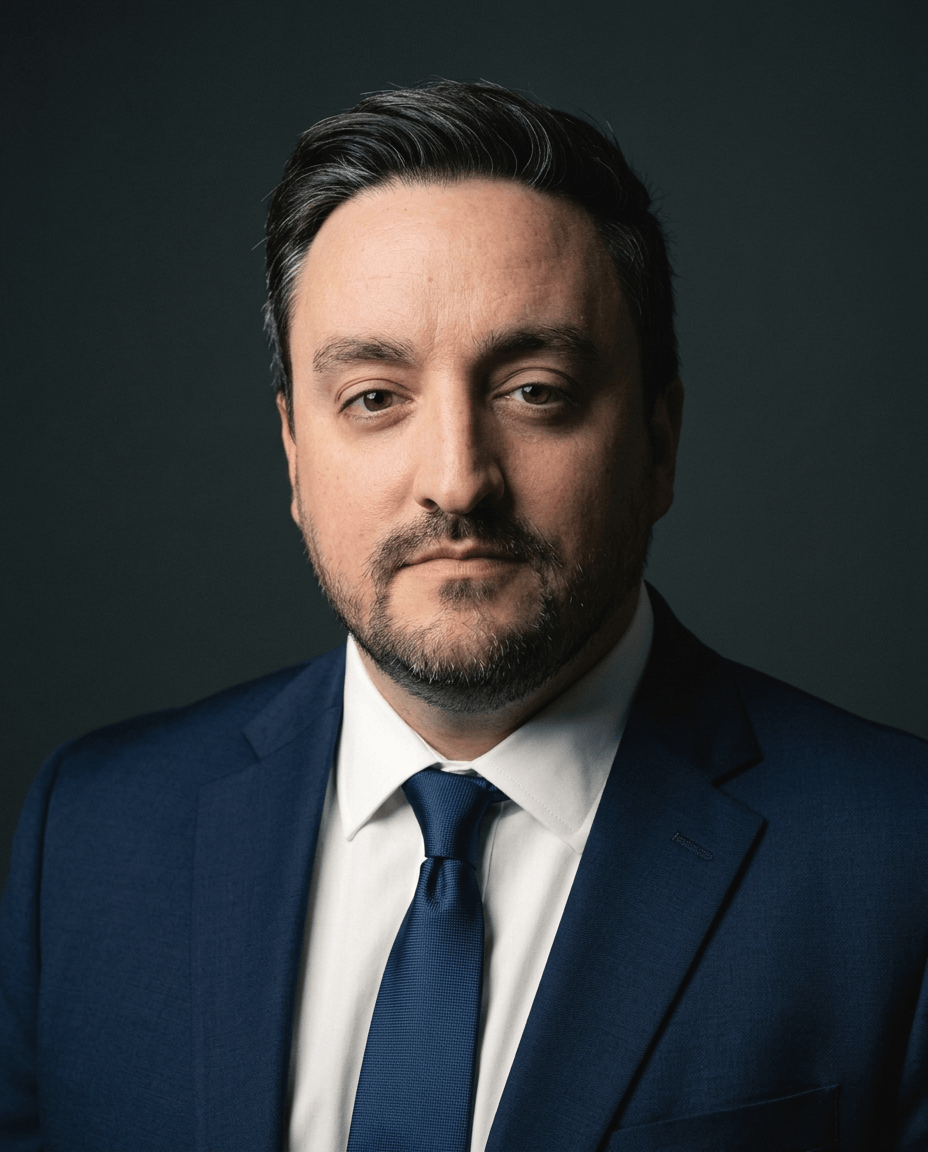
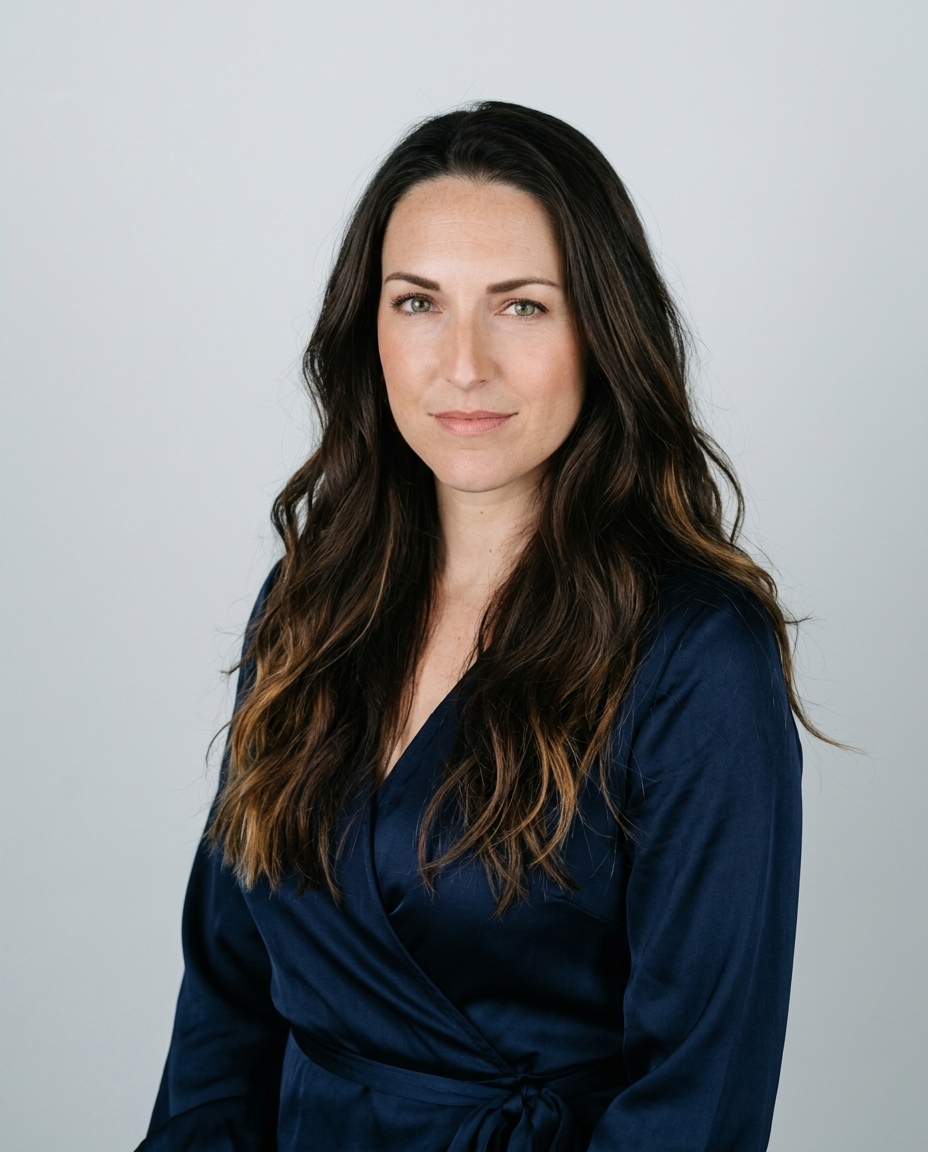
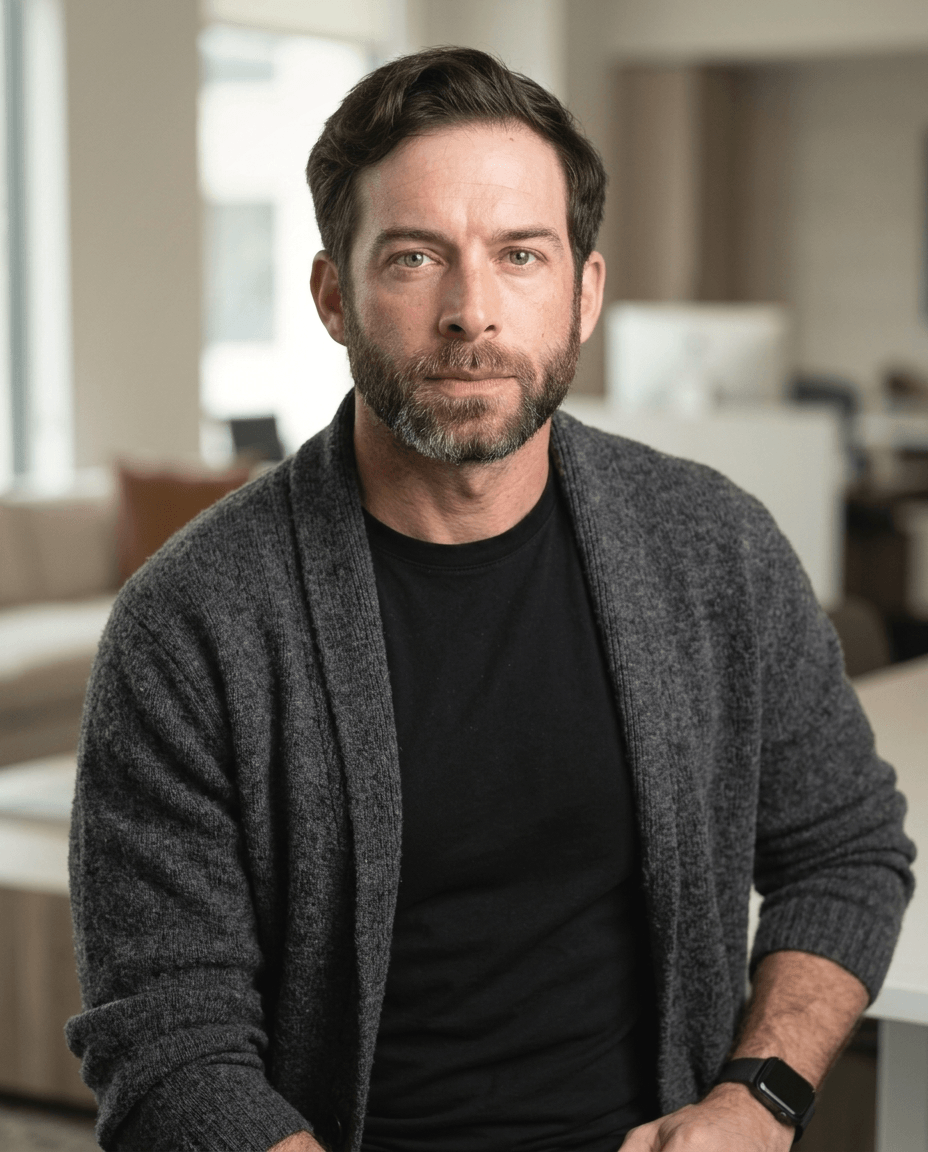
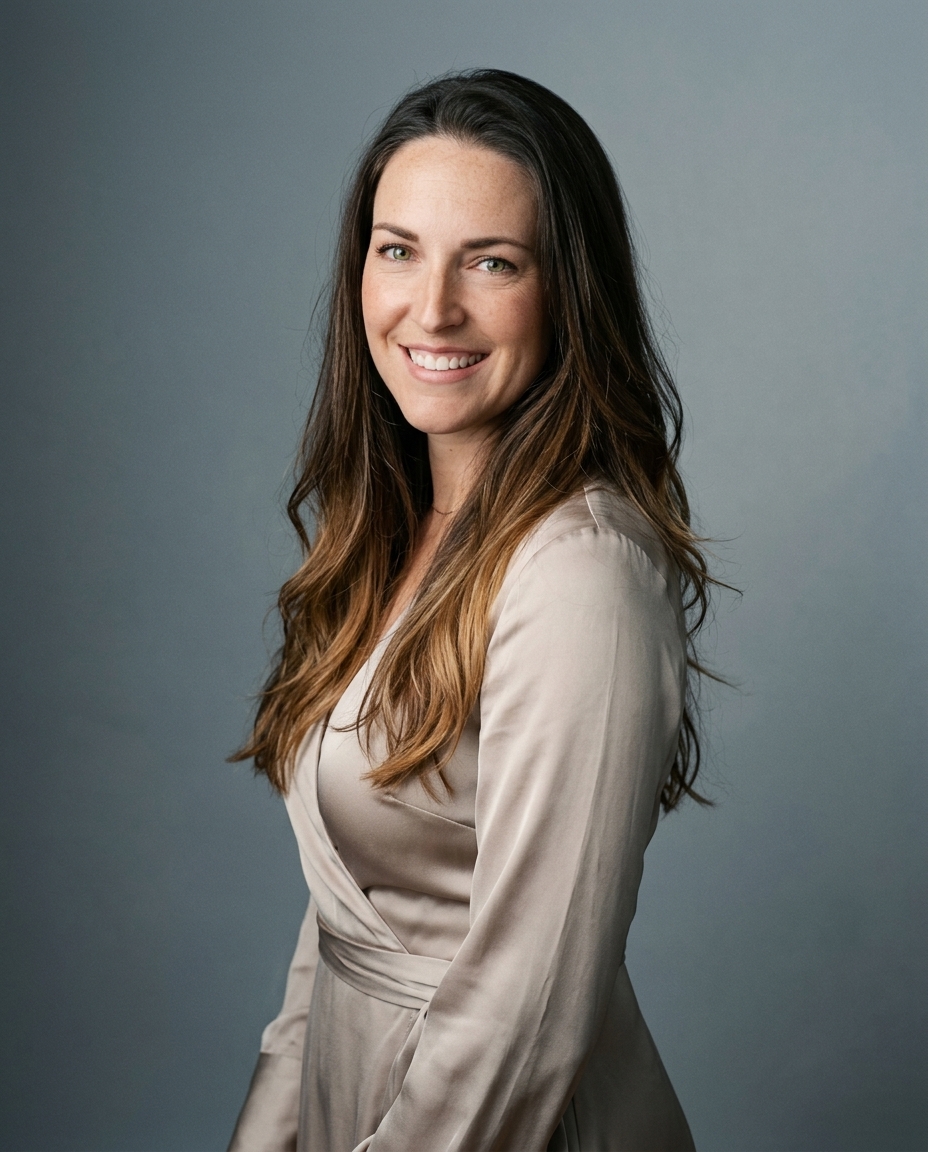

Most bad headshots fail for a strange reason. They try too hard.
That sounds backwards until you look at the stakes. A professional photo on LinkedIn can do more than make you look polished. LinkedIn guidance, cited in industry coverage, says profiles with a professional photo can receive up to 21 times more profile views and up to 36 times more messages according to this summary of LinkedIn's published business guidance. Good corporate headshots aren't vanity assets. They shape attention, first impressions, and who decides to click.
After shooting thousands of portraits in Studio Pod and building AiHeadshots from that photography background, we've seen the same pattern again and again. The fundamentals don't change. A great headshot needs clean light, a believable expression, a flattering camera position, and editing that still looks like a real person. Those rules apply if you're standing in front of a DSLR, using your phone at home, or uploading selfies into a photographer-built AI system.
Table of Contents
- Why most corporate headshots fail
- How to prepare for your headshot
- Setting up the shot yourself
- Posing and expression that builds trust
- Choosing and retouching your final images
- How AiHeadshots delivers photographer-quality results
Why most corporate headshots fail
Most corporate headshots fail because they confuse formality with credibility. The person is dressed correctly, the background is acceptable, and the file is sharp enough. But the image still feels guarded, stiff, or generic. People sense that immediately.

The problem isn't usually the camera
A weak headshot usually isn't ruined by gear. It's ruined by bad decisions made before the shutter clicks. Harsh overhead lighting carves shadows under the eyes. A forced smile tightens the mouth. A close phone angle widens the nose and narrows the ears. Heavy editing wipes out texture and makes skin look plastic.
That's why the old debate about studio versus DIY misses the point. Good corporate headshots come from control, not from owning expensive equipment. If you want to see why a casual phone snapshot often breaks down, this breakdown of why a phone camera isn't enough explains the practical limits well.
Practical rule: A headshot works when it makes someone feel they've already met you, not when it makes them admire the lighting setup.
Trust beats polish
The strongest business portraits don't look overproduced. They look clear, direct, and current. That's especially important now that your headshot lives across LinkedIn, company pages, speaker bios, investor decks, and email signatures.
What works is simple. The expression has to feel natural. The styling has to fit your role. The image has to suggest competence without trying to sell perfection. That last part matters more than commonly understood. The fastest way to make a professional look less trustworthy is to make them look manufactured.
How to prepare for your headshot
Preparation decides more of the final result than people expect. By the time someone says they “just don't photograph well,” the actual issue is usually that too many variables were left uncontrolled.

Wear clothes that support the face
For business headshots, clothes should frame the face, not compete with it. Solid colors win. Mid-tones and deeper colors usually photograph better than bright white because they hold shape better and don't pull attention away from skin tone.
Busy patterns are a problem. Thin stripes, small checks, loud florals, and large logos all create noise. They distract in traditional photography, and they also make source images less consistent for AI generation. Simple always holds up longer.
A few wardrobe choices work repeatedly:
- Solid jackets and tops keep attention on your eyes.
- Layering like a blazer over a simple shirt adds shape without clutter.
- Structured necklines usually photograph better than loose, stretched, or collapsed collars.
- Clothes that fit matter more than expensive brands.
- Texture helps when it's subtle. Think knit, matte cotton, or a clean wool blend, not shiny fabric.
Groom for clarity, not transformation
The best prep is corrective, not cosmetic. Tame flyaways. Trim beard lines if you wear facial hair. Remove lint. Reduce skin shine if you tend to get reflective under light. None of that changes who you are. It just removes distractions.
If you wear makeup, keep it camera-clean rather than glamorous. If you don't normally wear it, don't build a whole new face for a headshot. The same applies to hair. Your photo should look like your best normal day, not like a formal event.
You should recognize yourself immediately in the final image. If you don't, the prep or editing went too far.
Prepare like the image will be reused everywhere
A good headshot rarely lives in one place. It ends up cropped square for LinkedIn, narrow for a company bio, tiny in an email signature, and full-bleed on a speaking page. That means the source image needs to be clean and adaptable.
Consistency is key. If you're shooting your own source photos for a tool like AiHeadshots or updating portraits across a team, prep needs to be repeatable. Our studio experience shows that the fewer random variables you introduce, the better the final selection gets. This selfie prep guide is useful if you're capturing source images with a phone and want clean inputs.
Setting up the shot yourself
If you have a window, a plain wall, and a phone with a timer, you can produce a strong source image. This process is often overcomplicated. Individuals frequently chase ring lights, fake office backgrounds, or dramatic angles when they'd be better off standing still in soft daylight.

Use a window, not overhead room light
Face a window. Don't stand in direct sun. You want soft, broad light that wraps across the face and leaves gentle shadow on the far cheek. That's the fastest route to flattering skin, visible eyes, and a natural catchlight.
If one side of your face goes too dark, rotate slightly back toward the window. If the light looks flat, turn a few degrees away. Tiny adjustments matter.
A short demonstration helps here:
Fix the camera position before you take dozens of shots
Set the camera at eye level. Not below. Not above. Eye level is the neutral business angle because it keeps features proportional and feels direct without becoming confrontational.
Distance matters too. If the phone is too close, facial features distort. Step back and crop later. That gives you a more natural face shape and a cleaner portrait. Keep some space between you and the background as well. A little separation helps the image breathe and makes the subject easier to isolate visually.
Here's the setup we use most often for self-shot inputs:
| Element | What to do | Why it works |
|---|---|---|
| Light | Face a window with soft daylight | Keeps skin and eyes natural |
| Camera height | Put lens at eye level | Avoids distortion and power-angle weirdness |
| Camera distance | Step back instead of using a close selfie angle | Preserves facial proportions |
| Background | Use a plain wall with no clutter | Keeps attention on the face |
| Body position | Turn slightly, not square-on | Adds shape and looks less stiff |
Keep the background boring
A boring background is an asset. Blank wall. Simple office wall. Neutral hallway. Nothing with frames, kitchen cabinets, plants sticking out of your shoulders, or a bright lamp in the corner.
That matters for solo professionals, but it matters even more for teams. Consistency breaks down fast when every employee improvises a different look. As noted in this discussion of remote team headshot consistency, the hard part isn't knowing consistency matters. It's deciding how much variation is acceptable before the team page starts to look fragmented. Standardized self-shooting instructions, or consistent AI styling, solve a lot of that operational mess.
Posing and expression that builds trust
The camera reads tiny mistakes harshly. A chin pulled back looks uncertain. A square torso can look rigid. A smile that lives only in the mouth feels rehearsed. Good corporate headshots are built on micro-adjustments.
One reported experiment found that replacing an older photo with a modern professional business headshot produced an average +75.93% swing in perceived competence, according to this summary of headshot perception research. That finding tracks with what photographers see in practice. People don't just react to image quality. They react to posture, eye contact, and whether the expression feels believable.
Build shape with the body first
Start by turning your body slightly away from the camera. Then turn your head back toward the lens. That small twist creates definition through the shoulders and jaw.
Then fix the chin. When nervous, it's common to pull it backward. Push it slightly forward and slightly down instead. Photographers sometimes call this the turtle move. It feels odd for half a second and looks far better on camera.
A trustworthy pose usually feels a little more deliberate than it looks.
Stop performing a smile
A business headshot doesn't need a giant grin. It needs an expression that feels open and settled. Think about softening the eyes first. Then let the mouth follow. If the smile arrives before the eyes engage, it reads fake.
The easiest way to test expression is to cycle through three looks: neutral, faint smile, and full smile. The strongest frame is often found in the middle option. That's where confidence and approachability meet.
For readers comparing different corporate looks, these corporate headshot styles show how expression, wardrobe, and framing shift the message without changing the core rules.
Choosing and retouching your final images
The best final image usually isn't the most polished one. It's the one that feels most current, most relaxed, and most believable at thumbnail size.
What to look for when selecting
Start with eye contact. The eyes should look engaged, not vacant. Then check the mouth. Is the expression calm or strained? After that, look at the overall feeling. If the image is technically fine but feels guarded, keep moving.
A simple decision table helps:
| Keep it | Reject it |
|---|---|
| Eyes feel present | Eyes look tired or unfocused |
| Skin still has texture | Skin looks waxy or over-smoothed |
| Smile feels natural | Mouth looks tense or pasted on |
| Crop is clean at small size | Background or wardrobe steals attention |
If you want a broader practical reference for how profile images perform across LinkedIn, this Publer blog about LinkedIn visuals is a useful companion read.
Retouch less than you think
Modern headshots are moving toward minimal retouching that preserves skin texture. A 2026 gallery roundup notes that “the biggest shift is authenticity over perfection” and that over-retouching can undermine trust and date the image faster than subtle edits, as described in this review of current professional headshot examples.
That matches what holds up in real use. Good retouching removes temporary distractions. A blemish. A stray hair. Mild shine. Maybe a small under-eye reduction. It doesn't erase pores, rebuild the jaw, or turn skin into a blur.
Heavy airbrushing makes people look less current, not more professional.
How AiHeadshots delivers photographer-quality results
The reason our system works is simple. We're photographers who built an AI, not a software team retrofitting open models for headshots. Studio Pod has photographed 10,000+ real professionals since 2019, and that practical portrait experience shaped how we think about light, posing, expression, crop, and retouching.

If you follow the prep and setup rules above, AiHeadshots turns 10 to 20 phone selfies into 30+ studio-grade headshots in about 30 minutes. Pricing starts at $29. Traditional photographer sessions often run $300 to $600+ before you even factor in scheduling and turnaround. For teams, volume pricing starts at 10+ seats, with rates at $22 to $29 per seat.
That doesn't replace every studio session. Some executives still want a live photographer, and some brands need a custom production day. But for LinkedIn, recruiting, company directories, speaker pages, and fast team rollouts, the speed and consistency are hard to ignore. If you want another perspective on how people are generating studio-quality headshots, that overview is worth reading too.
You can see more at examples, compare plans on pricing, read customer feedback on reviews, or learn more about Studio Pod and our photography background.
Upload 10 selfies, see your first headshot in 30 minutes, from AiHeadshots for $29.