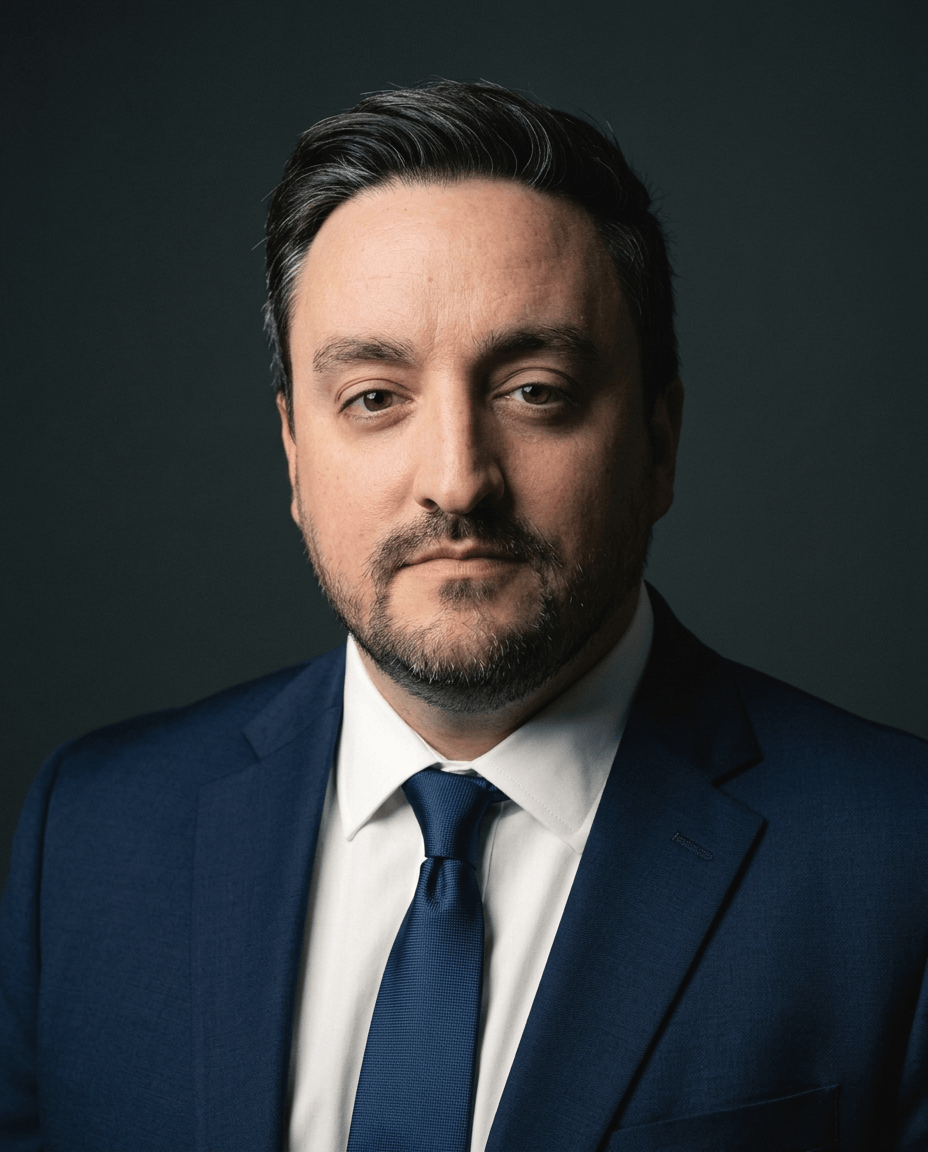
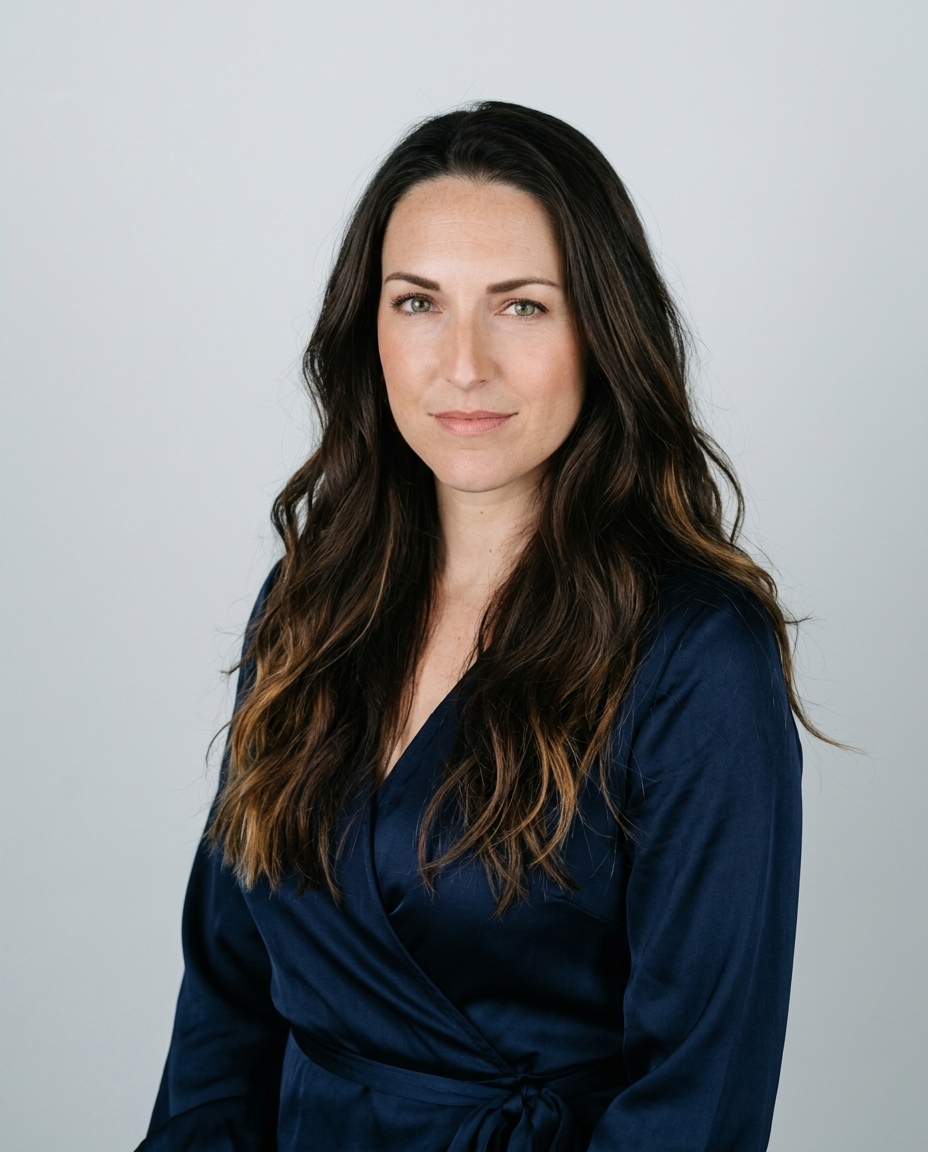
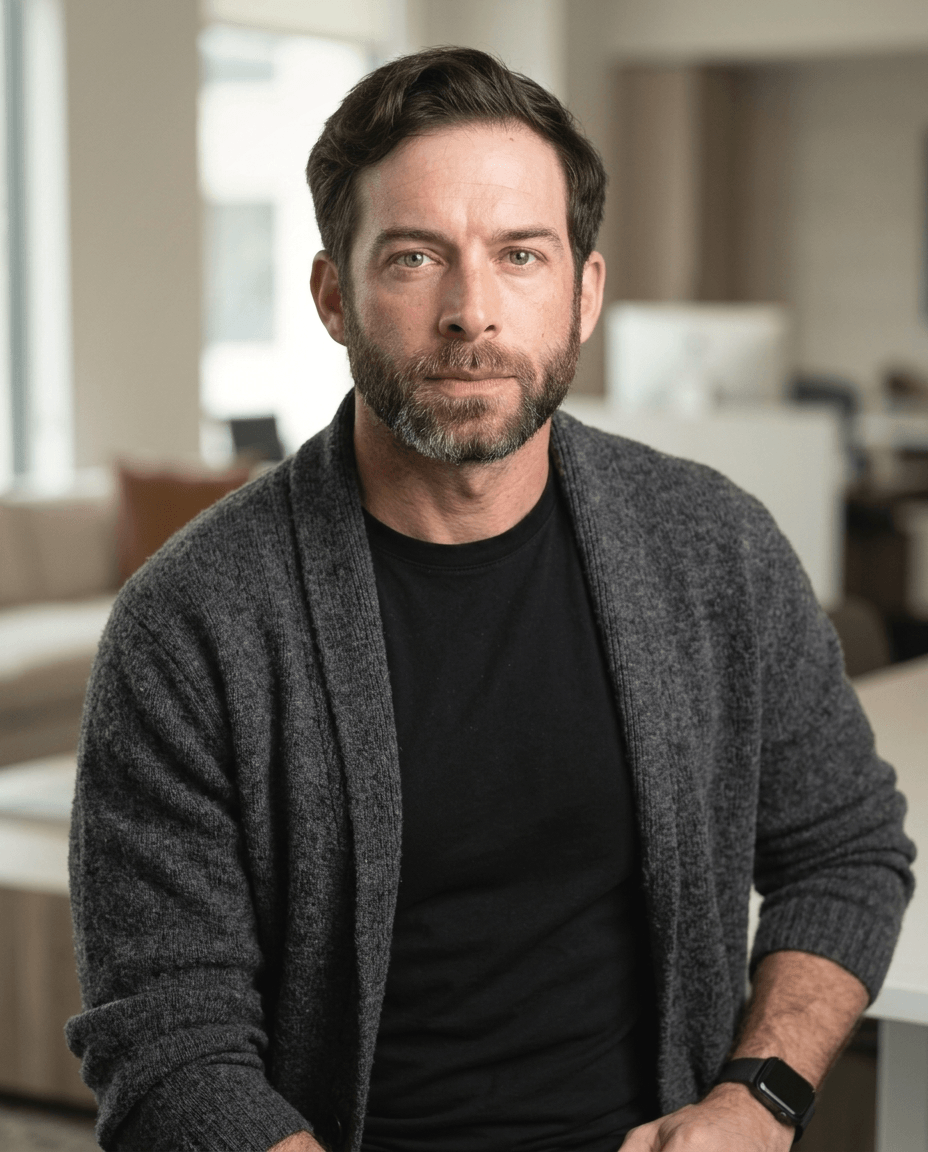
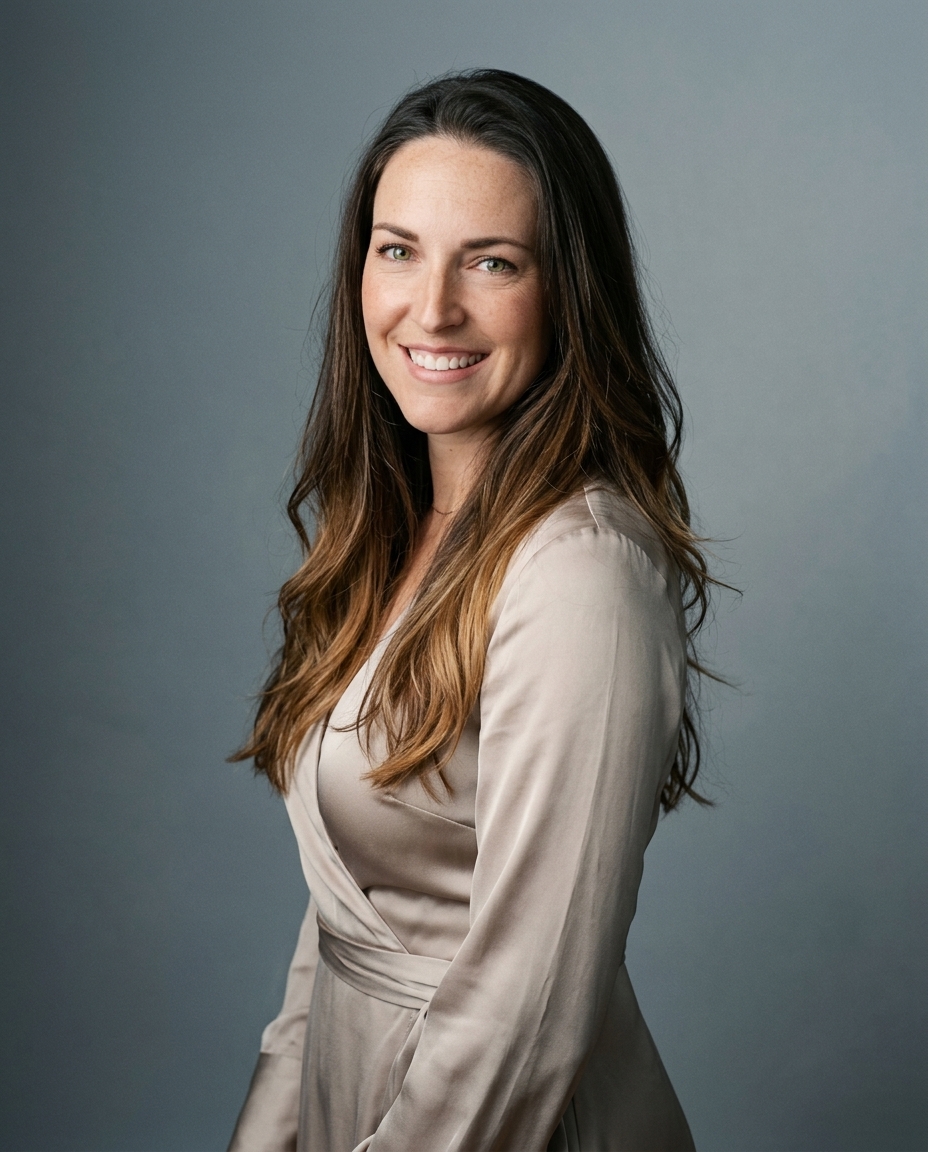
LinkedIn's own data says profiles with a quality headshot get 14 times more profile views than ones with the default placeholder. That's a real number, not marketing fluff. And it matters in 2026 because:
- Recruiters spend an average of 7 seconds on a LinkedIn profile before deciding to read further.
- B2B prospects look at your photo before they read a word of your headline.
- The platform's algorithm surfaces profiles with photos higher in search than ones without.
I've shot more than 10,000 professional headshots at Studio Pod in Houston, and built AI Headshots — the AI version of that studio. Here's what actually works in 2026.
What the LinkedIn crop demands
LinkedIn displays your photo in a circular crop, not a square. That means:
- Headroom matters. Leave 10-15% above your hair. Tight-cropped photos get cut at the forehead in the circle.
- The frame is tight. You're typically shown at 200x200 or smaller on mobile feeds. Faces need to read at thumbnail size.
- Your face should be roughly centered. Off-center compositions that work in print look weird in a circle.
If you take only one thing from this post: shoot at a square aspect ratio with your face centered. It will crop cleanly in every LinkedIn placement.
What to wear
The single biggest mistake people make is wearing what they think a "professional" should wear instead of what actually looks good on them in a photo.
For most industries in 2026:
- Business casual outperforms formal suits in click-through and recruiter response, except in finance/law/medicine where formal still wins.
- Solid colors beat patterns. Patterns get noisy at thumbnail size — even subtle stripes can read as visual static.
- Avoid pure white and pure black. White blows out highlights, black eats shadow detail. Mid-tones (navy, charcoal, deep burgundy, soft cream) photograph cleanly across every lighting setup.
- Layers help. A blazer over a shirt creates depth. A single layer can read flat.
For creative industries:
A small accent of personality wins. One unusual color, one interesting piece of jewelry, one thoughtful textile. Don't go full editorial — you're still building trust.
Lighting and background
Most LinkedIn headshots fail on lighting, not styling.
Good lighting on a budget:
- Window light is your friend. Stand 4-6 feet from a north-facing window. Body 45° to the window, face slightly back toward camera. Soft, flattering, free.
- Avoid overhead lighting. Office ceiling lights cast shadows under your eyes and chin. Never headshot-worthy.
- Backlight kills your photo. If a window is behind you, your face becomes a silhouette. Move.
Background:
Neutral wins. The LinkedIn feed already shows hundreds of competing visuals — a busy background fights with your face. Aim for:
- A clean wall (any color, just not pattern)
- A blurred indoor space
- A studio backdrop (which is what AI Headshots delivers automatically)
Expression
This is where most people overthink and the photo suffers.
The 2026 rule: subtle smile, eyes that look amused at something just past the camera. Not a forced grin, not a stoic stare. The way you'd look at a friend telling a story.
Practical trick: look slightly above and to the side of the camera, then move your eyes to the lens just as the photo is taken. Catches a more natural expression than holding eye contact for ten seconds.
The 2026 specifics
A few things that have changed in the last 12-18 months:
- AI-generated headshots are now mainstream. Recruiters increasingly accept them when they look photoreal. They don't accept obviously-AI ones (plastic skin, broken hands, generic backgrounds).
- Video first impressions are rising. LinkedIn cover videos and short reels are eating into static-photo importance, but the profile photo is still your front door.
- Personal-branding contrast. As more LinkedIn profiles look similar, slight personality choices (an interesting jacket, a warmer expression) stand out more than they used to.
How to actually shoot one
You have three real options in 2026:
-
Traditional photographer. $400-$800 for a session that takes 2-3 weeks. Best quality if you can find a great photographer who shoots for LinkedIn specifically (which is rare).
-
AI headshot generator (like ours). $29-$59 for 40+ outputs in 30 minutes. Photoreal in 2026 if the team that built it actually knows photography — synthetic-looking if it wasn't.
-
Phone selfie with care. Free, fast, possible. Stand near a window, use portrait mode, take 50 shots, pick one. Acceptable but limited — your phone won't deliver the lighting separation that makes a headshot look "professional" rather than "casual."
A quick checklist
If you're shooting today, run through this:
- Window light or studio softbox
- Body angled 45° to camera, face turned slightly back
- Solid mid-tone wardrobe, layered if possible
- Neutral background or soft blur
- Subtle smile with eyes "alive"
- Square framing, face centered, 10-15% headroom
- Test at thumbnail size before uploading
That's the difference between a profile that gets ignored and one that gets 14x the views.
If you want the studio-grade version without booking a studio, try a free AI headshot — one photo, no card. Or get the full pack of 40+ outputs for $29: AI LinkedIn Headshots.
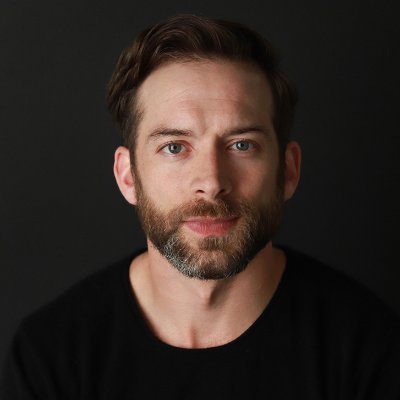
Joseph West
Founder of AI Headshots and Studio Pod — the automated headshot studio in Houston, Texas. Photographer first, AI engineer second.