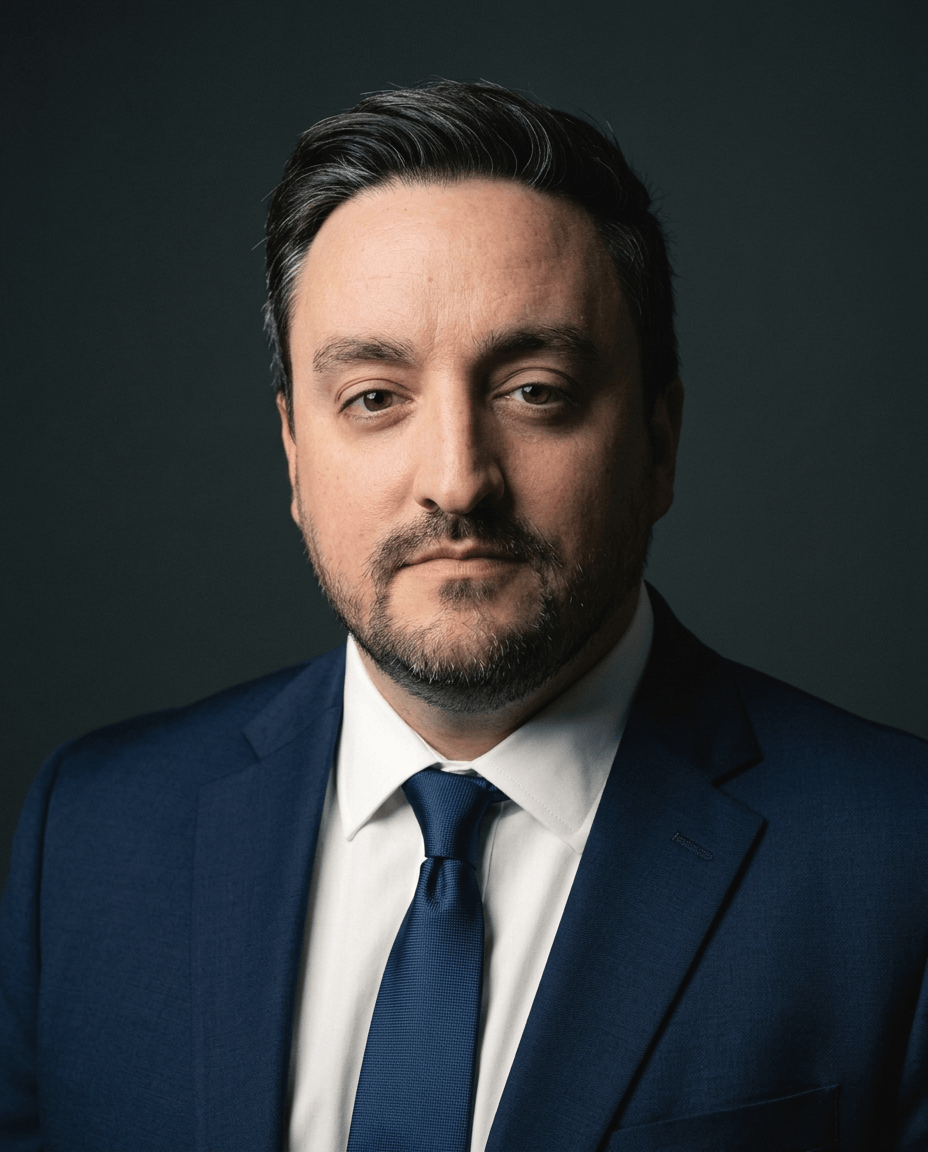
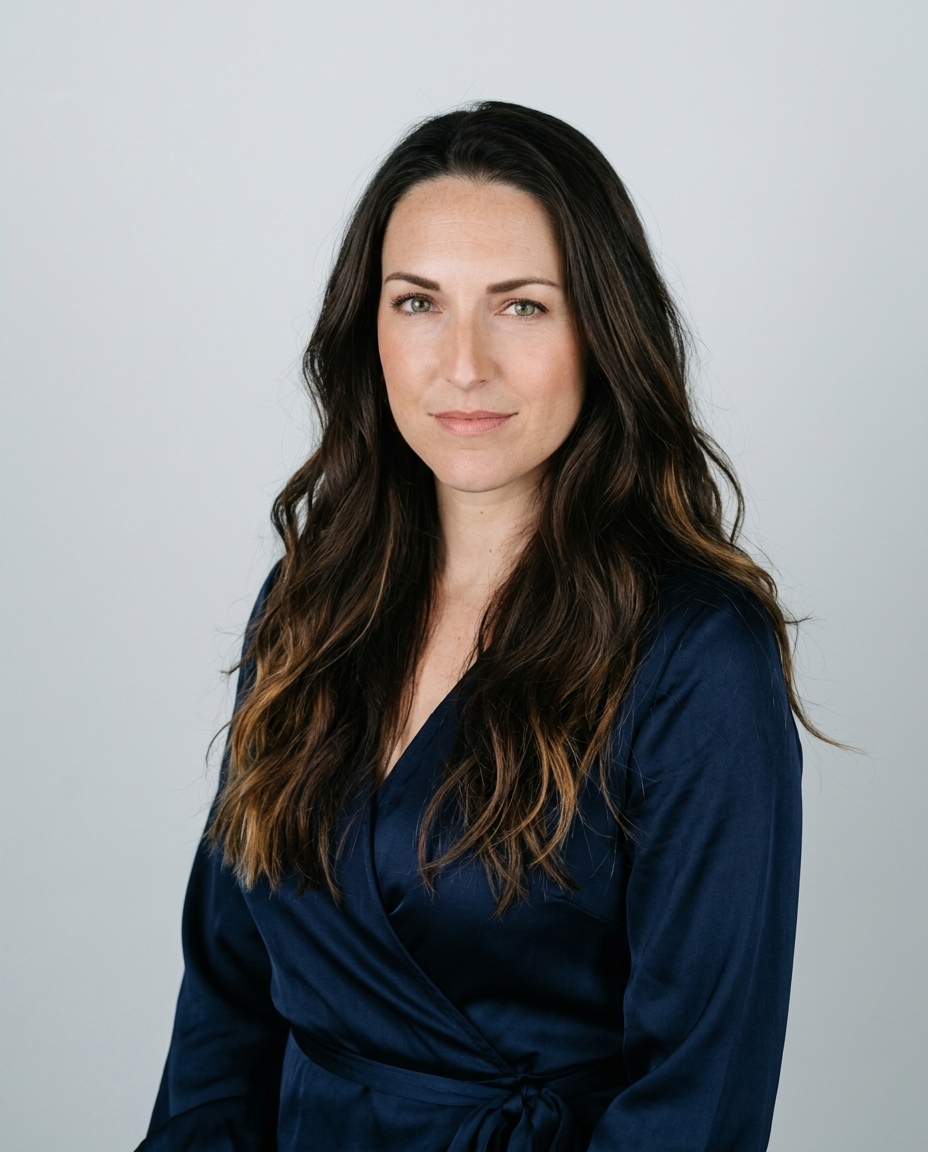

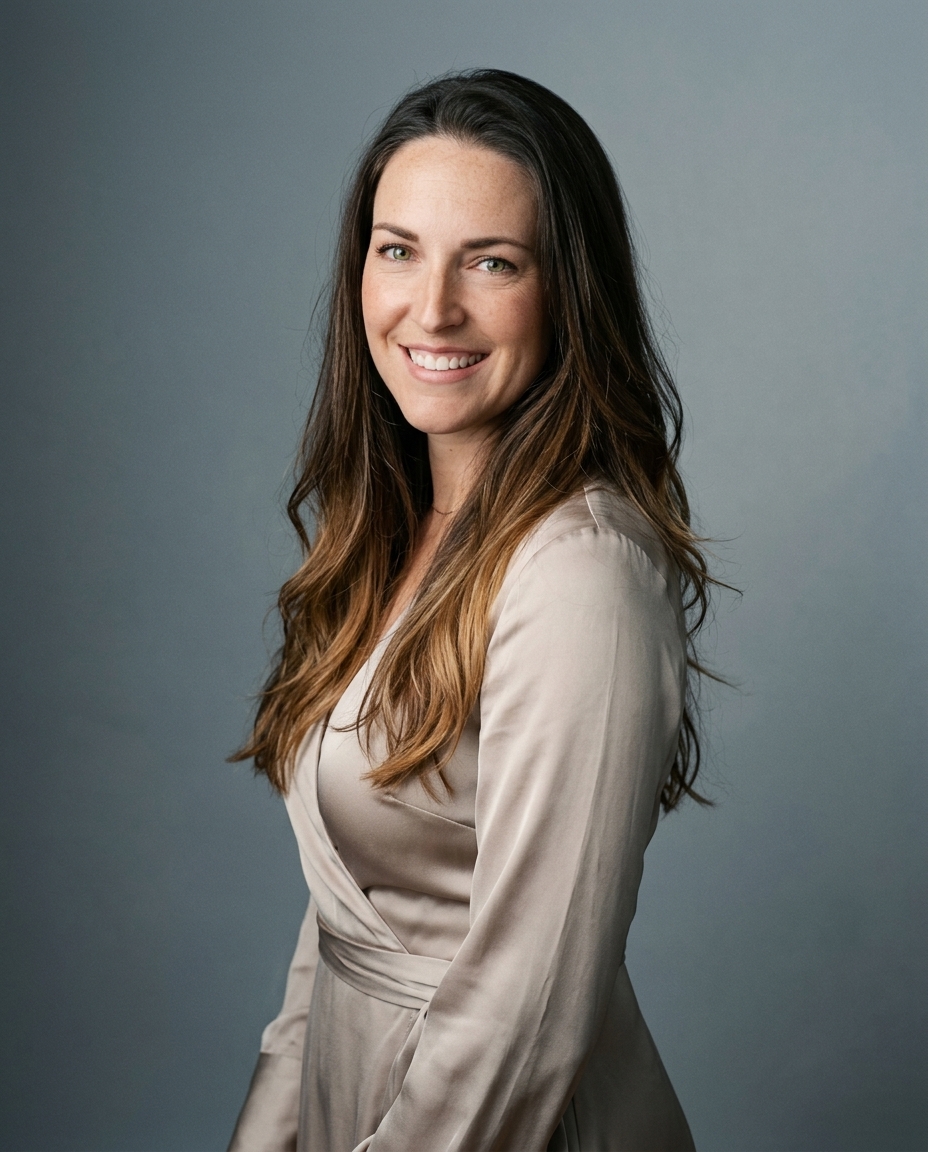
The most credible women's headshot outfit isn't necessarily the most formal one. It's the one that makes the viewer focus on your face while signaling the kind of relationship you want to build. A physician, therapist, executive, educator, and creative director all need professional images, but they don't need identical clothing.
That distinction matters because workplace acceptance and professional perception aren't the same thing. A 2024 What Women Want survey found that 54 percent of respondents said their workplaces embraced casual dress codes, while 56 percent still felt judged by their appearance at work. Eight in ten believed their appearance influenced their confidence. (What Women Want survey) Your headshot should reflect your audience and role, not just the most relaxed outfit you can wear at the office.
Table of Contents
- What actually matters for women choosing headshot clothing
- Colors, patterns, and fabrics that photograph best
- Fit, necklines, and layers that work in a tight crop
- Matching outfit to audience and intended background
- Why generic headshot rules often fail women
- Two proven outfit directions and when to use each
- Headshot clothing dos and don'ts that actually matter
- Next steps for a polished, credible professional image
What actually matters for women choosing headshot clothing
A headshot outfit has three jobs. It should create a clean silhouette, separate from the background, and keep attention near your eyes and expression. Fashion correctness comes after those camera decisions.
Consider two otherwise polished outfits. One has a glossy blouse, a low neckline, and a busy print. The other has a matte teal knit, a visible neckline, and shoulders that sit cleanly. In everyday life, either could work. In a tight portrait crop, the second gives the photographer fewer distractions to manage and gives the viewer a clearer path to your face.
That doesn't mean every woman should wear navy or a blazer. A structured jacket supports authority for a lawyer or executive. A soft knit can communicate warmth for a therapist or educator. A culturally meaningful garment can make the image more recognizable and authentic when its color, texture, and accessories remain visually controlled.
Practical rule: Choose clothing for the professional impression you want the viewer to associate with you, not for a universal definition of “professional.”
Your outfit also needs to feel like yours. If you're uncomfortable, you'll adjust the neckline, pull at the sleeves, or hold your shoulders differently. Those small reactions affect the portrait more than a supposedly perfect color choice.
Colors, patterns, and fabrics that photograph best
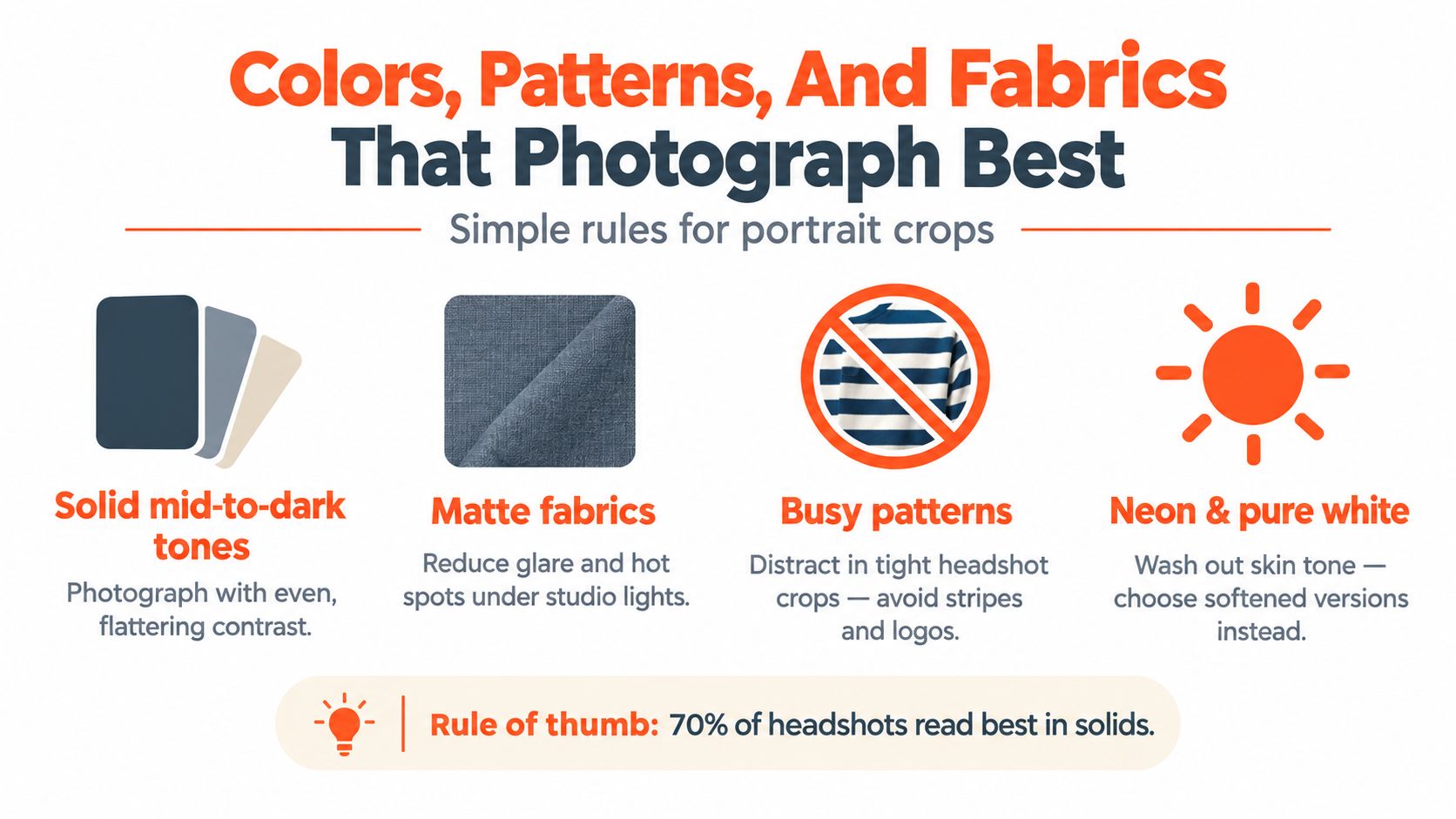
Solid, medium-to-dark colors usually create the most controlled portrait field. Navy, charcoal, deep teal, burgundy, forest green, and slate blue keep visual detail low, allowing the face to carry the image. Matte cotton, wool, ponte, and structured knits also handle studio light more evenly than satin or glossy synthetics, which can create bright hotspots and uneven reflections. (Annie Watson's headshot clothing guide)
Fine stripes, small checks, dense prints, logos, and writing introduce high-frequency detail. In a tight crop, those patterns can distract from facial features or produce moiré, a shimmering interference effect. A solid top or blazer over a simple blouse is the safer starting point, while a quiet fabric texture can still add personality.
Color needs to work with your complexion and the background together. Research on clothing aesthetics found that cool hues were selected in 0.58 of trials for fair faces versus 0.37 for tanned faces, with a large effect size of d = 0.68, p < .001. Warmer orange-red hues showed the opposite tendency. (Clothing color and facial appearance research) Treat that as a testing point, not a law. Fair or cool complexions can test blue, teal, plum, or charcoal. Warmer complexions can test burgundy, rust, warm red, emerald, or deep teal. For additional guidance on how to dress with confidence using color, look at the complete outfit rather than isolating one shade.
Before the session, put on the outfit and assume the intended pose. Check whether the neckline stays visible, the shoulders remain smooth, and any surface catches hard reflections. If you need to tug, smooth, or reposition the garment immediately, choose another option. You'll find more examples in this guide to the best colors for headshots.
Fit, necklines, and layers that work in a tight crop
Fit matters more than trend in a head-and-shoulders portrait. A garment that pulls across the chest, gaps at the buttons, hangs heavily from the shoulders, or creates fabric ridges will look less intentional once the image is cropped tightly.
Try the complete outfit before the session. Sit, stand, turn slightly, and raise your chin as you would for the photograph. Check the shoulder seams, collar placement, bra straps, undergarment bumps, and transparency under bright light. A neckline should remain visible without exposing more than you want the image to show.
Three-quarter or full sleeves generally create a cleaner shoulder line than short cap sleeves, which can visually widen the upper arm area. A fitted blazer adds useful structure when the shoulder line sits correctly. A fine-gauge knit or simple blouse gives a softer result, provided it doesn't collapse into folds around the neckline.
Press or steam the outfit before the session. Wrinkles become disproportionately visible in a close crop, especially across a jacket lapel or upper chest. The same applies to pilling, loose threads, and worn collar edges. (Corporate headshot clothing guidance from Nataliya Lalor Photography)
For more ideas about framing, expression, and best LinkedIn photo ideas, think about the final crop while you're choosing the top. Our detailed guide to attire for professional headshots uses the same camera-first approach.
Matching outfit to audience and intended background
The image's destination should decide the outfit direction. A LinkedIn profile, company directory, speaker page, recruiting platform, and personal website can all use the same headshot, but their audiences don't read clothing in exactly the same way.
A structured blazer in charcoal or deep blue supports authority for an executive biography, legal practice, consulting profile, or press page. A mid-tone blouse or soft knit can feel more accessible for a therapist, teacher, recruiter, real-estate agent, or community-facing consultant. Neither choice is automatically more professional. The correct choice depends on the trust signal your audience needs first.
Background contrast is equally practical. Navy can disappear into a dark blue background. Pale beige or white can lose definition against a light wall. A saturated neon color can reflect onto the skin and create an unwanted cast. Pick an outfit that differs clearly from the background in brightness or hue, while keeping the strongest contrast near your face.
If one portrait will appear across several platforms, bring two options: one medium-to-dark solid and one lighter or warmer alternative. Review both at thumbnail size against light and dark background crops. Clothing that looks excellent on LinkedIn can lose its outline on a corporate website, so test the complete visual system rather than judging the garment in isolation. This guide to the best backgrounds for LinkedIn provides useful context for that decision.
Why generic headshot rules often fail women
“Wear navy” and “dress one level above your norm” are convenient shortcuts, but they don't answer the professional question. A physician may need credibility without appearing distant. A therapist needs competence and emotional safety. An educator may want authority with approachability. A consultant may need a polished image that still reflects cultural identity and personal style.
The same outfit can communicate different things depending on the setting. A well-fitted jacket and dark tone can support a formal executive profile, while the same combination can feel overly severe on a community organization's team page. A soft knit may build warmth for a client-facing professional, but it can look too casual for a formal legal biography if the neckline and silhouette lack structure.
Research on LinkedIn profiles found no evidence that incomplete profile information reliably indicates candidate fit, so simplistic visual rules shouldn't be treated as universal hiring signals. (LinkedIn profile research) Widely repeated color advice also rests on limited evidence, including research involving 32 subjects evaluating 30 color variations, rather than a universal formula.
Your credibility doesn't come from looking generic. It comes from making deliberate choices that fit your role, audience, culture, modesty preferences, and personal brand.
Two proven outfit directions and when to use each
Think in two broad directions rather than an endless list of garments.
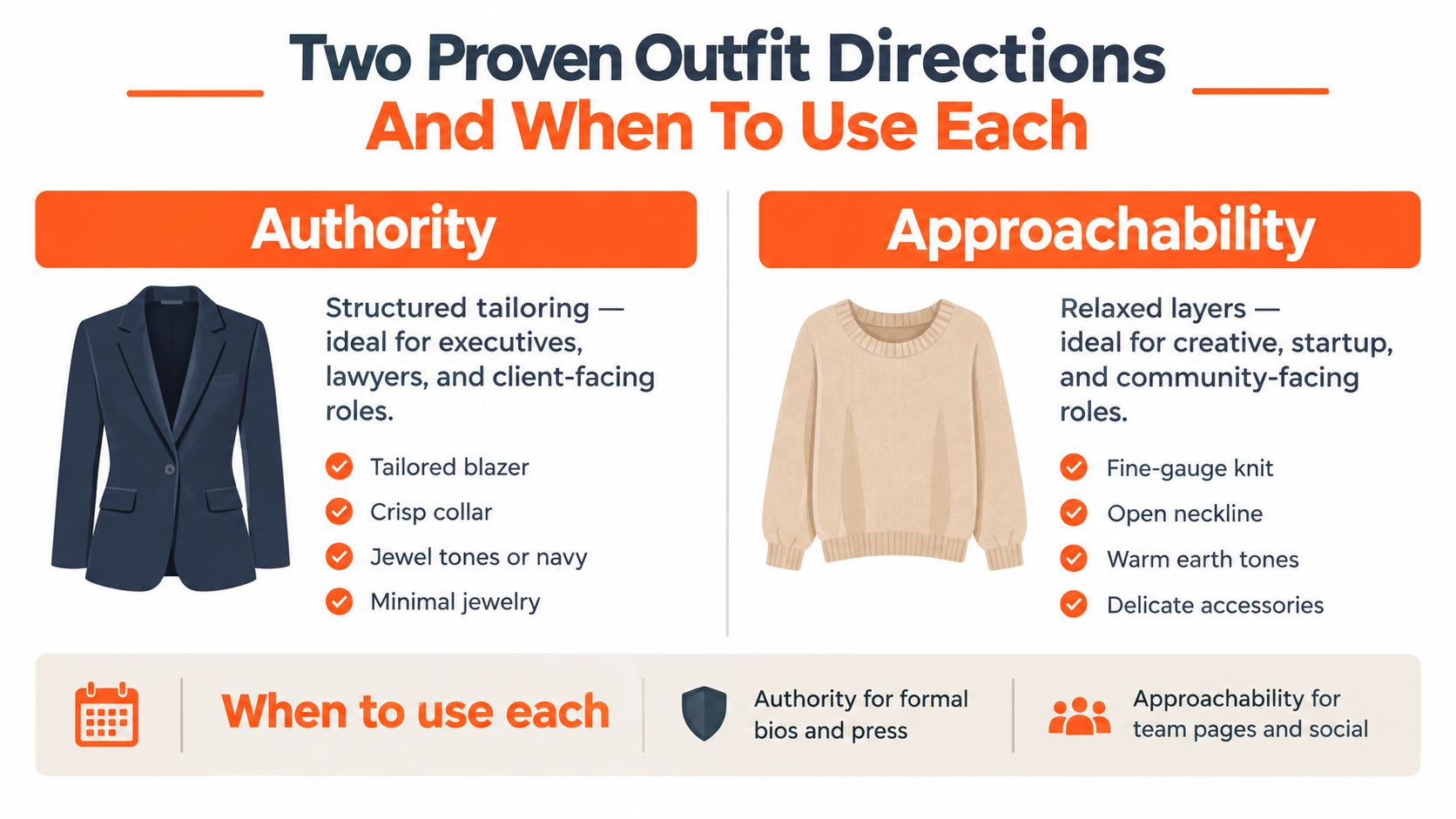
Authority uses a fitted blazer, clean collar, darker tones, and minimal jewelry. It suits executives, lawyers, physicians, senior consultants, and formal professional bios. Navy, charcoal, jewel tones, and crisp lines create visual structure without requiring a stiff expression.
Approachability uses a fine-gauge knit, open but controlled neckline, mid-tone color, and a relaxed silhouette that still fits neatly. It suits therapists, educators, recruiters, creative professionals, startup teams, and community-facing roles. Warm earth tones and soft textures can make the portrait feel more conversational.
A third option exists when personal identity is central to trust. Use a culturally meaningful garment, color, or accessory, but keep the rest of the frame simple. One distinctive element carries more authority than several competing details.
Choose the direction based on the first person who needs to trust you. Formal bios and press pages usually benefit from authority. Team pages and social profiles often support approachability. If you serve both audiences, use two wardrobe options rather than forcing one image to do every job.
Headshot clothing dos and don'ts that actually matter
Use this as the final check before you photograph:
- Choose a solid, matte top: Start with medium-to-dark colors, then confirm separation from the background.
- Prioritize fit: Check shoulder seams, neckline position, bra visibility, pulling, gaping, and movement.
- Control wrinkles: Press, iron, or dry-clean the garment before the session.
- Test the crop: Look at the outfit in a tight head-and-shoulders frame, not only in a mirror.
- Skip visual noise: Avoid logos, writing, loud patterns, neon, and shiny surfaces.
- Protect your posture: Don't wear anything that makes you tug, smooth, adjust, or restrict your movement.
- Keep accessories intentional: Small jewelry usually stays subordinate to the face, unless a distinctive piece is central to your professional identity.
Next steps for a polished, credible professional image
Clothing sets the visual direction, but lighting, expression, posing, and background determine whether the final image feels coherent. If makeup is part of your preparation, review practical beauty salon makeup options and keep the finish consistent with your audience and wardrobe.
AiHeadshots comes from Studio Pod, an automated headshot studio in Houston founded by photographers Joseph West and Chris Bailey. The team has photographed 10,000+ real professionals since 2019, then built an AI-headshot product from that photography practice rather than retrofitting open models. You upload 10 to 20 phone selfies, receive 30+ studio-grade headshots in about 30 minutes, and choose from plans starting at $29. The service includes a 100% money-back guarantee within 14 days.
Upload 10 selfies, choose wardrobe directions that fit your audience, and receive 30+ studio-grade headshots in about 30 minutes, starting at $29. Visit AiHeadshots to create a polished professional image without a studio visit.