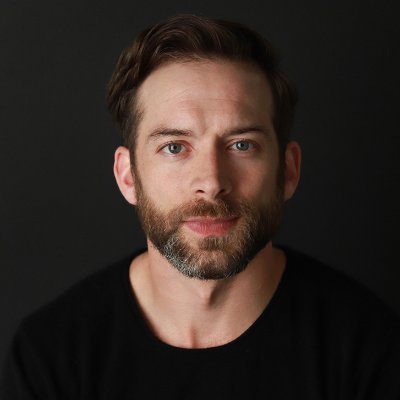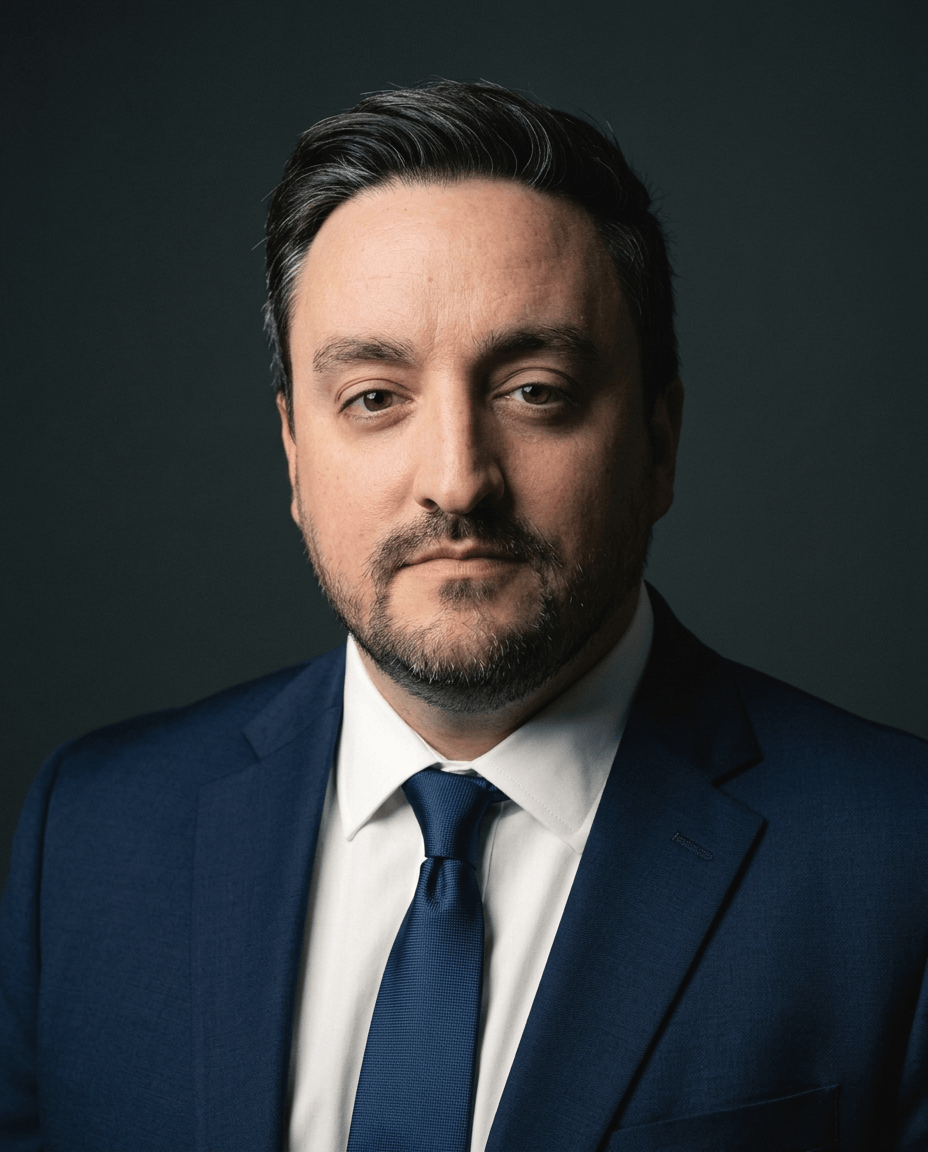
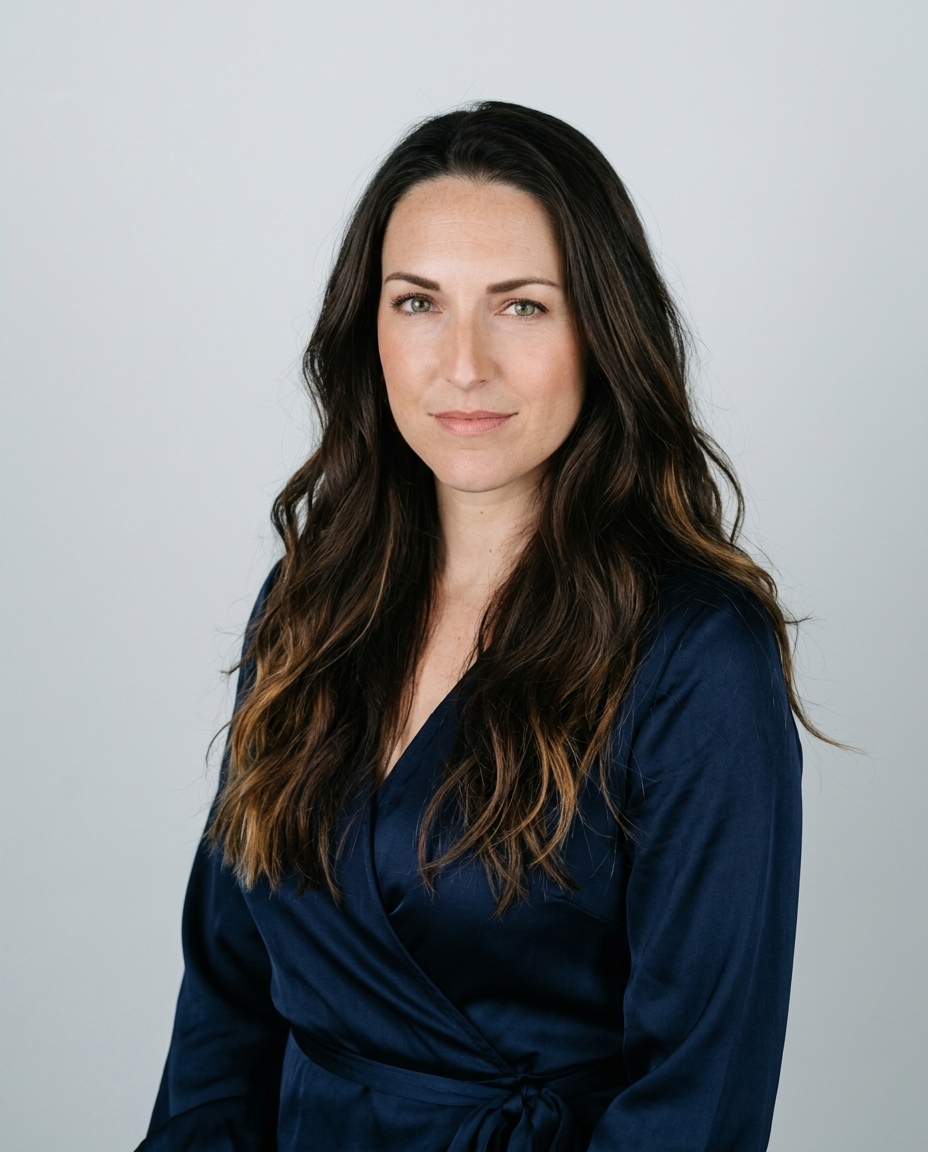
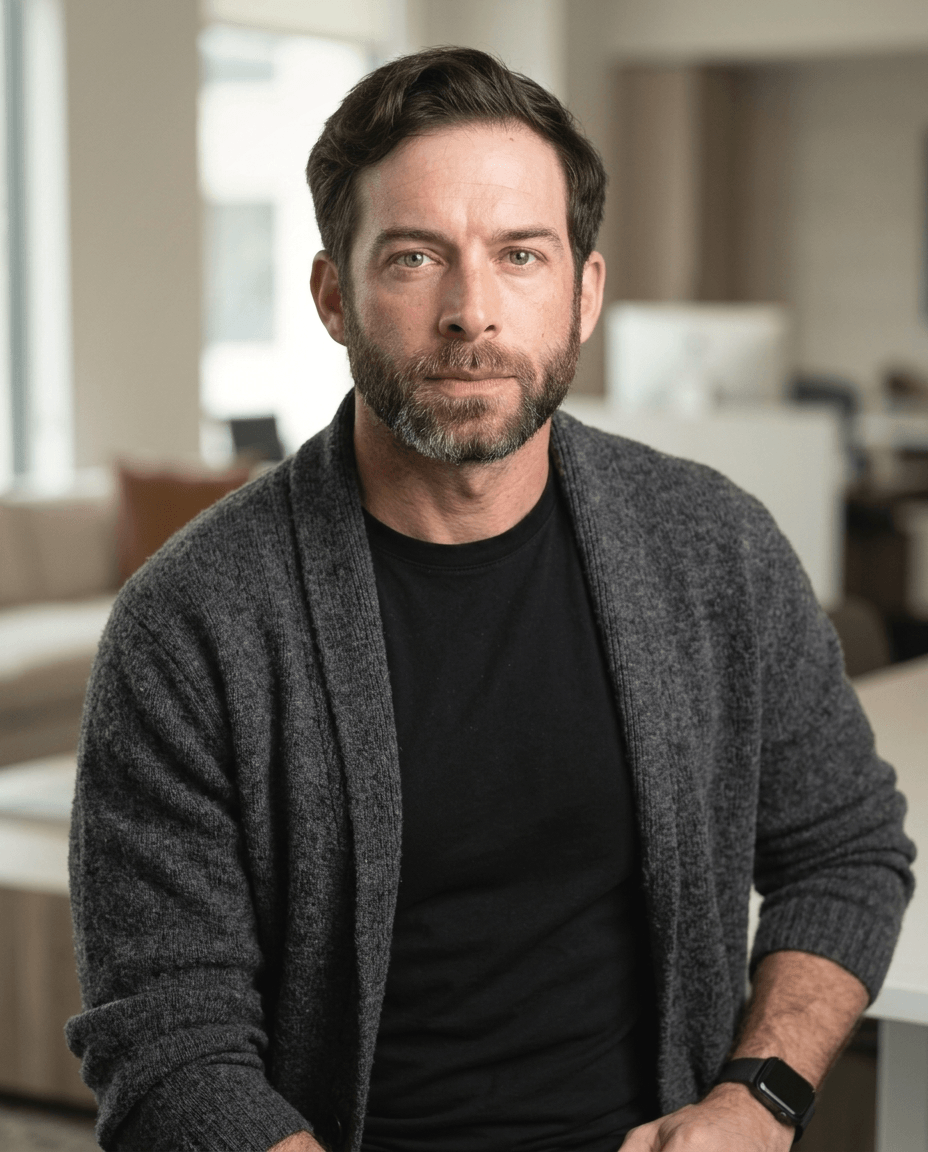

Professional retouching software is not one category. It is a stack of decisions that affects speed, consistency, and how believable a portrait looks when the client zooms in. We know that from the photographer side, not the reviewer side. We shot over 10,000 real professionals at Studio Pod before building AiHeadshots, and that experience shapes this list.
Our shortlist focuses on headshots and portraits that need to look polished at scale. Corporate teams, personal branding shoots, actor headshots, and staff directories all demand clean skin, accurate color, fast culling, and repeatable results. If you are comparing a classic manual retouching tool with an AI-first option, that context matters. Some tools still win on precision. Others win on volume. If your main pain point is skin cleanup, start with this guide to remove blemishes in portraits and headshots.
The market keeps growing as businesses invest more in professional branding, company websites, LinkedIn profiles, and marketing portraits. Analysts at Business Research Insights covering the photo editing software market project continued expansion, and analysts at Market Research Future's photo editing software market report reach the same broad conclusion, even if they define the category differently.
That difference is the point.
You should choose software by workflow. A solo retoucher handling beauty-grade skin work needs different tools than a studio delivering 300 employee headshots in two days. This guide ranks the 10 options that perform best in real portrait workflows, and it calls out the moment a fully automated AI service is the smarter choice.
Table of Contents
- 1. Adobe Photoshop
- 2. Adobe Lightroom Classic
- 3. Capture One Pro
- 4. Affinity Photo 2
- 5. Retouch4me
- 6. Skylum Luminar Neo
- 7. ON1 Photo RAW
- 8. Topaz Labs Photo AI
- 9. DxO PhotoLab 9
- 10. DxO Nik Collection 9
- Top 10 Professional Photo Retouching Software Comparison
- Choose your workflow, not just your software
1. Adobe Photoshop

Photoshop is still the manual retouching benchmark. If you need exact control over skin texture, flyaways, background cleanup, wardrobe fixes, and composite work, this is the tool.
It also remains the most popular graphics and photo editing software globally in 2025, with around one-third of customers in this category choosing Photoshop, based on Statista's software market share data. That doesn't make it right for everyone. It does make it the safest choice when you need universal file compatibility and studio-standard retouching language.
Why Photoshop still sets the standard
Photoshop wins on depth. Healing Brush, Clone Stamp, layer masks, blend modes, frequency separation, and Camera Raw give you full authority over the file. Newer AI features like Generative Fill and Remove speed up cleanup, but the essential value is that you can still override every automated decision.
Practical rule: Use Photoshop for the last polish, not the whole production line.
The downside is simple. It takes time to learn, and subscription pricing never stops. If you're a working retoucher or a photographer delivering premium portraits, that tradeoff is easy.
You should pick Photoshop if your clients care about subtlety. You should skip it if you don't want to spend hours learning advanced retouching technique. If blemish cleanup is your biggest pain point, our guide to removing blemishes in photo editors shows where manual control still beats one-click fixes.
Use Photoshop when the file has to look finished under scrutiny. That's its job. Get the software at Adobe Photoshop.
2. Adobe Lightroom Classic

Lightroom Classic is the volume tool. It isn't where I do delicate pixel surgery. It is where I sort, standardize, crop, color-match, and move fast.
For headshot days, that's critical. You need one clean look across dozens of people. Lightroom's cataloging, batch edits, presets, AI masking, and people-aware selections make that practical without wrecking consistency.
Where Lightroom earns its place
If you're handling team headshots, Lightroom is often the first software I recommend. Global exposure fixes, white balance consistency, skin tone balancing, and background control happen quickly. Then you send only the problem files to Photoshop.
Lightroom is for repeatability. Photoshop is for exceptions.
This split matters because prosumer users are expected to hold the largest share of the market in 2026 at 45.6%, according to Coherent Market Insights on the photo editing software market. That's exactly the Lightroom buyer. Someone who needs serious results without enterprise complexity.
Lightroom's limitation is obvious. Fine retouching still needs another stop. But if you want a cleaner workflow and more polished portraits straight out of the gate, it earns its spot on every shortlist. If you're trying to improve ordinary portraits before you even get into detailed retouching, this piece on how to make pictures look professional covers the basics that Lightroom handles well.
Get it through Adobe Lightroom Classic.
3. Capture One Pro

Capture One Pro is the on-set tool. If you're shooting executives, law firms, or company-wide team updates and people need to approve images while you're still in the studio, Capture One distinguishes itself.
Its tethering is the reason. Live capture, color reliability, and session-based organization make it excellent for headshot stations and high-volume portrait days. That's not theory. That's daily studio workflow.
Best for live studio approval
Capture One also has some of the best color tools in the category. Skin Tone Uniformity is especially useful when you're trying to keep a group set cohesive without flattening everyone into the same face.
If your workflow starts with tethered capture, Capture One is the strongest choice here. If your workflow starts after the shoot, Lightroom is often simpler.
A practical pairing works well. Capture on set in Capture One. Final finishing in Photoshop. If you're refining your ingest and filtering habits after a session, these Lightroom filtering tips from SendPhoto are a useful companion for file triage.
Capture One has a learning curve, and its plan structure can confuse teams. Still, for live studio headshot production, it's one of the most serious pieces of professional photo retouching software you can own. See it at Capture One Pro.
4. Affinity Photo 2

Affinity Photo 2 is the value pick for photographers who want serious manual retouching without another monthly subscription. It handles layers, masking, healing, inpainting, frequency separation, PSD files, and high-bit editing well enough for real portrait work.
That makes it attractive for freelancers, small studios, and internal creative teams. You still get control. You just don't get locked into Adobe's pricing model.
Best value for manual retouching
Affinity is strongest when you already understand retouching principles. It isn't a shortcut app. It's a lower-cost editor with pro-level bones.
The tradeoff is ecosystem depth. Adobe still wins on tutorials, plugin support, team familiarity, and handoff convenience. If your team already lives in Creative Cloud, Affinity probably won't replace it. If you're building your own stack from scratch, it deserves a hard look.
I recommend Affinity Photo 2 to photographers who want to own their software and keep full control of the retouch. I don't recommend it to teams that need broad external compatibility every day. Learn more at Affinity Photo 2.
5. Retouch4me
Retouch4me is the best specialized AI assistant for photographers who still want a retoucher's look. It isn't a full editor. It's a set of targeted tools built around common portrait cleanup tasks like skin, hair, eyes, teeth, backdrop cleanup, dodge and burn, and skin tone correction.
That's why it works. The modules are narrow. Narrow tools usually make fewer bad decisions.
Best AI add-on for busy retouchers
Realism poses a challenge for many AI tools. One 2025 survey cited by Cameron and Tia says 68% of professional photographers reject AI tools due to unrealistic skin smoothing, in a discussion focused on texture retention and avoiding the plastic look in portrait retouching, covered in their portrait retouching software guide. Retouch4me has gained attention because it often stays closer to natural skin than broad one-click beauty edits.
Keep AI on a short leash. Let it remove labor, not character.
Retouch4me is strongest inside an existing workflow. Run a module. Review the file. Finish by hand where needed. That's how you keep speed without surrendering taste.
The downside is cost accumulation if you need a lot of modules. It also works best on a capable machine. For studios processing a lot of employee portraits, though, it's one of the most practical accelerators available. Check it out at Retouch4me.
6. Skylum Luminar Neo

Luminar Neo is the quick-start portrait editor on this list. It gives you AI-assisted skin, face, eye, relight, and background tools in an interface that doesn't fight you. That's why non-specialists adopt it fast.
I don't treat it as a Photoshop replacement. I treat it as a strong first pass for people who need cleaner portraits without becoming full-time retouchers.
Best for fast first-pass portrait cleanup
Luminar's strength is speed. Portrait cleanup, selective light shaping, and stylistic adjustments happen quickly. For personal branding shoots or small business portrait batches, that can be enough.
Its weakness is precision at the highest level. Once you need exact texture management, edge cleanup, or advanced compositing, Photoshop still takes over.
There's a larger workflow point here. A lot of retouchers worry AI removes creative control, but the key distinction is between basic cleanup and actual visual direction. A 2026 industry report summary says 45% of retouchers fear AI will replace them, yet only 8% have learned AI-assisted creative manipulation, as discussed in this workflow adaptation video reference. That's why Luminar works best when you know what should stay manual.
If you want speed and approachability, Luminar Neo makes sense. See it at Skylum Luminar Neo.
7. ON1 Photo RAW

ON1 Photo RAW is for photographers who want one application to do almost everything. Browse, organize, mask, retouch, denoise, add effects, and export without constantly bouncing between apps.
That all-in-one approach appeals to small teams. It also appeals to photographers who don't want Adobe's ecosystem but still want broad capability.
Best all-in-one alternative for mixed teams
ON1 packs in a lot. AI masking, generative erase, portrait tools, layers, HDR, panorama, and noise reduction are all there. The upside is obvious. You can do a lot in one place.
The downside is just as obvious. The interface feels dense because it is dense. If your team values simplicity over breadth, Lightroom or Luminar often feels cleaner.
I recommend ON1 when you're trying to replace multiple tools with one purchase and you're willing to learn the app properly. I don't recommend it for someone who only needs polished headshots fast. Explore it at ON1 Photo RAW.
8. Topaz Labs Photo AI

Topaz Photo AI isn't your main retouching editor. It's your rescue tool. If the file is soft, noisy, or just not quite there, Topaz is often the first stop.
That's especially useful for headshots shot in poor office light, older files, or phone images that need more structure before retouching.
Best for rescuing weak files
Topaz does denoise, sharpening, face recovery, and upscaling well. It helps weak source files hold up better before you ask another editor to do skin work or cleanup.
A bad file doesn't become a great portrait, but a cleaner file is easier to retouch naturally.
This is also why realism matters. If you're fixing softness and noise with AI, then piling heavy beauty retouch on top, the image starts to feel synthetic fast. Our piece on AI photos that look real gets into what keeps portraits believable after AI processing.
Use Topaz before or after your main edit, depending on the file problem. Just don't expect it to replace a true portrait retoucher. Find it at Topaz Labs Photo AI.
9. DxO PhotoLab 9

DxO PhotoLab 9 earns its place on this list for one reason. It gives you cleaner portrait files before retouching starts.
That matters more than software reviewers usually admit. Professional photographers feel the difference fast, especially in headshot and portrait workflows where you process a lot of RAW files and need them to hold up under close skin work. Better lens corrections, better noise control, and better tonal starting points save time later.
Best RAW base before retouching
PhotoLab is strongest at the technical first pass. You use it to correct optics, recover tonal detail, and reduce noise without smearing fine texture. For high-volume portrait work, that is a practical advantage, not a spec-sheet one.
It is not a beauty retouching app. It is a RAW developer with unusually good image quality. That distinction matters if you shoot executives, actors, or teams and need every file to start from a consistent, polished base.
Traditional tools still win here. If your job is preparing portrait files with accurate color, clean detail, and solid dynamic range before deeper edits, DxO is often a better first stop than an AI-first editor. AI tools can speed up rescue work. DxO is better for disciplined, repeatable file prep.
Choose DxO PhotoLab if you care about the quality of the starting file. Skip it if you want one app for skin cleanup, compositing, and final beauty retouch. See DxO PhotoLab 9.
10. DxO Nik Collection 9

Nik Collection is a finishing suite, not a full retouching environment. That distinction matters. You don't buy it to remove flyaways or rebuild skin texture. You buy it to shape tone, color, micro-contrast, and black-and-white conversion after the base work is done.
For portraits, Viveza and Color Efex still hold up well. Control Points are fast, intuitive, and useful when you want selective changes without building elaborate masks.
Best finishing suite after retouching
Nik is strongest at the final polish stage. Maybe the headshot needs a better tonal separation between face and background. Maybe a black-and-white executive portrait needs stronger presence. That's where Nik earns its keep.
Its biggest advantage is speed. It lets you make refined finishing moves quickly. Its biggest limitation is just as simple. You still need another editor for core retouching.
If you already use Photoshop or Lightroom and want better finishing tools, Nik Collection fits nicely. If you want one app that does everything, this isn't it. See DxO Nik Collection 9.
Top 10 Professional Photo Retouching Software Comparison
| Tool | Key Features (✨) | Best For (👥) | Quality (★) | Pricing (💰) | Standout (🏆) |
|---|---|---|---|---|---|
| Adobe Photoshop | Gen Fill & Neural Filters, advanced healing, pixel-level masking ✨ | Pro retouchers, studios, creative control 👥 | ★★★★★ | 💰 $$ (subscription) | 🏆 Deepest pro retouch toolkit |
| Adobe Lightroom Classic | AI Masking, batch culling, presets, Camera Raw ✨ | Photographers, large batch headshots, brand consistency 👥 | ★★★★☆ | 💰 $ (Photography Plan) | 🏆 Fast, consistent batch workflows |
| Capture One Pro | Tethering & live capture, advanced color & skin tools, sessions ✨ | On-set studios, executive/team shoots 👥 | ★★★★☆ | 💰 $$ (perp/sub options) | 🏆 Elite tethering & color fidelity |
| Affinity Photo 2 | Layer-based editor, frequency separation, PSD/CMYK support ✨ | Cost-conscious teams wanting pro tools (one-time) 👥 | ★★★★☆ | 💰 $ (one-time) | 🏆 Photoshop-class power without subscription |
| Retouch4me | 15+ targeted AI modules (skin, hair, eyes, backdrop) ✨ | High-volume retouch automation for SMBs 👥 | ★★★★☆ | 💰 $ (credits / per-plugin) | 🏆 Natural, time-saving automated steps |
| Skylum Luminar Neo | AI skin/face tools, relight, presets & LUTs ✨ | Non-specialists, quick first-pass edits 👥 | ★★★☆☆ | 💰 $/$ (often one-time) | 🏆 Fast, approachable AI-first edits |
| ON1 Photo RAW | AI masking, Portrait AI, NoNoise, layers & batch tools ✨ | Teams wanting all-in-one org + edit app 👥 | ★★★★☆ | 💰 $ (perp or sub) | 🏆 Dense feature set in single app |
| Topaz Labs (Photo AI) | AI Denoise, AI Sharpen, Recover Face, upscaling ✨ | Salvaging low-light / low-res headshots 👥 | ★★★★☆ | 💰 $ (licenses / sub options) | 🏆 Market-leading denoise & upscaling |
| DxO PhotoLab 9 | U Point local adjustments, optics modules, denoise pipeline ✨ | High-fidelity RAW base processing before retouch 👥 | ★★★★☆ | 💰 $ (one-time / upgrades) | 🏆 Superior base rendering & noise handling |
| DxO Nik Collection 9 | Viveza, Color Efex, Silver Efex, Control Points for selective edits ✨ | Finishing & stylized conversions after retouch 👥 | ★★★★☆ | 💰 $ (perpetual plugin) | 🏆 Fast, reliable finishing filters |
Choose your workflow, not just your software
Picking the wrong workflow costs more time than picking the wrong app.
Professional photographers do not choose retouching tools by feature list alone. We choose them by output, speed, and how well they hold up under real portrait volume. Headshots and portraits have a different standard. Skin has to stay human. Color has to stay believable. Delivery has to stay fast when you are handling one client or one hundred.
If you retouch by hand, start with Photoshop. It still gives you the best control for skin, cleanup, compositing, and final polish. If your bottleneck is culling, syncing, and batch consistency, use Lightroom Classic. If you shoot tethered in studio and care about color accuracy from capture onward, use Capture One. If you want targeted AI help inside a traditional retouching workflow, Retouch4me is the strongest add-on here.
That is the software side. There is also a finished-product side.
A lot of people searching for professional photo retouching software do not need software. They need a polished headshot, fast. That need for a finished result is exactly why we built AiHeadshots. We photographed more than 10,000 real professionals through Studio Pod before building it, and that background shows in the product. The system was built around real portrait workflows, not generic AI image generation.
That distinction matters. Photographers, retouchers, and studio teams should still choose tools and build a process around them. Lawyers, executives, job seekers, and HR teams usually need a delivered image, not a retouching stack.
AI headshot services can produce dozens of usable portraits in under 30 minutes at a fraction of the cost of a traditional session, as noted in Profile Bakery's AI headshot pricing comparison. Our own pricing is straightforward. AiHeadshots pricing starts at $29. You upload 10 to 20 phone selfies and get 30 or more studio-grade headshots in about 30 minutes. No studio visit. No editing learning curve. A 14-day money-back guarantee.
The team use case is even clearer. AiHeadshots for teams gives you volume pricing at 10 or more seats, with consistent branding and none of the scheduling drag that comes with coordinating busy staff. If you want to judge the results before you commit, review real headshot examples and customer reviews. If you want the backstory behind the product, read our 10,000 headshots study.
Traditional photographers still matter. We know that because we come from that side of the business. Custom lighting, live direction, and subject coaching still win in many situations. But plenty of clients need speed, consistency, and affordability first. If you are building a service business around that demand, this piece on starting a small photography business is worth reading.
Choose based on the job. If you need to retouch, pick the tool that fits your workflow. If you need the finished headshot without the software overhead, use AiHeadshots.
Upload 10 selfies, see your first headshot in 30 minutes, from $29 at AiHeadshots.