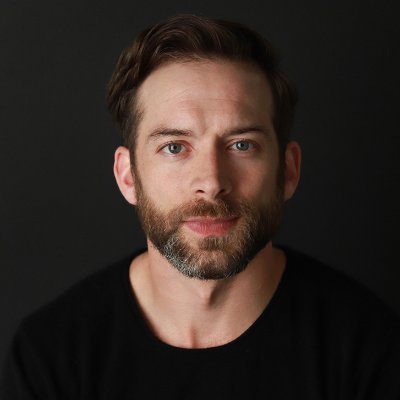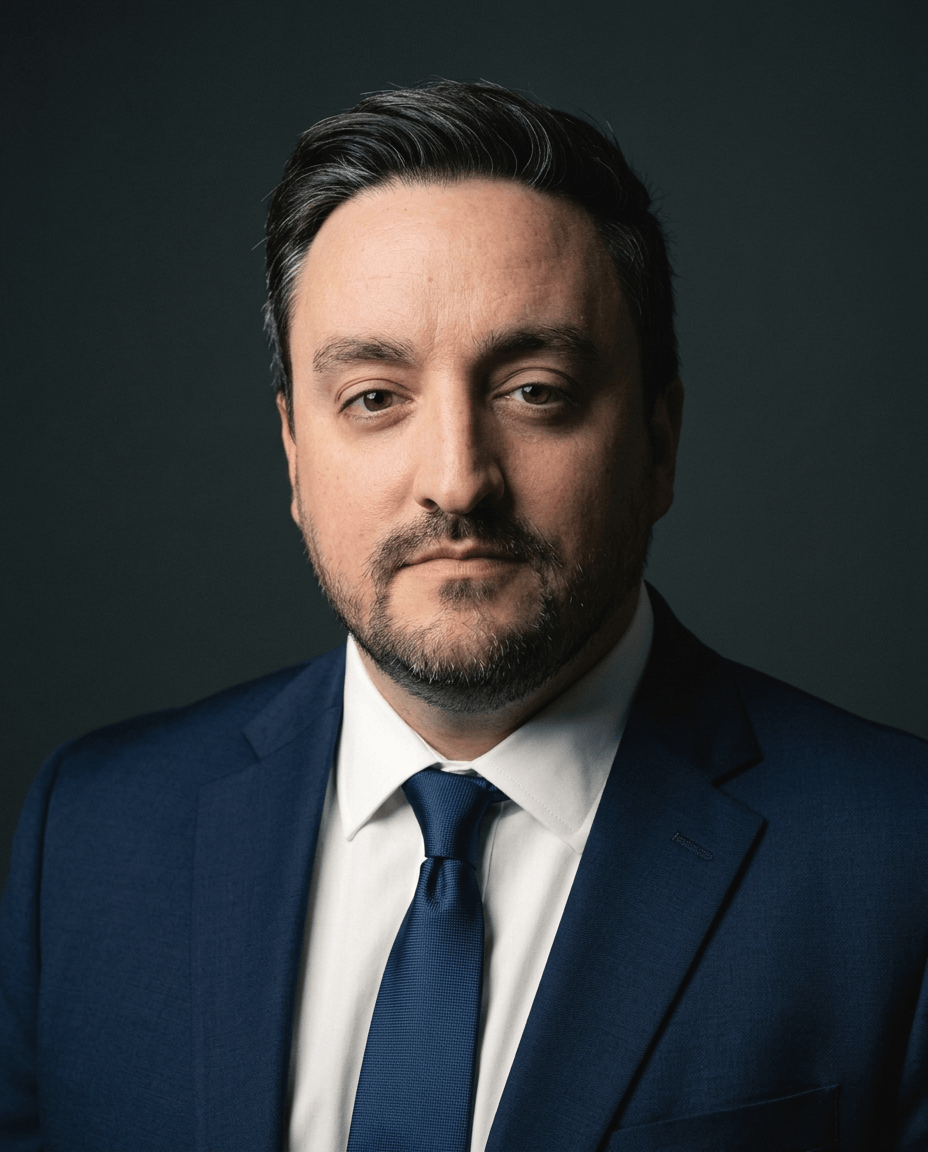
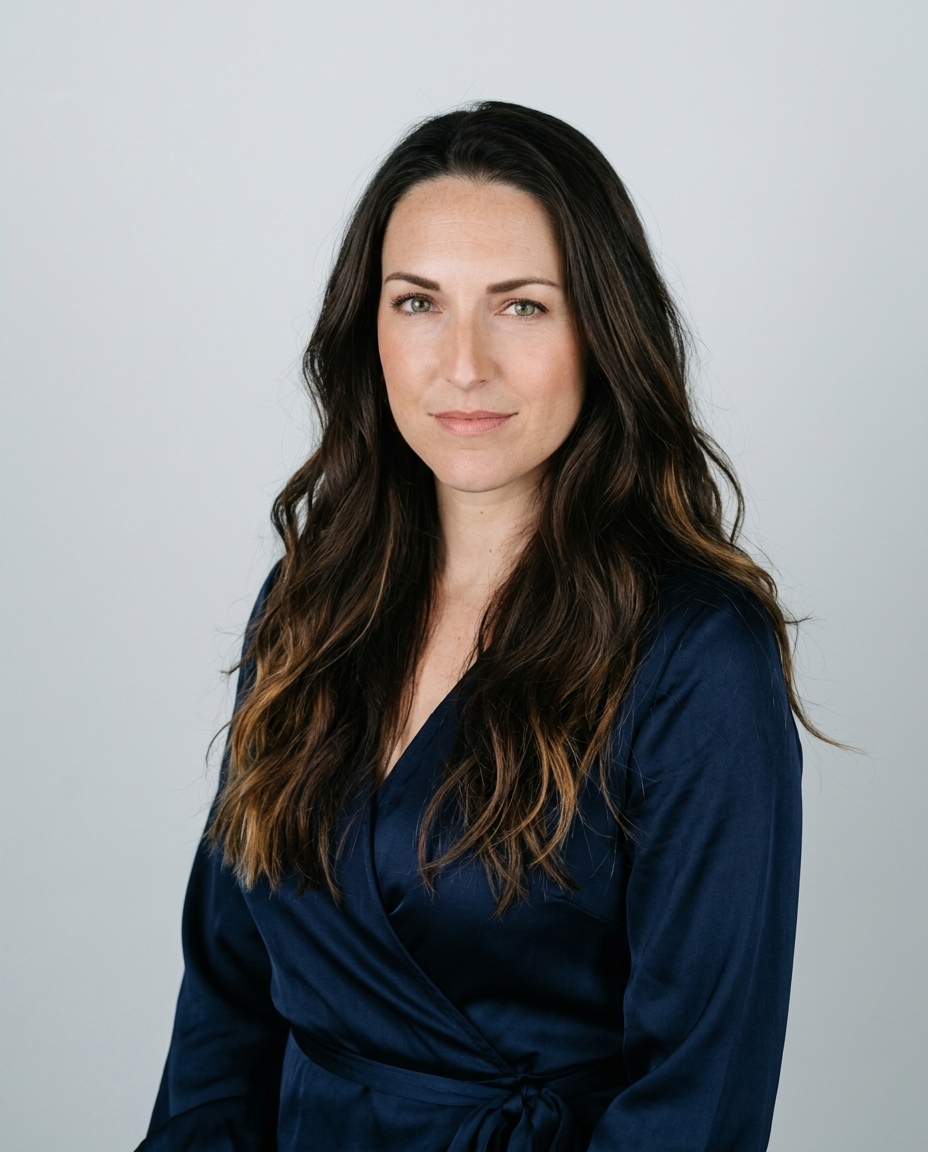
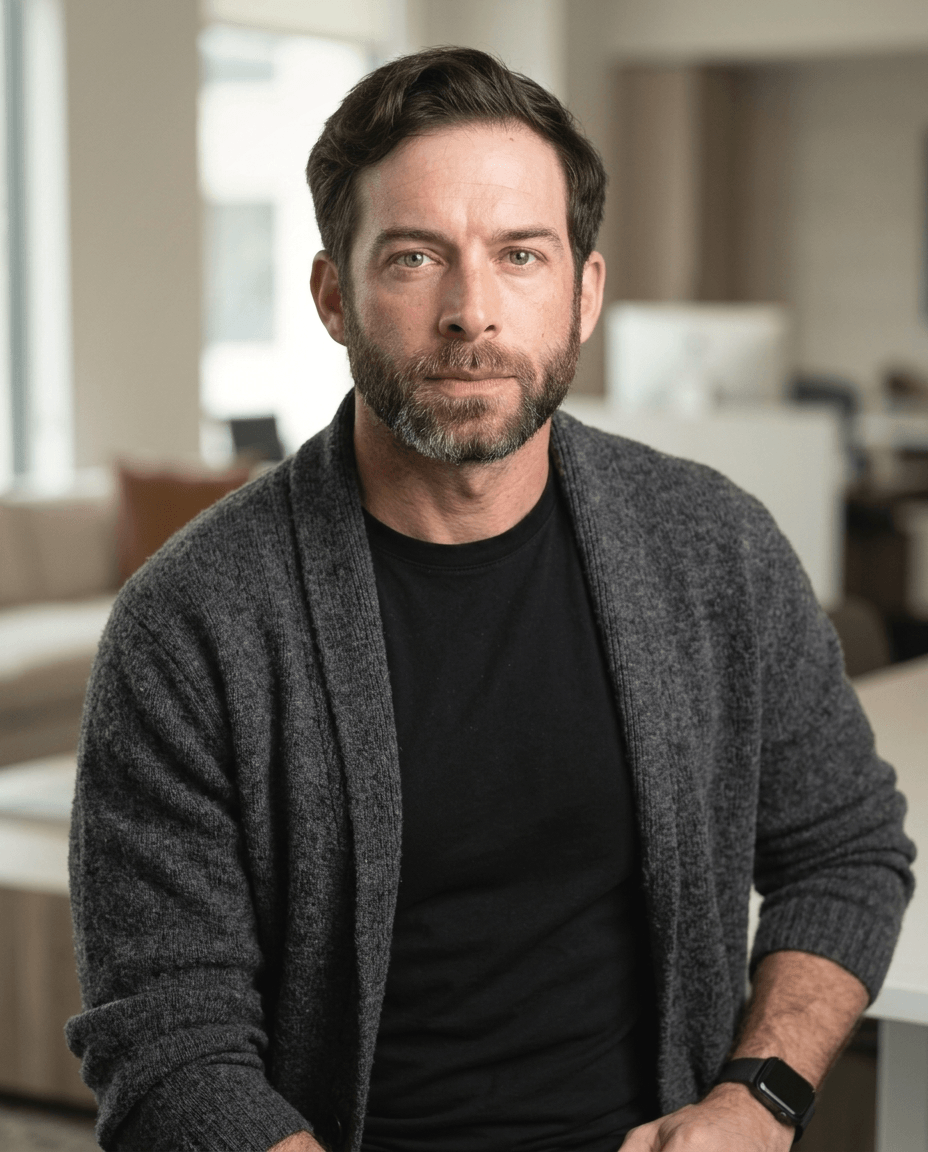
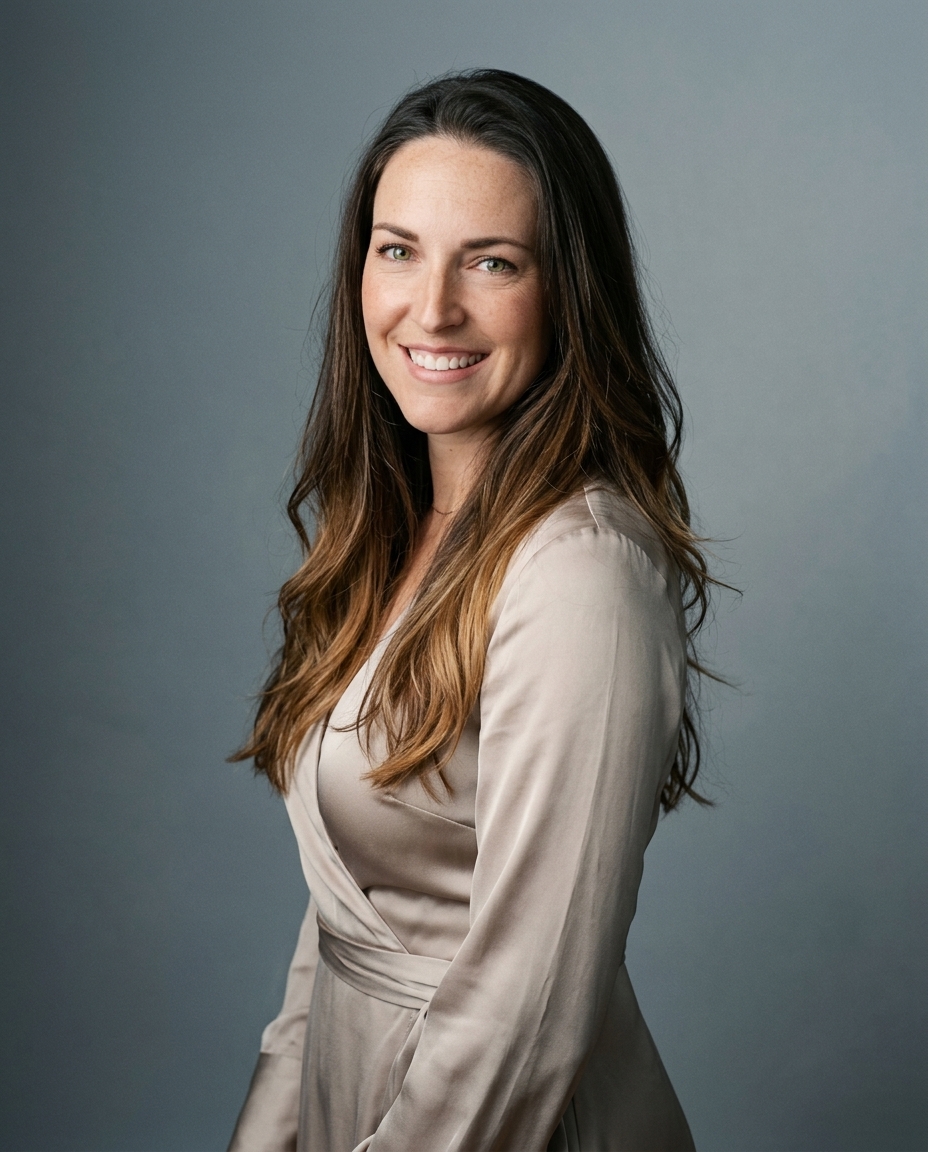

Many chasing AI photos that look real are solving the wrong problem. They keep rewriting prompts, switching models, and adding style tags, but realism isn't a prompt trick. It's a photography problem.
That isn't just opinion. A large 2025 study found people identified real versus AI-generated images correctly only 62% of the time in more than 287,000 image evaluations by over 12,500 participants, which means viewers were wrong about 38% of the time in that test (research on human accuracy with AI images). AI images can absolutely pass at a glance. Most bad results fail because they break the rules photographers notice first: light direction, lens behavior, skin texture, posture, and background logic.
We come at this differently because Studio Pod photographed 10,000+ real professionals before building anything in AI. That matters. If you've spent years lighting actual faces and fixing actual headshots, you stop judging images by whether they look impressive. You judge them by whether they look photographed.
Table of Contents
- Why most AI photos do not look real
- Realism starts with the right model and training data
- Craft prompts like a photographer not a coder
- Simulate authentic imperfection
- A professional's post-processing workflow
- Validation ethics and professional credibility
Why most AI photos do not look real
Most AI photos fail for the same reason amateur portraits fail. The subject isn't the issue. The image construction is.
People treat image generation like text generation. They assume the right description will do the work. It won't. A real-looking portrait depends on relationships inside the frame: the nose shadow has to match the key light, the jawline has to fall off naturally, the catchlights have to make sense, and the background blur has to behave like an actual lens. Generic prompting rarely controls any of that.
The human eye catches broken photography fast
Our team learned this from shooting thousands of real headshots, and you can see the same pattern in our 10,000 headshots study. Viewers forgive a lot. They don't forgive visual contradictions.
Practical rule: If the lighting, anatomy, and background don't agree with each other, the photo stops feeling real even when each part looks good on its own.
That's why "ultra realistic" is one of the least useful phrases in prompting. It doesn't specify the mechanics of a photograph. It just asks the model to sound convincing.
If you're still learning how image generation systems behave across styles and inputs, this guide to explore generative image AI is a useful orientation. But the key shift is simple. Stop asking for a realistic person. Start asking for a believable photograph of a person.
Realism is built, not declared
A fake-looking AI portrait usually has one or more of these failures: skin that's too smooth, clothing texture that repeats, ears that don't quite connect to the head, a corporate background with no believable depth, or a smile that sits awkwardly on the face.
Photographers don't fix those issues by adding adjectives. They fix them by controlling the frame. That's the discipline most software-first guides miss. Realism comes from lighting, composition, culling, and retouching. That's why some AI photos look almost real and most look like polished stock art.
Realism starts with the right model and training data
A general image model can produce a face. That doesn't mean it understands a headshot.
Peer-reviewed research found AI portraits scored 3.58 out of 5 for realism versus 4.22 for human-made portraits (portrait realism comparison study). That gap is where specialization matters. Models trained on high-quality portrait patterns are built to reduce the exact failures that make synthetic images feel off, especially inconsistent lighting and unnatural geometry.

Specialized training beats generic image generation
This is the split between a broad creative model and a portrait system. A broad model knows how to produce many image types. A headshot-focused system is tuned around one job: flattering, consistent, professional portraits.
That's also why photographer heritage matters. We didn't come from prompt hacking. We came from running a real studio. You can see that background in how our system works. The process starts with the same standards a photographer uses in a studio: face angle, expression control, lens feel, wardrobe read, and clean separation from the background.
Your uploads set the ceiling
Good input photos don't guarantee great output, but weak inputs cap the result immediately. Upload variety matters more than people think.
Use 10 to 20 selfies with:
- Clear face visibility. No sunglasses, heavy shadows, or phone covering half the frame.
- Different angles. Straight-on, slight turn, and different expressions help preserve identity.
- Mixed backgrounds. Variety helps the system separate you from the environment.
- Normal camera behavior. Skip filters, beauty modes, and extreme wide-angle distortion.
Bad source images force the system to guess. Good source images let it map your features consistently across poses, outfits, and lighting setups. That's why "garbage in, garbage out" still applies, even with strong generation.
Craft prompts like a photographer not a coder
Prompting gets better the moment you stop describing a face and start describing a shoot.
A 2024 study on AI images versus real photographs found realism works by matching viewer expectations for lighting, composition, and subject familiarity, and those category differences matter because viewers judge plausibility through photographic cues rather than perfect physical detail (study on perception across image categories). That's exactly how portrait photographers work. We shape the viewer's expectation before they ever inspect the pixels.

Prompt for camera behavior
Don't write "professional man in office." That's a casting note. Write the image like a photographer would build it.
Use terms like:
| Photographic control | Better prompt language |
|---|---|
| Lens choice | 85mm portrait lens, natural compression |
| Aperture | f/2 or f/2.8 shallow depth of field |
| Light quality | soft window light, large softbox key light |
| Composition | chest-up framing, centered eyes, clean negative space |
| Finish | natural skin texture, restrained retouching |
Those choices shape realism because they create consistent visual logic. An 85mm-style portrait behaves differently from a phone-wide selfie. Soft side light creates a different face than flat front light. If you don't specify the image physics, the model improvises.
For visual references beyond headshots, these inspiring visual strategy examples are useful because they show how framing and scene intent change the final read.
Prompt for the whole scene
The environment has to belong to the subject. A lawyer shouldn't look lit like a nightclub portrait. A founder headshot shouldn't have fantasy depth blur and theatrical rim light unless that's intentional branding.
You can see these choices in real outputs on our headshot examples page. The useful prompt language isn't technical for its own sake. It's specific because photography is specific.
Here's a practical reference for the kind of visual language that works in real generation workflows:
Good prompts don't stack hype words. They establish lens, light, crop, expression, and setting so the image behaves like a real capture.
Simulate authentic imperfection
Perfect is the fastest way to look fake.
The dead giveaway in synthetic portraits isn't always a broken hand or warped ear. Sometimes it's the opposite. Skin is too uniform. Teeth are too clean. The blazer has no real fabric behavior. The background feels airbrushed into existence. Real photos carry friction.

Why polished images still fail
Recent coverage points out that newer image models intentionally imitate smartphone quirks like digital noise and slight color shifts because sterile perfection reads as less authentic (report on realism through imperfections). That tracks with what photographers already know. Cameras aren't clean measuring devices. They leave fingerprints on the image.
A believable portrait keeps a little mess. A fake one tries to sand every surface smooth.
That means you should stop asking for "flawless skin" unless you're building beauty advertising. For a LinkedIn photo or team headshot, believable texture wins.
What to add back in
Natural imperfection isn't damage. It's signal.
Useful prompt language includes subtle skin texture, realistic pores, restrained retouching, slight asymmetry, natural flyaway hairs, soft lens falloff, and mild sensor noise. If the output looks too clinical, ask for less polish, not more detail.
The same principle applies to color. A completely neutral file often feels synthetic. Real portraits usually carry slight warmth or coolness depending on the light source and the environment. Tiny inconsistencies make the image feel captured instead of fabricated.
What doesn't work is forcing defects. You don't want fake grit, heavy film grain, or obvious degradation. The goal is believable camera behavior, not nostalgia effects pasted on top.
A professional's post-processing workflow
Good AI portraits are finished in the edit, not in the prompt.
After producing more than 10,000 real headshots, the pattern is obvious. The images that look fake usually fail for small reasons. A catchlight sits in the wrong place. Hair repeats in a copied pattern. A collar bends like rubber. Viewers may not name the problem, but they feel it immediately.

Start with culling, not editing
Photographers do not rescue every frame. We reject hard and early.
Cull on the same standards used in a real headshot session. Identity match comes first. The person should look like themselves on a good day, not like a polished cousin. Then check expression. It needs to read as natural, current, and socially believable for the context. Then check lighting. If the face shape, shadow direction, and background light do not agree at a glance, the file is not worth more time.
This step saves hours.
Fix the details that break trust
Retouch selectively. That is the discipline a lot of AI guides miss.
In practice, the best base image usually needs a few local repairs, not a rebuild. Common fixes are familiar to any portrait retoucher:
- Clean up an ear contour that folded into itself
- Repair shirt edges and jacket seams
- Break up cloned hair texture
- Remove background shapes that repeat or sit at the wrong scale
- Reduce crunchy sharpening around eyes, teeth, and lips
If half the image needs repair, delete it and choose another frame. That is the same call I would make from a live studio shoot. A weak file does not become convincing because more time was spent on it.
Grade it like a portrait, not a render
Color work matters as much as cleanup.
Use Lightroom, Capture One, or any editor with reliable color controls. Set white balance first. Keep skin tone stable. Watch the reds in cheeks, ears, and lips, because AI often pushes them too far or drains them out completely. Keep contrast controlled, and go easy on clarity and sharpening. Real headshots hold detail in the skin without outlining every pore.
Batch consistency matters too. A believable set looks like it came from one session, with one lighting setup, one camera response, and one retouching hand.
Manual cleanup is skilled labor
AI lowers capture cost. It does not remove photographic judgment.
A traditional headshot session costs more because someone is making decisions at every stage: lighting, lens choice, expression coaching, culling, retouching, and final delivery. AI post-processing still requires that same eye if you want results that hold up professionally. The trade-off is simple. You can save money, or you can save time, but realism still depends on experienced selection and restraint in the edit.
That is why the product matters. AiHeadshots pricing reflects a photographer-built workflow: generate options from phone selfies, reject weak frames, correct the small realism failures, and deliver a set that looks like a coherent portrait session instead of a pile of prompts.
Validation ethics and professional credibility
Visual realism is only the first test. Professional credibility decides whether an AI photo can actually be used.
After working through more than 10,000 headshots, the pattern is clear. People forgive minor cosmetic flaws faster than trust flaws. A slightly stiff smile might pass. A catchlight that shifts between eyes, a collar that folds in an impossible way, or a face that looks younger than you do in person will raise doubt immediately. In a professional setting, that doubt is the failure.
A forensic review can catch the same problems photographers catch: inconsistent perspective, mismatched lighting, geometry that falls apart under inspection, and surface details that behave unlike real materials (forensic perspective on AI versus real photos). Casual viewers may miss those cues. Recruiters, executives, designers, and anyone who reviews portraits for a living often will not.
What to check before you use it
Review the image the way an art director or retoucher would review a final select.
Do both eyes show the same light source? Does the jawline line up with the neck and shoulders? Does the suit fabric crease like real fabric under that pose? Does the background stay natural, or does it repeat and smear? Does the photo still look like you today, in person, at conversational distance?
If any answer is no, reject the frame.
That standard matters because AI headshots succeed or fail in curation. The model can generate options. Human judgment decides which images are safe to publish. In our workflow, that is closer to a photographer's contact sheet review than a prompt experiment.
Where AI headshots belong, and where they don't
AI headshots work for LinkedIn, speaker bios, company profile pages, internal directories, and marketing use where the goal is a polished professional portrait. They do not belong on passports, licenses, government IDs, compliance documents, or any situation that requires documentary proof of identity.
Use-case discipline is part of credibility. So is honesty. If an image represents your current appearance accurately and is used in the right professional context, it can do the job well. If it creates uncertainty about who you are or suggests verification where none exists, it should not be used.
Operational trust matters too. Our retention policy is simple: 7-day input retention, 30-day output retention, and 90-day billing retention.
A credible AI photo looks convincing, survives close inspection, and matches the professional context where it appears.
Upload 10 selfies, see your first headshot in 30 minutes, for $29 with AiHeadshots.