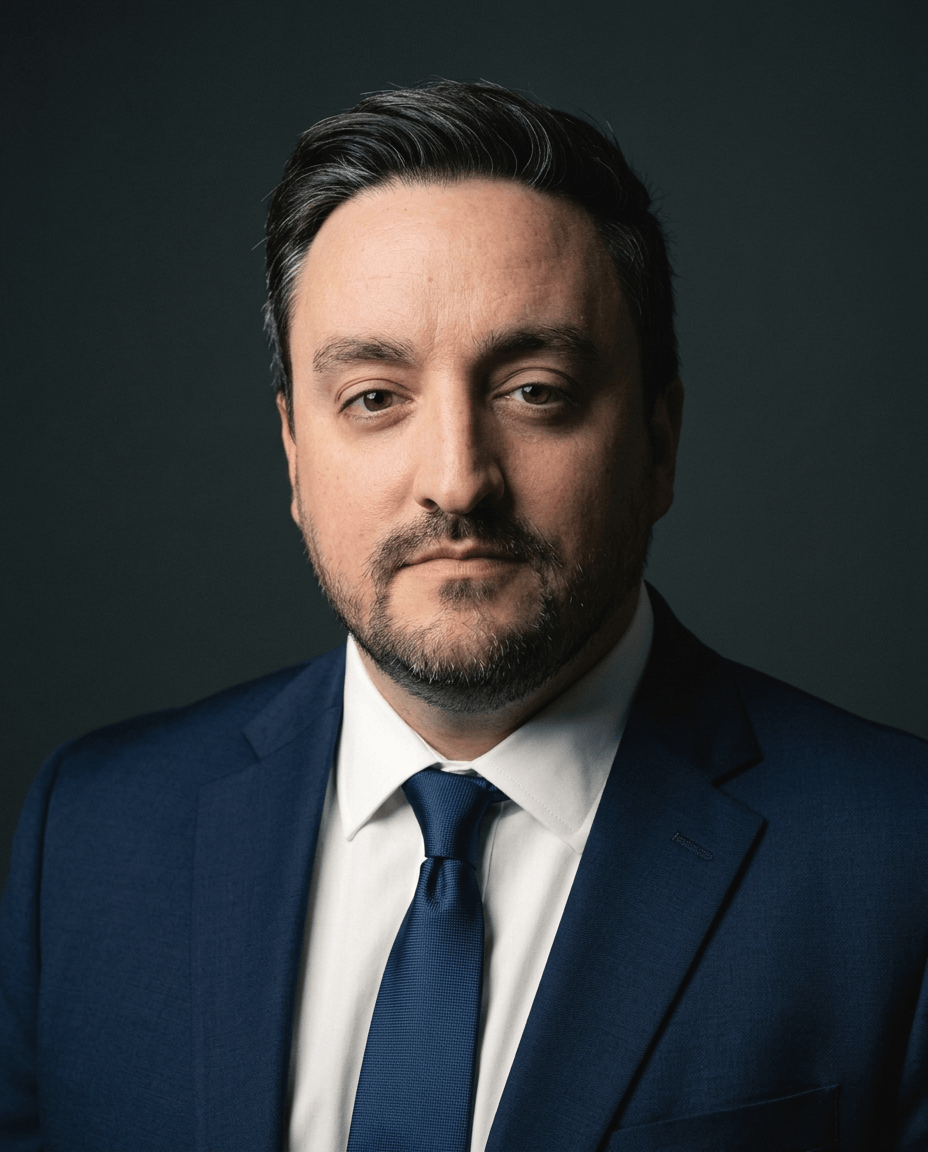
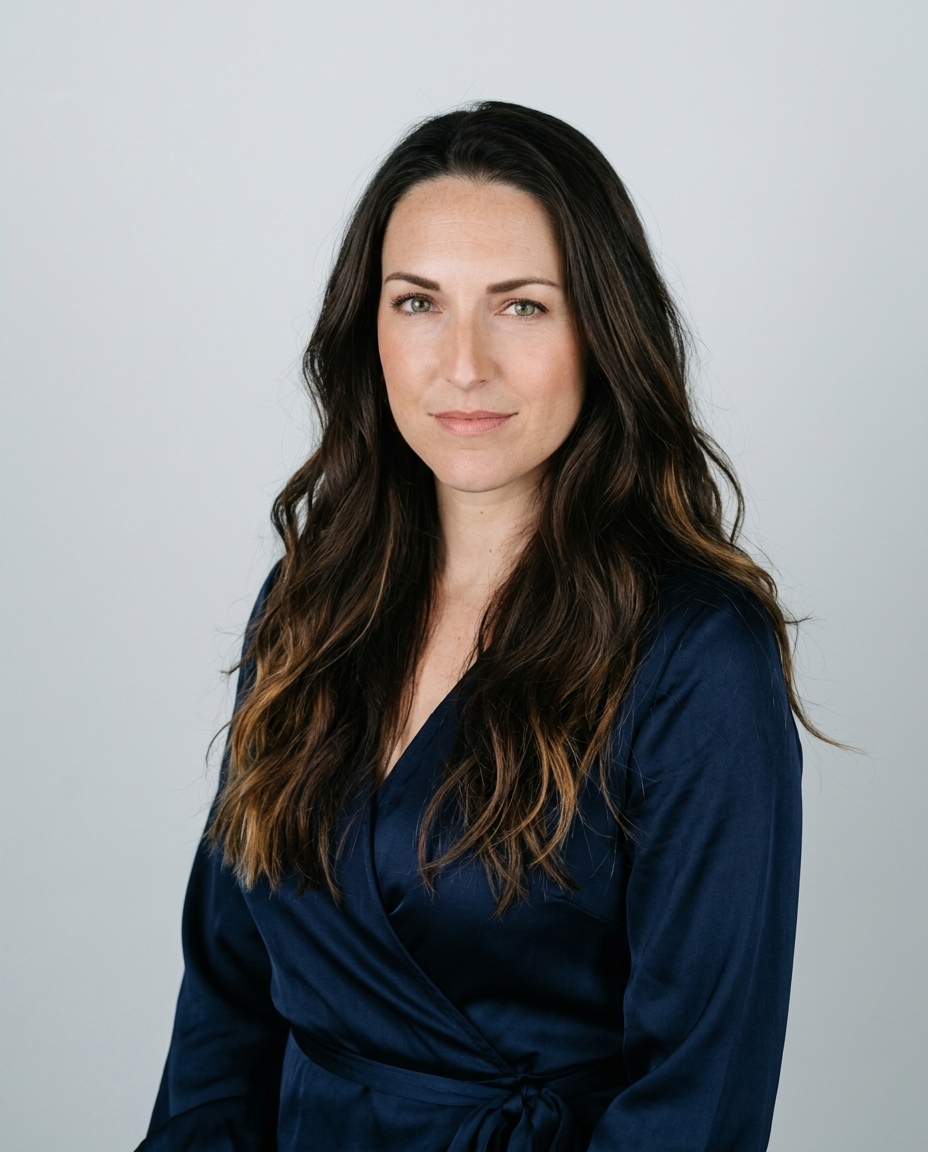
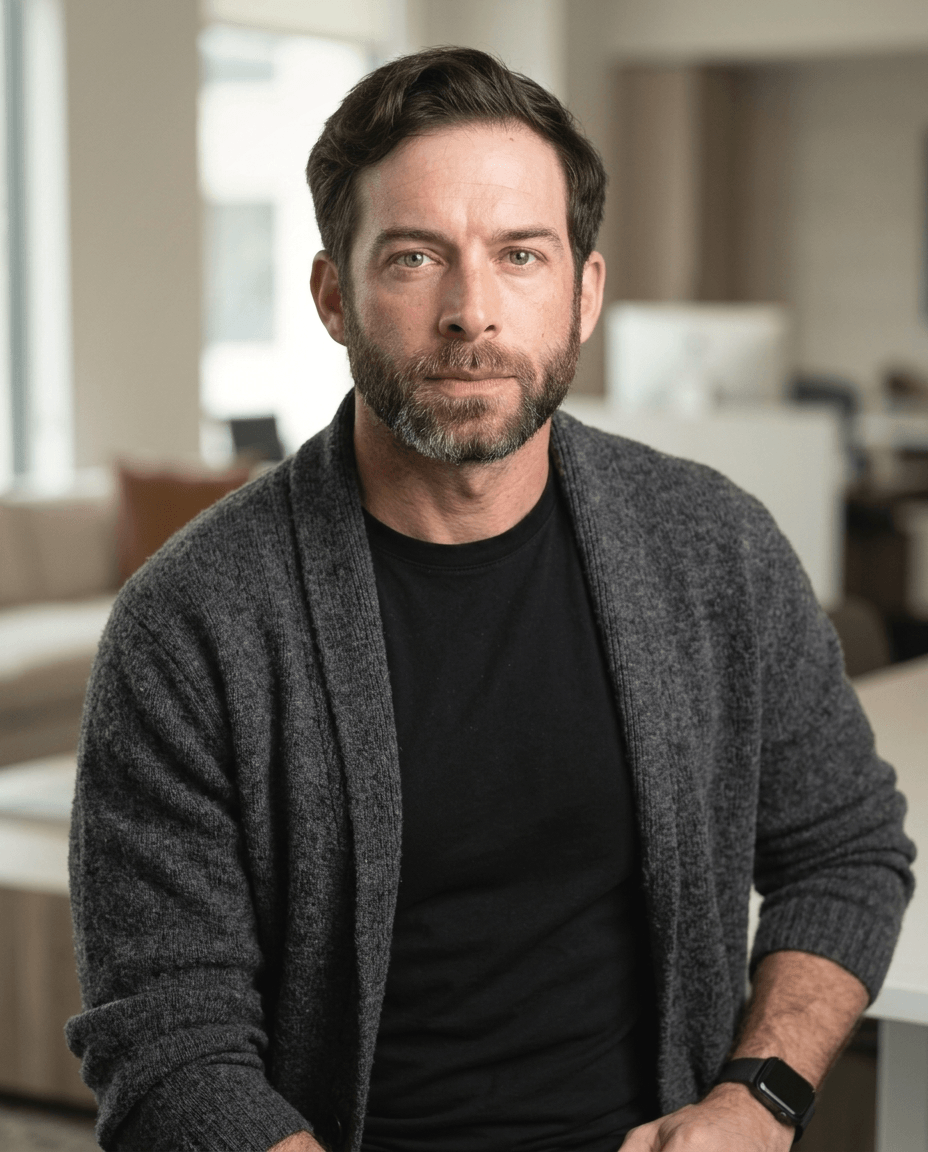
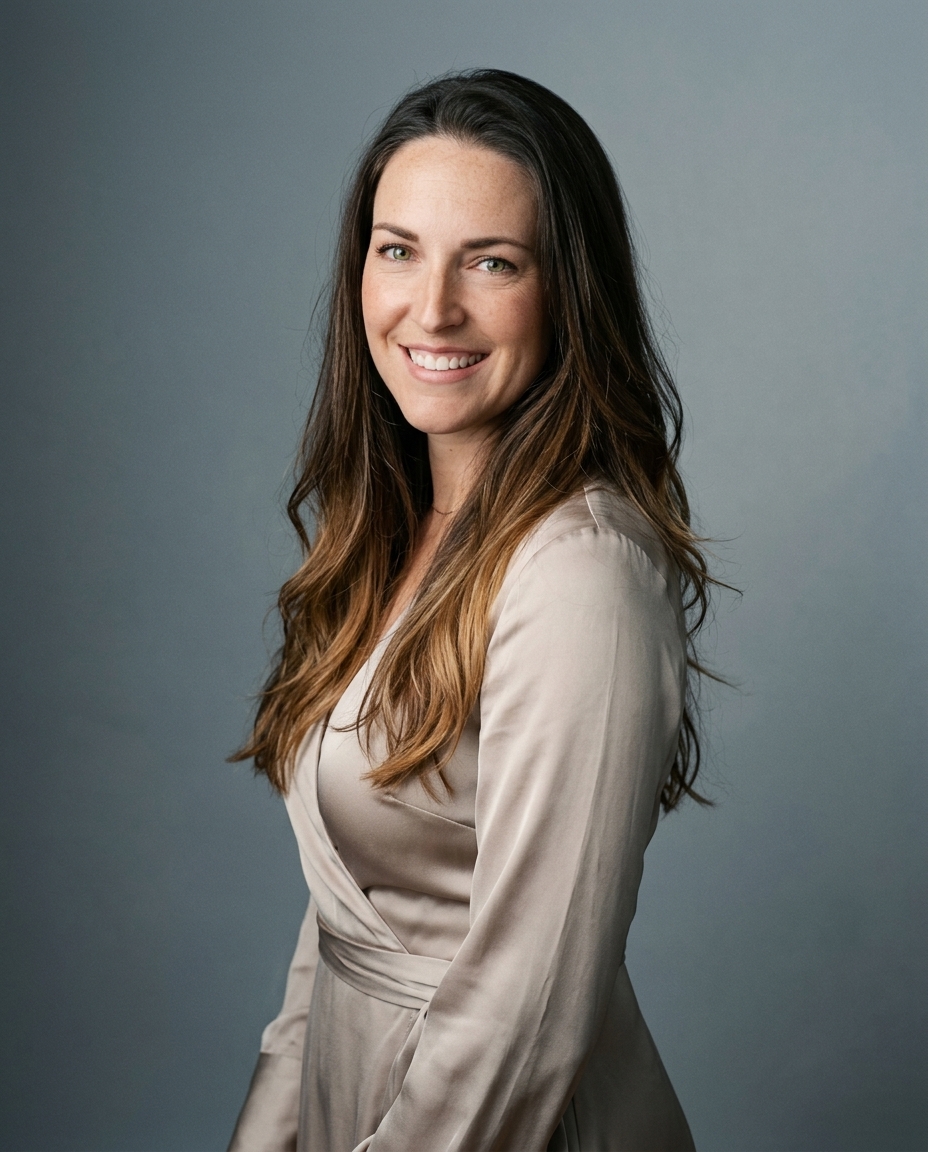

Your professional image starts and ends with your headshot. A strong photo is not about looking perfect. It's about looking competent, trustworthy, and authentic fast. That matters because profiles with a professional photo can get up to 21 times more profile views and up to 36 times more messages than profiles without one, while recruiters spend about seven seconds scanning a profile before the first impression locks in, according to LinkedIn-based guidance on professional headshots. More than 70% of hiring managers also say a professional, well-composed headshot shapes their first impression before they read the resume, which is why professional image tips are not cosmetic advice, they're visibility strategy. After photographing over 10,000 professionals in our Houston studio, we built AiHeadshots around the same rules you need here. TryThisFit career image tips
Table of Contents
- 1. Invest in consistent lighting and background
- 2. Dress for your industry and role, not the camera
- 2. Dress for your industry and role, not the camera
- 3. Master subtle grooming and skin preparation
- 4. Perfect your posture and facial expression
- 5. Align your headshot with your industry's visual norms
- 6. Optimize for platform-specific contexts and uses
- 8. Refresh your headshot every 2 to 3 years and stay visibly authentic
- 8. Refresh your headshot every 2 to 3 years and stay visibly authentic
- 8-Point Professional Image Comparison
- From tips to your new professional image
1. Invest in consistent lighting and background
The face needs clean light before it needs retouching. We say that after photographing thousands of professionals in our Houston studio, because the same pattern shows up every time. Good lighting shapes the jawline, keeps skin tone believable, and shows intent. Poor lighting flattens the face and makes the whole image feel unfinished. A cluttered background pulls attention away before the viewer reads expression or posture.
Practical rule: if the face has to compete with the background, the image has already lost ground.
A studio setup still gives the most reliable result. A clean three-point arrangement, with key, fill, and back lights, creates depth that phone flash and random window light rarely match. We built our lighting approach around that consistency because professionals need repeatable results, not guesswork. It gives us control over shadows, contrast, and skin tone, which matters whether you are updating a LinkedIn photo or refreshing a company bio. The trade-off is simple. Controlled lighting takes planning, but it avoids the uneven look that weakens otherwise strong images.
Background choice carries the same weight. Keep it quiet. Neutral, branded, or softly blurred backdrops support the face instead of competing with it. If you are shooting yourself, create distance between you and the wall so shadows do not fall behind your head. If your image needs to work across company sites, executive profiles, and recruiting pages, background consistency helps the set feel like one brand, not a stack of unrelated uploads. For wardrobe planning that matches the rest of your presentation, the Dandylion Style office guide is a useful reference. If you use AiHeadshots, you can upload 10 to 20 phone selfies and get 30+ studio-grade headshots in about 30 minutes, with background options suited to professional use.
2. Dress for your industry and role, not the camera
Clothing tells people what kind of professional they are looking at before they read your headline. A strong headshot does not mean formal in every case. It means your outfit matches the role you want associated with your name.
We see this every day in the studio. A lawyer or finance leader usually reads best in structured clothing, because it signals control and credibility. A tech founder can often wear an open-collar shirt or a refined tee and still look sharp. Real estate professionals often benefit from warmer tones that feel more approachable. The goal is not to dress up as someone else. The goal is to look one level more intentional than your average workday, and to make that choice look natural on camera. If you want a practical starting point, our what to wear for a LinkedIn headshot guide breaks down the trade-offs by role and setting.
Choose colors that photograph cleanly
Solid colors usually do the best work because they keep attention on your face. Jewel tones like navy, burgundy, emerald, and sapphire hold up well in camera and avoid the flat look that can happen with simpler choices. White can blow out against a light background. Black can disappear into a dark one. Busy patterns, logos, and trendy pieces pull attention away from your expression and can age faster than the rest of the image.
Fit matters just as much as color. Shirts should sit cleanly at the shoulders and chest. Jackets should close without pulling. Women usually look strongest in necklines that stay simple and professional. Men should avoid collar gaps and sloppy shoulder lines. These are small details, but they change how polished the final image feels.
Bring more than one option if you are unsure. We see that in studio sessions, and it matters just as much when you upload selfies to AiHeadshots. A sharper blazer shot can work for LinkedIn, while a more relaxed top may fit a team page or personal site better. The right choice depends on where the headshot will live, not on what happens to look best in a mirror.
For office-appropriate wardrobe planning, the Dandylion Style office guide is a useful reference. It helps you think about clothing as context, not costume.
2. Dress for your industry and role, not the camera
Clothing speaks before expression does. A polished headshot does not mean formal in every case. It means your outfit matches the role you want people to associate with you.
For law and finance, structured clothing reads as controlled and credible. For tech, a high-quality open-collar shirt or a refined tee can signal competence without stiffness. For real estate, warmer tones usually feel more approachable. The point is not to costume yourself. The point is to look one level more intentional than your average workday.
Choose colors that photograph cleanly
Solid colors usually do the best work because they keep attention on your face. Jewel tones, especially navy, burgundy, emerald, and sapphire, carry well in camera and avoid the flatness that sometimes hits simpler choices. White can blow out against a light background, and black can disappear into a dark one. Busy patterns, logos, and trendy pieces age fast and distract faster.
For business headshots, fit matters as much as color. Shirts need to sit cleanly at the shoulders and chest. Jackets should close without pulling. Women usually look strongest in necklines that stay professional and simple. Men should avoid collar gaps and sloppy shoulder lines.
If you are deciding between two options, bring more than one. We see this constantly in studio work, and the same idea applies when you upload selfies to AiHeadshots. A sharper blazer shot can work for LinkedIn, while a more relaxed version can suit a website bio or speaker page. The same person, the same face, different signals.
Skin prep matters too, because the camera shows every choice. Keep it simple, and follow a clear selfie prep guide before you shoot. Hydration, gentle cleansing, and avoiding irritation help the skin read cleanly under light. If acne is active, a measured day-by-day acne reduction routine can help, but it should support the shoot, not replace good timing and basic care.
The cleanest version is usually the safest one. Ontario eCampus advises professionals to choose solid colours, neat clothes, clean shoes, and hair that looks maintained, not accidental. This professional image and attire guide lines up with what we see in portraits every week. If the fabric looks distracting in person, it looks worse on camera.
3. Master subtle grooming and skin preparation
Grooming is invisible when it works. When it doesn't, it dominates the frame. That's true for hair, skin, facial hair, and makeup, and the camera is less forgiving than a mirror.
The cleanest headshots usually happen when the subject looks rested and maintained, not overly prepared. A haircut taken 7 to 10 days before the shoot tends to settle into a more natural shape than one done the same morning. Beard lines should be deliberate. Brows should be neat, not overworked. Skin should look like skin, not plastic.
Heavy retouching is the fastest way to lose trust. Subtle refinement keeps identity intact.
For women, makeup should support the face, not redesign it. For men, the biggest wins usually come from skin prep, hydration, and facial hair control rather than cosmetics. Dry or oily skin catches light badly, so a simple moisturizer or primer routine helps the final image look balanced. Stubble can fit some creative roles, but in finance or law it often reads as unfinished. The same goes for visible shine, frizz, or untrimmed edges, they pull focus away from the eyes.
If you're self-shooting, keep the prep simple. Hydrate in the days before the shoot. Avoid a late night and avoid anything that leaves the skin irritated or puffy. For AiHeadshots users, our system handles natural-looking retouching, so small blemishes don't ruin the image, but better prep still gives the cleanest result. That's the difference between a fix and a refinement.
Use this as the working standard.
- Hair: schedule it about a week ahead, not the morning of the shoot.
- Skin: keep it calm, hydrated, and low-shine.
- Facial hair: shape it with intent.
- Makeup: keep it professional, not editorial.
The goal is simple. You should look like yourself on your strongest workday.
4. Perfect your posture and facial expression
Posture is the skeleton of the image. Expression is the finish. If either one is off, even great lighting and wardrobe lose authority.
Shoulders should sit back and relaxed. The chin should be level or just slightly forward, not tucked down. The body should angle a little, rather than locking straight into the lens. That small shift creates dimension and keeps the portrait from feeling rigid.
Keep the face calm, not forced
A good professional expression usually lands between neutral and subtly warm. Sales and hospitality can handle more energy. Finance and legal often work better with reserved confidence. In every case, the face should look engaged, not tense. Tight jaws, raised brows, and forced smiles read as pressure, not presence.
Louisiana's state training material calls out posture, eye contact, open body language, confident gestures, controlled facial expressions, and even the reminder to walk, don't run. The same principle applies in a headshot. You want controlled energy. Not performance. Louisiana's professional image handout puts the body language piece in plain terms, and it matches what we coach in studio.
For phone selfies, place the camera at eye level or slightly above, never low. Hold the shoulders soft and angled a little. Then take several frames with tiny shifts in expression. With AiHeadshots, you can get 30+ variations, which helps you compare a calm version, a warmer version, and a more formal version without starting over. That variety is useful because different roles ask for different tones.
A useful test is simple. If the photo feels like a performance, it's too much. If it feels like a casual snapshot, it's too little. The middle is where trust lives.
5. Align your headshot with your industry's visual norms
Industry context shapes what reads as credible. The same headshot can feel right in one field and wrong in another. That is not a flaw. It is the signal.
A corporate attorney needs different visual cues than a creative director. A surgeon does not need the same presentation as a startup founder. A realtor usually benefits from warmth and openness, while a VC profile often works better with polished restraint. The face can stay the same. The message should change.
Study the people ahead of you
Look at 10 to 15 LinkedIn profiles of people who are about 3 to 5 years ahead of you in the same role. Notice the background, the framing, the expression, and the clothing. That gives you a clearer read on the visual norm than generic advice ever will. LinkedIn itself emphasizes a high-quality professional photo, an engaging headline, and concrete achievements as part of a strong professional image, which tells you the photo does not stand alone on the profile. LinkedIn's professional-image guidance makes that connection explicit.
The strongest headshots fit the context without turning generic. Law and finance usually favor neutral backgrounds and controlled expressions. Tech can go more casual, but still polished. Creative industries can use bolder framing or more distinctive color. Healthcare tends to work best with a clear, calm, trustworthy presentation. If you work across more than one setting, use different versions. One for LinkedIn. One for your website. One for an industry directory.
AiHeadshots makes that easier because you can generate multiple background styles and tones from the same selfie set. That gives you a version that fits a corporate biography and another that fits a more relaxed public profile, without asking one image to do every job. The photo should match the room you are entering.
6. Optimize for platform-specific contexts and uses
A headshot lives in several places now. LinkedIn. Company bios. Email signatures. Zoom profiles. Speaker pages. Printed materials. Each one crops and compresses the image differently.
LinkedIn wants a tight, square-friendly head-and-shoulders crop. Company websites often need more breathing room. Email signatures are tiny. Print needs higher resolution. A photo that looks polished on a large screen can fail in a small circular thumbnail if the face sits too low or too far away. That's why platform testing matters before you call the image finished.
Practical rule: crop for the smallest use first. If it works there, it usually works everywhere else.
LinkedIn's own photo guidance says to keep the image between 400×400 px and 7680×4320 px, with the face covering about 60% of the frame and the lighting soft and natural. That's a technical spec, but it points to a creative truth, the photo has to stay readable when it shrinks. LinkedIn's technical guidance for profile photos is very clear on that. The broader advice around image size and head-and-shoulders framing is reinforced by profile-picture guidance for LinkedIn.
We recommend testing three versions. A tight crop for LinkedIn. A mid crop for websites. A full-resolution file for print. If you use AiHeadshots, you get enough outputs to build each version without reshooting. That matters for teams too, because one executive portrait shouldn't break when it moves from a website bio to an investor deck.
Color usually works best online. Black and white can still feel strong in print, especially when you want more formality. The right answer depends on where the photo will live, not just how it looks in isolation.
8. Refresh your headshot every 2 to 3 years and stay visibly authentic
A headshot should keep pace with you. Hair shifts. Glasses change. Style changes too. So does the face. That is normal. The problem starts when the photo no longer matches the person who shows up on screen or walks into the room.
A recent headshot builds trust because it matches reality. An outdated one creates a small disconnect, and that gap gets clearer each time someone sees you. For recruiters, clients, and colleagues, that disconnect makes the image feel stale. It also signals that your professional presence has not been maintained lately, which is not the message you want to send.
Refresh your headshot every 2 to 3 years. Do it sooner if your appearance changes in a noticeable way. A haircut, a beard change, a new hair color, or glasses can all justify an update. Keep the retouching natural. Skin should look clean, not airbrushed. The face should still be yours.
A recent photo also helps people remember you more clearly. People hold onto visual information better than plain text, and that is one reason a current headshot sticks in professional settings. It is part of why a recognizable photo matters on platforms like LinkedIn. This visual-memory guidance supports that point without asking you to overstate the image.
Stay authentic while you update. The goal is not to create a newer version of someone else. It is to show the same professional, with a face that still looks like the one clients, recruiters, and colleagues will meet in person. That balance keeps your image current without making it feel staged.
8. Refresh your headshot every 2 to 3 years and stay visibly authentic
A headshot ages with you. Hair changes. Glasses change. Style changes. So does the face. That's normal. The problem starts when the photo no longer looks like the person who shows up on the screen or in the room.
A recent headshot builds trust because it matches reality. An outdated one creates a small disconnect that grows every time someone sees you. For recruiters, clients, and colleagues, that disconnect is enough to make the image feel stale. It also signals that your professional presence hasn't been maintained lately, which is not the message you want to send.
The visual standard is simple. Refresh every 2 to 3 years. Do it sooner if your appearance changes in a noticeable way. A haircut, a beard change, a new hair color, or glasses can all justify an update. Keep the retouching natural. Skin should look clean, not airbrushed. The face should still be yours.
Professional image advice also reflects a long-running visual truth, people remember images more easily than text. One widely cited statistic says people can recall about 65% of visual content nearly three days later, compared with about 10% of written content, which helps explain why the headshot sticks in memory. That kind of recall is part of why recent, recognizable photos matter on a platform like LinkedIn. This visual-memory guidance ties that idea back to profile photos directly.
Our rule is blunt. The best retouching protects identity. The worst retouching replaces it. If a portrait would surprise people who already know you, it's too far. If it feels like a polished version of your current self, it's right.
8-Point Professional Image Comparison
| Item | 🔄 Implementation complexity | ⚡ Resource requirements | ⭐ Expected outcomes / 📊 Impact | 💡 Ideal use cases | 📊 Key advantages |
|---|---|---|---|---|---|
| Invest in consistent lighting and background | Moderate, set up three-point lighting or use AI studio workflows | Studio lights or AiHeadshots ($29); ~30 min; backdrop options | High ⭐, flattering, cohesive team visuals; stronger recognition 📊 | Executive teams, LinkedIn, company websites | Consistent identity; eliminates studio booking; 30+ quick variations |
| Dress for your industry and role, not the camera | Low, select role-appropriate, tailored outfits | Wardrobe, tailoring; bring 2–3 options; AiHeadshots offers outfit variants ($39–$59) | High ⭐, communicates competence & longevity; timeless if chosen well 📊 | Client-facing professionals, leadership, industry-specific roles | Signals role clarity; affordable vs frequent reshoots; photos remain current longer |
| Master subtle grooming and skin preparation | Low, basic grooming schedule and skin prep | Haircut/skincare ($50–$100 typical); studio retouching included (from $29) | High ⭐, polished, natural look; less heavy retouching needed 📊 | Close-up headshots; professional services (law, medicine, finance) | Improves authenticity; cost-effective; smoother retouch results |
| Perfect your posture and facial expression | Low, practice posture and expression; use variation | Time to practice; generate multiple expressions (30+ with AiHeadshots) | High ⭐, boosts approachability and authority; measurable engagement gains 📊 | Sales, client-facing roles, leadership profiles | Enhances perceived confidence; multiple variants to match tone |
| Align your headshot with your industry's visual norms | Moderate, research norms and produce aligned options | Time to research; multiple backgrounds/tones via AiHeadshots ($29–$59) | High ⭐, improves credibility and cultural fit; fewer mismatches 📊 | Law/finance (conservative), creative/tech (experimental), real estate | Signals cultural fit; reduces risk of appearing out of place |
| Optimize for platform-specific contexts and uses | Moderate, create & test multiple crops/formats per platform | File exports (web vs print), naming system, high-res originals for print | High ⭐, better display quality and consistency across platforms 📊 | LinkedIn, company websites, email signatures, print materials | Ensures readability and professional reproduction on each platform |
| Use consistent branding across your professional presence | Moderate, maintain rollout discipline and simple brand guide | Time to update platforms; maintain primary + secondary headshots | High ⭐, stronger recognition and trust over time; coherent presence 📊 | Executives, consultants, freelancers, company teams | Builds recall; aligns visual and written brand; signals organization |
| Refresh your headshot every 2–3 years and stay visibly authentic | Low, schedule periodic refreshes and modest retouching | Refresh cost/time; AiHeadshots offers fast turnaround (~30 min, $29) | High ⭐, maintains authenticity and credibility; reduces in-person mismatch 📊 | Anyone with public/professional profiles; recruiters/clients frequently viewing | Keeps image current; prevents trust erosion; manageable cadence |
From tips to your new professional image
These professional image tips work because they all point in the same direction. Keep the face readable. Keep the lighting controlled. Keep the clothing aligned with the role. Keep the expression honest. Keep the photo current. That framework is what we learned by photographing more than 10,000 professionals in our Houston studio, and it's the same framework we built into AiHeadshots.
A professional photographer session usually costs $300 to $600+ and takes weeks to schedule, shoot, and deliver. AiHeadshots gives you a faster route without throwing away the standards that make a portrait work. You upload 10 selfies, we generate 30+ studio-grade headshots, and your first result arrives in about 30 minutes. The entry tier starts at $29, the service includes a 100% money-back guarantee within 14 days, and the workflow keeps your input for 7 days, output for 30 days, and billing data for 90 days.
That's why this isn't just about looking better on LinkedIn. It's about using a photo that performs across the places your professional name shows up. If you want a clean, credible headshot that fits your industry and your platform, AiHeadshots gives you the fastest path to get there, with studio discipline and photographer judgment built in. Upload 10 selfies, see your first headshot in 30 minutes, and start at $29.