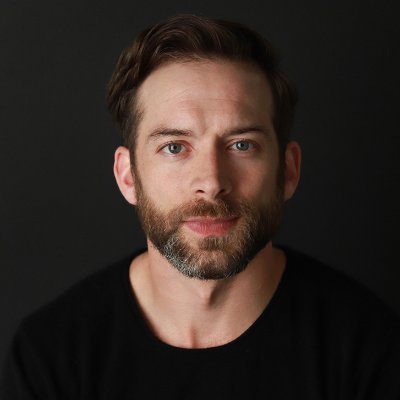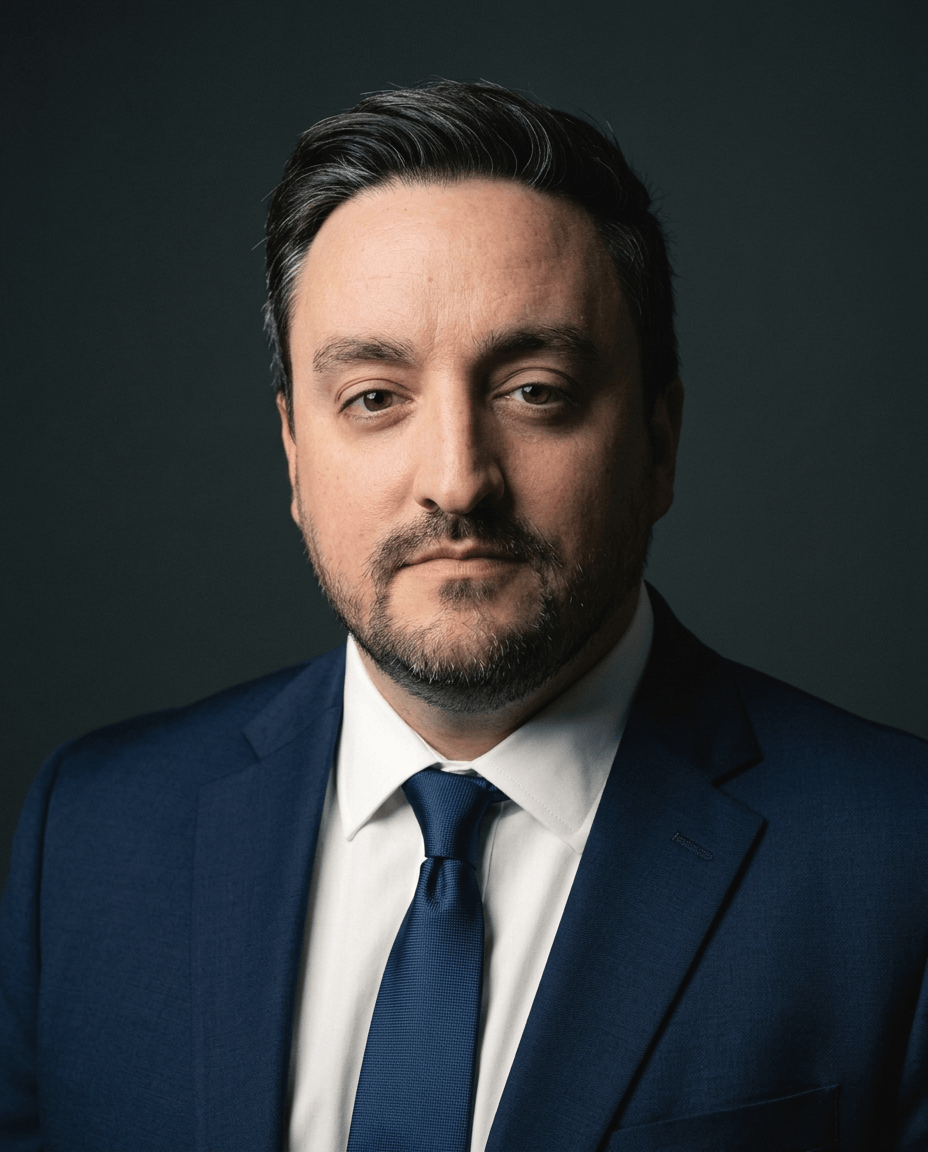
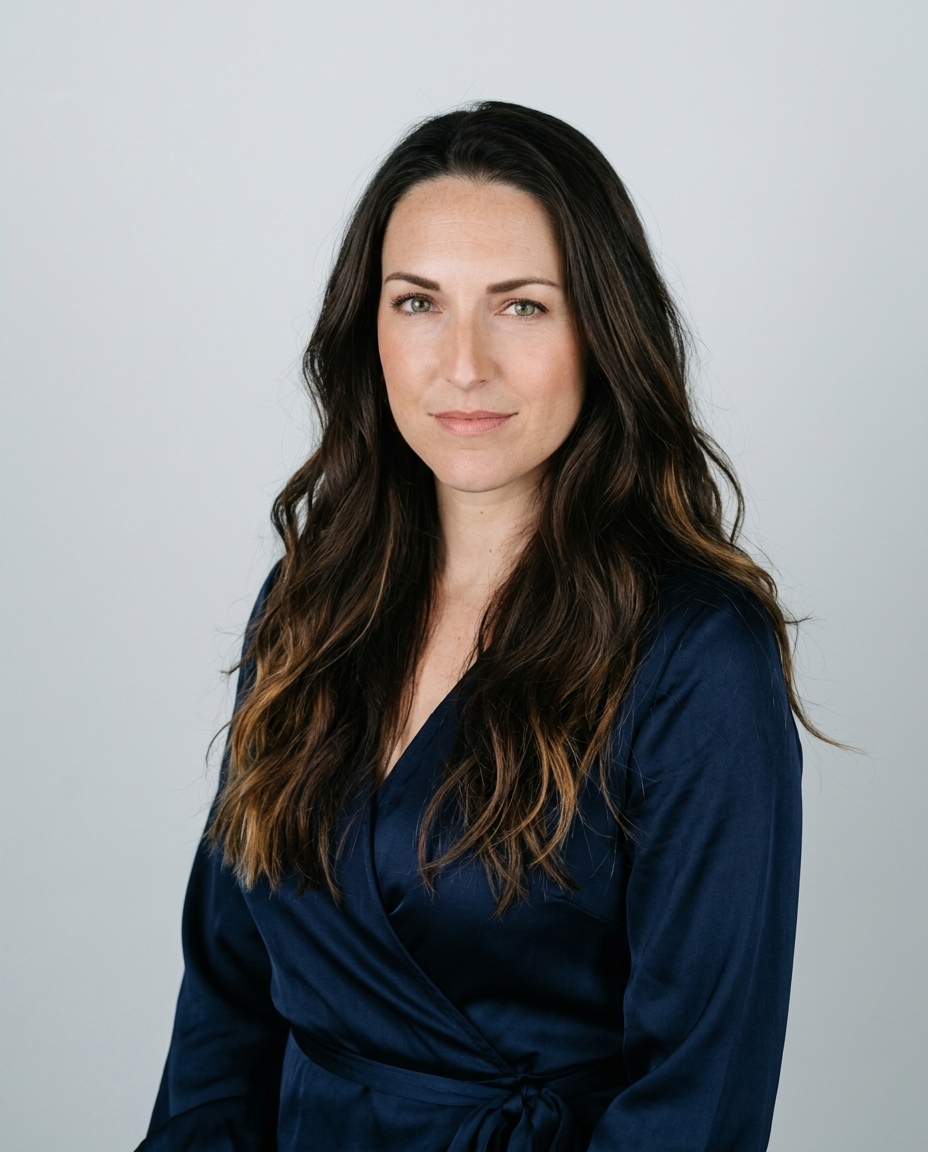
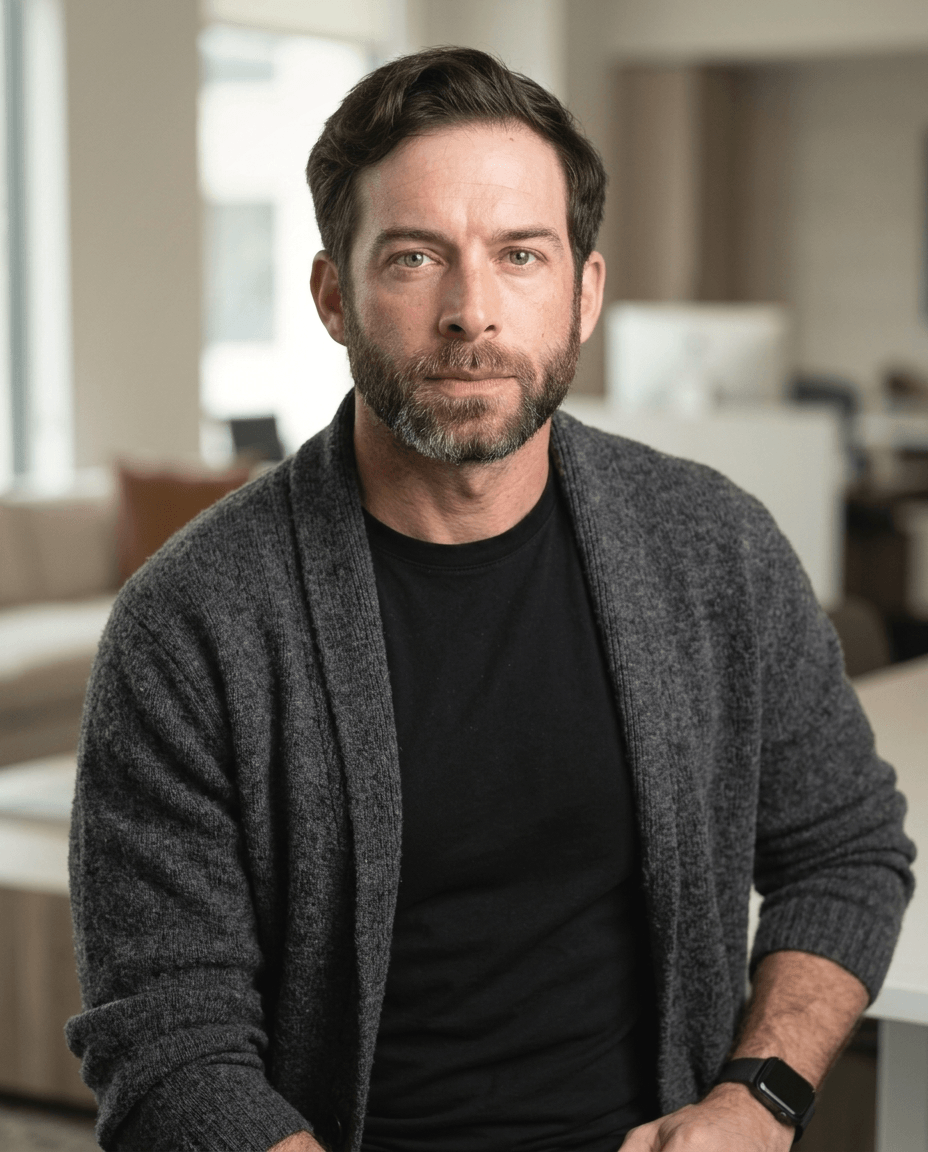

Most advice about professional headshots near me is outdated. It assumes the only serious option is booking a local photographer. That used to be true. It isn't now.
You have two legitimate paths. You can hire a photographer and do a traditional session. Or you can use an AI headshot service built from real studio experience. The honest answer is simple. A local photographer is worth it for a narrow set of jobs. For most professionals, AI now gives you a faster, cheaper, and more practical result.
Table of Contents
- You have two paths to a professional headshot in 2026
- The real cost of a traditional photographer
- How to find and vet a local photographer
- The AI headshot alternative explained
- Traditional vs AI headshots a direct comparison
- How to prepare for your headshot session
- Frequently asked questions
You have two paths to a professional headshot in 2026
A search for professional headshots near me still pushes you toward local studios. That's only half the picture. The key choice now is between a physical photo session and a digital workflow that starts with the photos already on your phone.

The old default is no longer the only serious option
The local route is familiar. You search, compare portfolios, book a slot, travel to the studio, pose under lights, review proofs, then wait for retouching. It still works. It's still the right call for some people.
But the assumption behind that search is wrong. You don't need to be physically near a photographer to get a polished professional image anymore. You need a credible result that looks appropriate for LinkedIn, a company website, a speaker bio, or a recruiting profile.
The right question isn't “Who is near me.” It's “Which workflow gets me the right image with the least friction.”
That matters because a headshot isn't just a photo. It's part of your professional packaging. If you're updating your profile as part of a broader effort around attracting ideal audience on LinkedIn, the image has to support trust, clarity, and consistency.
Why this perspective is different
This guide comes from photographers who built an AI product after years of studio work. Studio Pod, the automated headshot studio in Houston behind AiHeadshots, has photographed over 10,000 real professionals since 2019, and it was founded by photographers Joseph West and Chris Bailey, which means the system came from photographers rather than a software team retrofitting open models, as noted on the AiHeadshots press page.
That background changes the comparison. We know what a good in-person session requires. We also know where the traditional process wastes time, money, and effort for people who just need a clean, credible headshot.
If you need a highly specific portrait with live direction on set, hire a photographer. If you need a strong professional headshot quickly and affordably, the local search is no longer the obvious winner.
The real cost of a traditional photographer
A traditional photographer sells more than files. You're paying for taste, direction, lighting control, retouching, and the ability to get a usable expression from someone who hates being photographed. That's real value.
It's also why the total cost is higher than most search results suggest.
Individual sessions cost more than the headline implies
For one person, a reputable photographer commonly charges $300 to $600+ for a headshot session. That's the actual baseline, not the teaser price some directories imply. The day rate reflects skill, setup time, editing, and delivery.
The hidden part is what happens after the booking. You still need to block time on your calendar. You need to travel if the session is off-site. You need to coordinate wardrobe. In many cases, you also need to narrow proofs and request retouching revisions.
A polished headshot isn't made when the shutter clicks. Most of the work is before and after.
Team pricing is where the surprises start
Team pages often look straightforward. You'll see per-person numbers that seem reasonable. Then the quote arrives and the total shifts.
Search results for professional headshots near me often miss this pricing trap. Team rates are often listed at $75–$200 per person, but many local studios don't disclose minimum session fees or on-location surcharges, and mid-sized teams of 5–15 people can face totals up to $1,500+, according to this analysis of headshot photographer pricing.
That gap matters most for law firms, clinics, brokerages, and distributed companies. The per-person line item looks manageable. The coordination and minimums are what change the bill.
Practical rule: Ask for the full quote in writing before you book. Include studio fees, on-location fees, retouching limits, reschedule terms, and image licensing.
Time has a cost too
The operational cost is often undercounted. A traditional shoot can be smooth, but it still depends on scheduling. One person reschedules. Another needs a makeup slot. Someone wants a different crop for the website. That's normal. It's also why a simple headshot update turns into a project.
If you want a useful benchmark for what goes into a good studio image, read this breakdown of headshot prices and what you're paying for. It matches what experienced photographers already know. Good lighting, direction, and editing are labor-intensive.
A traditional photographer earns the fee when the assignment needs that level of control. If the job is “I need a polished headshot for work,” that same process can be overbuilt for the need.
How to find and vet a local photographer
If you've decided a photographer is the right fit, don't pick from thumbnails alone. Most portfolios look decent at first glance. The differences show up when you inspect consistency, direction, and technical discipline.
Read the portfolio like a photographer
Start with expressions. Do people look settled and confident, or do they look tense and over-directed. Great headshot photographers don't just light faces well. They coach people into looking like themselves.
Then look at the lighting across multiple subjects. In professional headshot lighting, the key light should sit 45 degrees off the subject's axis and slightly above eye level, with intensity 2–3 stops brighter than the fill light, according to this portrait lighting guide. You don't need to measure their setup yourself. You just need to notice whether the faces have shape, clean catchlights, and controlled shadows.
Retouching is the third tell. Skin should look like skin. If every face looks plasticky, the photographer is fixing weak capture with heavy editing.
Ask better questions before you book
A short conversation tells you more than a gallery page. Ask how they direct people who feel awkward on camera. Ask how many final images are included. Ask how long delivery usually takes. Ask what happens if you need a different crop for LinkedIn versus your company bio.
Use these three questions and listen carefully to the answers:
- How do you help clients look natural on camera
- How many finished files are included, and what costs extra
- What does delivery look like, from shoot day to final files
A strong photographer answers directly. A weak one stays vague.
If a photographer can't explain their process clearly, the session usually feels unclear too.
For a broader view of what companies should expect from a polished business session, this guide on corporate headshots photography is worth reviewing before you book.
Match the photographer to the job
The best local photographer for an actor isn't always the right one for a consulting firm. The right one for a startup founder isn't always the right one for a hospital group. Look for work that resembles your actual use case.
That sounds obvious, but many people searching professional headshots near me end up choosing the photographer with the nicest homepage instead of the one whose portfolio matches the assignment.
The AI headshot alternative explained
AI headshots changed the buying decision because they removed the hardest parts of the process. No scheduling. No travel. No studio slot. No waiting around for a gallery.
Instead, you upload recent photos and generate finished portraits from your own likeness.

What AI solves well
The strongest use case is straightforward. You need a professional image for LinkedIn, email signatures, a company bio page, conference materials, or a team directory. You don't need a location scout, hair and makeup coordination, or an afternoon blocked off for one photo.
That's where AI is more efficient. Instead of arranging a session, you upload 10–20 phone selfies and get 30+ studio-grade headshots in about 30 minutes. At the entry tier, the price is $29. That isn't a small discount from a traditional session. It's a different category of buying decision.
This is also why AI headshots have become part of the broader personal branding stack. If you're updating your profile, voice, and visual identity together, resources like this guide to using a personal branding tool help frame where the photo fits.
The trust issue is real
Most articles on professional headshots near me handle AI badly. They either dismiss it or treat every AI service as interchangeable. That misses the underlying concern.
Existing content often ignores the gap between synthetic images and photographer-directed sessions, which leaves professionals uncertain about authenticity and brand trust. It also skips the point that AI tools lack the live direction and studio experience a real photographer provides, as noted in this discussion of where to get professional headshots.
That concern is legitimate. Some AI results look generic because they were built by software teams chasing output volume. The systems produce faces. They don't reflect the logic of real studio shooting.
Why photographer heritage matters
The difference shows up in the details. Lighting direction. Facial shape. Wardrobe realism. Expression. Cropping. Background restraint. Those aren't accidental.
The strongest AI headshot systems inherit studio judgment. That's why photographer-built workflows tend to look more believable than software-first competitors such as HeadshotPro, BetterPic, Aragon, Secta, or ProPhotos. Those tools all serve the same category. The meaningful difference is who designed the visual standard behind the output.
If you want to understand what makes generated portraits believable instead of uncanny, this breakdown of AI photos that look real gets into the mechanics.
Traditional vs AI headshots a direct comparison
This is no longer a philosophical debate. It's a production choice. Both options can work. The right one depends on what you're trying to buy.
The larger context is clear. The global market for professional headshot photography services was valued at approximately $2.5 billion in 2023 and is projected to reach $5.8 billion by 2032, expanding at a 9.8% CAGR, according to DataIntelo's market report on professional headshot photography services. Demand is growing because professional images still matter. The workflow is what's changing.

Where a photographer still wins
A photographer wins when the shot itself is specific and directed. Think CEO portrait in a manufacturing facility. Think founder portrait in a custom interior. Think editorial profile with a deliberate mood and live feedback on set.
That kind of image depends on collaboration in the room. The photographer sees posture, adjusts chin angle, fixes jacket lines, tweaks light position, and reacts in real time. AI doesn't replace that. It interprets inputs after the fact.
Some assignments need a camera, lights, and a person giving direction in the room. That's still true.
Where AI wins on pure practicality
Most professionals aren't buying an editorial portrait. They're buying a credible headshot that looks current, clean, and appropriate. For that use case, the numbers are hard to ignore.
Here's the clearest side-by-side view:
| Factor | Traditional photographer | AI headshots |
|---|---|---|
| Cost | $300–$600+ for a typical session | $29 entry price |
| Speed | Days to weeks, depending on booking and delivery | About 30 minutes |
| Variety | A limited set of approved finals | 30+ generated options |
| Team consistency | Hard to keep identical across locations and dates | Easier to standardize remotely |
| Directed specificity | Strongest option | Less precise |
For teams, consistency becomes the deciding factor. Local photographers can absolutely do excellent company-wide headshots, but matching lighting, wardrobe feel, background tone, and delivery timing across multiple locations is hard. AI solves a lot of that operational mess because everyone starts from the same system.
If you want to see how people react after using this approach, the customer reviews are useful because they show the recurring reasons people switch: speed, simplicity, and having more than one usable option.
The clean decision rule
Hire a photographer if the assignment is custom, location-specific, or highly art-directed.
Use AI if the assignment is practical, profile-driven, budget-sensitive, or team-based.
That's the honest comparison. Not anti-photographer. Not anti-AI. Just job matching.
How to prepare for your headshot session
Preparation still matters. Good inputs create good outputs, whether you're standing in a studio or uploading selfies from your phone.

What works for both formats
Wear solid colors. Keep patterns quiet. Large logos pull attention away from your face and date the image faster. A simple crew neck, blouse, jacket, or collared shirt usually reads well.
Get rest the night before. Style your hair the way you normally wear it in professional settings. Don't choose an outfit that feels aspirational but unfamiliar. Headshots work when they look like your best real-world version.
Review examples before your session. People photograph better when they know the level of formality they're aiming for.
What matters if you're using phone photos
Clarity beats perfection. Use recent photos. Keep the background simple. Face soft natural light if you can. Avoid harsh sun and heavy filters.
Give some variety in expression and angle. A slight smile, a neutral look, and a more focused expression give the system better material to work from. That same principle applies in medicine, law, and other trust-heavy fields where presentation has to feel calm and credible. If you work in healthcare operations, even adjacent resources like Recepta.ai's medical call solutions are a reminder that professional communication is built from many small trust signals. Your headshot is one of them.
If you're using AI, don't overthink the source photos. Just make them clear, current, and representative.
Frequently asked questions
Will an AI headshot really look like me
Yes, if the system is built well and your source images are current. A good result looks like you on a strong day, with better lighting, cleaner styling, and more polish than a casual phone photo.
The bad versions people worry about usually come from weak inputs or generic systems. Believability depends on how well the workflow handles facial structure, skin texture, and expression.
Can a whole company use AI headshots
Yes. This is one of the strongest use cases because it removes scheduling and travel from the process. Distributed teams can submit photos remotely and still get a consistent visual style across the company site, sales materials, and recruiting pages.
If you manage headshots across departments, the operational benefit matters as much as the visual result. A shared standard is easier to maintain than a patchwork of local photographers in different cities. For teams, the team workflow is designed around that exact problem.
What if I don't like the results
Look for a provider that stands behind the product. AiHeadshots offers a 100% money-back guarantee within 14 days, which is the right policy for a service like this. If the output doesn't meet the bar, you shouldn't be stuck with it.
It also helps to review packages and examples before you upload anything. The pricing page lays out the available tiers clearly.
Is a local photographer still worth searching for
Yes, sometimes. If you need a very specific shot, personal coaching on set, or an environmental portrait tied to a real location, a photographer is still the better tool for the job.
But if you searched professional headshots near me because you need a polished image for work, there's a good chance the local route is slower and more expensive than the assignment requires.
Upload 10 selfies, see your first headshot in 30 minutes, and compare packages at AiHeadshots.