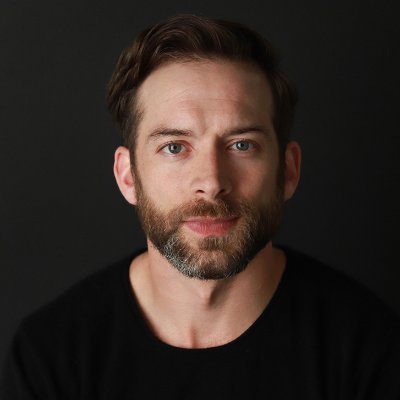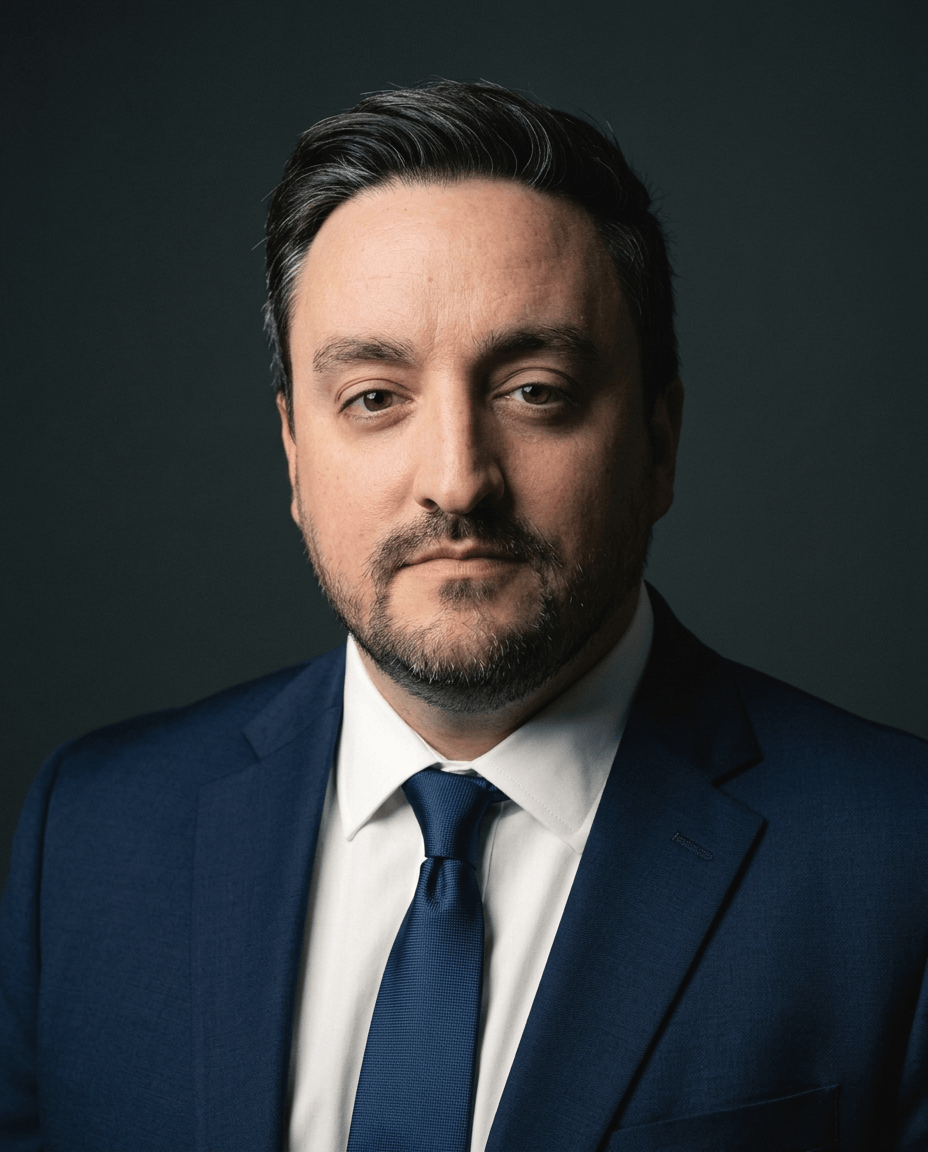
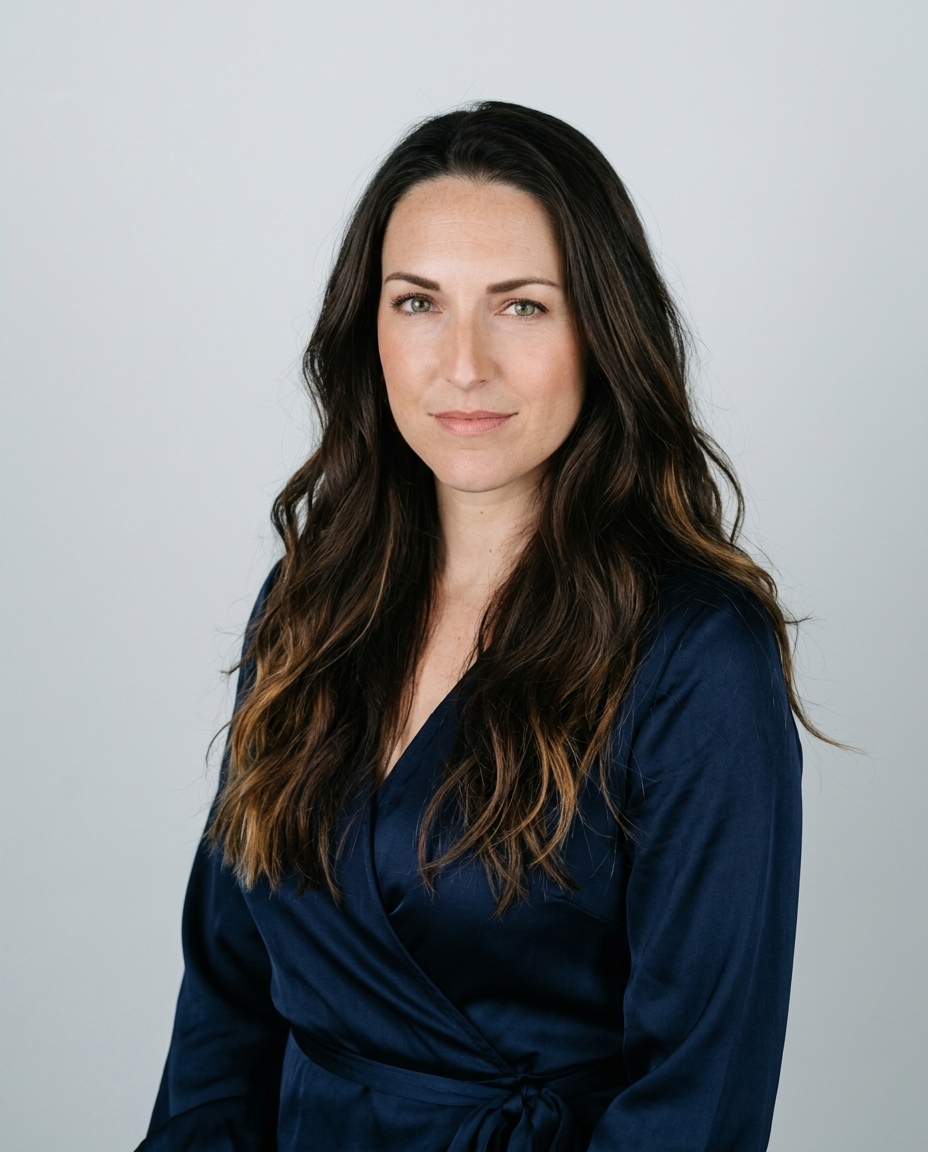
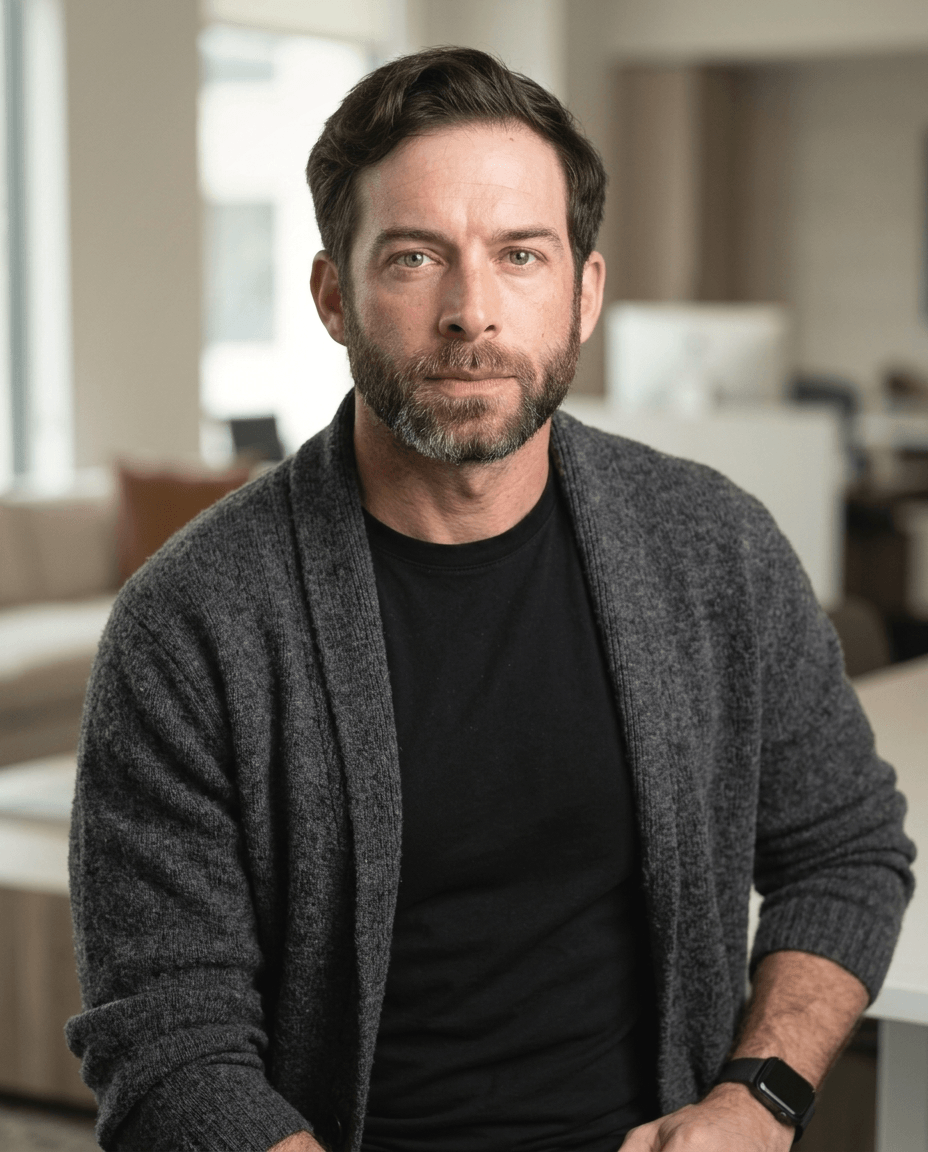
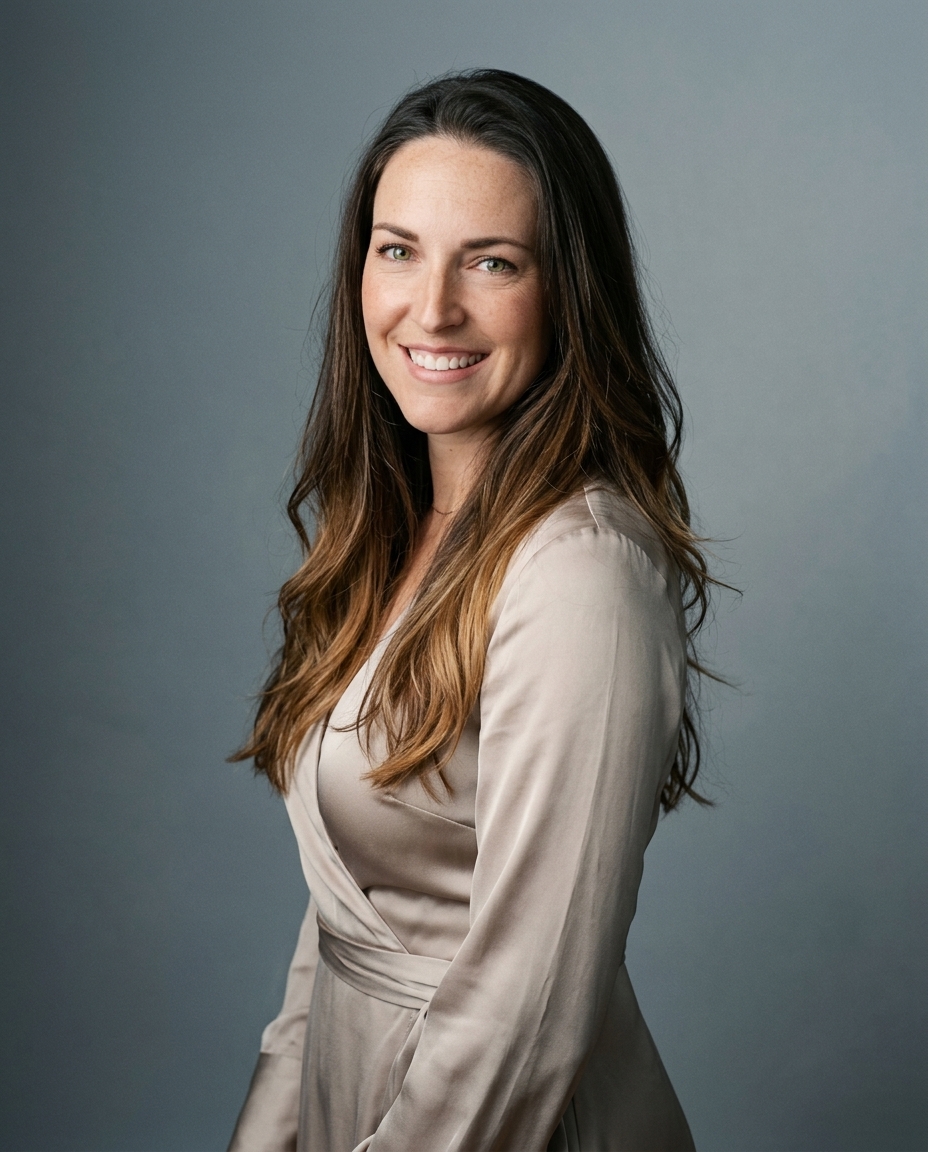

Your profile picture works harder than you do. LinkedIn's own ecosystem has long shown that a photo changes how often people see and interact with your profile. Research summarized by Tribal Impact reports that profiles with a photo are far more likely to be viewed, messaged, and sent connection requests than profiles without one, including a 14x lift in profile views from having a picture present and much higher message and connection activity once a photo is added (Tribal Impact on LinkedIn photo visibility). After shooting over 10,000 real professionals at Studio Pod in Houston since 2019, we've seen the same thing in practice. The photo is not decoration. It is your first filter.
These aren't opinion-based LinkedIn profile picture tips. They're the principles we refined in a working studio, then built into AiHeadshots. Joseph West and Chris Bailey founded Studio Pod as photographers first, then built AiHeadshots from that photography foundation. That's why our system behaves like a headshot studio, not a generic image generator.
For a broader outside perspective, BAMF's guide to professional LinkedIn photos is also worth a read.
Table of Contents
- 1. Wear solid colors that contrast with your skin tone
- 2. Use natural lighting and shoot from eye level or slightly above
- 3. Show genuine expression and subtle emotion
- 4. Choose a simple, uncluttered background
- 5. Keep your hair and makeup groomed but not overdone
- 6. Position your shoulders at a slight angle, not straight-on
- 7. Shoot 10–20 selfies with micro-variations, not just one perfect shot
- 7-Point LinkedIn Profile Photo Comparison
- Your next headshot in 30 minutes
1. Wear solid colors that contrast with your skin tone
Clothing is the frame around your face. If it competes with your face, you lose.
Solid colors win because LinkedIn thumbnails are small. A clean navy shirt, charcoal blazer, deep teal top, burgundy blouse, or forest green knit reads clearly at every size. Busy patterns don't. Thin stripes shimmer. Loud prints pull the eye away from your expression.

If your skin tone is lighter, darker jewel tones and deep grays usually create better separation. If your skin tone is deeper, saturated jewel tones and warm neutrals often hold shape and richness better than pale colors. White and very light beige often flatten under bright light and disappear against light backgrounds.
Pick one color and commit
You don't need a fashion strategy. You need contrast, simplicity, and consistency.
Fortune 500 executive portraits often default to navy and charcoal for a reason. Legal and finance professionals do it because those colors read as steady and credible. Tech founders often simplify even further with black or dark gray because it keeps the portrait minimal.
Practical rule: If your shirt is the first thing you notice in the thumbnail, it's the wrong shirt.
Bring several solid options when you shoot your input selfies. Then keep the same clothing color across your final selection so your headshot looks consistent anywhere you use it. If you want wardrobe specifics, our guide to executive headshot wardrobe breaks that down in detail.
2. Use natural lighting and shoot from eye level or slightly above
Bad lighting ruins more LinkedIn photos than bad cameras do.
Soft directional light creates catchlights in the eyes, and JDP's LinkedIn photo research notes that this kind of light supports stronger perceived vitality, while harsh overhead lighting tends to hurt competence and approachability judgments (JDP research on LinkedIn photo performance). That tracks exactly with what we see in the studio. Good light makes you look awake, present, and trustworthy.

Window light is the easiest fix. Stand near a large window. Turn slightly so the light hits across your face instead of blasting straight on. If you're outside, use open shade. A porch, a building overhang, or the shaded side of a bright street works better than direct noon sun.
Light before style
Phone angle matters too. Keep the camera at eye level or a touch above. Don't shoot from below your chin. That angle distorts your jawline and neck and never looks intentional.
Set your eyes in the upper portion of the frame. Keep your head and shoulders dominant in the image. JDP's research also found that face visibility is the strongest predictor of performance, with the face filling roughly 60 to 70% of the frame for best recognition on LinkedIn and mobile browsing.
Use this quick setup video before you shoot.
For a deeper walkthrough, see our piece on the best lighting for headshots.
3. Show genuine expression and subtle emotion
Your expression decides whether the photo feels credible. In our 10,000 headshot study, the strongest LinkedIn images were not the biggest smiles or the most serious faces. They showed controlled warmth. Real eye contact. A mouth that looked relaxed, not performed.
You are not trying to look cheerful for the sake of it. You are trying to look like someone people would trust in a meeting, on a sales call, or in a hiring process. That means soft eyes, a settled brow, and a slight lift at the corners of the mouth if it fits your role.

Start with this rule. Drop the badge-photo smile. Drop the stone face too. The best expression usually appears a few seconds after you stop posing and start thinking about a real person.
Match the expression to the job
Expression should fit your market. Pursue Networking's role-based guidance says smiling tends to perform better in creative, sales, and HR roles, while more neutral expressions often read as more authoritative in law, finance, and executive leadership (Pursue Networking on LinkedIn photo lighting and composition).
That lines up with what photographers see every day, and with what we built into AiHeadshots. Warmth works best when the job depends on approachability. Restraint works better when the job depends on judgment, authority, or discretion.
Use a simple prompt before the shot. Think of a respected colleague you like working with. Your face will settle fast. The eyes engage. The mouth stops forcing it.
If you also need the full image to read clean and professional, pair expression with a simple headshot background that keeps attention on your face. Expression carries the connection. Everything else should support it.
4. Choose a simple, uncluttered background
Background choice changes how competent you look. Fast. In our 10,000 headshot study, the strongest LinkedIn photos kept attention on the face, not the setting. That same rule is built into AiHeadshots because it works in real portraits, not just theory.
A good background stays quiet. No shelves fighting for attention. No framed art cutting through your head. No kitchen corners, car interiors, or busy office details that make the image feel casual.
Keep the background visually silent
Use a plain wall, a soft neutral surface, or an outdoor backdrop that blurs into simple color and shape. If you want an office setting, keep it clean and distant so nothing readable or distracting shows behind you.
Distance helps more than people realize. Step away from the wall. Let the background soften. Your face separates better, and the photo looks more polished without looking staged.
The best spot at home is often the least interesting one. A blank hallway wall. A curtain with no pattern. A clean corner with even light.
If you want a quick reference for what reads polished versus distracting, our guide to the best headshot background shows clear examples.
Small flaws are fixable. The priority is still simple. Keep the frame clean so your face does the work.
5. Keep your hair and makeup groomed but not overdone
Over-styling hurts trust. In our 10,000-headshot study, the strongest LinkedIn photos looked polished, current, and believable. That rule also shapes AiHeadshots because real professional portraits work best when grooming supports the face instead of competing with it.
Hair should look controlled and familiar. Wear it the way colleagues already know you. Skip last-minute experiments, fresh color changes, or heavy product that makes the style look stiff on camera.
Look polished, not produced
Makeup should clean up the image, not dominate it. Aim for even skin tone, tidy brows, reduced shine, and light definition if that matches your normal work look. Strong contour, glitter, dramatic lashes, and evening makeup make the photo feel styled for an event instead of a career profile.
The same standard applies to men. Trim facial hair cleanly. Shave early enough to avoid redness. Get a haircut a few days before the shoot so it settles and looks natural.
Small grooming choices matter. Flyaways catch light. Oily skin reflects more than you expect. Dry lips and under-eye fatigue read clearly in a tight crop. Fix the basics first, then stop.
Clean, restrained grooming also ages better. Trend-driven styling dates a headshot fast, while a simple professional look stays usable longer and keeps your photo aligned with how people meet you at work.
For a useful outside reference on how styling affects visual balance in portraits, see this visual storytelling photography guide.
6. Position your shoulders at a slight angle, not straight-on
Straight-on shoulders flatten the portrait. A slight turn adds structure immediately.
In the studio, we rarely keep people square to camera unless we want a formal ID-photo feel. A subtle three-quarter pose is the standard because it creates shape through the shoulders, neck, and jawline without looking posed. Turn your torso slightly away from the camera, then bring your eyes back toward lens.
Use the standard portrait angle
This is a small adjustment. It changes everything.
Keep your shoulders relaxed and dropped. Let one shoulder sit a little closer to the camera than the other. Don't twist hard. Don't lean dramatically. You want dimension, not drama.
Magazine portraits, executive bios, law firm team pages, and investor decks use this angle constantly because it reads polished without calling attention to the pose. It works for almost everyone because it creates a clean line from shoulder to jaw.
If you're taking the source selfies yourself, prop your phone at eye level and review posture between shots. If someone else is helping, ask them to keep framing consistent while you make tiny shoulder adjustments.
For a good outside reference on compositional thinking, see this visual storytelling photography guide.
7. Shoot 10–20 selfies with micro-variations, not just one perfect shot
One perfect selfie is not the assignment. A strong set is.
AiHeadshots works best when you upload a range of clean inputs. The verified guidance for AI LinkedIn headshots is straightforward. Upload 10 to 20 phone selfies, because multiple industry providers require at least 6 to 10 images for stronger realism and fewer uploads reduce stylistic accuracy and increase artifacts (YouTube breakdown of AI headshot input requirements).
Give AiHeadshots enough to work with
Keep the location, clothing, and lighting consistent. Then change only small things from frame to frame. Slight head tilt. Slight jaw shift. Neutral mouth, then micro-smile. Shoulders a bit more open, then a bit more angled. That gives the system a fuller read on your face without introducing chaos.
Our photographer background proves valuable. Studio Pod shot 10,000+ real professionals before building AiHeadshots, so we didn't treat input images like generic training fodder. We treated them the way photographers treat a contact sheet. Variation creates options. Options create better selects.
Our system is built for speed too. AiHeadshots delivers 30+ studio-grade headshots in about 30 minutes, with tiers at $29, $39, and $59. Traditional photographers often charge $300 to $600+ for a session and require scheduling, shooting, and retouching time. Verified reporting on AI headshots also describes a typical turnaround window of 10 to 30 minutes, versus 2 to 4 weeks for many traditional photography workflows (analysis of AI headshot turnaround times).
If you're comparing options like HeadshotPro, BetterPic, Aragon, Secta, or ProPhotos, stay factual. They all solve a similar need. Our edge is simpler. We're photographers who built AiHeadshots from a real studio process, we price entry at $29, and we deliver fast.
7-Point LinkedIn Profile Photo Comparison
| Item | Implementation complexity 🔄 | Resource requirements ⚡ | Expected outcomes ⭐ | Ideal use cases 📊 | Key advantages 💡 |
|---|---|---|---|---|---|
| Wear solid colors that contrast with your skin tone | Low, simple wardrobe choice | Minimal, choose 2–4 garments; no special gear | ⭐⭐⭐⭐, clearer focus on face; improves thumbnail readability | Corporate profiles, team photos, LinkedIn thumbnails | Clean, timeless look; easier brand consistency |
| Use natural lighting and shoot from eye level or slightly above | Medium, requires timing and positioning | Low, smartphone + window or overcast outdoors; tripod optional | ⭐⭐⭐⭐⭐, flattering, diffuse light reduces harsh shadows | DIY headshots, remote workers, influencers | High-quality results without studio cost; forgiving lighting |
| Show genuine expression and subtle emotion | Medium, practice and self-awareness needed | Minimal, practice time or brief coaching | ⭐⭐⭐⭐⭐, increases trust and engagement | Sales, consulting, client-facing roles, coaches | Signals approachability; improves connection and response rates |
| Choose a simple, uncluttered background | Low, reposition or select plain backdrop | Minimal, plain wall, curtain, or blurred outdoor background | ⭐⭐⭐⭐, face remains focal point; timeless presentation | Company directories, professional profiles, thumbnails | Eliminates distraction; works across layouts and devices |
| Keep your hair and makeup groomed but not overdone | Low–Medium, prepare ahead, avoid new styles day-of | Low, basic grooming tools; optional stylist | ⭐⭐⭐⭐, authentic, polished appearance | All industries, especially client-facing and executive | Enhances features subtly; reads as professional and natural |
| Position your shoulders at a slight angle, not straight-on | Medium, requires posing practice or guidance | Minimal, practice or assistant; tripod helps | ⭐⭐⭐⭐, more flattering, defines jawline and neck | Editorial portraits, LinkedIn, executive headshots | Adds dimension and approachability without looking posed |
| Shoot 10–20 selfies with micro-variations, not just one perfect shot | Medium, deliberate process and consistency | Moderate, 15–20 minutes, consistent lighting, tripod/helper recommended | ⭐⭐⭐⭐⭐, richer input yields more polished AI/output variety | AI-generated headshots, remote sessions, anyone wanting options | Produces greater variety and higher-quality AI results; faster polish turnaround |
Your next headshot in 30 minutes
A strong LinkedIn photo isn't luck. It's a short list of visible decisions. Clean wardrobe. Good light. Clear framing. A believable expression. A quiet background. Grooming that looks current. Posture that adds shape without looking staged.
Those are the same principles we used after photographing more than 10,000 professionals at Studio Pod in Houston. They're also the principles built into AiHeadshots. Joseph West and Chris Bailey didn't start with an open model and retrofit it for headshots. They built the system from a working studio and years of observing what reads as credible on professional profiles. That difference shows up in the output.
There's also a practical reason more professionals are switching to AI-generated headshots. The speed changes the decision. AiHeadshots produces 30+ studio-grade headshots in about 30 minutes from 10 to 20 phone selfies. There's no studio visit. There's no scheduling delay. There's no waiting weeks for delivery. If you need updated LinkedIn photos for a job search, a speaking bio, a team page, or a company-wide refresh, that matters.
Trust matters too. The conversation around AI headshots has shifted from “Is it fake?” to “Does it look real enough to trust?” Verified discussion around that trust gap has become more nuanced, including the view that high-quality AI headshots can read as more trustworthy than poor selfies when the lighting, skin texture, and realism are handled properly (LinkedIn talent blog discussion referenced in this analysis). That's exactly why photographer-led systems matter.
AiHeadshots has served 30,000+ customers, delivered 255,000+ headshots, and holds a 4.9★ rating. We offer a 100% money-back guarantee within 14 days. Uploads are retained for 7 days, outputs for 30 days, and billing data for 90 days.
Upload 10 selfies, see your first headshot in 30 minutes, $29.
AiHeadshots from Studio Pod gives you 30+ studio-grade headshots in about 30 minutes from 10–20 phone selfies, with pricing at Basic on our pricing page, examples on our headshot examples gallery, customer feedback on our reviews page, team options on our teams page, our photography background on our about page, and the fastest path to your own results on AiHeadshots upload.