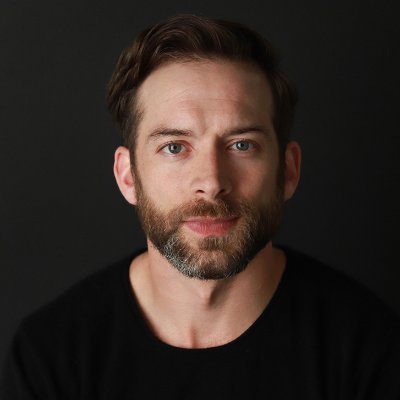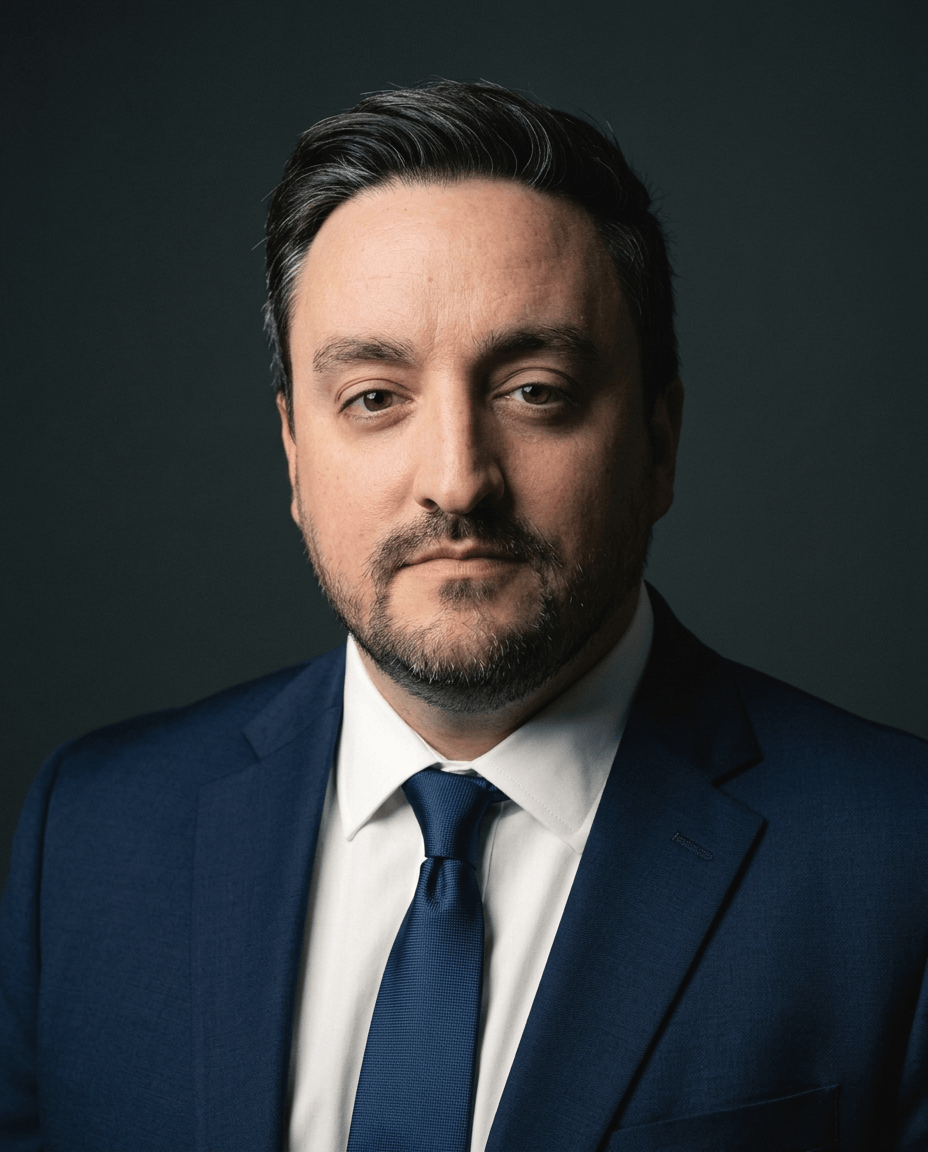
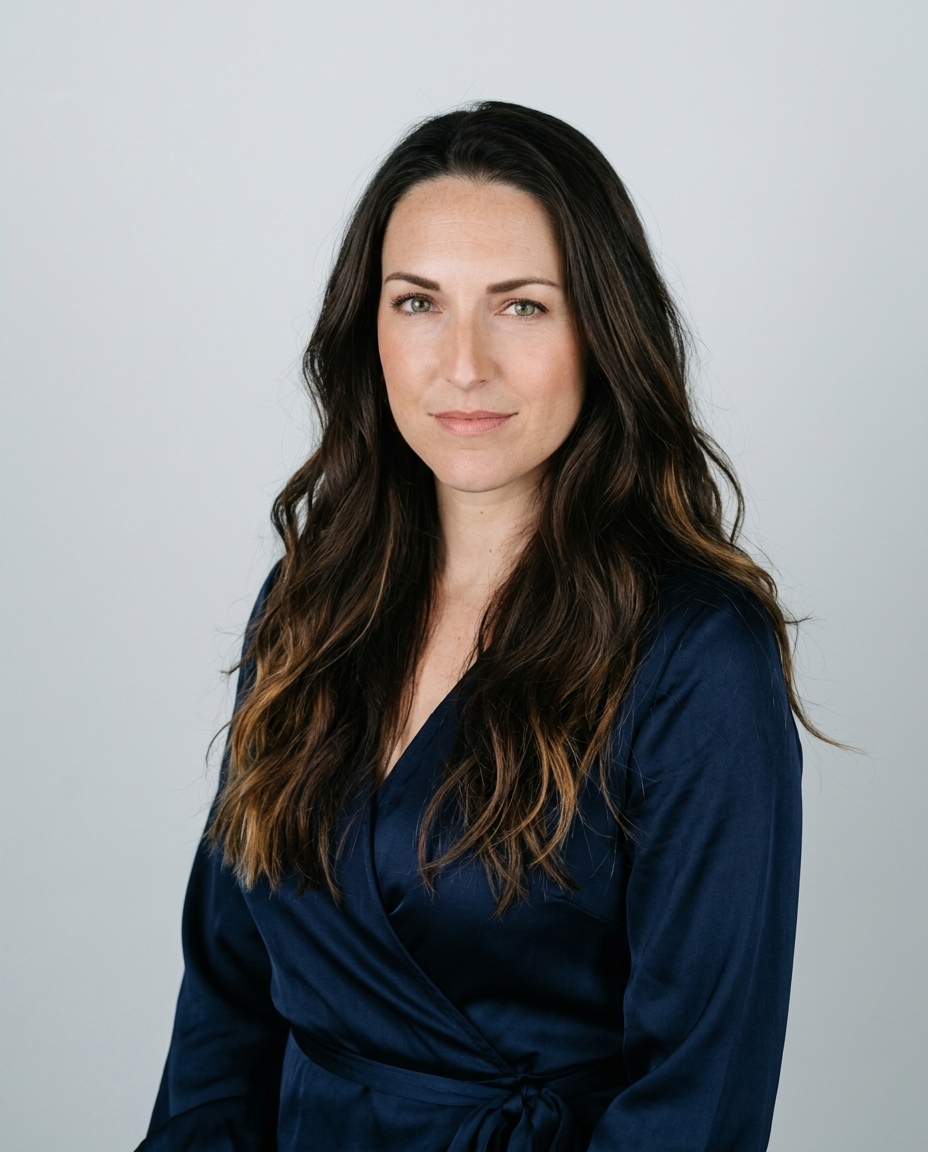
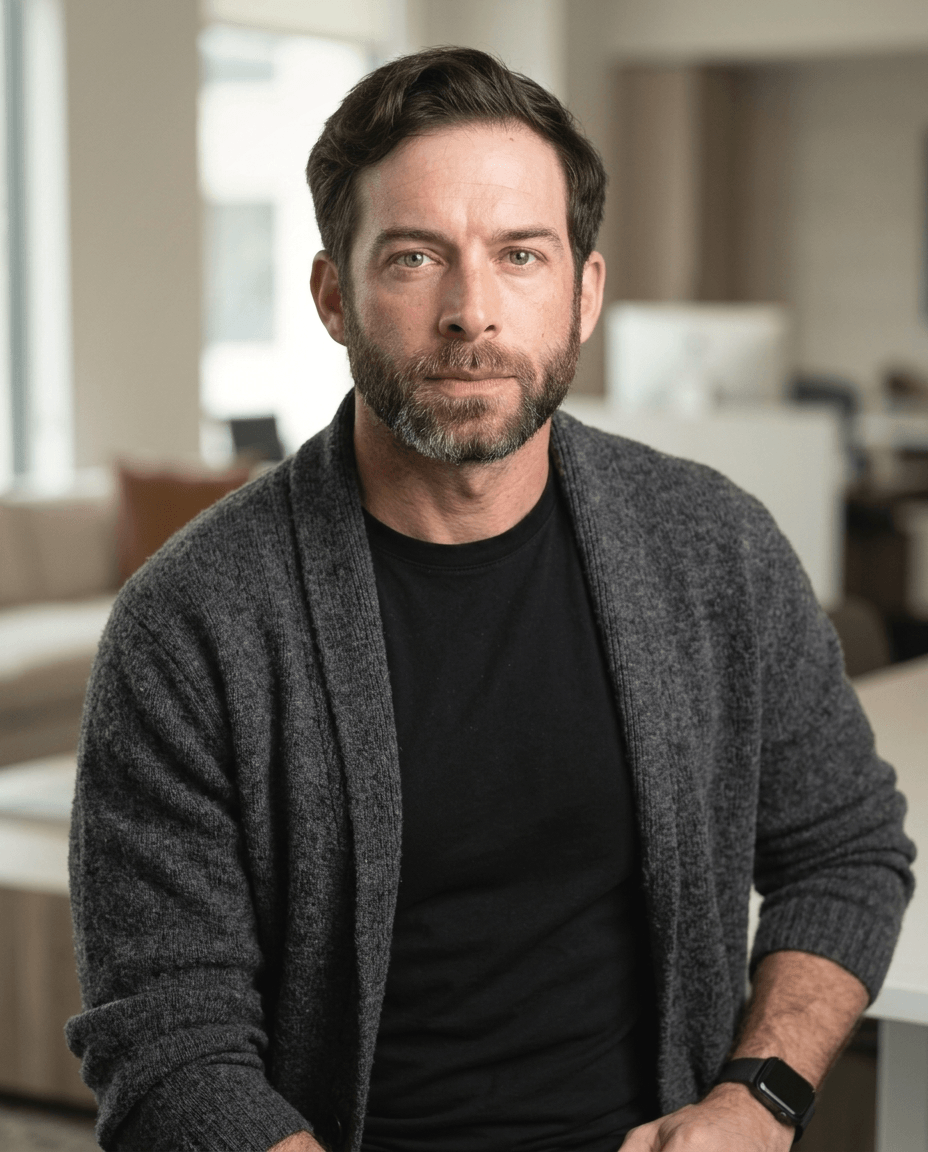
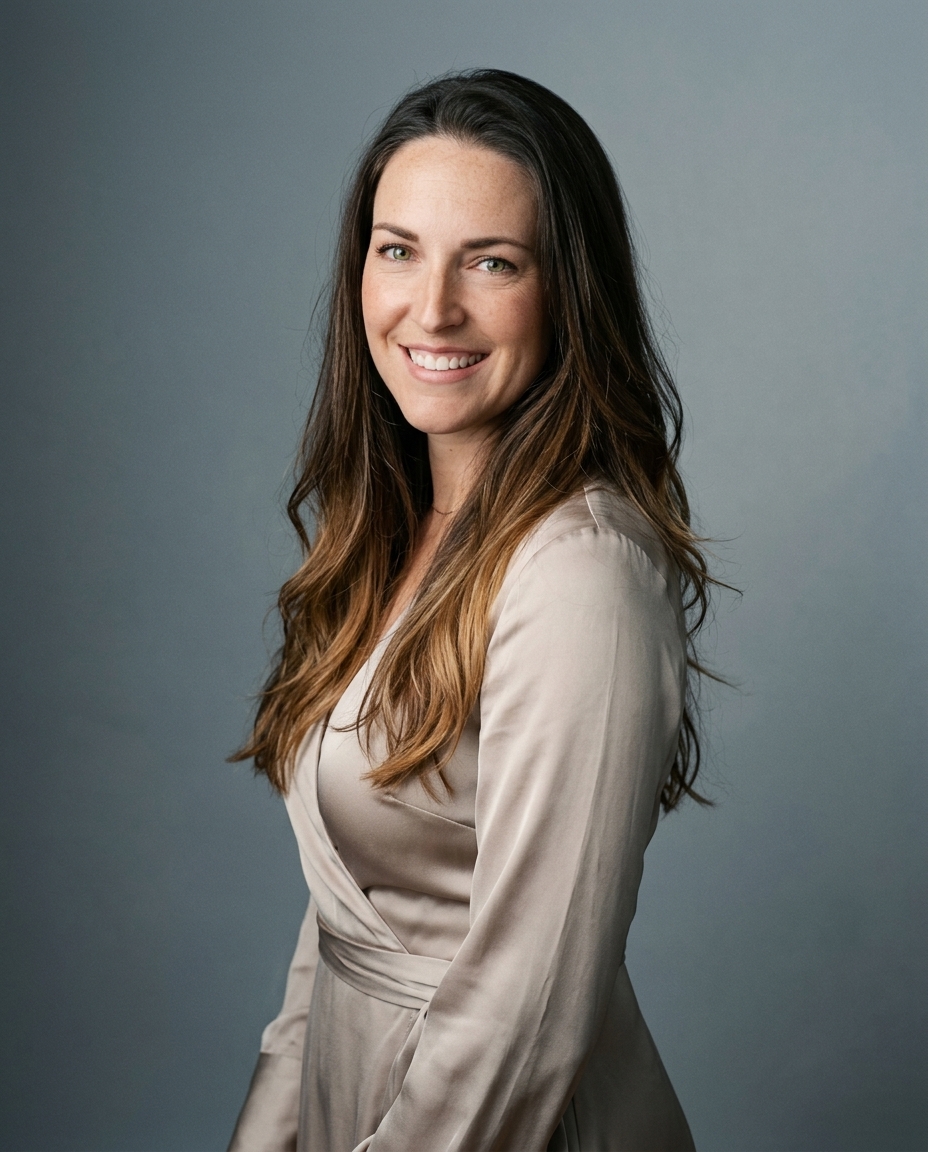

A strong LinkedIn headshot doesn't make you look polished. It signals the right kind of trust for the professional context, audience, and level of authority your profile needs to communicate. An executive portrait should feel controlled and credible. A founder photo can be more relaxed. A performer needs expressive range. A job seeker needs versatility.
The best LinkedIn headshot examples make deliberate decisions about facial expression, shoulder position, lighting direction, background control, wardrobe, and crop. LinkedIn says profiles with a photo are up to 14 times more likely to be viewed, while other platform guidance cites up to 21 times more views, 9 times more connection requests, and 36 times more messages for profiles with photos than profiles without them. LinkedIn also reports that 86% of recruiters and hiring managers spend 30 seconds or less on an initial profile screen, so your face becomes an important visual cue almost immediately. LinkedIn profile photo research and guidance explains why a clear portrait matters more than decorative visuals.
AiHeadshots comes from Studio Pod, an automated headshot studio in Houston founded by photographers Joseph West and Chris Bailey. Our photographers have shot 10,000+ real professionals since 2019. We built AiHeadshots as photographers, not as a software team retrofitting open models. Upload 10 to 20 phone selfies, receive 30+ studio-grade headshots in about 30 minutes, and choose Basic at $29, Professional at $39, Executive at $59, or Teams pricing of $22 to $29 per seat for 10+ seats. A traditional photographer's day rate starts at $300 to $600+, which changes the calculation for professionals who need several credible options quickly.
Table of Contents
- 1. The corporate executive headshot
- 2. The startup founder headshot
- 3. The professional services headshot
- 4. The tech industry headshot
- 5. The job seeker and career changer headshot
- 6. The actor and performer headshot
- 7. The nonprofit and mission-driven organization headshot
- 8. The personal brand and content creator headshot
- LinkedIn Headshot Comparison, 8 Profile Types
- Choose the signal your profile needs
1. The corporate executive headshot
An executive headshot should communicate authority before anyone reads your title. The strongest version uses polished grooming, controlled posture, and lighting that defines facial structure without making the portrait feel severe. A blazer, tie, or restrained professional jewelry adds context, but the clothing should support your face rather than compete with it.
Use a neutral or subtly branded background for a CFO, COO, board member, or leadership-page portrait. A corporate executive profile often appears beside other senior leaders, so consistency matters. The image should also hold up in an annual report, investor communication, or professional services directory, not only in LinkedIn's circular crop.

Build authority from ordinary selfies
Wear the same blazer and shirt in several source selfies. That gives AiHeadshots a consistent visual base while preserving small changes in angle and expression. Face a window with soft natural light, and avoid harsh overhead lighting that deepens shadows beneath the eyes.
Your face should fill roughly 50 to 70% of each source frame. Submit 15 to 20 selfies with varied expressions, but keep the wardrobe and grooming consistent. That combination gives the system useful options without turning the final gallery into unrelated looks.
Executive rule: A controlled half-smile usually communicates more than a rigid neutral expression. Keep your shoulders relaxed, your eyes direct, and your chin level.
For a senior leader, the Executive tier at $59 suits high-resolution uses where retouching and finish receive close attention. Basic at $29 is useful for testing. Professional at $39 fits a polished individual profile. Compare poses and finishes in these LinkedIn profile picture examples, then use one image consistently across your profile and company biography.
2. The startup founder headshot
A founder portrait has to balance credibility with access. A heavily formal suit can create distance if your company presents itself as hands-on and inventive. A hoodie or casual button-up can work, but only when the lighting, crop, and expression still look intentional.
The best founder examples feel like the person customers, employees, and investors expect to meet. Use a relaxed shoulder angle, a softer background, and direct eye contact. A genuine smile works well for an About page or podcast bio. A composed expression fits a pitch deck or investor update.

Keep the image authentic across channels
Shoot selfies in your actual daily uniform. That can mean a hoodie, a casual button-up, or a clean crewneck. Don't dress as an executive if the rest of your public presence says builder, designer, or engineer.
Create expression variety deliberately. Include one confident serious look, one genuine smile, and one frame with more visible energy, such as a mid-laugh expression. Request white and light-gray backgrounds because they move easily between LinkedIn, press materials, company pages, and email signatures.
If a co-founder also needs a portrait, match the lighting, crop, and background family. Exact poses aren't necessary. Visual cohesion is.
Use the Basic tier at $29 for fast iteration while you decide how the company should present itself. Move to Professional at $39 when the portrait goes into press coverage, a pitch deck, or investor-facing materials. Founders who want a broader set of professional references can also review AiHeadshots customer reviews before choosing a final direction.
3. The professional services headshot
Lawyers, doctors, therapists, accountants, consultants, and real estate professionals need portraits that feel warm without losing authority. Clients often see the photo before they visit a practice page, read a partner biography, or schedule a consultation. A cold portrait creates distance. An overly casual portrait can undercut confidence.
Start with the clothing you'd wear to a meaningful client meeting. A dark blazer, conservative shirt, or professional dress provides context without turning the image into a costume. Keep the background neutral and uncluttered. Gray, beige, and soft white are practical choices for a solo practice and for a full team directory.

Warmth needs control
Direct eye contact makes the portrait easier to trust. A restrained smile usually works better than a broad grin in formal practices. If you wear glasses, check every source selfie for reflections. Non-reflective frames or a slight change in window position can keep your eyes visible.
Submit 15 to 20 selfies with mostly neutral expressions. That gives AiHeadshots enough material to find a natural, attentive expression without forcing excessive friendliness. For client-facing use, Professional at $39 is a practical baseline. Executive at $59 suits partners, physicians, senior consultants, or portraits that will appear in high-resolution marketing materials.
A team should use the same background family and similar crop. This doesn't mean every person needs identical lighting or posture. It means the directory should look organized when visitors scan from one professional to the next. Use this guide to what to wear for a LinkedIn headshot before collecting team selfies.
4. The tech industry headshot
Tech professionals don't need to look formal to look credible. A software engineer, product manager, developer advocate, or conference speaker can use a hoodie, T-shirt, or casual button-up when the portrait has clear lighting and a disciplined crop.
This style works through contrast. The wardrobe feels familiar to the subject's working environment. The face remains sharp and prominent. A white or light-blue background gives the portrait a clean, modern frame without adding visual noise. A relaxed expression signals approachability, which matters for recruiting, open-source communities, engineering blogs, and conference programs.
Photograph the real working identity
Use natural window light or a well-lit office. Avoid a dim desk setup, colored monitor light, and overhead fluorescent fixtures. Those sources create uneven skin tones and eye shadows that no background choice can fully solve.
Wear the clothing you use at work. A company hoodie is useful when it reflects your daily role and doesn't dominate the frame. A casual button-up gives you more range for marketing materials. Keep logos modest so the portrait remains about the person.
Request white or light-blue background options. They fit LinkedIn, engineering blog bylines, careers pages, and speaker profiles. Choose Basic at $29 for quick profile iterations. Professional at $39 makes more sense when the image will appear in a conference bio, recruitment campaign, or company marketing asset.
A tech team should define one background family before collecting submissions. Consistency helps the group look intentional, while each person can keep their own expression and clothing. That balance is more believable than forcing every engineer into the same corporate pose.
5. The job seeker and career changer headshot
A job seeker needs one portrait that works across recruiter searches, company pages, outreach emails, and application materials. Career changers have an additional problem. Their image must look credible for the role they want without pretending they already belong to a culture they haven't entered.
Use several authentic wardrobe directions. One blazer-forward look fits traditional industries. One casual-professional look suits technology or startups. A third option can reflect a specific field, such as medical scrubs or construction gear, when that clothing is part of your target role.
Give the image room to travel
Request both neutral and colored background options. Neutral backgrounds are safer for broad applications. A soft color can add personality when it supports the new field or your personal positioning.
Aim for clear eye contact and a genuine smile. Recruiters often make rapid first assessments, and LinkedIn reports that 86% of recruiters and hiring managers spend 30 seconds or less on an initial profile screen. LinkedIn headshot guidance for 2026 can help you check crop, wardrobe, and profile presentation before replacing your current image.
Basic at $29 handles an immediate search. Professional at $39 gives you a more polished choice when interviews, outreach, or public-facing applications are imminent. Update your profile as soon as you select the final image so the portrait matches the person recruiters will meet.
If you're targeting a specific market, pair the new portrait with focused networking and role research, such as browsing tech jobs in NYC. The headshot won't replace a strong profile, but it should stop creating unnecessary doubt about your preparation.
6. The actor and performer headshot
Performers need more than one emotional setting. An actor, voice performer, model, comedian, or entertainer may need a composed image for an agency directory, a friendly image for a casting database, and a more intense version for a specific category.
The photography still begins with fundamentals. Keep clothing simple and neutral so the face leads. Use a clean white or soft-gray background. Frame the phone source from forehead to chin with enough shoulder information to keep the image human, not cropped like an ID photo.
Range matters more than decoration
Submit varied expressions. Include neutral, genuine smile, surprise, intensity, and playful options. Keep the face recognizable across every frame. The purpose isn't to create five different identities. It's to show credible range around the same person.
Professional at $39 is the minimum sensible tier for performer materials. Executive at $59 fits an agent submission or a higher-resolution portfolio requirement. AiHeadshots makes it practical to test different expressions and background treatments without arranging a separate studio session for every variation.
A casting headshot should reveal personality quickly. It shouldn't bury the face under dramatic wardrobe, heavy effects, or a distracting environment.
Review the process visually before submitting your selfies:
Use the final images selectively. A performer doesn't need to use every variation on LinkedIn. Choose the portrait that matches the professional identity you want casting directors, agents, or collaborators to remember.
7. The nonprofit and mission-driven organization headshot
Nonprofit portraits should feel human before they feel corporate. Donors, community partners, volunteers, and program participants want to see people who appear present, capable, and connected to the work. A rigid executive pose can create distance. An unstructured snapshot can weaken organizational confidence.
Wear what you'd wear to a community event or board meeting. That may be a blazer, a knit top, or a polished outfit that reflects the environment where you serve. Authentic clothing matters because the portrait should match the person stakeholders encounter in real interactions.
Use warmth with a shared standard
Relax your shoulders and use a genuine smile. Soft window light is particularly useful for this style because it keeps the expression open without producing a commercial gloss. Warm beige or soft white backgrounds usually feel more welcoming than a hard corporate gray.
Professional at $39 fits donor-facing materials, leadership pages, and annual reports. Basic at $29 works for internal directories or early-stage staff updates. A board or leadership team should coordinate background, crop, and general lighting direction. The faces don't need identical expressions. They do need to belong to the same visual system.
A consistent portrait style also helps when the same people appear in fundraising collateral, grant applications, impact reports, and event materials. Keep retouching realistic. The viewer should recognize the person at a meeting, not only in the image.
8. The personal brand and content creator headshot
A personal brand portrait needs distinction. Coaches, consultants, creators, speakers, and solopreneurs compete through recognizable identity, so a generic gray background and stiff pose can erase useful personality.
Start with positioning. A leadership coach may need composed confidence. A creative consultant may want more energy. A podcast host can use a relaxed expression and a background with more color, provided the face remains the first visual priority.

Create variation, then choose one anchor image
Shoot in 2 to 3 outfits that reflect different authentic facets of your work. Don't use costumes or exaggerated styling. A strong personal brand portrait can be distinctive through color, expression, or background while keeping the face and crop familiar.
Request varied background options and test them against your website, LinkedIn profile, speaker bio, course platform, and email signature. Professional at $39 suits a website and email system. Basic at $29 is useful for social media testing.
Once you choose the strongest image, use it consistently across platforms. Repetition helps people connect the same face with your name, content, and service. A separate brand asset can support the broader visual identity, such as branding services for small businesses, but the headshot itself should remain clean and recognizable.
LinkedIn Headshot Comparison, 8 Profile Types
| Style | 🔄 Implementation complexity | ⚡ Resource requirements & turnaround | ⭐ Expected outcomes / quality | 📊 Ideal use cases | 💡 Key tips |
|---|---|---|---|---|---|
| The corporate executive headshot | High, structured lighting, studio-grade retouching; needs 15–20 clear selfies | Higher cost tier (Professional $39 / Executive $59); fast delivery (~30 min) but needs quality source photos | Top-tier credibility and polish for leadership (⭐⭐⭐⭐⭐) | C‑suite LinkedIn, leadership pages, annual reports, board directories | Wear blazer; use natural window light; face fills 50–70% frame; request Executive tier |
| The startup founder headshot | Medium, relaxed direction, modern styling with multiple outfits | Affordable (Basic $29 / Professional $39); 30‑minute turnaround; supports frequent refreshes | Approachable, innovative look that balances credibility (⭐⭐⭐⭐) | Pitch decks, YC/company profiles, press, LinkedIn for founders | Shoot in natural light; mix expressions; request white/light‑gray backgrounds |
| The professional services headshot | Medium–High, emphasis on trustworthy lighting and consistent team styling | Teams pricing ($22–$29/seat); recommend Professional or Executive for high‑res needs; quick turnaround | Warm, authoritative images that build client trust (⭐⭐⭐⭐) | Law firms, medical directories, therapy listings, accounting leadership pages | Wear client‑meeting attire; avoid glasses glare; use consistent neutral backgrounds |
| The tech industry headshot | Low–Medium, casual-professional direction; authenticity prioritized over polish | Cost‑effective (many use Basic $29); fast delivery; scalable for high turnover teams | Approachable, contemporary images suited to engineering culture (⭐⭐⭐⭐) | GitHub, engineering team pages, conference speaker bios, LinkedIn | Wear your daily clothing; prefer white/light‑blue backgrounds; show genuine expression |
| The job seeker and career changer headshot | Low, versatile, industry‑neutral approach with multiple outfit options | Budget-friendly (Basic $29 / Professional $39); fast turnaround for urgent searches | Versatile, recruiter‑friendly portraits for broad use (⭐⭐⭐⭐) | LinkedIn, job boards, recruiter profiles, career coaching materials | Shoot 2–3 outfits for target industries; upload ≥10 clear selfies; request neutral/colored backgrounds |
| The actor and performer headshot | Medium, close framing and multiple expressive variations required | Professional recommended (from $39); generates 30+ variations quickly; needs precise framing | High variability for casting categories; marketable and testable looks (⭐⭐⭐⭐) | IMDb, agency pages, casting submissions, voice‑over profiles | Capture varied expressions; neutral clothing; forehead‑to‑chin should fill frame |
| The nonprofit and mission‑driven headshot | Medium, warm, authentic direction with coordinated team styling | Teams pricing ($22–$29/seat); cost‑effective for boards; quick updates possible | Warm, trustworthy portraits that support donor trust (⭐⭐⭐⭐) | Nonprofit leadership pages, annual/impact reports, fundraising collateral | Choose warm neutral backgrounds; coordinate board styling; favor genuine smiles |
| The personal brand and content creator headshot | Medium, personality‑forward direction with brand‑aligned backgrounds | Basic ($29) entry; Professional ($39) for website/press; supports frequent iterations | Distinctive, on‑brand portraits that aid differentiation (⭐⭐⭐⭐) | Coaches, consultants, creators, podcast/YouTube bios, course platforms | Define brand before shooting; use 2–3 authentic outfits; test varied background options |
Choose the signal your profile needs
The right portrait depends on the signal your profile needs to send. Executives need authority, controlled lighting, and structured wardrobe. Client-service professionals need warmth supported by credible clothing and a neutral background. Founders and technology professionals need approachability without looking careless. Job seekers need one versatile image that can move between industries and applications.
Performers need expressive range. Nonprofit leaders need warmth and shared visual standards across a board or staff. Personal brands need differentiation, but the portrait still has to work at a small LinkedIn size. These are photography decisions, not decorative preferences.
LinkedIn's technical guidance says a personal profile photo should be square and uploaded at 400 by 400 pixels or larger. LinkedIn accepts images up to 7680 by 4320 pixels and a maximum file size of 8 MB, according to its professional LinkedIn profile picture guidance. The profile photo and background banner are separate assets. The banner uses a wide 1584 by 396 pixel format, as outlined in LinkedIn image size guidance. Don't place your headshot into the banner slot or crop a banner into the profile circle.
Independent profile-photo guidance recommends a face-forward portrait where the face fills about 60% of the frame, paired with a plain or softly blurred background. LinkedIn profile photo composition advice supports the practical choice of a centered, chest-up crop that remains recognizable in search and feed views. A large PhotoFeeler analysis cited in LinkedIn headshot trend coverage evaluated more than 60,000 ratings across 800 profile photos, with head-and-shoulders framing, direct eye contact, soft natural light, uncluttered backgrounds, and a current appearance identified as important visual traits.
Use this short selection framework before you submit selfies:
- Pose: Keep shoulders relaxed, turn the body slightly when the role benefits from approachability, and face the lens directly.
- Light: Use soft window light or an evenly lit room. Avoid overhead light and strong backlight.
- Background: Choose neutral for maximum versatility, warmer tones for community-focused work, and bolder tones only when they support your brand.
- Wardrobe: Wear the clothing that fits the role and the setting where people will meet you.
- Expression: Use authority for leadership, warmth for client service, openness for technology and founders, and range for performance work.
- Selfie preparation: Upload clear, current phone selfies with varied angles and expressions. AiHeadshots retains inputs for 7 days, outputs for 30 days, and billing information for 90 days, as described in its privacy information.
Review the finished options in the AiHeadshots examples, then compare your preferred finish with the pricing options. Individual professionals can use Basic, Professional, or Executive. Teams can coordinate consistent portraits through AiHeadshots Teams, which offers volume pricing for 10+ seats. The company's photographer-led background is explained on the AiHeadshots about page, and its broader approach fits skills-first profile positioning, including LinkedIn skills-first strategies.
AiHeadshots has served 30,000+ customers, delivered 255,000+ headshots, and holds a 4.9-star rating. It also offers a 100% money-back guarantee within 14 days, giving you a clear path to evaluate whether the selected portrait fits your professional use. Choose the image that looks like you, communicates the right context, and remains useful beyond LinkedIn.
Upload 10 selfies, see your first headshot in 30 minutes, $29. Start at AiHeadshots.
Upload 10 to 20 phone selfies and receive 30+ studio-grade headshots in about 30 minutes, with Basic pricing at $29 and higher tiers for executive, press, and team needs. Visit AiHeadshots to create LinkedIn headshot options built from Studio Pod's photographer-led process.