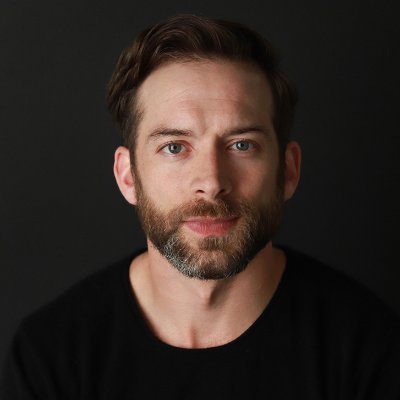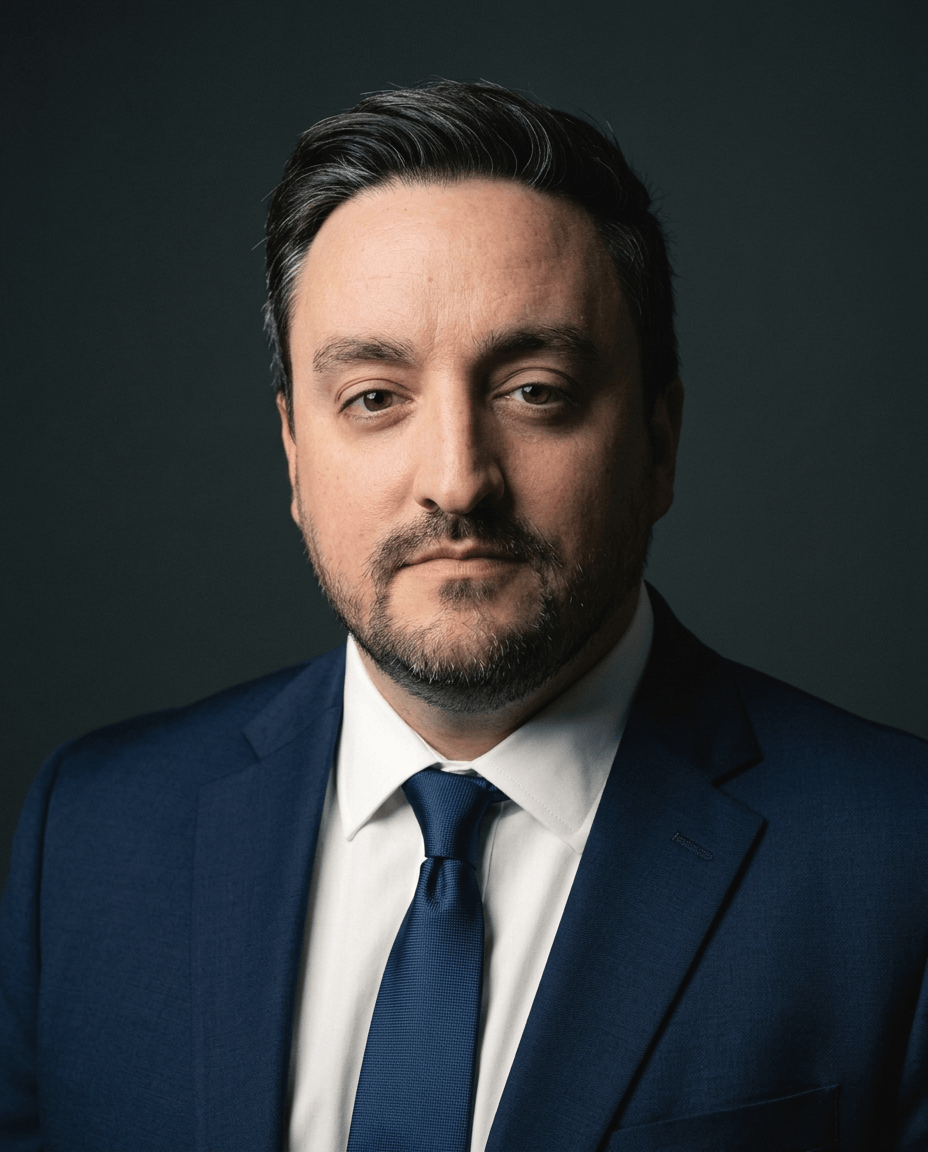
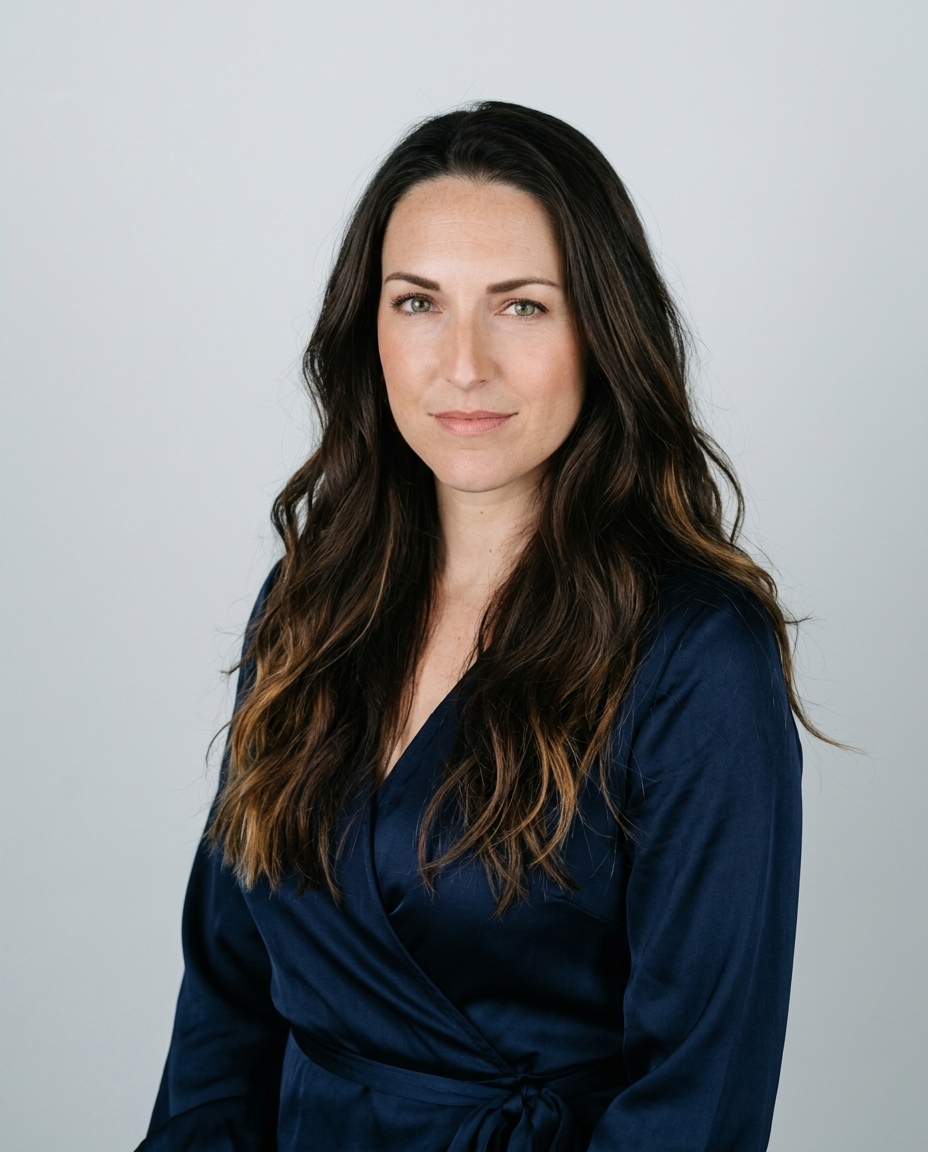
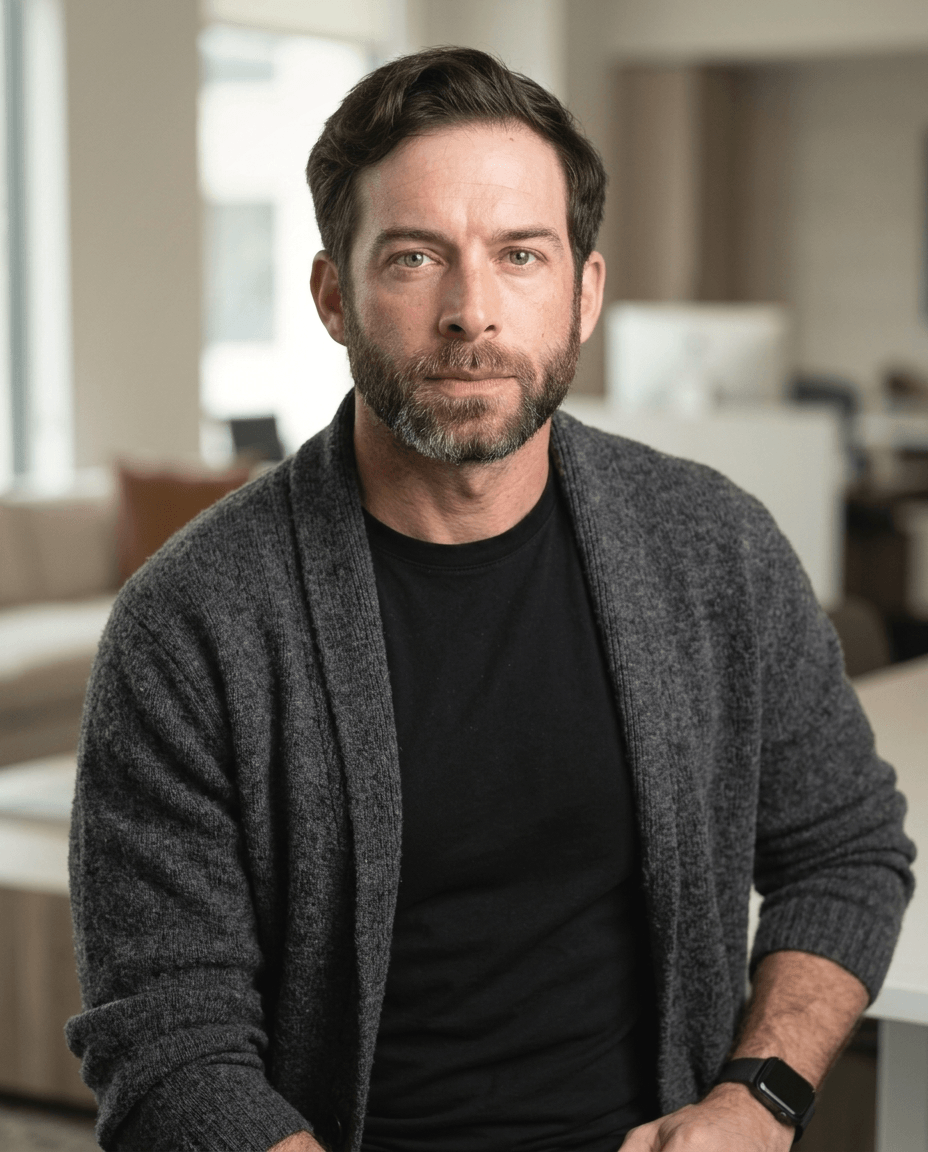
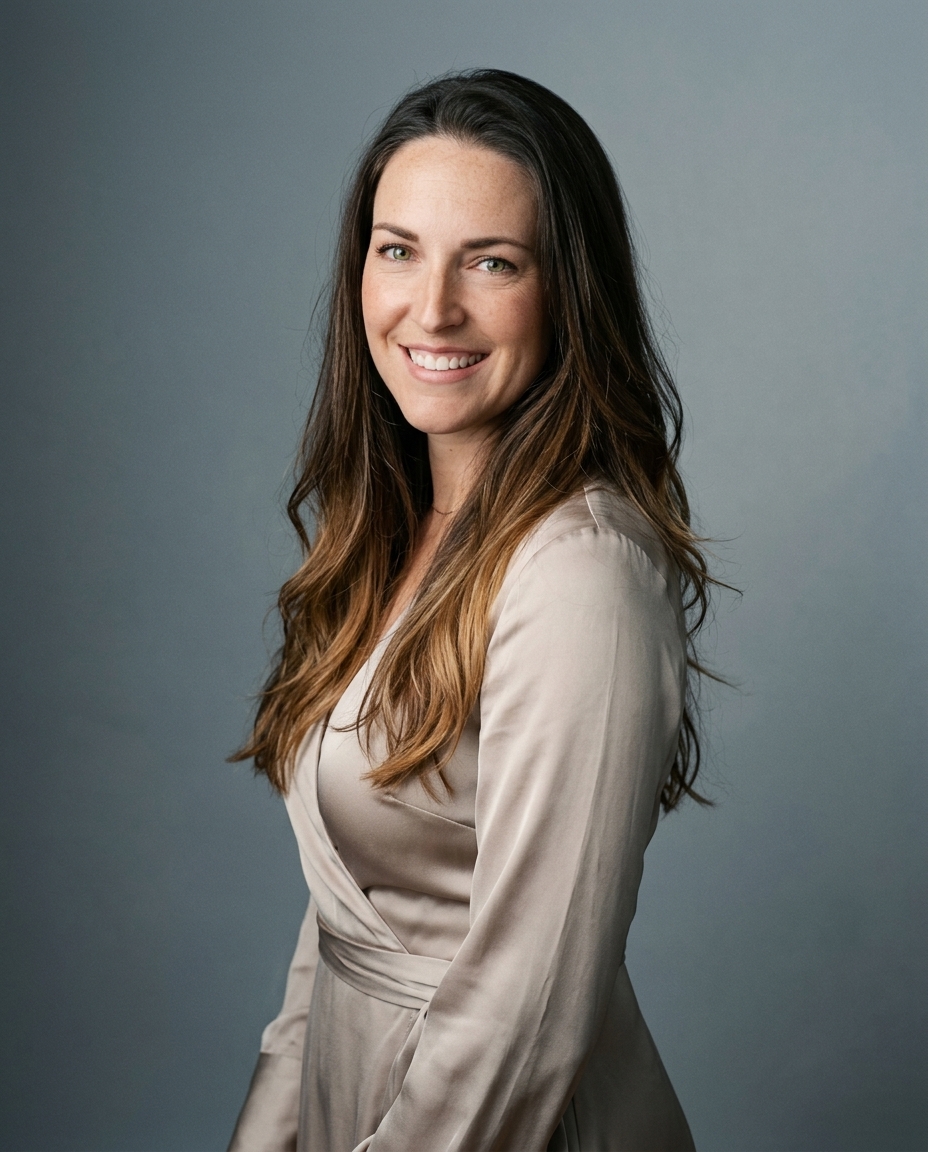

Your profile picture is the fastest trust signal on LinkedIn. LinkedIn's own guidance says a profile photo can drive 21 times more profile views and 9 times more connection requests. That means the right image is not decoration, it's discovery, reach, and response, all packed into one small circle on the page. We've shot over 10,000 real professionals at Studio Pod in Houston since 2019, and we built AiHeadshots from that work, not from a software team retrofitting open models. The result is a system that turns real photography principles into polished output fast, with 30+ studio-grade headshots in about 30 minutes.
A strong photo isn't about owning the fanciest camera. It's about clarity, expression, and context. LinkedIn's own profile guidance points toward a recent, professional, clear image, with the face filling about 60% of the frame and at least 400 x 400 pixels, while later product guidance recommends 640 x 640 pixels in a square format for better rendering across devices and the circular crop interface. That's why the best linkedin profile picture examples all share the same bones, even when the style changes.
We're photographers who built an AI headshot service, so we care about the trade-offs. Some photos read as authoritative. Some read as warm. Some read as niche expertise. The wrong choice makes a capable professional look flat, dated, or too generic. The right one helps the profile feel current and credible before anyone reads the headline.
For more context on building a stronger public presence, see own your online presence with a personal.
Table of Contents
- 1. Classic corporate headshot
- 2. Executive presence headshot
- 3. Approachable professional headshot
- 4. Headshot with subtle background context
- 5. Actor and performer headshot
- 6. Healthcare professional headshot
- 7. Real estate and luxury service professional headshot
- 8. Personal brand and thought leader headshot
- Comparison of 8 LinkedIn Profile Picture Types
- The right photo, made simple
1. Classic corporate headshot
This is the default for a reason. A clean shoulder-up portrait with a neutral background and direct eye contact reads fast, survives LinkedIn's circular crop, and doesn't fight the rest of the profile. It fits corporate settings, law, finance, medical practice pages, and executive directories because it keeps the face at the center of the decision.
The strongest version feels simple, not plain. The background stays white, gray, or softly blurred. The clothing is solid, well-fitted, and quiet enough that the eyes stay on the face. In our studio work, the profiles that look most dependable are usually the ones that refuse to over-explain themselves.

What works here
For this look, solid wardrobe and a clean crop matter more than props. A dark blazer, a white or light shirt, and a background with slight contrast give the face definition without turning the photo stiff. We see this style appear again and again in law firm partner galleries, board pages, and Fortune 500 executive directories because the frame itself says, “I'm here to do business.”
Practical rule: Keep the shoulders square, the face sharp, and the background quieter than the shirt. If the eye goes to the wall before it goes to your expression, the photo is too busy.
Our corporate headshot examples show how much range you can get while staying inside this lane. The best variation is subtle, not dramatic.
What does not work
Busy patterns fight the crop. Selfie angles flatten authority. A background that matches the clothing too closely erases the outline of the body. If your industry values formality, a playful pose usually costs more trust than it earns.
AiHeadshots Professional at $39 or Executive at $59 is the right fit here when you want studio-grade retouching that keeps skin texture intact, not plastic. Upload your selfies, pick a clean background, and keep the expression calm and direct.
2. Executive presence headshot
This is the sharper version of corporate polish. It's built for C-suite leaders, board members, and senior voices who need to read as decisive without looking cold. The framing tightens a little. The lighting carves out structure in the jaw and cheekbones. The shoulder angle shifts off-center just enough to keep the photo from feeling formal in a rigid way.
That slight change matters. A dead-center portrait can look static on a senior profile. A slightly turned body gives the image motion and control. Add a darker wardrobe, charcoal, navy, or burgundy, and the photo starts speaking the language of leadership before the title does.

Reading authority without coldness
The trick is not making the face harder. It's making the frame more intentional. A slight smile or neutral expression works if the eyes stay engaged. Executive photos fail when they become performative, too much intensity, too much retouching, too much symmetry.
Use this style for CEO pages, board member bios, conference speaker profiles, and consulting firm leadership pages. It's a strong choice when the audience expects competence first and warmth second.
A polished executive portrait should feel composed from three feet away and credible at thumbnail size.
Our executive headshot wardrobe guide goes deeper on clothing choices that hold structure under LinkedIn's small crop.
How we build the look
AiHeadshots Executive at $59 is the best match when you want deeper retouching and lighting that emphasizes structure. We use the same photography instincts we'd use in a studio, which is why the result reads as executive, not generic AI polish. That heritage matters because the difference shows up in how the face holds detail under compression.
3. Approachable professional headshot
This is the version that gets the most human response. It keeps the professionalism of a corporate headshot, but softens the mood with a genuine smile, relaxed posture, and lighting that feels welcoming instead of clinical. It works especially well in consulting, recruiting, coaching, sales, and other client-facing roles where trust starts with comfort.
The strongest approachable headshots feel earned, not forced. A real smile changes the whole read of the image. So does a slight shoulder angle. So does clothing that looks confident without looking armored. The goal is to invite the next conversation, not announce a speech.
Why this style performs
When people scan LinkedIn, they're deciding whether you seem safe to message, easy to work with, and credible enough to matter. Warmer expressions do real work here. A flat smile or a “say cheese” grin won't do it. The face has to stay alive in the eyes and mouth at the same time.
For sales professionals, recruiter profiles, executive coaches, and small business owners, this is often the best balance between polish and personality. It feels open without losing structure.
Photographer's note: The best approachable portraits usually happen one frame after the posed smile. That's when the expression relaxes and the eyes come back.
How to steer it
- Pick a color you trust: Wear something that makes you feel like yourself, not something that hides you.
- Keep the shoulders open: A slight angle feels less confrontational than straight-on framing.
- Avoid fake enthusiasm: A controlled smile reads more professional than a broad grin.
Use AiHeadshots Professional at $39 here if you want warmth without overcooking the image. It handles the balance well because the output stays polished while still feeling like a real person, not a template.
4. Headshot with subtle background context
This is the sweet spot between studio portrait and lifestyle image. The subject stays dominant, but the background hints at the profession, a blurred office, a bookshelf, a textured wall, or a brand color that reinforces the work without shouting about it. It's a useful middle ground for professionals who want a little more differentiation than a plain backdrop provides.
The caution is obvious. Too much context turns the profile into a scene. Too little and the background adds nothing. The best examples use just enough detail to make the image feel grounded. That's why this style is popular with therapists, consultants, founders, lawyers, and medical professionals who want credibility with a touch of texture.
Where this look earns trust
A blurred office backdrop says “I work in a real environment.” A law library blur implies expertise. A clinic setting suggests patient-facing competence. A startup office hint says the person lives in a modern business context. The photo still has to work in a small circle, so the environment stays soft and secondary.
AiHeadshots produces 30+ variations with background styles that include professional blur and subtle texture. That matters because the right background often depends on the message you want the profile to send. Not every audience needs the same level of formality.
When to use it
Use this for LinkedIn banners, featured images, and profile photos when the context strengthens the message. It works well on consultant pages, therapist bios, tech founder profiles, and medical team pages. If your website, banner, and headline already use a consistent visual tone, the background helps the whole profile feel aligned.
Use it sparingly if your field is highly conservative. In those settings, the context should support authority, not compete with it. Our how to take actor headshots guide covers a different kind of context use, where environment and expression are part of the performance.
5. Actor and performer headshot
Performers need a different kind of precision. Casting teams want to see the face clearly, without clutter, and they want range. That makes actor and performer headshots a very specific class of LinkedIn profile picture examples, more face-forward, more expression-aware, and less interested in corporate polish.
A plain background usually wins here. Tight framing wins too. The subject has to read immediately, because facial detail is the whole point. Neutral, thoughtful, character-forward, and energetic expressions all have a place, but they need to feel real. A performer headshot that looks too staged loses its usefulness fast.
Range matters more than sameness
Actors, voice actors, models, and other performers often need multiple frames that show different reads. Neutral works. Slight smile works. Strong personality works. What doesn't work is pretending one expression covers every casting situation.
If the photo tells casting only one story, it's too narrow.
That's where AiHeadshots gives performers practical speed. Our system can generate multiple expressions from uploaded selfies, so you can curate a small portfolio without booking a full studio day. For some users, that's the difference between having one image and having options.
Keep the presentation honest
If an agent or casting director asks, be transparent that the headshot was AI-generated. That's not a weakness. It's part of being clear about the tool used. Use the plain background option, keep the face in sharp focus, and choose the version that feels most like the working version of you.
For performer bios, background actor listings, theater pages, and voice actor profiles, this style stays practical because it makes the face easy to read. The best performer images don't hide the person. They reveal them quickly.
6. Healthcare professional headshot
Healthcare profiles need a specific blend of trust, calm, and competence. Doctors, dentists, nurses, therapists, and specialists have to look warm enough for patient comfort and serious enough for clinical credibility. That balance is more delicate than it sounds, and the photo often does part of the trust-building before a patient reads a single credential.
A white coat or professional medical attire helps. Clean, even lighting helps more. Harsh shadows make a healthcare portrait feel colder than it should. The expression should stay genuine and steady, with enough warmth to feel human and enough restraint to feel professional.
What patients read fast
Patients look at the photo and make a judgment in milliseconds. That doesn't mean you need a broad smile. It means you need visible eyes, clean lighting, and a face that feels present. A white or soft gray background works because it keeps the image consistent with what healthcare audiences expect.
Use this style on practice websites, insurance directories, Healthgrades, Zocdoc, Psychology Today, and team rosters. It works because it supports the same message across every touchpoint, capable, calm, and easy to trust.
How to keep it believable
Wear the attire people already associate with your role. If you're a clinician, that usually means a white coat or scrubs. If you're a therapist or counselor, the styling should be quieter and more approachable. The clothing should match the environment without turning the image into a costume.
Update the image every 2–3 years so it keeps pace with your appearance and current role. That advice shows up often in healthcare headshot guidance because stale photos create friction for patients who want to know who they'll meet. AiHeadshots makes that refresh easy because the turnaround is fast and the output stays consistent across updates.
7. Real estate and luxury service professional headshot
This style needs polish, but not stiffness. Real estate agents, wealth managers, luxury brand consultants, interior designers, and high-end hospitality leaders all benefit from a headshot that feels warm, premium, and well-crafted at the same time. The clothing, grooming, and background should all support a sense of taste.
A slightly wider frame often works better here than a strict shoulder crop. It shows the tailoring, the accessories, and the overall presence. A watch, subtle jewelry, or a well-cut jacket can matter, but only if the image still reads clearly at small size. The face has to win, or the styling becomes a distraction.
Premium without arrogance
This is the line to hold. The photo should look expensive in the practical sense, thoughtful, clean, composed, and well made, not flashy. A warm background with a bit of texture gives this style a little depth. So does natural-looking makeup and grooming.
For MLS listings, brokerage pages, wealth management profiles, and luxury service directories, this look sends the right signal fast. It tells clients that the person behind the profile pays attention to presentation and understands the market they serve.
Rule of thumb: If the accessories are louder than the expression, the image is selling the wrong thing.
AiHeadshots Executive at $59 fits well here because the more premium styling asks for sharper lighting and retouching control. That's where our studio background shows up. We know how to preserve the details that make the clothing and face feel intentional rather than overworked.
8. Personal brand and thought leader headshot
This is the most distinctive category, and the most misused. Entrepreneurs, speakers, authors, consultants, and visible experts need a headshot that feels recognizable across LinkedIn, podcasts, book pages, and speaking bios. The image should reinforce the brand, not just document the face.
That means choosing a repeatable visual language. One consistent accessory. One wardrobe cue. One expression range. One lighting style. If those choices hold together, people start recognizing you faster in comments, posts, and profile visits. That matters when your work depends on recall.
Consistency beats novelty
A signature look works when it's stable. If the style changes every few months, recognition breaks. The photo should feel like you across contexts, not like a creative experiment that happened to work once.
For founders and thought leaders, AiHeadshots gives you 30+ variations so you can test different combinations of color, crop, and styling without committing too early. That helps when you're building a personal brand that needs to live across a website, speaking page, and LinkedIn profile at the same time.
How to use it well
Choose 2 or 3 hero shots and assign them a job. One for LinkedIn. One for a website header. One for speaking or podcast use. Keep the underlying look aligned so the audience sees the same person everywhere.
Refresh every 12–18 months if your positioning changes or your public brand matures. If your audience is conservative, stay closer to a classic portrait. If your audience already responds to personality and originality, a more distinctive frame pays off. The key is simple. The photo should make sense before the caption does.
Comparison of 8 LinkedIn Profile Picture Types
| Headshot style | 🔄 Complexity & resources | ⚡ Speed / efficiency | 📊 Expected outcomes | Ideal use cases | ⭐ Key advantages |
|---|---|---|---|---|---|
| Classic corporate headshot | Low, simple studio or AI workflow; Professional/Executive retouch tiers ($39–$59) | ⚡ Very fast to produce and standardize | Conveys competence, trustworthiness; thumbnail-friendly | Corporate profiles, law, finance, executive directories | Timeless, broadly applicable, easy team consistency |
| Executive presence headshot | Medium, tighter lighting control and premium backgrounds; Executive tier recommended | ⚡ Moderate, needs careful posing and lighting | Signals authority and leadership; strong large-format presence | C-suite bios, board pages, conference materials | Communicates leadership and decision-making presence |
| Approachable professional headshot | Low–Medium, warm lighting and natural expression; Professional tier ideal | ⚡ Fast, friendly looks achievable from phone selfies | Increases approachability and engagement on LinkedIn | Sales, coaching, recruiting, client-facing roles | Builds trust and likability while remaining professional |
| Headshot with subtle background context | Medium, requires controlled depth-of-field or believable AI background blur | ⚡ Moderate, more variants and coordination needed | Differentiates profile; suggests domain expertise and environment | Consultants, founders, specialists, therapy profiles | Adds context without distracting from subject; good for larger images |
| Actor and performer headshot | Medium, multiple expressions, tighter framing; plain backgrounds preferred | ⚡ High, AI delivers many variations quickly vs. studio booking | Shows range and casting suitability; portfolio-ready | Actors, voice actors, theater, commercial talent | Affordable, fast way to build varied headshot sets |
| Healthcare professional headshot | Low–Medium, consistent lighting and attire (white coat/scrubs) | ⚡ Fast, standard expectations simplify production | Conveys trust and competence; impacts patient bookings | Doctors, dentists, therapists, clinic directories | Directly affects patient trust and professional credibility |
| Real estate & luxury service headshot | Medium, premium styling, wardrobe and subtle textures required | ⚡ Moderate, styling increases prep time | Projects sophistication and approachability; memorable brand signal | Real estate agents, wealth advisors, luxury services | Elevates personal brand; signals premium service quality |
| Personal brand & thought leader headshot | Medium–High, customized styling, distinctive backgrounds, multiple variants | ⚡ Moderate, requires iteration to match brand identity | Creates distinctive visual signature; higher engagement | Entrepreneurs, speakers, authors, consultants | Strong differentiation and cross-platform recognition |
The right photo, made simple
Choosing the style is the first step. Execution is the next one, and that's where many people lose time. A traditional photographer can cost $300–$600+ and take weeks. We built AiHeadshots from years of photographing real professionals, so the system reflects actual headshot logic, not generic image output. You upload 10 to 20 phone selfies, and we deliver 30+ studio-grade headshots in about 30 minutes with a 100% money-back guarantee within 14 days if it isn't the right fit.
The best LinkedIn photo is the one that matches the trust signal you need to send. A classic corporate portrait works when you need clarity. An executive frame works when you need authority. A warm, approachable image works when your role depends on conversation. A contextual shot helps when the audience wants relevance. A signature look helps when your personal brand is the product.
The numbers around LinkedIn profile photos make the case plain. Profiles with a photo earn far more views and requests, and the more active your LinkedIn use is, the more that image matters. If you've been using the same headshot for years, you're leaving one of the strongest profile signals untouched. The shift away from stale photos is already visible, with a large share of users keeping the same image for 3 to 6 years or longer, while more people have updated within the past year and more profiles now use AI-processed or AI-generated images.
If you're serious about how you show up on LinkedIn, treat the headshot as part of the profile system, not a last-minute upload. The best choice is current, clear, and true to the role you want people to understand at a glance.
Upload 10 selfies, see your first headshot in 30 minutes, and choose the LinkedIn profile picture that fits your role at AiHeadshots.