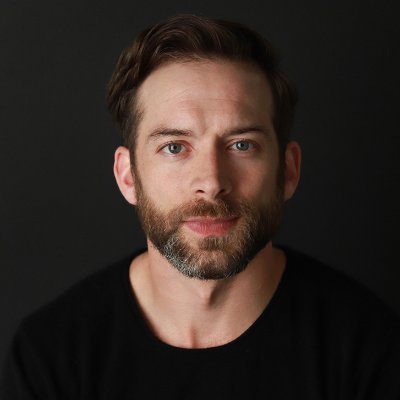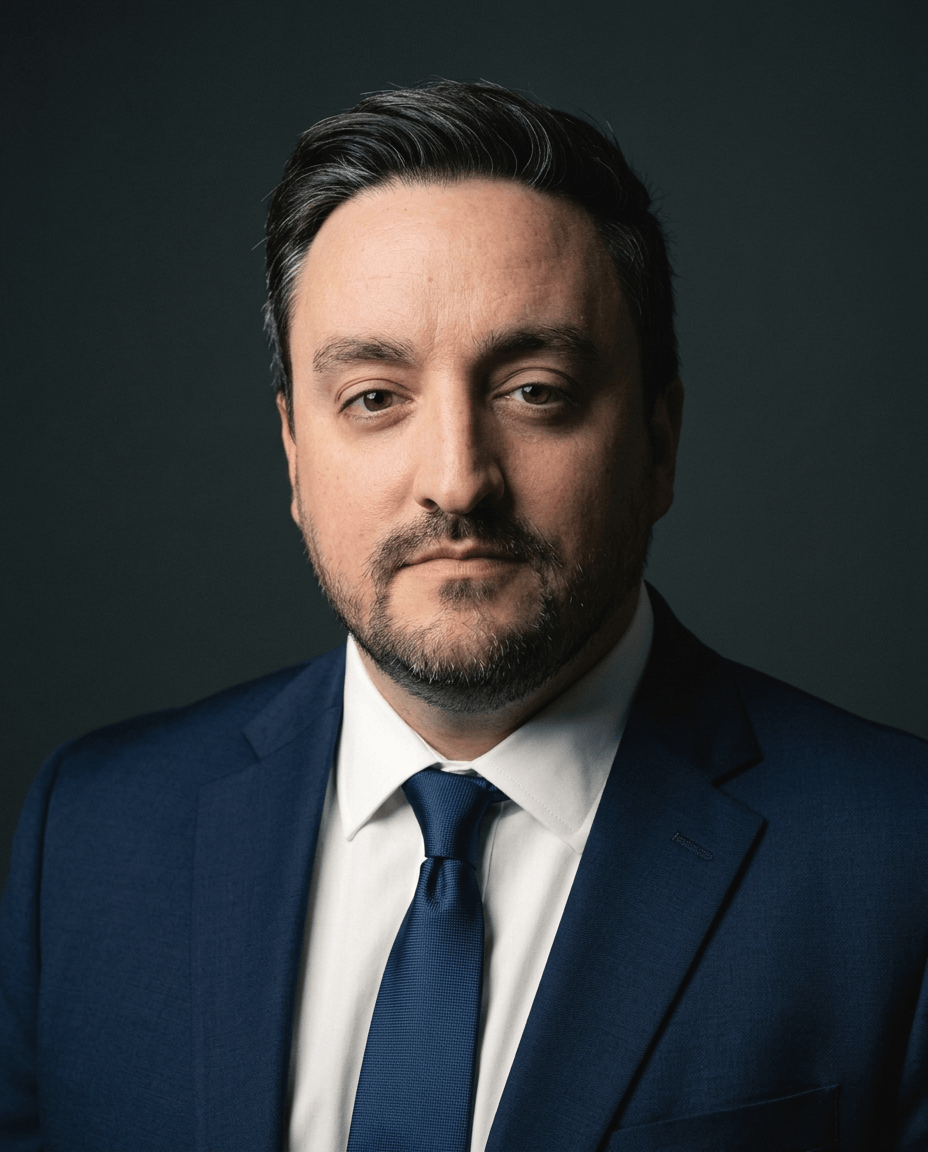
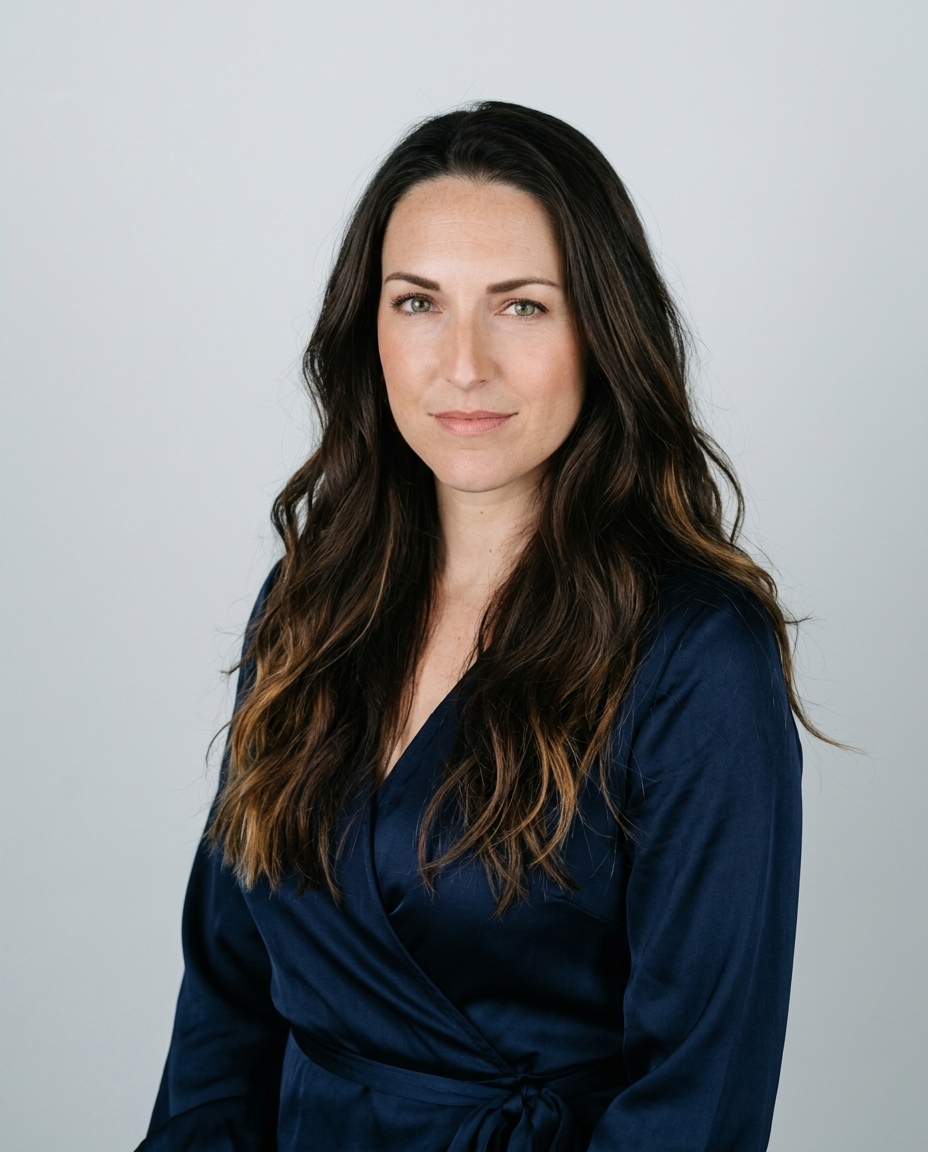
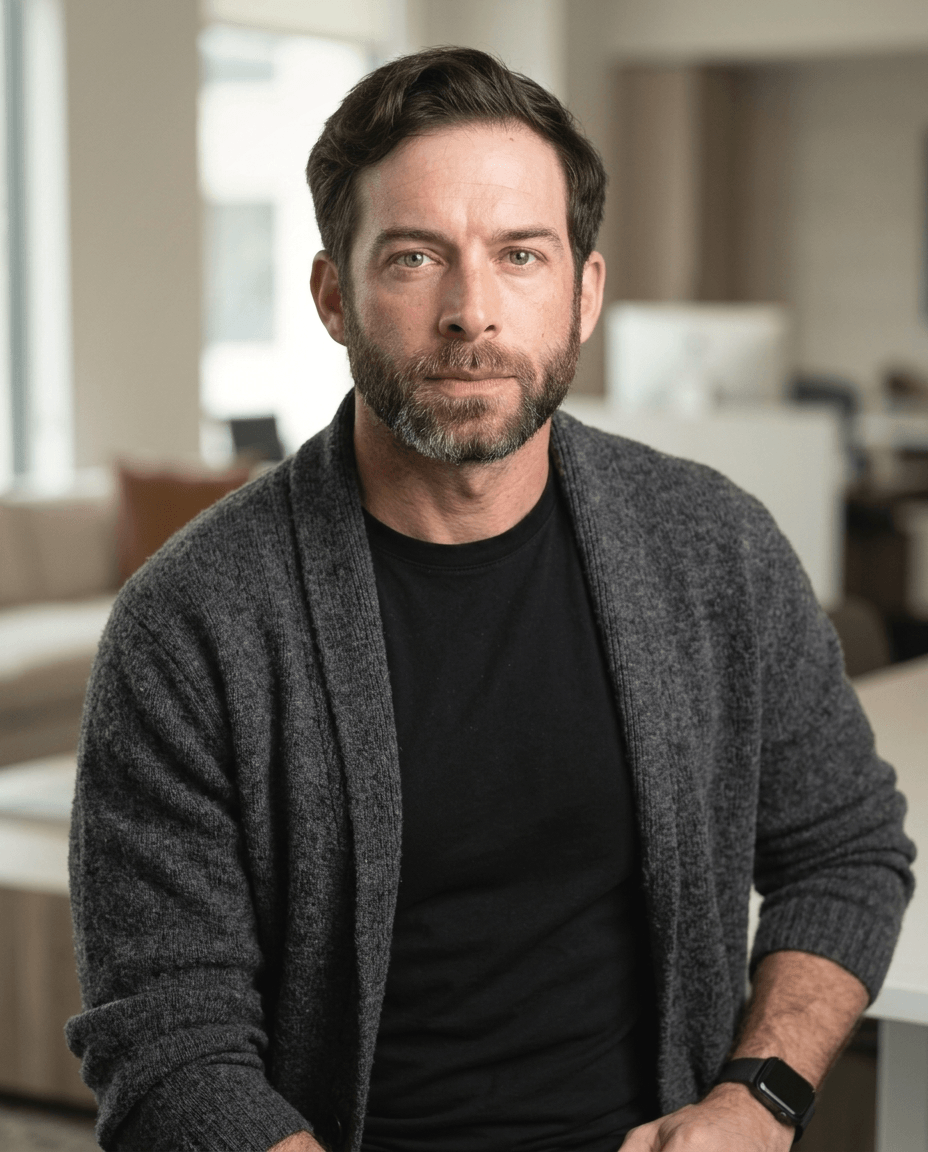
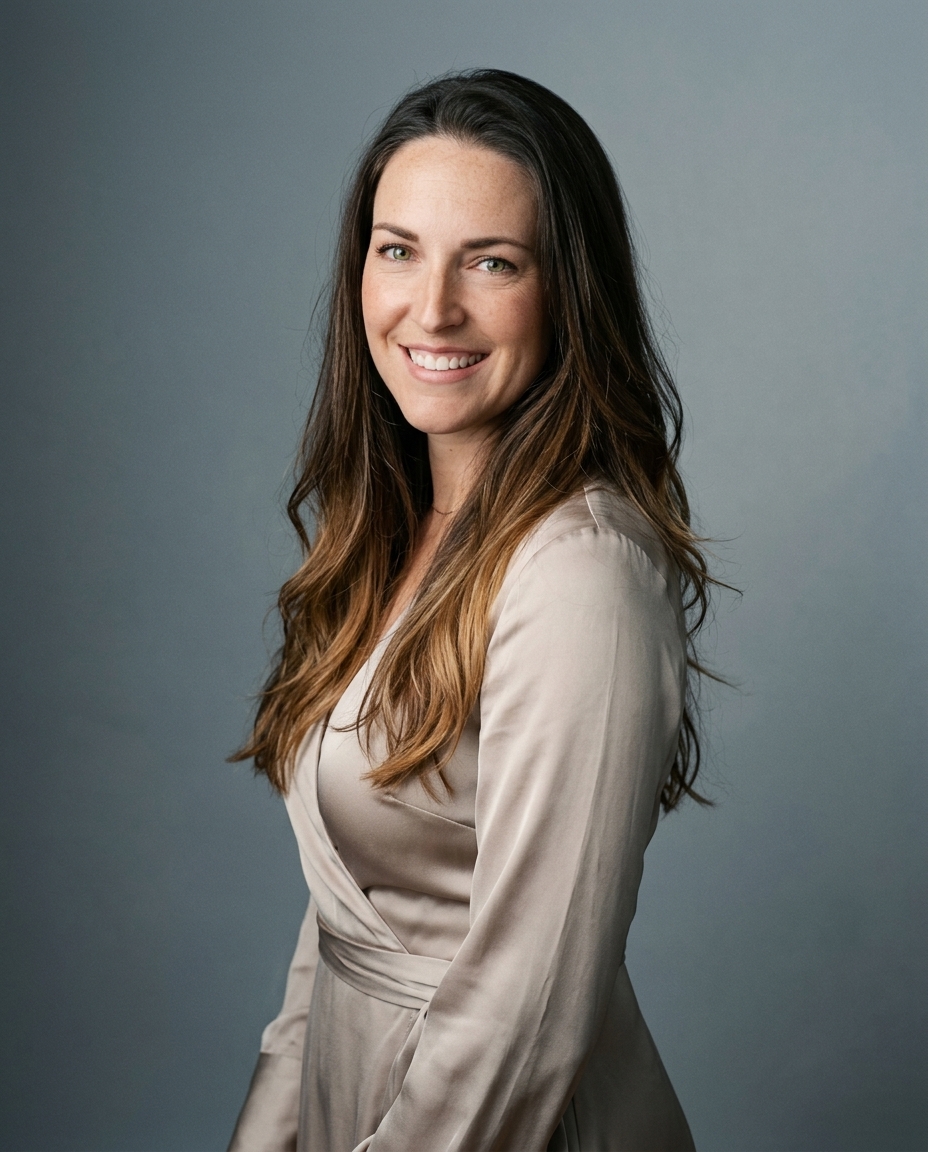

A professional headshot is a tightly cropped face-and-shoulders portrait engineered for credibility at thumbnail size. LinkedIn says profiles with a photo are 14 times more likely to be viewed, which is why the image has become a core part of professional identity.
That doesn't mean any polished portrait will work. A headshot has a specific job. It must make you recognizable, approachable, and credible in a small circular crop, often before someone reads your name, role, or experience. Recruiters, clients, conference organizers, and potential partners form an impression quickly, so the photograph needs to communicate clearly without competing with your face.
Table of Contents
- What a professional headshot actually is
- The anatomy of a headshot that reads at any size
- Light expression and attire that signal credibility
- Where professional headshots get used and why it changes the photo
- When a headshot hurts more than it helps
- Why quality matters and how to get one without a studio
What a professional headshot actually is
A professional headshot is a close portrait showing your face, shoulders, and usually part of your upper torso. It's created for business-facing contexts such as LinkedIn, company websites, email signatures, press materials, speaker bios, acting profiles, and professional social accounts. Unlike a casual selfie, it uses deliberate framing, controlled light, a considered background, and an expression that supports your role.
The photograph is a strategic identity asset, not decoration. LinkedIn's guidance links profile photos with greater visibility, and published LinkedIn-based reporting has cited up to 21 times more profile views and 36 times more messages for profiles with a professional photo. Those figures come from different reporting contexts, so they shouldn't be treated as one universal guarantee. They do show why a clear, current portrait became standard across recruiting and business networking. (LinkedIn's guidance on professional profile pictures)
A headshot also affects judgment. Industry reporting citing independent studies says new professional headshots raised perceived competence by 75.93%, likability by 9%, and influence by 62%. A cited recruiting statistic says 86% of recruiters screen profiles within 30 seconds, so the image often shapes the first impression before anyone reaches your resume. (Headshots Inc. research summary)
The practical test is simple. If someone saw your photo for a moment and then met you later, would they recognize you immediately? If not, the headshot isn't doing its main job.
The anatomy of a headshot that reads at any size
A strong headshot starts with the crop. Use a shoulders-up composition with your face large enough to remain readable on a phone, profile card, or email signature. LinkedIn accepts square profile images beginning at 400 × 400 pixels and supports larger square files up to 7680 × 4320 pixels. (LinkedIn headshot composition guidance)

LinkedIn displays the image as a circle. Corners disappear, and the platform reduces the file dramatically. Your face should occupy about 60% of the frame, remain centered, and preserve detail around the eyes and mouth after downscaling. Too much empty space makes you look distant. A full-body pose turns your face into an unreadable detail.
Check the visual hierarchy
Keep the camera near eye level. That preserves natural proportions and avoids the accidental authority or vulnerability created by an extreme high or low angle. Leave enough room above your head for the crop, but don't add so much space that your face shrinks.
The background should support recognition. A clean wall, soft studio tone, or gently separated office environment works better than clutter, bright patterns, or objects that compete with your outline. The aim isn't sterile perfection. The aim is a clear visual path from the viewer's eye to your face.
Practical rule: Judge the finished image at the size people will actually see it. If the eyes disappear in a small preview, the original file isn't solving the problem.
Light expression and attire that signal credibility
Good headshots depend more on light geometry than on the camera model. Soft, directional light placed around eye level and slightly off-axis creates gradual transitions across the face. A little fill on the shadow side keeps the eyes open and preserves dimensionality.
Large apparent light sources produce softer skin transitions and visible catchlights. Direct sun, overhead fluorescent fixtures, and built-in flash do the opposite. They create hard contrast, under-eye shadows, and unwanted color casts. LinkedIn's photography guidance also recommends soft, flattering light and warns against lighting that produces harsh facial shadows. (LinkedIn's headshot lighting guidance)

Expression carries the rest of the message. A relaxed mouth, natural smile, or calm direct gaze usually communicates more than a forced grin. Think about the people you want to meet, then choose an expression that fits the interaction. A financial adviser may need composed warmth. A creative director may use more personality. A lawyer may prefer controlled confidence.
Clothing should frame your face rather than become the subject. Solid colors, simple collars, and properly fitting garments hold attention. Your choice should match the expectations of your role without making you look unlike yourself. For practical examples, see this guide to attire for professional headshots. Professionals building a broader profile can also find useful context in this resource on LinkedIn personal branding for SDR.
Where professional headshots get used and why it changes the photo
The right headshot depends on where people will encounter it. LinkedIn favors approachable credibility because the image sits beside your work history, posts, and professional relationships. A direct gaze, open expression, and clean background usually fit that environment. This LinkedIn profile photo guide focuses on the small details that affect recognition in the platform crop.

A company team page has a different requirement. Individual portraits still need warmth, but matching background, crop, color treatment, and camera height creates a coherent brand. A mismatched collection can make a serious organization look improvised, even when each individual photograph is attractive.
Press and speaker bios call for a more authoritative finish. The image may appear beside an article, event listing, or conference description, where the viewer needs to understand your role quickly. Actors need something more character-driven, while executives often need a polished portrait that remains distinctive rather than generic.
Trust-driven fields such as law, consulting, and investment banking have historically standardized professional photography quality because clients often meet the person online before meeting them in person. For ecommerce founders and operators comparing practical image options, this overview of MerchLoom for ecommerce headshots offers another useful perspective. AI-processed portraits are also entering this market, but platform fit still matters more than novelty.
When a headshot hurts more than it helps
A polished image can fail if it stops looking like you. The biggest problems are predictable: a generic stock-like style, heavy retouching that removes natural texture, and a portrait that reflects an older version of your appearance.
The authenticity line is not complicated. Your face should look current. Skin should retain believable texture. Hair, glasses, facial hair, and other recognizable details should remain accurate. Subtle cleanup can remove distractions. It shouldn't erase the features people use to identify you.
That matters because the competence effect associated with professional headshots depends on trust. A viewer may respond well to polish at first, but recognition breaks down if the image feels synthetic or bears little resemblance to the person who appears on a video call. A recruiter screening a profile quickly needs a reliable visual reference, not a perfected character.
The strongest headshot is polished enough to signal care and natural enough to survive an in-person introduction.
Compare the image with how you look now, not how you wish you looked. Ask a colleague who knows you well whether the portrait feels accurate. If they hesitate, reduce the retouching, update the styling, or choose a more natural expression.
Why quality matters and how to get one without a studio
A headshot earns its place by doing several jobs at once. It helps people recognize you, gives your profile a coherent identity, and signals that you take professional presentation seriously. Light, crop, expression, and likeness all contribute. Remove one, and the image becomes less dependable.

A traditional photographer often charges a $300–$600+ day rate, and scheduling can involve travel, preparation, and waiting for delivery. A phone setup remains an option if you control the window light, camera height, background, and crop. This guide on how to take a professional headshot at home covers that route.
For additional finishing work, how to enhance portraits online can help with technical refinement, but enhancement can't fix an inaccurate likeness or poor composition.
AiHeadshots is one practical alternative. Studio Pod photographers Joseph West and Chris Bailey built it after shooting 10,000+ real professionals since 2019, rather than starting as a software team retrofitting open models. You upload 10 to 20 phone selfies, receive 30+ studio-grade headshots in about 30 minutes, and choose from plans starting at $29. The service has delivered 255,000+ headshots to 30,000+ customers, with a 4.9-star rating. (See AiHeadshots pricing)
Upload 10 selfies, see your first headshot in 30 minutes for $29 through AiHeadshots, then choose the portrait that matches your role, platform, and current appearance.