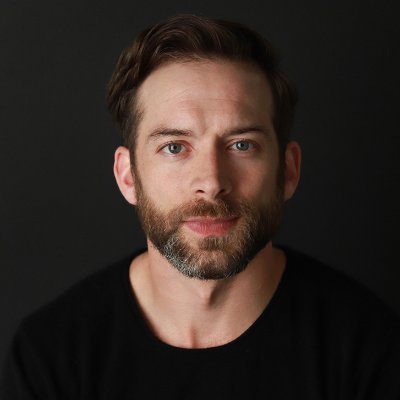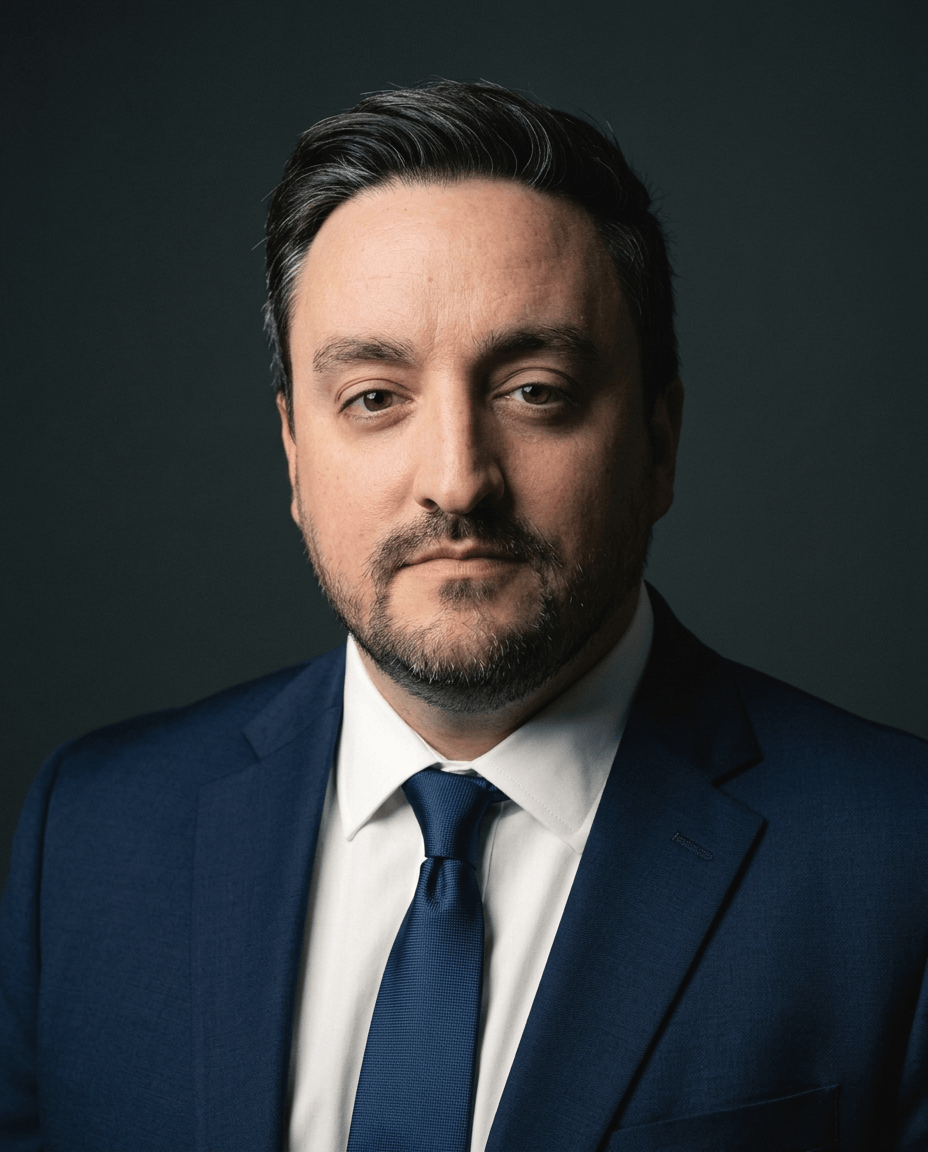
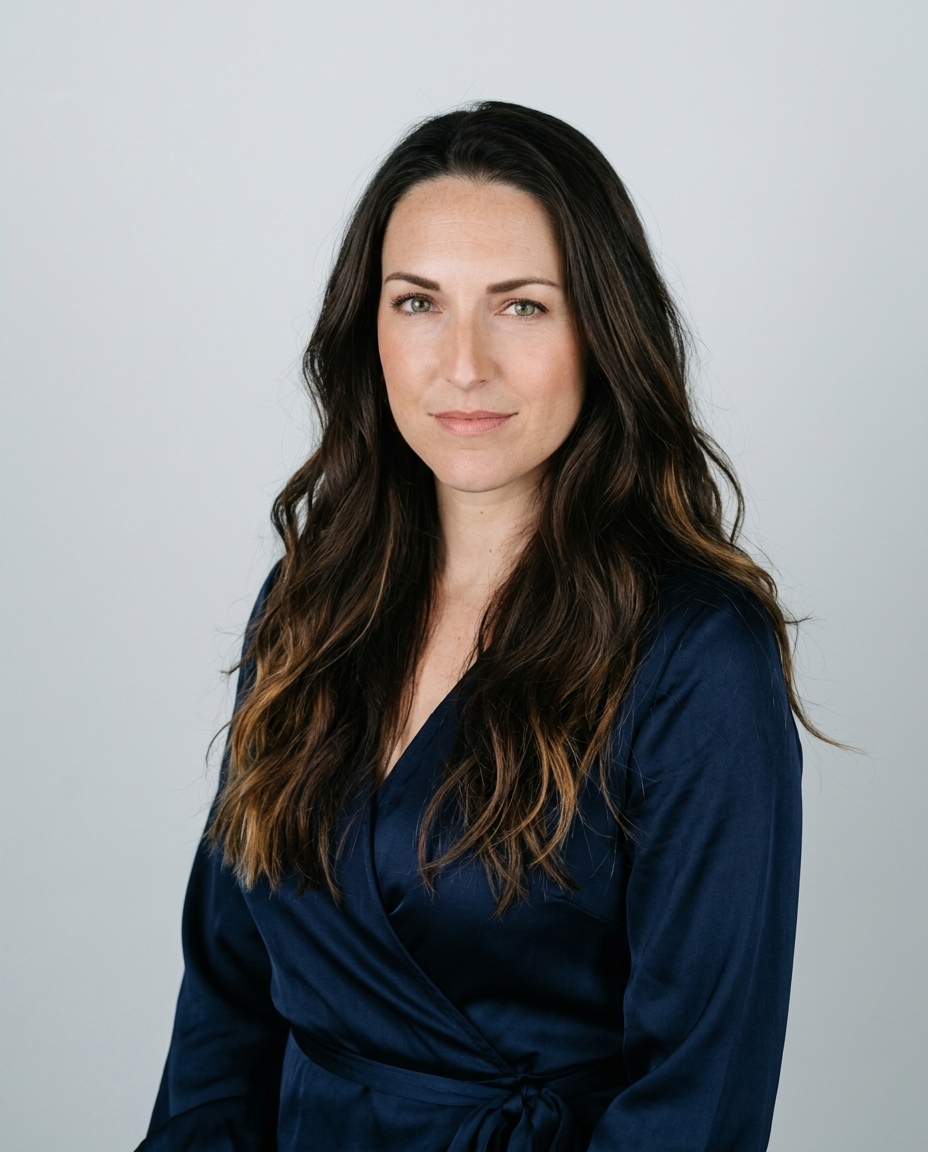
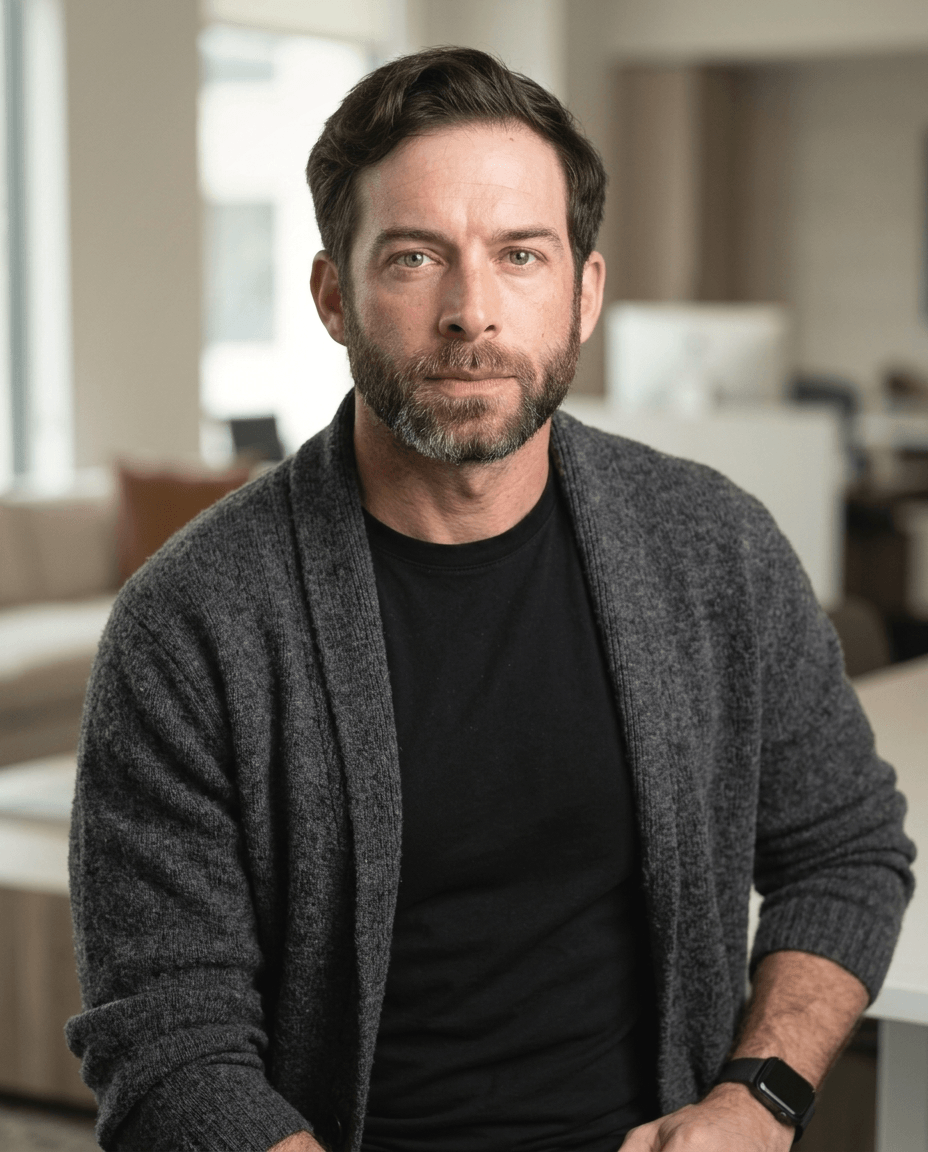
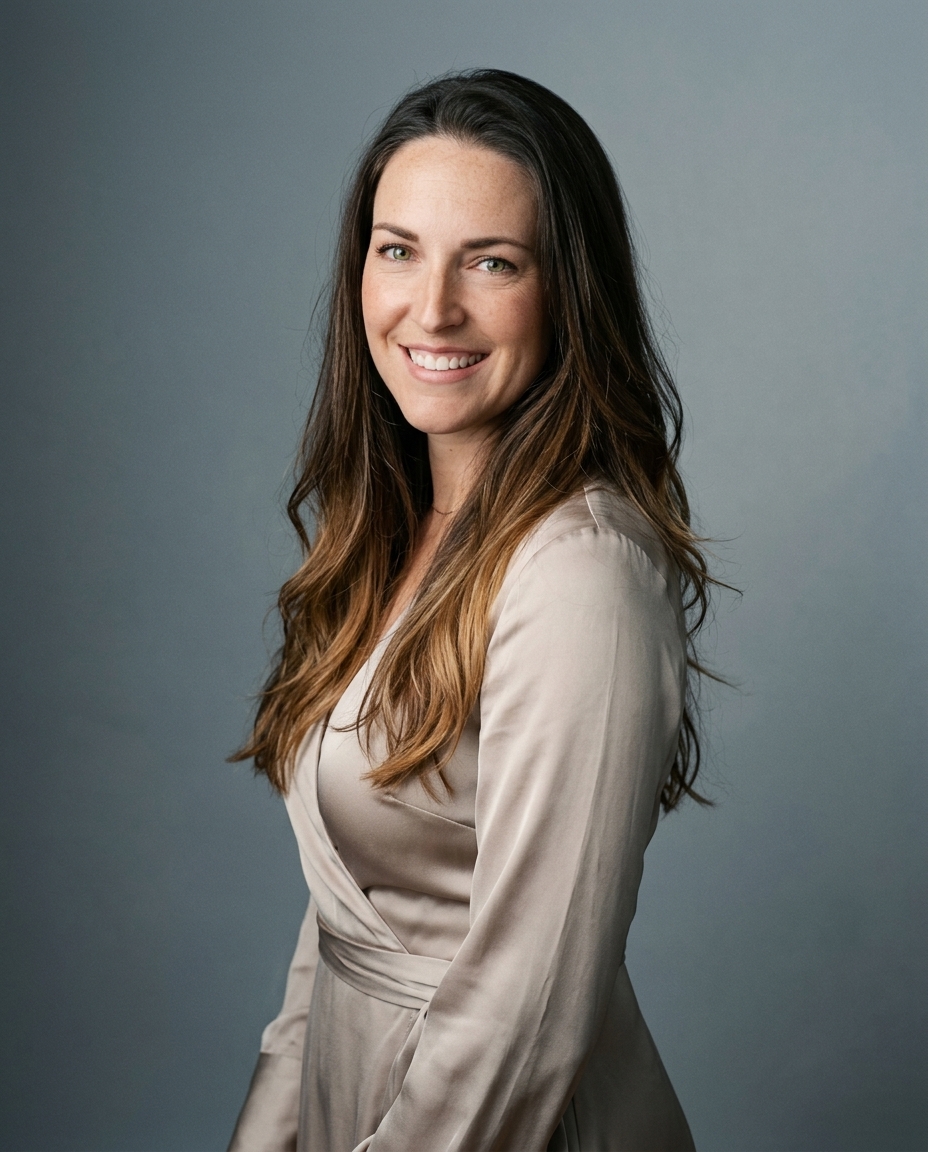

The fastest way to improve your professional image usually isn't a new wardrobe. It's a better headshot. That sounds backwards until you look at how people encounter you first: LinkedIn, company bios, speaker pages, email signatures, and proposal decks. At the same time, the image consulting market itself was valued at USD 4.1 Billion in 2024 and is projected to surpass USD 6.2 Billion by 2030, which shows how seriously professionals and companies now take visible credibility in business settings (image consulting market outlook).
As photographers and studio owners, we've seen the same pattern for years. A polished image matters. But not every part of that image carries the same weight. A full consulting engagement can be useful. A strong headshot is the asset that gets used daily.
Table of Contents
- What a professional image consultant actually does
- Breaking down the core services and their costs
- The ROI of investing in your professional image
- How to hire a consultant and avoid getting burned
- A modern alternative for the highest-impact result
- Your next step to a better professional image
What a professional image consultant actually does
The term professional image consultant often brings to mind a personal shopper. That's too narrow. Good consultants don't just pick clothes. They diagnose how appearance, conduct, and communication align, or fail to align, with the role you want to occupy.

It is not just shopping
A legitimate consultant often works from the ABC of Image framework: Appearance, Behavior, Communication. In that framework, appearance isn't treated as decoration. It's handled as technical design using color theory, fabric properties, graphics, and artistic elements to create a functional personal brand (ABC of Image explanation).
That distinction matters. Styling says, "this jacket looks good." Image consulting asks harder questions. Does the jacket read as credible in your field? Does the color flatten your face on camera? Does the fit support authority or undermine it? Does your grooming match the level of polish your clients expect?
Practical rule: If someone only talks about trends, they are styling you. If they talk about alignment between role, perception, and presentation, they are consulting.
The work is diagnostic
The strongest consultants start by identifying gaps. Your current wardrobe might be high quality but wrong for your position. Your grooming might be clean but inconsistent. Your posture, body language, and speech patterns might undercut the authority your resume already earned.
That diagnostic step is what separates a professional process from casual advice. A consultant looks at body type, coloring, profession, and personality, then builds outward. In practice, that can include wardrobe editing, fit guidance, grooming standards, on-camera presentation, and communication coaching.
From a photographer's perspective, this shows up instantly. We can see when someone's clothing, expression, and posture tell three different stories. The most effective professional image is coherent. It doesn't have to look expensive. It has to look intentional.
Breaking down the core services and their costs
Image consulting gets expensive fast because you're often paying for a mix of analysis, decision-making, and time. The broad market rate is clear: freelance image consultants in the United States charge $50 to $300 or more per hour, depending on service type, experience, and location (U.S. image consultant rate range).

Where the money goes
Some services are relatively contained. Others sprawl.
| Service | Typical scope | Cost pattern |
|---|---|---|
| Wardrobe review | Closet audit, gap analysis, outfit planning | Often charged per session |
| Personal shopping | Guided buying for workwear and accessories | Often charged hourly |
| Grooming and presentation coaching | Hair, makeup, posture, body language, presence | Session or package based |
| Personal brand alignment | Broad strategy across appearance and communication | Usually the most consultative and open-ended |
The problem for clients isn't only the sticker price. It's scope creep. A wardrobe consultation can turn into shopping. Shopping can lead to tailoring. Tailoring leads to a second review. Then you still need new photos.
For anyone pricing out the visual side alone, this breakdown of corporate headshots cost is useful because it shows how one piece of the process adds up before you even touch clothing or coaching.
What clients underestimate
They usually underestimate two things.
First, consulting doesn't automatically create usable assets. You can leave with better clothes and still have a weak LinkedIn photo. Second, every added service layer increases coordination. You're booking time, managing purchases, and making subjective decisions under pressure.
Good image consulting works best when the output is clear. If the end result isn't visible in the places people actually see you, the process feels bigger than the payoff.
That doesn't mean the service lacks value. It means you should separate strategic help from production. Advice is one expense. A credible finished image is another.
The ROI of investing in your professional image
A professional image isn't vanity spending. It's signal management. People make fast judgments from visual cues, especially online, and those cues shape whether you look prepared, credible, current, and aligned with your role.
What image actually buys you
For an individual, the return isn't mystical. It usually comes down to cleaner first impressions and less friction. You look like someone who pays attention. Your profile photo matches the level of your résumé. Your visual presentation supports your expertise instead of distracting from it.
That logic scales to the market level. The image consulting sector's growth reflects the fact that professionals and companies now treat presentation as a business function, not an afterthought. Buyers, clients, employers, and colleagues all see the outward layer before they experience the underlying skill.
For a deeper look at the visual side of that return, this piece on the ROI of a professional headshot is worth reading.
For teams, consistency matters
For companies, the return is often more concrete. Consistent team photos create brand continuity across the website, proposals, press mentions, recruiting pages, and social platforms. If ten employees appear in ten wildly different styles, the company looks disorganized even if the work is excellent.
A polished team image also removes unnecessary doubt. Clients notice visual inconsistency. They don't always articulate it, but they notice. Firms in law, consulting, healthcare, real estate, and finance especially benefit when every public-facing image looks intentional.
The best professional image doesn't scream for attention. It removes questions.
From the studio side, that's the inherent value. You're not buying glamour. You're buying clarity.
How to hire a consultant and avoid getting burned
This industry has a trust problem. There is no mandatory government regulation preventing someone with no training from calling themselves an image consultant, which leaves buyers to sort serious practitioners from confident amateurs on their own (why image consulting needs careful vetting).

Why vetting matters
A consultant doesn't need government licensing to be effective. But you do need evidence that their process is real. Voluntary credentials such as AICI's Certified Image Consultant credential can act as a trust signal. More important, though, is whether the person can show work, explain methodology, and describe how they tailor recommendations to role, industry, and use case.
A bad consultant tends to rely on vague language. They talk about confidence and transformation but can't explain how they assess color, fit, communication habits, or visual goals. They also tend to sell packages before they understand your job.
Questions worth asking before you sign
Use a short screen before any paid engagement:
- Ask how they assess you. If there is no diagnostic process, there is no consulting.
- Ask what deliverables you receive. Notes, wardrobe plan, shopping list, grooming standards, photo guidance. Get it in writing.
- Ask for proof of range. You want to see clients from different roles, ages, and industries, not one aesthetic repeated over and over.
- Ask how they coordinate with photography. If they can't talk about how clothing, posture, and grooming read on camera, the process is incomplete.
- Ask what happens after the session. Strong consultants usually leave you with a framework you can reuse, not just a shopping trip.
If the consultant cannot explain their process in plain language, they probably don't have one.
The safest hire is rarely the flashiest marketer. It's the person whose recommendations hold up under practical use.
A modern alternative for the highest-impact result
For most professionals, the highest-impact visual asset isn't the closet overhaul. It's the headshot. That's the image attached to your name in the places people check first.

The traditional path versus the fast path
The traditional path is familiar. You hire a photographer. In many markets, the day rate runs $300 to $600+. Then you schedule the shoot, travel, deal with wardrobe decisions, wait for selects, and wait again for retouching. If you manage a team, the logistics get worse.
AI headshots changed that equation fast. One cited trend report notes that AI-generated professional headshots saw 210% adoption growth in 2025, with 30% faster production timelines and $150 lower average costs than in-person sessions (AI headshot adoption trend). That's why the category is now part of the conversation, even among people who once dismissed it.
For professionals comparing options side by side, these AI headshot alternatives help clarify where different services sit on speed, quality, and use case.
What matters in the final image
As photographers, we care less about the novelty of the tool and more about the output. Does the lighting look believable. Does the skin retouching stay human. Do the shoulders, collar, and fabric render cleanly. Does the expression read as natural rather than synthetic. Those are the details that separate a usable image from a gimmick.
Photographer-built systems matter. AiHeadshots comes from Studio Pod, an automated headshot studio in Houston that has photographed 10,000+ real professionals since 2019. It was founded by photographers Joseph West and Chris Bailey. That matters because the quality target came from actual studio work, not from a software team retrofitting open models. The result is simple and practical: 30+ studio-grade headshots delivered in about 30 minutes, from 10 to 20 phone selfies, with no studio visit required. Pricing is direct: Basic $29, Professional $39, Executive $59, and Teams at volume pricing of $22 to $29 per seat for 10+ seats. The service includes a 100% money-back guarantee within 14 days, has served 30,000+ customers, delivered 255,000+ headshots, and holds a 4.9★ rating. Data handling is also specific: 7-day input retention, 30-day output retention, 90-day billing retention.
Here's a quick look at the process in action.
Competitors such as HeadshotPro, BetterPic, Aragon, Secta, and ProPhotos all serve this broader category. The useful distinction here isn't trash talk. It's build philosophy. We trust photographer-led systems more because portrait quality lives or dies on visual judgment, not feature lists.
Your next step to a better professional image
If your image needs work, start with the part people see first. The average traditional professional headshot in the United States costs $232.50, while AI-generated alternatives start at $29 (traditional versus AI headshot baseline). That gap doesn't eliminate the role of a professional image consultant. It does change the order of operations for most busy professionals.
Start where people actually see you
A better suit helps in person. A better headshot helps everywhere at once. That's why it tends to be the most efficient first move. It upgrades your LinkedIn profile, company bio, pitch deck, email signature, conference page, and internal directory in one pass.
If you're refining your broader presentation, appearance isn't the only variable worth checking. Health, energy, and how you feel in front of the camera also affect the final image. For that side of the equation, it's useful to explore BotoxBarb's wellness approach, especially if you're thinking beyond clothing alone.
A practical first move
Full-service consulting has a place. Executives, public-facing leaders, and teams going through a rebrand often benefit from it. But most professionals don't need a large process to make a visible improvement.
They need one clean, credible, current image.
As photographers, that's the simplest truth in this category. The strongest professional image isn't built from complexity. It's built from one asset that looks like you on your best, most competent day.
Upload 10 selfies, see your first headshot in 30 minutes for $29 with AiHeadshots.