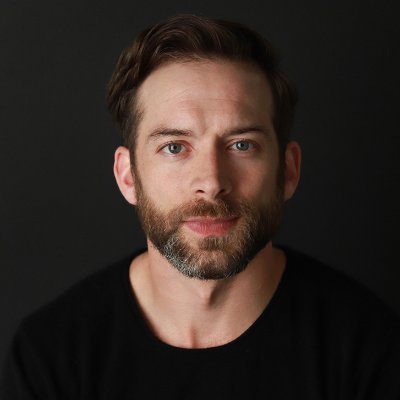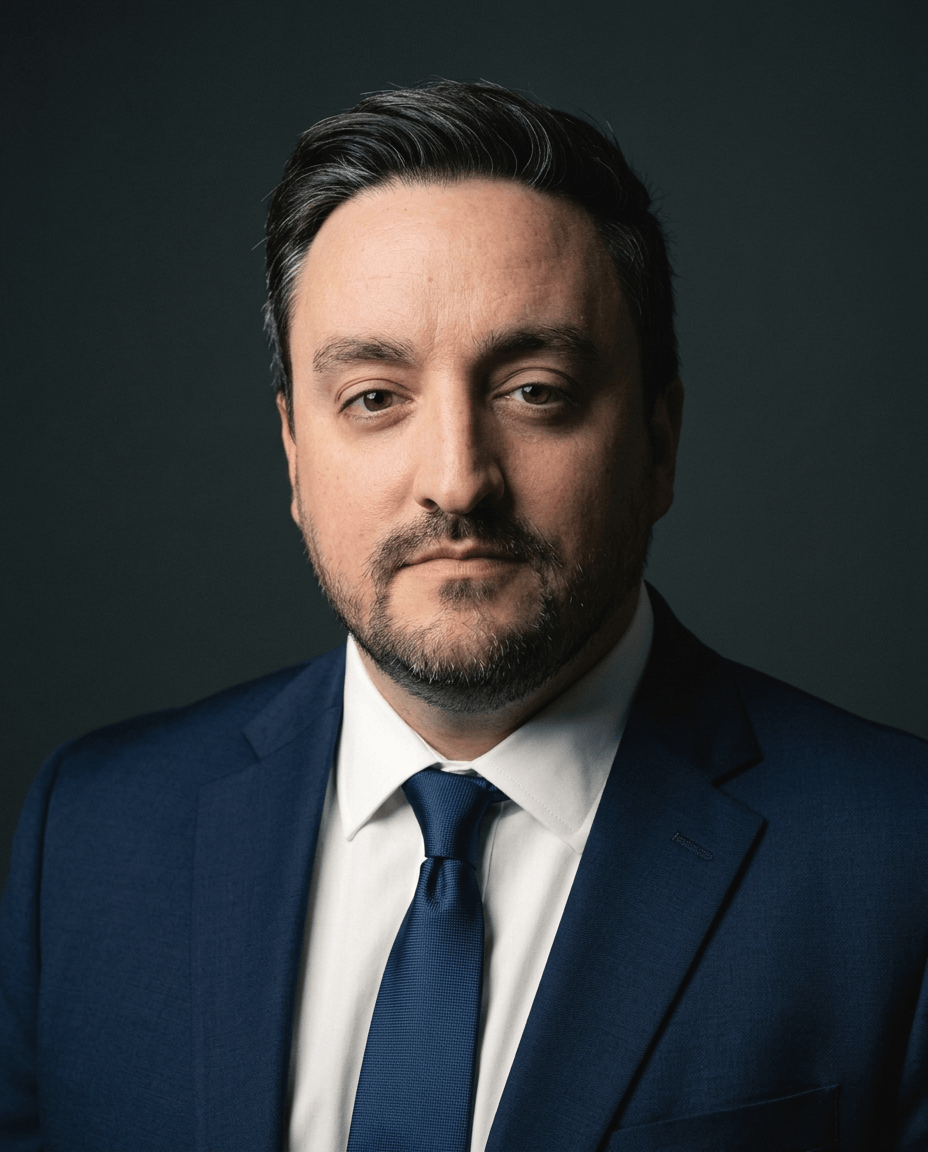
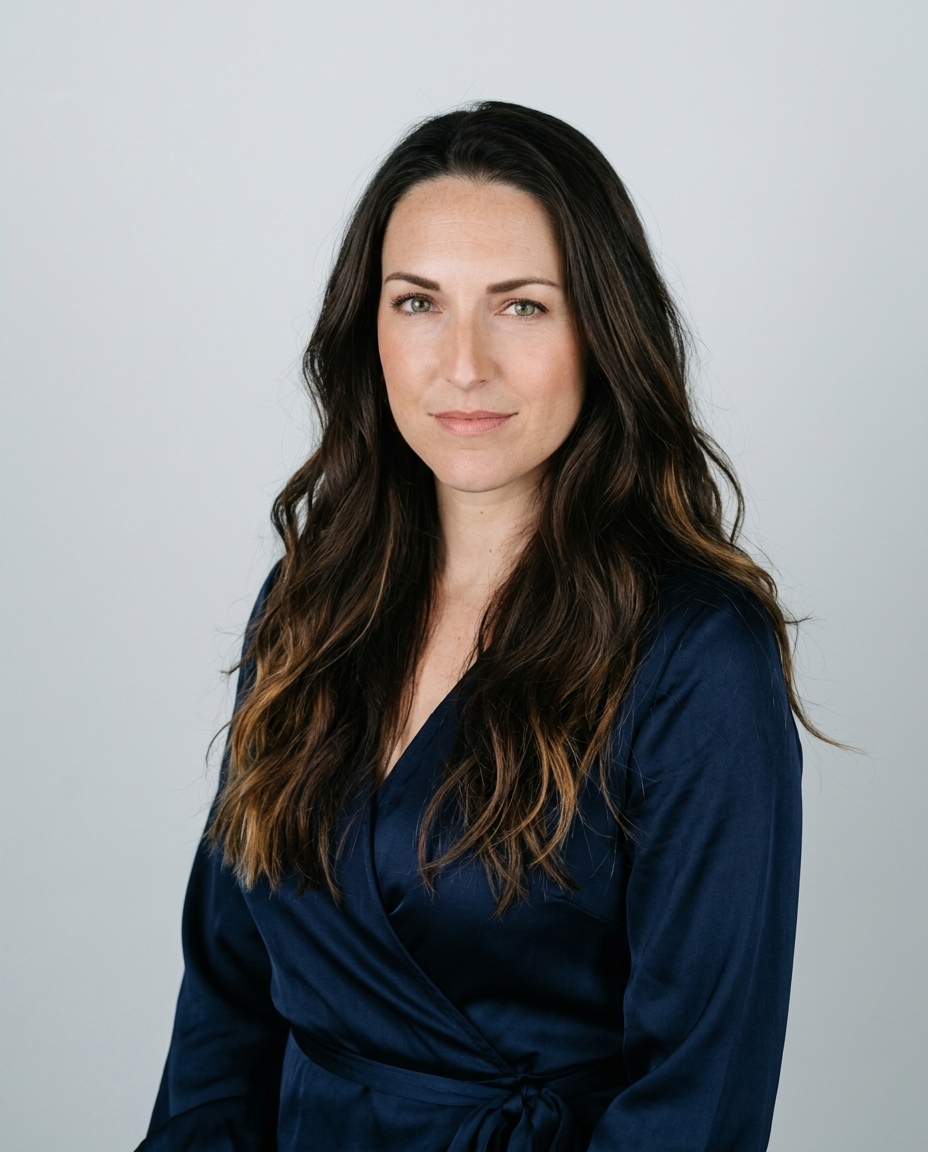
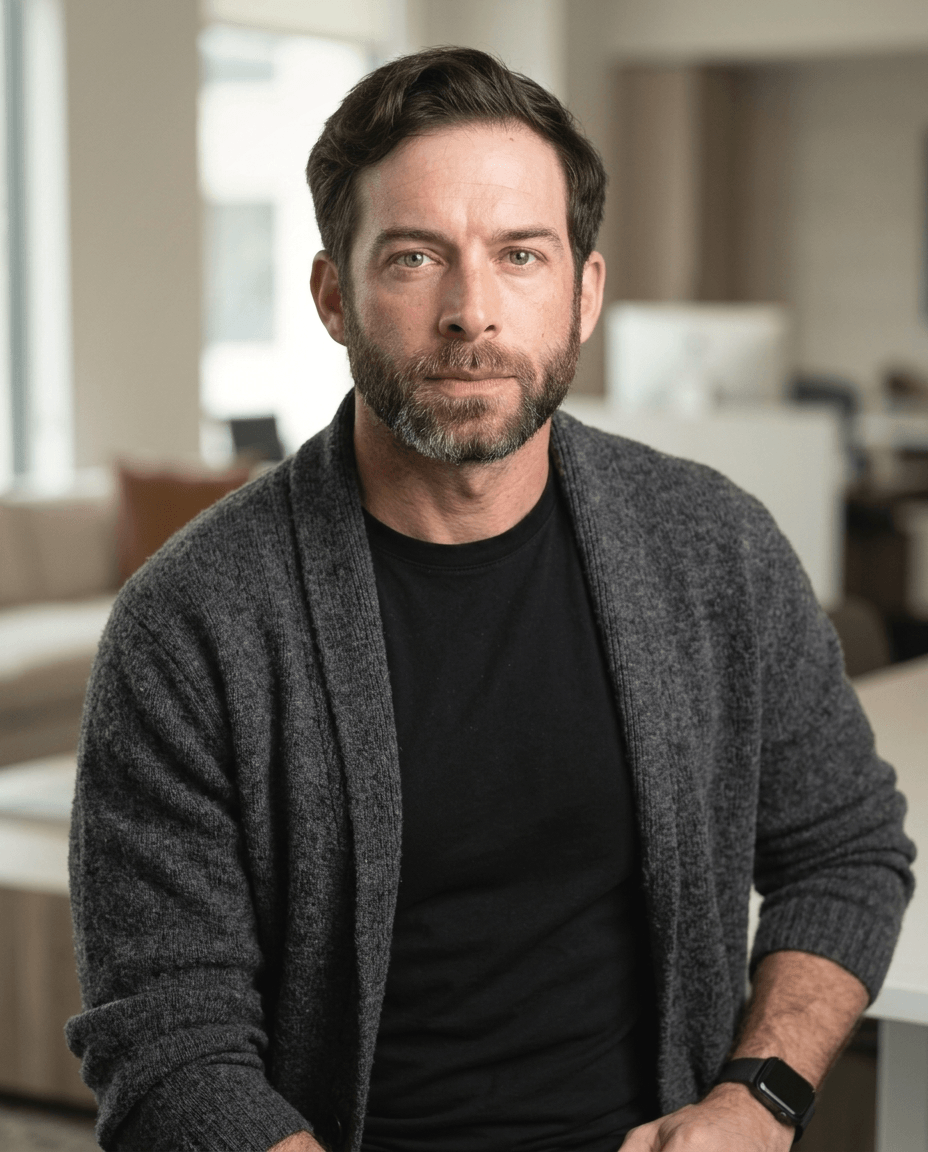
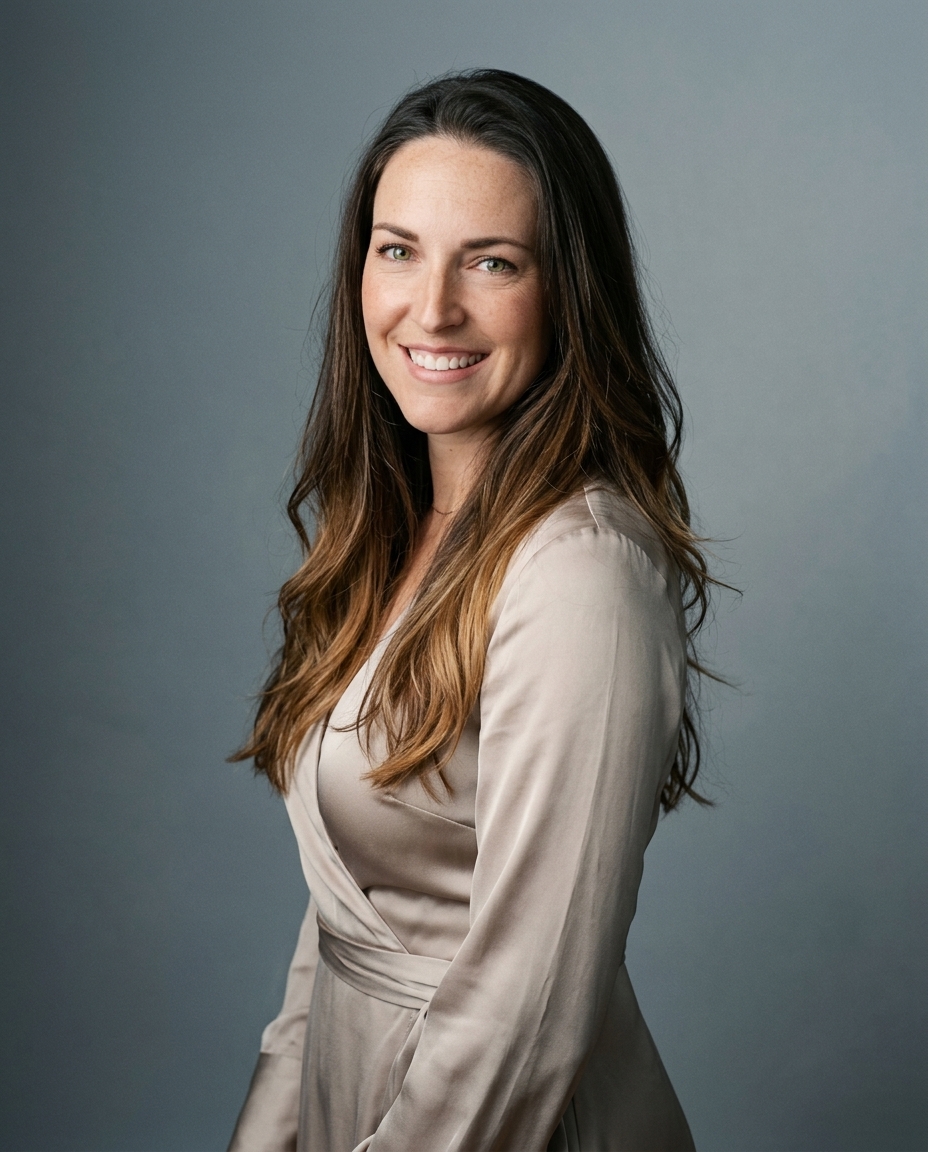

A strong headshot changes outcomes. It affects whether someone pauses, trusts you, and decides to respond.
After more than 10,000 sessions with real professionals in our Houston studio, the pattern is clear. Good headshots are not built on taste alone. They hold up because a small set of decisions keeps working across industries, age groups, and use cases. Light. Angle. Expression. Background. Realism. Consistency.
That is the framework behind this guide.
It is also the framework behind AiHeadshots. We built it from studio practice, not from software theory. We photographed people first, observed what made images perform effectively, then trained a system around those same principles. The standards for a credible headshot stay the same whether the image is made in camera or with AI. Quality still comes from the same places. Good light. Clean styling. Natural retouching. An expression that feels believable.
The tips that follow come from working photographers, not generic profile advice. They are the same rules we use every day to produce headshots that look professional, trustworthy, and current.
Table of Contents
- 1. Lighting isn't a tip. It's the whole game
- 2. The background's only job is to disappear
- 3. Your clothing is part of the uniform
- 4. Expression is where trust is made or lost
- 5. The right angle is rarely straight-on
- 6. Quality isn't optional. It's the minimum
- 7. Retouching should be invisible
- 8. A headshot is part of a brand. Yours
- 8-Point Headshot Tips Comparison
- From framework to final photo
1. Lighting isn't a tip. It's the whole game
Bad light makes people think they're unphotogenic. Most of the time, they're wrong. The light is wrong.
In the studio, lighting creates shape in the face, separates you from the background, and puts life back into the eyes. Flat light erases structure. Overhead light digs shadows under the eyes and nose. Mixed light from office fluorescents and a window gives you muddy skin tone fast.

We spent years refining studio lighting at Studio Pod. AiHeadshots was built from that photography experience, not from generic image generation alone. That's why our outputs aim for what actual studio light looks like: directional, soft, dimensional, clean.
What good light actually does
If you're taking input selfies for AI, don't overcomplicate it. Stand near a window. Face the light. Turn off the overheads. Keep the light even across both sides of your face.
Practical rule: If one side of your face is much brighter than the other, fix that before you upload anything.
A lawyer on a firm bio, a physician on a clinic page, and a sales lead on LinkedIn all need the same thing. Clear eyes. Healthy skin tone. Defined features. Good lighting does all three without looking flashy.
Human memory favors visuals in a way text can't match. One widely cited communications statistic says people recall about 65% of visual content compared with about 10% of written content after three days, as summarized in this article on profile image impact. That's why lighting matters so much. If the image is going to carry the memory, the image has to be strong.
A quick studio demo helps if you want to see what proper portrait light looks like in motion.
2. The background's only job is to disappear
Bad backgrounds make good headshots look amateur in seconds.
After 10,000-plus studio headshots, the pattern is obvious. If the viewer notices the wall, window, office, or skyline before the face, the frame is doing the wrong job. Background is support. Nothing more.
The safest choice is a simple, neutral backdrop with soft tonal separation from skin and clothing. Gray works. Off-white works. Muted blue works when it stays subdued. Brick, plants, desks, hallway blur, and fake office scenes usually fail for the same reason. They add context you do not need, and they date the photo faster than people expect.
This matters even more with AI headshots. The same principle applies whether the image is made in a studio or generated from selfies. Clean input produces clean output. Busy environments give the model extra noise to interpret, and that often shows up as strange edges, uneven blur, or backgrounds that feel slightly fake even when the face looks good.
Team pages are where background mistakes become expensive. One executive on dark gray, one on bright white, one in a conference room, one against a city view. The company starts to look patched together. That reads as disorganized, even when nobody says it out loud.
I tell clients to judge the background with one question. Does it help the face read faster? If not, remove it.
If you are starting from an existing photo, a simple background remover for headshots can clean up a distracting environment before you use it. Wardrobe affects separation too, especially when jackets and tops blend into the backdrop, so this executive headshot wardrobe guide helps you avoid that problem.
A law firm partner does not need a dramatic setting. They need a photo that looks credible at a glance.

3. Your clothing is part of the uniform
People overthink wardrobe in the wrong direction. They chase “interesting” when they should be chasing “clear.”
The best headshot clothes frame the face, fit well, and support the role. A navy blazer. A clean open-collar shirt. A simple blouse. A solid knit. Those choices work because they don't pull the eye away from you.
Dress for the role you already have
I tell clients to dress for the most important meeting they already belong in. Not a fantasy version of their career. Not the most casual version of themselves. The sharpest version that still looks true.
Patterns create problems fast. Tiny checks can shimmer on camera. Big prints dominate the frame. Loud logos make the image feel promotional instead of professional. Necklines matter too. Too high and the frame feels cramped. Too low and the image stops reading as business-first.
A real example: tech founders often do best in dark, structured layers that keep authority without looking stiff. Doctors and therapists usually need cleaner, calmer wardrobe choices because trust matters more than style. Realtors often benefit from slightly warmer styling because they need polish and approachability at the same time.
If you want a more specific breakdown, this executive headshot wardrobe guide covers what photographs cleanly and what tends to fail.
4. Expression is where trust is made or lost
Expression decides the photo faster than anything else.
I've shot enough executives, physicians, founders, and sales teams to see the pattern. People will forgive a simple background. They will forgive conservative wardrobe. They do not forgive an expression that feels tense, checked out, or overly rehearsed. In a headshot, trust is read off the face first.

Approachable beats over-smiling
The best expression usually sits in a narrow range. The mouth is relaxed. The eyes are awake. The face looks open, not performative. A big grin can work for recruiters, speakers, and some sales roles. For attorneys, consultants, surgeons, and finance teams, it often reads a little too eager.
That trade-off matters. Warmth gets attention. Restraint gets credibility. The right choice depends on the job, the audience, and where the image will appear.
As noted earlier, hiring managers form quick impressions from professional headshots. Expression is a critical factor in that judgment. A headshot is not judged like an art portrait. It is judged as a signal of competence, confidence, and whether someone seems easy to work with.
If your expression says “I don't want to be here,” the rest of the photo can't save it.
This is one of the clearest overlaps between studio photography and AI headshots. After directing more than 10,000 real sessions in our Houston studio, we built AiHeadshots around the same cues that work in camera. Soft tension out of the mouth. Real engagement in the eyes. Enough warmth to feel human, without drifting into the stock-photo smile that makes people look fake.
5. The right angle is rarely straight-on
Passport photos trained people badly. Straight shoulders, straight face, straight camera. That setup is efficient. It's almost never flattering.
A slight turn creates shape. It narrows the frame, defines the jawline, and gives the portrait dimension. You still want direct connection with the viewer, but you don't need to square your whole body to the lens to get it.
Small shifts change everything
Turn your torso a little. Bring your face back toward camera. Keep your eyes on the lens. Lower the chin just enough to define the jaw without looking tucked. Raise the camera slightly above eye level if you're shooting input selfies.
Those adjustments are small. The effect is not.
I've seen this constantly with executives who swear they only look good straight-on. Then you rotate them slightly and the image finally looks like a polished headshot instead of an ID badge. The same goes for team pages. Consistent angles make the whole set feel professionally directed, even before anyone notices why.

The best angle usually looks natural in person and intentional on camera. If it feels stiff, it probably is.
6. Quality isn't optional. It's the minimum
A soft, compressed, low-resolution image isn't “good enough for now.” It's a broken asset.
Your headshot has to survive multiple uses. LinkedIn. Company bio. Speaker page. Press mention. Conference badge. Internal directory. If the file falls apart the second someone crops it, you don't have a usable headshot.
Cheap is expensive when the file fails
Production method matters. The market spans a wide range, from AI generators at USD 29 to 59, virtual live-photographer sessions at USD 45 to 79, and traditional studios at roughly USD 150 to 450+ per person, according to Capturely's business headshots guide. Traditional photographers also commonly charge day rates in the $300 to $600+ range depending on scope, location, and licensing. That's real money for a small team.
Price alone doesn't tell you enough. You need to ask what file quality you'll receive, how consistent the set will be, and how much cleanup you'll have to do yourself. We priced AiHeadshots at $29 for Basic because we wanted a real alternative to scheduling a photographer, not a toy. You upload 10 to 20 phone selfies, and our system delivers 30+ studio-grade headshots in about 30 minutes.
The point isn't that studio photography is obsolete. We come from that world. The point is that quality has to hold up wherever the image ends up.
7. Retouching should be invisible
Retouching has one job. Remove distractions without removing the person.
That means cleaning a temporary blemish, reducing flyaways, evening color, and taming shine. It does not mean sanding all skin texture off the face, reshaping features, or turning someone into a polished mannequin. The second retouching becomes obvious, trust drops.
Realism is now the standard
This matters more now because people are more alert to synthetic-looking images. Public discussion around AI visuals has pushed authenticity to the front. A 2025 survey cited in this article on headshot styling and authenticity found 68% of U.S. adults were more concerned than excited about AI-generated content, and Pew reported in 2024 that 53% of Americans had heard or read a lot about AI-generated videos and images. People are looking harder at faces now. They notice when a headshot feels overworked.
That's also why the cheapest AI output can be a trap. Capturely's guide notes that AI headshot outputs can have only 10 to 20% usable results in some workflows. If you're spending your time sorting through uncanny images, fixing likeness issues, and discarding obvious misses, the low sticker price stops being low.
A photographer's standard is still the right one. You should look like yourself on a very good day.
For a broader outside perspective on what makes an AI-generated profile image usable, this guide to AI profile picture generation is worth reading alongside practical headshot advice.
8. A headshot is part of a brand. Yours
A headshot does branding work before anyone reads a word.
I have seen this across more than 10,000 headshots in our Houston studio. The photos that hold up are not just flattering. They are consistent with the role, the company, and the places the image has to live. That same rule shows up in AI headshots too. The output works when the visual inputs are clear and repeatable. It falls apart when the brand signal is mixed.
Your photo needs to survive context changes. LinkedIn. A firm bio. A speaker page. An email signature. A company team page. If the crop, styling, or tone shifts too far from one use to the next, recognition drops and credibility gets weaker.
Teams feel this even faster. A strong team page does not require everyone to look identical. It requires shared standards. Similar light. Similar framing. Similar background treatment. Similar formality. That is how you make ten people look like one company instead of ten separate uploads.
The trade-off is simple. A founder can usually push a little more personality. A litigator usually needs more restraint. A therapist often benefits from more warmth. Different roles need different emphasis, but the photo still has to look like it belongs to the same professional identity everywhere it appears.
If LinkedIn is the anchor, start with a profile image built for that use, then check how it crops and reads everywhere else. This LinkedIn headshot guide for 2026 walks through those platform-specific decisions in a practical way. For the broader brand system around the photo, PostSyncer's social media branding guide is a useful companion read.
For company-wide consistency, we built AiHeadshots Teams to solve exactly this problem. Same visual standard, less coordination.
8-Point Headshot Tips Comparison
| Item | Implementation complexity 🔄 | Resource requirements ⚡ | Expected outcomes ⭐ | Ideal use cases 📊 | Key advantages 💡 |
|---|---|---|---|---|---|
| Lighting isn't a tip, it's the whole game | High, requires three‑point setup knowledge and control | High, studio lights, modifiers, reflectors (AI can partially correct) | ⭐ Adds dimension, reduces harsh shadows, creates catchlights | Studio headshots, executive portraits, team branding | Creates professional, polished look; enhances facial features naturally |
| The background's only job is to disappear | Low–Medium, selection and coordination for consistency | Low–Medium, neutral backdrops or AI-generated backgrounds; space for physical setups | ⭐ Keeps focus on subject; reduces distractions | Corporate profiles, LinkedIn, team pages | Ensures cohesion across photos; easy brand alignment |
| Your clothing is part of the uniform | Low, wardrobe choices and proper fit | Low, quality, well‑fitting garments; optional stylist help | ⭐ Signals professionalism and trust; photographs cleanly | Client‑facing roles, executives, personal branding | Supports credibility and consistent visual messaging |
| Expression is where trust is made or lost | Medium, requires coaching and practice for authenticity | Low, time to rehearse; photographer guidance or AI cues | ⭐ Builds trust and approachability via eye contact and subtle smile | Sales, client services, leadership profiles | Conveys warmth and competence; increases engagement |
| The right angle is rarely straight-on | Low, simple posing and framing adjustments | Low, camera positioning and photographer direction | ⭐ More flattering, dimensional portraits; balanced composition | All professional headshots and team photos | Creates pleasing proportions; reduces flatness |
| Quality isn't optional, it's the minimum | Low, follow technical specs and export settings | Medium, high‑res capture (or AI upscale), file management | ⭐ Sharp, production‑ready images for web and print | Websites, LinkedIn, printed materials, directories | Ensures compatibility across platforms; maintains professionalism |
| Retouching should be invisible | Medium, subtle editing skills required to avoid overdoing | Medium, retouching tools or AI, review time for consistency | ⭐ Cleans temporary imperfections while preserving texture | All professional portraits; consistent team edits | Removes distractions without altering identity; consistent results |
| A headshot is part of a brand, yours | Medium, requires cross‑platform coordination and guidelines | Medium, style guide, multiple exports, alignment with brand colors | ⭐ Cohesive recognition and unified visual identity | Company teams, personal brand strategy, marketing materials | Builds recognition, streamlines team presentation, platform optimization |
From framework to final photo
The best professional headshots tips aren't really tips. They're standards. Good light. Quiet background. Clean wardrobe. Natural expression. Strong angle. Real file quality. Invisible retouching. Consistency across platforms.
That framework works whether you hire a photographer for a traditional session or use AI. The principles don't change. The tools do. A photographer charging $300 to $600+ for a day is applying the same visual logic we've used for years at Studio Pod. We built AiHeadshots to make that logic accessible without the scheduling, travel, and per-person studio cost.
That's the part people miss when they compare methods. The key question isn't “photo or AI?” Instead, it's whether the process is grounded in actual headshot craft. We think that's where our background matters. Studio Pod spent years shooting real executives, founders, physicians, lawyers, agents, recruiters, and whole corporate teams before we ever built AiHeadshots. We're photographers who built an AI product, not a software team trying to reverse-engineer portrait standards after the fact.
That heritage shapes the details. AiHeadshots delivers 30+ studio-grade headshots in about 30 minutes from 10 to 20 phone selfies. Pricing starts at $29, with Professional at $39, Executive at $59, and Teams volume pricing at $22 to $29 per seat for groups of 10 or more. We've served 30,000+ customers, delivered 255,000+ headshots, and hold a 4.9★ rating. If the results don't work for you, there's a 100% money-back guarantee within 14 days.
A headshot doesn't need to be fancy. It needs to be credible. It needs to look like you. It needs to hold up everywhere you use it.
Upload 10 selfies, see your first headshot in 30 minutes, $29.
AiHeadshots gives you photographer-built professional headshots without a studio visit. You upload 10 to 20 selfies, choose your style, and get 30+ studio-grade headshots in about 30 minutes. Pricing starts at $29 on the pricing page, and you can review real outputs on the examples page, read customer feedback on the reviews page, or go straight to try AiHeadshots.