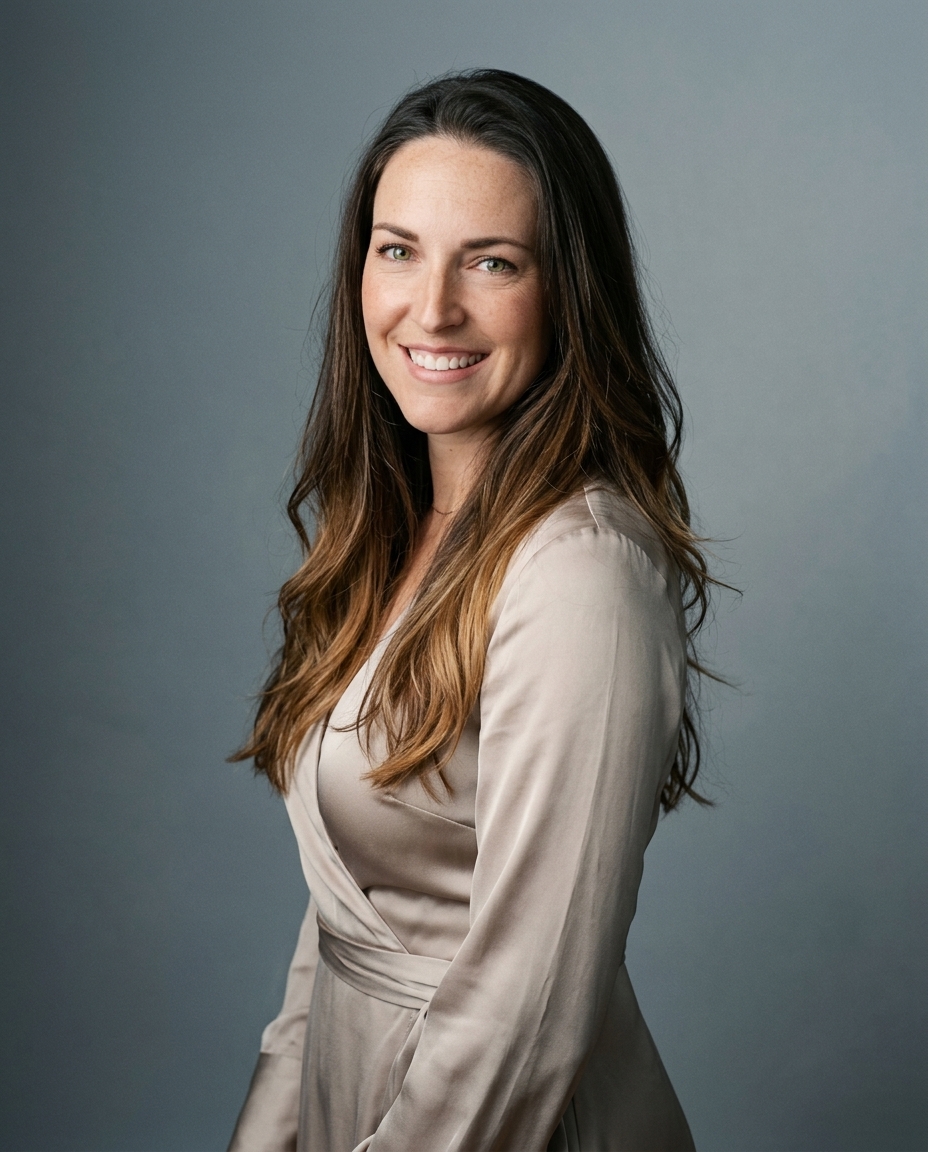

A professional headshot in Phoenix is a staffing and operations decision as much as a visual one. Cost per person, turnaround time, and image consistency across a team usually matter more than whether the background is gray, white, or a desert wall.
That is why the local market is so crowded. Phoenix has enough established photographers, corporate providers, and newer AI options that buyers can compare on speed, process, and scale instead of taking the first studio they find. One local directory's review of Phoenix headshot providers shows the depth of that market, from long-running businesses to studios with substantial review volume (Face Jam Phoenix professional headshot listings).
I have shot headshots in a controlled studio, on office sites across the Valley, and through an AI workflow built to solve the same bottlenecks clients kept running into. The trade-offs are real. A studio session gives the highest level of control. On-location work can match the brand and save team travel time. AI can cut scheduling friction and deliver consistent results fast, especially for distributed teams or companies onboarding people every month.
The right choice depends less on style than on how your business operates.
Table of Contents
- Your three paths to a professional headshot in Phoenix
- The traditional Phoenix studio session
- On-location headshots in the Valley
- The AI headshot option for speed and scale
- How to choose the right headshot for your needs
- How to prepare for any professional headshot
Your three paths to a professional headshot in Phoenix
If you're shopping for professional headshots in Phoenix, you have three real options. You can book a traditional studio. You can do an on-location session around the Valley. Or you can use an AI-generated workflow.
Each path solves a different problem.
Traditional studios are the classic answer. In Phoenix, one provider lists headshot pricing from $150 to $500, with a fast option built around a 20-minute appointment and delivery of 1 edited image in 1–2 days (Phoenix LinkedIn headshot pricing and turnaround). That works well if you need one polished image and want a photographer directing the session live.
On-location headshots trade control for context. They can look more natural, more brand-specific, and less formal than a studio portrait. For a realtor, consultant, architect, or founder, that background can do useful work. It can place you in an environment that supports the story you want your profile photo to tell.
AI headshots solve a different set of problems. They remove the studio visit, reduce scheduling friction, and make it easier to standardize looks across distributed teams. That's why this choice now belongs in the same conversation, not as a novelty but as an operational option.
Practical rule: Pick your headshot method based on the job the image needs to do, not on habit.
What Phoenix buyers should focus on
Phoenix has enough competition that style alone isn't a good buying filter anymore. The better way to compare is this:
- If you need one high-control executive portrait, book a studio.
- If your setting matters to your brand, shoot on location.
- If speed, repeatability, or team rollout matters most, use an AI workflow.
That's the key frame for professional headshots in Phoenix. Not which style sounds nicest. Which process fits the outcome, the timeline, and the number of people involved.
The traditional Phoenix studio session
Studio is still the benchmark for control. In Phoenix, that matters because the light is unforgiving for much of the day, and a controlled setup removes the biggest variables fast: overhead sun, squinting, blown highlights, and uneven skin tone.

What a strong studio session includes
The gap between a mediocre studio headshot and a strong one is not the camera body. It is lighting control, posing direction, lens choice, and expression coaching.
A good Phoenix studio session solves several problems at once. The photographer shapes light for your face instead of using a one-size-fits-all setup. They adjust shoulders, chin, and eyeline so you look confident without looking stiff. They also watch small details that clients miss in the moment, like collar spread, flyaway hair, glasses glare, and whether your smile reads as relaxed or forced.
That is why studio sessions often take longer than clients expect. The camera work is quick. Getting a natural result is the slower part.
The best studio headshots look simple because the photographer handled the technical work before you ever saw the final frame.
If you are comparing photographers, ask the questions that affect the outcome and the budget. How many final images are included. Is retouching built into the fee or billed separately. Do you get same-day selects or a later proof gallery. How much direction happens during the shoot. If you want a practical pricing frame before you book, this guide to headshot prices for different session types helps clarify what you are paying for.
Who should choose the studio route
Studio works best when the image needs to read as polished, neutral, and consistent across formal use cases. That usually means executive bios, law firm profiles, medical groups, finance teams, board pages, and speaking materials. It is also the safest option for people who do not like being photographed and need live feedback from someone who knows how to coach them through it.
For one person, the trade-off is usually easy to accept. You book a time, travel to the studio, spend part of an hour or more getting the shot right, then wait for retouching and delivery. In return, you get the highest level of lighting control and the lowest risk of a weak final image.
For teams, the math changes. I have run plenty of studio headshot days, and the quality is excellent, but consistency across hiring cycles gets harder than buyers expect. A company with 20 employees can schedule a studio day without much pain. A company with 200 employees across Phoenix, Scottsdale, Tempe, and remote roles is dealing with calendars, reshoots, turnover, and the cost of recreating the same look months later.
That is the limit of the traditional studio model. It produces strong individual portraits. It is slower and more expensive to scale.
On-location headshots in the Valley
On-location headshots earn their keep when the setting does real branding work. If the office, street, or architecture helps explain who you are, a location portrait can outperform a plain backdrop. In Phoenix, that usually means clean desert tones, modern commercial spaces, or recognizable urban texture that supports the subject instead of stealing attention.

Where location adds value
I recommend on-location work for people whose business is tied to place or personality. Real estate agents, architects, agency owners, restaurant groups, coaches, and founders often get more mileage from a portrait that feels connected to Phoenix rather than isolated from it. A good background can signal market knowledge, taste, and approachability in one frame.
The trade-off is control.
A strong location headshot still has to function at LinkedIn size, on a company bio page, and inside pitch decks. That means background lines need to stay clean, wardrobe has to separate from the scene, and the light has to flatter the face first. If you are comparing formats, this breakdown of professional headshot styles and use cases is useful for seeing where environmental portraits fit.
What usually goes wrong outdoors
Phoenix light is harsh for much of the day. Midday sun creates eye shadows, shiny skin, blown-out highlights, and squinting. Good outdoor headshots usually happen early or late, which gives you a tighter scheduling window and less room for delays.
That matters a lot more for teams than for individuals.
For one person, on-location can be efficient. Meet at the site, shoot fast, and use the background as part of the story. For a company headshot day, the complexity climbs quickly. People arrive at different times. Shade shifts. Reflections change color from one wall to the next. The first five employees may match well, then the sun moves and the next five look like they were photographed on another day.
I have produced these sessions across Phoenix, Scottsdale, and Tempe. They can look excellent. They are also less repeatable than buyers expect, especially if you need the same look for new hires three months later.
That is the decision point. On-location usually gives you more personality and less consistency. Studio gives you more control. AI gives teams a way to keep a consistent look without coordinating another field shoot. If you want a realistic sense of how AI images are produced before choosing that route, this guide to AI headshot creation is a helpful reference.
Use location work when the setting strengthens the message enough to justify the narrower timing, higher coordination load, and lower consistency across a growing team.
The AI headshot option for speed and scale
AI headshots solve a different problem than studio and on-location photography. They reduce coordination, shorten turnaround, and keep a team page from drifting into five different lighting styles over six months.

Why photographers built this category
We built our AI service from the perspective of people who have run real headshot days, fixed bad wardrobe choices under studio lights, and dealt with the cost of rescheduling ten employees because two flights got delayed. That background changes the standard. A usable headshot still has to look like a photograph. Light has to read naturally. Skin has to keep texture. Faces have to stay proportional. Expressions have to feel human.
Our product, AiHeadshots, uses 10 to 20 phone selfies and returns 30+ headshots in about 30 minutes. Pricing starts at $29 for Basic, $39 for Professional, $59 for Executive, and $22 to $29 per seat for Teams, plus a 100% money-back guarantee within 14 days. Those numbers make the use case clear. AI is built for fast delivery, broad coverage, and repeatable output across a growing team.
If you want an outside look at how the process works, this guide to AI headshot creation is a useful reference.
A quick walkthrough helps:
Where AI fits and where it does not
AI works well when speed and consistency matter more than documenting a specific place. That includes LinkedIn updates, company directories, recruiting profiles, speaker bios, sales teams, and distributed staff who need to match the look of employees photographed months earlier.
The team use case is the clearest one. A Phoenix company can photograph 20 employees in a studio and get strong results, but the problem starts with employee 21. New hires come in later. Remote staff sit in other cities. Someone wants a different background. Someone else submits an old crop from a conference badge. AI gives operations and HR a way to standardize framing, wardrobe direction, background style, and final delivery without booking another half-day shoot.
It also has limits.
If the image needs to show a real office, a recognizable Phoenix setting, or a publication-grade portrait with documented capture, a traditional session is still the better choice. The same applies to executives who want a photographer directing posture, chin angle, glasses position, and expression in real time. AI can produce strong results, but it cannot replace the control of a live set when the brief is highly specific.
The practical trade-off is simple. Studio gives you the most control per person. On-location gives you environmental context. AI gives you the fastest path to consistent headshots at team scale.
You can see how that photography-first standard carries into finished images on our examples page and in customer feedback on our reviews page.
How to choose the right headshot for your needs
The wrong way to choose is by asking which format is most premium. The right way is to ask what failure looks like for your use case.
If you're an individual professional updating LinkedIn before interviews, failure usually means delay. If you're a founder refreshing a website, failure often means a portrait that feels off-brand. If you're in HR or operations, failure means a team page where every person looks like they were photographed by a different company in a different year.
Phoenix headshot options compared
For teams in Phoenix, that consistency problem is real. Local corporate photographers offer studio and on-location capture, unlimited outfit changes, and retouched delivery in 7–10 days, but maintaining a unified look across distributed staff remains a practical challenge (Duane Furlong Studios on team headshots).
| Criteria | Traditional Studio | On-Location Shoot | AiHeadshots |
|---|---|---|---|
| Cost | Commonly higher than AI. Phoenix market examples range from $150 to $500 for individual sessions in one local listing context | Varies by photographer, location, and setup complexity | $29 Basic, $39 Professional, $59 Executive, Teams $22–29/seat |
| Turnaround | Often days after session and retouching | Often days after session and retouching | About 30 minutes |
| Consistency | Strong for one person or one scheduled team day | Harder to control across locations and time slots | Strong for repeatable team styling and distributed rollout |
| Best use case | Executive portrait, board bio, formal corporate image | Personal branding where setting matters | LinkedIn, recruiting, company directories, remote teams, fast refreshes |
A lot of readers also want help defining what a modern LinkedIn image should look like. This overview of professional LinkedIn profile photos is useful because it focuses on profile-photo decisions rather than photography gear.
The decision most teams miss
Teams usually focus on image quality first and workflow second. In practice, teams should reverse that order.
A beautiful headshot process that nobody can schedule isn't a strong process. The same goes for a photographer who can produce great work for one office but can't keep brand consistency across new hires, remote staff, recruiters, and leadership updates.
Operational view: Teams don't buy one headshot. They buy a repeatable system for the next hiring cycle too.
That's the primary dividing line in professional headshots in Phoenix right now. Individuals can choose primarily on style. Teams have to choose on administration, consistency, and speed.
How to prepare for any professional headshot
Preparation changes the result more than people expect. After photographing thousands of professionals, the pattern is consistent: the people who look easiest on camera usually prepared the most.

Clothes, grooming, and expression
Clothing should be simple, fitted, and aligned with your actual role. Solid colors usually photograph better than busy patterns. Jackets help define shape. Necklines matter. If your clothes pull, wrinkle badly, or fit loosely at the shoulders, the camera will show it.
Grooming should look like your polished normal, not a dramatic version of you. Hair should be intentional. Makeup, if worn, should control shine and even tone without pushing into a special-event look. Glasses are fine if they're part of your real identity, but clean them and check for glare during capture.
Expression is where people often struggle. Don't try to “look professional.” That usually creates tension around the mouth and eyes. Think instead about looking alert, calm, and easy to talk to.
What preparation changes in the final image
A few basics have outsized effect:
- Bring or wear what fits now. Headshots fail when people rely on an old blazer or shirt that no longer sits correctly.
- Sleep matters. Rest shows up in your eyes and skin before any retouching does.
- Practice a neutral smile. Not a grin. Not a blank stare. Just a relaxed expression with some life in the eyes.
- Know the crop. LinkedIn and company directories usually show your face small. The image has to read clearly at thumbnail size.
- Match the goal to the outfit. Executive bio, recruiting profile, law firm page, and startup team grid don't all need the same level of formality.
The best headshot is usually the one that feels accurate on your best day, not the one that looks most stylized.
If you want a fast option without booking a shoot, AiHeadshots lets you upload 10 selfies and see your first headshot in 30 minutes for $29.