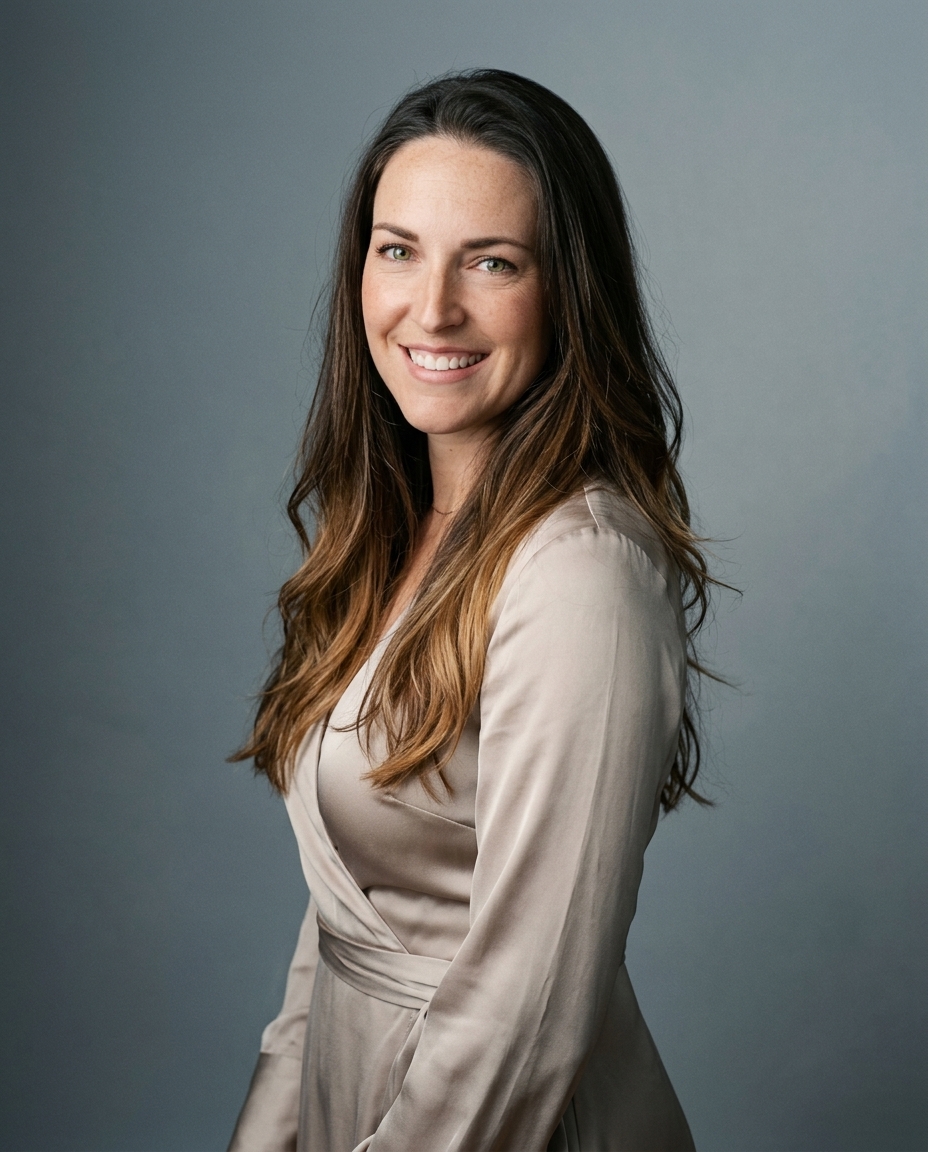

The expensive part of professional headshots in San Diego often isn't the session fee. It's the full chain around it. Researching photographers, comparing styles, booking a slot, getting across town, changing outfits, waiting on selects, then waiting again on finals. The listed price is only one part of the full cost.
That matters in San Diego because the market is established and structured. Local providers openly price headshots as a standalone service, with traditional sessions typically ranging from $200 to $500+ per session, and some studios listing in-studio headshots starting at $250 and on-location shoots starting at $350. Those same providers also point to 3–5 business day delivery windows for final galleries, which tells you this is a mature business service, not an informal add-on for portraits (San Diego headshot pricing and turnaround).
Table of Contents
- The landscape of professional headshots in San Diego
- Choosing between studio and on-location photographers
- The new alternative AI headshots
- How to prepare for any professional headshot
- Best outdoor headshot locations in San Diego
- Frequently asked questions about San Diego headshots
The landscape of professional headshots in San Diego
In San Diego, the session fee is only part of the bill. The bigger cost is usually the time it takes to research photographers, book a date, prepare wardrobe, sit for the session, review proofs, request retouching, and wait for final files.
What the local market actually looks like
San Diego has a mature headshot market. Photographers here usually split their offers into three buckets: individual sessions, team headshots, and event coverage. That matters because pricing follows production complexity. A solo studio session is one thing. Coordinating ten employees across two office locations is a different job entirely.
From a buyer's side, the primary variable is not just rate. It is logistics.
A typical traditional headshot process includes style research, inquiry emails, scheduling, travel, the shoot itself, image selection, and retouching approvals. Even when the photography is good, that workflow can eat half a day for one person and several days of admin time for a marketing or ops lead managing a team. Broader headshot trends for 2026 reflect the same shift I see locally. Buyers increasingly care about speed, file delivery, and how much coordination the process demands.
The other point buyers miss is that listed pricing rarely covers the full job in practical terms. Session minimums may exclude extra retouching, additional looks, rush delivery, or licensing for company-wide use. I see this constantly. Someone books a lower-priced session, then spends more time than expected on revisions or realizes the package only includes one final image.
The hidden cost is coordination
For individuals, the friction shows up in small decisions that still take time. Which photographer matches the industry? How formal should the wardrobe be? Is the background neutral enough for LinkedIn, a company bio, and a speaker page? None of that is hard, but all of it adds up.
For companies, the cost is heavier. Someone has to manage calendars, prep notes, file naming, retouching standards, and late arrivals. If one executive misses the shoot day, the company either accepts inconsistency or pays again to recreate the setup. That is often more expensive than the session itself.
Reputation matters here because headshots are a trust product. Buyers are judging consistency, not just one hero image on a portfolio page. If you run a service business and want a clearer view of how reviews affect local conversion, this guide on mastering Google reviews for better bookings is useful for understanding that buying behavior.
San Diego buyers usually have two workable paths. Hire a photographer when brand control, live direction, or team consistency matters enough to justify the scheduling load. Use an AI tool when the main goal is getting a clean, current image without the usual back-and-forth. That trade-off is new. The underlying problem is old. Getting a professional headshot has always cost more time and effort than the session fee suggests.
Choosing between studio and on-location photographers
The studio versus location decision isn't about prestige. It's about control.
A strong studio photographer gives you repeatability. Light is fixed. Background is clean. Expression and posture become the focus. If your headshot needs to work on a law firm bio, a medical practice site, a board page, or a recruiting profile, studio usually wins because there are fewer moving parts.
Choose studio when consistency matters most
San Diego studios commonly structure a headshot session to produce 5–7 distinct looks in about 1 hour (session structure used by a San Diego headshot studio). That's an efficient format. It gives enough variety for LinkedIn, speaker pages, and internal company use without dragging the subject into fatigue.
What works in studio is simple. Neutral or controlled backgrounds. Tight wardrobe edits. Small expression changes. Good direction.
What doesn't work is trying to force too much personality through props, trendy furniture, or dramatic lighting that will age badly. Most professionals don't need a cinematic portrait. They need a reliable one.
If the image will sit next to other team members on a company site, consistency beats flair almost every time.
Choose on-location when context is part of the brand
Location works when the background says something useful. A commercial real estate broker, architect, founder, designer, or hospitality executive can benefit from environmental context. San Diego gives you plenty of visual options, but outside shoots always come with trade-offs. Public traffic, shifting sun, wind, permit restrictions, and background clutter all affect the frame.
Here's the cleanest way to decide:
- Pick studio if you need uniformity, privacy, and a corporate finish.
- Pick on-location if place is part of your identity and you're willing to trade some control for atmosphere.
- Skip hybrid indecision if your real goal is speed. Trying to split the difference often creates more planning and weaker results.
A lot of buyers choose on-location for the wrong reason. They're trying to avoid looking stiff. That isn't a location problem. It's a direction problem. A good photographer can get a relaxed expression in a studio. A weak photographer can make you look uncomfortable on the prettiest street in San Diego.
The new alternative AI headshots
There's now a third path. Not a replacement for every photographer session, but a different answer to the logistics problem.

San Diego has long-established headshot studios. One local provider describes itself as “San Diego's Trusted Corporate Headshot Studio, Since 2010,” which shows the category has had staying power for 16 years by 2026 (long-running San Diego headshot studio). That history matters because it proves demand is durable. Professionals still need polished images. What's changed is how many of them now want speed and less coordination.
Where AI fits and where it doesn't
We built AiHeadshots from a photographer's point of view, not as a generic image generator. That matters. Studio Pod has photographed 10,000+ real professionals since 2019, and that production experience shaped how our system handles business portraits, expression range, clothing realism, and polished finish. You upload 10–20 phone selfies, and the service delivers 30+ studio-grade headshots in about 30 minutes. Pricing starts at $29 on the Basic tier, with Professional at $39, Executive at $59, and Teams priced at $22–29 per seat for 10+ seats.
That's a different offer than hiring a photographer for a $300–$600+ day rate or paying local San Diego session pricing for a traditional individual shoot. It removes travel, scheduling, and studio time. It doesn't remove judgment. You still need to know what kind of image you're trying to make.
For readers comparing workflows, this breakdown of AI headshots vs photographer is the practical comparison to read.
What AI is good at: fast refreshes, recruiting profiles, speaker bios, company directories, remote teams, and people who need polished options without a live shoot.
AI is weaker when the assignment depends on a specific physical location, a highly directed personal branding concept, or detailed environmental storytelling. If you need your portrait shot inside your office, on a hotel terrace, or against a recognizable San Diego backdrop at a certain time of day, hire a person.
There's a similar shift happening in adjacent creative workflows. Tools are replacing repetitive production steps, not human taste. That's why this overview of Scheduler.social's content creation AI is relevant. The useful question isn't “human or AI.” It's “which part of the workflow requires a human?”
Here's a quick look at how the process works in practice:
How to prepare for any professional headshot
Preparation matters more than people think. A strong headshot usually comes from small disciplined choices, not a dramatic pose or expensive jacket.

The basics that always help
Clothes should fit well on the shoulder and collar. Solid colors usually photograph better than busy patterns. If you wear glasses every day, wear them for the session. If you never wear them, don't make the headshot the exception.
Grooming should look like your polished normal, not a different person. Fresh haircut timing matters. So does facial hair cleanup, skin prep, and getting enough rest the night before.
Expression is where individuals often lose the frame. They over-smile, lock their jaw, or try to look “confident” and end up looking tense.
A good headshot doesn't need drama. It needs ease, directness, and a face that still looks like you on an ordinary workday.
If you're using selfies as input
Photography discipline still applies. Better source images make better outputs. You want clean face visibility, natural expression range, and even light. Window light works well. Harsh overhead lighting usually doesn't.
Don't feed the system a stack of nearly identical photos. Variety helps. Different angles, small changes in expression, and a mix of neutral and lightly smiling looks give the system more to work with.
For a deeper walkthrough, use this selfie prep guide for AI headshots.
A few things consistently work better than others:
- Use simple lighting: Face the light source so your eyes stay clear and the skin tone stays even.
- Keep accessories minimal: Hats, sunglasses, and heavy obstructions reduce usable facial information.
- Wear familiar work clothes: Choose outfits you'd wear for client meetings, interviews, or company photos.
- Avoid extreme filters or beauty edits: Clean originals produce more believable finished portraits.
What doesn't work is trying to outsmart the process. Ultra-stylized selfies, nightclub lighting, or heavily cropped images usually create weak source material, whether you're sending them to a photographer for retouching references or using them in an AI workflow.
Best outdoor headshot locations in San Diego
Outdoor headshots in San Diego work best when the background supports the professional identity instead of stealing attention. The city gives you almost every visual register. Classic architecture, coastal brightness, urban texture, clean business districts, and pockets of greenery that soften a corporate portrait without turning it into lifestyle content.

Balboa Park and La Jolla Cove
Balboa Park is the safest recommendation for a wide range of professions. The architecture reads polished. The greenery keeps the frame from feeling sterile. It suits lawyers, consultants, nonprofit leaders, and executives who want something refined without looking stiff.
La Jolla Cove produces a different signal. Brighter, more open, less formal. It fits founders, wellness professionals, advisors, and personal brands that want credibility with some West Coast ease. The trick there is restraint. If the ocean becomes the subject, it stops being a headshot and starts becoming a travel portrait.
Gaslamp, Little Italy, and office-adjacent spots
The Gaslamp Quarter works for people who want energy in the frame. Brick, glass, metal, and street lines can support a modern brand. It's a good match for tech, commercial real estate, hospitality, and creative leadership. It's weaker for professions that depend on calm conservatism.
Little Italy is softer and cleaner. Good cafes, neutral walls, and pedestrian pockets give you more ways to make an approachable business portrait. It's a useful middle ground when you want context without the visual noise of a heavier downtown setting.
Office-adjacent outdoor areas are underrated. Courtyards, shaded walkways, and exterior architectural details near a client's actual workplace often produce the most credible environmental headshots because the setting connects to the work.
Location test: If you removed the person from the frame and the background still screams for attention, the spot is too loud for a headshot.
The right outdoor location should support one message. Established. Modern. Approachable. Sharp. Pick one. The worst San Diego location shoots try to communicate all of them at once and end up looking indecisive.
Frequently asked questions about San Diego headshots
How often should I update my headshot
Update it when the current image no longer matches how you show up in meetings, on calls, or in person. A visible change in hairstyle, weight, age, role, or brand presentation is enough reason. You don't need a fixed calendar rule. You need the photo to remain current and credible.
If your old image still looks like you and still fits your professional positioning, keep it. If people meet you after seeing it and feel a mismatch, replace it.
What's the best option for a whole team
It depends on what the company is optimizing for. If leadership wants one controlled visual standard and has the time to coordinate calendars, a live photographer is still the cleanest path. If the team is remote, distributed, or constantly changing, a virtual workflow is easier to maintain because new hires can match the style without waiting for the next office shoot.
The big mistake is mixing too many aesthetics on the same team page. Different crops, lighting styles, and background choices make the company look fragmented.
What's the real difference between a professional headshot and a good phone photo
A good phone photo can look pleasant. A professional headshot is built for use. Framing is tighter. Expression is directed. Lighting is intentional. Retouching is restrained. The image holds up across LinkedIn, speaker bios, press requests, investor decks, and company directories without looking casual or improvised.
That doesn't mean every phone photo fails. It means most phone photos were never made with those use cases in mind.
When should I hire a photographer instead of using an online tool
Hire a photographer when the assignment depends on direction, environment, or team production. That includes executive portraits with a specific brand brief, office-based shoots, location-dependent storytelling, and large group sessions where consistency must be managed in real time.
Use an online tool when the main problem is speed, cost, or coordination. If you just need a polished, current headshot without the logistics of a session, the simpler workflow is usually the smarter one.
Upload 10 selfies, see your first headshot in 30 minutes, and compare plans at AiHeadshots pricing.