A professional headshot is one of the few portraits that has to work in several different places at once. A close crop that reads clearly on LinkedIn can lose its context on a company website, while dramatic lighting that suits an actor's portfolio can feel out of place in a medical directory. The best modern photography styles are not the ones you like most. They are the ones that fit your work, audience, and intended use.
That choice matters even more in a smartphone-first culture. Smartphones accounted for about 92.2% of photographs in 2023, while digital still cameras accounted for 5.6% (Photography Life's camera-market analysis). Professional portraits now need to look deliberate and recognisable across digital formats, not just in a framed print.
Table of Contents
- Why choosing a headshot style is a brand decision
- How photography became a smartphone-first medium
- Minimalist, cinematic, and environmental headshots
- Lifestyle, editorial, and high-key versus low-key headshots
- Matching a style to your industry and platform
- Authenticity without losing identity
- Trying multiple looks without a $400 studio bill
- Pick one style, book the test, ship the photo
Why choosing a headshot style is a brand decision
Choosing a headshot style is a brand decision, not a taste decision. People see your portrait on LinkedIn, in a company directory, on a conference page, or beside a podcast episode. The lighting, background, expression, and crop all shape what they infer about you before you've spoken.
Start with the audience. A lawyer meeting prospective clients needs a different visual signal from a creative director pitching a campaign. Then consider where the image will appear. A small circular profile crop rewards clear facial detail; a website banner can make room for more environment and composition. Finally, choose the impression you want to create: authority, approachability, creativity, or some balance of the three.
These are the six looks worth comparing: minimalist, cinematic, environmental, lifestyle, editorial, and high-key or low-key lighting. They aren't rigid boxes. A portrait can combine a clean background with natural expression, or an environmental setting with restrained cinematic light. What matters is knowing which visual choices support your purpose and which distract from it.
For a broader way to connect a professional image to a defined audience and reputation, personal branding photography offers a useful lens. Advisors, in particular, need visual choices that support trust without making a portrait feel generic; this guide to compliance-first branding for advisors adds helpful context on aligning a public-facing brand with professional expectations.
A headshot should be recognisable, suited to its platform, and consistent with how you show up at work. Pick the style by answering those questions first. Aesthetic preference comes after.
How photography became a smartphone-first medium
Photography moved from a deliberate activity built around film and dedicated equipment to an everyday form of communication. The first camera phone entered the South Korean market in June 2000, followed by a U.S. release in November 2002. By the end of 2003, more than 80 million camera phones had been sold worldwide, according to Photography Life's account of the camera market.
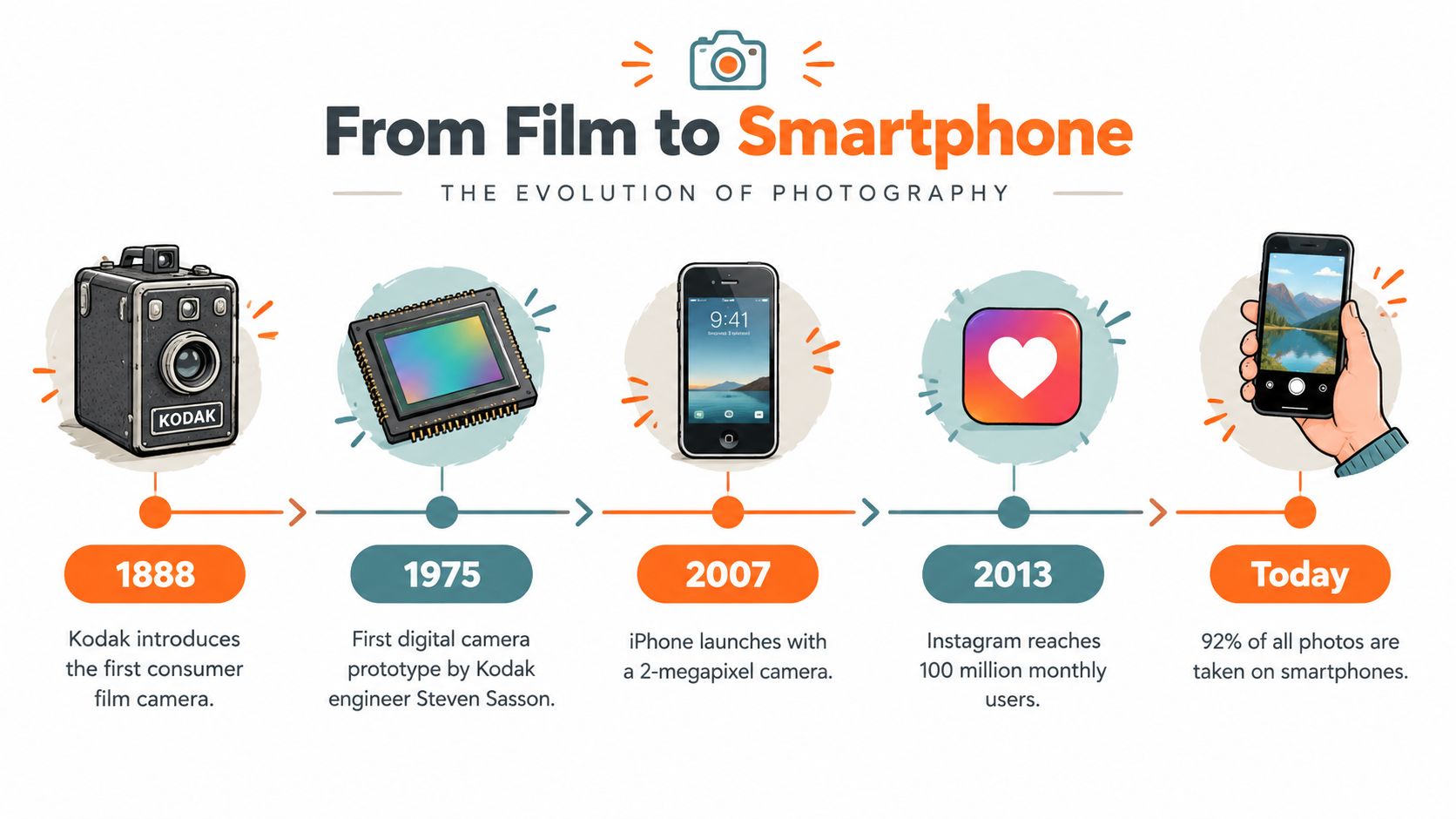
The change reshaped expectations. Estimates put the number of photographs taken worldwide in 2023 at roughly 1.8 trillion, or about 5 billion images per day (ElectroIQ's camera statistics overview). With capture, editing, and sharing close at hand, audiences expect portraits to arrive quickly and read clearly on phone screens. For professional photographers, that means planning for mobile crops and delivery, not just the full-size image.
Smartphones also rely on computational photography. Software combines and processes captures as an image is made, enabling high-dynamic-range compositing, low-light processing, and portrait effects. This differs from a traditional single optical exposure followed by later edits (MIT's introduction to computational photography). Processing can change skin, contrast, and background blur, so check that the finished portrait still looks like its subject.
For phone portraits, distance matters more than switching lenses to fix perspective. Standing too close can make the nose appear larger relative to the ears; step back, then frame the head and shoulders (the explanation of perspective distortion). This guide to taking a professional headshot on an iPhone offers practical framing advice.
Minimalist, cinematic, and environmental headshots
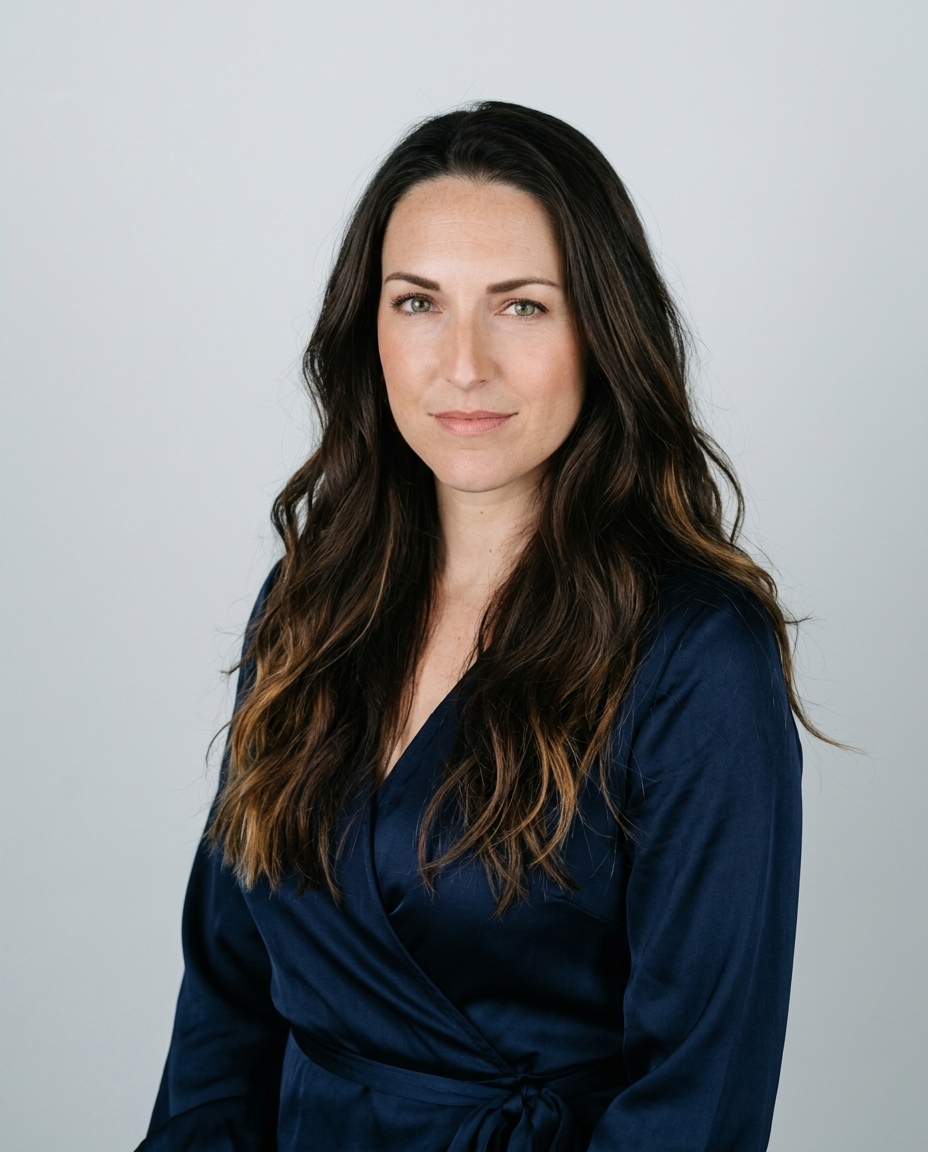
Minimalist headshots strip away distractions so the face and expression carry the image. A plain background, controlled colour, and even light make the style easy to read in a small profile crop. It suits lawyers, consultants, executives, and other professionals who want to communicate clarity and composure.
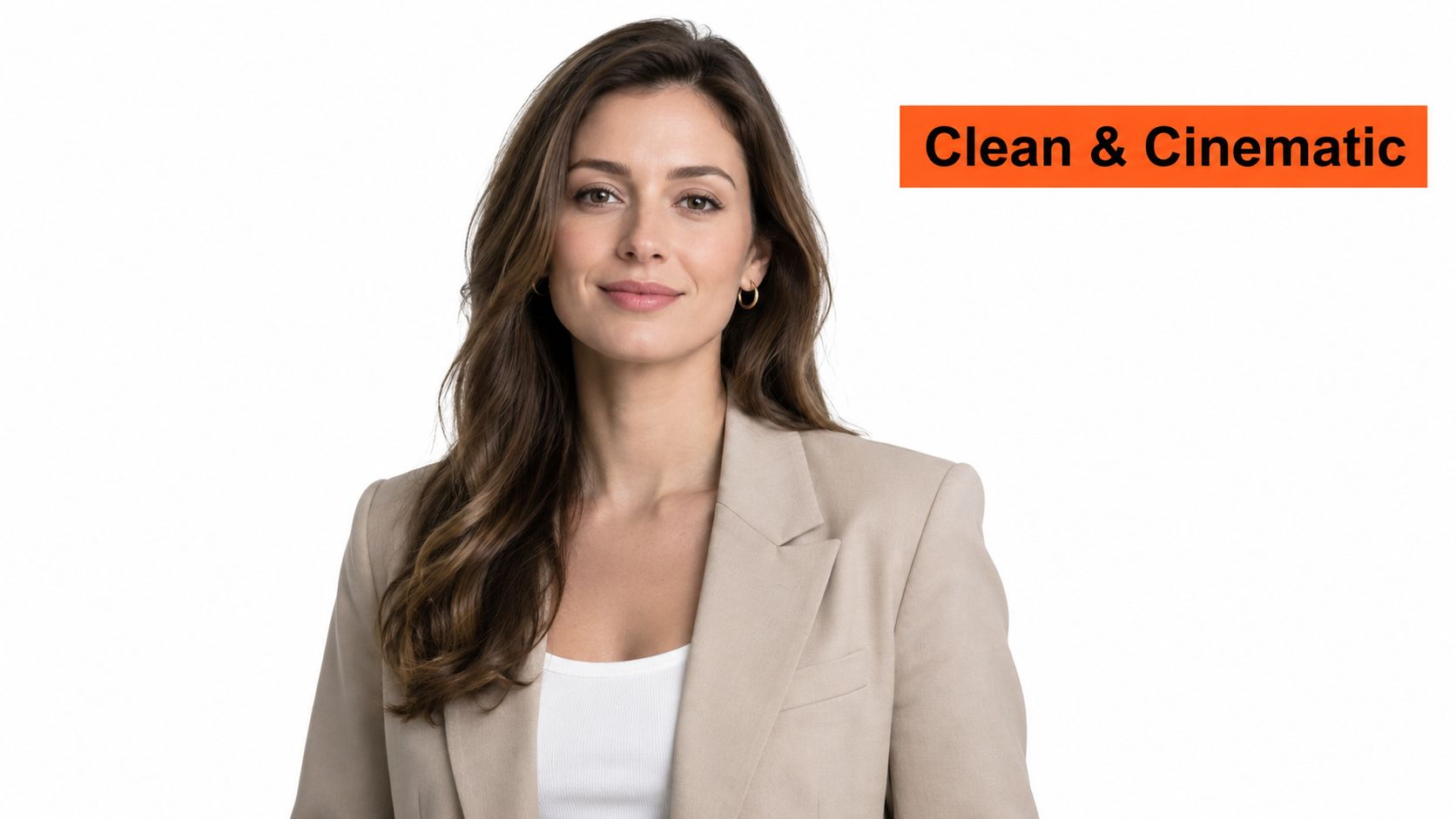
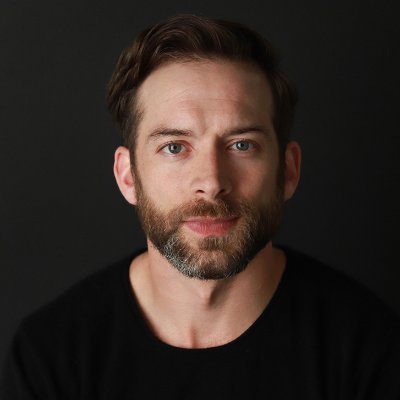
Cinematic headshots use more deliberate mood. Directional light, selective shadow, shallow depth of field, and considered colour grading give the portrait a film-inspired character. That can suit actors, directors, musicians, and creative leaders whose brand needs personality. The trade-off is legibility: deep shadows and strong colour can swallow facial detail in a small thumbnail. Keep the eyes and key features clear, even when the atmosphere is dramatic.
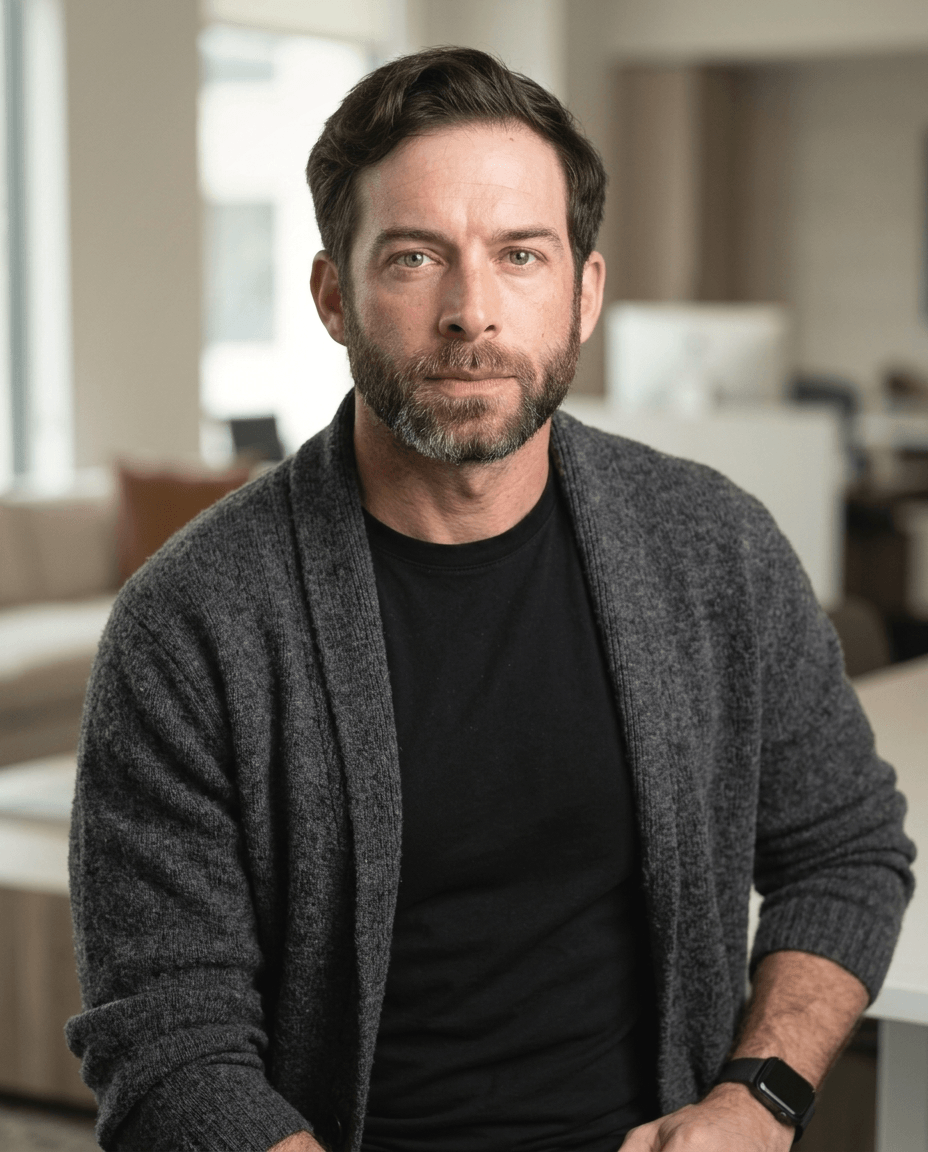
Environmental headshots place you in a meaningful setting: a designer in a studio, a clinician in a professional workspace, or a craftsperson beside their workbench. The context adds information that a blank backdrop can't provide. But the environment should support your role, not compete with your face. A cluttered background can make the portrait look accidental rather than intentional.
Choosing a background is a practical production decision as much as a style choice. When a location has to communicate the right story, it helps to plan what will appear in frame; this resource on photo sourcing for Moonfleet Manor illustrates why the setting itself needs consideration. For an environmental headshot, look for a recognisable workplace detail, then keep the composition simple enough that the subject remains the first thing viewers notice.
Here's a useful way to judge the difference between the three: cover the subject's face in a thumbnail. If the image still tells you the person's work and setting, it's leaning environmental. If it reads as a clean, direct portrait, it's minimalist. If light and colour create the strongest impression, it's cinematic.
A practical portrait setup favours facial clarity over decorative effects. Keep the eyes in focus, and use enough depth of field to hold the face sharp while allowing the background to soften. The right balance depends on light, movement, and the look you're after (portrait photography basics).
This visual walkthrough shows how lighting and framing can change the character of a professional portrait.
Lifestyle, editorial, and high-key versus low-key headshots
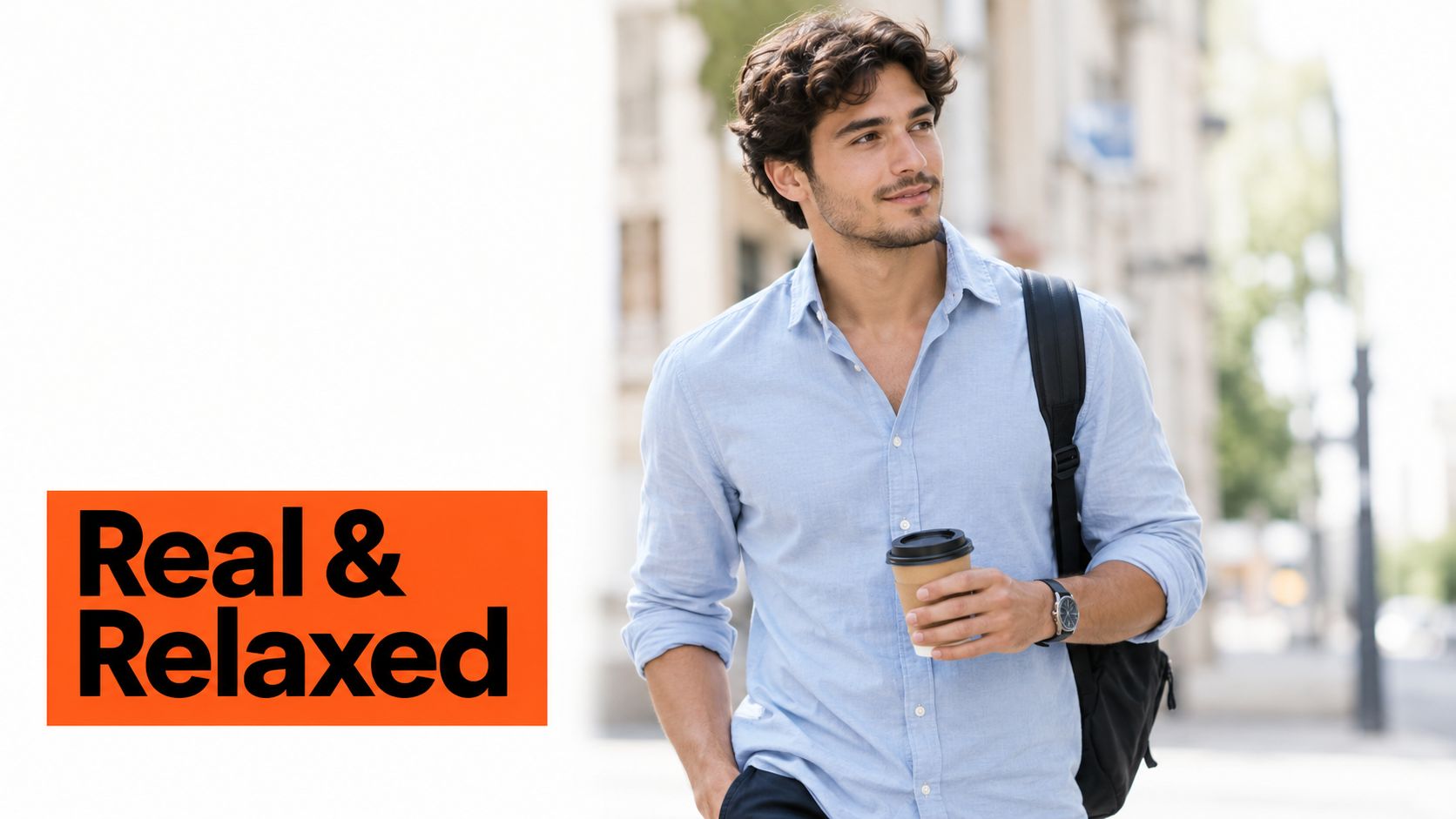
Lifestyle headshots show you in a relaxed, credible situation. You might be walking into a meeting, working at a desk, or holding a coffee while speaking with someone. The aim isn't to pretend a candid moment happened by chance. It's to give the subject enough direction to look natural without turning the scene into a stiff pose. Founders, therapists, realtors, and other client-facing professionals often benefit from this approachable feel.
Editorial portraits borrow the visual language of magazines: intentional posing, considered wardrobe, strong composition, and a clear point of view. They suit actors, authors, creative leaders, and public-facing professionals who want a more distinctive image. Editorial direction can bring confidence to a portrait, but an elaborate pose won't help if it feels unlike the person wearing it. The expression still has to read as believable.
Photography styles often overlap, and that's useful rather than confusing. Street photography, for example, developed as a distinct genre around spontaneous observation and visually arresting moments, helped by portable cameras such as the Leica (a history of street photography). A professional lifestyle portrait can borrow that sense of movement while keeping the framing, light, and expression purposeful.
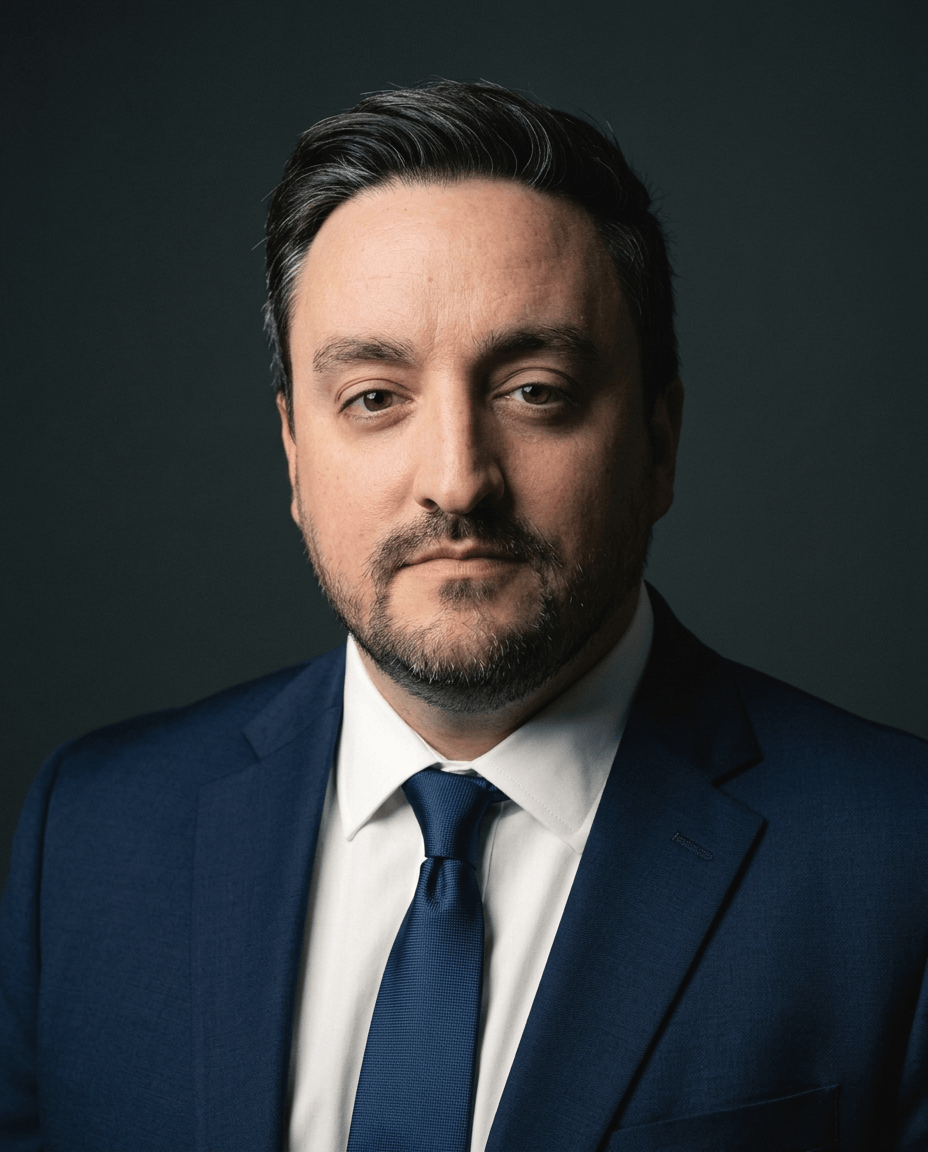
The other choice is lighting. High-key portraiture uses bright, even illumination with restrained shadows. It feels open and optimistic, which can suit technology, wellness, and service brands. Low-key portraiture preserves darker areas and stronger contrast, adding gravitas or mystery. It can support entertainment, legal, or luxury positioning, but it needs enough detail in the face to remain clear at small sizes.
Practical rule: Choose the light for the feeling you want, then check the face at the actual crop size. If the eyes and expression disappear, the mood has gone too far.
A useful comparison is to ask whether the image works without a caption. Lifestyle should feel warm, editorial should feel directed, and a lighting choice should shape the mood without obscuring the person. For a professional profile, aim for a portrait that remains recognisable when reduced and still feels appropriate beside your name.
Matching a style to your industry and platform
Use the matrix as a first-pass decision tool. The platform crop matters: a LinkedIn profile image is often seen small and circular, while a company directory can show a larger head-and-shoulders portrait. A speaker page or personal website can give a wider composition room to breathe.
| Style | Best for industries | Best platform crop | Brand signal |
|---|---|---|---|
| Minimalist | Law, consulting, executive leadership | Tight head-and-shoulders for LinkedIn or directory grids | Clear, organised, authoritative |
| Cinematic | Film, music, creative direction | Wider portrait for portfolios and personal sites; keep face clear for thumbnails | Distinctive, expressive, atmospheric |
| Environmental | Healthcare, design, trades, research | Medium crop showing a relevant workplace detail | Competent, grounded, contextual |
| Lifestyle | Real estate, therapy, founders, client services | Square or vertical crop with room for natural movement | Warm, accessible, personable |
| Editorial | Acting, publishing, public-facing leadership | Larger website or speaker-page portrait | Confident, considered, individual |
| High-key or low-key | High-key for wellness and tech; low-key for entertainment, law, or finance | Simple face-forward crop for small profiles; wider crop where mood matters | Open and bright, or serious and dramatic |
The pairings don't have to dictate your entire visual identity. A consultant can choose environmental portraits for a website and a minimalist crop for LinkedIn. A creative founder can use cinematic lighting on a portfolio page while keeping a more neutral image for a recruiting platform.
Pick the first style by naming the main audience and the most important placement. If clients need to trust your expertise quickly, start with a clean minimalist portrait or a restrained environmental one. If your work depends on personality and visual authorship, test editorial or cinematic direction. For teams, agree on framing, background, and light before making individual portraits so the company directory looks coherent.
Authenticity without losing identity
Authenticity doesn't mean leaving every technical flaw untouched. It means viewers can recognise you, and the edits don't change the person they're looking at. The recent preference for natural expressions and less artificial perfection reflects a broader shift in visual taste, but “less polished” isn't automatically more credible (2025 photography trend analysis).
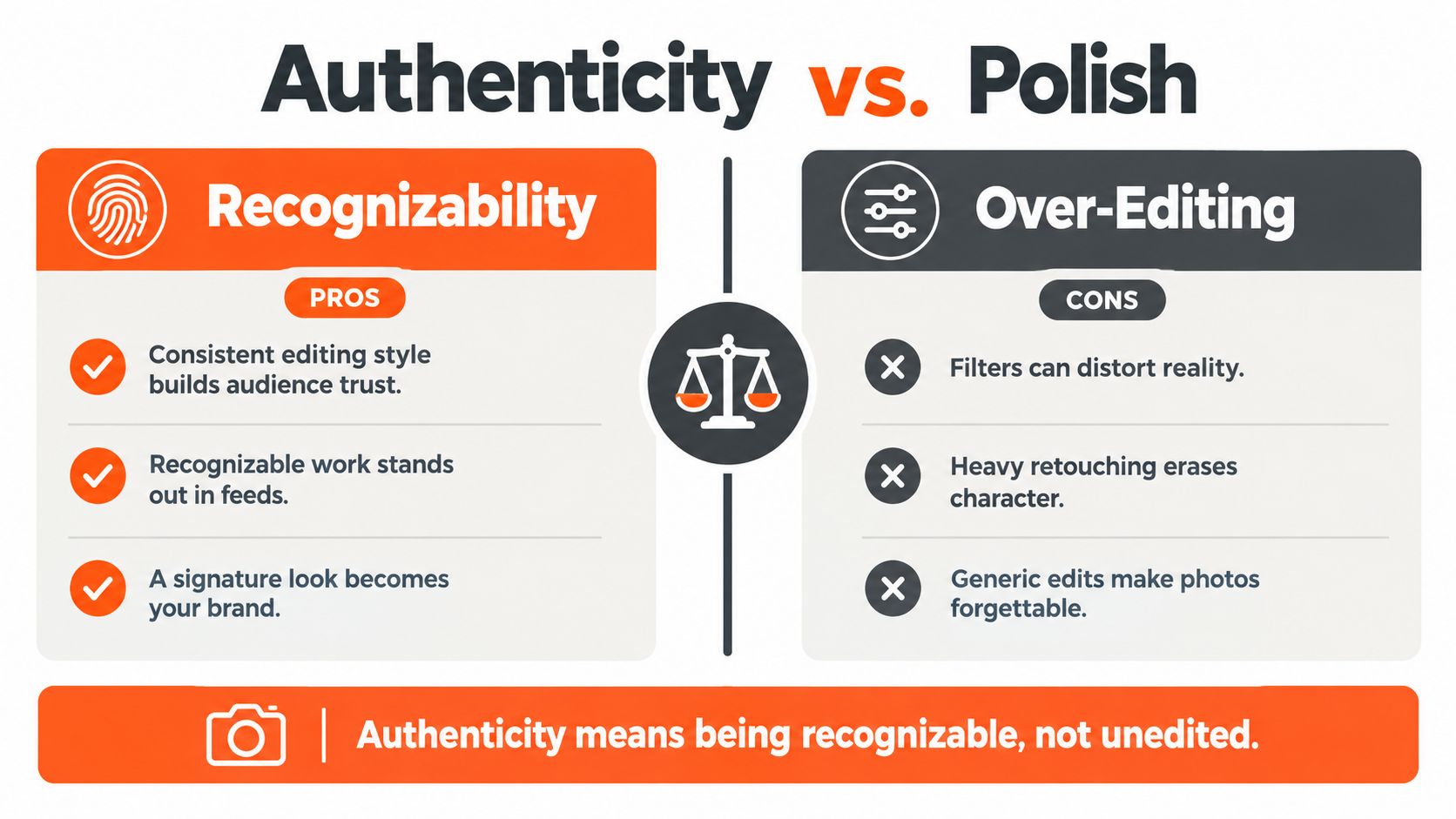
Separate presentation edits from identity-altering edits. Correcting exposure or colour balance, separating the background from the subject, and tidying a flyaway are presentation choices. Reshaping facial features, changing skin tone, or smoothing away the texture that makes a face recognisable changes the image's relationship to the person.
When reviewing a portrait, use three checks:
- Recognition: Does the image look like you in person, including your facial structure and skin tone?
- Purpose: Does the retouching help the portrait read clearly in its intended setting, or is it only following a trend?
- Legibility: Do lighting and contrast keep your expression visible on the devices and platforms where people will see it?
A dramatic editorial image may fit a creative portfolio but feel wrong in a healthcare profile. Strong contrast can also make facial details harder to see on some displays. Choose edits with the audience and use in mind, and ask for changes when an image no longer feels like you.
Style itself takes practice. Artists refining a visual signature can benefit from thoughtful creative style advice for online learners. The same principle applies to headshots: consistency can make a look recognisable, but your signature should come from deliberate choices in light, framing, and colour, not a filter that erases individual character.
Trying multiple looks without a $400 studio bill
A traditional portrait session and an AI headshot workflow solve different problems. A photographer is the right choice when you need a specific real-world location, detailed wardrobe direction, or hands-on coaching through the shoot. A studio session also lets you adjust light and pose in real time. In North America, a professional photography day rate typically runs $300–$600 or more, before retouching; the time commitment and turnaround depend on the photographer and the job. For a closer breakdown of the factors behind session pricing, see why headshots are expensive.
AiHeadshots takes another route. Customers upload 10–20 phone selfies and receive 30+ studio-grade headshots in roughly 30 minutes, with no studio visit required. The Basic tier costs $29, Professional costs $39, and Executive costs $59. There's a 14-day money-back guarantee.
That format makes it practical to compare visual directions before settling on a signature look. A professional can test a clean backdrop against a subtle environmental setting, or compare a natural expression with a more editorial finish, without scheduling multiple studio visits. AiHeadshots is built by photographers, not a software team retrofitting open models: Studio Pod is an automated Houston headshot studio founded by photographers Joseph West and Chris Bailey, with more than 10,000 real professionals photographed since 2019.
The choice comes down to what the image needs to do. Book a photographer when the setting, live direction, or wardrobe story is central to the portrait. Use an AI workflow when you want to compare several polished styles quickly from home. Neither replaces the other; pick the production method that suits the image you need.
Pick one style, book the test, ship the photo
Name the industry and platform first. Choose the style that supports the impression you want to make there. Then test that direction before committing to a longer session.
If you need a specific location or live coaching, book a photographer. If you want to compare polished looks quickly, try an online headshot workflow. For most professionals, the right starting point is the clearest style that still feels like them: minimalist for authority, environmental for context, lifestyle for warmth, or editorial for a more distinctive personal brand.
Upload 10 selfies to AiHeadshots and compare studio-grade headshot styles without a studio visit. Your images arrive in roughly 30 minutes, with the Basic option priced at $29.