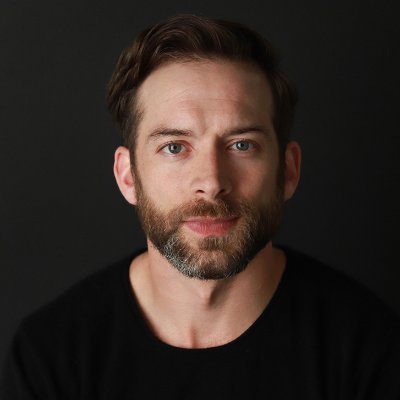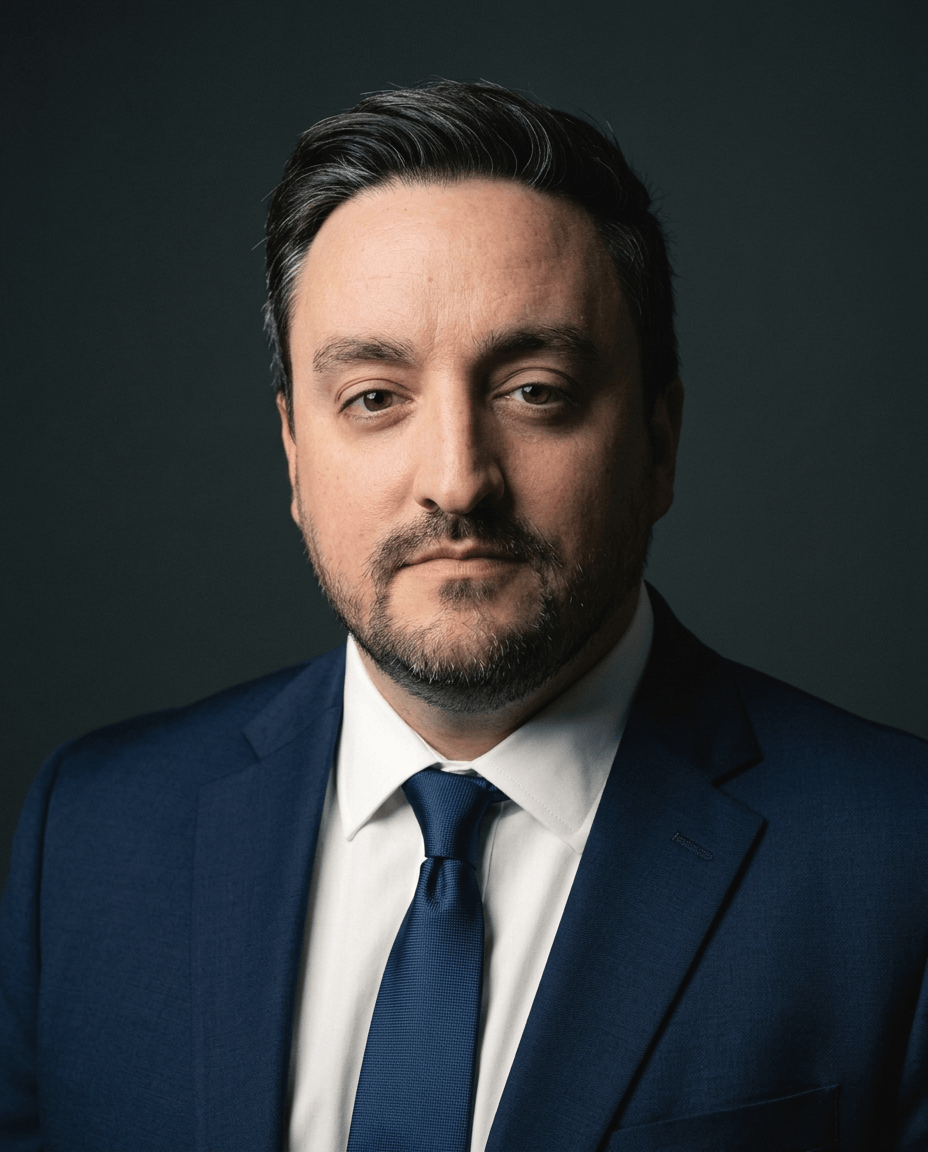
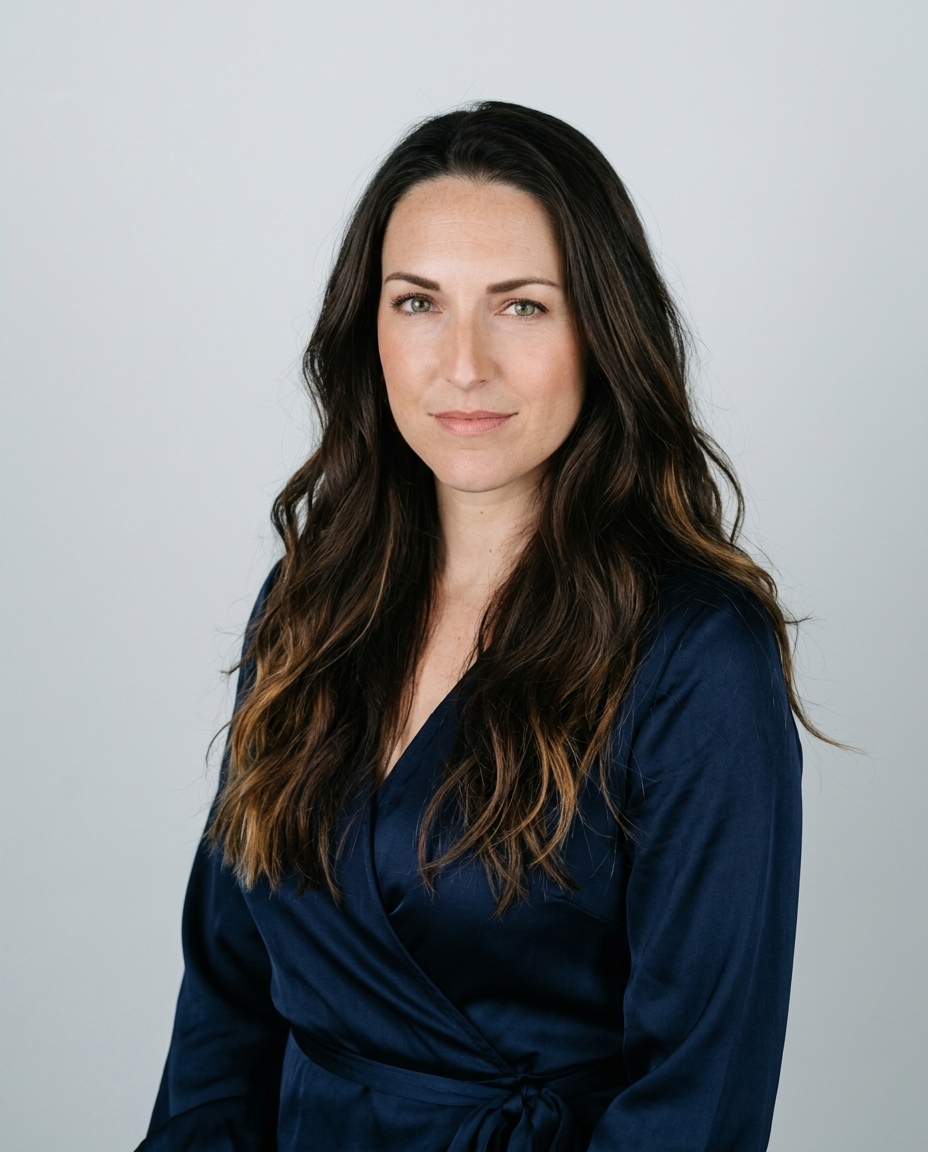
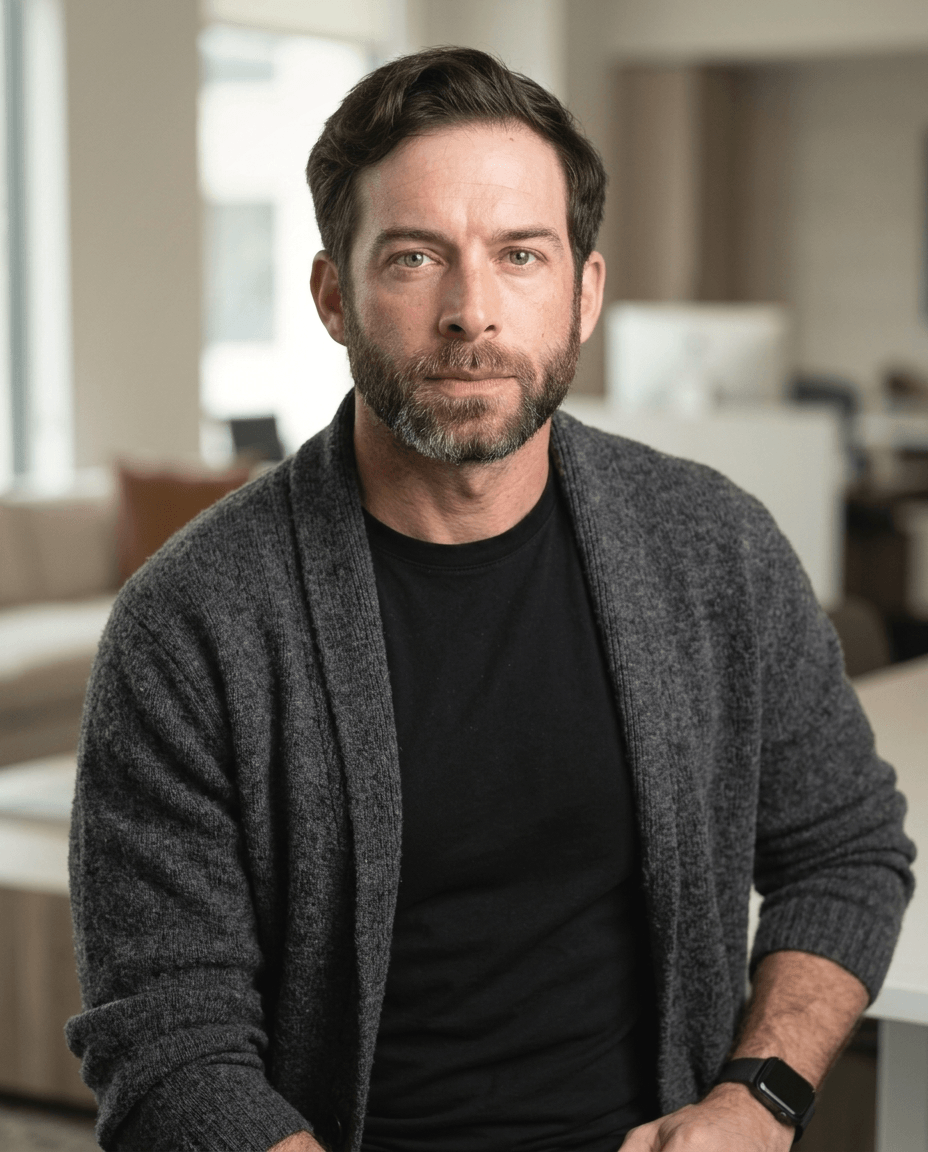
A 2025 U.S. pricing survey found that professional headshots cost $304 on average, with a typical range of $216 to $427. The price reflects far more than the minutes you spend in front of a camera.
That number is surprising until you look at what a finished headshot includes. You aren't buying shutter time. You're buying controlled light, posing direction, expression coaching, image selection, retouching, business overhead, and a deliverable that works across LinkedIn, executive branding, casting, or a company directory.
As photographers who built Studio Pod and AiHeadshots, we've paid these bills from both sides. Studio Pod is an automated headshot studio in Houston, founded by photographers Joseph West and Chris Bailey, and we've photographed 10,000+ real professionals since 2019. We built an AI product because we understood exactly which parts of the traditional process create value, and which parts create cost without being necessary for every client.
Table of Contents
- The honest answer to why headshots cost so much
- Equipment, studios, and business overhead
- Where the real time goes
- Hidden line items and add-on costs
- Affordable alternatives to traditional shoots
- When to choose AI vs a traditional photographer
The honest answer to why headshots cost so much
The market itself establishes the baseline. The 2025 U.S. photographer pricing data puts the national average for professional headshots at $304, while portrait photography averages $277 overall. A typical headshot price falls between $216 and $427, and some major-market tiers reach $450 to $850 for a standard session. Premium branding work can reach $1,000 to $2,500+.
That doesn't mean every photographer is charging fairly. It means professional headshots have become a specialized commercial service rather than a simple portrait. Companies and professionals use them for LinkedIn profiles, executive websites, casting submissions, press pages, and corporate identity. The image has a business function, so buyers pay for reliability and professional judgment.
A photographer has to solve several problems at once. The lighting needs to shape the face without creating harsh shadows. The pose needs to look natural rather than stiff. The expression must communicate confidence without becoming artificial. The final file needs consistent color, clean detail, and a crop that works across different platforms.
Practical rule: A headshot price is a production fee, not an hourly camera fee.
The photographer's rate also covers work you don't see. A mainstream photography business cost guide notes that portrait photographers may charge $150 to $300 per hour, but that hourly figure sits inside a wider business structure. Setup, consultation, equipment maintenance, selection, editing, delivery, insurance, and administration all have to be paid for.
For a fuller breakdown of what clients receive in a traditional session, see our guide to how much headshots cost. The central point is simple: the price is high because the service has accumulated technical, creative, and commercial responsibilities.
Equipment, studios, and business overhead
A professional photographer can't produce consistent studio images with a camera body alone. The setup includes camera bodies, portrait lenses, strobes, modifiers, stands, backdrops, tethering equipment, backup gear, and a controlled environment. A guide from 415 Headshots on studio equipment costs estimates that high-end studios can carry $20,000 to $40,000 in camera and lighting gear, while a complete lights-and-modifiers setup alone can total around $10,000.
The equipment has a job. A large softbox creates a different facial transition than a bare flash. A reflector opens shadows under the eyes. A longer lens changes facial perspective. A controlled background prevents the random color shifts and distractions that appear in casual portraits. If you want to know why grainy photos? fix with proper light, lighting is the first place to look. A good camera can't recover detail that poor light never captured.
The costs behind the visible setup
The business continues spending after the studio is built. The same photography-business guide lists lighting equipment at $200 to $1,000, editing software at $10 to $55 per month, insurance at $300 to $1,000 per year, and website hosting at $100 to $500 annually. These are operating requirements, not decorative extras.
A photographer also pays for studio rent or location access, storage, maintenance, bookkeeping, marketing, payment processing, and backup systems. Hair and makeup, assistants, and travel create variable expenses that depend on the assignment.
That infrastructure explains why a photographer's actual take-home pay is lower than the advertised session fee. A quoted price keeps the studio available, the equipment maintained, and the workflow reliable. It also pays for the training required to use the equipment well. Buying a light doesn't teach someone how to place it.
Where the real time goes
The camera captures the file quickly. The photographer's work continues long after the session ends.
Industry pricing guidance places retouching at roughly $25 to $100 per image, while advanced retouching often takes 45 to 90 minutes per image. The headshot retouching and pricing guide also reports that photographers spend 2 to 4 hours editing for every hour spent shooting, and that retouching can consume 30% to 50% of total job hours.
That work includes more than smoothing skin. A careful retoucher corrects color, removes temporary blemishes, refines distracting details, preserves natural skin texture, adjusts contrast, and keeps the image from looking plastic. The goal is a polished version of the person, not a different person.
A 30-minute session can therefore become a half-day production. The photographer sets up, captures multiple expressions and poses, backs up the files, culls the weaker frames, prepares selections, retouches the chosen images, exports the correct formats, and handles revisions or delivery questions.
The finished image is the product. The click is only one step in making it.
This is why a phone portrait and a professional headshot don't carry the same production value, even when both show the same face. A phone camera can produce a sharp file in good conditions, but it doesn't direct your expression, refine the light, select the strongest frame, or complete the retouching process. Automatic phone processing also makes decisions that aren't designed around your professional context.
Our guide to how long a headshot takes breaks down the difference between capture time and delivery time. Buyers who compare only the minutes in the studio are comparing the wrong unit.
Hidden line items and add-on costs
The advertised session fee often covers the core shoot, not every part of the production. The final quote depends on what you need delivered, where the session happens, and how the images will be used.
Hair and makeup can add $200 to $400 for an individual session or $600 to $1,200 per team day, according to headshot pricing guidance on additional services. Travel outside the photographer's normal area typically adds $100 to $300. Commercial usage rights can add $100 to $500 or more, particularly when images support advertising, broader brand campaigns, or long-term commercial use.
Those charges aren't interchangeable. Hair and makeup pay another professional for preparation. Travel pays for time, mileage, and logistics. Usage rights define how widely and how commercially you can use the images. A personal LinkedIn profile and a national advertising campaign don't create the same licensing requirement.
Ask for the complete scope before booking. Confirm how many final images are included, whether retouching is included, what delivery format you'll receive, whether additional selections cost more, and whether business usage is covered. For a team, ask whether the photographer charges per person, per day, or by the final image count.
A low base price can become expensive once the required extras appear. A higher quote can be reasonable if it includes styling, location work, extensive retouching, and commercial rights. The useful comparison is the finished deliverable, not the headline number.
Affordable alternatives to traditional shoots
We built Studio Pod after seeing how much effort goes into a consistent professional headshot. We then built AiHeadshots for people who need the result without a studio visit. That distinction matters. We are photographers who built an AI product, not a software team retrofitting open models. Our photography experience informs the lighting, posing, expression, and retouching logic.

You upload 10 to 20 phone selfies, and AiHeadshots delivers 30+ studio-grade headshots in about 30 minutes. There's no studio rental, commute, lighting setup, or appointment coordination. The available tiers are Basic at $29, Professional at $39, and Executive at $59. Teams receive volume pricing at 10+ seats, from $22 to $29 per seat.
The lower price comes from removing physical production overhead, not from pretending photography has no technical requirements. Our system applies the visual decisions that traditional photographers make repeatedly, while the delivery process happens online.
For context on how the workflow works in practice, this short video shows the product experience:
AiHeadshots has served 30,000+ customers, delivered 255,000+ headshots, and maintains a 4.9-star rating. It includes a 100% money-back guarantee within 14 days. Data handling uses 7-day input retention, 30-day output retention, and 90-day billing retention.
When to choose AI vs a traditional photographer
Choose AI for a fast LinkedIn update, consistent portraits across a small team, or a batch order with a tight deadline. Choose a traditional photographer for bespoke executive branding, casting work that demands precise lighting control, or complex group images. Our comparison of AI headshots versus a photographer lays out the trade-off directly.
We built both models because neither serves every assignment. A studio gives you live direction and custom control. AiHeadshots gives you speed, convenience, and a lower production cost for standard professional portraits.
Upload 10 selfies and review 30+ studio-grade headshots in about 30 minutes with AiHeadshots, starting at $29. It removes the studio overhead while keeping photography-led decisions at the center of the result.