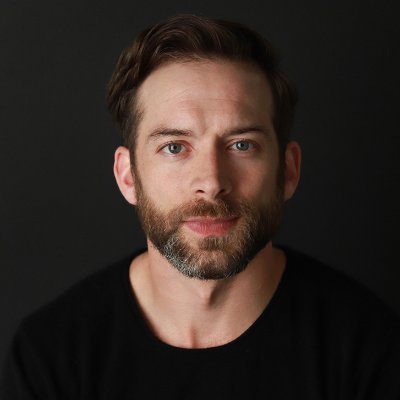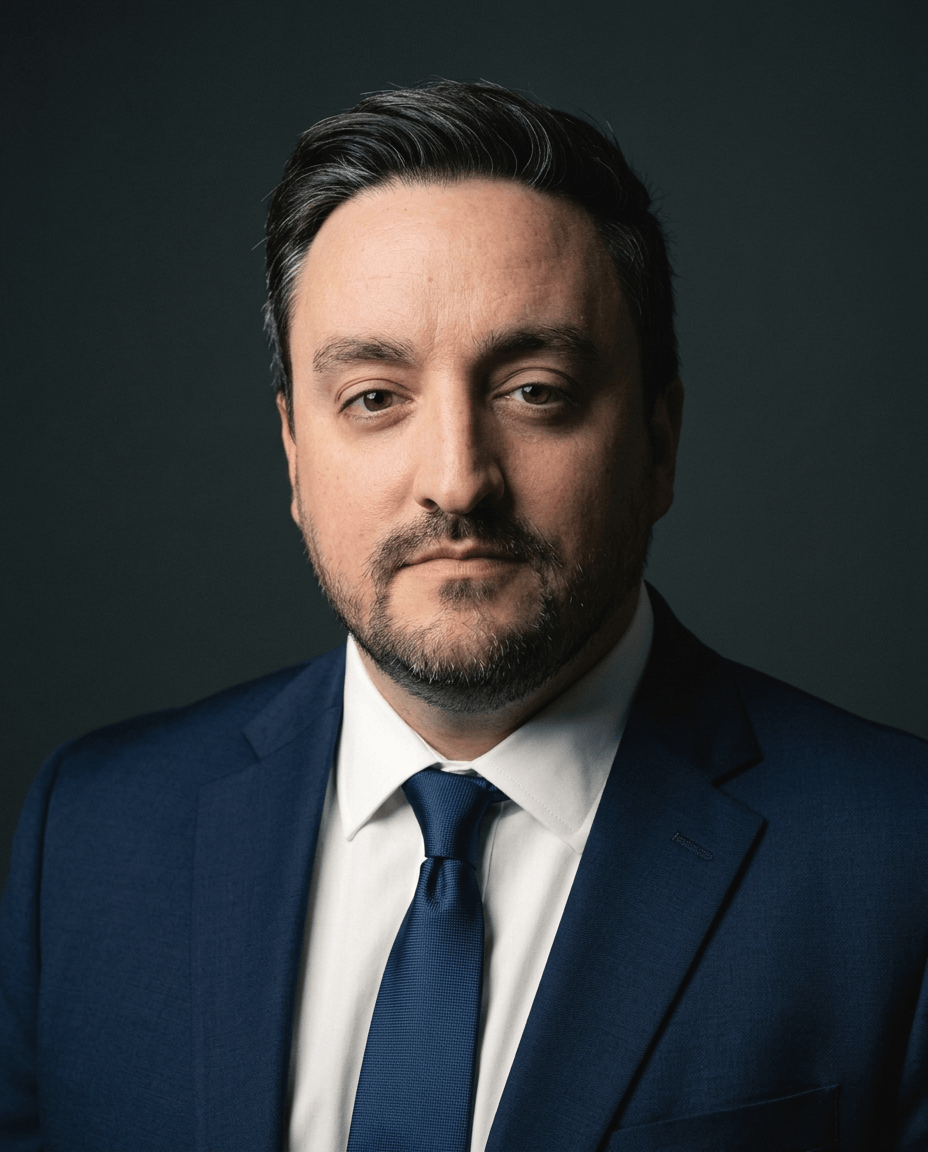
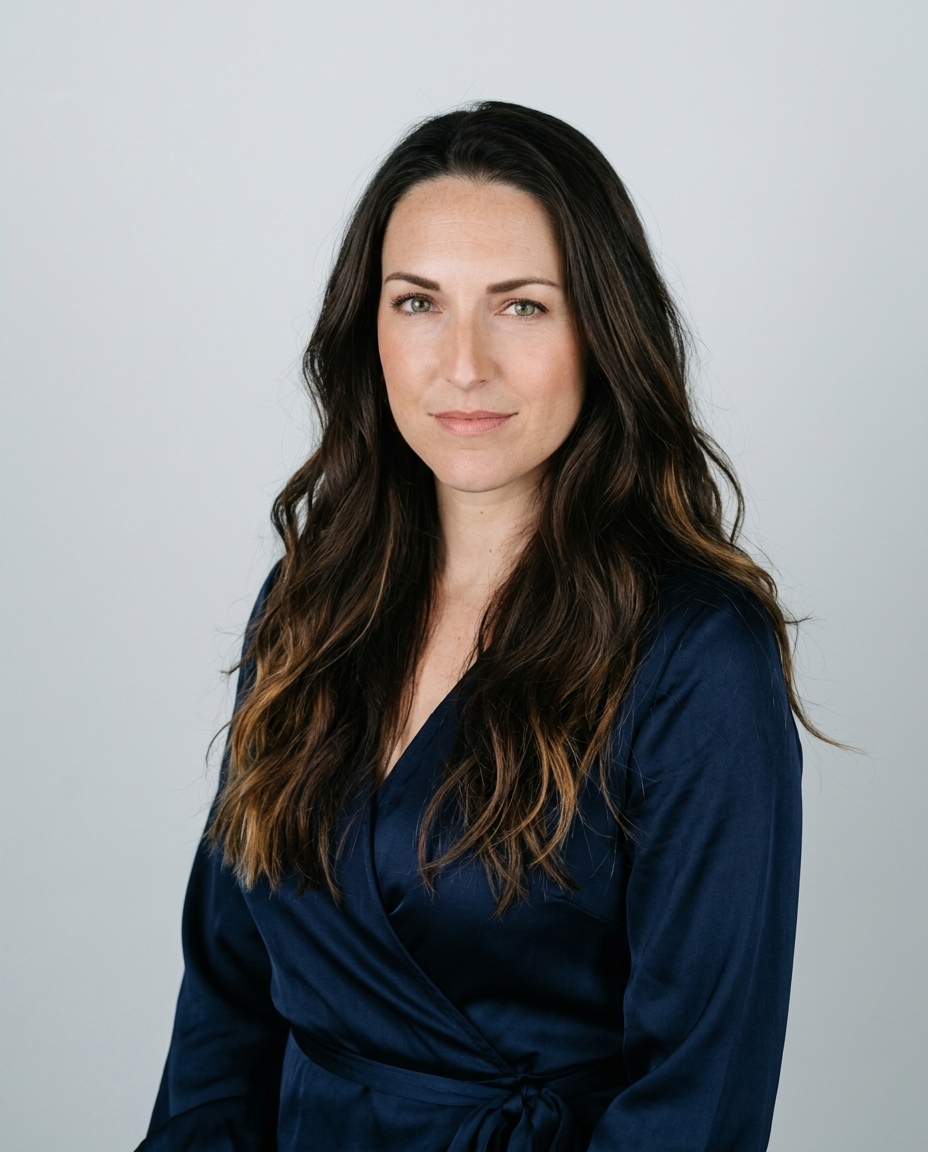
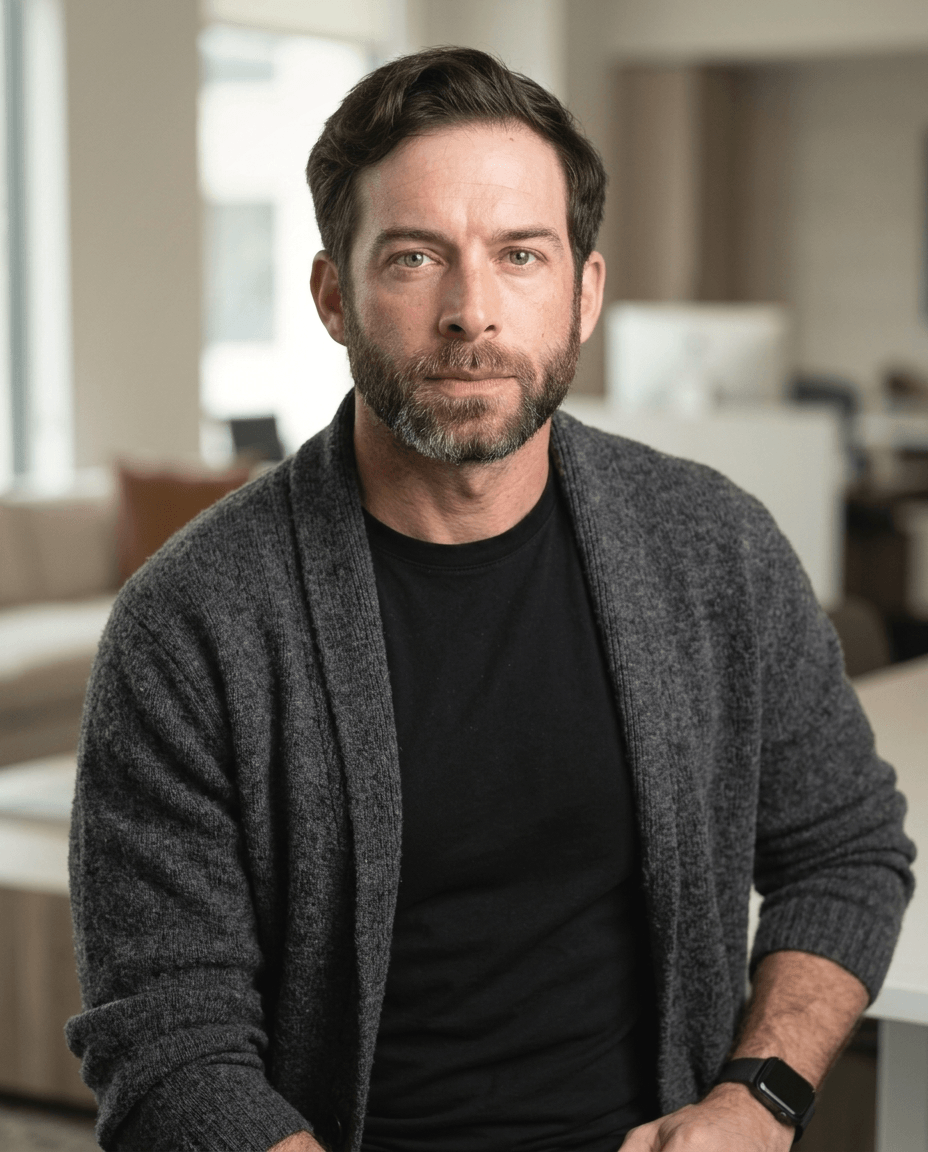
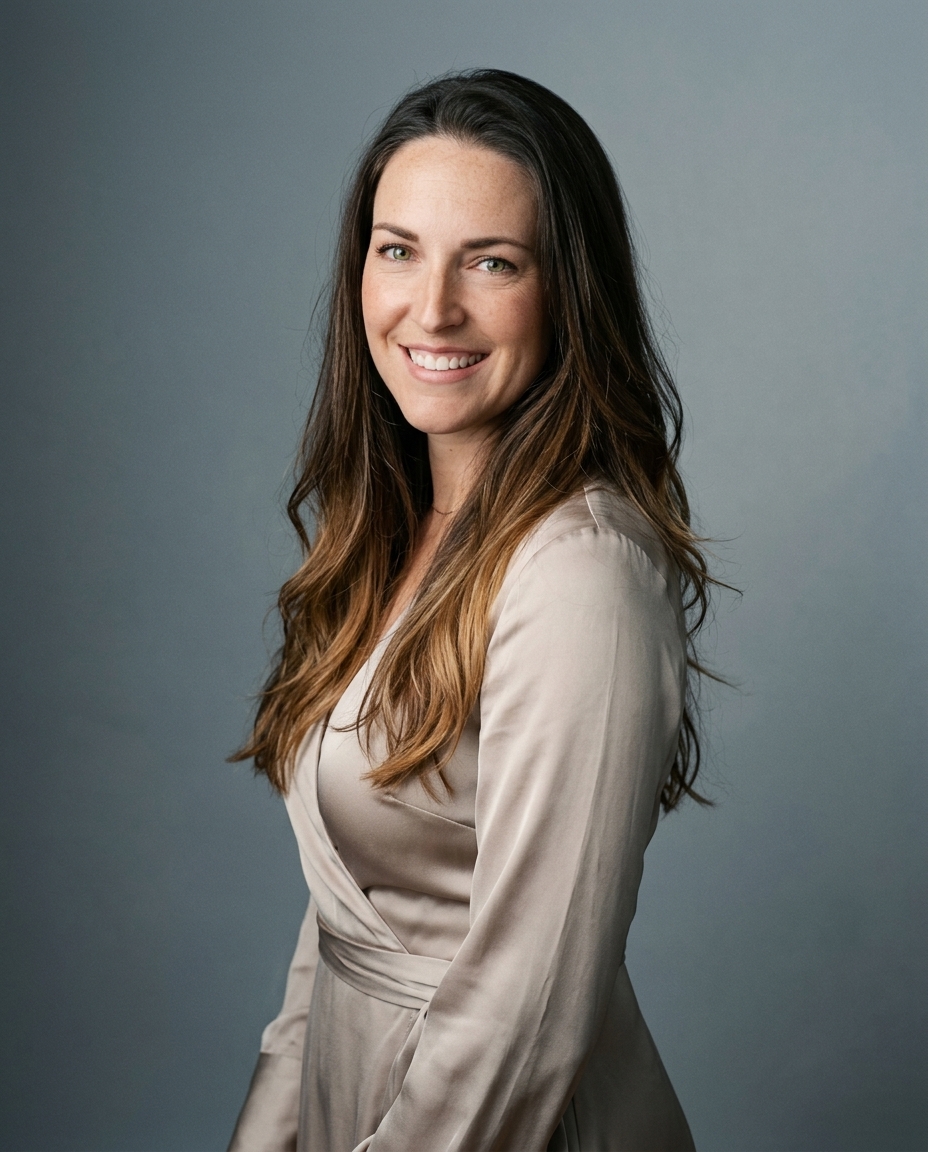

Your LinkedIn photo is a business decision. It isn't decoration. It's a visibility signal on the platform, and one long-cited benchmark reports that profiles with a photo get 21 times more views and 36 times more messages. After founding Studio Pod and photographing more than 10,000 real professionals since 2019, we stopped treating headshots like personal taste and started treating them like controlled variables.
The patterns are consistent. Clean background. Good light. Tight framing. Calm expression. Real likeness. Those rules hold whether you hire a photographer or use AiHeadshots. We built AiHeadshots from that photographer-first foundation, not from generic image tooling, because the same fundamentals keep showing up in strong LinkedIn photos.
These seven LinkedIn photo tips are the rules we trust in the studio and in our system.
Table of Contents
- 1. Nail the background
- 2. Use professional lighting
- 3. Dress for the job you have, or the one you want
- 4. Connect through the lens with a genuine expression
- 5. Frame the shot for impact
- 6. Insist on high resolution and believable retouching
- 7. Keep it current
- 7-Point LinkedIn Photo Comparison
- One photo, thousands of impressions
1. Nail the background
A distracting background makes you look less serious. That's the simplest rule in headshot work. If the viewer notices your bookshelf, kitchen, conference room mess, or parked cars before they notice your face, the photo is doing the wrong job.

We see this constantly with executives, recruiters, consultants, and attorneys. The strongest LinkedIn photos use backgrounds that stay quiet. White, light gray, soft blue, a gentle gradient, or a softly blurred office all work. Busy street scenes don't. Home offices usually don't either.
Keep the eye on the face
LinkedIn is viewed small. Often very small. On mobile, your photo becomes a thumbnail inside a circle, so image discipline matters more than creativity.
Practical rule: If the background tells a story, it's probably too loud for LinkedIn.
This is one place where a simple technical tool saves weak source photos. If you're working from a phone image, a dedicated background remover for headshots can strip out the clutter and restore focus to your face. That's often the fastest fix for a photo that feels amateur even when your expression is good.
We also recommend consistency across teams. A law firm, medical group, or consulting practice looks more credible when partner photos share the same visual logic. That's one reason companies use AiHeadshots examples to compare neutral, blurred, and more branded looks before rolling a style across the team.
2. Use professional lighting
Lighting is where most LinkedIn photos fail. Office fluorescents flatten skin, deepen eye sockets, and throw odd color across your face. A phone flash is worse. It creates hard highlights and a harsh, obvious look.

Good light is soft and directional. It comes from the front and slightly off to one side. It gives shape without creating drama. That's what studio photographers build carefully, and it's what we trained our own process around at Studio Pod before turning those standards into AiHeadshots.
Window light beats overhead light
A north-facing window or any bright indirect window is better than almost any office ceiling setup. Stand facing the window, then turn slightly so one side of the face has a little more shape. Keep the camera at eye level. Don't shoot from below. Don't stand under recessed lights and hope for the best.
One reason polished lighting matters is perception. In one study summary cited by a headshot provider, updated professional headshots made participants appear 76% more competent, 9% more likable, and 62% more influential. That's exactly why poor lighting costs you. It doesn't just look bad. It weakens the impression of competence.
If you want a visual breakdown of how posing and light work together, this short demo is useful before you shoot:
Heavy filters are the wrong answer. Better light fixes more than fake smoothing ever will.
3. Dress for the job you have, or the one you want
Wardrobe isn't about fashion. It's about fit with your field. A headshot for a managing partner, a startup operator, and a therapist shouldn't all signal the same thing.
The safest benchmark is simple. Dress the way you'd dress for an important meeting with someone you want to impress and keep. That usually means a blazer, structured top, collared shirt, knit, or other clean professional staple in a solid color. Loud prints, oversized jewelry, novelty ties, and visible logos steal attention from your face.

Clothes should support the face
Corporate attorneys and accountants usually look strongest in darker neutrals and clean structure. Tech founders often do better in polished business casual. Healthcare professionals can use attire that fits the role, but it still has to photograph cleanly. The point isn't to costume yourself. The point is to look like you belong in the room you're aiming for.
If you're deciding what reads as senior and credible on camera, this guide to executive headshot wardrobe is a good reference point.
A few wardrobe rules hold almost every time:
- Choose solids first: Solid colors stay clean in thumbnails and don't create visual noise.
- Keep the fit sharp: Wrinkled, sagging, or oversized clothing makes the whole image feel careless.
- Skip brand marks: Logos date the image and pull attention off your face.
We see the same trade-off every week. People often pick outfits they like personally, then regret how those clothes photograph professionally. Camera judgment is stricter than mirror judgment.
4. Connect through the lens with a genuine expression
A forced smile looks like sales. A blank stare looks defensive. The expression that works on LinkedIn sits in the middle. Calm. Alert. Approachable. Credible.

We coach this in simple terms. Relax your shoulders. Exhale. Think of a real person, not an abstract audience. Then look through the lens as if you're about to greet someone you already respect. That gets you much closer to a believable expression than "say cheese" ever will.
Warm beats forced
Recruiters, sales leaders, physicians, and client-facing operators all benefit from warmth, but warmth isn't the same as a giant grin. Some faces read strongest with a slight smile. Others need more energy. The right expression matches your role and your actual personality.
The best LinkedIn expression doesn't look optimized. It looks familiar.
There's also a real authenticity issue here. Highly polished portraits can lose trust if they stop looking like you. One headshot guide puts it well by recommending a photo that looks like you on your best day, not plastic or unrealistic. That's the standard we use too. Good retouching cleans up distraction. It doesn't replace your face.
This matters even more for executives and recruiters. If someone meets you on Zoom or in person and your LinkedIn photo feels like a different person, the image failed.
5. Frame the shot for impact
LinkedIn is not the place for a full-body portrait. It isn't the place for a wedding crop, a vacation crop, or a face jammed edge-to-edge into the frame either. The strongest composition is still the classic head-and-shoulders crop.
Head and shoulders wins on LinkedIn
Multiple LinkedIn photo guides converge on the same composition standard. Your face should occupy about 60 to 70 percent of the frame. That's not arbitrary. It keeps you recognizable when the image shrinks down on mobile.
In practice, that means head and upper shoulders, centered cleanly, with a little breathing room above the head. If we can barely read your eyes, you're too far away. If your chin and forehead feel cramped, you're too tight.
A recruiter scrolling search results won't study your composition consciously. They will feel it, though. Tight enough reads confident. Balanced reads competent. Distant reads forgettable.
Photographer's note: Test your headshot at thumbnail size before you upload it. If your face disappears, reframe it.
This is also where DIY photos often break down. People stand too far back because they want the shot to feel "natural." On LinkedIn, natural isn't the target. Readable is. We built that framing logic into AiHeadshots because composition is one of the easiest things to get wrong and one of the easiest things to standardize correctly.
6. Insist on high resolution and believable retouching
Blurry photos announce low standards. So do crunchy old crops, over-compressed files, and obvious beauty filters. You don't need a glamorous portrait. You need a clean file with sharp eyes, accurate skin tone, and believable polish.
LinkedIn has long recommended a profile image size around 400 by 400 pixels in many guides, but in practice you should upload a larger clean image so it stays sharp across devices. Starting with a weak original file is one reason phone snapshots break under scrutiny, especially after cropping. We see that problem constantly in images pulled from event photos or old social posts.
Sharp is professional, plastic is not
If you're comparing capture quality, this breakdown of why a phone camera isn't enough for many headshots explains the limitations clearly. Phones are convenient. They aren't consistent. Lighting, lens distortion, and aggressive in-camera processing all show up in headshots.
Good retouching is restrained. Remove a temporary blemish. Tame shine. Clean up stray distractions. Stop there. One practical reference on LinkedIn profile image tips for B2B gets the platform side right, but the harder judgment call is aesthetic. You want realism, not gloss.
As photographers, that's the line we care about most. AiHeadshots exists because many professionals want studio-grade polish without paying a photographer's day rate or coordinating a shoot. Traditional sessions commonly run $300 to $600+ depending on market and usage. AiHeadshots starts at $29 on our pricing page, delivers 30+ studio-grade headshots in around 30 minutes, and is built from the standards we use with real clients in studio.
7. Keep it current
An old headshot weakens trust fast. If you show up to a call, a meeting, or a conference looking meaningfully different from your profile, people feel the mismatch before they can name it.
We have photographed more than 10,000 professionals. The pattern is consistent. Recognition beats nostalgia every time.
Update your photo every year or two as a baseline. Update sooner if your appearance changes in a way people will notice right away. Hair length, facial hair, glasses, weight change, and style shifts all count. Promotions can justify an update too, especially if your role now calls for a more senior presentation.
Teams need tighter standards. A leadership page or sales team directory looks disorganized when half the photos are current and half are clearly from another era. Consistency signals that the company pays attention.
AI headshots help with that operational problem. Teams can use AiHeadshots for team headshots to keep new hires, promotions, and replacements visually aligned without booking another full shoot. Individuals can use AiHeadshots try-on upload flow to refresh an outdated profile from phone selfies and get back to a photo that still looks like them.
The rule is simple. If someone would hesitate for a second when they meet you, replace the photo.
7-Point LinkedIn Photo Comparison
| Recommendation | 🔄 Complexity | ⚡ Resources & Time | ⭐ Expected Quality | 📊 Expected Outcomes | 💡 Ideal Use Cases & Tips |
|---|---|---|---|---|---|
| Nail the background, neutral, simple, and clean | Low–Medium: simple setup or automated removal | Low: plain backdrop or AI background remover | High: signals professionalism and polish | Higher perceived credibility; consistent team branding | Corporate professionals, teams; use neutral colors, subtle blur, maintain consistency |
| Use professional lighting, not office fluorescents | High: requires lighting setup or pro photographer | Medium–High: lights, time, or paid service | Very High: flattering, natural modeling of features | Stronger trust, fewer harsh shadows, better recruiter response | Client-facing roles; schedule golden hour or use studio/AI lighting; avoid overhead fluorescents |
| Dress for the job you have, or the one you want | Low: selection and preparation | Low–Medium: wardrobe choices, tailoring | Medium–High: conveys role and seniority clearly | Immediate industry recognition; increased fit confidence | Professionals and job seekers; wear well-fitted solids, avoid logos and busy patterns |
| Connect through the lens with a genuine expression | Medium: practice and multiple takes or coaching | Low: time to practice or brief coaching | High: boosts likability and approachability | Better engagement, memorability, faster trust building | Sales, HR, recruiters; think of a fond memory, relax shoulders, capture Duchenne smile |
| Frame the shot for impact, head and shoulders | Low: composition rules to follow | Low: phone or camera with cropping guidance | High: maintains clarity at thumbnail sizes | Consistent, clear presence across platforms | All professionals; position head in upper third, leave headroom, test small thumbnails |
| Insist on high resolution and professional quality | Medium–High: requires good equipment/editing | High: high-res files, editing, possible studio time | Very High: sharp, color-accurate, enduring quality | Clean display on devices, signals attention to detail | Execs and competitive job seekers; upload ≥1200x1200, subtle retouching, avoid over-processing |
One photo, thousands of impressions
A strong LinkedIn headshot isn't luck. It isn't genetics. It isn't about being "photogenic." It's a set of repeatable decisions that make your face readable, credible, and current.
Keep the background quiet. Use clean directional light. Wear clothes that match your field. Show a genuine expression. Crop the image for head and shoulders. Keep the file sharp. Update it before it stops looking like you. Those are the rules we learned photographing more than 10,000 professionals at Studio Pod, and they're the same rules behind AiHeadshots.
That photographer heritage matters. We didn't back into this from software and then learn portrait standards later. We built AiHeadshots after years of seeing what works on real people in real sessions. That's why the product is built around upload quality, framing, lighting, retouching, and realism instead of generic image effects.
For some professionals, a traditional photographer is still the right call. If you need a custom creative brief, on-location art direction, or a full team production day, hire one. Expect to pay $300 to $600+ in many markets, often with more scheduling and slower delivery. If you need speed, consistency, and strong professional results from your phone, AiHeadshots is the practical option. You upload 10 to 20 selfies. Our system returns 30+ studio-grade headshots in around 30 minutes. Basic starts at $29, and every order includes a 100% money-back guarantee within 14 days.
If you want proof before you upload, review our customer reviews and learn more about Studio Pod and AiHeadshots.
Upload 10 selfies, see your first headshot in 30 minutes. $29.
AiHeadshots from AiHeadshots gives you photographer-built LinkedIn headshots without the studio visit. Upload 10 to 20 phone selfies, get 30+ studio-grade options in around 30 minutes, and choose the image that looks like you at your best.