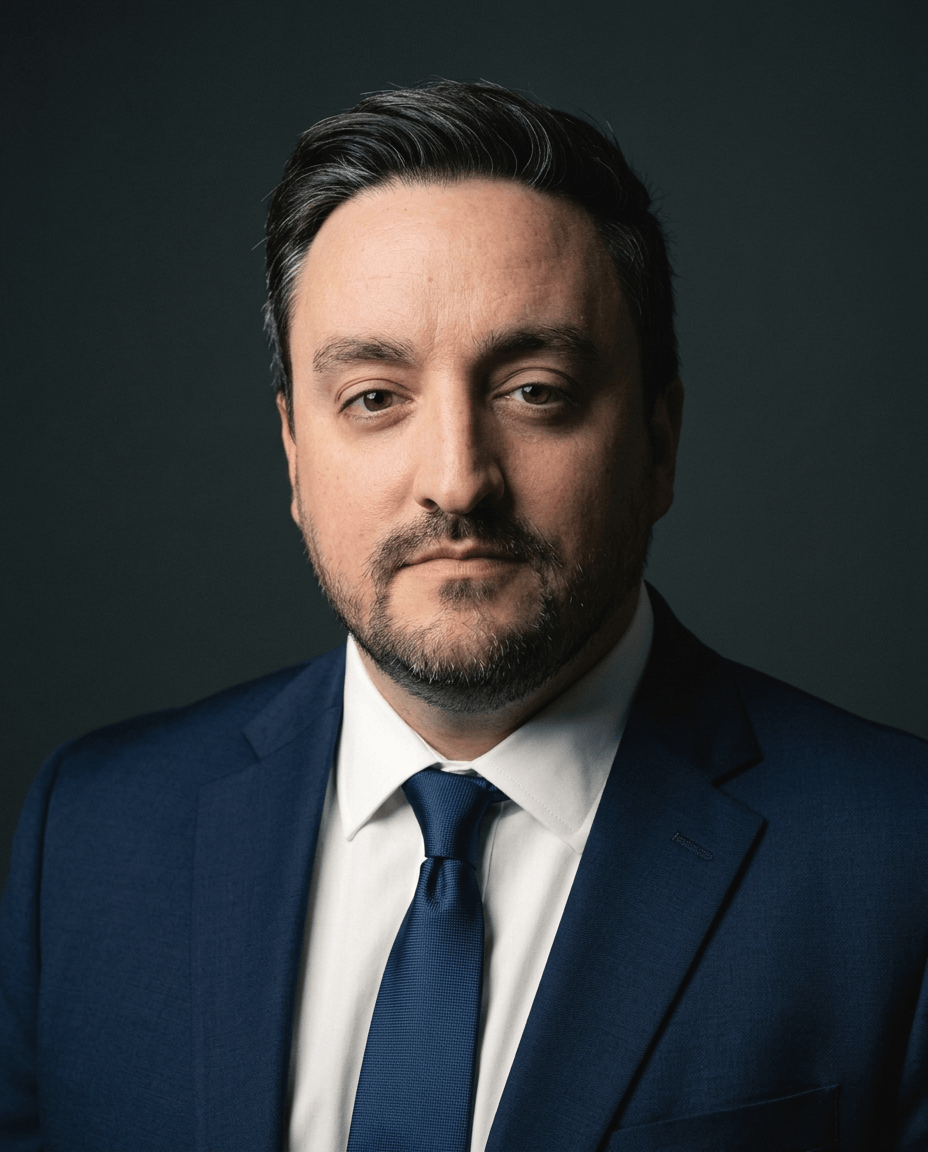
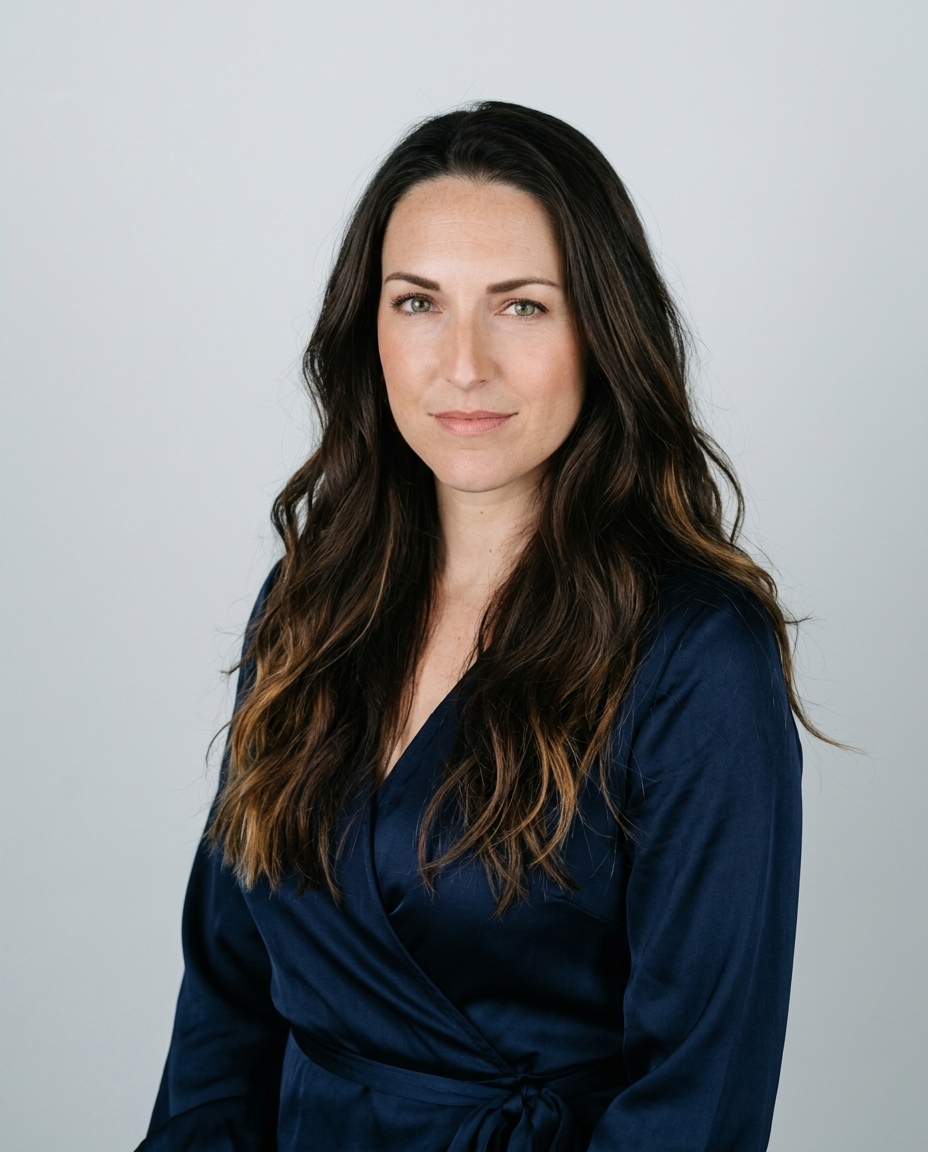
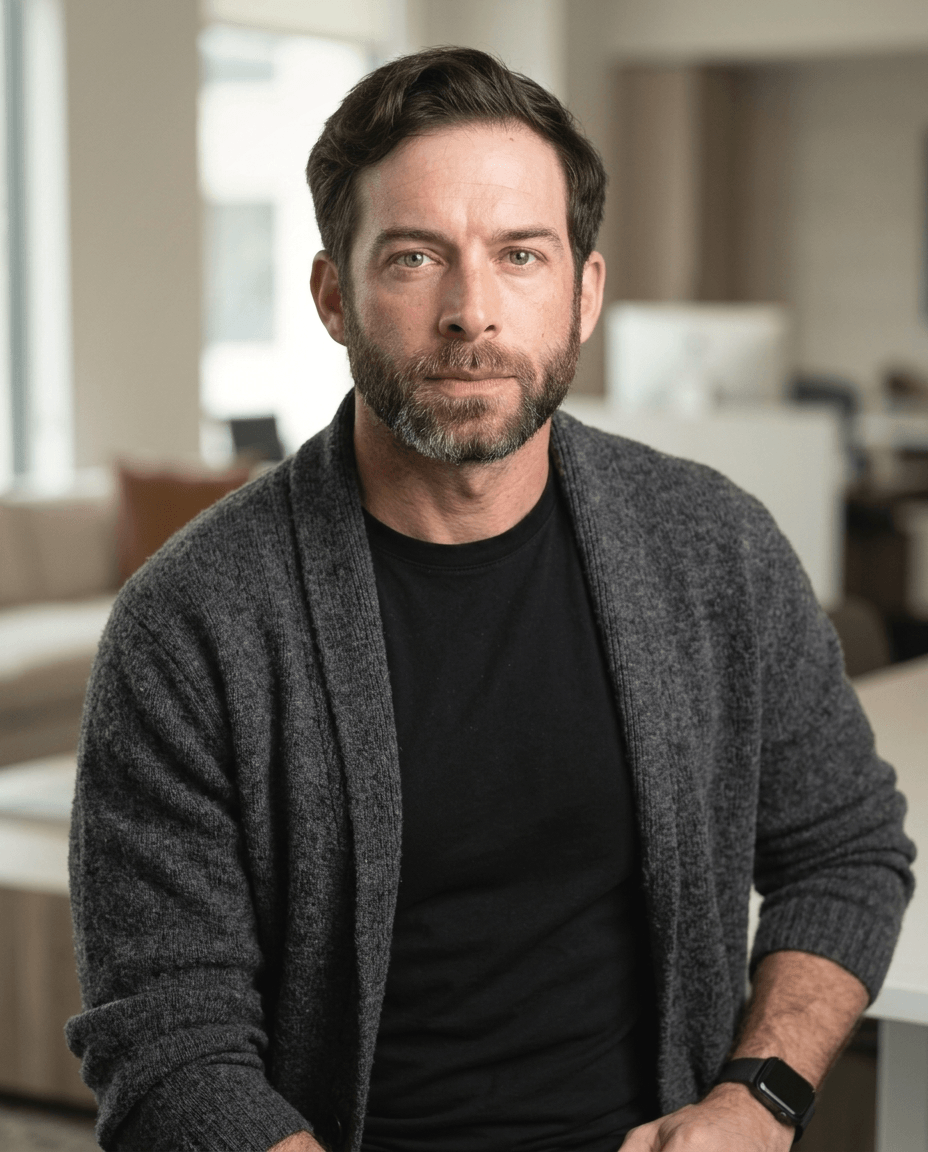


The calendar is a poor way to decide when to replace a professional headshot. Update it when your appearance, role, audience, or professional positioning changes. Use time as a backstop, not as the main rule.
The widely cited baseline is a refresh every 1 to 3 years, but that range is only useful when your image still matches how you look and work today. Major appearance changes should trigger an immediate replacement, even if the photo is relatively new, according to Capturely's headshot update guidance.
We've seen this repeatedly at Studio Pod. Joseph West and Chris Bailey founded our Houston studio after working as photographers, not as a software team retrofitting open models. Since 2019, we've photographed more than 10,000 real professionals. That experience has made one point clear: stale headshots usually come from waiting for a date on the calendar instead of responding to a meaningful change.
Table of Contents
- The old two-year rule for headshots is wrong
- The five triggers for a mandatory headshot update
- Industry norms still matter, sometimes
- The problem with stale team headshots
- How new tools change the update calculation
- Your platform-specific headshot strategy
The old two-year rule for headshots is wrong
The two-year rule sounds tidy. It's also incomplete.
A professional headshot isn't a passport stamp with a fixed expiration date. It's a visual introduction used on LinkedIn, company websites, email signatures, speaker bios, proposals, recruiting materials, and social profiles. Its job is recognition and credibility. If the image no longer looks like you, it has stopped doing that job.
The better approach is event-driven updating. You refresh after a meaningful event, not merely because another year has passed. A new role, a substantial change in appearance, or a shift in the people you need to reach matters more than an arbitrary anniversary.
Practical rule: If someone who met you recently would hesitate before matching you to your headshot, replace it.
The calendar still has value. A photo that has been sitting unchanged for several years deserves scrutiny, even if your face and job seem stable. The general 1 to 3 year range remains a sensible operating boundary, but it shouldn't override obvious changes in your appearance or professional identity.
Our findings from working with thousands of professionals are covered in our study of 10,000 headshots. The practical lesson is simple. Your headshot should represent the person people will meet, hire, contact, or remember now.
The five triggers for a mandatory headshot update
You don't need to debate this every time. Use these triggers as a decision checklist. If one applies, update the image.

Your appearance has changed noticeably. A new hairstyle, beard, glasses, hair color, or significant weight change can affect recognition. The test isn't whether the change feels dramatic to you. It's whether the image still looks current to someone who hasn't seen you recently. If a cosmetic treatment has changed how you present yourself, your complete guide to this facial treatment offers useful context for planning the wider update.
You've received a promotion or started a new job. A new position often requires a different level of authority, warmth, or accessibility in the image. Your old photo belongs to the previous chapter.
You've changed industries or career direction. A photo created for finance won't necessarily communicate the same message in technology, healthcare, entertainment, or consulting. Your lighting, clothing, background, and expression should support the role you're pursuing.
You've rebuilt your personal brand. A new audience, visual identity, target market, or professional message deserves a matching portrait. If your website and written positioning have changed, an outdated image creates friction. Resources on professional brand positioning can help clarify that broader shift.
The photo is more than three years old. This is the backstop. Even without a major event, a sufficiently old image deserves replacement because your styling, expression, and professional context have likely moved on.
These triggers make the answer to “how often should you update your headshot” more practical. Replace the photo after change. Review it regularly. Don't wait for a crisis, a job application, or a client to point out the mismatch.
Industry norms still matter, sometimes
Personal change comes first. Your industry sets the pressure level.
A realtor, actor, entrepreneur, or sales professional uses a current image as part of everyday business development. Listings, pitches, speaker pages, outreach, and social profiles all depend on a recognizable face. A 2026 guide recommends annual updates for these roles because their work relies heavily on current, trust-building imagery. You can review the underlying guidance on headshot timing by profession.
Lawyers and consultants sit closer to an 18 to 24 month cadence, according to the same guide. Their clients still need a credible, current image, but their professional identity usually changes less frequently than that of a public-facing salesperson or performer.
Corporate mid-level professionals can often stretch to 2 to 3 years, provided the person still looks recognizably current and the role hasn't changed. That's a practical distinction, not permission to ignore the photo indefinitely.

Match the image to the trust required
A doctor, lawyer, consultant, or financial professional needs a portrait that feels current and dependable. A creative director, actor, founder, or realtor needs the same credibility plus a stronger connection to present-day personality and positioning.
That doesn't mean every update requires a dramatic reinvention. Keep your recognizable features. Adjust the presentation around them. Clothing, background, crop, and expression can shift the message without making the image feel disconnected from you.
The higher your public visibility, the less tolerance you have for a dated portrait.
Use industry norms as a planning guide. Use real-world recognition as the final test. If your current photo still reflects your role and appearance, keep it. If it doesn't, update it now.
The problem with stale team headshots
Stale headshots are an operational problem. They affect every place where a company introduces its people.
A team page with mixed photo ages looks unplanned. A sales group with inconsistent backgrounds and lighting sends prospects to different visual versions of the same company. New hires can feel disconnected when their portraits look noticeably different from everyone else's. HR and marketing then spend time correcting assets one person at a time.
A 2026 corporate-headshot dataset found an average team refresh cadence of 2.4 years, while 34% of teams went more than four years between updates, according to the State of Corporate Headshots 2026 dataset. That gap shows why a centralized policy matters. Teams often wait until inconsistency becomes visible instead of scheduling a controlled refresh.

Build a policy around roles
Don't force the same cadence on every employee. Set a faster review cycle for executives, recruiters, salespeople, consultants, and anyone featured in public communications. Give internal roles a longer window when their visibility and responsibilities remain stable.
The policy should also define the events that trigger an individual update. Promotions, new hires, departures, rebrands, and major appearance changes shouldn't wait for the next company-wide session.
A coordinated process protects consistency across the About page, LinkedIn profiles, proposals, press materials, and internal directories. Our team headshot ideas can help marketing and HR teams plan a consistent visual system instead of collecting random portraits over time.
How new tools change the update calculation
Traditional headshot sessions create friction. A photographer's day rate often runs $300 to $600 or more, before you account for scheduling, travel, preparation, shooting, selection, and editing. That cost encourages professionals to wait until an update feels absolutely necessary.
The economics change when the process becomes faster and easier. The share of LinkedIn users who updated profile photos within the past year rose from 22% in 2022 to 34% in 2025, with much of that increase attributed to AI tools making regeneration cheaper and faster, according to comparative coverage of AI-generated and professionally shot headshots.

Speed still needs photographic judgment
Convenience doesn't remove the quality question. Recent comparative research cited in 2026 coverage found human-taken headshots performed better than AI-generated portraits on trust-related measures including authenticity, reliability, competence, and overall trust score.
That's why our background matters. AiHeadshots is the AI-headshot product from Studio Pod, an automated headshot studio in Houston built by photographers Joseph West and Chris Bailey. We built a system around photographic judgment, after shooting more than 10,000 real professionals since 2019, rather than starting as a software team adapting open models.
AiHeadshots delivers 30+ studio-grade headshots in about 30 minutes from 10 to 20 phone selfies, with no studio visit. Packages start at $29, compared with the traditional photographer day rate described above. That lower friction supports event-driven updating, but you still need to choose images that look like you and fit your professional context.
Your platform-specific headshot strategy
Your headshot shouldn't be identical everywhere by accident. It should be recognizable across platforms while fitting the expectations of each channel.
LinkedIn needs currency and clarity. Use a clean crop, direct eye contact, and styling that matches your current role. Replace the image after a career move, a meaningful appearance change, or a shift in the audience you're trying to reach. For additional practical guidance on looking your best on LinkedIn, focus on expression, lighting, and how the small profile crop affects recognition.
Your company website needs consistency. Keep the background treatment, framing, lighting direction, and retouching style coherent across the team. Individual personalities can show through expression and posture, but the portraits should look like they belong to the same organization.
Keep personal channels recognizable
Social profiles can carry more personality, especially for founders, creators, recruiters, and public speakers. Still, don't use an image that looks so different from your LinkedIn or website portrait that people question whether they've found the right person.
Review your image anywhere a client, recruiter, conference organizer, or colleague encounters you. That includes email signatures, speaker pages, team directories, portfolio sites, and messaging platforms. Our 2026 LinkedIn headshot guide provides a platform-focused reference for cropping, styling, and presentation.
The right answer to how often should you update your headshot is therefore practical. Update after change. Review the image before important public moments. Use a calendar reminder only to catch what your busy schedule missed.
Check that your face, role, message, and visual style still agree. If one of them has moved on, your headshot should follow.
Upload 10 to 20 selfies and receive 30+ professional headshots in about 30 minutes, starting at $29. Visit AiHeadshots to refresh your image before your next career or branding change.