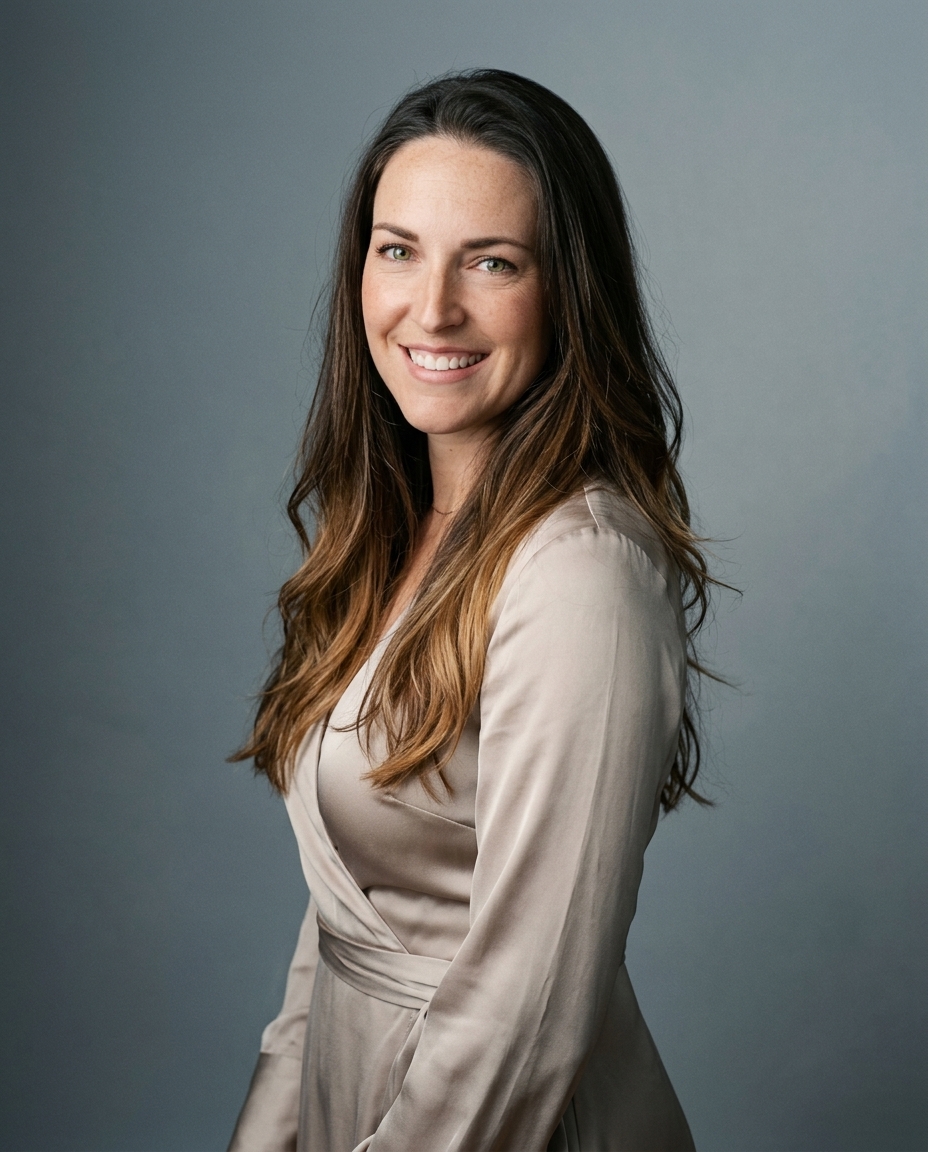

The biggest mistake actors make is treating a headshot like art. It isn't. It's a sorting tool.
Casting doesn't need your most flattering photo. Casting needs a current, believable image that tells them where to place you. That's why modern practice has moved away from the old one-photo mindset. Most working actors now maintain 2 to 4 distinct headshot looks, and at minimum need two photos, usually one commercial and one theatrical, according to Capturely's actor headshot guidance.
We come at this from the photographer side, not the software side. At Studio Pod, our Houston studio has photographed 10,000+ real professionals since 2019, and that experience shaped how we think about every headshot. The rules don't change just because the tool changes. A useful actor headshot still has to read fast, feel honest, and match the person who walks into the audition.
Table of Contents
- Your headshot is not a portrait, it is a business card
- The three paths to getting your headshots
- Planning your shoot wardrobe, hair, and makeup
- What makes an actor's headshot actually work
- Selecting, retouching, and finalizing your shots
- How to use your headshots for casting and agents
Your headshot is not a portrait, it is a business card
An actor's headshot has one job. It gets you considered.
That sounds obvious, but most weak headshots fail because they chase the wrong target. They try to be cinematic, glamorous, dramatic, quirky, expensive-looking, or “different.” None of that matters if the image doesn't immediately tell an agent or casting director what lane you belong in.
What the photo is actually selling
Your face is the product. Your type is the packaging. Your headshot is the label.
That doesn't mean reducing yourself to one role. It means understanding that headshots for actors work as a business process. You are presenting a set of believable options to buyers who make quick decisions. One image says commercial. Another says theatrical. Another might lean grounded authority, dry comedy, or upscale parent. The point is clarity, not decoration.
Practical rule: If the wardrobe, styling, or mood is the first thing someone notices, the photo is already losing.
The old standard was one perfect headshot. That's over. Digital casting platforms changed the job of the image. Actors now submit specific looks for specific roles, and casting wants a current likeness, not a vanity portrait. That's why a small, curated set beats one “masterpiece” every time.
What works and what fails
What works is simple. You look like yourself on a good day. The image feels alive. The role category is clear.
What fails is just as predictable. Overstyled hair. Costume-like wardrobe. Heavy retouching. Ten nearly identical expressions. A photo that says “look at this shoot” instead of “cast this person.”
There's also a discipline problem here. Actors often want every possible type represented at once. That instinct hurts more than it helps. A tight set of looks gives buyers cleaner signals than a bloated gallery full of mixed messages.
Casting responds to recognition. Not reinvention.
If you remember that, every decision gets easier. The photographer, the clothes, the cropping, the retouching, even the platform upload. It all serves one thing. Fast, believable role fit.
The three paths to getting your headshots
There are three realistic ways to get actor headshots now. Hire a photographer. Build a DIY setup. Use an AI service.
Each path solves a different problem. The mistake is pretending they're all interchangeable.
The traditional photographer
A strong headshot photographer still gives you the most control. You get live direction, wardrobe feedback, expression coaching, and immediate adjustment if something isn't working. If you need highly specific art direction or you don't photograph well without coaching, this is still the cleanest path.
The trade-off is cost and time. A professional photographer commonly charges $300 to $600+ for a session day rate. Turnaround also takes longer than most actors expect, especially if you're waiting on selects and retouching.
The DIY route
DIY works when the budget is effectively zero and you're disciplined enough to keep the setup simple. Good window light, plain background, honest styling, and a modern phone camera can produce a usable image.
The problem isn't the camera. It's judgment. Most DIY actor headshots fail because the person shooting doesn't know when the expression is dead, the chin is wrong, or the wardrobe reads too literal. Technical mistakes are fixable. Taste mistakes are harder.
Here's the side-by-side reality:
| Method | Cost | Time Commitment | Typical Output |
|---|---|---|---|
| Traditional photographer | $300–$600+ | Session, selection, retouching, delivery | Custom direction and strong control |
| DIY setup | Lowest cash cost | High personal time and trial-and-error | Usable if you know lighting and editing |
| AI headshot service | Starts at $29 | Uploads and short processing time | Fast variety without a studio visit |
For a broader breakdown of where each option wins, our comparison of AI headshots vs photographer sessions lays out the practical trade-offs.
The AI option
AI is useful when speed, cost, and variety matter more than the experience of a live shoot. It's also useful when you need a fresh set of options without booking a studio day.
That category now includes services like HeadshotPro, BetterPic, Aragon, Secta, ProPhotos, and our own AiHeadshots. The differences are usually in realism, consistency, delivery speed, and how much photographic judgment shaped the system behind the product. Our perspective is simple. We built AiHeadshots from a photography business first, after years of real sessions at Studio Pod, not as a generic image tool retrofitted for headshots.
The product facts are straightforward. AiHeadshots delivers 30+ studio-grade headshots in about 30 minutes. Pricing starts at $29. You upload 10 to 20 phone selfies. There's no studio visit. That makes it a very different business decision than a $300 to $600+ shoot day.
The best option isn't the most “professional” sounding one. It's the one that gives you believable, role-specific images you'll actually use.
Planning your shoot wardrobe, hair, and makeup
Most headshots are won before the camera comes out.
Wardrobe, hair, and makeup decide whether the image reads as a person or a project. Actors get into trouble when they style toward stereotype instead of type. Your clothes should suggest a lane, not turn into costume.

Wardrobe that keeps the focus on your face
Start with clean shapes and solid colors. Busy patterns, logos, and hyper-trendy pieces pull attention away from the one thing that matters, which is your expression. Layers help because they give you variation without changing the whole visual story.
A practical benchmark is to shoot at least two distinct looks, one commercial and one theatrical or legit, because casting is role-specific and a relevant image performs better than one generalized shot, as noted by City Headshots in its actor headshot guide.
That doesn't mean “doctor outfit” and “lawyer outfit.” It means one look reads open, bright, and approachable. Another reads more grounded, contained, or serious.
Hair and makeup that still look like you
Hair should look like your real hair on a very good day. Not your wedding hair. Not your gala hair. Not the version of you that only exists after two hours of styling and a ring light.
Makeup follows the same rule. Even skin tone. Reduced shine. Defined features if needed. No mask. No heavy contour. No trendy color story that dates the image or changes your face.
If you wouldn't walk into an audition looking like that, don't photograph it.
For practical prep before you upload or shoot, our selfie prep guide for stronger headshots covers the basics that improve realism and consistency.
- Build two lanes first. One outfit for commercial energy. One for theatrical energy.
- Use your own clothes. Familiar clothes sit better on your body and read more naturally.
- Bring simple layers. Jackets, sweaters, and open collars give range without noise.
- Skip obvious costume signals. Scrubs, hard hats, police-adjacent styling, and gimmicks narrow the image too fast.
- Test the thumbnail. Shrink the photo on your phone. If the clothing dominates, change it.
What makes an actor's headshot actually work
Most bad actor headshots aren't bad because they're low quality. They're bad because they're empty.
A technically polished image with no life in it won't survive first review. The photo has to feel present. It has to look like someone thinking, reacting, listening, or holding an inner point of view.

Eyes first, always
The technical target is simple. You need tack-sharp focus on the eyes, clean natural lighting, and a tight crop from roughly the chest up, according to Christian Webb's headshot guidance.
That sounds basic. It isn't. The eyes are where credibility lives. If the focus is soft there, the image loses force immediately. If the eyes are sharp but vacant, the image still fails.
Light, crop, and posture
Light should be soft enough to flatter and directional enough to create shape. Flat light kills structure. Harsh light creates distractions. Good headshot lighting keeps skin honest while giving the face dimension.
Crop matters too. Too wide, and the face loses urgency. Too tight, and the frame feels aggressive or cosmetic. Chest-up is a strong standard because it gives room for posture and neckline while keeping the expression dominant.
Body position does more than people realize. A slight angle usually reads better than square shoulders. Chin placement changes authority, openness, and tension in a fraction of an inch.
A headshot isn't static. It's a record of micro-decisions.
We've seen that over and over in real sessions, and our 10,000-headshots study from Studio Pod reflects the same pattern. Tiny changes in gaze, shoulder position, and mouth tension create entirely different reads.
Expression is the whole game
Actors often think expression means smile or no smile. That's too crude. The real question is whether the face suggests a believable inner life.
A commercial shot usually benefits from openness and warmth. A theatrical shot often benefits from more restraint and specificity. Neither one should look posed in the usual sense. It should look inhabited.
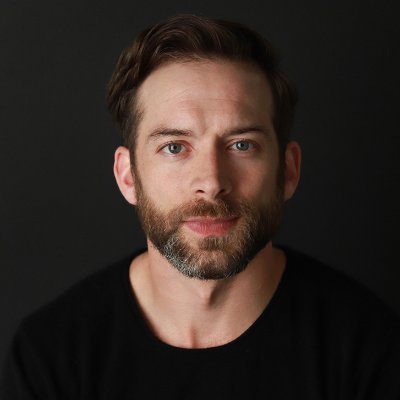
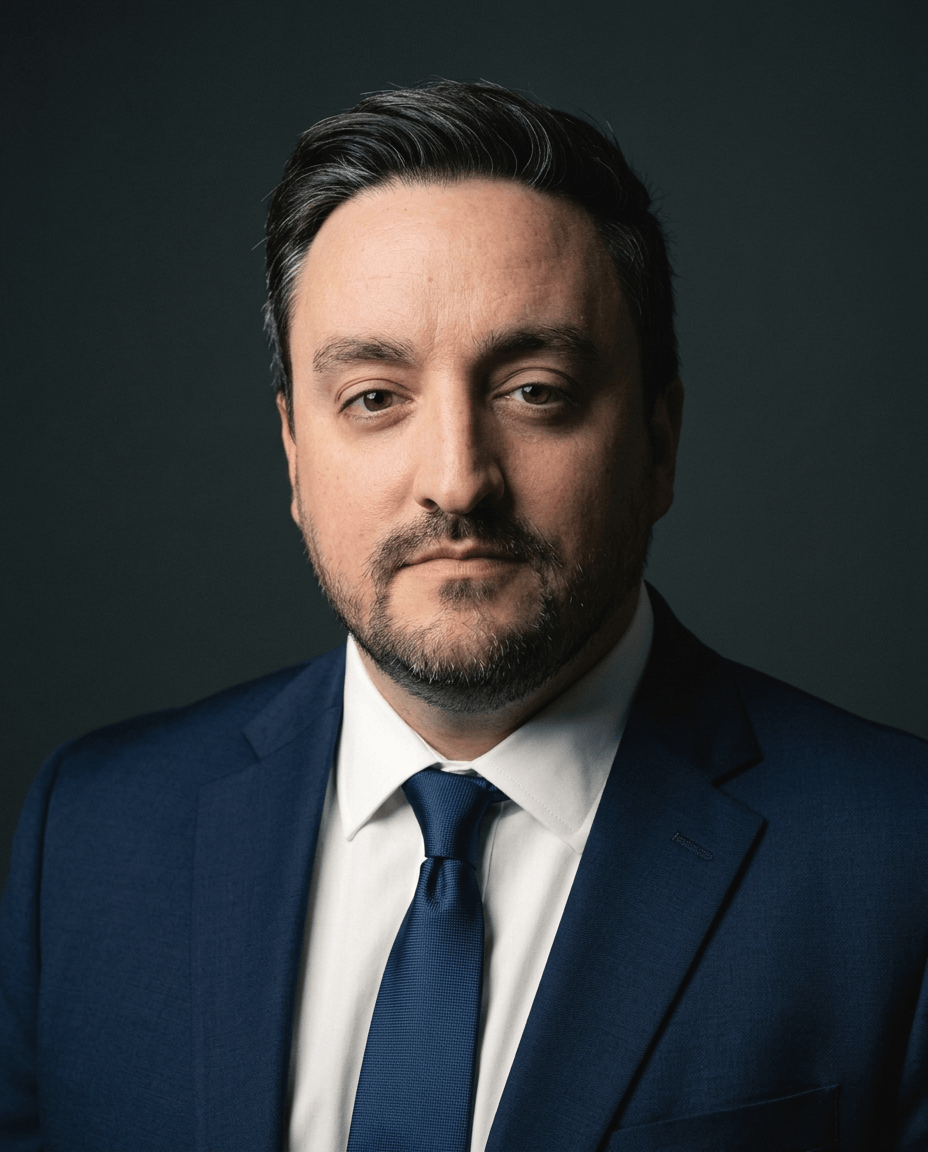
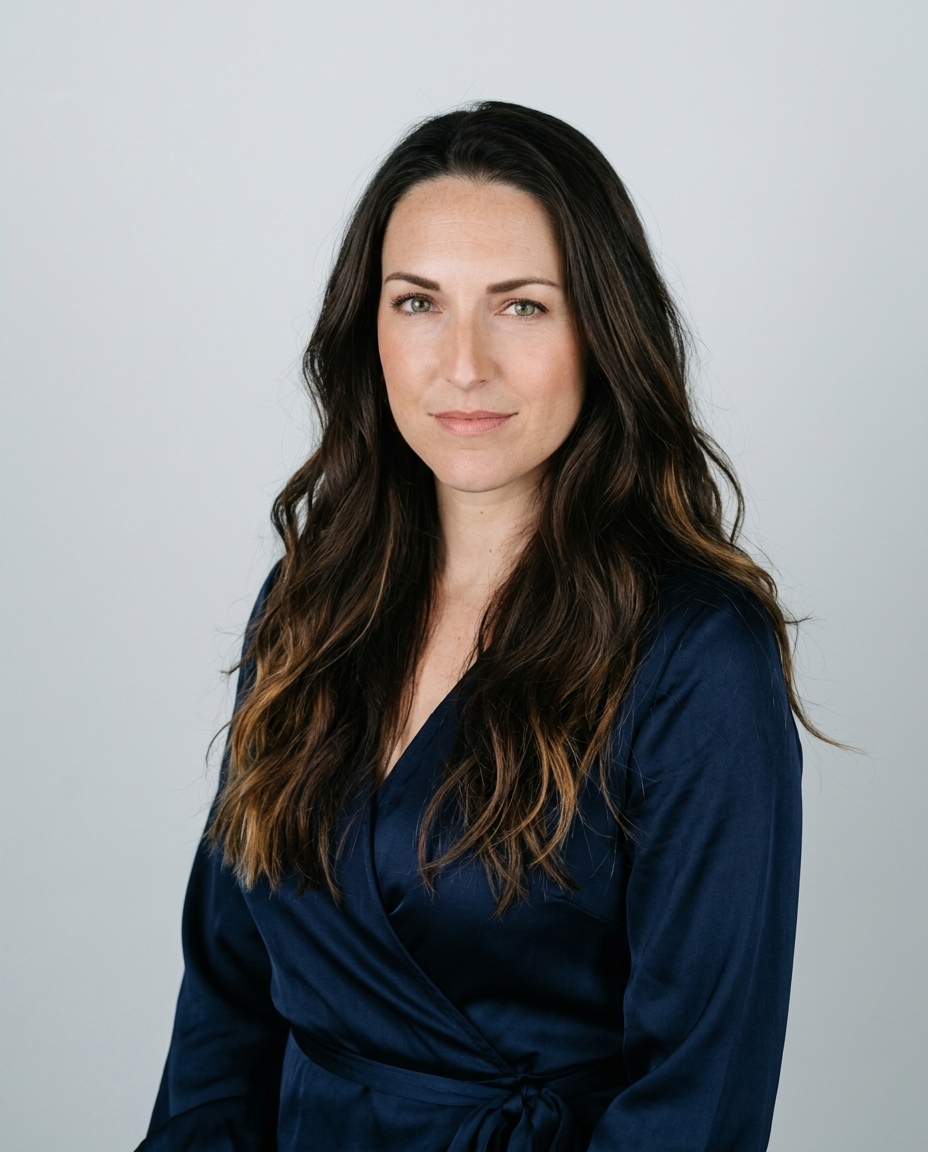
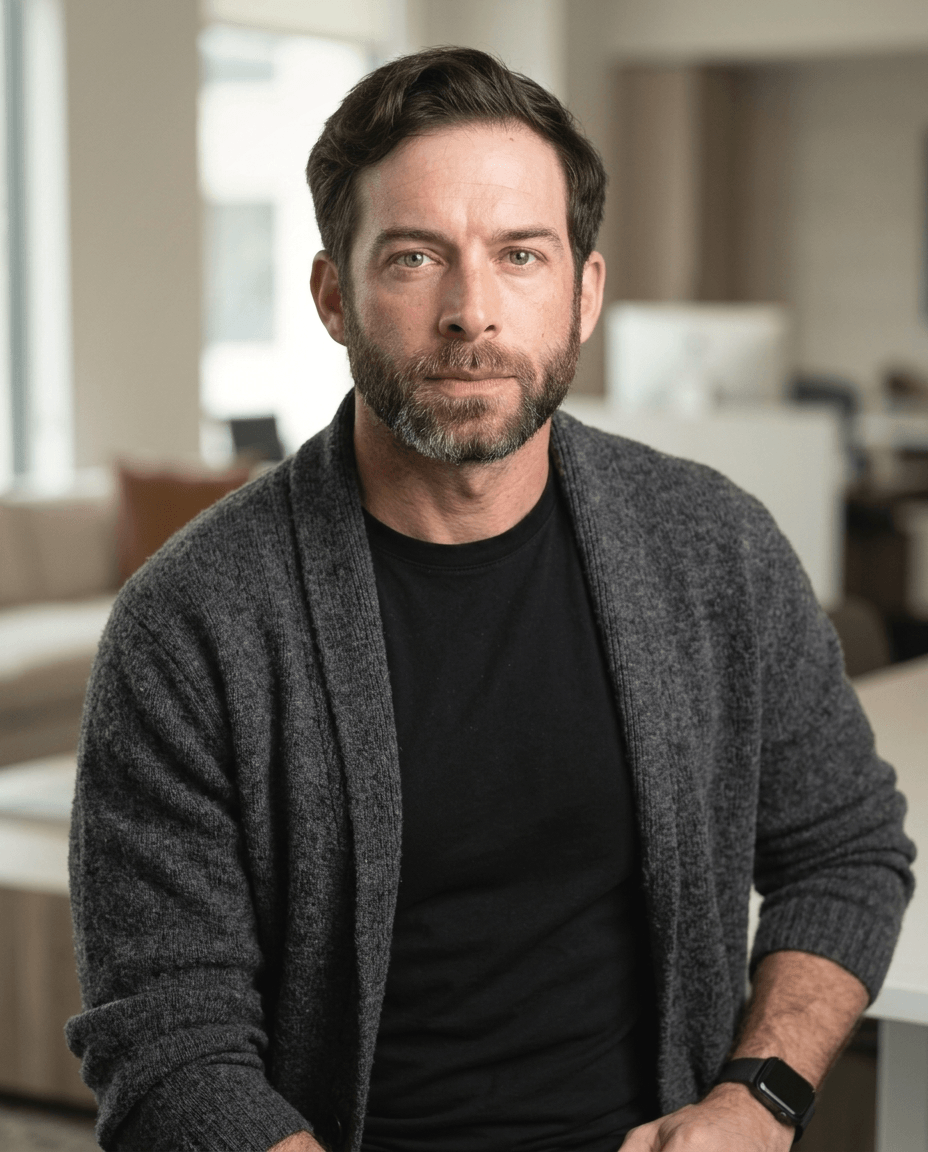
A quick demonstration helps more than description alone:
The strongest images always create the same reaction. You don't admire them first. You believe them first.
Selecting, retouching, and finalizing your shots
The shoot is only half the job. Selection is where actors often sabotage themselves.
They choose the image where they look prettiest, coolest, youngest, or most dramatic. That's the wrong filter. Choose the shot that looks most castable for the lane it's meant to serve.

Pick the shot that tells the truth fast
Your best commercial image and your best theatrical image should feel distinct at thumbnail size. If you line them up and they read as the same person in the same mood, you don't have two looks. You have duplicates.
Outside judgment offers valuable assistance. A good selector won't ask, “Which one do you like?” They'll ask, “Which one would casting understand fastest?”
The winning image usually isn't the fanciest one. It's the one that feels immediately usable.
Retouch enough to clean, not enough to lie
This line matters more now because AI tools and heavy editing are everywhere. The most valuable headshot is the one that preserves recognizable facial structure, skin texture, and expression, and still matches the person at the audition, as explained in The Modern Actor's guidance on authenticity in headshots.
That gives you a clean rule. Remove temporary distractions. Keep permanent identity.
A pimple that appeared this week can go. Under-eye texture that belongs to your face stays. Scars usually stay. Wrinkles stay. Freckles stay. Your jawline does not need redesign. Your skin does not need to become plastic. If someone meets you in person and feels misled, the image failed.
Delivery and file prep
Once you've selected your final images, export high-resolution JPEGs with clean filenames. Don't upload “final2reallyfinal.jpg” to a casting profile.
Keep the files simple, current, and role-labeled. That tiny detail signals professionalism before anyone opens your materials.
How to use your headshots for casting and agents
A headshot only works if you deploy it well.
Casting directors scan high volumes of photos quickly and need immediate role-fit signals. A tightly curated pair of images that clearly separates your marketable types works better than a large gallery with muddy distinctions, as noted in Ferrara Araujo's discussion of actor headshot strategy.
Use that to your advantage. Make the first photo on your profile your strongest broad-market image. Then support it with a clearly different second look. If your commercial and theatrical shots are both good, don't post ten neighboring variations that dilute the read.
File naming should stay boring and useful. Something like FirstName-LastName-Commercial.jpg or FirstName-LastName-Theatrical.jpg is enough. Agents and casting don't need creativity here. They need speed.
For submissions, match the image to the role. Brighter, more open look for commercial copy and approachable roles. More contained, serious look for dramatic or procedural lanes. Don't force your widest-smile shot into a role that needs gravity. Don't submit the stern dramatic frame for a warm lifestyle campaign.
Keep your set lean. Keep it current. Keep it believable.
Upload 10 selfies, see your first headshot in 30 minutes for $29. See the options on AiHeadshots pricing.