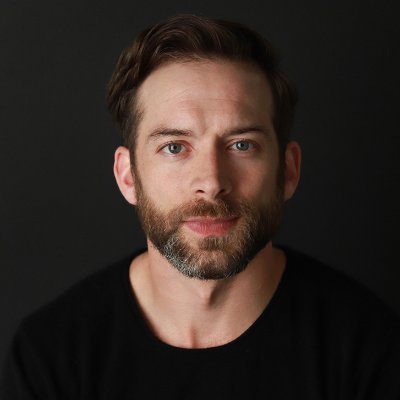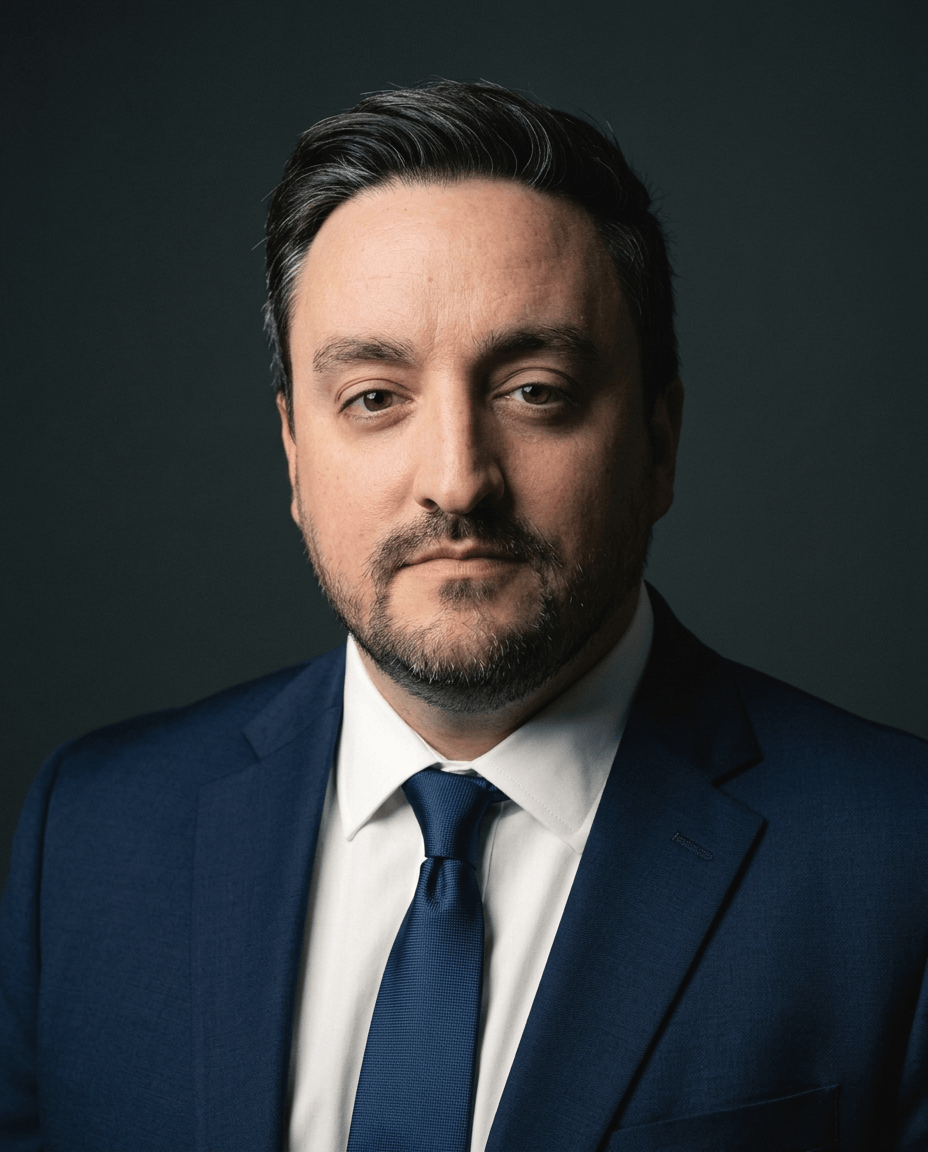
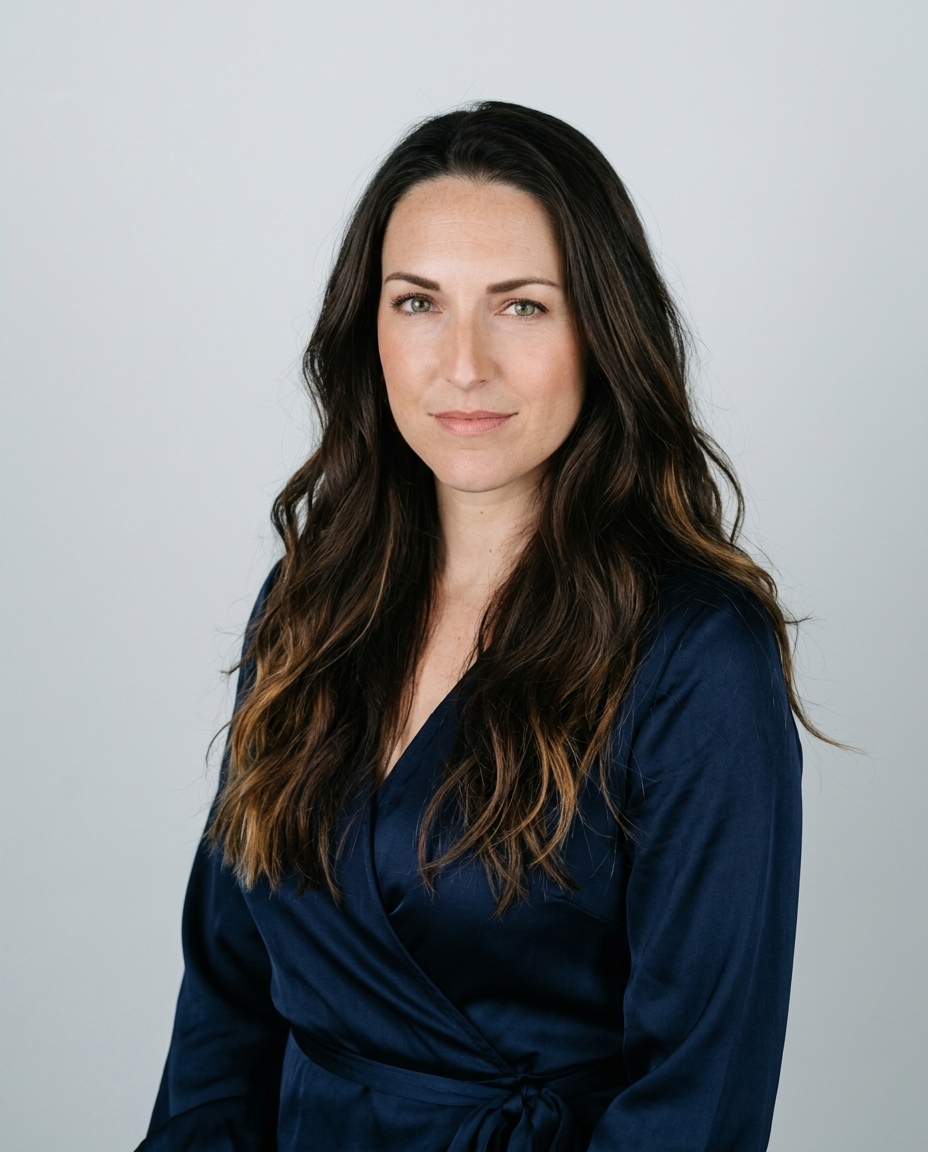
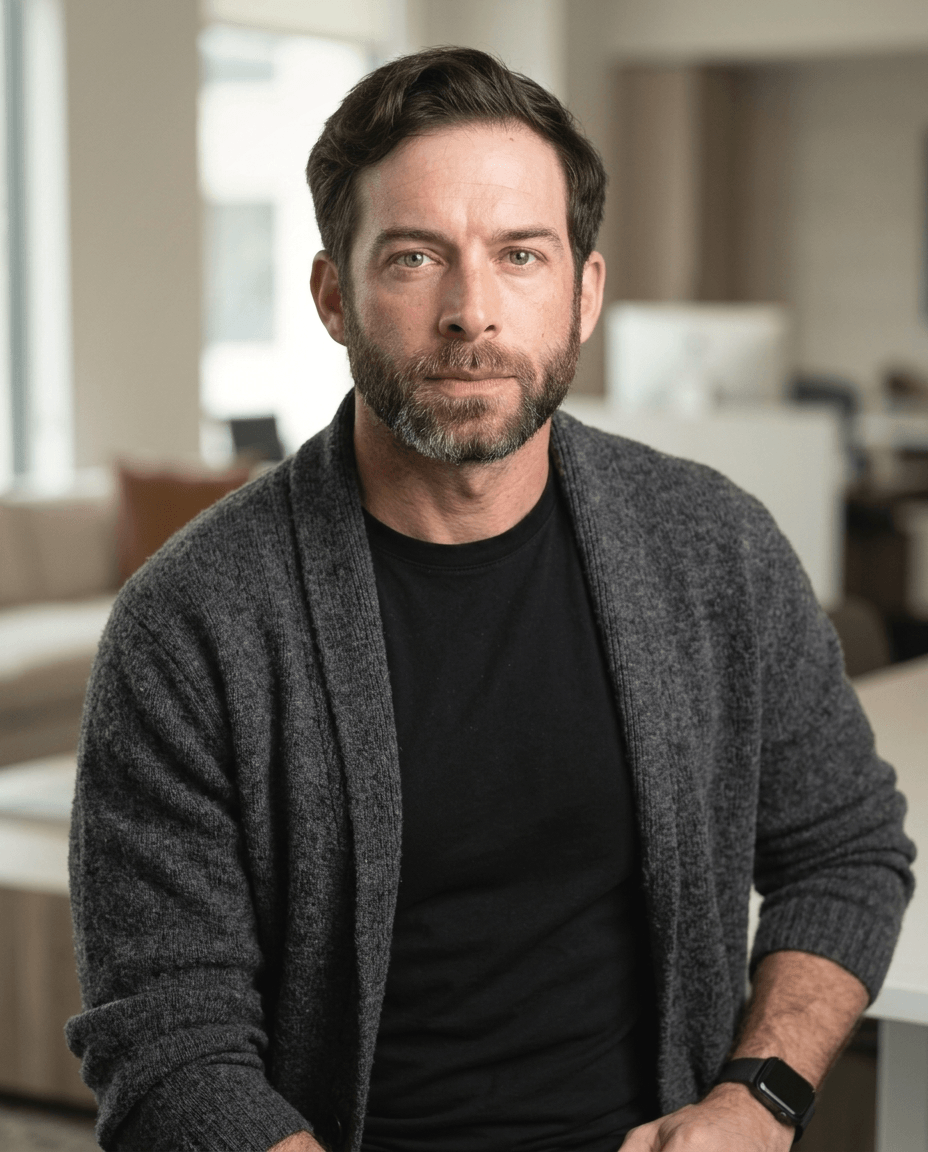
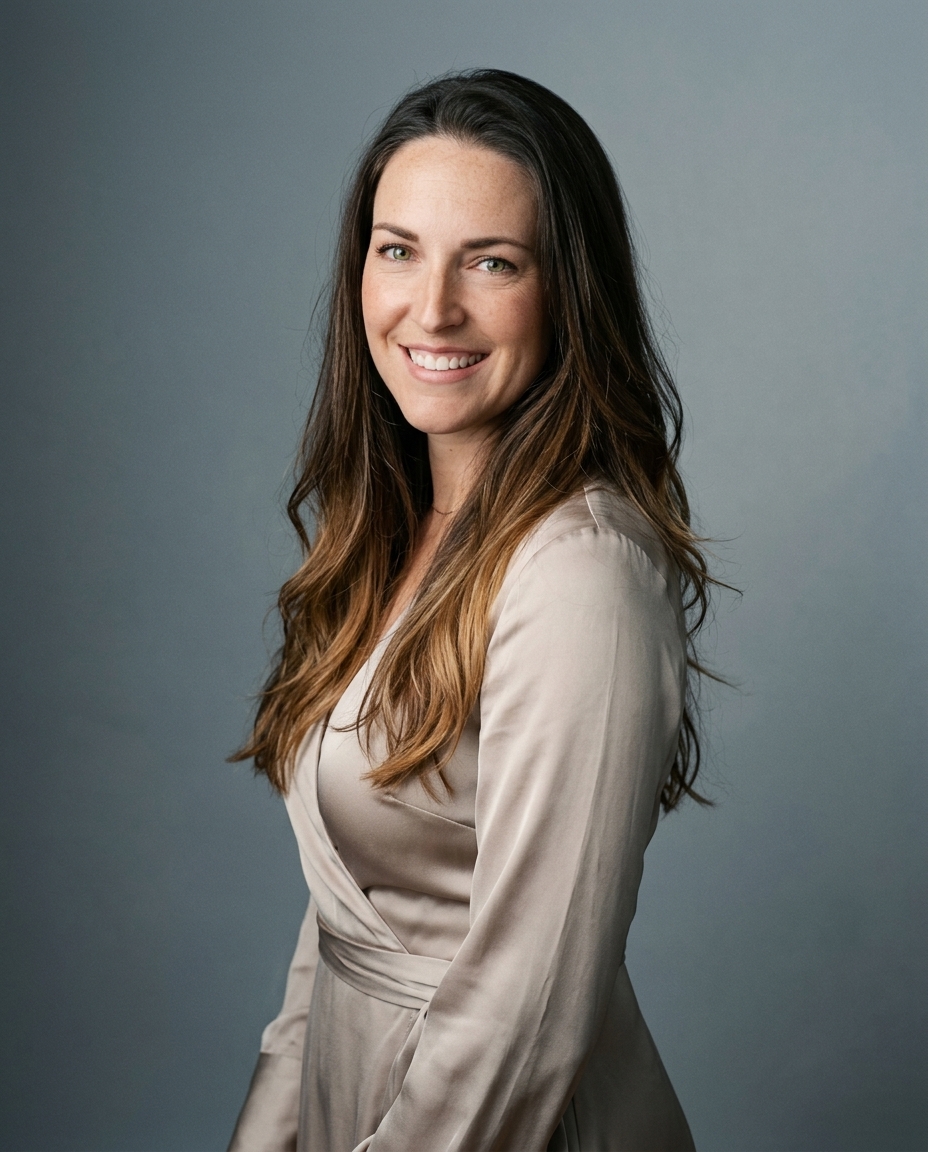

The split answer is simple. In the US, UK, and Canada, leave the headshot off the resume. In Germany, France, Spain, and much of Latin America and Asia, use a professional one.
That sounds blunt because it is. A headshot on resume is not a universal best practice, it's a regional and industry decision. The photo belongs where it helps hiring behavior, not where it creates parsing problems, legal risk, or a sloppy first impression. LinkedIn's profile photo guidance, recruiter attention patterns, and country norms all point in different directions, so the right answer depends on where you apply and how your image is being used.
Table of Contents
- The short answer most articles skip
- Why the answer splits along three lines
- Where a resume headshot actually helps
- Photo specs that actually work
- Why LinkedIn is almost always the better home for the photo
- AI headshots vs a photographer for resume use
- Do's and don'ts before you submit
The short answer most articles skip
If you're applying in the US, UK, Canada, or Australia, do not put a headshot on the resume. Keep the resume clean, text-first, and easy to parse. Put the photo on LinkedIn, where the hiring eye lands first and where the image has measurable visibility value.
If you're applying in Germany, France, Spain, the Netherlands, most of Latin America, the Middle East, or large parts of Asia, a small professional headshot still fits the local norm. In those markets, the photo is part of the candidate signal, not a weird extra. The resume looks incomplete without it in many roles.
Practical rule: if the hiring process is ATS-heavy and anonymous, skip the photo. If the market expects a face on the document, include a restrained professional portrait.
The reason is not taste. It's workflow. Recruiters scan fast, systems mishandle images, and some hiring systems are still built around a text resume first. LinkedIn's own long-running guidance has also been explicit enough to shape behavior, and the platform's photo data shows why the image belongs where recruiters are already browsing profiles, not buried in a PDF. Professional visibility goes up when the photo sits on a profile page, not when it competes with experience bullets.
Why the answer splits along three lines
ATS, attention, and bias
The first force is ATS parsing. Resume software is built to read text, not manage decorative image files. When you embed a photo badly, you risk a sloppy file, a broken parse, or a resume that no longer behaves like clean text. That's not theory. It's the practical downside of putting a visual object inside a document that hiring systems expect to scan fast.
The second force is attention. Recruiters don't linger. An eye-tracking study widely cited in hiring discussions found that recruiters spend about 7.4 seconds on an initial review, and later summaries say a meaningful slice of that time goes to top-of-page visual cues, including the photo. That's why image quality matters more than image presence inside a PDF. On a profile page, a clean portrait supports recognition. On a resume, it can steal space from the work history the reader is trying to evaluate.
The third force is law and discrimination risk. In the US, photos can create bias exposure, and many employers remove the variable by keeping resumes text-only. LinkedIn's own career guidance is clear enough to say, “DO NOT INCLUDE A HEADSHOT ON YOUR RESUME.” That advice exists for a reason. It reduces unnecessary risk in markets where protected-class concerns are strong and where anonymous screening is common.

A strong photo can change first impressions, but the gain belongs in the right container. A cleaner document wins in ATS-heavy environments. A professional profile photo wins on a profile page. Those are not the same thing.
Where a resume headshot actually helps
Use the photo only where the market expects it
In countries where headshots are standard, a resume without one can look unfinished. That's common in parts of Europe, Latin America, the Gulf, India, and much of Southeast Asia. In those markets, the image is part of the document grammar, just like contact details at the top.
Industry matters just as much as geography. If you're in acting, modeling, real estate, hospitality, executive search, law partner-track, or senior consulting, your face is part of the brand. The reader wants to match a name to a person. In those roles, a professional headshot on the resume or attached portfolio sheet earns its place.
For everyone else, use the file type the hiring process wants. An ATS-targeted resume should stay text-led. A portfolio packet, agency profile, or printed dossier is different. Those formats tolerate image-first presentation because they were built for it.
A useful way to think about it is this. If the document will be skimmed by software first, skip the headshot. If the document will be handed around as a branded candidate profile, include one.
If you're unsure about your digital footprint, audit your digital footprint before you decide where the photo belongs. A clean online profile and a coherent resume should say the same thing.
Photo specs that actually work
Keep it sharp, cropped tight, and easy to read
If the headshot goes on the resume, treat it like a print asset, not a social media crop. The photo needs to survive both thumbnail viewing and a zoomed PDF review. A weak image makes the whole document look rushed.
Practical rule: good headshots are boring in the right way. Clean background. Direct eye contact. No distraction. No gimmick.
Use a file that is at least 800×1000 px, and 1200×1500 px is safer if you want the crop to hold up when the recruiter zooms in. Keep the crop at 4:5 or square. Never use a horizontal format. Never use a full-body shot.
Lighting matters more than filters. If you want the mechanics behind that, role of lighting in photoshoots is worth studying because bad light flattens the face and cheapens the file. Use a neutral gray, soft white, soft beige, or blurred office background. Avoid logos, clutter, and anything that looks like a vacation frame.
Resume headshot technical specs
| Spec | Target |
|---|---|
| Minimum size | 800×1000 px |
| Better size | 1200×1500 px |
| Crop | 4:5 or square |
| File format | JPEG |
| File quality | 85%+ |
| File size | About 2–3 MB or less |
| Background | Neutral, blurred, or plain |
| Lighting | Even and soft |
| Expression | Natural, relaxed, direct to camera |
Keep the face dominant in the frame. Solid clothing works. Busy patterns don't. If your photo looks good on a phone screen and still feels crisp in a PDF, it's usable. If it doesn't, reshoot it.
Use the internal guidance at https://www.aiheadshots.ai/blog/headshot-requirements once, then stick to the basics.
Why LinkedIn is almost always the better home for the photo
Put the image where recruiters click
LinkedIn is where the headshot earns its keep. Profiles with a photo get 21 times more views, 9 times more connection requests, and up to 36 times more messages than profiles without one, according to LinkedIn's long-cited platform guidance. That is not decoration. That is recruiter behavior shifting before the resume is even opened. A separate LinkedIn study summary also says job seekers with professional photos are 40% more likely to receive interview requests in the first month of searching. The profile image matters because it gets seen first.
Recruiters source on LinkedIn, then they pull the resume for detail. That order matters. If your resume has no photo, your LinkedIn profile still carries the visual impression. If your resume has a weak or overproduced image, you force the document to do work it should not have to do.
Use the profile to carry the face, and use the resume to carry the proof. If you want a current visual standard, the LinkedIn headshot guide for 2026 gives a clear benchmark for what looks current without getting flashy. Keep the resume clean. Put the image where it gets clicked.

A resume is a document. LinkedIn is a stage. Put the photo on the stage.
AI headshots vs a photographer for resume use
I've built both, and the choice is obvious for most job seekers
I'm not guessing here. We've shot 10,000+ real professionals at Studio Pod in Houston since 2019, and we also built AiHeadshots. That changes the advice. A traditional photographer is the right call when the image has to carry the weight of a printed portfolio, an actor submission, or a high-stakes brand package. In North America, that usually means $300–$600+ and a session that eats 2–6 hours before delivery even starts.
For most resume and LinkedIn use, you don't need that level of production. AiHeadshots customers upload 10–20 phone selfies and receive 30+ studio-grade headshots in ~30 minutes, with tiers at $29 / $39 / $59, a 14-day money-back guarantee, and 30,000+ customers served at a 4.9★ rating. That is enough for a clean profile image when you need speed, consistency, and a realistic face that still looks like you on a good day.
Here's the honest split. If the job is public-facing and the portrait needs to feel polished in print, hire a photographer. If the job is digital, the deadline is tight, and you need a credible LinkedIn-grade image, AI is the faster and cheaper route. The one thing you can't do is push a sloppy output and hope nobody notices. Over-retouching reads as a tell. A face that doesn't look like you on a normal day is a bad hire signal.
Use the comparison at https://www.aiheadshots.ai/blog/ai-headshots-vs-photographer if you want the decision laid out plainly. Then choose the format that matches the submission.
Do's and don'ts before you submit
Run this check before you send the resume
Use a photo taken within the last 12 months. Match the clothing to the role. Keep the expression natural and direct. Embed the JPEG in the document. Then open the PDF on a phone and a second device to make sure it still parses cleanly.
Do
- Use a recent photo. Old images create a mismatch the moment you show up on video or in person.
- Keep the background simple. Neutral beats busy every time.
- Name the file professionally. Use something like firstname-lastname-headshot.jpg.
- Keep the face recognizable. If you don't look like yourself, don't use it.
Don't
- Don't use a selfie. The angle usually betrays it.
- Don't use a group crop. It looks careless.
- Don't use hats or sunglasses. They hide the face.
- Don't stack multiple photos on one resume. One clean portrait is enough.
If you want a fast, realistic option, upload 10 selfies, see your first headshot in 30 minutes, and choose a clean result at AiHeadshots.