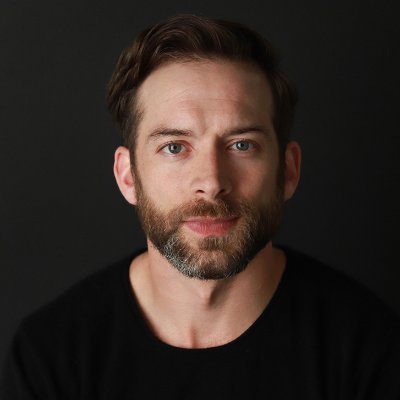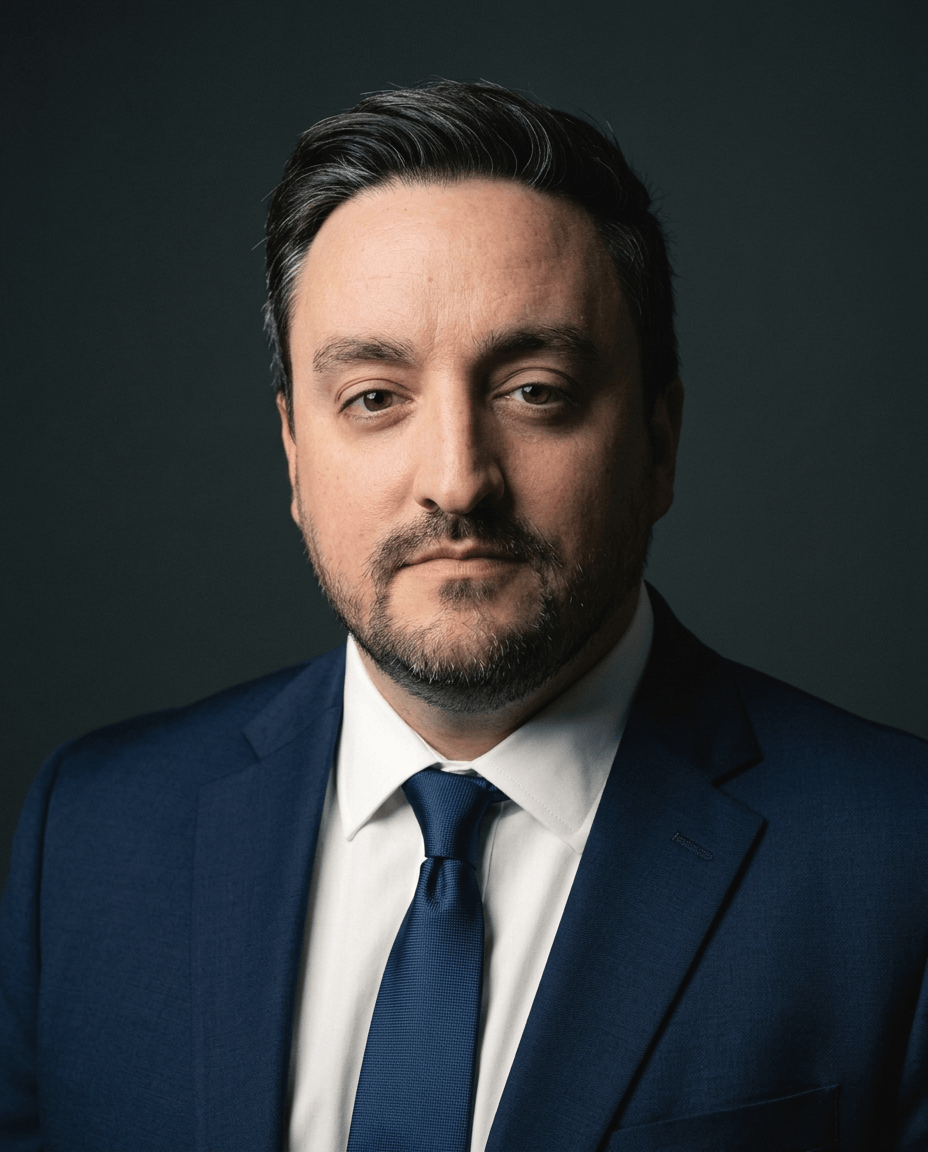
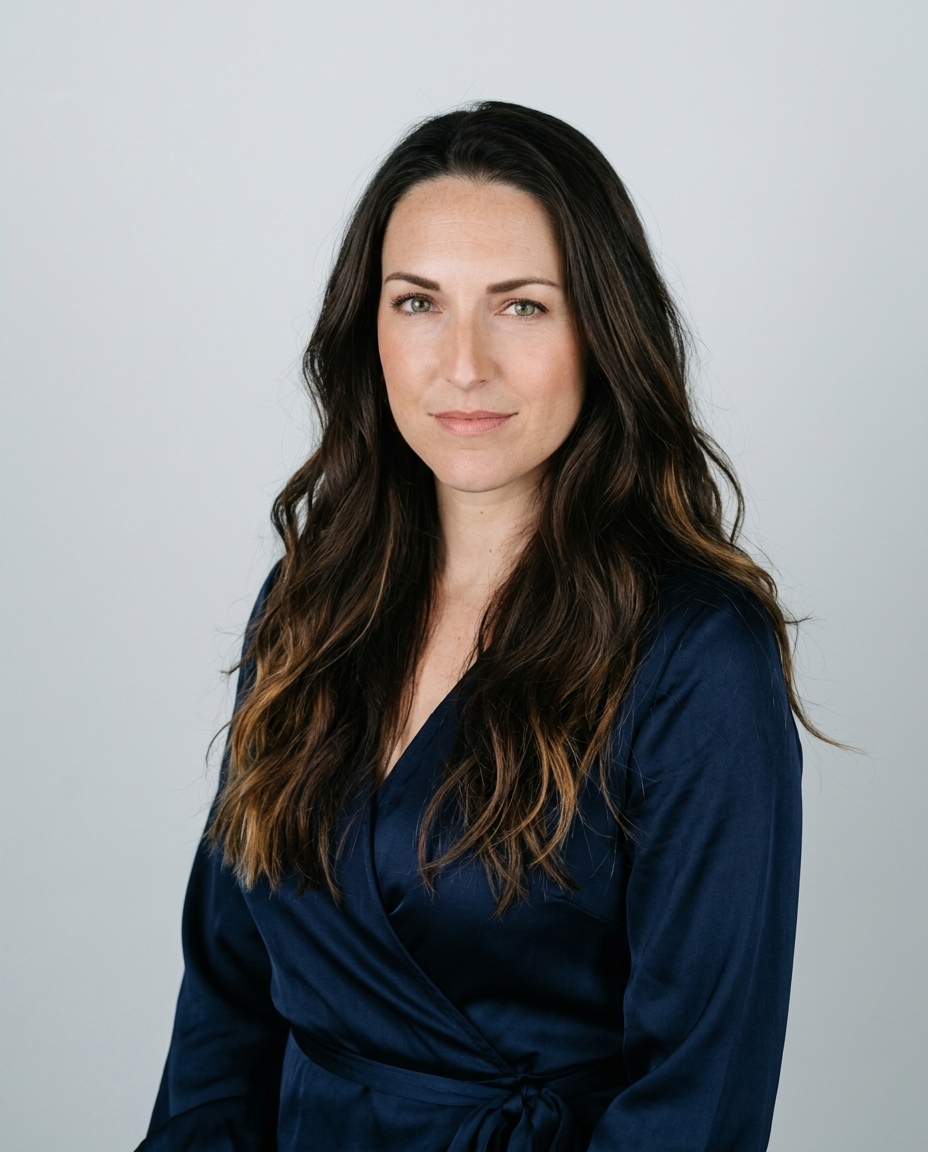
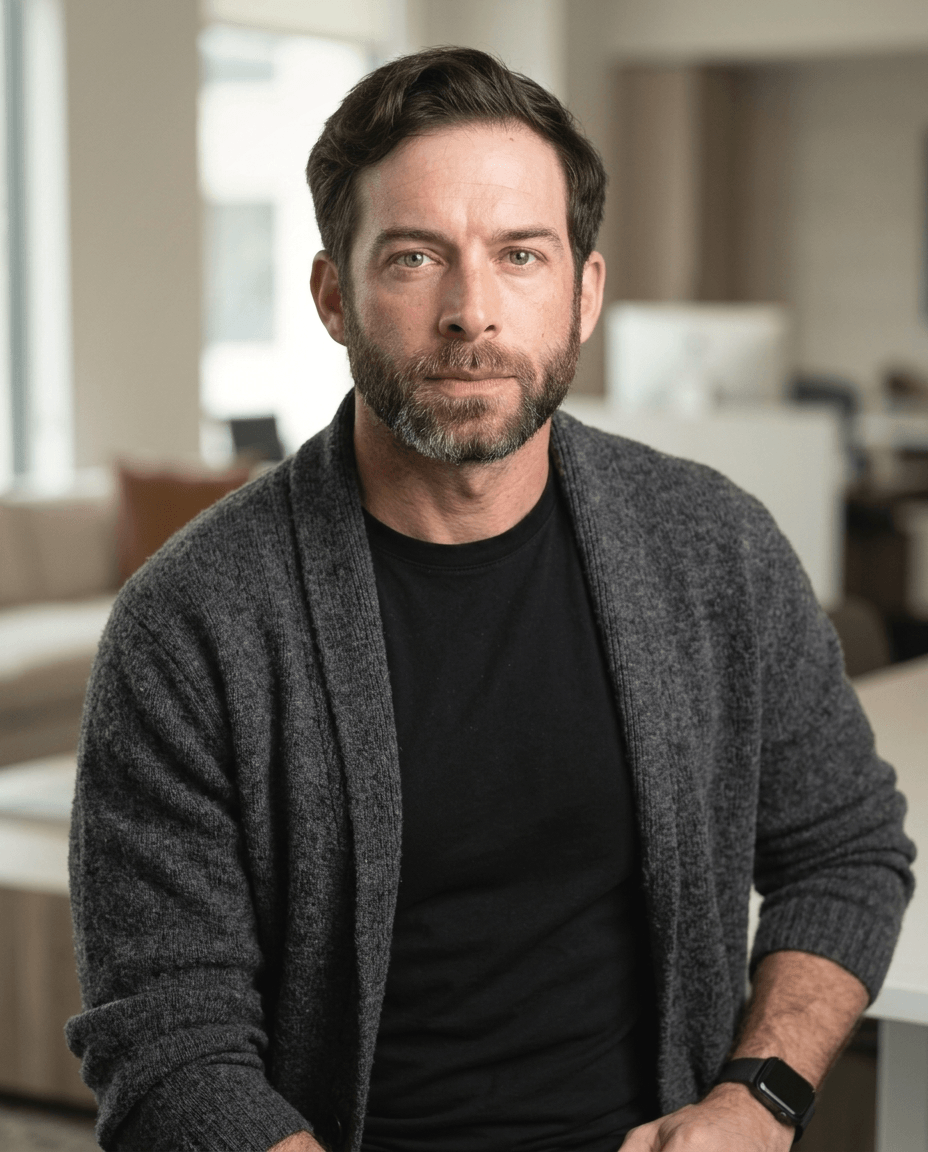
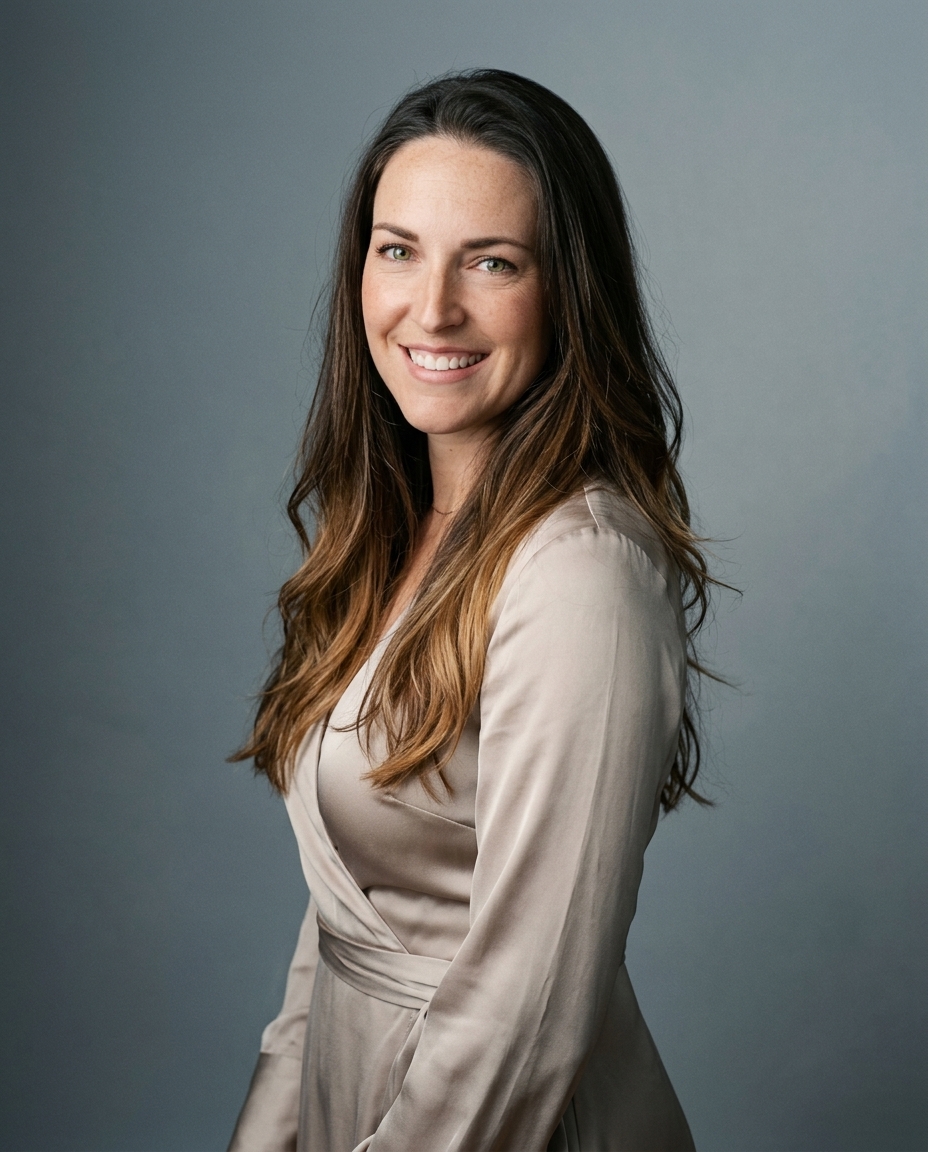

A great formal portrait is built, not found.
In real headshot work, the usable frame count is low. That is normal. After photographing 10,000+ professionals in Houston since 2019, we can say the pattern is consistent. Strong formal portraits come from repeatable choices in planning, direction, light, lensing, and finishing.
We know that from both sides of the job. Studio Pod spent years solving the same problems for executives, attorneys, doctors, candidates, and teams who needed to look credible on purpose, not just flattering by accident. AiHeadshots came out of that experience. Joseph West and Chris Bailey were photographers first, then tool builders, and that matters because our AI was shaped by real studio standards.
That is the angle of this guide.
We are not separating camera craft from AI workflows as if they belong in different worlds. The same rules drive both. A formal portrait needs structure, clean styling, controlled light, believable expression, and restraint in retouching. Whether you shoot it with a camera or generate it with AI, the image succeeds for the same reason. It looks intentional, credible, and professionally made.
Table of Contents
- A great formal portrait is a system not a secret
- The pre-shoot blueprint for wardrobe and planning
- Coaching natural poses and expressions
- Mastering light background and focus
- Two paths to the final image retouching vs AI
- The formal portrait quick-shoot checklist
A great formal portrait is a system not a secret
Formal portrait photography has always been about identity. The first successful formal portrait, a self-portrait by Robert Cornelius in 1839, shifted portraiture away from painted commissions for the wealthy and toward accessible self-representation. By the 1860s, mass-produced portraits had become a widespread social tool for identity (history of portrait photography).
That history still matters because the job of the portrait hasn't changed. A formal portrait isn't decoration. It's a controlled representation of who you are for a specific context. Hiring. Leadership pages. Firm bios. Press kits. Team directories. The setting changes. The requirement doesn't.
Craft beats gear
We see the same mistake from new photographers and from subjects judging themselves. They blame the camera, or they blame their face. Both are usually wrong. The failures start earlier. Bad wardrobe. Distracting grooming. Flat light. Wrong lens. No direction. No rhythm in the shoot.
Practical rule: A formal portrait succeeds when wardrobe, pose, light, background, and expression all support the same message.
That's why expensive gear doesn't save weak portrait discipline. A full-frame body and a premium lens won't rescue a stiff jaw, shiny forehead, or a jacket that bunches at the shoulders. A phone in steady hands with good window light can outperform a careless studio setup.
Why photographers who build tools see this differently
Because we shoot real people, we don't romanticize the process. Formal portrait photography is controlled problem-solving. You reduce variables until the person in front of the lens looks credible, natural, and intentional.
That same logic is why photographer-led systems usually produce stronger results than generic image generation. The standard isn't novelty. The standard is whether the portrait obeys the fundamentals that make a headshot usable for practical purposes.
If you want a reliable result, stop asking for a trick. Build a system.
The pre-shoot blueprint for wardrobe and planning
Most bad portraits are already lost before the first frame. The shirt fights the face. The jacket doesn't fit. Hair wasn't checked against camera light. The subject arrives unsure what the photo is for. Then people try to fix all of it in editing. That rarely works.

Wardrobe isn't about fashion. It's about removing distractions. Solid colors usually hold up better than loud patterns because the eye goes to the face first, which is where it belongs. Darker tones often photograph with more authority and fewer problems than bright, highly reflective fabrics. Necklines matter too. They frame the jaw and change how broad or narrow the face reads.
What we tell clients before the shoot
Start with the purpose of the image. An attorney bio, a founder profile, and a speaker one-sheet don't need identical styling. They do need coherence. If the clothing sends one message and the expression sends another, the portrait feels off even if the lighting is good.
A quick phone test helps. Put on the outfit, stand near a window, and take a few plain snapshots. You'll spot wrinkling, transparency, bunching, shiny fabric, and strange collar behavior fast. If you need a practical style reference before the session, this guide to mastering formal clothes pictures is useful because it keeps the focus on what reads cleanly on camera.
For more specific outfit guidance for business portraits, our own article on executive headshot wardrobe breaks down what photographs well and what falls apart under scrutiny.
Fix problems at the hanger stage. They're cheaper there than in Photoshop.
Grooming is part of the lighting setup
Hair, skin, and fabric all react to light. That's why grooming isn't separate from photography. It's part of the setup. Stray hairs catch highlights. Dry skin turns patchy under side light. A crooked tie knot becomes the only thing you'll notice in the final frame.
Tell the subject exactly what to bring. Pressed options. A lint roller. Basic grooming tools. Backup shirt if they're commuting. Planning removes hesitation, and hesitation shows up on camera faster than almost anything else.
Coaching natural poses and expressions
A forced smile ruins more formal portraits than bad cameras ever will. People don't need vague encouragement. They need precise direction they can execute immediately.
The best coaching is simple and physical. Photographers should give clear posing instructions like "push forehead forward like a turtle" to define the jawline, shoot in high-speed bursts to catch authentic moments between poses, and angle the shoulders away while turning the head back toward the camera for a more dynamic look (posing and expression guidance).
Give the subject something to do
"Relax" is useless direction. "Turn your shoulders slightly away." "Bring your forehead forward." "Lower your chin a touch." "Hold that and breathe out." Those work because the subject can act on them.
The turtle trick works because it separates the jaw from the neck. Individuals often pull their head back when a camera points at them. That compresses the chin and kills definition. Bringing the forehead forward while keeping the chin controlled restores shape.
The face should come slightly toward the lens. The body shouldn't.
The shoulder angle matters just as much. Square shoulders create a passport-photo feel unless the brief calls for strict neutrality. A slight turn in the torso gives the portrait depth. Then the head rotates back toward camera, which creates a cleaner line through the jaw and cheek.
Stop chasing the single perfect angle
There isn't one universal best side. Different faces need different treatment. Broad faces often benefit from subtle narrowing through angle and light. Narrow faces can tolerate a more open position. Some expressions work best just before a smile lands. Others work just after.
This is why burst shooting matters. The strongest frame often appears in transition, not in the held pose. The smile softens. The eyes settle. The jaw unclenches. That half-second is where a lot of the portrait's essence lives.
A structured way to find the best angle is to start at a slight turn, then adjust in deliberate increments while the eyes stay engaged with camera. That beats guessing. It also keeps the subject from freezing into one over-rehearsed look.
What natural actually looks like
Natural doesn't mean casual. It means the person looks like themselves on a good day, with intention. For a formal portrait, that usually means a calm mouth, engaged eyes, a set jaw, and posture that looks active rather than rigid.
The key is rhythm. Talk. Adjust. Shoot through transitions. Correct details quickly. Keep the subject moving just enough that the expression never turns wooden.
Mastering light background and focus
Formal portraits are won or lost on control. Once pose and expression are working, light placement, background choice, and plane of focus decide whether the frame looks credible or amateur. After 10,000-plus headshots, we can say this plainly. Small technical misses are what make a formal portrait feel cheap.

Light first
Start with the face. Good portrait light has direction, softness, and restraint. Window light can work beautifully if the subject is close enough to the source and the room is not filling the shadows with muddy spill. A large softbox gives more consistency and is easier to repeat across a team shoot.
The goal is shape with clean skin tone. Catchlights should be clear. Eye sockets should hold detail. Forehead highlights should stay under control. If the nose shadow reaches the lip, the light is too hard, too low, or too far off to the side.
Background matters here too. A weak backdrop makes a well-lit subject look less polished, which is why these tips for custom event backdrops are useful for office setups, conference booths, and temporary portrait stations.
Background and depth of field
A formal portrait needs separation, not chaos. Plain walls, continuous paper, curtains with texture, and softly blurred real environments all work if they stay quiet behind the subject. Bright objects, hard lines crossing the head, and busy signage pull authority out of the frame fast.
Depth of field is where a lot of newer photographers show their hand. Shooting at f/1.4 can make the background disappear, but it also makes focus fragile. One eye is sharp, the other soft, the ears melt away, and the image starts to look like a lens test instead of a professional portrait. For many headshots, the safer working range is moderate aperture with enough depth to hold both eyes and the front of the face cleanly.
Our guide on how to make pics look professional covers the small setup choices that separate a deliberate portrait from a rushed one.
Sharp eyes carry the frame.
Lens choice and focus discipline
Lens choice changes the face before retouching ever starts. Get too close with a wide lens and the nose grows, the ears fall back, and the proportions stop matching how the person looks in real life. That distortion may pass in casual content. It rarely works for formal use.
We usually reach for the short telephoto range because it gives flattering perspective without making communication awkward. On full frame, 85mm is a reliable starting point. On crop sensors, choose the equivalent field of view rather than chasing the number on the barrel.
Focus needs the same discipline. Put the focus point on the eye closest to camera, then confirm the subject is not rocking forward and back between frames. If you're shooting with a camera, that means controlling stance, shutter speed, and burst timing. If you're generating or refining a formal portrait with AI, the same visual rules still apply. Our tools were trained to preserve believable facial proportions, consistent eye sharpness, and clean subject separation because those are the cues photographers use to judge whether a portrait feels professionally made.
Two paths to the final image retouching vs AI
Once you've captured the raw material, you have two practical routes. You can finish the portrait through a traditional photography workflow, or you can use an AI headshot workflow built to simulate a studio result.

Traditional studio photography for headshots costs an average of $232.50 for 3 to 5 images and typically takes 2 to 4 weeks. AI headshot services start at $29 and can deliver 30+ photos in under 30 minutes (headshot pricing comparison).
The classic route
A photographer-led session still has clear strengths. Live direction is valuable. Lighting can be adjusted in real time. Wardrobe can be corrected on set. Expressions can be coached frame by frame. If you're working on a high-stakes executive portrait or a campaign with strict art direction, that control matters.
The trade-off is cost, scheduling, and speed. The brief gets tighter. Calendars collide. Delivery slows down because culling, retouching, and revisions all take time. In many markets, a photographer day rate lands in the $300 to $600+ range before you even get into deeper retouching or team logistics.
The AI route
AI headshot tools solve a different problem. They compress time and access. You don't book a studio. You don't travel. You don't wait weeks to see what worked. The output depends heavily on the quality and variety of the uploads, which is why photographer-built systems tend to perform better. They encode the same portrait logic that a studio team uses manually.
That distinction matters when comparing options like HeadshotPro, BetterPic, Aragon, Secta, and ProPhotos. They all serve the same broad need. The meaningful difference isn't marketing language. It's whether the result respects the basics of pose, light, expression, and realism.
For a deeper comparison of where each route makes sense, see our breakdown of AI headshots vs photographer.
The formal portrait quick-shoot checklist
Even experienced photographers use checklists. That's not insecurity. That's discipline. A repeatable process catches the tiny mistakes that ruin otherwise strong frames.

Data on camera angle is more nuanced than most guides admit. The optimal angle varies by individual and gender. A slight high angle is often preferred for women, while eye-level is often better for men. 68% of top guides miss that distinction. The practical sweet spot is a 45 to 85mm lens range with the subject's body turned 45 degrees (flattering portrait angle guidance).
- Check the clothing first. Pressed, fitted, lint-free, and consistent with the use case. A strong pose won't save a collapsing collar.
- Set the body before the face. Turn the torso slightly off camera, then bring the head back toward lens. That creates dimension fast.
- Use the jawline cue. Ask for the forehead forward movement. Subjects often need to exaggerate the movement more than they expect.
- Simplify the light. Open shade, window light, or one soft source beats complicated setups done badly.
- Keep the background quiet. If you notice the background before the person, it's the wrong background.
- Protect focus. Keep the eyes sharp. Don't chase ultra-shallow depth of field unless you're certain the face stays fully usable.
- Shoot through transitions. The in-between frames are often stronger than the held smile.
- Watch details at the edge of frame. Hair, tie knots, lapels, glasses glare, and bunched sleeves sink portraits in silence.
A formal portrait should look intentional, not overworked.
The final test is simple. If the image feels clear, credible, and calm at a glance, you're close. If something keeps pulling your eye away from the face, go back and fix the system.
Upload 10 selfies, see your first headshot in 30 minutes for $29 with AiHeadshots. If you want plan details first, review pricing.