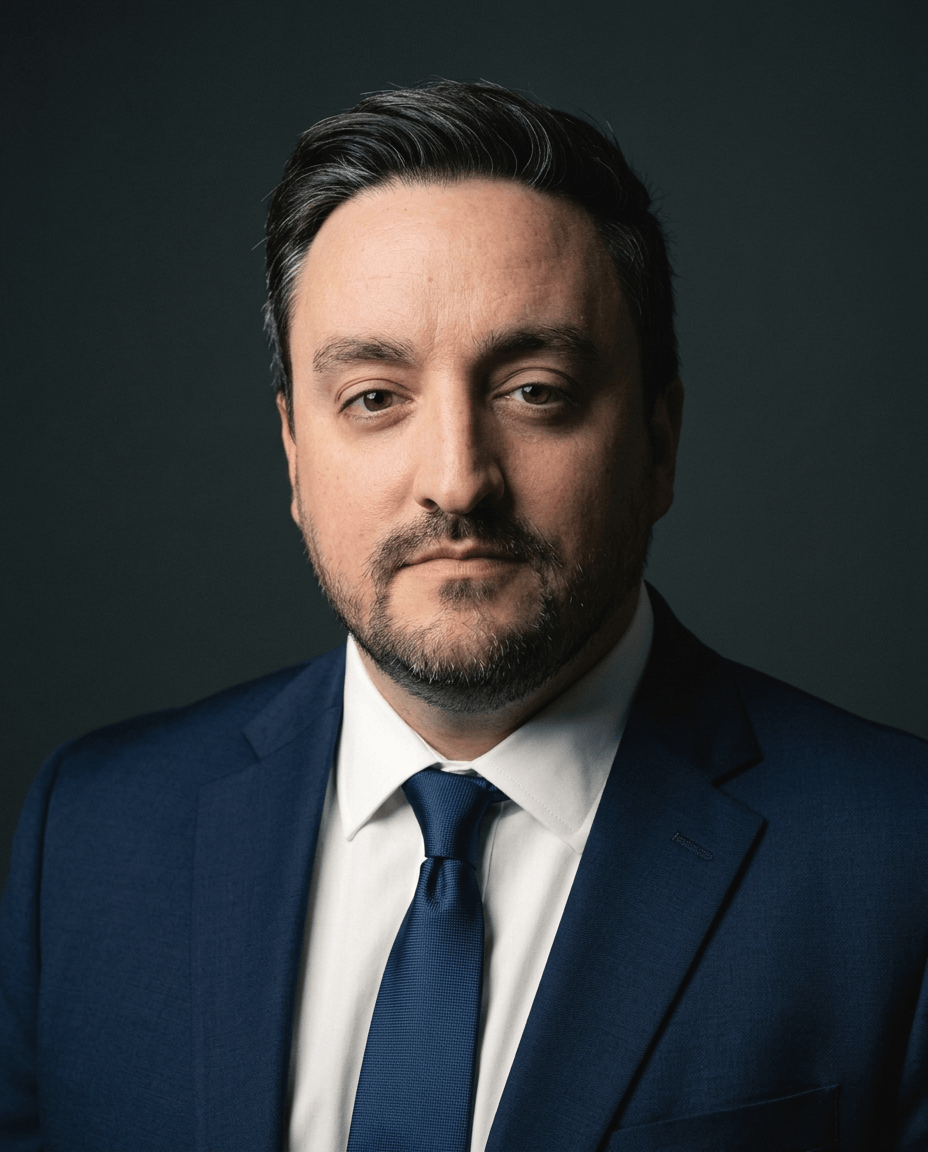
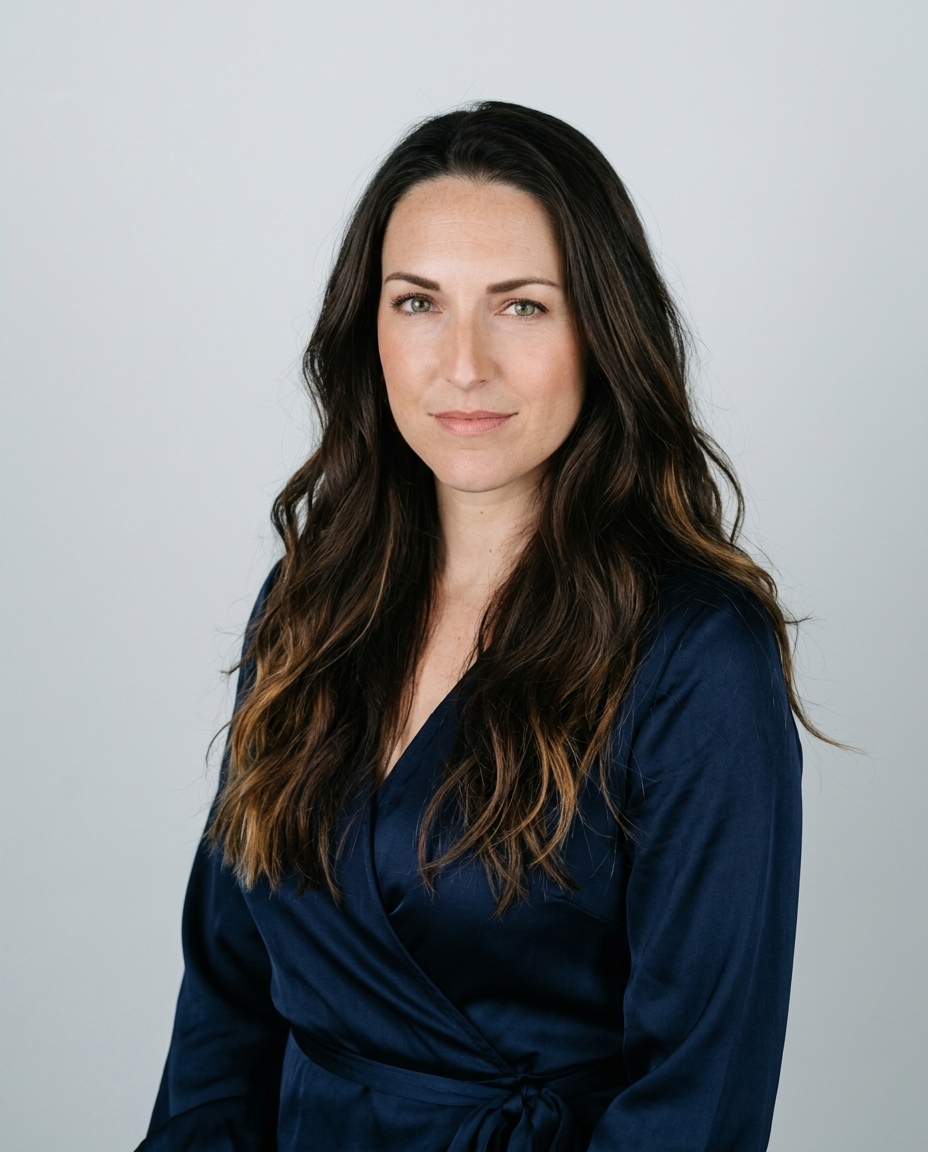

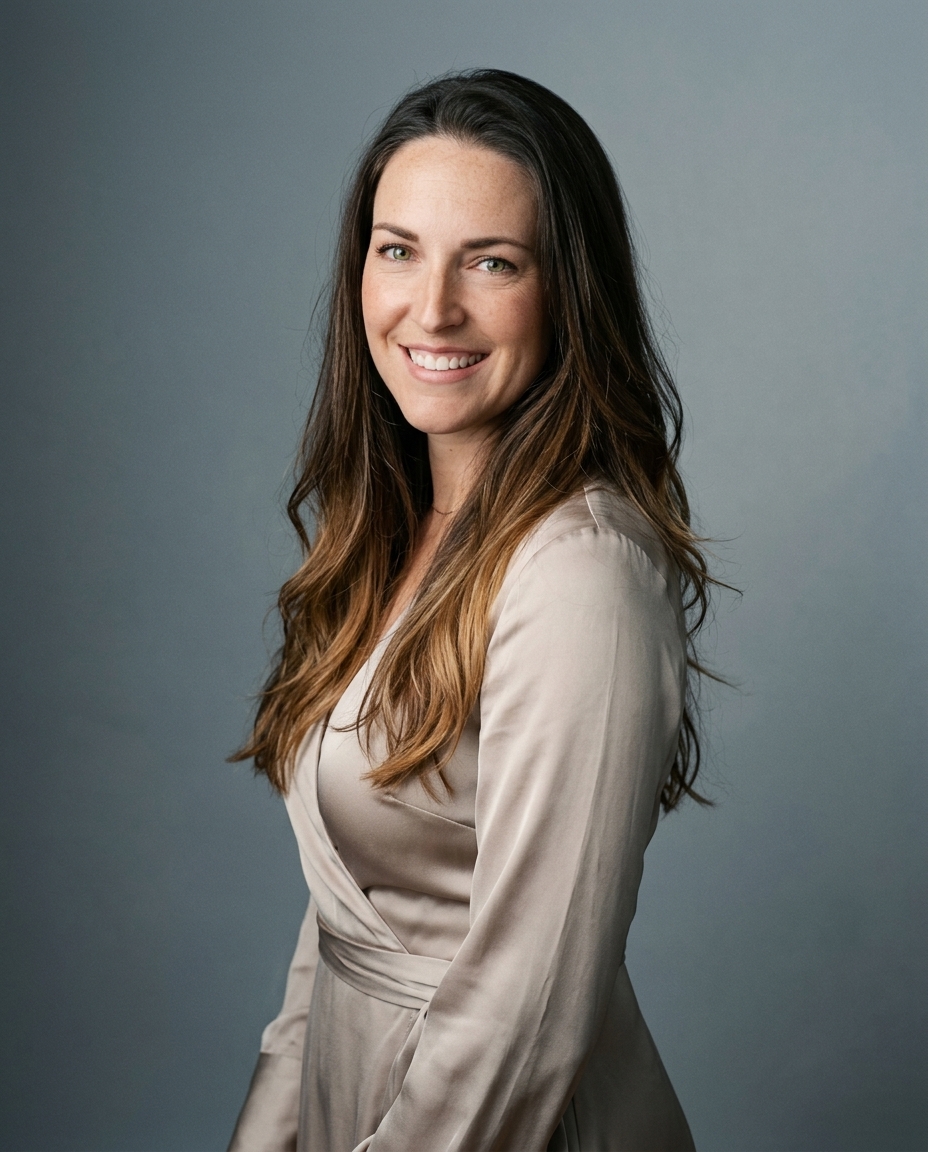

The redesigned attorney directory goes live at 9 a.m. tomorrow. A senior partner still has an old portrait from a different role, a different hairstyle, and a different stage of her practice. The firm needs a new image tonight, but speed can't come at the expense of credibility.
Strong female attorney headshots communicate two things at once: authority for corporate clients and approachability for prospective clients deciding whether to make contact. A polished portrait doesn't replace a strong bio, but it often determines whether someone reads the bio at all.
Table of Contents
- Why female attorney headshots carry real weight
- Wardrobe that reads as credible on a law firm bio
- Pose, expression, and the authority–approachability balance
- Lighting, background, and framing that flatter in legal contexts
- Photographer versus AiHeadshots, honestly compared
- Generating polished headshots from your phone in 30 minutes
Why female attorney headshots carry real weight
A lawyer's portrait appears on firm websites, LinkedIn, legal directories, pitchbooks, conference materials, and recruiting pages. In each placement, the image has to work before the viewer studies credentials or practice descriptions. It needs to look current, recognizable, and consistent with the way the attorney presents herself in person.
The pressure is uneven. Women now represent 47% of lawyers across the jurisdictions studied by the International Bar Association, while women hold 38% of senior lawyer roles in that reporting. The gap makes visual authority more consequential for female attorneys, because a headshot often carries seniority and client-facing confidence before a title such as partner or practice chair is read. The International Bar Association findings, reported by Canadian Lawyer provide useful context for why representation and presentation can't be separated.
Practical rule: Your portrait should look like the attorney a client will meet, not a heavily styled version created for one afternoon.
Female attorneys also face closer scrutiny around warmth, polish, age, and assertiveness. A severe expression can read as cold. A casual pose can weaken authority. Overly fashionable styling can date the image or compete with the face. The solution isn't a rigid formula. It's controlled photography that lets the same person look composed, capable, and human.
That matters beyond a firm bio. If your firm is coordinating portraits with its social media guidance for law firms, consistent headshots help the entire professional identity feel intentional across platforms. Update the image when your appearance or role changes, and use a source file wide enough for square cards, circular avatars, and larger bio layouts. A practical refresh interval is every 1 to 2 years, as advised in this law firm headshot workflow.
Wardrobe that reads as credible on a law firm bio
Your clothing should frame your face, establish professional context, and survive small-screen viewing. A well-fitted blazer is the safest foundation. Navy, charcoal, deep forest, and oxblood create separation around the jawline and add more visual depth than flat black. Black remains formal, but standard studio lighting can swallow definition around dark hair and a dark jacket.
A notched lapel gives structure. A modest V-neck creates a clean line toward the face. Sleeveless shells and deep plunging necklines distract in a small attorney bio thumbnail, even if they look balanced in a full-length mirror. Choose a solid blouse or shell under the blazer, with enough structure to avoid bunching when you turn your shoulders.
Pinstripes can work, but test them at the intended display size. Fine lines can create moiré on small screens, particularly after compression. Bold patterns and bright colors create the same problem in a different way. They pull attention away from your eyes.
Jewelry should stay quiet. Small studs, a delicate piece, or one watch adds polish. Statement necklaces and reflective bangles compete with facial expression and introduce highlights that require unnecessary retouching. Clean the lenses of your glasses before the session and confirm that anti-reflective treatment is working. Window reflections on eyewear are among the most common correction requests in legal portraits.
Wear your hair as you appear in court, in client meetings, or at the office. Don't flatten it for one session if you'll style it differently afterward. The portrait should remain recognizable.
For a deeper clothing breakdown, use this executive headshot wardrobe guide. The same principle applies throughout: fit matters more than fashion. Press the blazer, remove lint, and check the collar from the camera's position.
Pose, expression, and the authority–approachability balance
The camera doesn't need a dramatic pose. It needs small corrections that give your face and posture definition.
Start with the jaw. Push it slightly forward and down, the cue many photographers shorten to “turtle and chin out.” This lengthens the neck, defines the jawline, and reduces the appearance of a double chin without making the pose look forced. Keep the movement subtle. Too much forward motion creates tension around the mouth.
Turn your shoulders about 30 to 45 degrees away from the camera instead of facing straight on. The angle adds dimension and keeps the frame from looking flat. Then bring your eyes back to the lens. Your eye line should sit level with the camera or just above it. Looking down weakens the image. Looking up creates distance.
A closed-mouth smile with teeth lightly together works well for formal practice areas. A relaxed smile that engages the eyes creates more warmth for family law, mediation, estate planning, and other client-facing work. The squint test matters more than whether teeth show. If the mouth smiles but the eyes stay tense, the expression looks performed.
Keep any head tilt minimal. A few degrees can soften the portrait. A pronounced tilt reads casual and reduces authority. If your hands appear, leave them still and unclasped. Fidgeting, clenched fingers, and tightly crossed arms create tension that the face can't hide.
The strongest profile images usually land between harsh and soft. A relaxed brow, direct eye contact, and a small genuine smile signal confidence without theatricality. Claims about specific click-through improvements aren't supported by the available evidence, so judge the expression by the actual use case and by whether it resembles your professional presence.
Lighting, background, and framing that flatter in legal contexts
Soft, even light does more for a legal portrait than elaborate styling. Use a large soft key light slightly above eye level. It defines the cheekbones while protecting the under-eye area from hollow shadows. Add subtle fill from camera left to keep contrast controlled. A hair or rim light helps separate dark hair from a dark backdrop, but it should remain invisible as a lighting effect.
Portrait-quality research supports this technical priority. In an analysis of more than 10,000 portrait images, sharp facial landmarks, exposure, controlled contrast, and even illumination were strongly associated with perceived image quality, while race, gender, and age were largely uncorrelated with photographic beauty. The portrait analysis reinforces a practical point: lighting defects hurt the image more than the subject's demographic characteristics.
Warm gray, soft taupe, and navy backgrounds photograph reliably. A real office bookshelf can work when it's tidy, lit, and subdued. Pure white can feel like a passport image. Pure black merges with dark hair and jackets. Keep the background uncluttered and remove bright lights, sharp lines, random streaks, and messy rooms. An outdoor background needs strong blur so the setting doesn't compete with the attorney.
Frame from the head and shoulders or mid-chest, with space above the head. Keep the eyes near the upper third and let the shoulders form a visual triangle into the lower third. Avoid tight crops that cut the crown of the hair. Overhead fluorescent fixtures, mixed daylight and indoor color, and uneven skin-tone rendering make an otherwise professional portrait look improvised.
Photographer versus AiHeadshots, honestly compared
A studio photographer gives you live direction, controlled lighting, and direct review during the session. You can adjust posture, expression, wardrobe, and background while you're there. The trade-off is time and cost. A traditional legal portrait photographer typically charges $300 to $600 or more, depending on the market and service, with retouching and delivery scheduled separately.
AiHeadshots uses 10 to 20 phone selfies to produce finished portrait variations without a studio visit. It suits an urgent bio update, a directory submission, or a LinkedIn refresh when you already know the wardrobe and expression you want. It doesn't replace an on-location office candid, and no automated workflow guarantees identical skin-tone rendering for every complexion. Review the examples carefully and choose images that still look like you.
| Factor | Studio photographer | AiHeadshots |
|---|---|---|
| Cost | Typically $300 to $600 or more | Basic tier is $29 |
| Time | Session plus retouching turnaround | Finished portraits in about 30 minutes |
| Direction | Live posing, expression, and lighting guidance | You control the selfie set and selections |
| Setting | Studio, office, or environmental location | Selected studio-style backgrounds |
| Best fit | High-stakes branding and nuanced direction | Fast updates and limited budgets |
A photographer also gives you full control on the day, but revision flexibility is limited once the session ends. Automated portrait services vary in workflow and output, so compare editing features with other tools for commercial photo editing before choosing a process. For a fuller decision framework, see this comparison of AI headshots and photographers.
Generating polished headshots from your phone in 30 minutes
Start with the wardrobe rules above. Wear a solid blazer, a simple blouse, restrained jewelry, and no logos. Face a window with indirect daylight, stand about three feet from a plain wall, and hold the phone at eye level. The room doesn't need to look like a studio. It needs soft light, a clean background, and a camera position that doesn't distort your features.

Capture 10 to 20 selfies, changing your expression and making slight head-angle adjustments rather than walking around the room. Keep your face unobstructed. Don't use sunglasses, heavy filters, group photos, or images with extreme perspective. The selfie preparation guide covers the capture details that affect consistency.
Upload the set, choose a professional background, select the framing, and generate your portraits. Review the results for facial consistency, natural skin texture, glasses, hairline, teeth, and jaw shape. Reject anything that looks too smooth, too symmetrical, or unlike the person colleagues recognize.
Our workflow at Studio Pod comes from photographers Joseph West and Chris Bailey, who founded an automated headshot studio in Houston after photographing more than 10,000 real professionals since 2019. AiHeadshots is built from that photographer-led background rather than a software team retrofitting open models. The service delivers 30 or more studio-grade headshots in about 30 minutes from a phone upload, with Basic at $29, Professional at $39, Executive at $59, and Teams pricing of $22 to $29 per seat for volume orders of 10 or more seats. AiHeadshots has served more than 30,000 customers, delivered more than 255,000 headshots, and holds a 4.9-star rating. Inputs are retained for 7 days, outputs for 30 days, and billing records for 90 days. The service also includes a 100% money-back guarantee within 14 days.
Choose two or three final portraits. Crop them to 4:5 or square formats for firm bios, then use consistent crops on LinkedIn, the firm website, and your state bar directory. This creates a unified professional presence without forcing one image into every layout.
Watch the workflow before you upload your own set.
Your final test is simple. Open the image at thumbnail size, then compare it with your reflection before a client meeting. The portrait should preserve your current appearance, direct attention to your eyes, and make the practice feel credible before anyone reads the first line of your bio.
Upload 10 to 20 selfies and review 30 or more polished attorney portraits in about 30 minutes. AiHeadshots gives female attorneys a fast, photographer-built route to updated firm bios and professional profiles, with plans starting at $29.