
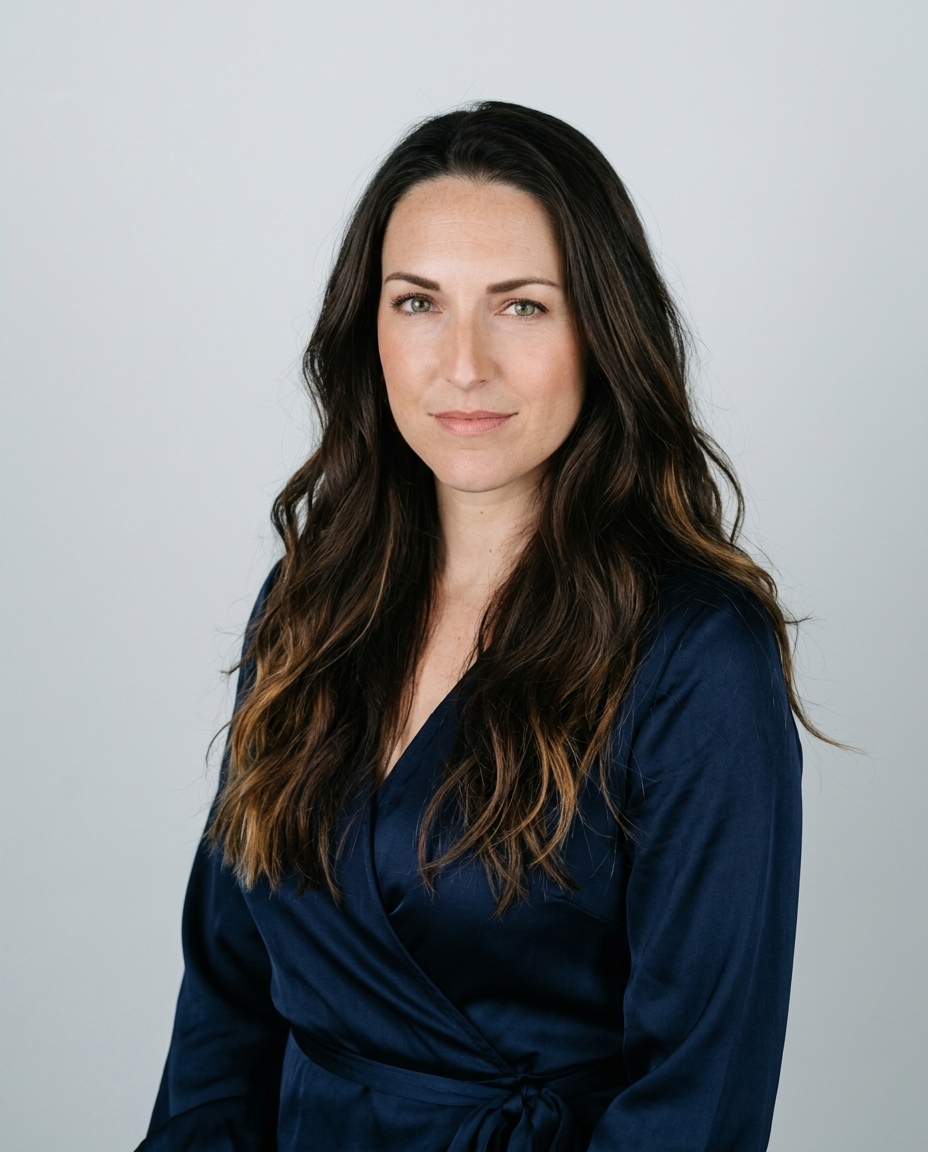

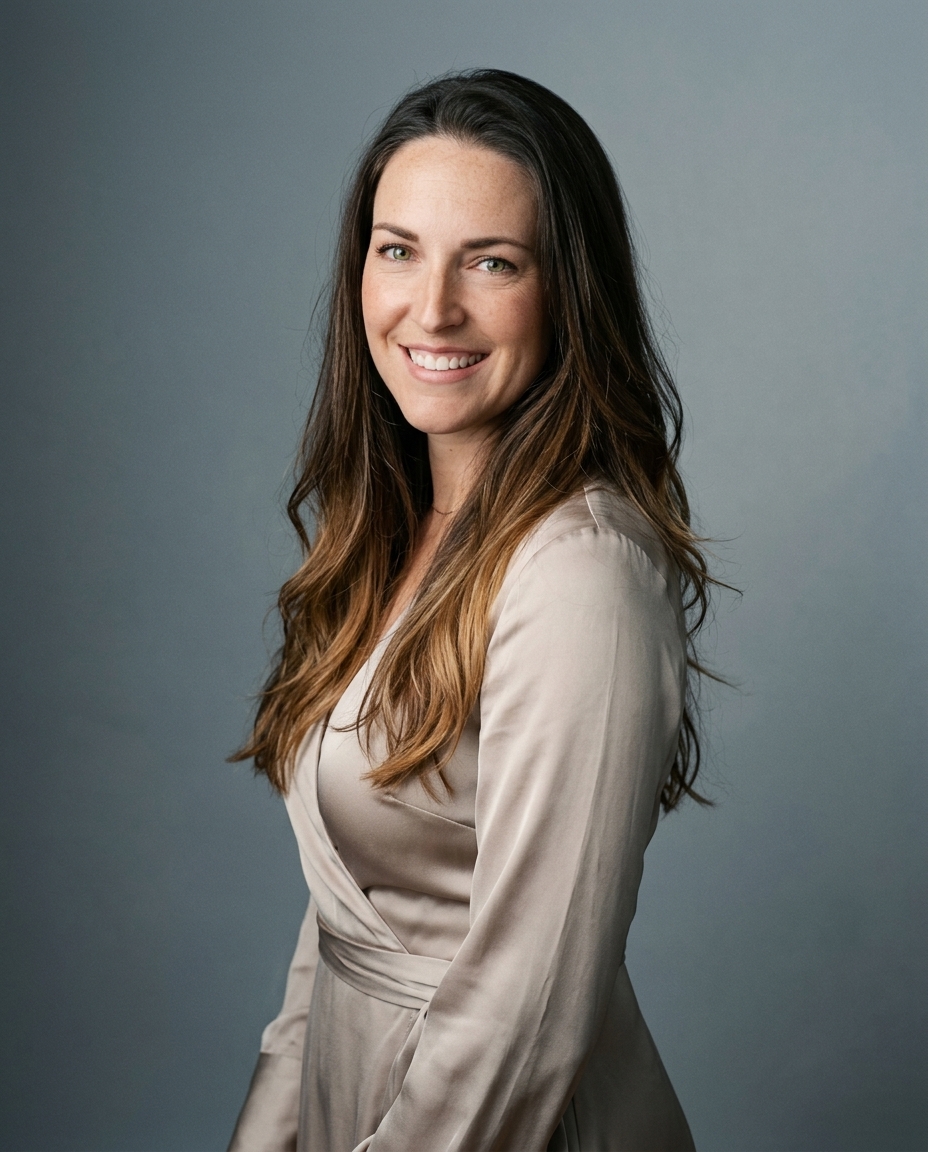
The safest corporate photo shoot dress code is rarely the outfit you wear every day. A casual office can tolerate a graphic shirt, a shiny knit, or a fine check because people see the whole person in changing light. A camera reduces that outfit to contrast, texture, color, and shape. The image then appears as a LinkedIn thumbnail, conference badge, sales-deck portrait, or About page headshot, where small wardrobe errors compete directly with your face.
At Studio Pod in Houston, we've photographed more than 10,000 real professionals since 2019. The recurring lesson is simple: dress for the image's job, not for your closet. Workplace standards have relaxed, but they haven't disappeared. A 2025 workplace survey found that 56% of respondents said their organization has a clearly defined dress code, 67% said dress codes have relaxed in recent years, and 81% said existing dress codes are strictly enforced, according to IWG's 2025 workplace attire report.
Table of Contents
- Why corporate photo shoot dress code is a camera problem, not a style problem
- Define the shoot first, then pick the outfit
- Colors, patterns, and fabrics that behave on camera
- Grooming, accessories, and the details that show on camera
- Aligning a team without making everyone match
- Day-of prep and the mistakes to fix before you arrive
Why corporate photo shoot dress code is a camera problem, not a style problem
Studio lighting exposes clothing differently from office lighting. A charcoal blazer that looks refined under overhead panels can appear flat against a gray background. A synthetic shirt can throw a bright hot spot across the chest. Fine stripes and tight checks can shimmer or create moiré when the image is reduced to a small digital portrait.
The photographer is usually fixing three technical problems on set:
- Low contrast: Clothing that sits too close to the backdrop loses its edge, especially around the shoulders and collar.
- Fine pattern interference: Thin stripes, small checks, and tight weaves can create unwanted visual movement on a camera sensor.
- Reflective surfaces: Satin finishes, shiny polyester, and polished jewelry catch the key light and draw attention away from the eyes.
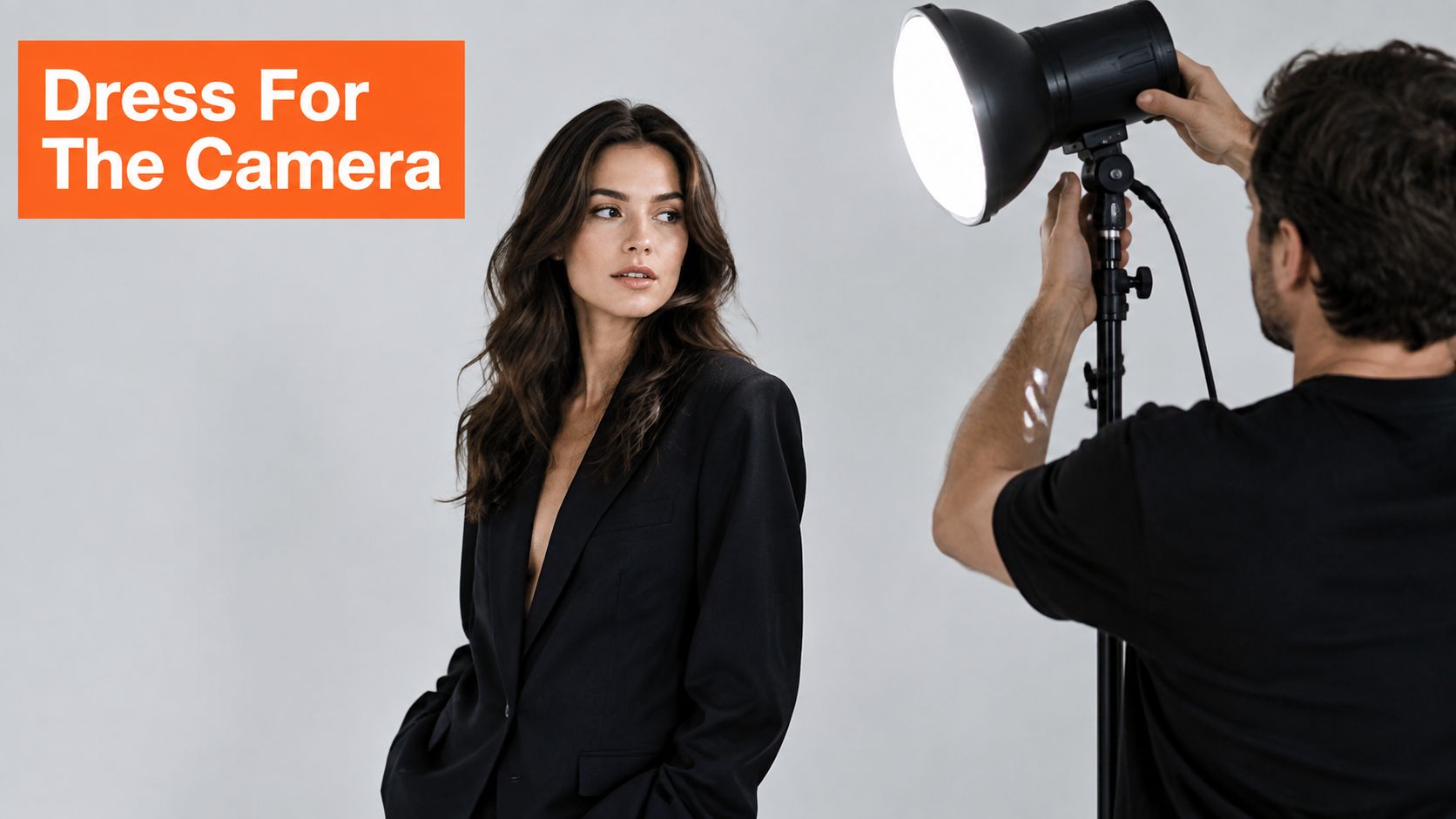
Practical rule: If the fabric attracts attention before the face does, it's the wrong fabric for the setup.
The reliable starting point is a matte garment with enough contrast from the background. Solid navy, charcoal, soft white, dusty blue, and muted burgundy consistently give photographers more control. Photography Shark's headshot wardrobe guide also identifies mid-range colors such as forest green, slate blue, and warm neutrals as dependable choices under studio lighting.
This camera-first approach also explains why corporate dress advice now favors polished flexibility over identical uniforms. A 2017 Ipsos Global @dvisor survey covered adults across 24 countries, showing that workplace attire is a broadly recognized issue, while a 2025 Monster poll found that 43% of workers hadn't worked in an office with a dress code during the previous year, as summarized by Ipsos' workplace attire survey. Your clothing should look intentional even when your workplace is relaxed.
For visual production ideas beyond headshots, a high-end fashion commercial video offers a useful reminder: fabric, movement, and lighting always work together. The same principle applies to a simple executive portrait.
Define the shoot first, then pick the outfit
Start with where the image will appear. A LinkedIn profile usually needs a versatile portrait that feels credible without looking over-scripted. An executive About page demands more authority. A conference speaker card needs clean separation at a small crop. An internal directory can tolerate a softer business-casual treatment if the whole team follows that standard.
Formality follows the use case, role, and audience. A partner-track lawyer or financial executive typically needs a well-fitted jacket, controlled accessories, and a conservative color family. A product manager on an engineering team can use an open-collar shirt, knit layer, or structured overshirt if that reflects the company's actual culture. A client-facing consultant should sit between those two points, polished enough for external trust without looking disconnected from the organization.
The workplace itself matters. Dress expectations still differ sharply by culture, industry, and purpose, so the corporate photo shoot dress code should follow the company's actual policy rather than a generic internet checklist. A finance firm and a startup can photograph the same person successfully in different wardrobes because the image is making a different promise.
Build three options on a hanger
Prepare 2–3 wardrobe options on hangers and test them against the intended background and lighting before the session. A practical set includes one formal look, one softer business-casual look, and one fallback outfit that doesn't depend on a particular blazer, visible brand, or difficult pattern. Tov Studio's corporate headshot guide recommends this kind of preparation because the strongest choice often depends on the camera setup, not on how the garment looks in a bedroom mirror.
For example, an executive might bring a navy suit, a charcoal blazer with a soft white shirt, and a dusty-blue open-collar shirt. An individual contributor might bring a solid knit, a button-down with a jacket, and a clean crew neck under a structured overshirt. The fallback needs to work if the primary jacket wrinkles, clashes with the backdrop, or carries a logo that becomes visible in the crop.
Use the business photo session guide to think through the image's purpose before choosing the clothes. The shoot brief should control the wardrobe, not the other way around.
Colors, patterns, and fabrics that behave on camera
Color is a contrast decision first and a personal-style decision second. Mid-range colors create separation without overpowering the face. Navy, charcoal, burgundy, forest green, slate blue, dusty blue, and warm neutrals are dependable because they hold detail under strobes and continuous LEDs.
Pure black and pure white need more care. Black can lose jacket and shirt detail in a dark setup. White can merge with a pale background or pull too much brightness into the frame. Neither is automatically wrong, but each needs a deliberate background and exposure choice. Saturated reds and oranges also deserve caution because they can influence perceived skin tone and require more careful color correction.
Pattern and fabric comparison
| Garment choice | Camera behavior | Verdict |
|---|---|---|
| Matte wool blazer | Holds shape and absorbs light evenly | Strong choice |
| Cotton shirt in a solid color | Keeps facial emphasis clean | Reliable default |
| Brushed blend | Adds quiet texture without bright reflections | Good for softer business-casual portraits |
| Satin or shiny silk | Produces bright hot spots under key light | Use only with a controlled setup |
| Glossy polyester | Shows reflections and wrinkles clearly | Usually avoid |
| Heavy knit | Adds bulk under the jaw and collar | Test carefully |
| Thin pinstripe or tight check | Can shimmer or create moiré | Avoid for close headshots |
| Fine herringbone or small houndstooth | Creates visual noise at reduced size | Replace with a larger, quieter texture |
The safest patterns are no patterns. Fine lines, small checks, and tight herringbone can behave unpredictably at headshot pixel densities. A solid garment gives the photographer more room to manage expression, crop, and background.
Put the garment on a hanger, photograph it at arm's length with your phone, and zoom to 100 percent. If the pattern looks unstable on the phone screen, it's a poor risk for the camera.
Fit matters as much as color. A jacket that pulls across the buttons creates tension lines. A shirt collar that spreads too far changes the apparent width of the neck. A heavy sweater can add visual weight under the jaw. The right garment should sit cleanly at the shoulders and keep the neckline clear.
For more color-specific guidance, see these recommendations for the best colors for headshots.
Grooming, accessories, and the details that show on camera
A polished outfit can still fail if the small reflective or loose elements aren't controlled. Every accessory adds another surface that can catch the key light. The eyes should remain the strongest point of attention.
Glasses deserve a proper check before the shoot. Anti-reflective coatings reduce glare. Transition lenses can darken unpredictably under bright conditions and change the expression of the portrait. Thick frames can cast shadows across the eyes or dominate a close crop. Bring a second pair if you have one, especially for an executive portrait where the glasses are part of your everyday identity.
Jewelry should support the face rather than compete with it. Small studs usually behave better than dangling earrings. A large watch can become a bright shape near the lower edge of the frame. Necklaces can catch the key light, particularly against dark fabric. Keep the finish quiet and remove anything that swings, shines, or clicks against the clothing.
Control the face and neckline
A solid tie or a subtle texture is safer than shiny silk. The knot should suit the collar rather than crowd it. An open collar works well for a relaxed corporate portrait when the shirt is pressed, the neckline sits cleanly, and the formality matches the role.
Layering gives photographers useful shape. A blazer, cardigan, or vest can frame the face and create contrast between the shoulders and background. Avoid bulky layers that bunch under the chin or create a thick horizontal break across the neck.
Hair shows every loose edge under a hot studio light. Address flyaways with a small amount of controlled product, but don't apply so much that the hair looks wet or reflective. Schedule a haircut early enough that the style settles naturally. Heavy moisturizer can also create unwanted shine, so arrive with a matte finish. Neutral makeup, light powder, and defined brows work well across different faces and lighting setups.
Watch for the details that derail good clothing: a lapel pin on a busy shirt, a brand logo facing the camera, a novelty tie, or a smartwatch band that reflects light. If hands will appear in the frame, clean neutral nails and flat cuffs keep the crop tidy. Headshots Inc's professional headshot guidance also emphasizes consistency across a team, including formality, color family, and wardrobe finish.
Aligning a team without making everyone match
A 12-person law firm team can look coordinated without putting every partner in the same shirt. The strongest approach is to set one shared formality level, one color family, and one silhouette rule, then allow controlled personal variation.
For a business-formal group, set the anchor at structured jackets. Let the color family include navy, charcoal, deep burgundy, and forest green. Keep statement sleeves out of the set, but allow different shirt colors, necklines, ties, and pocket-square choices. The result reads as one firm without turning the gallery into a uniform catalog.
A simple spreadsheet prevents last-minute drift:
| Team member | Role | Top color | Bottom color | Formality level | Flag |
|---|---|---|---|---|---|
| Partner A | Senior partner | Navy | Charcoal | Business formal | Bright blazer replaced |
| Associate B | Associate | Soft white | Navy | Business formal | None |
| Counsel C | Counsel | Deep burgundy | Charcoal | Business formal | Pattern checked |
| Engineer D | Technology lead | Forest green | Charcoal | Smart business | Graphic tee replaced |
The spreadsheet doesn't police taste. It gives the photographer and brand manager a shared view of contrast, formality, and outliers before anyone steps in front of the lens.
One person can keep their personality without becoming the only person the viewer sees.
The senior partner who wants a bright blazer needs a specific explanation. The issue isn't that bright clothing is unprofessional. It's that one high-saturation outlier pulls the eye away from the group and can make the team gallery feel inconsistent. The engineer who insists on a graphic tee presents the opposite problem. A recognizable shirt can dominate the portrait and set a casual level that no one else shares.
Remote shoots need tighter preparation because nobody can physically inspect the rail. Use a shared Pinterest board, send the dress code memo two days before the session, and schedule a short video check that morning. Ask each person to stand near a window or bright room light so you can spot sheen, wrinkles, logos, and distracting patterns.
Pull two to three colors from the company logo or website palette, then use those colors as a guide rather than a uniform requirement. For posing ideas that preserve individual identity within a consistent set, review corporate group photo poses.
Day-of prep and the mistakes to fix before you arrive
Steam clothing before you leave. A steamer relaxes wrinkles without pressing a hard shine into dark fabric, while an iron can flatten texture and leave a visible sheen on navy or charcoal. Remove garments from the bag early enough for the fabric to hang naturally.
Check the fit while standing and sitting. Jacket shoulders should align with the shoulder bones. The collar should lie flat. A shirt cuff should show a small, controlled amount beneath the jacket sleeve. Buttons shouldn't pull when you sit, and the neckline shouldn't collapse when you turn toward the camera.
Pack a small repair kit:
- Safety pins: Secure loose hems and hidden gaps.
- Double-sided tape: Hold collars, plackets, and lapels in position.
- Lint roller: Clear pet hair and fibers from black, navy, and charcoal clothing.
- Backup tie: Replace a wrinkled or overly reflective tie.
- Small steamer: Useful when traveling or moving between locations.
- Clear nail polish: Stop a run in pantyhose before it reaches the visible crop.
Two problems appear repeatedly. People arrive with wrinkled clothes folded inside a garment bag, then expect the camera to forgive the creases. Jewelry arrives tangled in a purse, so the subject spends the first part of the session searching for a pair of earrings or a necklace. Hang clothes in transit, place accessories in a small pouch, and check the outfit in bright light before leaving home.
Eat lightly, hydrate, and arrive 10 minutes early. Keep the dress code memo on your phone so you can confirm the intended formality and color direction. If something still goes wrong, a prepared photographer keeps pins, spray, and a steamer close to the set.
For a no-studio alternative, AiHeadshots lets you upload 10–20 phone selfies and receive 30+ studio-grade headshots in approximately 30 minutes, with corporate wardrobe directions that include formal and business-casual options. The service is built by Studio Pod photographers Joseph West and Chris Bailey, who have photographed real professionals in Houston since 2019. Plans start at $29, and the service includes a 100% money-back guarantee within 14 days, as detailed on the AiHeadshots pricing page.
Upload 10 selfies, choose a polished corporate style, and review your first studio-grade headshots in approximately 30 minutes. Visit AiHeadshots to create a consistent professional portrait without a studio visit.