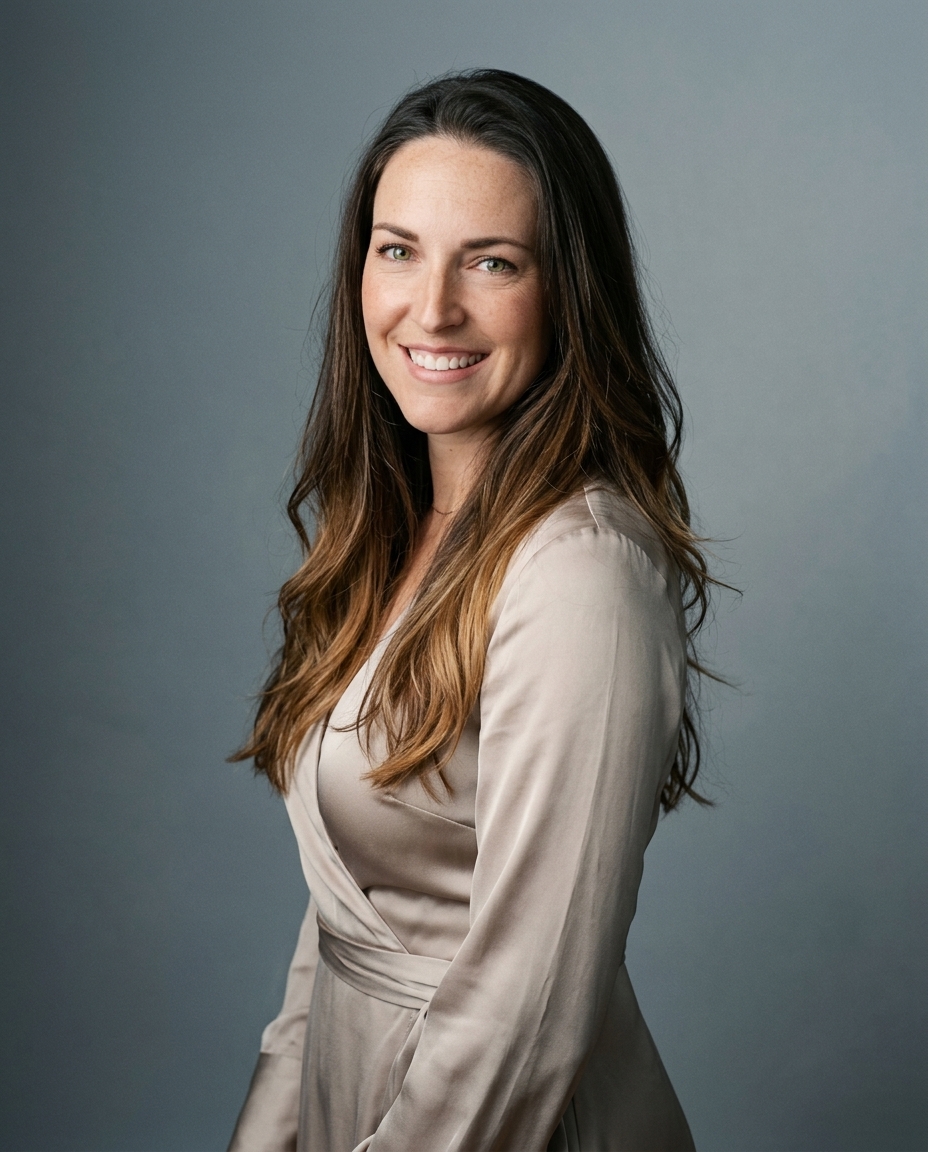

A business photo session is no longer a single portrait appointment. It's a decision about a reusable professional image system, and the right choice depends on where the images will appear, how quickly you need them, and how much authenticity the situation demands.
A strong headshot supports your presence on LinkedIn, company websites, speaker bios, proposals, press materials, and recruiting profiles. A weak one creates friction before anyone reads your credentials. That's why the best session starts with distribution and audience, not with a backdrop.
Table of Contents
- Why a business photo session is a branding exercise now
- Preparing for your session on a realistic timeline
- Choosing between a traditional photographer and AI headshots
- Posing and expressions that build trust
- Building a multi-format image library
- Your session day checklist
Why a business photo session is a branding exercise now
A business photo session should produce a usable brand asset, not merely one attractive portrait. Your headshot is often among the first high-signal elements people see. LinkedIn's published business resources have been widely cited for showing that profiles with a professional photo can receive up to 21 times more profile views and up to 36 times more messages than profiles without one, as discussed in this analysis of professional headshots and business success. Those figures do not guarantee business results, but they explain the cost of an empty, outdated, or casual profile image.
Recruiters also make rapid initial judgments during online profile reviews. Some hiring research reports that an initial profile scan can take about seven seconds, placing pressure on the first visible assets, including your photograph. A headshot cannot replace experience, proof of work, or a clear profile. It can create enough visual credibility for someone to continue reading.

The image has to fit the job
A lawyer, doctor, realtor, consultant, executive, and software founder may all need a professional portrait, yet their images should communicate different expectations. A formal studio photograph can suit a law firm biography. An environmental portrait may better support a physician, architect, or creative founder whose workspace contributes to the story.
That is the practical role of personal branding photography. Choose images that communicate role, judgment, warmth, and competence before a conversation begins. This personal branding photography guide can help organize that decision, while consistent presentation also helps you guard your online reputation.
Practical rule: Plan the photograph around the decision you want the viewer to make next. Read your profile, book a call, trust your expertise, or invite you to speak.
The production method should match the use case. A traditional photographer usually wins when expression, lighting, environment, and personal direction need careful control. AI headshots can help when speed, budget, or a quick set of variations matters. A hybrid workflow can cover routine profile updates while reserving photographed images for major public-facing uses.
The format matters as much as the portrait. Request images that can adapt to profile circles, website layouts, proposal decks, press kits, and mobile screens. You are choosing a flexible image library, not collecting one file.
Preparing for your session on a realistic timeline
Good preparation doesn't require elaborate styling. It requires decisions early enough that you're not making them in the car on the way to the studio.
Two weeks before
Choose the roles and platforms the images need to support. Then select clothing that photographs cleanly under the lighting you'll use. Solid colors, restrained textures, and fabrics that hold their shape usually create a stronger result than loud patterns, tiny checks, reflective materials, or wrinkled linen.
Bring options rather than relying on one outfit. A dark jacket, a lighter layer, and one look with more personality give the photographer room to create variety without changing your identity. Avoid clothing that fits poorly at the shoulders or pulls across the buttons. Camera angles expose those problems quickly.
Schedule haircuts, beard shaping, or other grooming appointments early enough for the result to settle naturally. Keep skincare familiar. Don't introduce a new product shortly before the session. Makeup should control shine and even the complexion, not erase normal facial structure.
One week before
Send the photographer a short mood board with examples of lighting, backgrounds, framing, and expression. Include the actual destinations for the images. A LinkedIn profile, law firm bio, company leadership page, conference program, and press kit each impose different cropping and tone requirements.
For a team, appoint one person to own the schedule. Share the dress guidance, location details, arrival window, and image goals in one message. Consistency comes from shared standards, not identical clothing. Each person should still look like themselves.
Review the practical timing guidance in this headshot session planning guide. It helps you set expectations for a studio appointment or a remote workflow.
The morning of
Wear the chosen outfit to the session, or carry it on a hanger. Pack a comb or brush, water, a small mirror, powder or blotting paper, and any accessories that belong to your normal professional appearance. Eat normally and arrive with enough time to slow your breathing.
A short warm-up works better than rehearsing a fixed smile. Talk through your work, describe a recent project, or answer a simple question while the photographer shoots. Conversation gives the face somewhere natural to go.
Choosing between a traditional photographer and AI headshots
There isn't one correct format. A traditional photographer wins when you need real-time direction, location-specific storytelling, nuanced lighting, or images that show you interacting with your environment. AI headshots win when speed, volume, and remote access matter more than documenting a physical place. A hybrid workflow uses both, assigning each format to the job it handles best.
Traditional sessions commonly cost $300 to $600 or more, with 5 to 15 delivered photos arriving over 1 to 3 weeks, based on the pricing and delivery ranges specified for this comparison. AiHeadshots offers 30+ studio-grade headshots in about 30 minutes, starting at $29, using 10 to 20 phone selfies and no studio visit. It's the AI-headshot product from Studio Pod, an automated Houston studio founded by photographers Joseph West and Chris Bailey. Studio Pod has photographed 10,000+ real professionals since 2019, so the system comes from photographers who built an AI service rather than a software team retrofitting open models.
| Criteria | Traditional Photographer | AI Headshots, AiHeadshots |
|---|---|---|
| Cost | Commonly $300 to $600 or more | Plans start at $29 |
| Time | Appointment, preparation, and delivery period | Upload 10 to 20 selfies, receive 30+ images in about 30 minutes |
| Output | A curated set from one shoot | A larger set of generated variations |
| Team consistency | Strong with coordinated planning and shared lighting | Practical for distributed teams using the same style direction |
| Authenticity | Directly captures your face, body language, and setting | Creates polished headshots based on uploaded selfies |
| Best fit | Executive storytelling, environmental portraits, press work | Fast profile updates, remote teams, repeatable professional imagery |
Recruiter attitudes toward AI-generated images remain mixed. One survey reported that 76.5% of recruiters preferred AI headshots, while 66% said undisclosed AI use would put them off and 88% believed candidates should state when images are AI-generated, according to corporate headshot trend coverage. Disclosure therefore matters most where trust and representation are central, especially hiring, executive bios, and public-facing professional profiles.
For a job search, choose the image that represents you accurately and follows the expectations of the platform or audience. For a company team page, prioritize consistent lighting, crops, backgrounds, and delivery. For a speaker bio or press kit, a traditional photographer usually offers more control over context and visual storytelling. This AI headshots versus photographer comparison lays out the trade-offs without treating one workflow as universal.
Posing and expressions that build trust
The stiff corporate pose fails because it asks your body to perform stillness instead of confidence. Across 10,000+ real professional sessions at Studio Pod, the most usable portraits come from small adjustments that preserve personality: a slight turn through the shoulders, relaxed hands, an open chest, and eyes that stay engaged with the person directing you.
Start with your body at a slight angle rather than facing the camera perfectly square. Put a little more weight through one leg, then let the shoulders remain relaxed. Keep the chin level. Pushing the face forward creates tension, while pulling it back can flatten the jawline and make the expression look guarded.
Let the face respond
A genuine expression usually appears between posed expressions. Talk about your work. Recall a client you enjoyed helping. Answer a question in complete sentences. The photographer can capture the brief moment after you finish speaking, when the eyes stay active and the mouth relaxes.
A smile doesn't need to show every tooth. A composed, attentive expression can work better for an executive or attorney, while a warmer smile may suit a therapist, realtor, or consultant. The correct expression is the one that matches how clients experience you in a real conversation.
Hands need a job. Rest them lightly together, place one hand near a jacket button, hold a notebook, or let the arms fall naturally outside the frame. Clenched fingers and rigid shoulders signal that you're waiting for the photograph to end.
The strongest business portrait looks like the person has just heard something worth considering.
For teams, standardize the technical elements rather than forcing identical poses. Use the same general crop, background family, lighting direction, and wardrobe guidance, then let each person choose a natural expression. A consistent team page should feel coordinated, not manufactured.
AI workflows need the same discipline in the source material. Upload selfies with varied but believable angles, clear facial visibility, and expressions that resemble how you present yourself. The system can create polished variations, but it can't repair a source set that consistently hides your face or misrepresents your appearance.
Building a multi-format image library
The highest-value result from a business photo session is an image library with a job for every file. Start by listing the placements before you shoot or upload anything. LinkedIn needs a clear face at small display sizes. A company website may need a wider crop with negative space for page design. A press kit may need both a close portrait and a horizontal environmental image.
Think in formats:
- Vertical portraits suit profile pages and mobile displays.
- Horizontal images give website banners, press kits, and proposal decks room for text.
- Square crops work for social profiles and directory listings.
- Environmental photographs show your workplace, tools, or professional context.
A photographer should frame with future crops in mind rather than delivering one composition and expecting you to solve every layout afterward. For online publishing, confirm the platform's current requirements and use a practical reference for the optimal LinkedIn article image size. Don't assume that a technically sharp file is automatically useful. A portrait can look excellent full-size and fail once a platform reduces it to a small circle.
Retouching should preserve recognition
Professional retouching removes temporary distractions, balances skin tone, controls shine, and cleans small background issues. It shouldn't change the features that make you recognizable. Over-smoothed skin, artificial eye brightness, and aggressive jaw reshaping create a polished image that feels less trustworthy in person.
Ask what's included before you approve the session. Clarify the number of final images, file formats, crop options, revision policy, commercial usage, and whether you receive personal or transferable rights. Traditional photography contracts often distinguish between the right to use delivered images and ownership of the copyright. AI services have their own terms for generated files and uploaded media, so read the applicable policy before submitting personal photographs.
Teams need a visual standard document. Specify background style, crop, wardrobe range, retouching level, naming conventions, and approved placements. Individual expression can vary inside that framework. That balance creates brand consistency without turning every employee into the same portrait.
Your session day checklist
Use this as a final screen before a studio appointment or selfie upload:
- Wardrobe final check: Remove lint, check collars and buttons, and confirm that the outfit matches the audience you want to reach.
- Grooming touch-ups: Bring a comb, brush, powder or blotting paper, lip balm, and any familiar grooming product you already use.
- Pack essentials: Carry water, snacks, a mirror, clothing options, and any glasses or accessories that belong in your normal professional image.
- Warm up for ten minutes: Breathe slowly, move your shoulders, and speak about your work instead of practicing a fixed smile.

For an AI workflow, use phone selfies with even light, a clean background, and visible facial features. Avoid extreme filters, sunglasses, heavy shadows, and repeated images from one identical angle. Select 10 to 20 source selfies that show your current appearance consistently, then review the generated set for facial accuracy, natural skin texture, believable clothing, and backgrounds appropriate to your role.
Review selects by placement, not by whichever image looks most dramatic. Ask whether the crop works on LinkedIn, whether the expression fits your work, and whether someone meeting you offline would recognize the person in the photograph.
AiHeadshots offers Basic at $29, Professional at $39, Executive at $59, and Teams pricing from $22 to $29 per seat for volume orders of 10 or more seats. The service includes a 100% money-back guarantee within 14 days. Its stated data handling includes 7-day input retention, 30-day output retention, and 90-day billing retention, with media retention separated from billing records as described in its data management policy.
Upload 10 selfies, see your first headshot in about 30 minutes for $29. Visit AiHeadshots to create a flexible business image set for LinkedIn, company profiles, and professional bios.