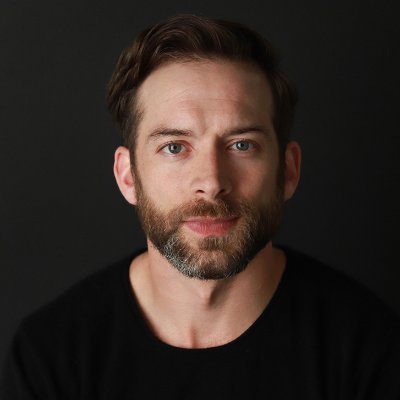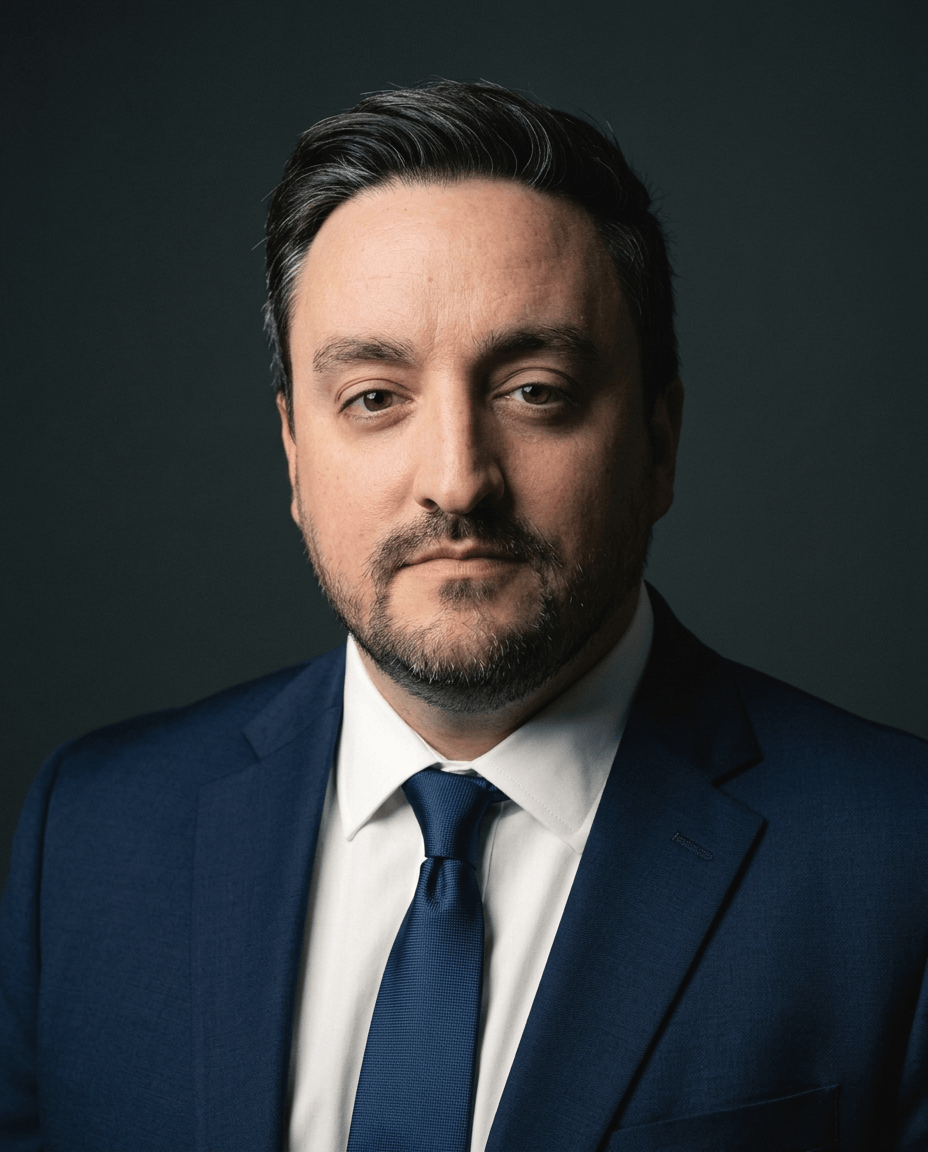
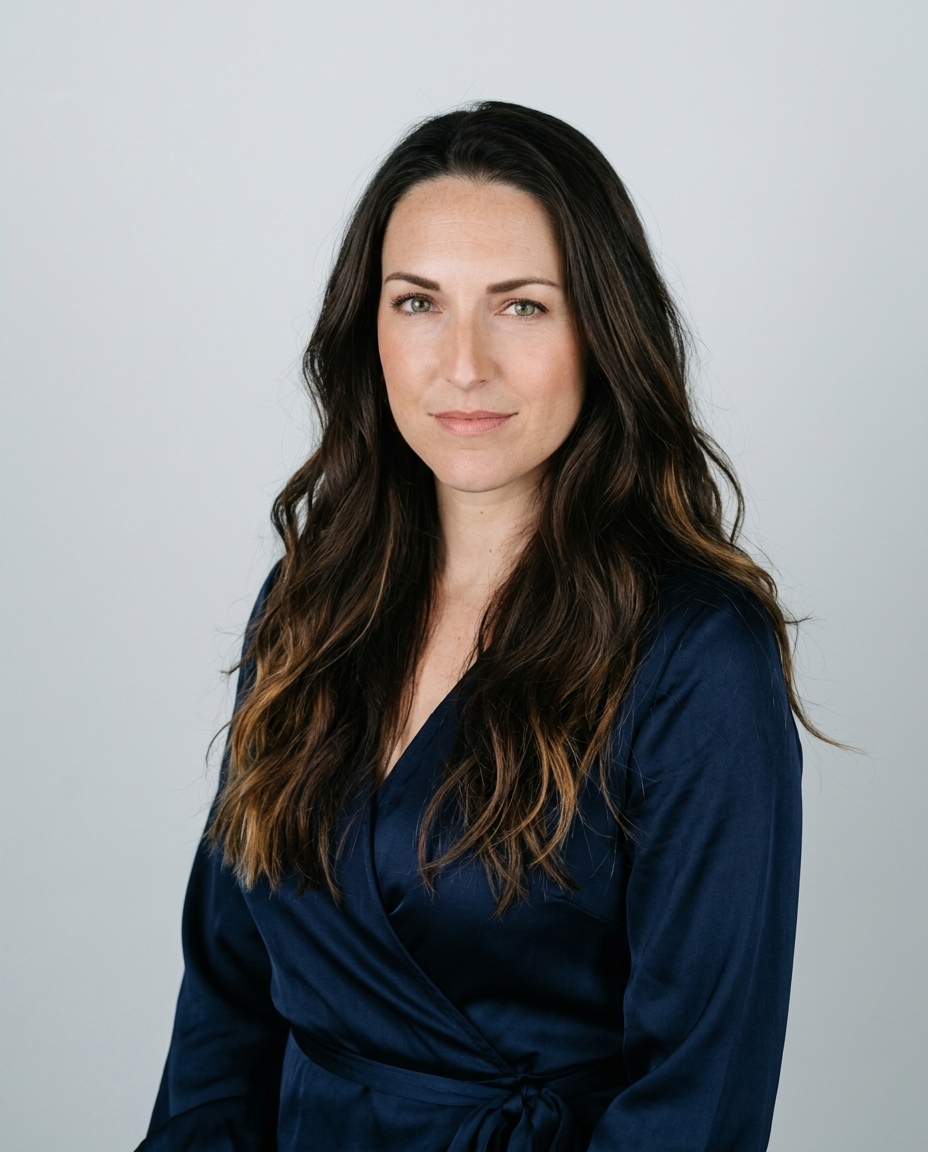
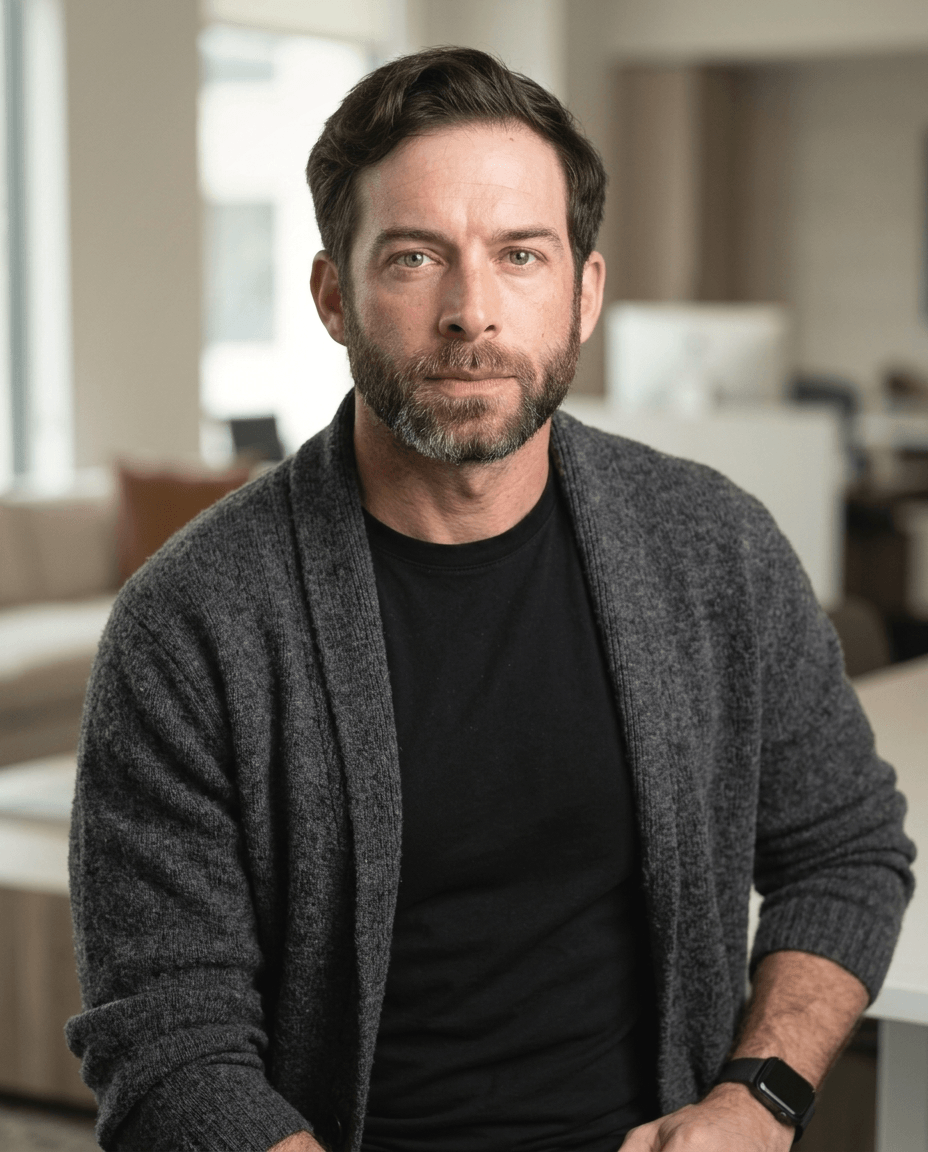
AI headshots are worth it for roughly 70 to 80% of professional use cases, including LinkedIn profiles, corporate directories, and team pages, where turnaround and cost matter more than full photographic authenticity. At $29, an AI option costs far less than a typical $300 to $600+ photographer session, but the lower price buys convenience, not the complete experience or realism of a live shoot.
That distinction matters. A polished portrait can improve how consistently you present yourself online, yet a generated image still has to look like you, fit the context, and survive closer inspection. The question isn't whether AI headshots look good. It's whether the image does the job you need without creating a trust problem.
AiHeadshots comes from Studio Pod, an automated headshot studio in Houston that has photographed 10,000+ real professionals since 2019. Founders Joseph West and Chris Bailey are photographers who built an AI product, not a software team retrofitting open models. That heritage shapes the useful comparison. AI wins on speed, price, and repeatable styling. A photographer wins on live direction, exact authenticity, and fine control.
Table of Contents
- The short answer on whether AI headshots are worth it
- What an AI headshot actually costs you
- How the quality and realism hold up
- Where AI headshots fit and where they don't
- Recruiter and LinkedIn perception in 2026
- How AiHeadshots works in practice
- Deciding if an AI headshot is the right move
The short answer on whether AI headshots are worth it
AI headshots are worth it when your priority is a credible, consistent professional image delivered quickly. They're a practical fit for a LinkedIn refresh, an internal company directory, a speaker biography, or a team page that needs a shared visual style. They're less suitable when the photograph itself is a major part of your brand, casting package, press kit, or printed campaign.
The price gap gives the decision a clear starting point. AiHeadshots starts at $29, while a traditional photographer commonly charges $300 to $600+ for a professional session. That studio price reflects more than the final file. You're paying for lighting, posing direction, real-time expression coaching, photographic texture, retouching, and a person who can notice when an image doesn't feel like you.
AI changes the exchange. You upload phone selfies, select a style, and receive a batch of polished options without commuting or scheduling. The result is efficient, but it's an interpretation of your appearance rather than a photograph taken in front of a camera.
A 2025 longitudinal study of 1,247 professionals found that human-taken studio headshots produced a 68% average connection acceptance rate, compared with 41% for AI-generated portraits and 33% for smartphone selfies. The study also reported cold-outreach response rates of 29% for studio headshots, 14% for AI portraits, and 9% for selfies. These findings suggest that AI can outperform a casual photo while still trailing a strong studio portrait. The study's full comparison is useful because it puts the trade-off in practical terms.
The decision comes down to five questions:
- Budget: Is a $29 image package realistic, or does the role justify a larger photographic investment?
- Turnaround: Do you need usable portraits today, or can you book and attend a studio session?
- Likeness: Does the image need to reproduce your real facial texture and expression precisely?
- Use case: Will people see it as a small profile circle or a large printed image?
- Perception: Does your audience care that the portrait was generated?
Answer those and “are AI headshots worth it” becomes a business decision rather than a debate about technology.
What an AI headshot actually costs you
The cheapest option isn't always the lowest-cost option. A photographer charges for time and expertise, while an AI service charges for generation and delivery. Both can become expensive if you choose the wrong tool for the job.
A budget photographic session can start around $150 to $250, while mid-range corporate work often runs $300 to $600. Premium branding shoots can reach $800 to $2,000+, depending on the photographer, location, production requirements, and number of final images. Those figures exclude possible extras such as hair and makeup, retouching, outfit changes, travel, and studio rental.
A traditional shoot also consumes part of your day. The session itself can take a few hours once preparation, travel, changing, posing, and image selection are included. You're buying a controlled process, not just a JPEG.
AiHeadshots offers a different cost structure. Its tiers are Basic at $29, Professional at $39, Executive at $59, and Teams at $22 to $29 per seat for volume orders of 10 or more. The product delivers 30+ studio-grade headshots in about 30 minutes from 10 to 20 phone selfies, with no studio visit required. You can review the available options on the AiHeadshots pricing page.
| Cost factor | Studio photographer | AiHeadshots |
|---|---|---|
| Starting price | Often $150 to $250 for budget sessions, $300 to $600 for mid-range corporate work | Basic tier at $29 |
| Premium route | $800 to $2,000+ for branding-oriented production | Executive tier at $59 |
| Preparation | Scheduling, travel, wardrobe planning, possible hair and makeup | Upload 10 to 20 phone selfies |
| Turnaround | Session and editing schedule vary by photographer | About 30 minutes |
| Direction | Live posing and expression coaching | Select styles and review generated results |
| Output | A curated set of photographed and retouched images | 30+ generated headshots |
| Team pricing | Separate scheduling or on-site production | $22 to $29 per seat for 10+ seats |
The most useful comparison isn't “cheap versus expensive.” It's cost per usable image. A photographer may deliver fewer images, but those files carry authentic lighting and expression. An AI package gives you a larger range of poses, outfits, and backgrounds, but you have to inspect the gallery carefully.
For a fuller breakdown of photographer fees and the factors behind them, see how much professional headshots cost. The right choice depends on how much control you need, not just the amount charged at checkout.
Practical rule: If you need a credible profile image quickly and the alternative is a casual selfie, the low-cost AI route has a clear practical advantage.
How the quality and realism hold up
AI headshots usually look strongest at the size people view them. A LinkedIn profile image is often displayed as a small circular crop. A corporate directory may show a modest thumbnail. At those sizes, clean lighting, centered framing, and controlled styling do much of the work.
The common strengths are predictable. Generated batches maintain lighting more consistently than a collection of unrelated selfies. Skin retouching looks tidy. You can test several outfits and backgrounds without changing clothes or returning to a studio. That range is useful when your existing profile photo is outdated, poorly cropped, or visibly casual.
The weaknesses appear under inspection. Earrings can become asymmetrical. Teeth can blur or change shape. Glasses frames can melt into the face. Hairlines can shift between images. Hands occasionally enter the frame with awkward anatomy. These errors aren't theoretical concerns. They're the reason a large gallery requires editing discipline rather than blind selection.
A 2025 preregistered profile-picture experiment found that AI-generated versions received slightly higher perceived-quality ratings than professional photographs of the same identities. Disclosing the AI origin reduced quality ratings, while it didn't materially change attractiveness or trustworthiness judgments. The experiment's findings support a nuanced conclusion. Visual polish can be strong, but people's reaction changes when the origin becomes part of the evaluation.
Likeness matters more than polish
The best image isn't the one with the most dramatic lighting. It's the one that preserves your facial structure, age, skin tone, hair, and familiar expression. If a portrait looks attractive but doesn't look like you, it fails the professional test.
Detection is also context-dependent. An eye-tracking study found that participants distinguished real from AI-generated faces with 76.80% average accuracy, and they examined images more closely when they suspected a fake. At the same time, other recent work found some current AI face generators difficult to detect, which shows that output quality depends heavily on the system and the source images. The eye-tracking research makes the practical lesson clear: inspect every result at full resolution before publishing it.
Our approach at Studio Pod starts with photographic experience. Joseph West and Chris Bailey have shot 10,000+ real professionals since 2019, so the target isn't a generic attractive face. It's a professional portrait with believable composition, lighting, and expression. AiHeadshots doesn't remove the need for judgment. You still need to reject images with altered details or a likeness that feels wrong.
For a visual guide to the difference between believable polish and artificial artifacts, review AI photos that look real. Use the image at thumbnail size first, then enlarge it. A portrait that passes the small-screen test but fails at full resolution belongs in the discard folder.
Where AI headshots fit and where they don't
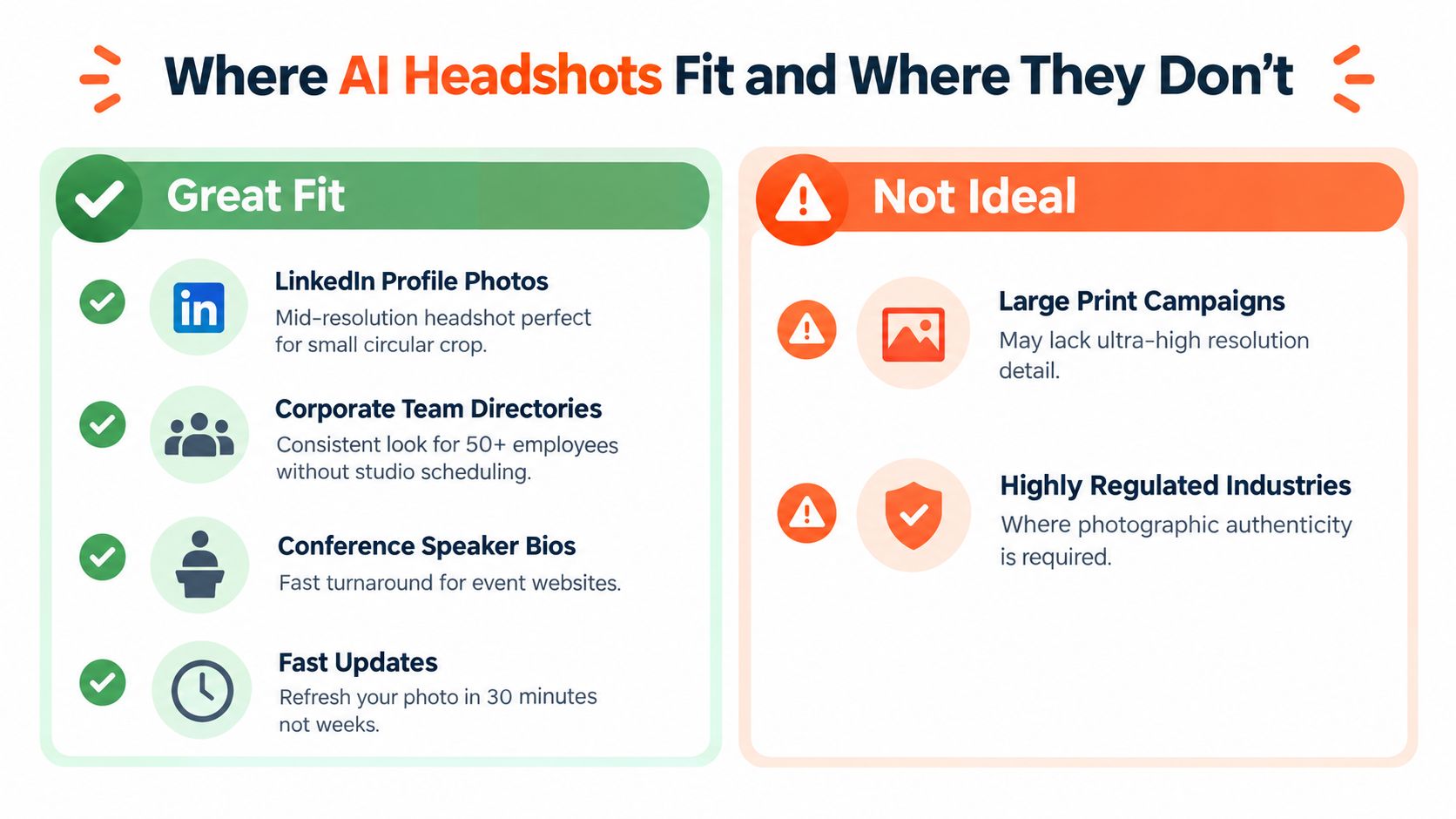
AI headshots fit situations where the viewer needs a clear, credible representation, but not a forensic examination of photographic texture. That includes LinkedIn profile photos, corporate team directories, conference speaker bios, and fast-turnaround professional updates.
LinkedIn is especially forgiving because the image is usually cropped into a small circle. A clean face, natural expression, appropriate clothing, and uncluttered background matter more than the exact camera and lens used. If your crop is the problem rather than the portrait, this LinkedIn image cropping fix offers practical guidance for presenting the file properly.
Corporate directories have another requirement: consistency. A remote-first company onboarding a large group of employees doesn't want one portrait shot against a grey wall, another taken at a desk, and another cropped from a holiday photo. AI gives teams a repeatable visual direction without coordinating individual studio appointments.
Conference organizers also value speed. Speaker biographies often need images on short timelines, and a generated portrait can provide a polished option when the speaker's existing photo is unusable. Freelancers and job seekers benefit for the same reason. A profile refresh becomes an afternoon task rather than a scheduling project.
Where a photographer still earns the fee
Actors, models, and casting professionals need exact representation. Casting directors scrutinize jawlines, skin texture, hair detail, and whether the image reflects the person who will enter the room. An AI artifact in the teeth, hair, glasses, or facial proportions creates an avoidable problem.
A photographer also makes more sense for a press kit, large-format print, billboard, campaign, or personal-brand shoot. Those uses demand control over expression, wardrobe, composition, and true photographic detail. The viewer gets closer to the image, so small inconsistencies become more visible.
The decision splits along two axes: how closely people will inspect the image and how much stylistic control you need. If both are high, book a photographer. If both are moderate or low, AI is a rational option.
A generated portrait should support your professional identity, not replace the parts of your identity that the assignment needs to verify.
Recruiter and LinkedIn perception in 2026
A polished headshot doesn't automatically create recruiter trust. The photograph contributes to a profile, but recruiters also assess whether the image feels plausible, current, and consistent with the person's professional presentation.
Recruiter research published in 2024 found that 88% of recruiters believed it should be clear when a candidate used an AI-generated headshot, while two-thirds said they'd be put off by a candidate using one. The reported recruiter findings create a direct warning for anyone treating polish as a universal advantage.
Detection is less reliable than many recruiters believe. An independent 2026 article reported that 80% of recruiters believed they could spot AI photos, yet they identified them correctly only 39.5% of the time. For premium AI headshots, detection fell to 29.2%. The analysis of AI headshot trust and detection points to a more complicated risk. A recruiter can dislike undisclosed AI use while still failing to identify a cleanly generated portrait.
A separate global KPMG study in 2025 surveyed more than 48,000 people across 47 countries and found that trust in AI remains uneven, shaped by transparency and perceived risk. The neutral discussion of AI headshot evidence also notes that independent evidence connecting AI headshots to hiring outcomes, interview callbacks, or LinkedIn response rates versus traditional headshots doesn't yet exist.
| Context | Recruiter sensitivity to AI source | Recommendation |
|---|---|---|
| Standard LinkedIn profile | Moderate, especially if the image replaces a casual selfie | Use a natural, accurate portrait |
| Corporate directory | Usually focused on visual consistency and likeness | AI fits when every employee follows the same standard |
| Executive profile | High, because the image can appear in public-facing materials | Prefer a verified photographic portrait |
| Press or conference use | High when the image represents a public figure | Use photography when authenticity carries weight |
| Job search with no usable photo | Lower than the risk of presenting an obviously casual image | AI provides a professional alternative, subject to careful review |
Your profile will also benefit from practical cleanup around the portrait. A custom LinkedIn URL makes your profile easier to share, but it doesn't make an inaccurate image more trustworthy. For platform-specific guidance, see LinkedIn AI headshot guidance, especially the requirement that an AI-edited profile photo still reflect your actual likeness.
How AiHeadshots works in practice
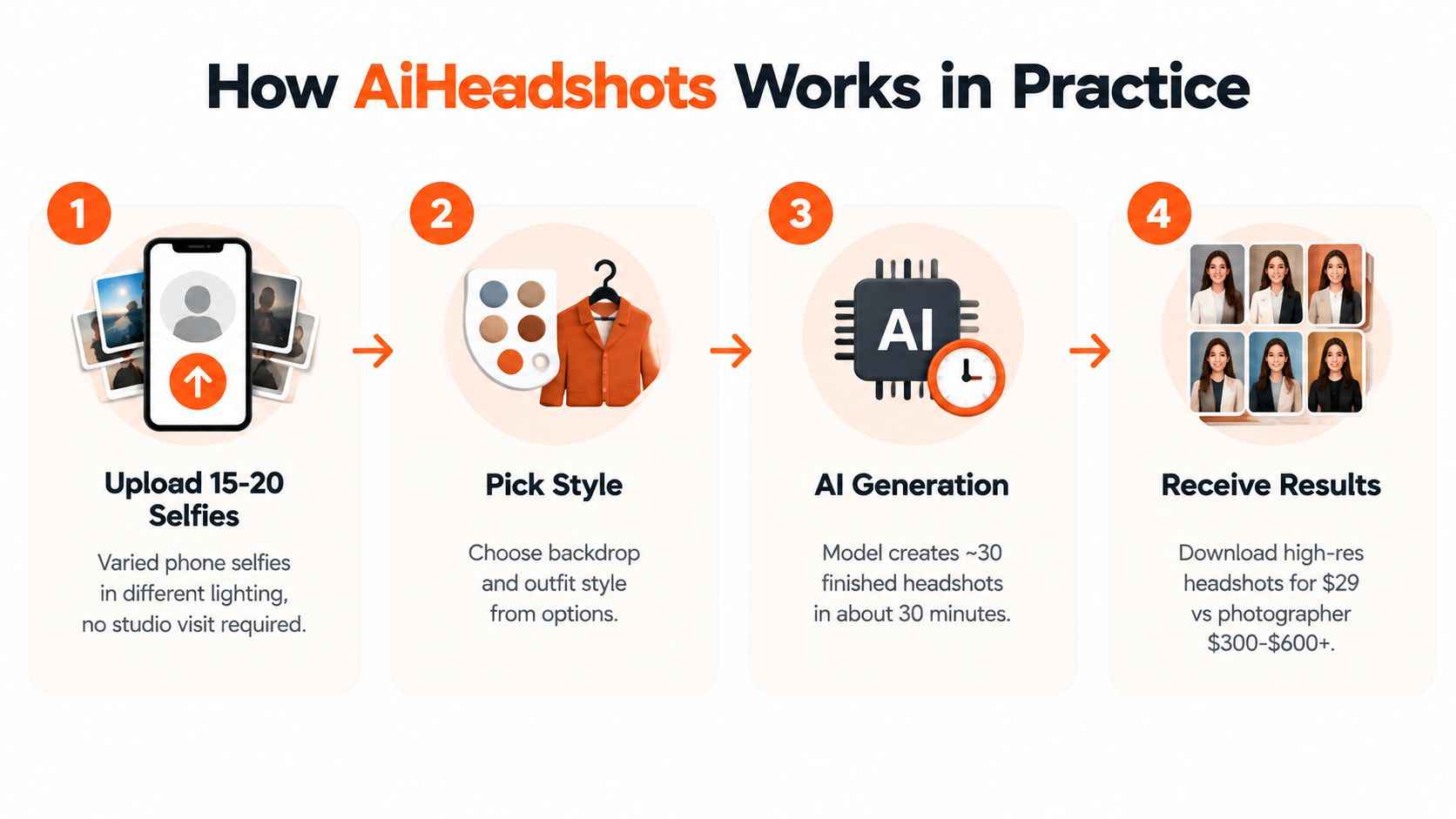
The process starts with your camera roll, not a studio appointment. Upload 10 to 20 selfies with varied angles and lighting. Avoid images with heavy filters, severe blur, sunglasses, or faces partly hidden by hats. Better inputs give the system more information about your real features.
AiHeadshots then generates 30+ studio-grade headshots in about 30 minutes. You choose the direction you need, including background and outfit styles, and review the results rather than accepting a single automatic image. The practical advantage is range. You can select a straightforward LinkedIn portrait, a more formal executive option, or a team-friendly image without repeating the upload process.
A 100% money-back guarantee within 14 days gives you a defined inspection window. Use it properly. Check your eyes, teeth, hairline, glasses, ears, neckline, skin texture, and whether the face still looks familiar at full resolution. If the likeness doesn't hold, don't publish the most flattering image just because it looks polished.
Teams receive a different operational benefit. Orders of 10 or more seats qualify for volume pricing of $22 to $29 per seat, helping companies apply one visual standard across a directory. That approach works best when the team supplies consistent selfies and agrees on a shared style before generating portraits.
Data retention also belongs in the buying decision. AiHeadshots says uploaded selfies are deleted within 7 days of headshot generation, generated headshots are retained for 30 days after delivery, and account information remains for the duration of the account plus 90 days after deletion for billing records. Review the published data retention details before uploading images, particularly for an employer-managed team order.
The workflow is built for a fast decision. Upload the inputs, inspect the batch, reject anything artificial, and keep only images that represent you accurately.
Deciding if an AI headshot is the right move
The cleanest decision framework uses four criteria: budget, turnaround, use case, and tolerance for AI realism. None of them works alone. A low price doesn't justify a portrait that fails your likeness test, and a perfect photographic image isn't necessary for every profile thumbnail.
Choose AI when the image is destined for LinkedIn, an internal directory, a speaker biography, or a team refresh where speed and consistency matter most. It also fits a professional who needs to replace a poor selfie without blocking time for a studio visit.
Choose a photographer when the portrait will appear in a press kit, printed campaign, acting submission, billboard, or other setting where viewers will inspect it closely. Photography is also the stronger choice when you need live coaching, precise expression control, and a portrait that captures a specific moment rather than a generated interpretation.
A hybrid approach works for larger personal brands. Book a studio session for the main hero image, then use supporting crops or generated variations for lower-stakes profiles. That preserves a verified primary portrait while giving you flexibility across platforms.
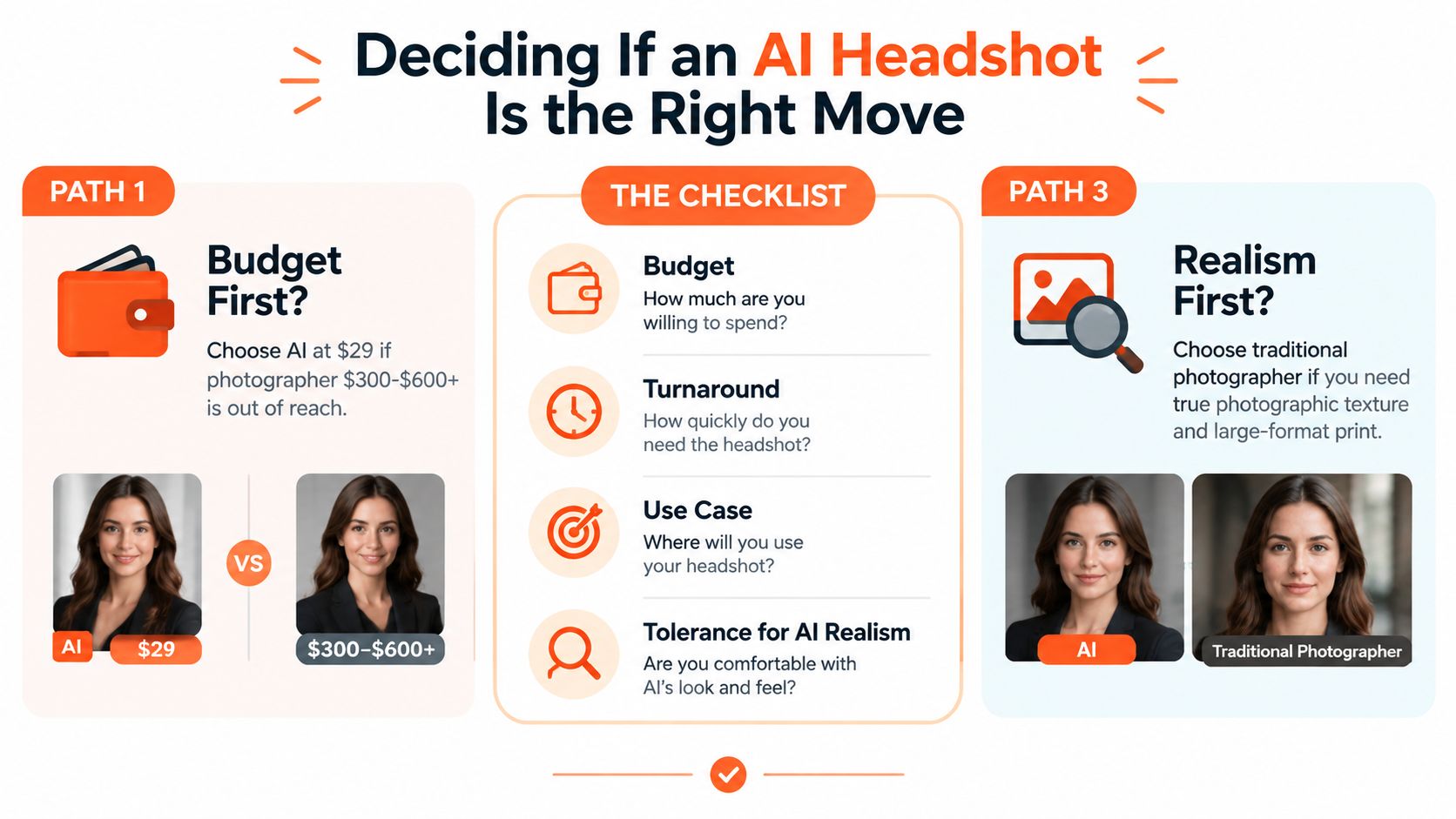
Before paying, answer these questions:
- What's your budget ceiling? Compare the $29 starting option with the $300 to $600+ cost of a typical photographer session.
- What's the deadline? AI delivers in about 30 minutes, while a studio requires booking, attendance, and editing.
- Where will people view the image? Thumbnail and directory uses are more forgiving than print and campaign work.
- Does authenticity matter more than polish? If your audience expects a verified photograph, choose photography.
The answer to “are AI headshots worth it” isn't universal. For most routine professional uses, AI provides a sensible balance of cost, speed, and visual consistency. For high-scrutiny work, a photographer still earns the fee through direction and authentic detail.
AiHeadshots delivers 30+ studio-grade headshots in about 30 minutes from 10 to 20 phone selfies, with plans starting at $29 and a 14-day money-back guarantee. Visit AiHeadshots to choose a package that fits your use case, then inspect the results for likeness before you publish.