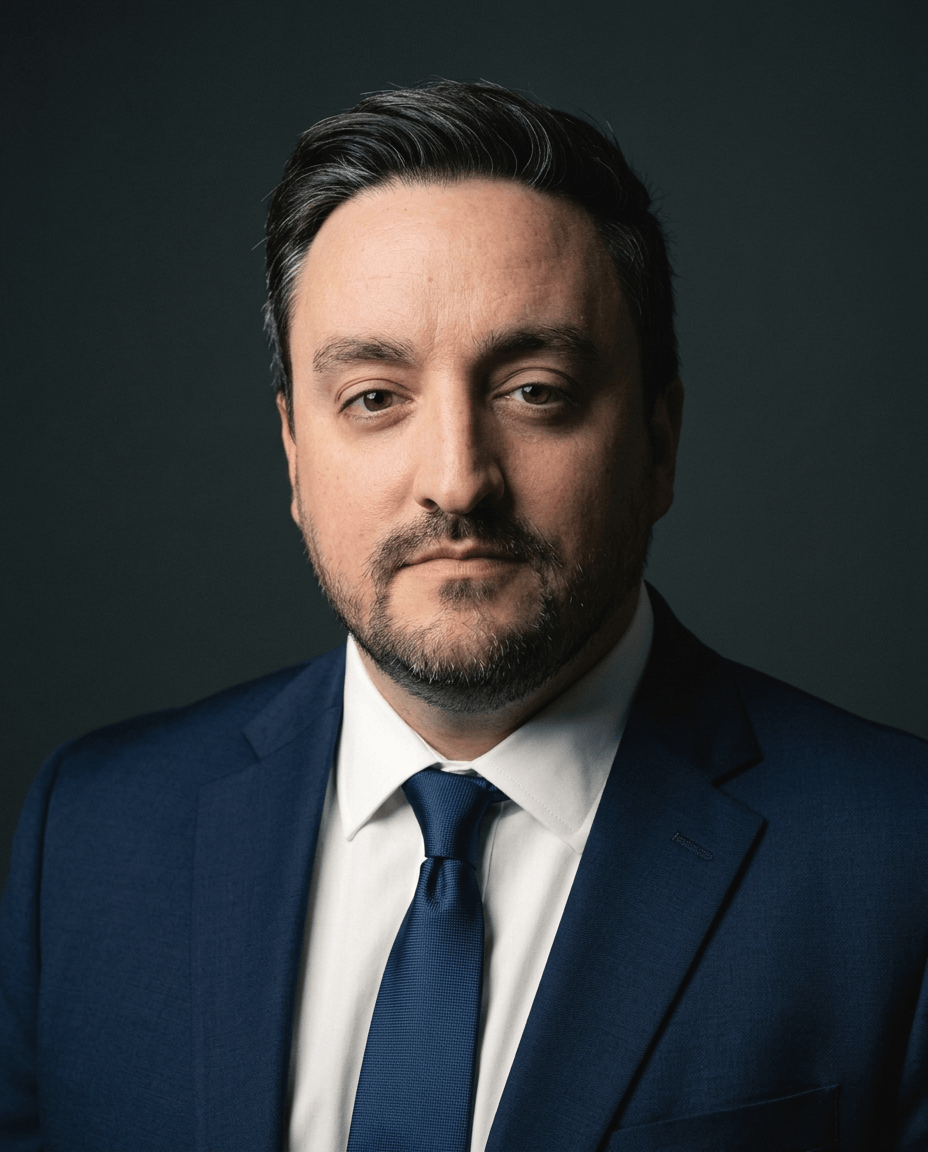
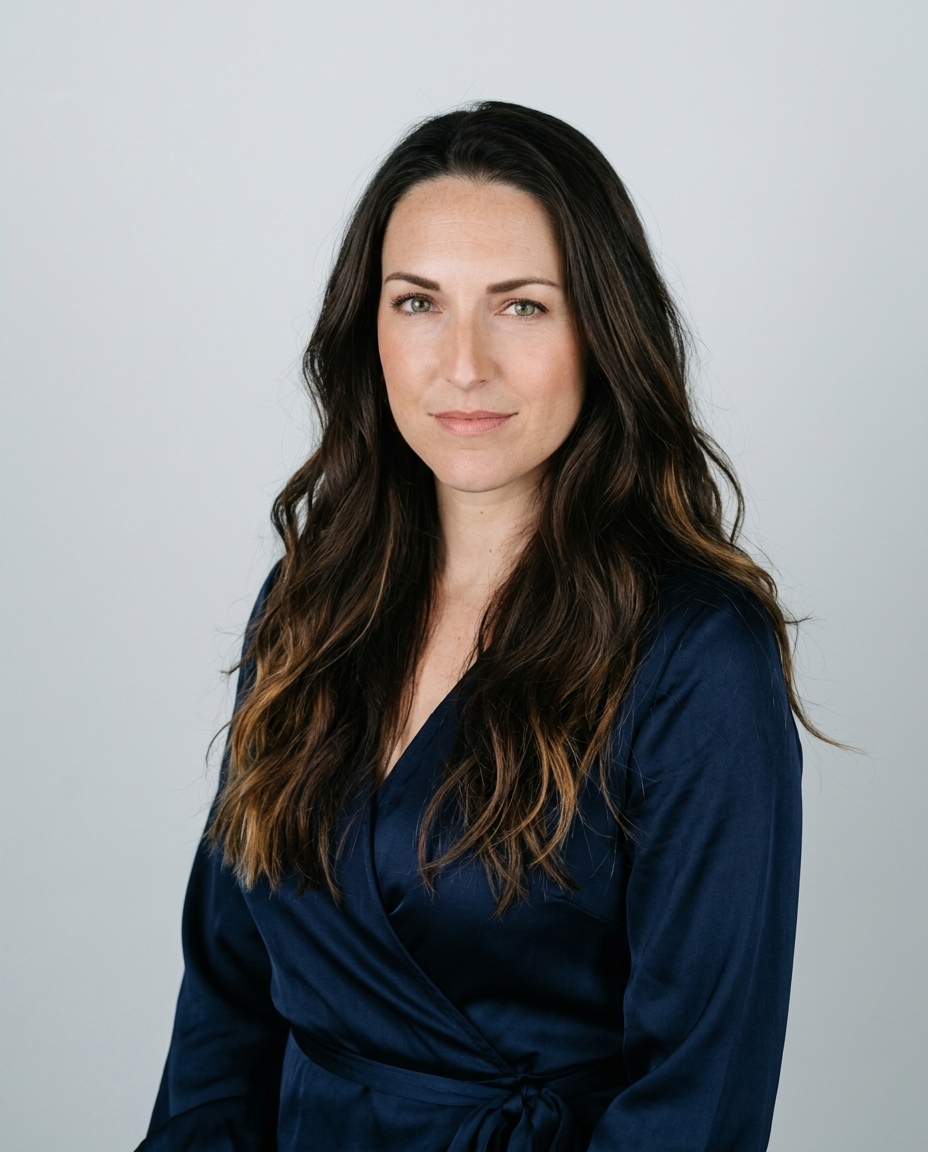
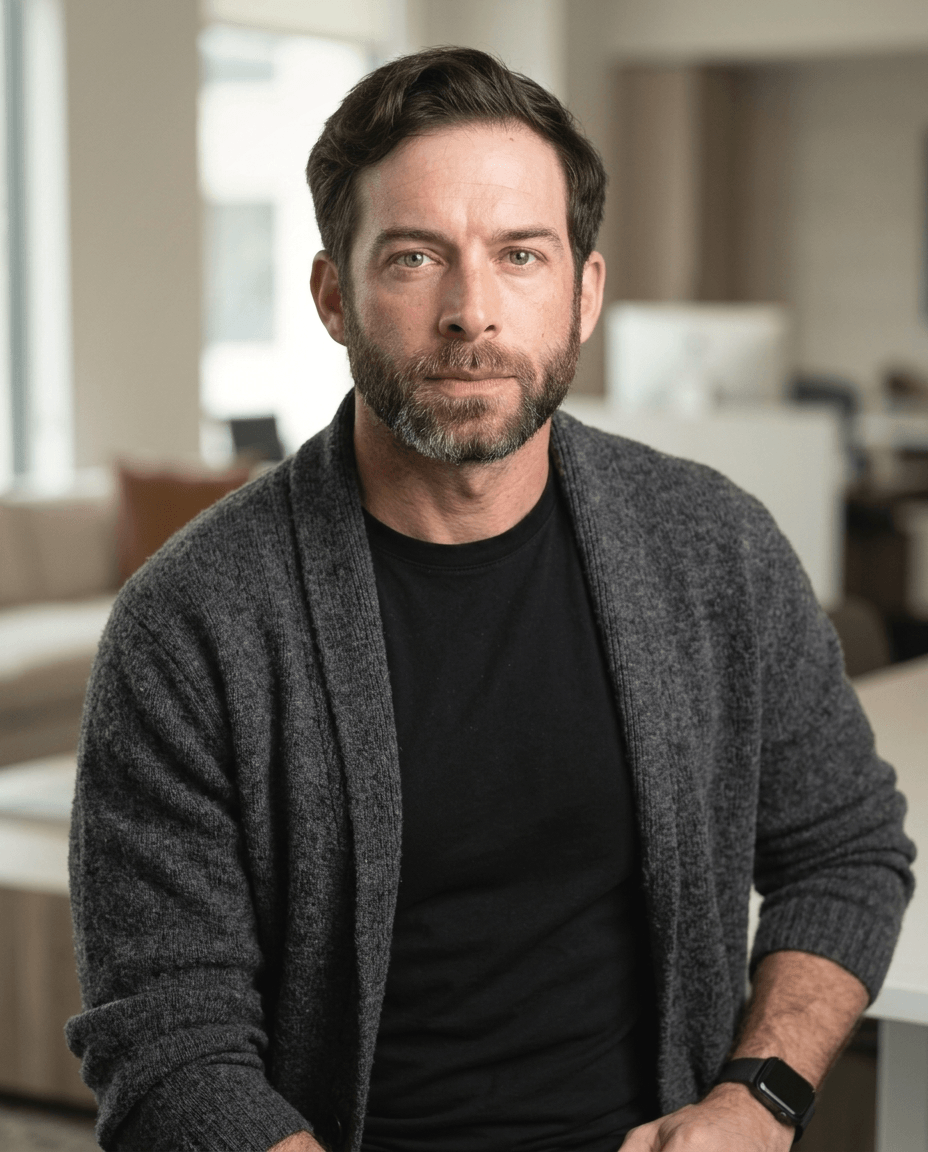
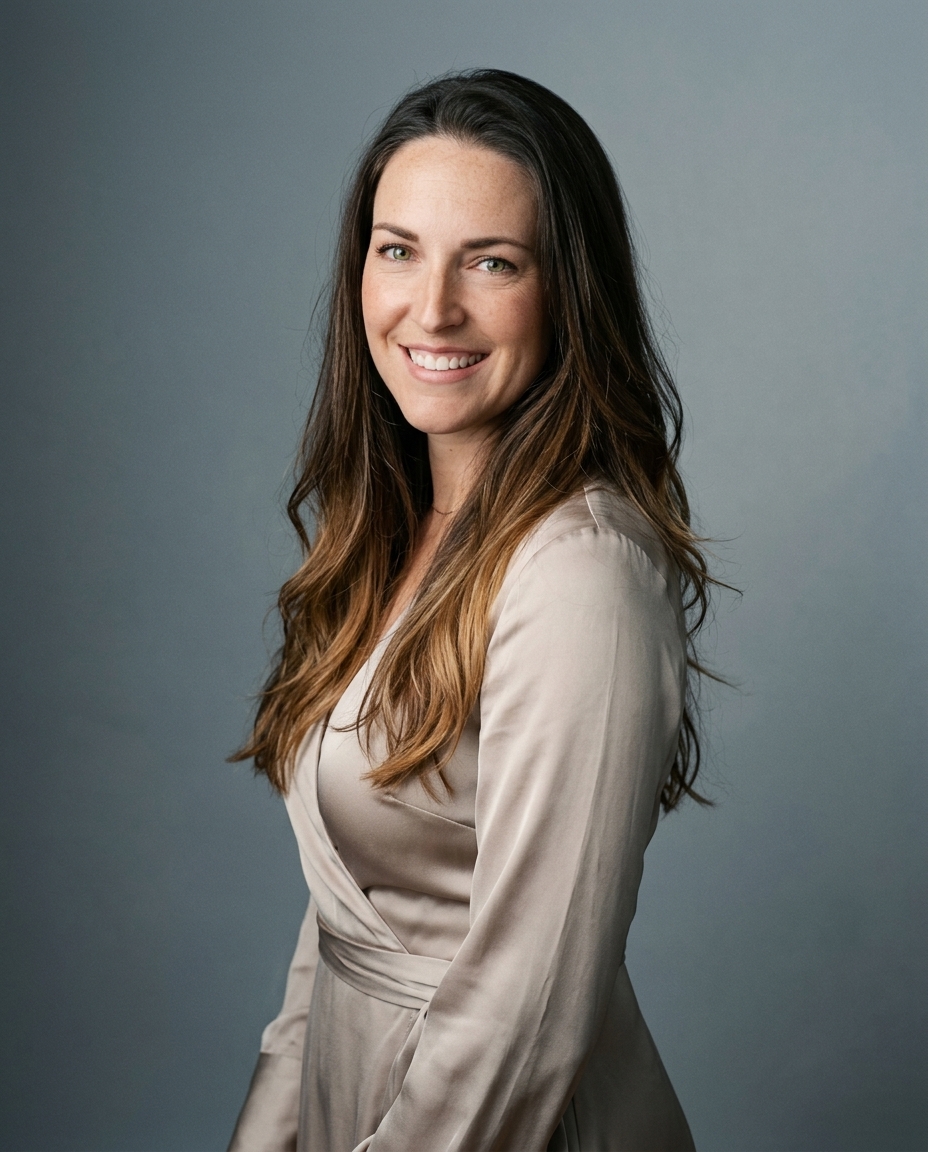
Most comparison posts are written by one company pretending they don't have a dog in the fight. This one is different: I own both sides.
Studio Pod is a physical automated headshot studio I started years ago in Houston. Walk in, stand on the mark, walk out with a retouched professional headshot in about twenty minutes. Real camera, real lighting, real backdrop.
AI Headshots is the AI version I built after. Upload a few selfies from your phone, get 40+ professional headshots generated in under thirty minutes. No studio visit required.
Clients sometimes assume I'm going to push them toward AI. Others assume I'll push them toward the physical studio since it's the more "premium" option. Neither is what actually happens. I tell them the same thing every time: it depends on what you're doing with the photo.
Here's the honest internal comparison from someone with no reason to lie in either direction.
The honest internal comparison
Let me start with what's true about each:
Studio Pod (physical studio):
- Real Canon DSLR with professional light rig
- Multiple poses captured in a single session
- In-person retouching with human review
- Consistent quality across every session because the hardware is the same every time
- Requires a physical visit to one of our locations
- Session cost: ~$50 per session (yes, the real studio is that cheap)
AI Headshots (the AI product):
- Designed by the photographers running Studio Pod (10,000+ sessions)
- 40-200 headshots per pack
- Generated in under 30 minutes from selfies
- No physical visit; upload from your phone
- Pack cost: $29-$59
- No session coordination, no scheduling
Both get you a professional headshot. They use the same underlying knowledge about what a great headshot looks like — because the AI literally learned from the physical studio's output. The difference is which tool fits which job.
When Studio Pod wins
Use the physical studio when:
The stakes are high and the photo has to be unambiguously real. There are still professional contexts — book jackets, executive pages at major law firms, certain medical directories, press coverage — where the cultural expectation is that you hired a photographer. AI disclosure hasn't stabilized yet. If you're nervous about the context, shoot real.
You want the reassurance of human review. At Studio Pod, you see your shots in real-time, can retake if something's off, and a human retoucher reviews before delivery. AI gives you a batch and you pick the best. Both work; they feel different.
You're local and want to avoid the selfie prep. If you live in Houston (or one of our other locations), walking into Studio Pod is often faster than shooting 10-20 selfies yourself. Twenty minutes, done.
You want identical conditions across a team, same-day. If you need 10 executives photographed before an investor deck deadline and everyone can be in Houston on Tuesday, Studio Pod is the more controlled option. Same light, same backdrop, same camera, same day.
You value the moment. A real session has a specific energy — the photographer (or in our case, the automated system) gives you a beat to settle in, think of something, and the right expression tends to show up. Some people photograph better in person than from selfies. If you know you're one of them, use the studio.
When AI Headshots wins
Use the AI product when:
You need variety. Studio Pod delivers 15-20 photos in one look; AI Headshots delivers 40-200 photos across multiple outfits, backgrounds, and styles. For a LinkedIn profile + team page + yard sign + email signature, variety matters more than the perfect single shot.
You're coordinating a remote or distributed team. This is where AI completely wins. Getting 15 remote employees to show up at Studio Pod in Houston on the same day is logistically impossible. Getting them to each upload 10 selfies on their own time is a 30-minute async project. For remote teams, AI is not just cheaper — it's structurally the better tool.
You refresh your headshot often. Realtors, consultants, and personal brands update headshots every 12-18 months. At Studio Pod's $50/session, that's manageable. At a typical Houston photographer's $300-800/session, it's prohibitive. AI Headshots makes frequent refreshes economical — $29 per refresh, done.
You don't live near a Studio Pod location. Our studios are in Houston, with a few other markets. If you're anywhere else, AI Headshots gives you the same training-data quality without the plane ticket.
The final context is digital-only. If the photo is going to live on LinkedIn, a company About page, a Zoom background, or a team directory — all pixel-level digital — the difference between a real camera and a well-trained AI is near-zero. For digital-only use, AI is the economically correct choice.
Where the AI Headshots output is honestly weakest
A lot of AI headshot tools have real quality problems. I'm going to name the ones that come up most often, because being honest about the weakness is how you trust the strength:
The "uncanny valley" problem. Some AI tools produce outputs that look almost right but feel off. This comes from training data that's too broad — scraped internet photos that include filtered Instagram shots, heavily-edited influencer photos, and synthetic faces. The model learns from the average of the internet, which includes a lot of stuff that isn't quite human.
Why ours is less prone to this: We are photographers who run Studio Pod — a real automated studio in Houston — not a software team retrofitting scraped internet data. Real people, controlled conditions, no filters.
Overly symmetrical faces. AI models trained to "optimize" beauty sometimes output faces that are too symmetrical to look real. Real faces have subtle asymmetry — that's part of what makes them readable as faces.
Why ours is less prone to this: We tuned our model toward preservation rather than optimization. Your AI headshot should look like you on a great photo day, not a composite of your face and someone else's cheekbones.
Off-register professional tone. Most AI headshot tools produce "business casual" outputs that miss industry-specific registers. A tech founder looks like an insurance agent; a lawyer looks like a keynote speaker.
Why ours is less prone to this: We built explicit style categories — LinkedIn, corporate, executive, actor, lawyer, doctor, realtor — because our Studio Pod data told us these registers aren't interchangeable.
AI Headshots still isn't perfect. Even at the best training data, there are occasional misses — a hand that comes out wrong, an expression that reads as synthetic, a background that doesn't quite sit behind the subject. Our regeneration policy exists because we know this happens.
The truth neither company will usually tell you
Here's the thing I say to clients but most AI headshot companies won't:
The right answer for a lot of you is "both."
Get a Studio Pod session every couple years for the one "real photo" you'll use on your book jacket, your agency profile, your press page. That's a $50 investment every two years.
Use AI Headshots everywhere in between — LinkedIn refresh, new job photo, rebrand, new team page, new product launch. That's $29-59 whenever you need it.
The tools aren't actually competing. Studio Pod is a capital expense for the one iconic photo. AI Headshots is the operating expense for the hundred everyday photos. I built them both because both jobs existed and neither tool could do both well.
If you're close to a Studio Pod, use it for the iconic photo. If you're anywhere else, AI Headshots gets 95% of the same result at a fraction of the cost. And if you're choosing between AI headshot tools specifically — the one where the same photographer built both the AI and the physical studio is probably a reasonable bet.
See for yourself. Try AI Headshots for $29, or book a Studio Pod session if you're near Houston.
Want more? Read the 10,000 Headshot Study, the 5 rules behind every great headshot, or how to prep selfies for AI.
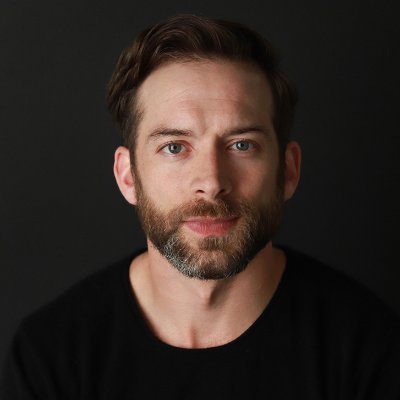
Joseph West
Founder of AI Headshots and Studio Pod — the automated headshot studio in Houston, Texas. Photographer first, AI engineer second.