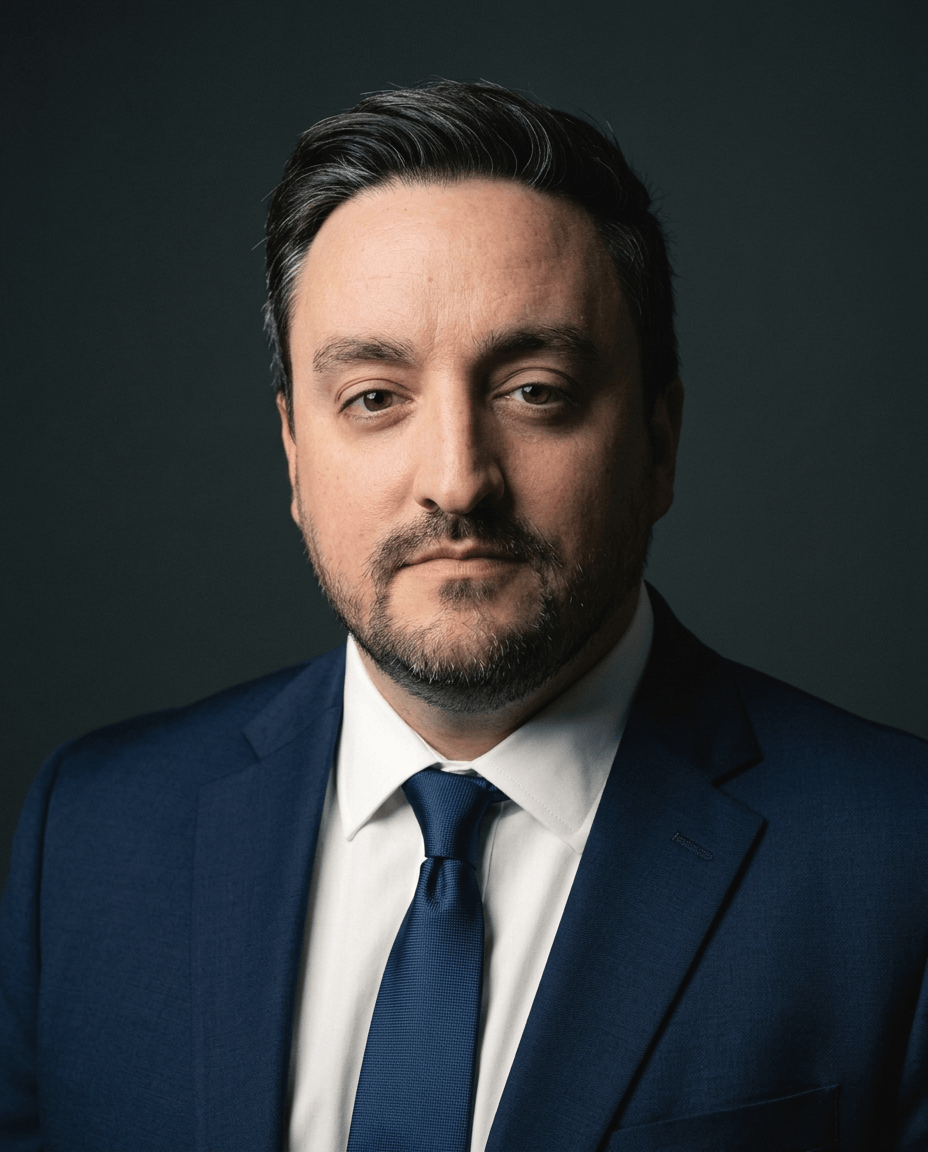
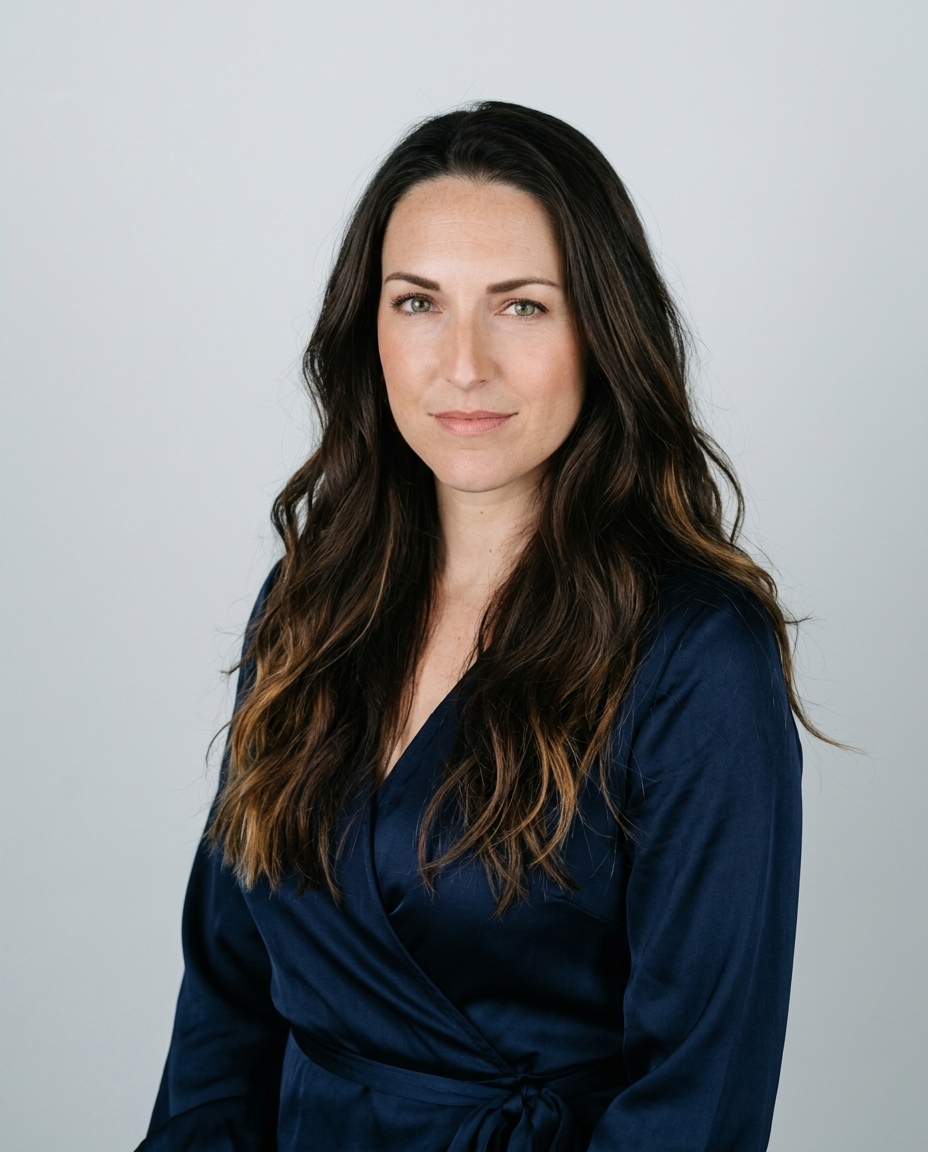

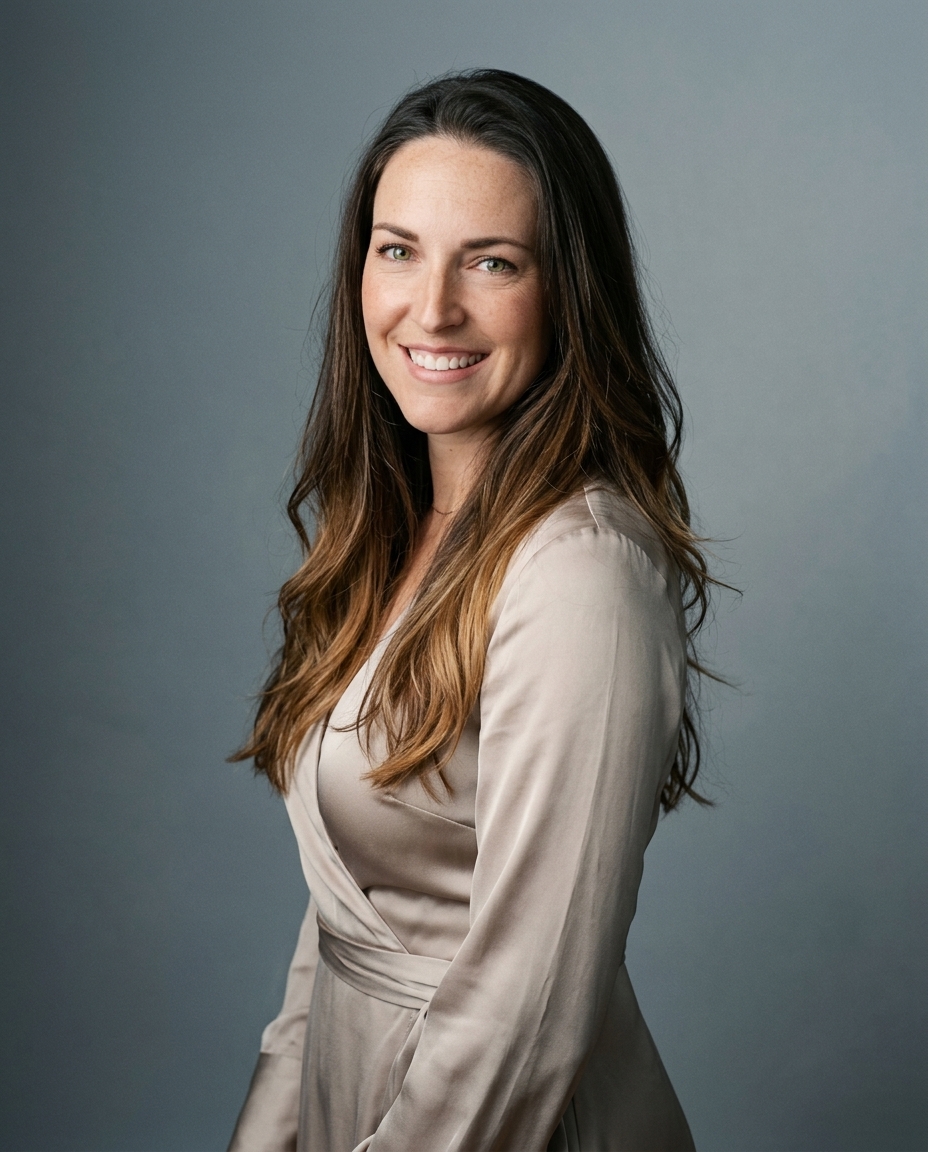

A profile picture tester works because intuition is weak. On LinkedIn, a profile with a photo gets 21 times more views than one without, and adding a photo makes a profile 36 times more likely to receive a message. A professional headshot gets 14 times more views. Those are not cosmetic differences, they're response differences, and they're why choosing a headshot by gut feel is the wrong method. The right approach is to test an image like a business asset, not pick one like a favorite snapshot.
At Studio Pod, we've shot 10,000+ real professionals since 2019, and that work shapes how we think about evaluation. We're photographers who built AiHeadshots, not a software team retrofitting open models. That matters because a strong test starts with an understanding of framing, light, expression, and crop, not just a score on a screen. For a practical reference point, see our 10,000 headshots study.
Table of Contents
- Your best guess for a profile picture is wrong
- Define your goal before you test a single image
- Generate high-quality variants for testing
- Run structured tests to gather real data
- Use automated tools for instant feedback
- Analyze your results and deploy the winner
Your best guess for a profile picture is wrong
The first mistake is treating a profile picture like a personal preference contest. Your favorite image usually reflects what feels flattering to you, not what reads clearly to other people at thumbnail size. On LinkedIn, that matters because the photo acts as a credibility signal, and analysts at the 10,000 headshots study found that small differences in expression, crop, and lighting can change how a face is read.
A better framing is simple. You are not choosing a portrait for your camera roll. You are choosing a compact identity asset that has to work in search results, inbox previews, and contact lists. That means testing performance, not defending taste.
Practical rule: if two images feel equally good, pick the one that reads faster in a tiny circle.
That is why a photographer-led profile picture test starts with observation, not instinct. A consultant, recruiter, executive, or founder does not need the same expression or crop. A tighter frame can help one person look more authoritative, while another image may need more openness to avoid feeling stiff.
A better test looks at how the face performs in context. Ask whether the image still reads as competent when it is small, whether the expression feels steady rather than forced, and whether the framing leaves enough visual clarity for a platform profile. That approach also fits the logic behind LinkedIn profile picture tips, which focus on what the image communicates before anyone clicks through.
If you are tuning a broader personal brand, a resource like increase X followers is useful because it reinforces the same principle, platform context changes what a photo needs to communicate.
The point is not to follow one aesthetic formula forever. The point is to stop guessing and start selecting with evidence.
Define your goal before you test a single image

A profile picture test breaks down fast when the target is vague. “Good” is too broad to measure. Competence, trustworthiness, and approachability work because they describe how the image reads to other people, not how the owner feels about it. LinkedIn's guidance gives a practical baseline, with the face covering about 40–60% of the frame, a plain background, and direct eye contact for a professional impression.
Different roles need different weightings. A recruiter-facing headshot usually needs to read as clear and approachable. A senior advisor or attorney often benefits from more visual restraint. A creator profile can carry more personality, but the face still has to be easy to recognize at a glance.
Start by writing a scorecard before you upload a single file. Use the same criteria for every candidate image. Keep it simple enough that you can apply it without second-guessing yourself.
- Primary trait: choose one main signal, such as competence or warmth.
- Secondary trait: choose the supporting signal, such as friendliness or authority.
- Technical check: confirm face visibility, crop, lighting, and background.
- Platform fit: decide whether the image needs to feel more formal or more casual.
If you want to sanity-check the professional side of that setup, our LinkedIn headshot tips follow the same crop and visibility logic. For creators who work across channels, pairing the scorecard with increase X followers keeps the test grounded in platform context instead of one generic standard. The test gets easier to trust once the goal is specific.
Generate high-quality variants for testing

A weak test pool leads to weak decisions. If you only have one or two photos, you are not testing anything with much discipline, you are settling. Traditional portrait work solves that with a studio session, but a professional photoshoot usually means $300–$600+ and a longer turnaround than most profile updates can wait for. Modern generation tools change that workflow by giving you usable candidates fast.
AiHeadshots is built for that first-pass pool. Our system, shaped by photographers at Studio Pod, delivers 30+ studio-grade headshots in about 30 minutes for $29 on the Basic tier, with Professional at $39, Executive at $59, and Teams at $22–29 per seat for 10+ seats. Customers upload 10–20 phone selfies, no studio visit required, and the goal is breadth, not one polished frame. You get varied expressions, different crops, and enough visual range to make a real choice.
That variety should be intentional. A test set works best when each option changes one visible variable, expression, angle, background, or crop, while the rest stays recognizable. One frame can read more direct, another can soften the face, and a third can carry a little more distance. The point is to compare headshots that are all usable, not to rescue a weak file.
For a faster preview workflow, our free AI headshot generator gives you a quick way to assemble candidates before you commit to a larger test pool. If you need a cleaner icon-style asset for a profile or brand mark, PostSyncer's AI icon creator is a useful adjacent tool because it helps you separate face-based headshot testing from broader visual identity work.
Run structured tests to gather real data
Controlled A/B testing is the cleanest way to separate preference from performance. Keep the bio, headline, and prompts unchanged, then rotate only one photo at a time. Use a fixed testing window and keep the rest of the profile stable, so you can see whether the image itself changes the outcome. That structure keeps the result readable. If you change several elements together, the cause gets muddy fast.
The metrics should match the platform. On LinkedIn, watch profile views, messages, and connection behavior. In other settings, track the interaction that matters most for that channel. Consistency matters more than complexity. Test at the same time each week, avoid holiday noise, and keep your normal activity level steady so the comparison stays fair.
Blind feedback adds a second layer, and it needs discipline. Show colleagues or trusted peers the images without context, then ask them to rank the photos against the scorecard you defined earlier. Do not ask which one they like. Ask which one reads as competent, which one feels approachable, and which one still looks believable at a small size.
Practical rule: if a photo wins by taste but loses by behavior, trust the behavior first.
Short, structured input beats casual opinions. A single person's favorite can still be useful, but a pattern across several viewers carries more weight. If you are comparing human reactions with machine scoring, the research on when AI testers outperform humans gives useful context, since visual cues in a headshot can be modeled in ways that align with first impressions.
Use automated tools for instant feedback
Automated scoring is the fastest way to eliminate weak candidates before you spend time on live testing. A solid profile picture tester checks the basics that change how a headshot reads at a glance, crop, lighting, expression, and overall clarity. That does not replace human judgment. It narrows the set so your human review goes where it matters.
The value is practical. Cameras and algorithms both respond to visible structure, and Cambridge researchers found that photo-based judgments can be predicted from the image itself with results that track human perception closely (Cambridge profile photo research). For photographers, that is a useful reminder. Framing, texture, and visual balance change how a headshot reads before anyone clicks on it.
Use automation as a pre-screen. Reject images that are too dark, too busy, or cropped so tightly that the face loses definition. Keep the shots that still work at thumbnail size. Then move those finalists into human testing, where real viewers and real platform behavior decide which image holds up.
Automated feedback also helps you sort AI-generated variants before you send them to people. A quick score can flag which render feels off in the eyes, which crop breaks the composition, and which version stays clean after compression. That matters because the first pass should be fast and mechanical. Save the slower judgments for the images that already pass the basic read.
For a useful counterpoint on how synthetic testing fits into a wider evaluation stack, Uxia's discussion of when AI testers outperform humans is worth reading once. The practical lesson is simple. Use automated feedback to filter, then confirm the final choice with people who understand the role the photo has to play.
Analyze your results and deploy the winner
Cross-platform fit is the last filter. An image that works on LinkedIn can look too stiff on a casual workspace tool like Discord, while a relaxed avatar can look undercooked in a recruiter-facing profile. The best photo stays clear, friendly, and believable across contexts, not just optimized for one feed (cross-platform fit guidance).
Once your test data comes in, rank the finalists in this order. First, the photo that wins the A/B test. Second, the image that scores best in blind feedback. Third, the one that passes the automated clarity check without friction. If those three line up, the decision is easy. If they don't, choose the image that performs best in the channel that matters most to your current goal.
Then deploy it consistently. Use the same headshot across LinkedIn, Slack, email signatures, and any other professional profile where recognition matters. Consistency reduces confusion and makes the image easier to remember.
Try AiHeadshots and upload 10 selfies, see your first headshot in 30 minutes, $29.