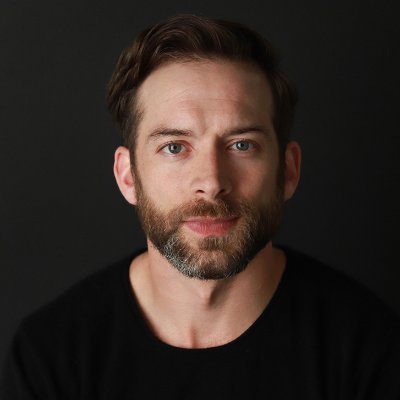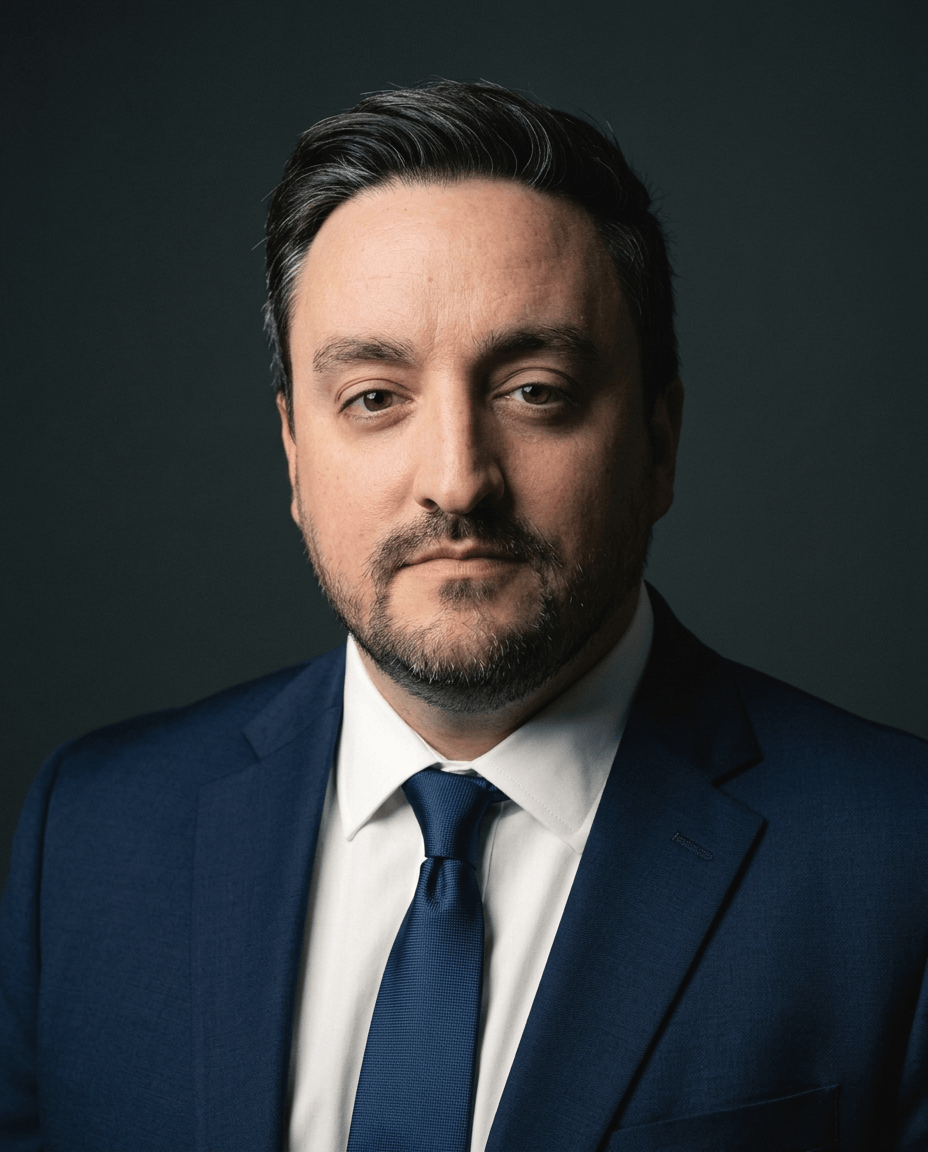
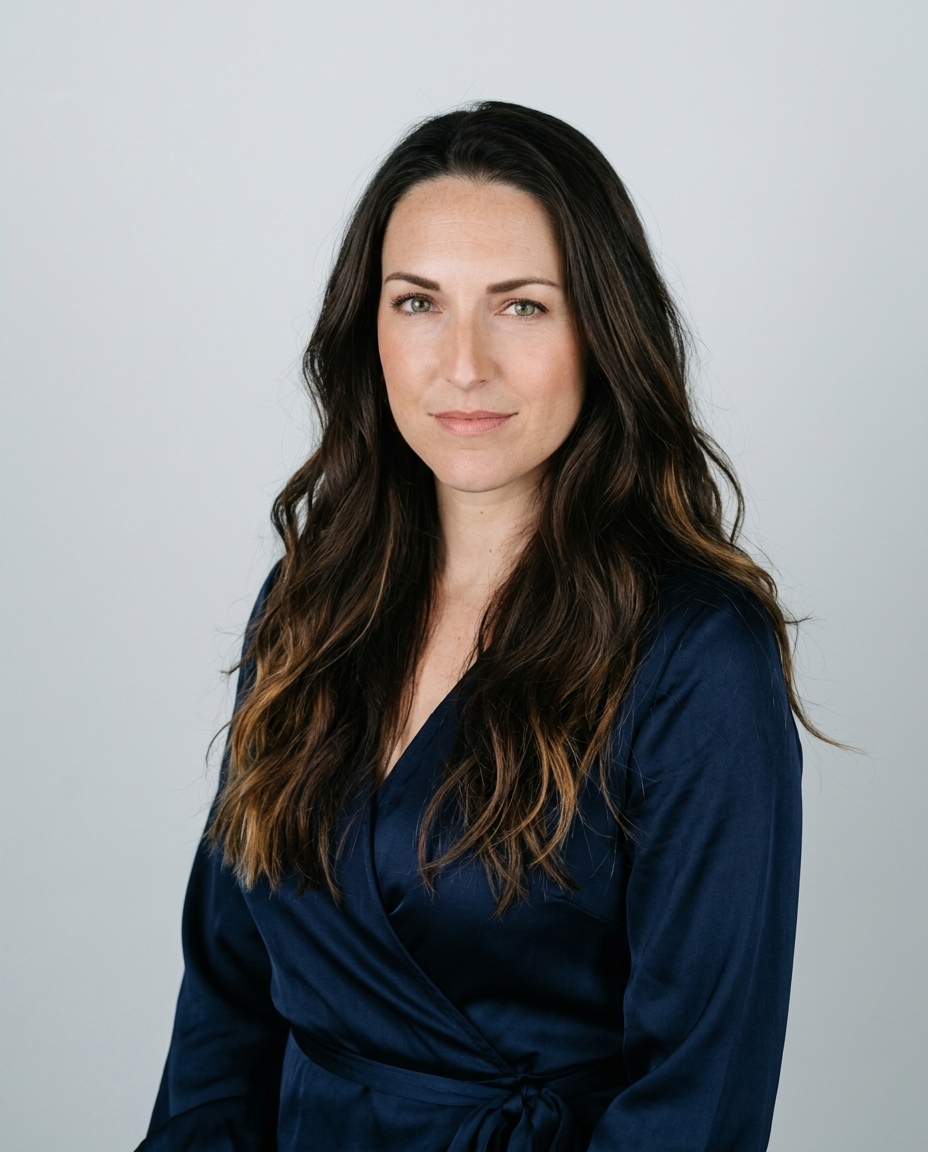
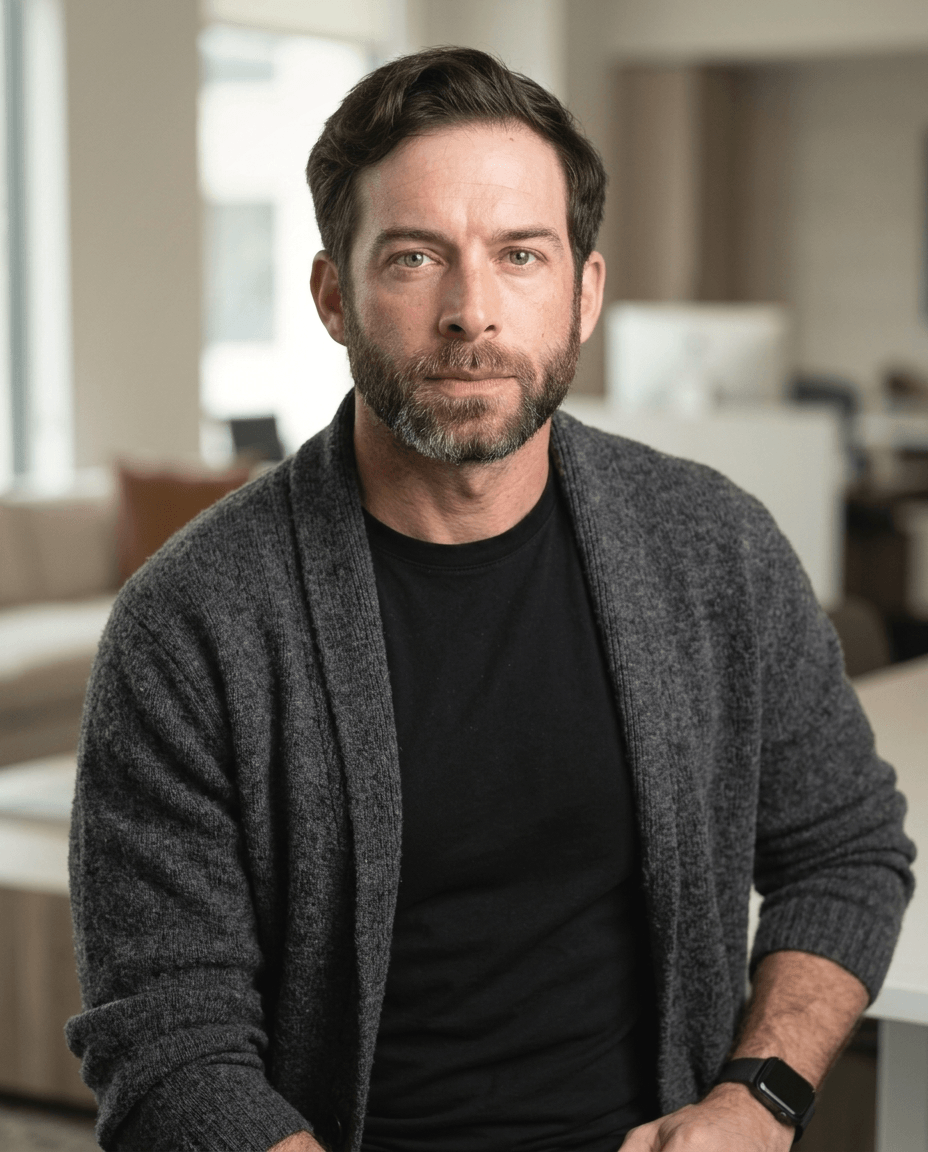
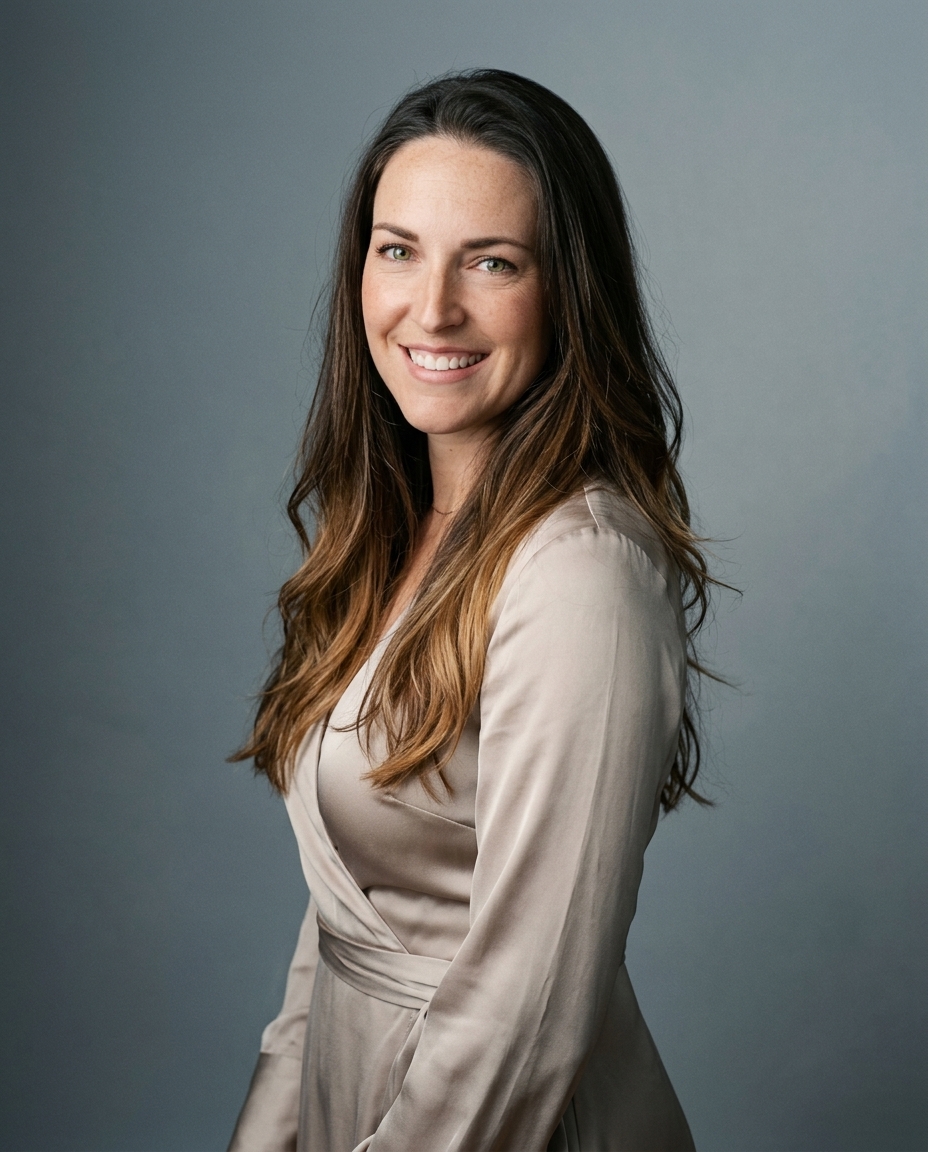

A polished LinkedIn photo matters more than commonly believed, and the surprising part is this: a strong AI headshot now clears the visual sniff test for most professional viewers. LinkedIn reports that profiles with a photo are 14 times more likely to be viewed, and a 2026 industry report found that 73% of recruiters couldn't distinguish quality AI headshots from professional photos according to PhotoPacks.AI's roundup of AI headshot statistics. That doesn't mean every AI portrait is good. It means bad source images and bad judgment stand out faster than ever.
As photographers, we look at LinkedIn profile picture AI tools the same way we look at any camera. The tool matters less than the decisions behind it. Light. Expression. Framing. Restraint. If you want an AI headshot that looks credible on LinkedIn, you need to think like a photographer before you think like a prompt writer.
Table of Contents
- Your LinkedIn photo is your digital handshake
- Start with a photographer's brief not just a selfie
- How to capture studio-ready source photos with your phone
- Generating your headshots with our system
- Choosing your final image and navigating authenticity
- Final polish and LinkedIn optimization
Your LinkedIn photo is your digital handshake
People don't read your profile in a vacuum. They scan it. Your picture is the first quality signal they process, often before your headline, title, or experience. A blurry car selfie or a vacation crop tells the viewer you treated your professional presence as an afterthought.
The traditional answer has been a studio session, and that still works. But a photographer's day rate often lands in the $300 to $600+ range. That's a real expense for a job seeker, a solo consultant, or a small team trying to create consistency across multiple profiles.
Practical rule: Your LinkedIn headshot doesn't need to look expensive. It needs to look intentional.
That's where LinkedIn profile picture AI earns its place. Not as a gimmick, and not as a substitute for taste. It solves a specific problem. You need a recent, polished, professional-looking portrait without booking a studio, commuting across town, and waiting on editing.
The key trade-off is simple. AI gives you speed and access. You still have to supply judgment. If you feed the system weak source photos, you'll get polished mediocrity. If you feed it clear, well-lit portraits and choose conservatively, you can get a headshot that reads like a proper studio image to most viewers.
Start with a photographer's brief not just a selfie
The biggest mistake people make happens before they take a single photo. They start shooting without deciding what the picture needs to say. Photographers never do that on a serious job.
A LinkedIn headshot for a corporate attorney shouldn't communicate the same thing as one for a startup designer or a therapist in private practice. The face is the same. The message isn't. Wardrobe, expression, crop, and background all change once you know the job of the image.
Define the impression first
Write down three to five words that describe the version of you the photo should present. Not aspirational fluff. Useful direction. Think in terms like confident, warm, precise, approachable, senior, creative, grounded.
That short brief gives you a filter for every choice that follows. It tells you whether a blazer is right or too stiff. Whether you need a slight smile or a neutral expression. Whether a bright background helps or distracts.
A good headshot looks like you on a very good workday, not like a different person wearing your face.
Match the market you're in
LinkedIn isn't one audience. It's many small audiences stacked together. Finance, healthcare, law, recruiting, software, sales, real estate, and consulting all have different tolerance for stylization.
If you're in a conservative field, keep the image clean and restrained. If you're in a more brand-driven role, you can allow more personality through wardrobe and background. The trick is staying inside the visual norms of your market while still looking distinct.
If you skip this step, the tool makes choices for you. That's how people end up with images that are technically polished but professionally off-target.
How to capture studio-ready source photos with your phone
Most AI failures start at upload. The system isn't guessing what you look like from nothing. It's interpreting what you give it. Clear, front-facing input works best, and published workflow guidance for LinkedIn profile photo generation emphasizes good lighting and a strong front view in Fotor's LinkedIn profile picture maker guide.

Light first
Stand facing a large window during the day. That's the easiest way to get soft, even light on your face. If the sun is blasting directly through the glass, step back until the light becomes gentler. Harsh light creates deep shadows under the eyes and nose, and AI tends to exaggerate those transitions.
Use a plain wall or simple background. You aren't trying to impress the system with your apartment. You want your face and posture to stay dominant.
Phone position matters too. Hold the camera just above eye level or exactly at eye level. Too low and the jawline distorts. Too high and the perspective starts to flatten the face in an odd way.
Variety beats repetition
Upload a range of photos, not twenty versions of the same pose. Submitting limited variety can diminish the final output. Give the system enough information to understand your features from more than one angle.
For a practical reference on what makes a usable upload set, review the selfie upload guidelines.
Use this mix:
- Front-facing shots: Include several clean, straight-on portraits with relaxed posture.
- Three-quarter angles: Turn slightly left and right. These help preserve facial structure.
- Expression changes: Add a few neutral looks and a few natural smiles. Don't force them.
- Consistent wardrobe tone: Solid colors work better than loud patterns.
- Sharp captures only: Delete anything soft, blurry, noisy, or shadowy before upload.
If a source image wouldn't make the cut for a photographer's contact sheet, it shouldn't make the cut for AI training either.
The phone is not the limitation. Sloppy inputs are.
Generating your headshots with our system
The actual generation step should feel simple. Upload your photos, choose the direction you want, and let the system build variations from there.

Fast tools versus deeper workflows
Some tools compete on immediate output. Canva advertises AI profile-picture generation in seconds, and Fotor says its LinkedIn photo generator can work from as few as 4 photos with a 20-minute training process, as summarized by Snappr's review of AI photo analyzer tools. That's useful if your only goal is speed.
A photographer's standard is different. We care about whether the face holds up under scrutiny. Skin texture should look human. Eye direction should feel natural. Lighting should describe the face instead of flattening it. Clothing and pose should support the subject instead of looking composited.
That difference is why some generated headshots feel like profile pictures and others feel like portraits. The first group is optimized for convenience. The second is built around photographic realism.
If you're also refining the rest of your professional presence, it helps to explore social media automation so your profile image, posting cadence, and broader personal brand don't work against each other.
A clear process matters. You can see the typical steps in a dedicated how it works overview.
Here's a short walkthrough of the workflow in action:
The best systems don't just generate a single polished face. They produce options with believable variation so you can choose the image that fits your brief, your industry, and your actual personality.
Choosing your final image and navigating authenticity
Selection is where good AI headshots become credible LinkedIn photos. Most tools can produce something clean. Far fewer users know how to judge whether the result is safe to use professionally.
Independent guidance keeps coming back to the same standard: your LinkedIn photo should be clear, recent, professional, and it shouldn't misrepresent your identity, a concern discussed in this YouTube guidance on AI LinkedIn headshots and professional standards.

What to reject immediately
You don't need to overanalyze every image. A few red flags are enough to eliminate a candidate.
| Issue | Why it fails on LinkedIn |
|---|---|
| Eyes look glassy or misaligned | People notice eye problems instantly |
| Skin is too smooth | It reads as synthetic, not polished |
| Teeth, ears, hair, or glasses look inconsistent | Small artifacts break trust fast |
| Jawline, nose, or face shape looks altered | The image stops looking recent and honest |
| Expression feels frozen | Professional doesn't mean lifeless |
Your final choice should survive a simple test. If a coworker met you in person after seeing the photo, they shouldn't feel surprised.
What authenticity actually looks like
Authenticity in an AI headshot isn't about keeping every blemish or every uneven strand of hair. It's about preserving identity. The image should look like you after good sleep, good light, and a very competent photographer. It shouldn't look like a heavily rebuilt version of you.
This is also where the broader problem of synthetic-looking content matters. If you want language for the kind of low-quality, overprocessed output people instinctively distrust, this guide to understanding AI slop is useful. The term applies beyond text. In portraiture, AI slop shows up as overdone skin, generic expression, and details that feel assembled instead of observed.
Ask a colleague who sees you regularly. Better yet, ask someone blunt. If they say, "That's a great photo of you," keep it. If they say, "That looks nice, but it doesn't really look like you," move on.
Final polish and LinkedIn optimization
Once you've picked the right image, the last job is presentation. LinkedIn displays your profile photo inside a circle, so the crop has to work inside that shape. Keep your face centered, leave a little room above the head, and don't crop so tightly that the frame clips your hair or shoulders.
Crop for the circle

Start with a high-resolution square file. LinkedIn's own tools can handle minor framing adjustments, but skip heavy in-platform filters. They usually make a professional image look cheaper, not better.
If you want examples of the styles that tend to work on the platform, review these LinkedIn headshot styles. Keep the final image recent, restrained, and easy to read at a small size.
There's still little independent evidence tying AI-generated headshots directly to profile views or hiring outcomes, but the value proposition is clear around speed, cost-effectiveness, and a professional aesthetic, as noted in Aragon's discussion of LinkedIn profile photo value. That's the right standard to use. Judge the photo by whether it looks credible, current, and professionally aligned.
Upload 10 selfies, see your first headshot in 30 minutes for $29 with AiHeadshots.