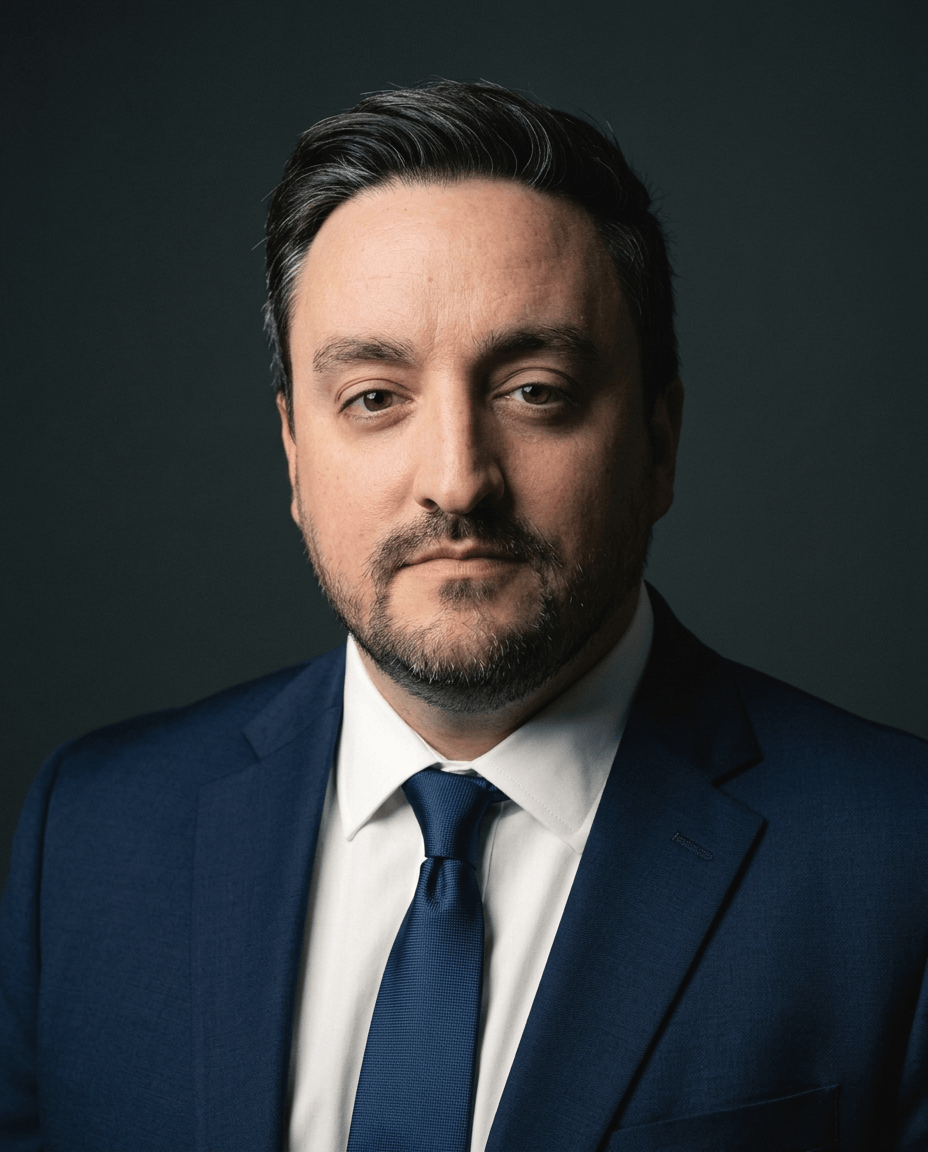



The most common reason a headshot looks off isn't the lighting or the wardrobe — it's the smile. Specifically, a held, mouth-only smile that's decayed into a grimace by the time the shutter clicks.
Across 10,000+ sessions at Studio Pod, our photographers coach the same handful of mechanics to fix it. None of them require you to be naturally photogenic. Here's the whole method.
Why most headshot smiles look fake
Two reasons, and they compound:
- You're smiling with your mouth, not your eyes. A genuine smile — the kind researchers call a Duchenne smile — crinkles the corners of the eyes. A mouth-only smile doesn't, and the brain reads the difference instantly as "posed."
- You held it too long. A smile has a natural life of about two seconds. Hold it while the photographer fiddles with settings and it curdles into a tense, frozen version of itself.
The one rule: smile with your eyes
If you take nothing else from this: engage the muscles around your eyes. Think of a small, real amusement — not a grin. The eyes do 80% of the work of a warm smile; the mouth is almost secondary. Practice it once in a mirror and you'll see the difference between "saying cheese" and actually looking friendly.
The reset technique
This is the pro move that fixes frozen smiles: don't hold it.
- Drop your face to neutral.
- Look away from the lens for a beat.
- Come back to the lens and let a fresh smile arrive right as the shot is taken.
A smile that just landed always beats one you've been holding for ten seconds. If you're shooting yourself, take many frames and reset between each.
Find your smile
There isn't one correct smile. There are three, and the right one depends on you and your field:
- Full smile — warm and open, good for approachable, client-facing, and creative fields.
- Soft smile — a gentle, closed-mouth or half smile. The safest, most universally flattering option.
- Quarter smile — barely there, more in the eyes than the mouth. Reads as confident and composed — strong for executive, legal, and finance.
Not sure? Generate all three and compare. The one that still looks like you is the winner.
Give it a real trigger
Forced smiles look forced because there's nothing behind them. Before the shot, think of something actually funny or someone you like for half a second. Your face does the rest — and it's the difference between a mask and a moment.
What to do with your mouth (and jaw)
- Teeth or no teeth? Whatever looks natural for you — don't force a toothy grin if it isn't yours.
- Push your forehead slightly forward and down ("the turtle"). It feels strange but defines your jawline and removes the double-chin a straight-on camera invents.
- Relax your lips between the corners; tension there is what makes a smile look strained.
The AI shortcut
Here's the honest advantage of AI headshots for anyone who freezes up on camera: you're not betting everything on one nervous moment. Upload 10–20 varied selfies — including a few genuine, eyes-engaged smiles — and the model learns your best expressions and generates dozens of shots. You pick the one where the smile actually landed. (Our selfie prep guide covers exactly which selfies to feed it, and how to be photogenic covers the rest of the mechanics.)
Prefer a real camera coaching you through it? Our sister studio, Studio Pod, does that in person in Houston.
Ready to put it to work? See pricing — 30+ professional headshots in about 30 minutes, from $29, with a 14-day money-back guarantee.
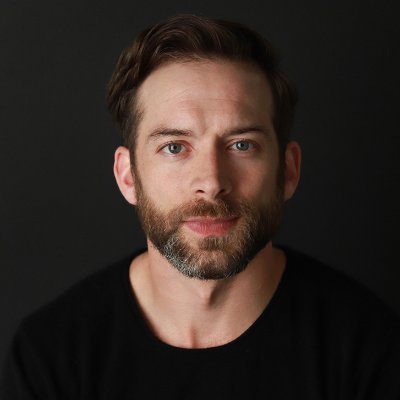
Joseph West
Founder of AI Headshots and Studio Pod — the automated headshot studio in Houston, Texas. Photographer first, AI engineer second.