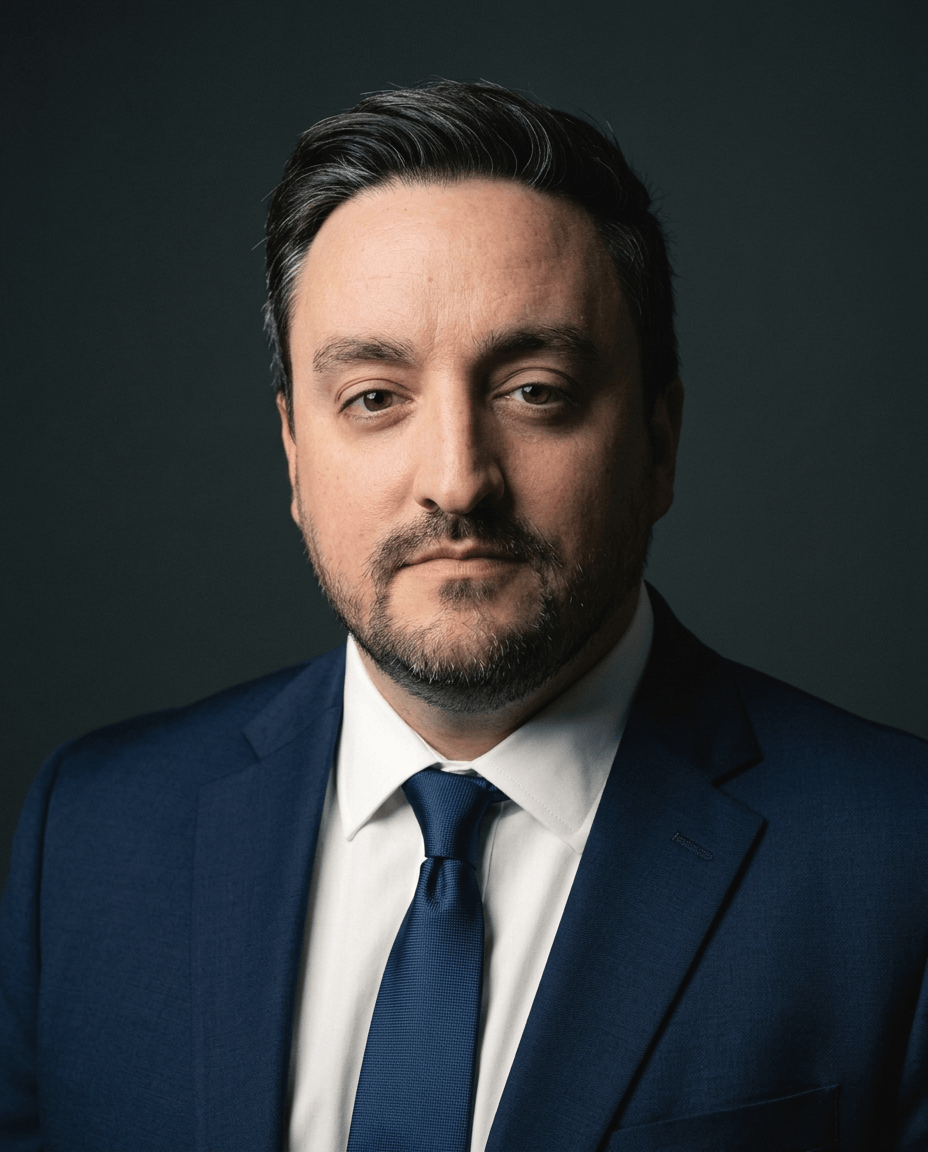
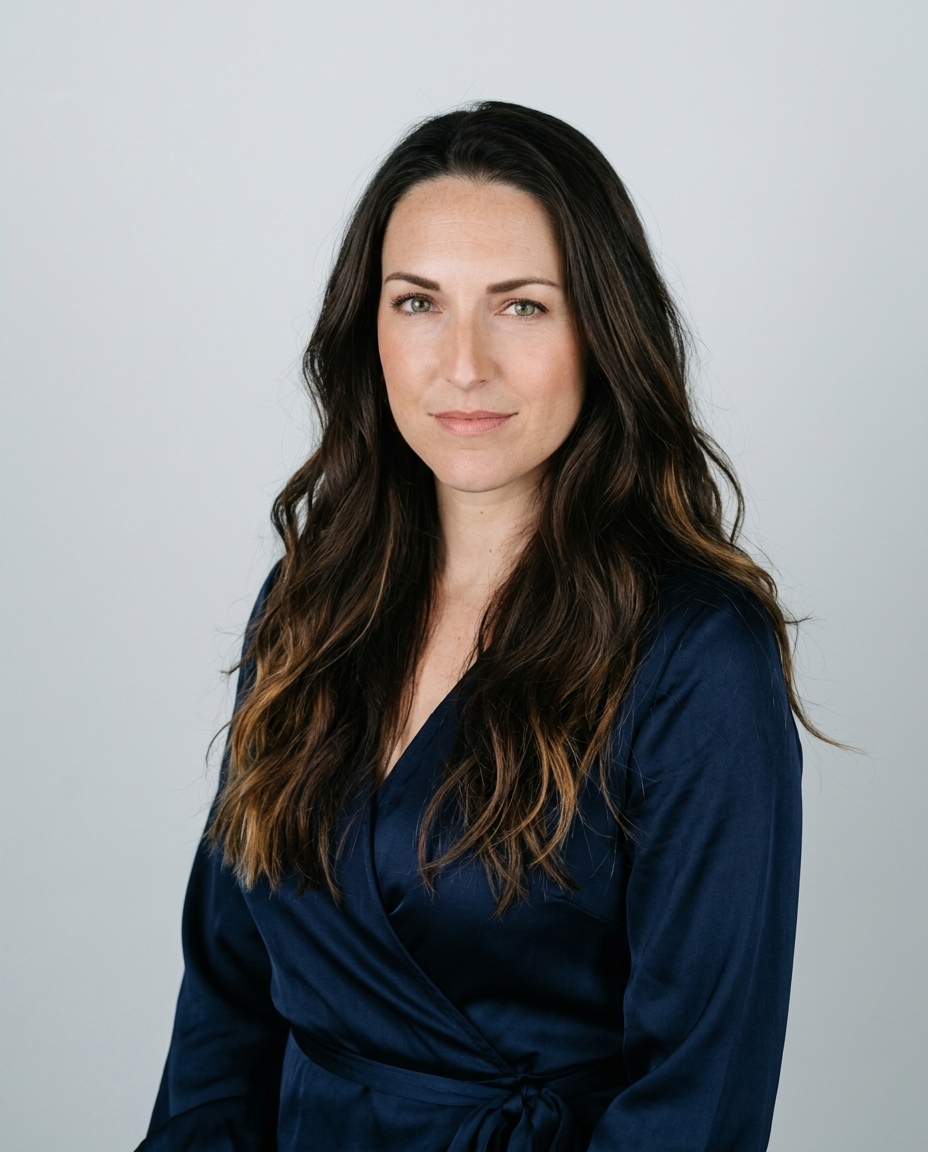

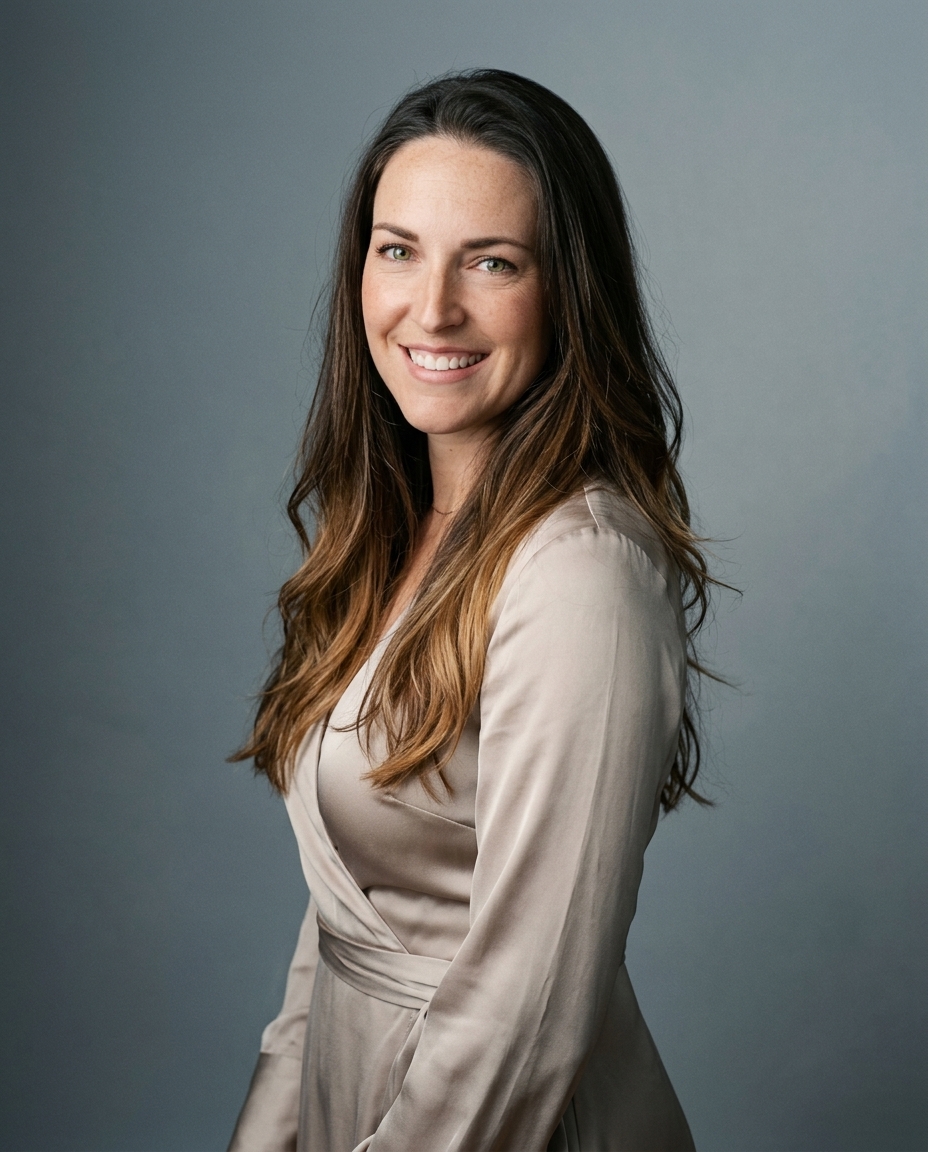
A face can form a first impression in about 50 milliseconds, and professional headshots have scored 75.93% higher in perceived competence than casual self-taken photos. For therapists, that makes a headshot a trust asset, not a decorative profile image.
Your photo often appears before your biography, credentials, or specialization. A prospective client sees it on a therapy directory, practice website, Google Business Profile, or search listing, then decides whether the page feels safe enough to keep reading. That decision happens quickly, especially for someone already feeling uncertain about reaching out for care.
Table of Contents
- Why your therapy headshot is your most important asset
- The warmth formula for therapy practice photos
- Traditional studios vs. modern AI options
- Designing for directories and small screens
- Getting your professional headshot ready
Why your therapy headshot is your most important asset
Therapists ask clients to share private thoughts with a stranger. The image attached to your name therefore carries a heavier responsibility than a standard corporate portrait. It needs to communicate warmth, competence, and emotional availability without looking staged or overly polished.
Research summarized in professional portrait guidance reports that people form impressions from faces extremely quickly, sometimes in as little as 1/8 of a second. A separate LinkedIn-related source reports that profiles with photos receive 21 times more views than profiles without one. Those figures come from professional networking contexts, not therapy bookings, but the underlying visual problem is similar. People use the face in front of them as an early signal of credibility and approachability. Professional headshot guidance for therapists connects that first-impression effect directly to therapist profiles across directories and practice websites.
The image sets the emotional temperature
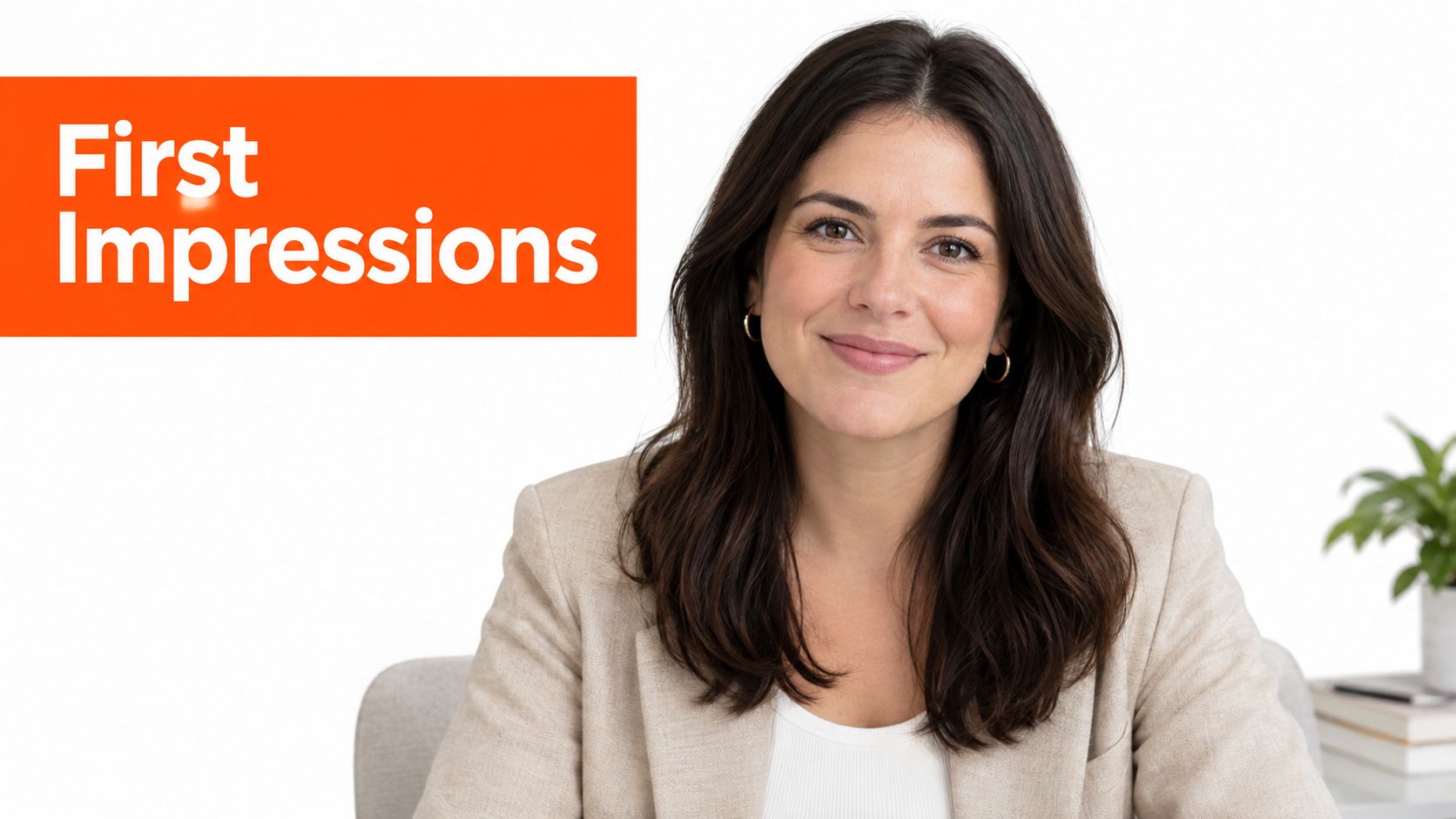
A stiff pose, hard light, or dated crop can make a capable therapist appear distant. A clear face, relaxed shoulders, and gentle expression create a more inviting entry point. That doesn't replace your credentials or clinical experience. It determines whether a visitor reaches them.
Independent mental-health marketing guidance describes the headshot as the single most important image on a therapy website. The reason is practical. The photograph sits near the beginning of the client journey and frames how visitors interpret everything below it. Photography and imagery guidance for therapy practices makes the same broader point: online discovery has made visual credibility part of private-practice infrastructure.
For a useful companion to the photograph itself, review these photo selection and bio tips. The bio and portrait need to agree. A calm, human image paired with clear, specific copy feels coherent. A warm biography paired with a severe corporate portrait creates friction.
The warmth formula for therapy practice photos
The strongest formula for headshots for therapists starts with warmth, then adds authority. That order differs from executive photography, where a stronger jawline, darker background, or formal posture can support the brief.
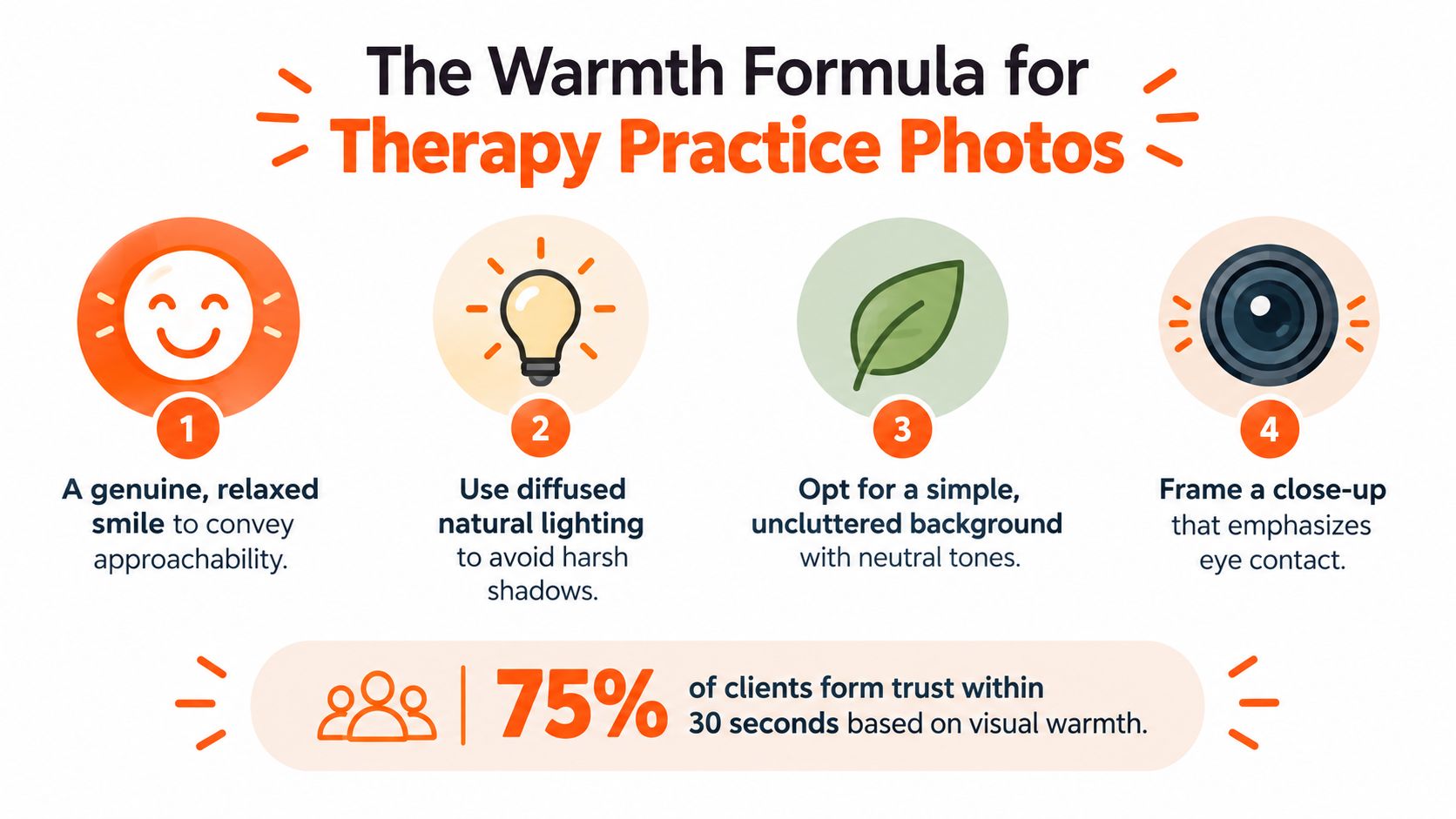
Use soft, diffused front light from a window or a large diffused source. Light placed close to the face reduces harsh shadows and keeps the eyes readable. Side light can work, but strong contrast across the face often feels dramatic rather than reassuring.
Keep the background plain or gently blurred. Neutral and warm tones work well because they don't compete with the face. Avoid stark white clinical rooms, busy bookshelves, and objects that suggest a particular diagnosis or treatment style unless that environment is central to your practice identity.
Build the expression before the pose
A genuine half-smile usually works better than a broad, performative grin. Keep direct eye contact with the lens, relax the shoulders, and introduce a subtle head tilt. The expression should look like an attentive conversation, not a sales presentation.
Wardrobe supports that expression. Choose warm neutrals, solid colors, and uncomplicated shapes. Loud patterns, heavy accessories, crossed arms, and aggressive authority poses pull attention away from the face or create unnecessary distance. A blazer can look professional, but it doesn't need to be paired with a power pose.
Practical rule: The image should signal warmth first and authority second.
The formula is simple:
- Light: Use soft, diffused front or gentle side light. Preserve detail in the eyes and avoid hard facial shadows.
- Clothing: Select neutral or warm solid colors that support your skin tone without dominating the frame.
- Expression: Use a relaxed half-smile, direct lens contact, relaxed shoulders, and a slight head tilt.
- Retouching: Remove temporary distractions while keeping recognizable features, scars, birthmarks, and natural texture intact.
Expression deserves deliberate attention. Facial cues can look different across specialties, cultures, and client groups, so don't force one version of “professional.” A therapist serving trauma clients, young people, executive clients, or a community practice can adjust clothing and setting while keeping the same underlying qualities of calmness and human presence. For more practical expression guidance, see happy facial expressions for professional photos.
Traditional studios vs. modern AI options
A traditional photographer gives you something an automated service can't fully reproduce: a real-time human directing your posture, expression, wardrobe, and interaction with the camera. That intervention matters, especially for people who tense up during portraits. A local headshot photographer typically charges an actual day rate of $300 to $600 or more, before you consider scheduling, travel, and retouching.
The trade-off is time and access. A studio session requires an appointment and usually produces a limited set of images from one physical setup. For a therapist updating a directory profile quickly, that process can be more commitment than necessary.
Modern AI options use uploaded selfies to create a range of professional images without a studio visit. The quality depends heavily on the input photos, identity preservation, lighting consistency, and how well the system handles natural expressions. Poor systems create plastic skin, unfamiliar facial structure, or backgrounds that feel artificial. Those failures are serious for therapy branding because recognition and authenticity matter.
Since 2019, over 10,000 professionals have been photographed in automated studio environments, showing that consistent results are achievable without a traditional lengthy session. Studio Pod brings photographer heritage to AiHeadshots. Founded by photographers Joseph West and Chris Bailey, Studio Pod has photographed 10,000+ real professionals since 2019, then built an AI product rather than retrofitting open models as a software team.
For a clear comparison of the two approaches, read AI headshots vs. a photographer. The right choice depends on whether you value live direction and physical authenticity above speed, or need a practical library of consistent images without booking a shoot.
Designing for directories and small screens
A therapy headshot must survive several formats: a directory card, mobile search result, provider page, practice website, and professional network. Each one crops and scales the image differently, often before a prospective client has read more than your name and specialty.
Use thumbnail-first composition. Frame the portrait chest-up or waist-up, keep the face prominent, and leave enough room for a square crop. The goal is an approachable face that remains recognizable at a glance, not the distant, formal look often used for corporate portraits. Favor soft, even light on the eyes, a clear facial outline, and a relaxed expression. Reduce background detail so the image still feels calm when compressed into a small tile.
At thumbnail size, subtle styling disappears first. Fine clothing details and office décor become noise. A direct gaze, visible eyes, and an expression that feels open carry more weight than an impressive setting.
A photograph that works on a desktop but fails as a directory thumbnail isn't finished.
Use one core portrait across platforms, then inspect each live crop before publishing. Check the square version on a phone. If the eyes look small, move closer. If the background competes with the face, simplify it. If the crop cuts through the chin or forehead, change the source composition instead of accepting an awkward automated crop.
Practices also need a consistent standard across staff directories, email signatures, and digital contact cards. Tools for managing team contact signatures can keep professional portraits aligned wherever clients encounter the practice. Consistent framing supports recognition, while small differences in expression and lighting can still preserve each therapist's personality.
Getting your professional headshot ready
Start with the directory and profile requirements. List every platform that will use the image, check its crop rules, and select a portrait that keeps your face clear in a square thumbnail. Review the image when your appearance changes significantly, so clients can recognize you in person, on video, and online.
Choose the production method around the result you need. A photographer provides live direction, physical lighting adjustments, and feedback on posture and expression. An online service can provide several polished options without a studio visit. AiHeadshots accepts 10 to 20 phone selfies and delivers 30+ studio-grade headshots in approximately 30 minutes. Its tiers are Basic at $29, Professional at $39, and Executive at $59. Teams receive volume pricing at 10 or more seats, from $22 to $29 per seat.
Use selfies with clear facial visibility, varied expressions, and no extreme filters. Keep the chosen result natural. A polished image still needs to look like you during a video consultation or in the waiting room.
For preparation steps, follow this guide to getting professional headshots. If you prefer an in-person session, use a professional business photo directory to compare local portrait photographers.
AiHeadshots offers a 100% money-back guarantee within 14 days. It serves more than 30,000 customers, has delivered 255,000+ headshots, and carries a 4.9-star rating. Uploaded inputs are retained for 7 days, generated outputs for 30 days, and billing records for 90 days.
Upload 10 to 20 selfies and review 30+ therapist-ready headshots in about 30 minutes with AiHeadshots. Choose the $29 Basic tier or compare pricing options before publishing your next directory profile.