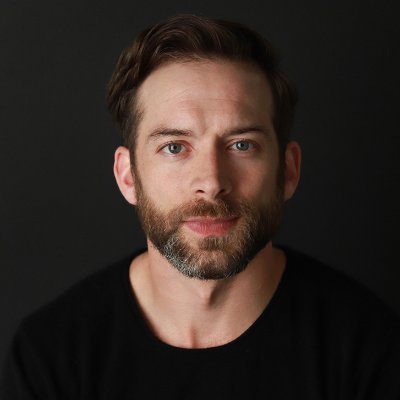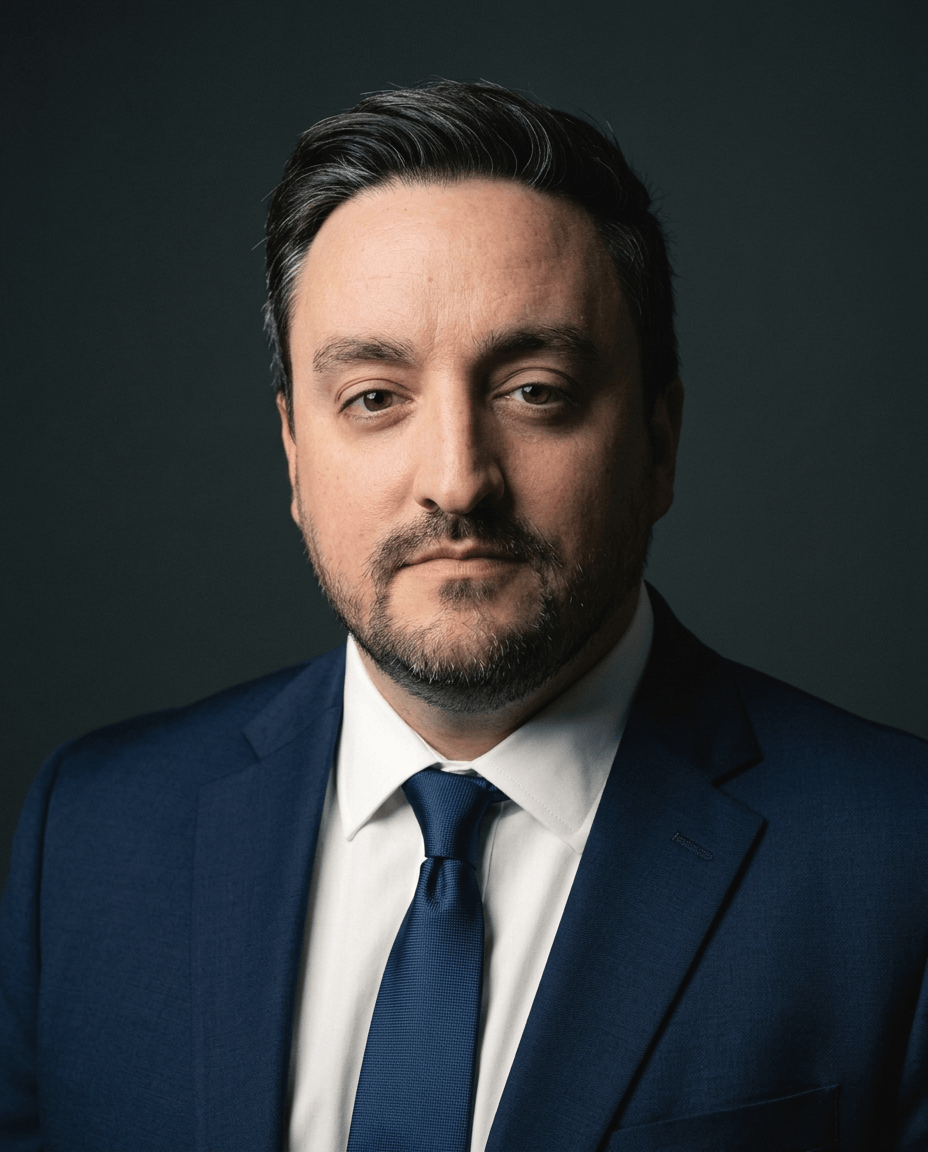
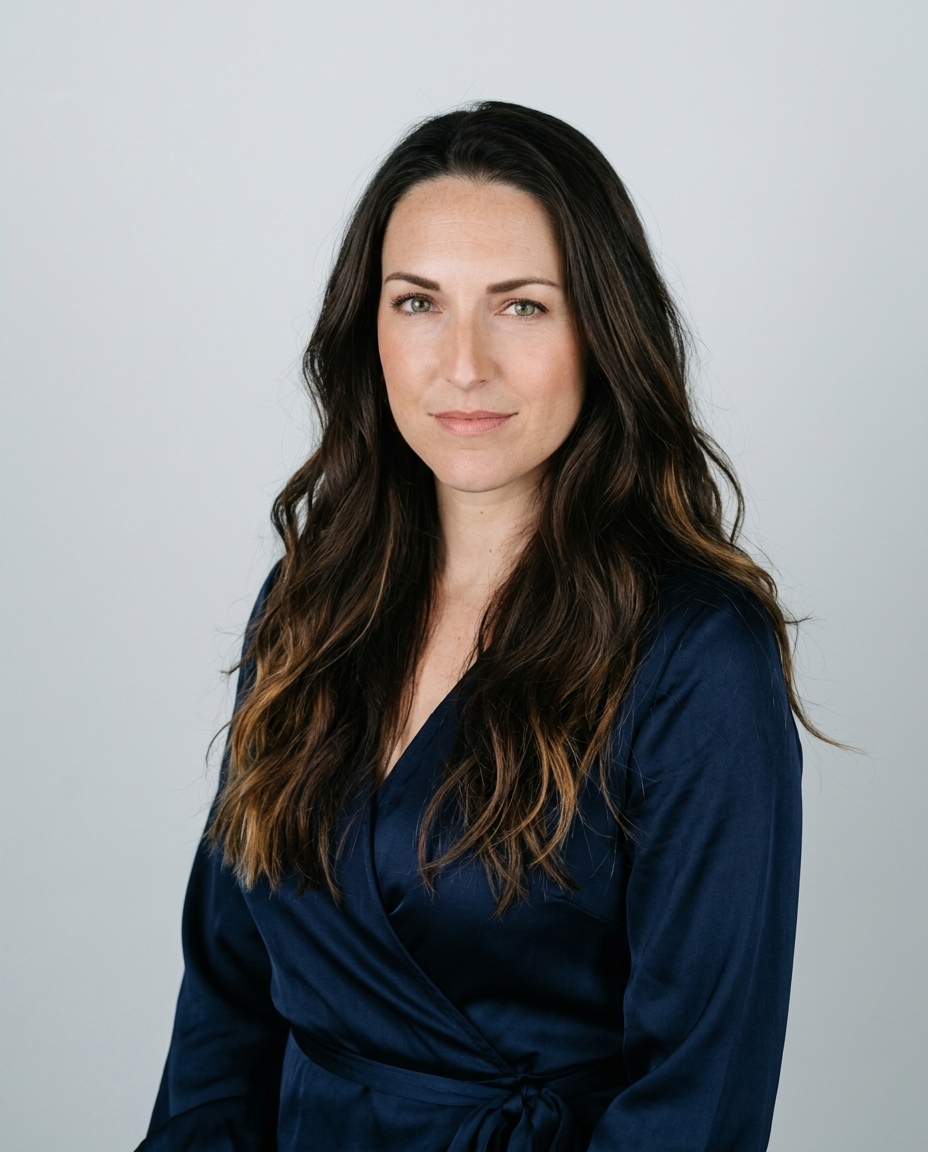
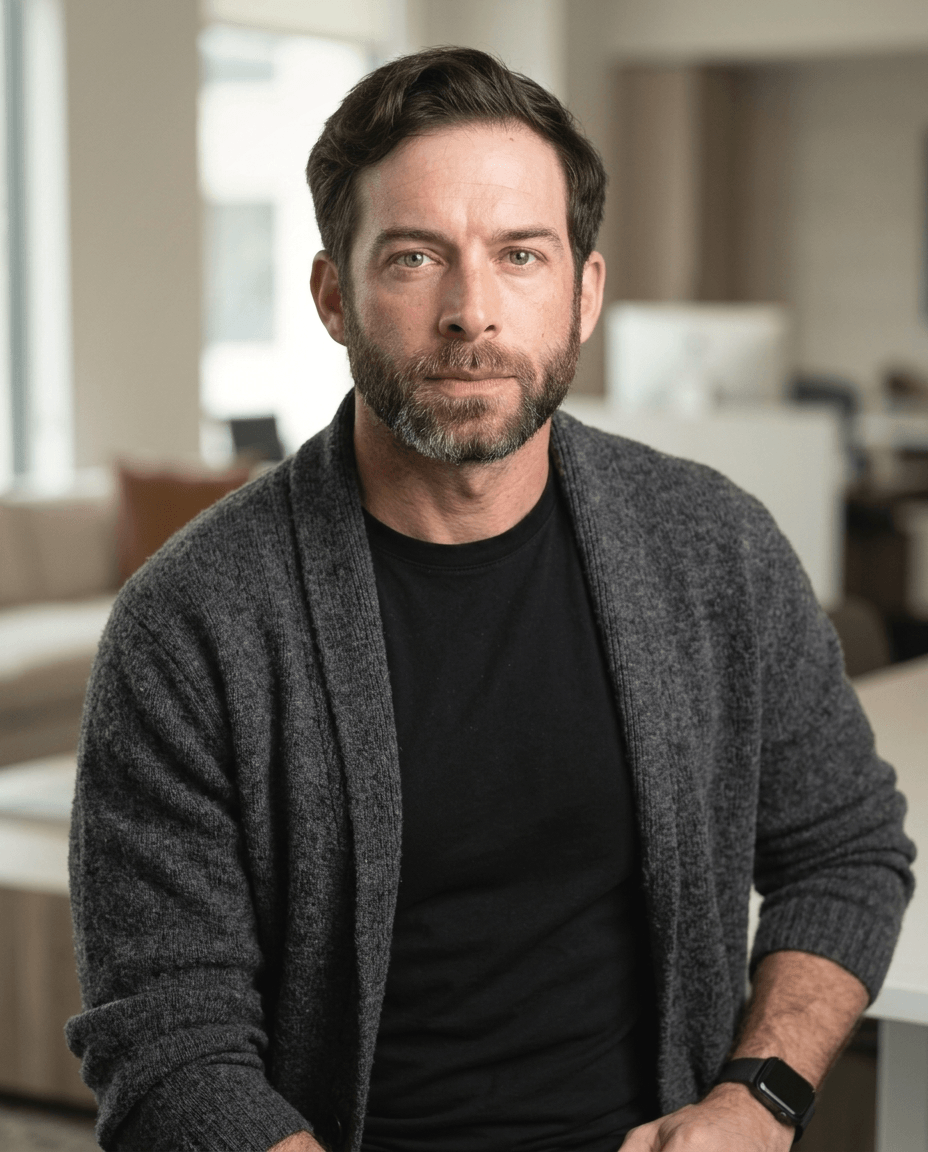

You've just been asked for a professional headshot, and the deadline is Friday. Your LinkedIn photo is outdated, the conference organizer needs a press image, and a casual phone picture won't represent your role. You're choosing between a quick app edit, an AI headshot service, a freelance retoucher, or a full studio session.
The right choice depends on likeness, finish, turnaround, usage, and budget, not on whether a service uses the word “AI.” Headshot retouching services range from simple cleanup to full image generation, and each option solves a different production problem.
Table of Contents
- Pricing breakdown for a polished professional headshot
- What professional headshot retouching covers
- Who buys headshot retouching services and what each group expects
- The manual retouching workflow behind every clean portrait
- AI retouching versus a human editor
- How to submit photos so retouching has something to work with
- Choosing a headshot retouching service without getting burned
- Quick answers and how to try AiHeadshots today
Pricing breakdown for a polished professional headshot
A senior product manager learns on Tuesday that a conference panel needs a credible image by Friday. A free phone app can brighten the face and blur the background, but it usually begins with an ordinary snapshot. It may look acceptable as a thumbnail and fail on closer inspection, especially around hair, glasses, skin texture, and facial proportions.
A same-day AI generation service costs more for that convenience. AiHeadshots creates studio-style outputs from uploaded selfies, while similar services commonly charge $29 to $79 for fast delivery. The trade-off is speed and choice versus dependence on the source selfies and the system's handling of facial details. From more than 10,000 studio sessions and our own AI pipeline, the pattern is consistent: clear, varied selfies give the system more useful information, but they do not guarantee perfect likeness in every frame.
A freelance retoucher on Fiverr may charge $15 to $60 per image. Experience and file complexity shape the final price. You gain direct revision control, though turnaround, communication, color judgment, and usage rights vary by seller. A studio session usually costs $250 to $700, followed by roughly $40 to $95 for retouching, as outlined in this guide to headshot prices. That option gives you the strongest control over lighting and expression, but requires scheduling, travel, and a photographer.
| Option | Typical cost | Turnaround | Likeness accuracy | Best fit |
|---|---|---|---|---|
| Phone photo with an app | Free to low cost | Minutes | Depends on the original photo | Temporary profile use |
| AI-generated headshot service | $29 to $79 | About 30 minutes | Strong when selfies are clear | Fast professional profiles |
| Freelance retoucher | $15 to $60 per image | Hours to days | Preserves the supplied image | Specific cleanup or revisions |
| Studio session plus retouching | $250 to $700, plus $40 to $95 editing | Days to weeks | Highest control at capture | Executives, campaigns, print |
Photo retouching is an “established component of commercial practice,” rather than a niche add-on. The broader photo retouching service sector was estimated at USD 4.82 billion in 2025, with a projection of USD 8.34 billion by 2032, representing roughly 8.15% annual growth, according to market reporting on photo retouching services.
Choose based on the job. AI reduces capture and delivery time, manual editing preserves tighter control over a supplied photograph, and a studio session gives the photographer control before retouching begins. The lowest price can cost more in revisions if the source image or likeness is wrong.
What professional headshot retouching covers
A polished headshot should look cleaner while remaining recognizably yours. In our studio and AI workflow, the standard retouching pass addresses temporary distractions and presentation issues, not identity.
The normal retouching pass
A retoucher usually reviews the image in this order:
- Skin cleanup: Remove temporary blemishes and distracting redness while keeping pores, texture, and natural variation.
- Eyes and teeth: Soften heavy under-eye shadows, correct small eye distractions, and brighten teeth without creating an artificial white shape.
- Hair and clothing: Remove flyaways, lint, dust, and isolated stray hairs. Reduce distracting collar or lapel wrinkles without making fabric look painted.
- Light and color: Correct white balance, exposure, skin tone, and minor stray-light problems. A restrained dodge-and-burn pass can clarify existing bone structure.
- Delivery: Export the approved image in the sizes and crops required for LinkedIn, a press kit, a company directory, or a conference badge.
A useful professional reference is the Legacy Builder founder photography guide, which emphasizes credibility, consistency, and a recognizable subject over cosmetic transformation.
The limits matter. Skilled retouchers leave head size, facial proportions, eye shape, nose bridge, jawline, posture, and recognizable expression intact. Permanent features such as freckles, scars, wrinkles, and moles should also remain unless the client requests a context-specific edit and understands the result.
Practical rule: Polish the photograph, not the person.
Professional face-retouching research supports this standard. One peer-reviewed method focuses on preserving image texture during skin correction. Another reports professional-grade retouching in under two seconds while preserving textures and distinctive facial features in its tested system, as described in the AutoRetouch research paper. In our production pipeline, automation handles consistent cleanup efficiently, while a human review catches identity shifts, uneven masking, and context-specific decisions. Over-smoothing removes pore detail and creates the waxy appearance associated with poor retouching. Full-face smoothing, structural reshaping, and digital tooth replacement turn professional polish into deceptive alteration.
Who buys headshot retouching services and what each group expects
The buyer changes the acceptable edit. An executive needs a discreet likeness for a press page. A job seeker needs a current image quickly. A company needs visual consistency across a cohort. An actor needs a portrait that follows agency and casting expectations.

Four buyer profiles
Executives and senior managers usually order one or two approved likenesses for board biographies, keynotes, press materials, and company pages. Privacy, discretion, controlled revisions, and restrained skin work matter more than a large gallery of variations. Their final files often need a high-resolution master plus web crops.
Job seekers and career changers prioritize speed, affordability, and recognizability. They need an image that looks current and professional on LinkedIn, a résumé, or an application profile. The acceptable edit is usually light. A recruiter should see the same person in an interview, not a digitally redesigned version.
Corporate teams and HR departments buy consistency. They want comparable framing, backgrounds, color treatment, and visual weight across employees, often for a careers site, directory, or employer-brand refresh. Portrait-retouching research identifies human-region priority and group-level consistency as core technical requirements, which means a team workflow should treat faces separately from backgrounds while maintaining a common output standard, as discussed in this portrait retouching dataset research.
Actors and models work from a stricter brief. They may need expressive, portfolio-ready portraits, comp-card files, or agency submissions where specific features must remain visible. A casting image can require more controlled cleanup than a corporate portrait, but structural changes still create a likeness problem.
Deliverables differ across all four groups. Executives need discretion and approval control. Job seekers need a usable file without production overhead. Teams need batch naming and consistent crops. Talent clients need exact compliance with their submission standards. A vendor that offers one generic retouching preset for all four groups isn't solving the same problem with equal care.
The manual retouching workflow behind every clean portrait
Manual retouching remains a visual judgment process. Software can remove pixels, but an experienced editor decides which pixels should stay. In a typical portrait workflow, raw culling and color grading take 3 to 5 minutes, skin work using dodge-and-burn and frequency separation takes 10 to 20 minutes, hair cleanup takes 3 to 5 minutes, teeth and eye brightening takes 2 to 4 minutes, background correction takes 5 to 10 minutes, and final sharpening and export take 3 to 5 minutes.
That puts a polished portrait in the 25 to 45 minute labor range for a skilled editor working at scale. A separate industry pricing summary places manual skin retouching at 15 to 45 minutes per portrait, while brush-and-plugin workflows can reduce that task to about 30 seconds per image, depending on the work required, as reported in this photo retouching statistics summary.

Where assisted editing changes the curve
AI-assisted editing shortens the repetitive stages. Automated masking can isolate the face, background tools can remove distractions, and bulk presets can align a team's color treatment. In our studio workflows, that can bring editing labor closer to 8 to 15 minutes per image when the source is clean and a human still checks color, edges, and likeness.
That reduction doesn't eliminate judgment. A system can identify a face, but it doesn't understand whether a particular mole is part of the subject's identity, whether a shadow makes the expression look tired, or whether a background edge feels believable. Dark hair against a dark backdrop, reflective glasses, jewelry, and mixed lighting still deserve inspection.
See the full process in this professional photo retouching guide.
The distinction between automation and replacement matters. Automated tools work well on repeatable corrections. Human editors remain responsible for exceptions, taste, and the final decision about what makes the portrait look like the subject.
AI retouching versus a human editor
AI retouching and human editing are not interchangeable services. They optimize different parts of the job. AI-assisted systems are built for speed, repeatability, and volume. Human editors are better at interpreting unusual light, preserving subtle texture, and deciding when an edit has gone too far.
| Dimension | Human retoucher | AI retouching |
|---|---|---|
| Skin texture | Strong control over pores, tone, and local transitions | Fast correction, but over-smoothing remains a risk |
| Team consistency | Requires a style guide and careful batch review | Repeatable treatment across a defined batch |
| Turnaround | Slower as image count and complexity rise | Fast for standardized corrections |
| Price per head | Higher labor cost, often tied to complexity | Lower cost for repeatable work |
| Best use | Executive, actor, print, or unusual portrait work | Team batches and professional web profiles |
Human editing wins when the image carries reputational weight. An executive portrait on a financial firm's leadership page, an actor's submission image, or a photograph destined for a large print deserves close inspection of skin transitions, glasses, hair edges, and facial structure. A human can also follow a nuanced instruction such as “reduce the tiredness under the eyes, but keep the expression serious.”
AI retouching wins when consistency matters across many subjects. Teams don't want one employee with warm skin, another with cool skin, and a third with a different background treatment. Automated correction also handles repeatable tasks faster and at a lower per-person cost than a full manual pass.
The failure modes are predictable. Lower-quality systems can over-smooth skin, subtly alter facial structure, or struggle with glasses, jewelry, difficult contrast, and some skin tones. A clean source image narrows those risks. A human review step catches the rest.
AiHeadshots is one example of a photographer-built workflow rather than a software team retrofitting open models. Studio Pod, its parent studio in Houston, was founded by photographers Joseph West and Chris Bailey, and the team has photographed 10,000+ real professionals since 2019. That heritage shapes the comparison. The relevant question isn't whether an output looks polished in isolation. It's whether the person remains recognizable and credible. This AI headshots versus photographer comparison lays out the production differences in more detail.
How to submit photos so retouching has something to work with
Retouching can't fully repair a source image with blocked eyes, harsh color, or a cropped forehead. Good input gives both a human editor and an automated system enough information to preserve the subject accurately.

Start with light
Use even, soft front light or light positioned about 45 degrees from the face. Avoid direct flash and hard shadows across the eyes, nose, or cheeks. Mixed color temperatures, such as daylight from one side and a warm lamp from the other, make skin-tone correction less reliable.
Window light works when it is indirect. A shaded outdoor area also works. The goal isn't dramatic modeling. It's enough facial information for the retoucher to refine rather than reconstruct.
Frame the subject cleanly
Shoot head and shoulders with a small margin above the head. Keep the camera at eye level, place the eyes roughly one-third from the top of the frame, and don't crop into the chin or forehead. A straight-on angle gives the service more usable information than a heavily tilted selfie.
For technical quality, send an unedited original in RAW or high-quality JPEG when possible. Use at least 1 megapixel for digital use and 4 megapixels for print, based on the intended output rather than the phone's maximum setting.
Keep expression natural
Relax the jaw. Use a slight natural smile if it suits the role. Keep the head level and avoid squinting. Both ears should be visible where possible, particularly for a company-wide batch where consistent framing matters.
Tell the service what not to change. “Don't slim the face” and “keep the jawline natural” are useful instructions. Heavy makeup, sunglasses, busy backgrounds, group crops, blur, and distracting foreground objects reduce the available detail before editing begins.
Choosing a headshot retouching service without getting burned
Price alone is a poor vendor filter. A low per-image quote becomes expensive when you spend your time correcting inconsistent files, chasing revisions, or discovering that the service stores faces longer than expected.
The five checks that matter
Turnaround: Ask whether the promise applies to one image or an entire batch. A vendor that advertises a fast single-image delivery but gives no batch schedule has left the operational risk with you.
Revisions: Ask how many rounds are included, how quickly each round returns, and what counts as a re-edit. “Unlimited revisions” without a definition is not a useful guarantee.
Source handling: Ask about accepted file types, resolution, color profile, and whether the service works from RAW or compressed JPEG files. A vendor that accepts poor inputs without warning may be optimizing for order volume rather than portrait quality.
Data and model use: Ask whether uploads train a generator, how long originals and outputs are retained, and whether deletion requests are supported. Retention should be explicit. For example, one photography privacy policy keeps local-server images for a maximum of 60 days, cloud images for 30 days after purchase, and then permanently deletes them, as stated in this published image retention policy. Business-record requirements can differ. Government records guidance notes that digital photographs may require retention of 7 years or less on digital storage media when treated as records, as explained in this digital photographs records advisory.
Deliverables: Confirm web files, high-resolution exports, social crops, print readiness, and usage rights. Don't assume a low-resolution download is suitable for a press kit or printed badge.
| Criterion | What to ask | Green flag | Red flag |
|---|---|---|---|
| Turnaround | Is the SLA per image or per batch? | Clear delivery definition | Vague “fast” language |
| Revisions | What counts as a re-edit? | Written revision policy | Unlimited claims without scope |
| Source files | What resolution and formats are accepted? | Clear technical requirements | No quality floor |
| Data use | Are uploads used for training? | Explicit consent and deletion rules | Unclear retention |
| Deliverables | What files and crops are included? | Listed formats and usage rights | One generic download |
AiHeadshots offers a useful example of a defined product workflow. Its tiers are Basic at $29, Professional at $39, and Executive at $59, with Teams volume pricing of $22 to $29 per seat at 10 or more seats. Customers upload 10 to 20 phone selfies, receive 30+ studio-grade headshots in about 30 minutes, and receive a 100% money-back guarantee within 14 days. The product states 7-day input retention, 30-day output retention, and 90-day billing retention, with no model-training clause on user uploads, web-resolution files plus 4K export, and free regeneration on the AI tier.
Quick answers and how to try AiHeadshots today
How fast can a retouched headshot be ready? A manual retouch can take from minutes to much longer depending on complexity and queue. AiHeadshots describes a workflow that returns a first set in roughly 15 minutes from clear selfies, while its product offering delivers 30+ options in about 30 minutes.
Can retouching fix bad lighting? It can balance exposure and color, but it can't reliably recover detail hidden by severe shadows, blur, or glare. Better source light produces a more believable result.
Is an AI-generated headshot acceptable on LinkedIn? It is acceptable when the image remains a truthful representation of you and follows the expectations of your role. Avoid edits that change recognizable features or create an appearance you can't maintain in person.
What resolution is needed for print versus web? Use at least 1 megapixel for digital use and 4 megapixels for print. Confirm the final print dimensions with the vendor before ordering.
What happens to uploaded selfies? Check the provider's written retention policy before uploading. AiHeadshots states that inputs are retained for 7 days, outputs for 30 days, and billing records for 90 days.
Upload five or more clear selfies to AiHeadshots at aiheadshots.me and expect a first set of retouched headshots in roughly 15 minutes. If the result needs tighter skin work or wardrobe correction, request human review where that option is available.
AiHeadshots gives you 30+ studio-grade headshot options from phone selfies, without a studio visit, with plans starting at $29 and delivery in about 30 minutes. Visit AiHeadshots to submit your photos and choose the headshot retouching service workflow that fits your deadline.