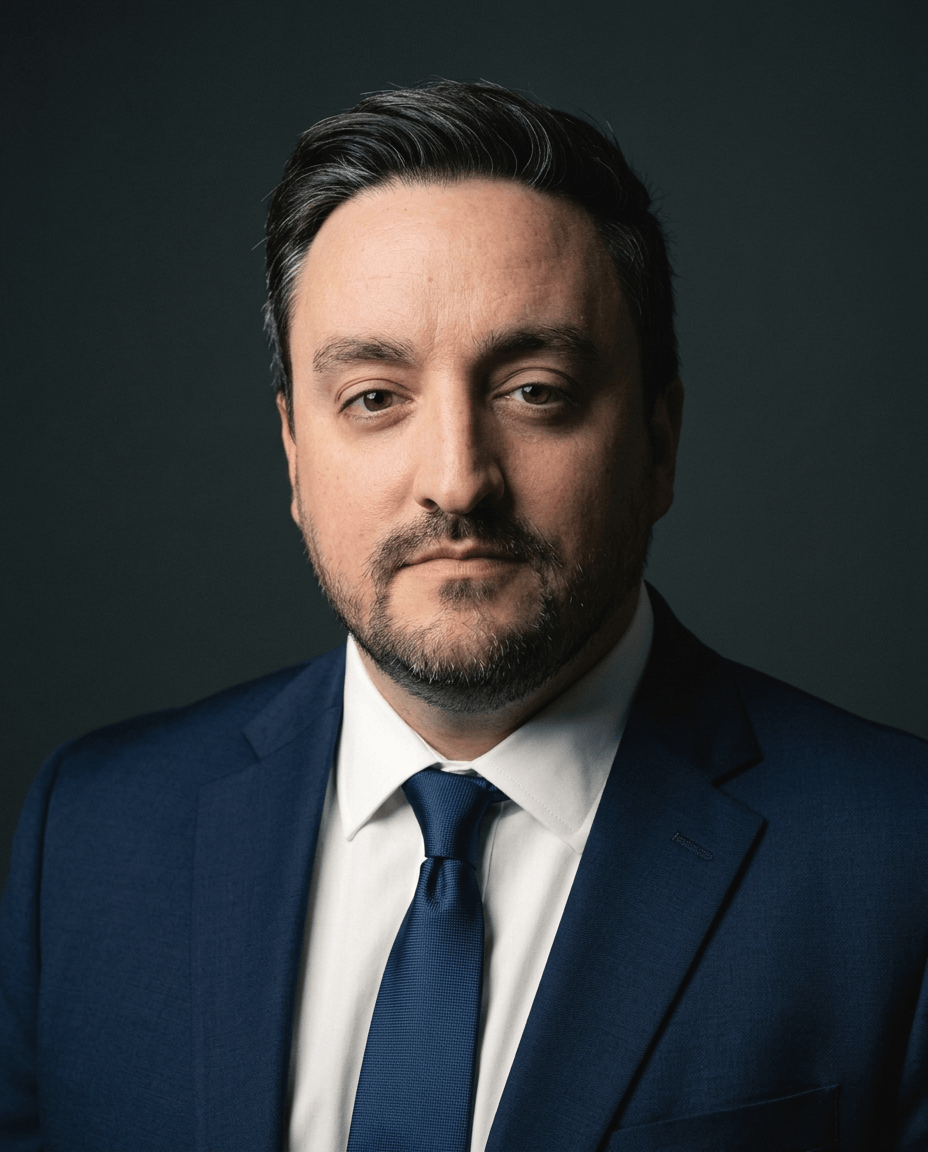
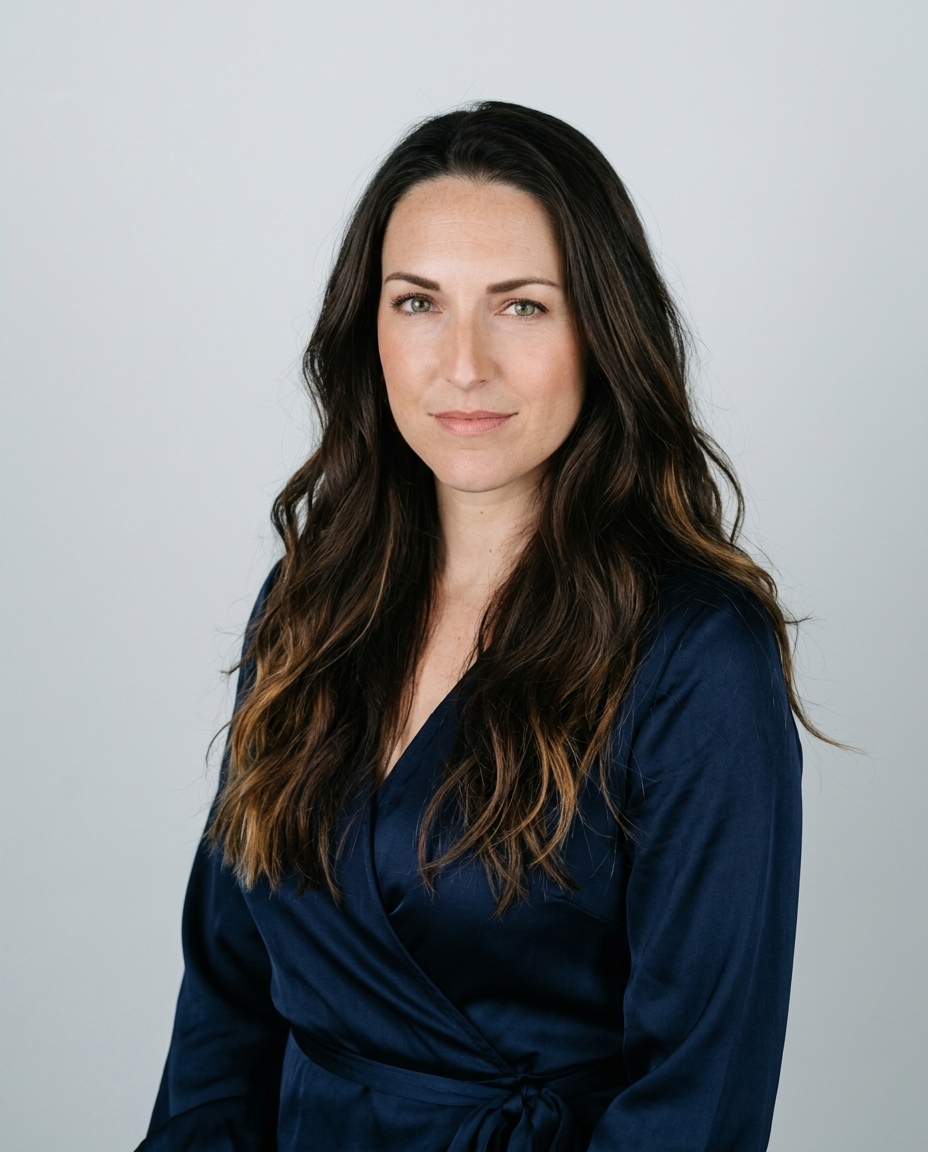
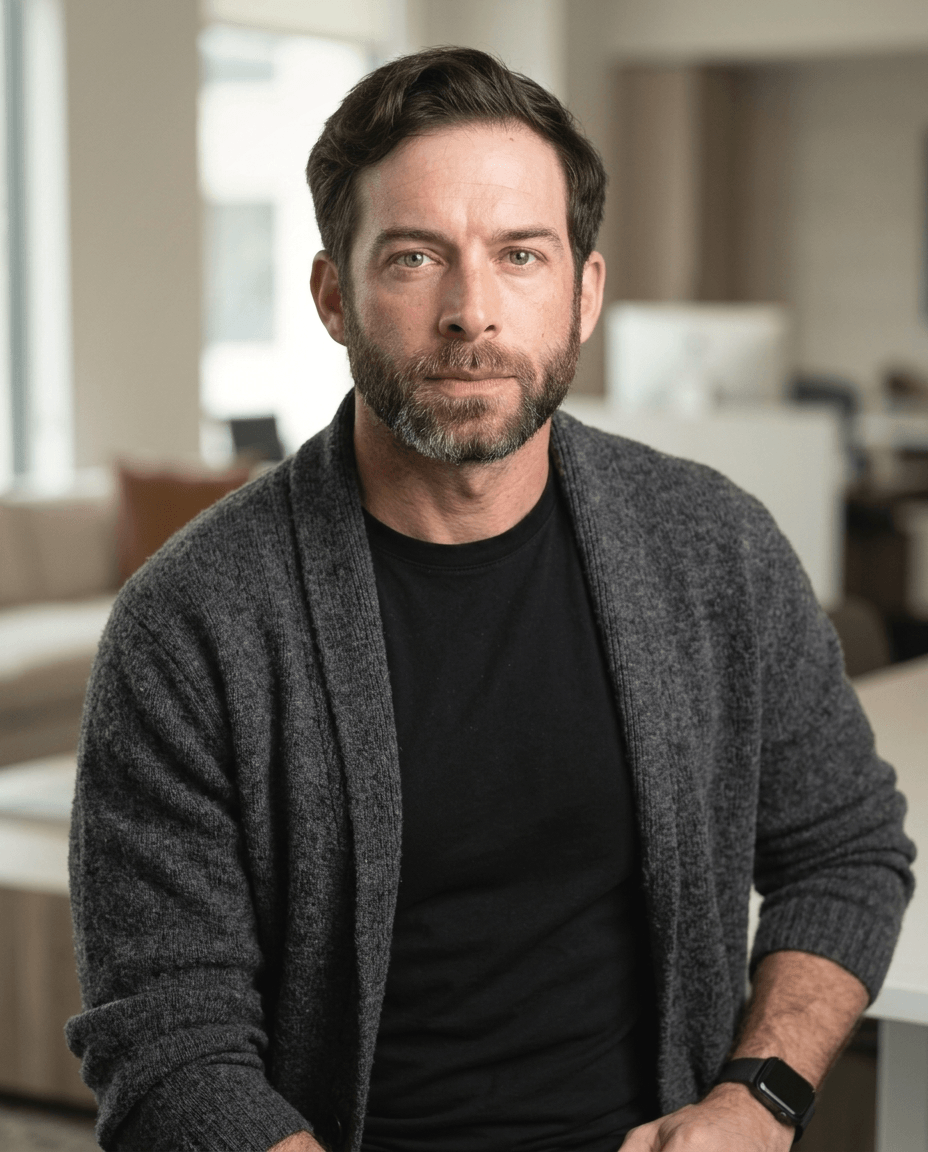
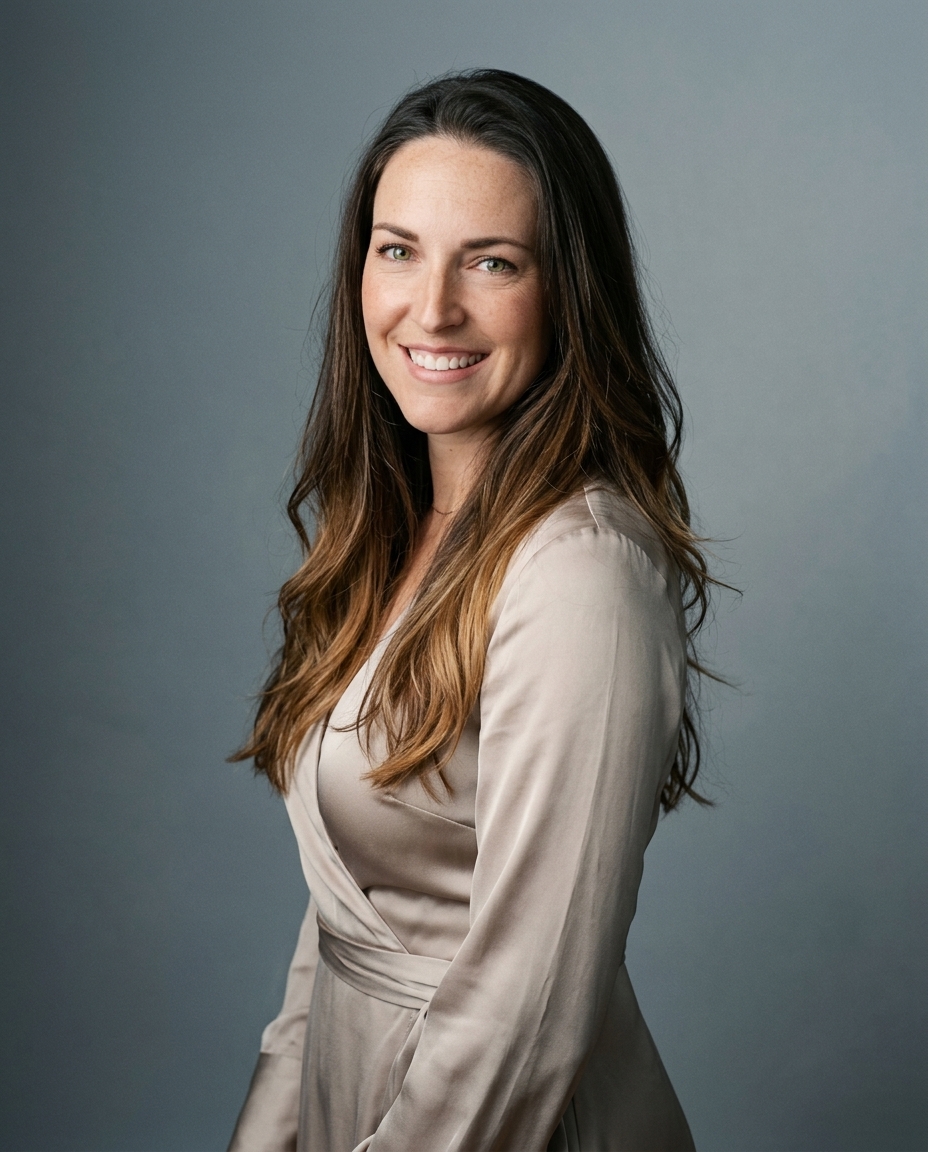

Most advice about good headshots vs bad headshots starts in the wrong place. Sharpness, resolution, and retouching matter, but they don't rescue a photo that no longer looks like you. A technically flawless portrait of an unrecognizable person is a bad headshot.
The dividing line is likeness. A strong headshot shows a clear, recognizable, appropriately presented version of the subject. The eyes read at thumbnail size. The face has believable proportions. The lighting supports the expression instead of disguising it. The image fits its professional setting.
That standard matters because viewers judge profile images quickly. A widely cited facial-perception study found that people form impressions from a face in about 100 milliseconds through the LinkedIn benchmark and facial-perception evidence. Another summary reports that judgments about competence, likability, trustworthiness, and aggressiveness can occur in as little as 46 milliseconds in its review of professional headshot perception.
A bad image creates friction before anyone reads your title or experience. A good one makes your identity immediately legible. That same threshold applies to LinkedIn, executive bios, company team pages, press kits, speaker profiles, and AI-generated portraits.
Table of Contents
- What Separates a Good Headshot From a Bad One
- The Defining Visual Differences
- Side by Side Headshot Examples
- Common Mistakes and Quick Fixes
- Choosing Headshots for Different Uses
- A Practical Headshot Checklist for Professionals and Teams
- How to Get a Better Headshot
What Separates a Good Headshot From a Bad One
A good headshot isn't defined by expensive equipment. It isn't defined by flawless skin. It isn't even defined by a dramatic studio background.
It succeeds because the viewer can answer three questions immediately:
- Who is this person?
- What professional impression are they presenting?
- Does the image look believable?
If the answer to the first question is uncertain, polish becomes a liability. A face that has been reshaped, excessively smoothed, or altered into an idealized version of the subject creates a credibility gap. The person in a video call, interview, meeting, or event line-up no longer matches the image.
Practical rule: A headshot should look like you on a very good day, not like a different person with your features.
Research supports the weight of that first visual read. One portrait study found that photo-based liking judgments predicted later interaction-based judgments one month later, meaning a still image can influence how people evaluate someone after meeting them in the published behavioral research. A separate study reported a 50% higher competence score for the same person when lighting, focus, and polish improved in its comparison of higher- and lower-quality headshots.
That doesn't mean every professional needs a formal, expressionless portrait. It means your image must communicate the right version of you for the role. A lawyer, founder, physician, recruiter, and creative director can all use different levels of warmth and formality. None should look misleading.
Likeness beats cosmetic perfection
Photographer-built AI deserves the same test. If the output preserves your jawline, eye shape, skin texture, hairline, and overall facial character, it can serve as a practical professional portrait. If it changes those identifiers, it fails, even when the lighting looks expensive.
Professional photography has the same responsibility. A photographer can use angle, light, wardrobe, and expression to show you clearly. Retouching should remove temporary distractions, not erase the features people use to recognize you.
The rest of this guide focuses on the visible decisions that determine that result: framing, eye focus, light direction, expression, background, color, and retouching restraint.
The Defining Visual Differences
Viewers don't inspect every technical detail first. They register a few strong signals, then form an opinion. The table below gives you a fast audit for any portrait.
Defining Visual Differences Between Good and Bad Headshots
| Visual Attribute | Good Headshot | Bad Headshot |
|---|---|---|
| Framing | Head and shoulders fill the frame with deliberate headroom | Face is tiny, cramped, or cut at an awkward point |
| Eye-line | Eyes face the viewer or a purposeful off-camera point | Gaze is distracted, unfocused, or aimed at the screen preview |
| Lighting | Soft direction creates shape while keeping both eyes readable | Overhead or frontal light flattens the face or creates hard shadows |
| Focus | Eyes are crisp, with natural catchlights | Focus falls on hair, nose, clothing, or background |
| Expression | Relaxed and appropriate to the role | Forced smile, blank affect, or exaggerated intensity |
| Background | Simple, quiet, and compatible with the channel | Cluttered, branded, bright, or visually competitive |
| Color | Skin tone and clothing appear believable | Skin is orange, gray, over-whitened, or poorly balanced |
| Retouching | Temporary distractions are reduced without changing identity | Skin texture, jawline, eyes, or facial proportions look artificial |
Framing controls authority and approachability. A head-and-shoulders crop usually works well for profile use because facial detail remains visible after platform compression. Too much headroom makes the subject feel distant. A crop through the chin or neck looks careless.
Eye focus is essential. Sharp eyes create presence. Missed focus makes the whole portrait feel amateur, even if the background blur is attractive. Look for a small catchlight that gives the eyes life without making them appear edited.
Lighting direction should reveal structure. Place a soft key light at or slightly above eye level, then watch the shadow under the brow, nose, and chin. Flat frontal light removes dimension. Hard overhead light deepens under-eye shadows. A controlled shadow is useful. A dirty shadow is not.
Expression must match the professional context. A recruiter may need warmth. An executive profile may call for composed authority. A speaker page can support more energy. A genuine teeth-showing smile was the strongest positive factor for likability in research summarized from a large PhotoFeeler dataset, while formal dress gave the strongest single boost for competence and influence in the 2026 headshot trend analysis.
Retouching should preserve evidence of a real face. Remove temporary blemishes. Keep pores, natural lines, and recognizable proportions. A polished headshot that looks synthetic will lose trust faster than a modestly imperfect one.
A crowd-sourced comparison found that professionally taken headshots increased perceived competence by 75.93% on the same faces versus amateur photos in the published comparison. The important point is not perfection. It's control over the photographic variables people read as competence.
Side by Side Headshot Examples
The easiest way to judge a headshot is to hold the subject constant and change one decision at a time. The person doesn't need a different face. They need better control over the photograph.

Start with framing. A chin-tight crop can make the head appear to float, especially when the cut lands directly below the jaw. A loose waist-up crop gives the viewer too little facial information for a small profile circle. A crop that includes the upper shoulders and collar gives the face context and survives resizing better. More examples of this distinction appear in these good headshot examples.
Now compare lighting. Soft directional light from slightly above eye level shapes the cheekbones and keeps the eyes open. Flat overhead office light pulls the face downward with dark eye sockets and a heavy nose shadow. The subject hasn't changed. The viewer's reading has.
Focus creates another sharp divide. In the credible version, the nearest eye is crisp and the skin texture remains natural. In the weak version, the camera focuses behind the subject or on the clothing. A blurred eye makes the person look absent, even when the pose is correct.
Expression works the same way. A relaxed, engaged expression shows controlled warmth. A forced smile tightens the mouth and cheeks. A flat affect makes an otherwise polished portrait feel unapproachable. Ask for a small change in energy rather than a theatrical pose.
The background should support the face. A clean, low-contrast wall keeps attention where it belongs. A cluttered office, saturated graphic, or visible brand mark competes with the subject and can make the image age quickly.
Retouching is the final comparison. Natural texture and accurate proportions create confidence. Excessive smoothing produces plastic skin. Over-whitening the eyes or teeth changes the emotional signal. Warping the jawline breaks likeness.
Each decision looks minor in isolation. Stack poor decisions together and the portrait becomes unrecognizable, distracted, or unsuitable for the platform. Stack disciplined choices and the same person reads as credible.
Common Mistakes and Quick Fixes
Most weak headshots aren't ruined by one dramatic error. They fail through small problems that pull attention away from the face. Fix the largest distraction first. Don't start with skin retouching while the light is still creating black eye sockets.

Correct the light before correcting the face
Harsh under-eye shadows usually come from overhead light. Raise or reposition the key source so it sits at or slightly above eye level. Add a subtle reflector below the face if the lower shadows remain heavy. Don't flood the portrait with frontal light. You still need direction and shape.
A hard rim light can also cause squinting. Diffuse the source or angle it away from the subject's eyes. The rim should separate the head from the background, not force the subject to fight the light.
Dead-on frontal framing often makes the face look broad and flat. Turn the subject a quarter turn toward the light, then bring the eyes back toward the camera. This creates shape without hiding the face.
Fix the crop and clothing
A cut-off chin is a framing error, not a retouching problem. Step back and include the upper shoulders and collar. Avoid a crop that slices through the jaw, neck, elbows, or other visual joints without a clear reason.
A wide-open smile can create harsh lip lines when the expression isn't relaxed. Ease into a closed-mouth smile or a gentle Duchenne expression, where the eyes engage naturally with the mouth. The result should look like a real response, not a command to smile.
Clothing should frame the face, not advertise itself. Replace busy patterns, prominent logos, and distracting branding with solid, mid-tone neutrals near the jawline. A jacket, knit, blouse, or shirt can add structure, but it shouldn't become the loudest shape in the image.
Check the file before publishing
Low resolution turns good lighting into mush after compression. Start with the highest-quality file available and keep a full-resolution master. Then inspect the final crop where it will appear. A portrait that works large can lose eye detail inside a small social profile circle.
For detailed correction rather than a quick camera adjustment, review practical headshot retouching services. The retoucher should correct color, temporary marks, and distracting inconsistencies while protecting the subject's actual features.
Choosing Headshots for Different Uses
One headshot rarely serves every channel equally well. A LinkedIn circle, executive bio, team directory, speaker page, and press kit give the image different amounts of space and different expectations. Build a small set of related crops instead of forcing one file into every container.
Headshot Treatments by Use Case
| Use Case | Crop & Framing | Expression & Energy | Background |
|---|---|---|---|
| Tight head-and-shoulders crop | Approachable and alert | Quiet, low-contrast, uncluttered | |
| Executive profile | Slightly wider three-quarter crop | Reserved, composed authority | Neutral studio or restrained environment |
| Corporate team page | Matching head-and-shoulders or three-quarter crops | Consistent level of warmth | Same tone, backdrop, and visual treatment |
| Speaker bio | Head-and-shoulders or three-quarter crop | More expressive and energetic | Clean setting or subtle speaking environment |
| Press kit | High-resolution portrait with an alternate environmental option | Professional and adaptable | Neutral version plus editorial setting |
For LinkedIn, prioritize facial clarity at a small size. Keep the background from competing with the platform interface. A warm but controlled expression works better than a formal stare.
Executive profiles and board pages can support more clothing structure and a little more space around the body. Use clothing with structure and a restrained expression when authority matters more than approachability.
Team pages need discipline. Matching crops, light direction, background tone, and color grading make the page read as one organization. Individual portraits can still show personality, but the visual rules should remain shared.
Speaker pages allow more energy. A slight turn, active expression, or hint of the speaking environment can reinforce the role. Press kits should give editors choice. Supply a neutral high-resolution portrait and an environmental option, both with accurate likeness and clean files.
A 2026 guide notes that corporate headshot packages increasingly need separate LinkedIn, website bio, press or speaking, and high-resolution master deliverables because one crop rarely works across every surface in its multi-channel guidance. Treat the image as a system, not a single square.
A Practical Headshot Checklist for Professionals and Teams
Run this checklist before you book, shoot, generate, or publish a portrait. It catches the problems that survive casual approval.
For individuals
- Likeness: Compare the image with your current face in natural conversation. If someone who knows you hesitates, reject it.
- Eyes: Confirm that the eyes are the sharpest important detail and still read after a small crop.
- Light: Check that the light opens the face without eliminating all shadow.
- Expression: Match the energy to the channel. Don't use a theatrical smile for a formal executive page.
- Clothing: Choose solid colors or restrained textures. Keep logos and busy patterns away from the jawline.
- Background: Select a background that supports the intended use instead of competing with the face.
- Crops: Prepare the orientation and crop for each platform. Keep a larger master for future placements.
- Color: Check skin tone, wardrobe color, and white balance on more than one screen.
- Brand consistency: Use a retouching and color style that matches your website, social profiles, and other professional materials.

Managers need a second layer of control. Set one backdrop family, one lighting direction, one crop standard, and one color treatment. Approve a single retouching boundary. Store high-resolution masters centrally so individual edits don't drift across the team. For teams publishing regularly, a LinkedIn content creation tool can help coordinate profile updates and supporting content around the refreshed imagery.
Traditional studio photography gives you direct control over pose, light, feedback, and likeness. It fits a high-stakes portrait where you need to make adjustments during the session. On-location photography adds environmental context and works well for editorial or brand storytelling, but it demands tighter control over changing light and backgrounds.
Photographer-built AI headshots fit a different operating need. They suit professionals or teams that need volume, fast delivery, or a lower entry price while still requiring recognizable faces. Review the output at small sizes, not just in a large preview. Likeness must survive compression.
How to Get a Better Headshot
Choose the route that protects likeness under your real constraint. A polished image that no longer resembles you is a bad headshot.
Book a traditional photographer when likeness fidelity matters most, the schedule allows a dedicated session, and you need one high-resolution portrait with live direction. A photographer can adjust light, angle, wardrobe, and expression while watching your face in real time. A typical photographer day rate starts around $300 to $600 or more, so use this route when the session itself deserves the investment.
Choose retouching plus a reshoot when one problem weakens an otherwise usable file. Reshoot bad lighting, missed focus, a distracting expression, or clothing that does not fit the intended role. Retouching can refine a strong capture. It cannot fix every capture problem without damaging likeness.
Choose AI headshots when volume, turnaround, or budget controls the decision. AiHeadshots is a photographer-built AI service from Studio Pod in Houston. Studio Pod was founded by photographers Joseph West and Chris Bailey. The service uses photographer experience to produce headshots without a studio visit.
Upload 10 to 20 phone selfies. AiHeadshots delivers 30+ studio-grade headshots in about 30 minutes. Plans are Basic at $29, Professional at $39, and Executive at $59, with Teams volume pricing at 10+ seats, priced at $22 to $29 per seat. It offers a 100% money-back guarantee within 14 days. Input files are retained for 7 days, outputs for 30 days, and billing data for 90 days.
Keep the original selfies as your likeness benchmark. Review samples at thumbnail size, then inspect the eyes, skin texture, ears, hairline, and jawline. If the output misses your identity, choose a reshoot or another route. For session planning, a guide from Venue Finder on wedding photographers can still help you identify useful questions about style, portfolio fit, and process. You can also review practical advice on how to become more photogenic.
Preserve the originals and select the image that looks most believable, not most perfected. Compare results at the crop your audience will see across LinkedIn, team pages, executive bios, and press materials.
Upload your selfies to AiHeadshots for 30+ photographer-built professional headshots in about 30 minutes, starting at $29. Choose the image that looks most like you, then use matching crops across your professional channels.