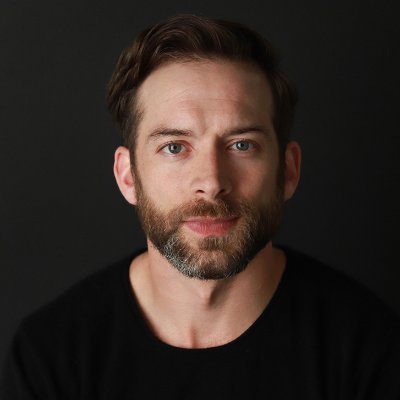
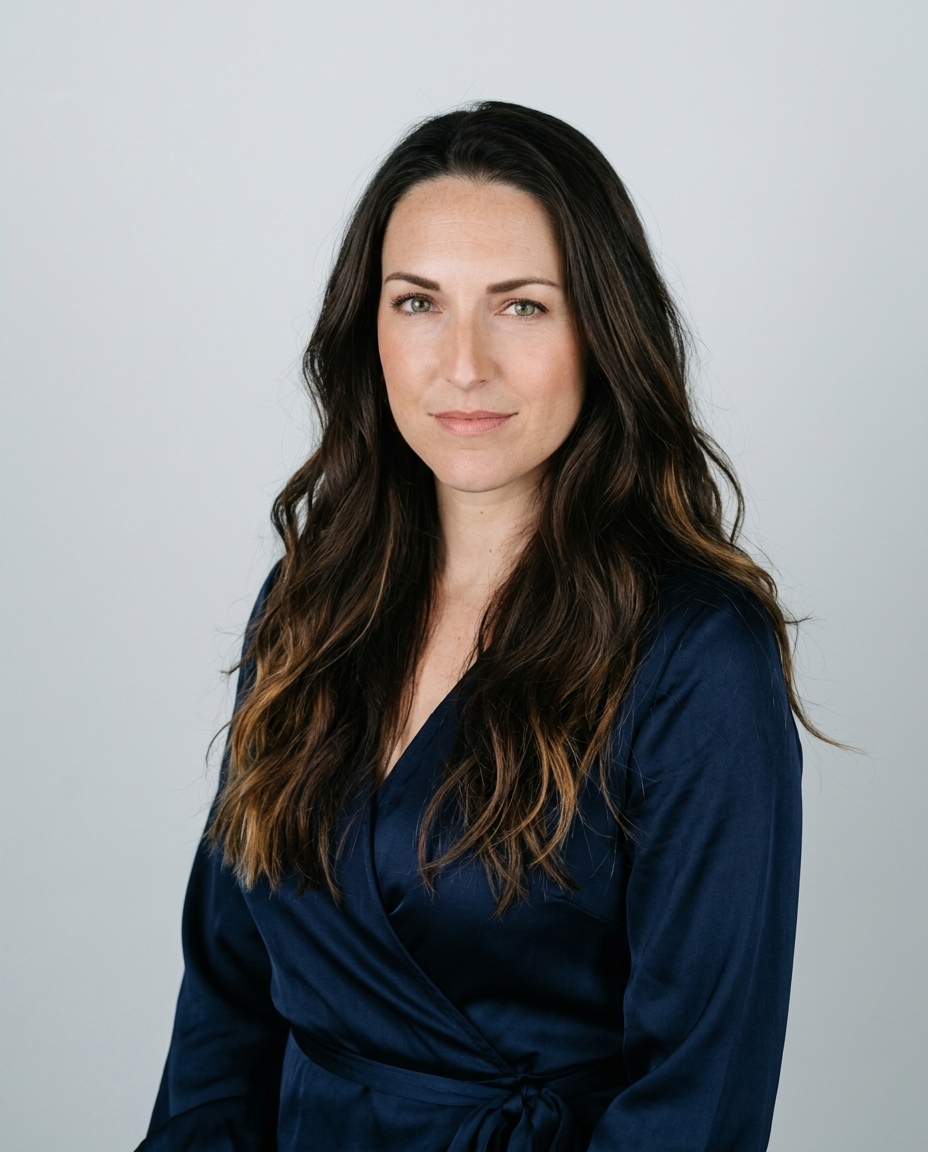
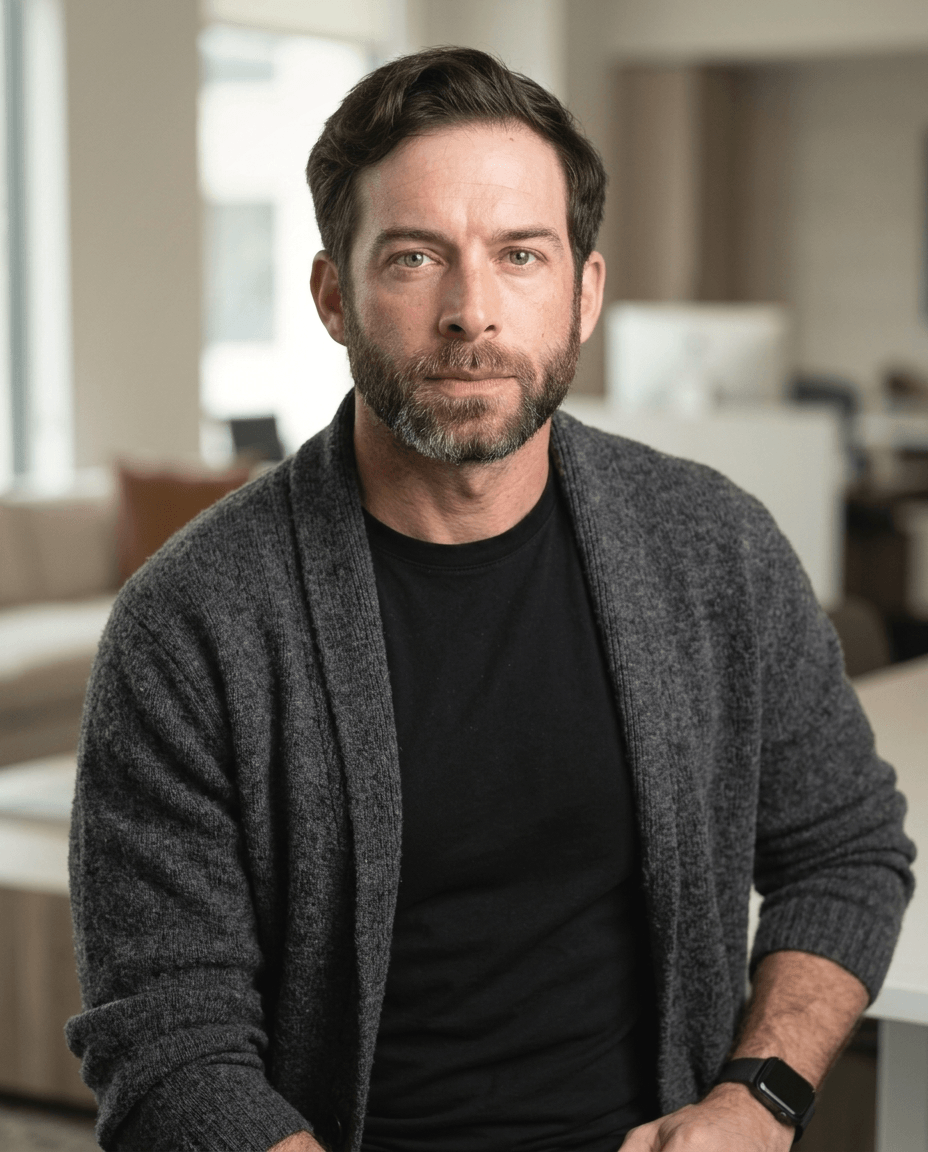
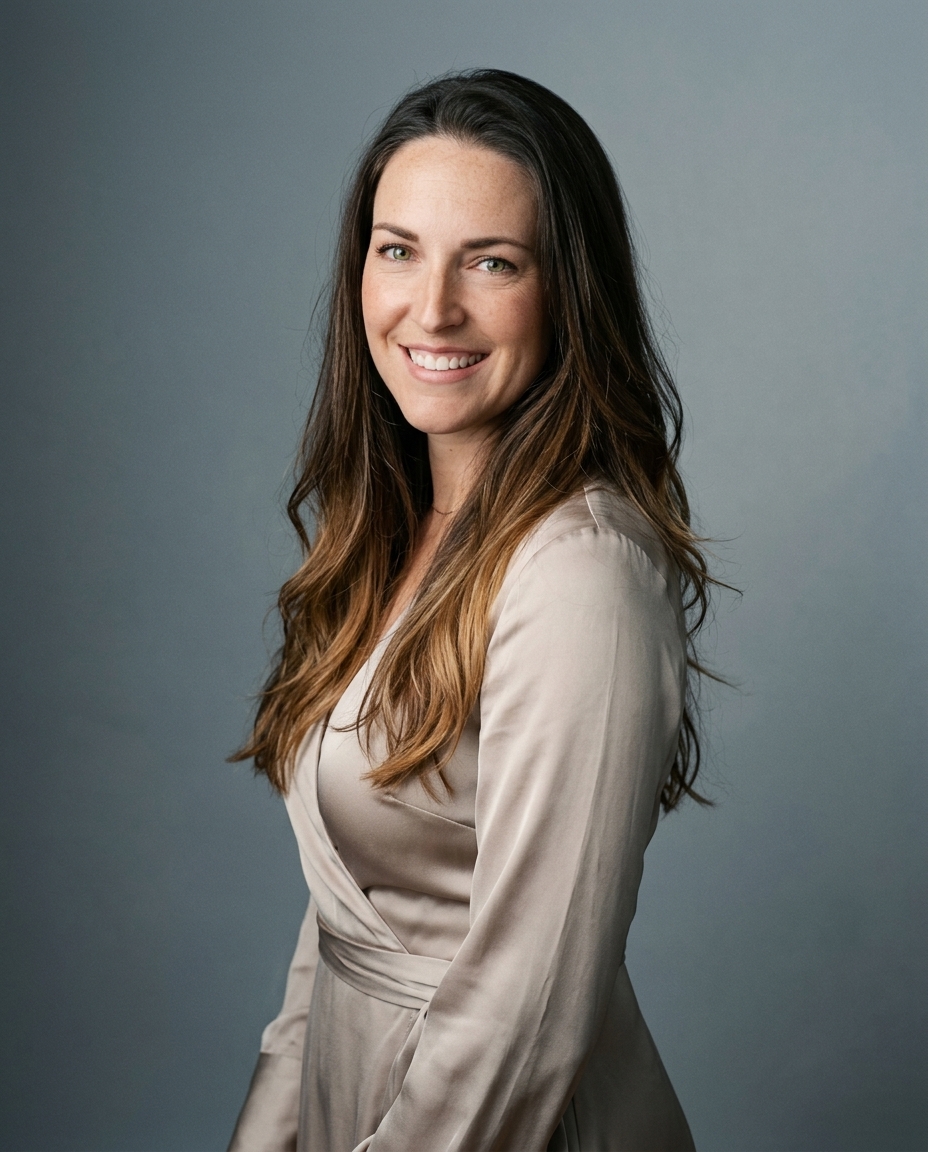

A strong dating app photo needs clean light, a natural expression, sharp eyes, and believable editing. Weird angles and edited or filtered photos are each disliked by more than 41% of surveyed users, at 41.12% and 41.02% respectively, while 31% of American dating app users haven't updated their profile pictures in over a year.
That's the counterintuitive part. The photo that looks most polished isn't always the one that performs best. Dating apps reduce a person to a fast visual decision, so clarity, attractiveness, and trustworthiness have to arrive together. A heavily retouched face can improve the first impression and weaken the second one.
A 2021 peer-reviewed review describes dating profiles as “condensed information,” often built around one or a few pictures. That shift from text-heavy personals to image-first interfaces made the photograph the central unit of profile evaluation (peer-reviewed review of mobile online dating apps). I've seen the same principle in thousands of professional portraits. Faces work when the viewer can read them immediately and believe what they're seeing.
Table of Contents
- What makes a dating app photo actually work
- Composition, light, and the background behind you
- Candid versus posed, and the expression question
- Outfits, context, and what your photos say about your life
- Editing without crossing the line into catfish territory
- How to order your photos so the grid tells a story
- DIY, photographer, or AI headshot, which one fits
What makes a dating app photo actually work
Dating app photos are judged in milliseconds. The viewer doesn't study your profile like a casting director. They scan for a few immediate signals.
Clarity comes first. Can the viewer see your eyes? Is your face large enough in the frame? Does the image have enough light and contrast to survive a small phone screen? A distant full-body photo, a dark club image, or a selfie buried under background clutter fails before personality gets a chance.
Attractiveness is less about perfect features than presentation. Soft light, a relaxed jaw, open posture, and a camera angle close to eye level produce a more appealing rendering of the same person. A photographer doesn't create a new face. Good photography removes the obstacles hiding the one you have.
Trustworthiness is where many profiles lose ground. In research on online-dating photographs, independent judges rated about one-third of users' photos as inaccurate, showing how far image presentation can diverge from real-life appearance (research on online-dating photographs and photo accuracy). Your lead image should look like a flattering version of you, not a promise you'll have to explain in person.
Practical rule: Polish the conditions, not the identity. Improve light, color, crop, and focus. Don't rebuild your face.
A good first image is usually a head-and-shoulders portrait with visible eyes, an engaged expression, and a background that doesn't compete. The rest of the profile can show movement, friends, travel, hobbies, and ordinary life. The opening image has one job: make the viewer want to look at the next one.
For a complementary perspective on facial presence and posing, see how to become more photogenic. If you're refining a Hinge profile specifically, Improve your Hinge pictures with BetterDatingAI offers another practical way to assess image selection and presentation.
The decisions that matter most are concrete: composition, light, background, expression, clothing, editing, sequence, and production method. Treat the profile as a portrait set, not a folder of random phone pictures.
Composition, light, and the background behind you
Most weak phone portraits fail for three controllable reasons: the crop is wrong, the light is overhead, or the background steals attention.
Start with framing. Use a head-and-upper-shoulders crop for the lead image. Leave a little air above your head, keep your eyes around the upper third of the frame, and place the camera near eye level. A phone held below your chin creates an unhelpful angle. A phone held too high can make your face look compressed and your posture uncertain.
Don't lead with a full-body shot. It can belong later in the grid, especially if the clothing and setting add useful context, but it doesn't give the viewer enough facial information at the moment of first judgment.

Use the light that flatters skin
Window light beats direct phone flash in most homes. Stand facing a large window, keep the window slightly to one side, and turn your face toward the brighter side without twisting your shoulders away from the camera. This gives the eyes catchlights and creates gentle shape across the face.
Direct midday sun is less forgiving. Step into open shade, such as the shaded side of a building or a covered patio, where the sky still provides broad illumination. Late afternoon light can work well, but don't let the sun sit directly behind you unless you know how to expose for the face.
Harsh overhead lighting creates dark eye sockets, a bright forehead, and shadows beneath the nose and chin. Bathroom lighting is a frequent offender. For more control, use this guide to the best lighting for headshots.
Give the face a quiet setting
A plain wall works if it's clean and free of visual interruptions. An outdoor background works when it's soft enough to frame you rather than compete with you. Move away from the wall so the background falls slightly out of focus, but keep enough environmental detail to make the location feel real.
Before taking the photo, scan the edges of the frame. Remove laundry, bright signs, unrelated people, and objects that appear to grow out of your head. The recipe is simple: face the window, place the camera at eye level, use a head-and-shoulders crop, and choose a background with one clear idea.
Candid versus posed, and the expression question
A candid photo and a posed photo solve different problems. Calling one “authentic” and the other “fake” misses the point.
A candid or candid-feeling image communicates that you have a life outside the app. You're walking, cooking, talking with friends, hiking, or doing something that gives your body a reason to move. The image feels believable because the action explains why someone took it.
A posed portrait gives you control. You can fix the light, choose the crop, remove distractions, and make sure your expression doesn't land between moments. That control matters when your existing candid pictures are blurry, badly lit, or caught with an unflattering expression.
Research on dating app imagery shows that profile photos function as rapid judgment filters. Beautification can increase perceived attractiveness while reducing perceived trustworthiness, which is why realism has to remain part of the design (research on putting your best face forward in online dating).
Expressions that survive a small screen
A soft smile usually reads better than a forced grin. A half-smile can look confident when the eyes remain engaged. Direct eye contact creates a clearer social connection than staring sharply past the camera.
Watch for the expressions people mistake for confidence. A closed-mouth grin can tighten the cheeks. A grimace looks anxious. A wide-eyed, frozen stare reads as camera discomfort. Drop your shoulders, exhale before the shutter, and think about a person rather than the lens. That small change often loosens the mouth and eyes at the same time.
A natural expression isn't an accident. Give your face a simple action, such as greeting a friend, reacting to a joke, or listening to someone you like.
A practical profile mix is two candid images, two posed portraits, and one or two context shots. The exact count depends on the app's format, but the visual principle stays consistent. Use posed images for clarity and control. Use candid images for social proof and movement. Use context images to make the profile feel inhabited.
For more detail on expressions that read as open rather than strained, see happy facial expressions for photos.
Outfits, context, and what your photos say about your life
Clothing should support your face, not compete with it. Solid colors, simple necklines, and garments that fit cleanly photograph better than loud logos or dense patterns. A textured jacket can add shape. A shirt with a large graphic can turn the image into an advertisement for the shirt.
Use your profile to show range without creating a catalogue. One polished portrait can establish how you present yourself. Another image can show your ordinary weekend uniform. A lifestyle photo can place you in a coffee shop, on a hike, in your kitchen while cooking, or somewhere connected to an activity you regularly do.
The location should give the viewer a conversational handle. It shouldn't look rented purely to signal status. A kitchen works because it suggests an activity. A trail works because it suggests movement. A café works because it creates a familiar social setting. Keep the environment subordinate to your face.
A useful wardrobe guide such as how to look expensive on a budget can help you refine fit, color, and details without turning the profile into a display of labels.
Group and pet photos need discipline
Never lead with a group shot. The viewer shouldn't have to identify you by comparing faces. Put group images later, and make sure your face remains visible and easy to locate.
Pet photos can add warmth and context, but your face still needs to be readable. The pet shouldn't block your features, and the animal should belong in your life. A clear image of you with your dog in natural light says more than a dark, chaotic photo where the dog is the only obvious subject.
A strong grid feels like a person, not a catalogue. Give each image a distinct role, then remove any photo that repeats the same pose, outfit, location, or expression without adding information.
Editing without crossing the line into catfish territory
Editing should correct the photograph, not rewrite the subject.
Safe adjustments include cropping, exposure, white balance, moderate contrast, gentle skin smoothing, and sharpening around the eyes. These changes compensate for phone limitations and inconsistent lighting. They make the image easier to read without changing what someone will encounter offline.
The line moves when editing changes structure. Face reshaping, enlarged eyes, narrowed noses, exaggerated jawlines, heavy filters, and beauty-mode effects create a second version of you. That version may look striking in isolation and less credible beside your other photos.
The trust trade-off is straightforward. Research on online-dating photos has found that beautification can improve attractiveness judgments while lowering perceived trustworthiness (analysis of attractiveness and trust effects in dating photographs). A match based on an exaggerated image begins with an expectation gap. You don't want your first in-person interaction to function as a correction.
Try the 30-second test. Post the edited image where you'll see it at normal phone size, then leave it alone for 30 seconds before committing. Look at the eyes, jawline, skin texture, and face shape. If the first thought is “I look different,” reduce the edit.
Editing rule: Fix the light and color first. If you're editing the face before fixing the photograph, you're solving the wrong problem.
AI-assisted portraits deserve the same standard. Studio-like lighting is useful. A synthetic background is fine when it fits the image. The result still needs to preserve your recognizable features, age, proportions, and ordinary expression. High production value builds confidence only when the person remains believable.
How to order your photos so the grid tells a story
Photo order changes how the entire profile feels. Put the clearest, most flattering, most recognizably you image first. Don't save it for later because it looks too polished. The lead image earns the attention required for the rest of the profile.
Follow with context. Show an activity, a location, or a social setting that adds information without hiding your face. Close with a candid-feeling image and a second polished portrait that gives the viewer another clean look at you.

A sequence that works in practice looks like this:
- Strong lead: Use the clearest head-and-shoulders image, with visible eyes and a relaxed expression.
- Context shots: Add locations, interests, and daily-life scenes that give the profile texture.
- Candid image: Include movement or interaction so the set doesn't feel entirely produced.
- Final headshot: End with a polished, approachable portrait that reinforces recognition.
Photo freshness matters as much as sequence. A 2025 consumer survey reported that 31% of American dating app users hadn't updated their profile pictures in over a year, while 20% had refreshed them within the last month and 26% within one to six months (survey summary on dating profile photo habits). Refresh the lead image every 6 to 12 months, or sooner when your hairstyle, facial hair, weight, or general appearance changes.
Before publishing, check that every image shows the same person, no two images repeat the same visual job, your face appears clearly near the beginning, and at least one photo gives a real sense of your routine.
DIY, photographer, or AI headshot, which one fits
DIY is the right choice for a casual profile when you have a patient friend, good window light, and a phone that can stay steady. It costs nothing, but consistency depends on the person taking the picture. Many people end up with one usable frame from a long session, and the background, focus, or expression still needs work.
A traditional photographer gives you direction, controlled lighting, and a set designed around your face and lifestyle. A photographer's day rate commonly runs $300 to $600 or more, depending on the market and scope. That route makes sense for high-stakes personal branding, acting headshots, or anyone who wants a fully directed session and has the time to schedule it.
AI headshots suit people who need several polished options without a studio visit. Look for a service with a photography foundation, clear enhancement limits, and transparent retention practices. AiHeadshots is built by Studio Pod, an automated headshot studio in Houston founded by photographers Joseph West and Chris Bailey. Studio Pod has shot 10,000+ real professionals since 2019, and AiHeadshots applies that photography heritage to phone uploads rather than retrofitting open models as a software team.
AiHeadshots accepts 10 to 20 phone selfies and delivers 30+ studio-grade headshots in about 30 minutes. Its tiers are Basic at $29, Professional at $39, and Executive at $59, with Teams volume pricing of $22 to $29 per seat at 10 or more seats. The service reports 30,000+ customers served, 255,000+ headshots delivered, and a 4.9-star rating, with a 100% money-back guarantee within 14 days. Uploaded selfies are deleted within 7 days after generation, while generated headshots remain available for 30 days after delivery, as described in the AiHeadshots data-management policy.
Upload 10 selfies, see your first headshot in 30 minutes for $29. Visit AiHeadshots for polished, believable portraits you can use across dating and professional profiles.