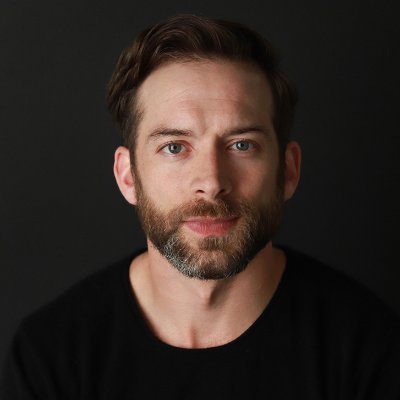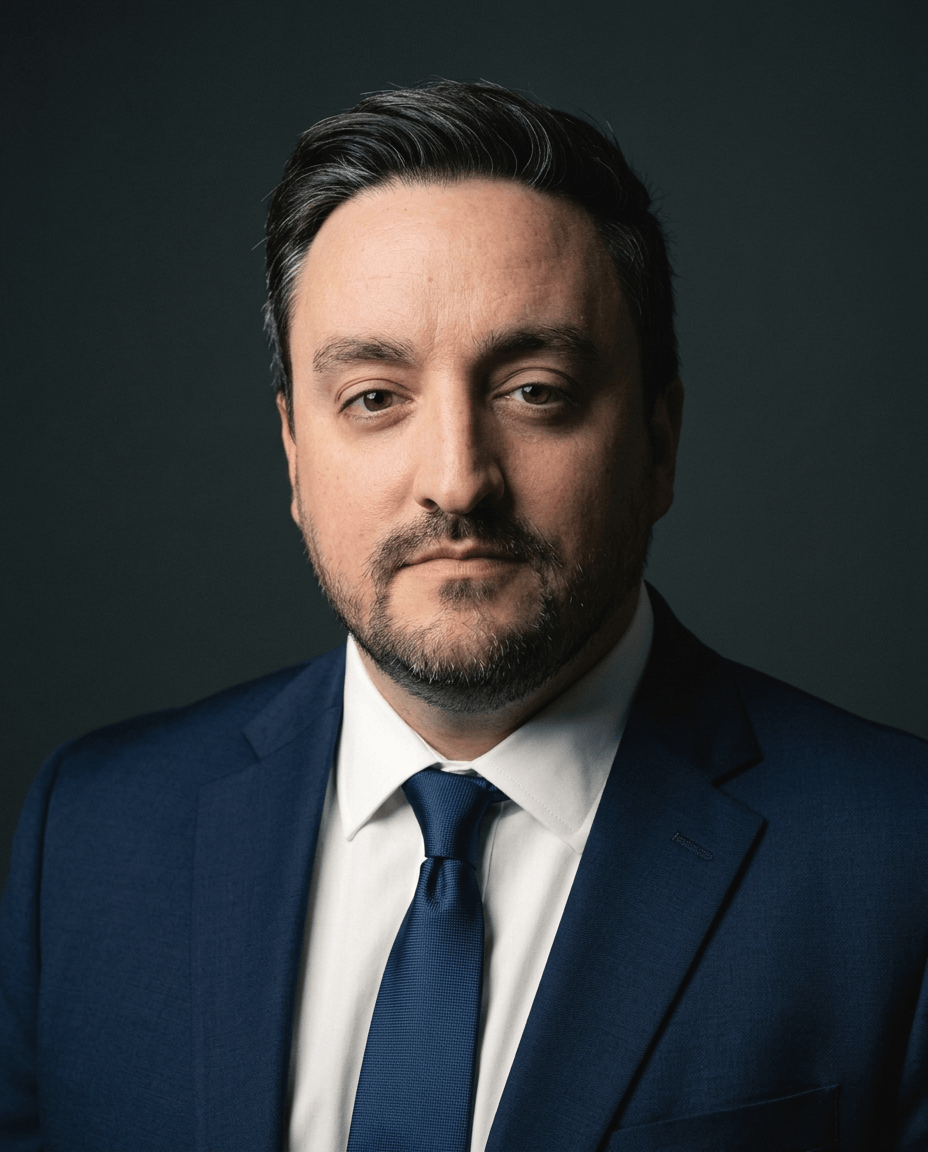
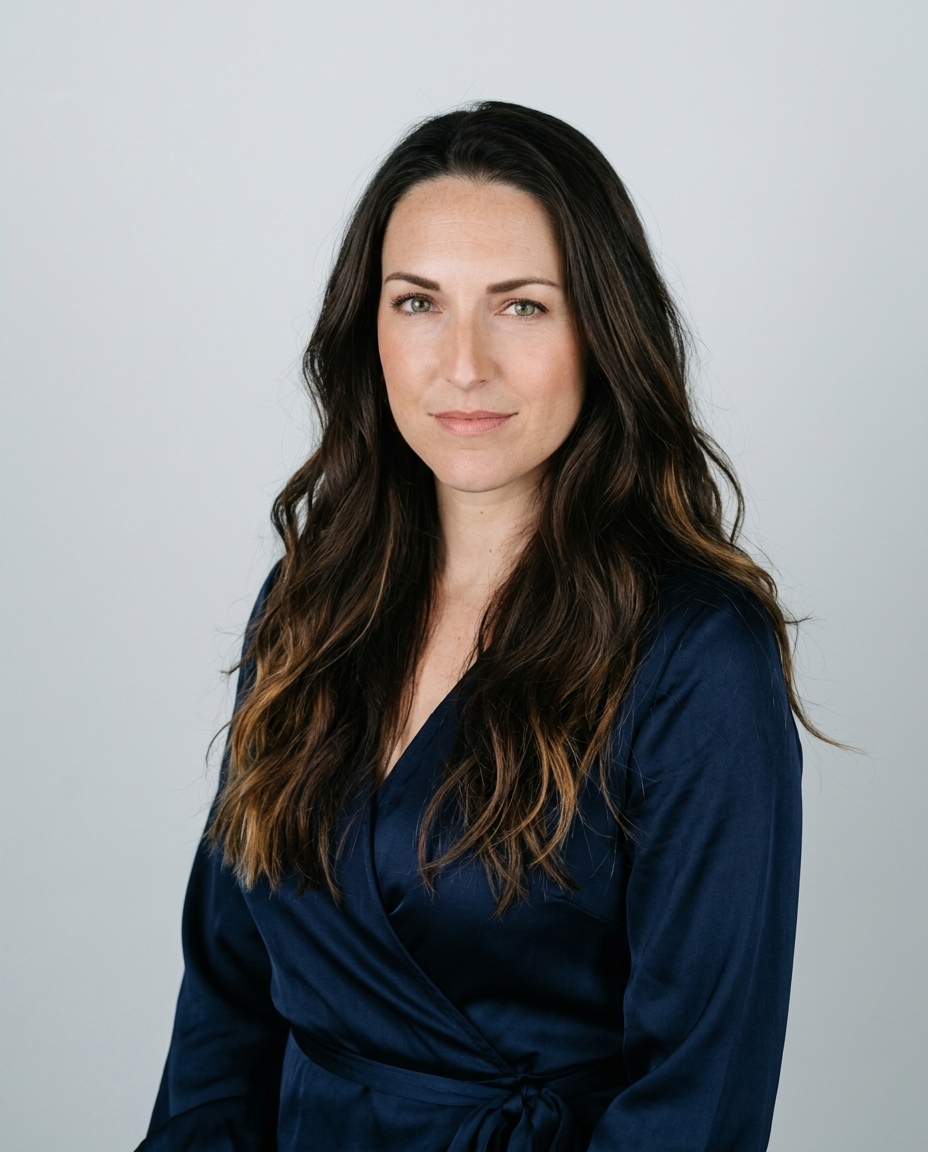
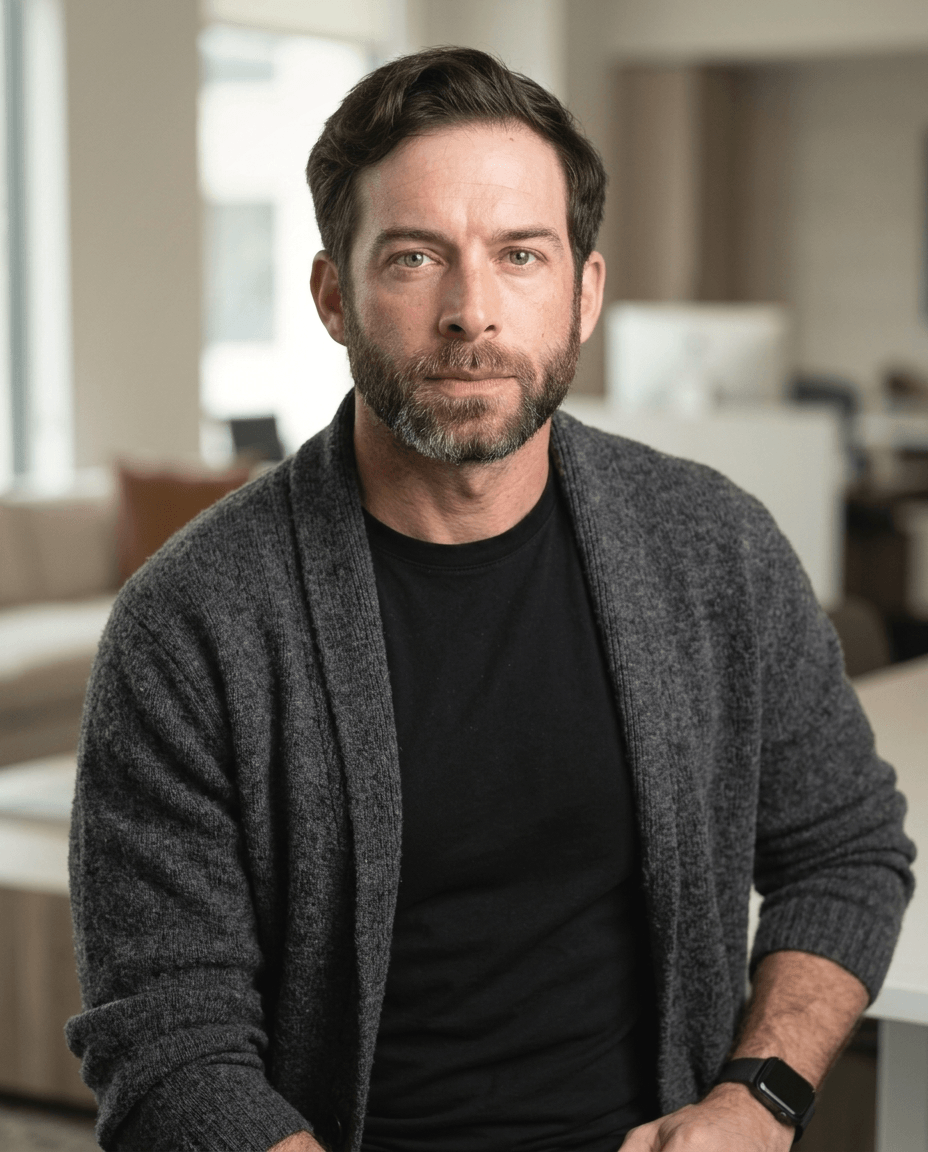

The surprising part of the NYC headshot market isn't how expensive it is. It's that price often isn't the main decision. The primary choice is method. In New York City, standard studio sessions are reported at $450 to $924 per person, with premium portraits reaching $1,200 to $2,500, and hidden costs like hair and makeup, travel, and rush delivery can push the final per-person cost 40 to 60% higher than the quoted rate, according to Capturely's NYC, LA, and Chicago pricing comparison.
That leaves most professionals deciding between two paths. Book a traditional photographer and buy time, direction, and a live shoot. Or skip the scheduling and use a modern AI workflow built to deliver a credible corporate image fast. In the corporate headshots NYC market, both paths are valid. They solve different problems.
Table of Contents
- The two paths for your NYC headshot
- Finding and booking a traditional NYC photographer
- Managing headshots for your entire team
- Preparing for your headshot session
- Understanding retouching and final delivery
- Get your NYC headshot in the next 30 minutes
The two paths for your NYC headshot
A strong headshot in NYC comes from choosing the right process, not chasing the highest price. Traditional studio photography and AI headshots produce different kinds of value. One gives you live direction and a custom session. The other gives you speed, convenience, and many more options without travel.

Studio sessions buy direction and control
A traditional photographer is still the right choice for some people. If you're a founder doing press, a law partner updating firm materials, or an executive who wants a photographer adjusting posture, chin position, wardrobe details, and expression in real time, a live session has clear advantages.
The trade-off is friction. You have to book it, travel, show up camera-ready, and wait for selects and retouching. In NYC, that can be worth it. It can also be overkill for a LinkedIn update, an internal bio, or a recruiting profile that just needs to look credible and current.
Practical rule: If you need one highly controlled portrait for a high-visibility use case, book a photographer. If you need speed, convenience, and a broad set of usable options, AI is the more practical tool.
We come at this from both sides. Studio Pod has photographed 10,000+ real professionals since 2019, and that photographer-first background is why our view of AI is simple. It isn't a replacement for every commissioned portrait. It's a different production method.
AI works when realism clears the bar
The open question isn't whether AI can generate a headshot. It can. The question is whether it looks believable enough for the context. The useful standard is realism and expression, not just resolution. Small shifts in camera angle, chin position, and eye direction materially change perceived authority and trust, as discussed in this headshot education video on posing and visual credibility.
That's why generic image generation often fails corporate use. It can make a polished picture that still feels off. The lighting looks synthetic. The expression is too blank. The likeness drifts. People sense it immediately.
Our view as photographers is blunt. AI headshots are acceptable for LinkedIn, team pages, internal directories, recruiter outreach, and many professional bios when the image feels like a real portrait, not a filter. That's where a photography-built system matters. We built this guide comparing AI headshots vs photographer options from that exact perspective.
Finding and booking a traditional NYC photographer
If you've decided to hire a photographer, the biggest mistake is shopping on style alone. In corporate headshots NYC searches, almost everyone can show you a few polished examples. The question is whether they can deliver that quality consistently, on your schedule, and within the actual budget.
Read the portfolio like a buyer
Look for consistency first. Ignore the single dramatic hero shot and scan the full set. Ask yourself if skin tones look stable from person to person, whether retouching changes from image to image, and whether the photographer can handle both men and women, different ages, glasses, and different face shapes without making everyone look processed.
A good corporate portfolio also shows restraint. If every frame is heavily stylized, with trendy color grading or aggressive blur, that work can date fast on a company site or LinkedIn profile.
Use this quick filter:
- Lighting consistency means the photographer knows how to repeat a look, not just improvise one.
- Expression quality tells you whether subjects look engaged or merely posed.
- Retouching discipline matters because corporate portraits need polish, not a plastic finish.
A polished portfolio isn't enough. You want proof that the photographer can repeat the same standard on your face, on your schedule, under normal business constraints.
Ask about the quote before you book
NYC pricing is wide because the deliverable is wide. As noted earlier, the market ranges from standard studio sessions to premium portraits with very different production values. The key is understanding what is and isn't included.
Ask for the actual final scope. How many looks. How many retouched images. Whether hair and makeup is included. Whether travel, location setup, or rush delivery is extra. Those extras matter because reported NYC studio pricing often starts from a quoted rate that doesn't reflect the final invoice, and market data shows hidden costs can push the total materially higher than the base quote.
This is also where old-school studio habits still trip up buyers. Some photographers move quickly to booking but stay vague on usage rights, retouching rounds, or delivery timing. Don't reward that. A clear estimate usually signals a clear process.
Managing headshots for your entire team
Team headshots stop being a photography problem very quickly. In NYC, they become an operations problem.

Consistency is the primary challenge
A company rarely fails because it cannot get one good portrait. It fails because the image library drifts over time. The leadership page ends up mixing different backgrounds, different crops, different retouching standards, and photos made years apart. In a market like NYC, where clients and recruits compare firms side by side, that inconsistency reads as loose brand control.
I see this from both sides. At Studio Pod, the challenge is building a repeatable setup that survives multiple shoot dates, office changes, and turnover. With AiHeadshots, the challenge is different. You need clean inputs, clear style rules, and a review process that keeps output aligned with the brand. The tool changes, but the buyer's job stays the same. Keep the team looking like one company.
That responsibility usually sits with HR, marketing, or operations. The primary challenge is maintaining consistency across departments, offices, and hiring cycles.
Traditional photography still makes sense for leadership teams, investor-facing bios, annual on-site headshot days, and any group where art direction matters. AI-based workflows make more sense for distributed teams, frequent hiring, and replacement headshots that need to match an existing look without booking another studio day. For many companies, the right answer is a mix of both.
A practical starting point is the team headshot workflow documentation for distributed companies. It shows how standardized inputs, approval rules, and repeatable output can reduce the admin load for remote and hybrid teams.
Throughput changes the buying decision
Once the team grows, speed and repeatability affect cost more than the camera body or studio address. A traditional NYC photo day can run well when everyone is in one office and available in scheduled blocks. It gets expensive when employees are remote, executives reschedule, or new hires need matching portraits every month.
That is the trade-off buyers often miss. A studio session gives tighter control at the moment of capture. An AI workflow gives easier maintenance over time. If your firm hires ten people a year, a periodic studio day may be enough. If your firm hires every month across several locations, the admin burden usually matters more than getting every person in front of the same light stand.
The strongest team systems set rules in advance. Background. Crop. Wardrobe range. Retouching level. File naming. Delivery ownership. Without that structure, even good individual portraits turn into a messy directory six months later.
If you're managing headshots for a team, ask a harder question than "Can we get good photos?" Ask how you will handle the next new hire, the remote VP, the missed shoot day, and the replacement image request in Q4. That is where NYC firms either keep a clean brand standard or slowly lose it.
Preparing for your headshot session
A strong NYC headshot is usually won before the first frame. Prep affects expression, fit, and how much retouching you need later. After years of running Studio Pod, and after seeing what also works and fails inside AiHeadshots, the pattern is consistent. People who arrive prepared look more credible, need fewer fixes, and choose finals faster.

What to wear and what to skip
Wear the version of your work wardrobe that already gets the right response in real meetings. In NYC, that usually means clean structure, simple lines, and solid colors that keep attention on your face.
Busy prints distract. Shiny fabrics catch light in the wrong places. Pure black can lose detail, and bright white can take over the frame under studio lighting. Deep blue, charcoal, olive, and other muted tones usually photograph well because they hold shape and support skin tone.
What works: good fit, clean collars, neat lapels, and layers that frame the face without adding bulk.
Bring one backup option. That is a practical studio rule, not styling theater. A second jacket, blouse, or shirt gives you insurance if something wrinkles in the cab, reads badly on camera, or feels too formal once you see it under lights.
Hair and grooming should match your polished weekday self. If you wear glasses daily, bring them. If you never wear them, do not add them for the photo.
Expression is a more common failure point than wardrobe
Weak corporate headshots usually miss on expression, not clothing. The face looks tight, uncertain, or too practiced. Clients often spend ten minutes adjusting a jacket and two seconds checking the eyes. That is backwards.
The fix is not a bigger smile. It is a relaxed jaw, engaged eyes, and a posture that reads alert without looking stiff. In a live studio, a photographer can coach that frame by frame. In an AI workflow, the input photos matter even more because the system can polish lighting and background, but it cannot fully rescue a strained expression.
That trade-off matters in the NYC market, where the photo may sit on a law firm bio, investor deck, press feature, or LinkedIn profile seen by hiring managers and clients. High-stakes use cases reward calm, believable expression over a perfectly styled outfit.
For broader prep patterns, our 10,000 headshots study is the most useful reference point. The same problems repeat. Simple wardrobe. Clean grooming. Natural expression. The best images come from people who stop performing "professional" and show up looking like themselves on a very good workday.
Understanding retouching and final delivery
Retouching is where a lot of corporate headshots go wrong. Buyers ask for a polished look, then approve edits that remove too much texture, too much character, and too many human details. The result looks expensive and untrustworthy at the same time.
Good retouching still looks like you
Useful retouching is selective. It handles color correction, stray hairs, temporary blemishes, under-eye distraction, and small clothing issues. It doesn't rebuild your face.
In corporate work, authenticity carries more weight than perfection. A strong final image should look rested, clear, and professional. It shouldn't look like a different person from your Zoom window or office hallway.
Retouching should remove noise, not identity.
Photographer judgment is essential. A live retoucher or careful post-production workflow can preserve realism well. A weak workflow, studio or AI, usually over-smooths skin and over-whitens eyes because those edits read as "premium" at first glance.
Delivery is where timelines usually slip
Most clients focus on the session date. The harder part is everything after it. Selecting favorites, handling retouching notes, waiting on internal approvals, and coordinating schedules all slow delivery down.
That slowdown is predictable because scheduling itself is the bottleneck. A common operational benchmark for team headshot sessions is 15 to 20 minutes per person, with 20 minutes noted as standard in one NYC business portrait workflow, according to James Maher's business and executive portraiture guidance. Once you account for that throughput, it's easy to see why even organized shoots can take days or weeks to fully finish.
For individual professionals, that's why delivery speed has become a real buying criterion. We built Studio Pod first, so we care about the photographic details that make an image feel real. That same background shaped AiHeadshots, which takes 10 to 20 phone selfies and delivers 30+ studio-grade headshots in about 30 minutes at tiers starting from $29, with a 100% money-back guarantee within 14 days. If you want to compare plans directly, the clearest place is AiHeadshots pricing.
Get your NYC headshot in the next 30 minutes
In New York, the slow part isn't always the photography. It's the coordination, the booking, the travel, the rescheduling, and the post-production queue. Traditional studios still make sense for high-control portrait work. But for many professionals and teams, the better answer is a realistic image delivered on a business timeline, with a process designed by photographers who understand what makes a headshot feel credible.
Upload 10 selfies, see your first headshot in 30 minutes, starting at $29 on AiHeadshots.