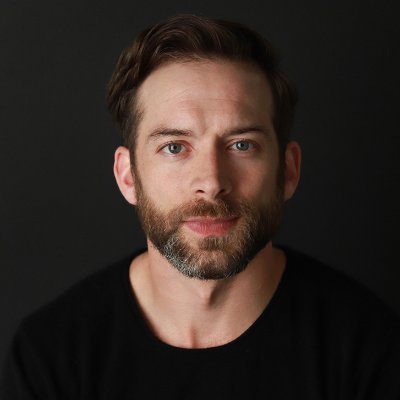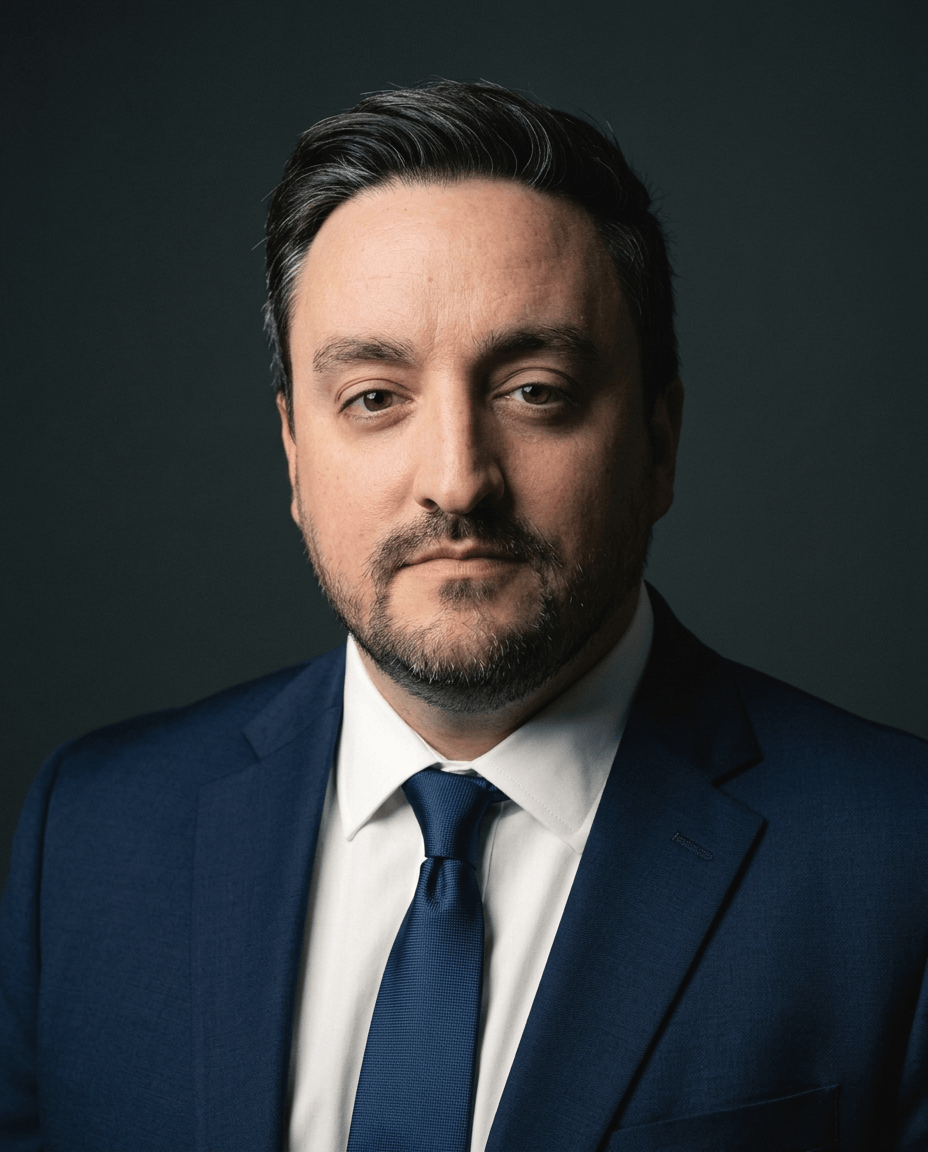
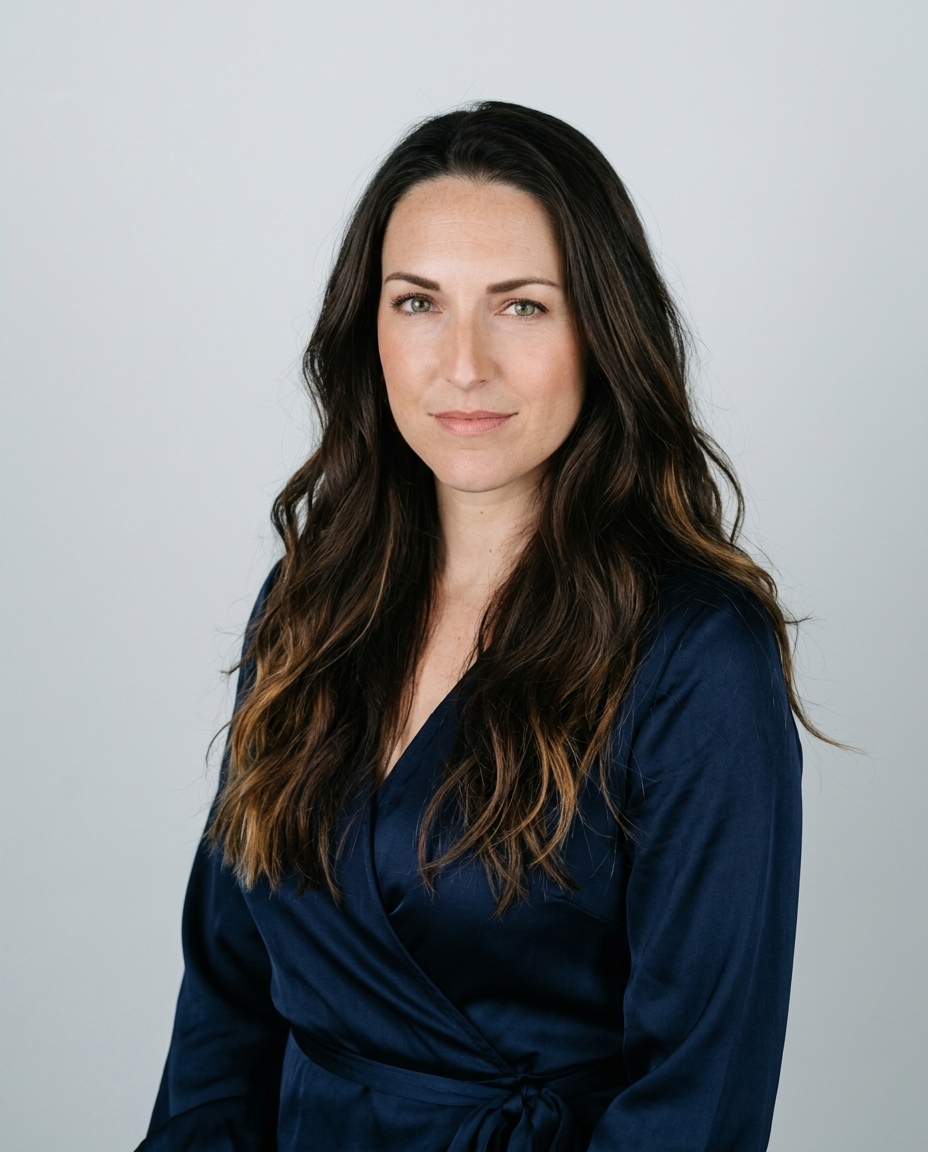
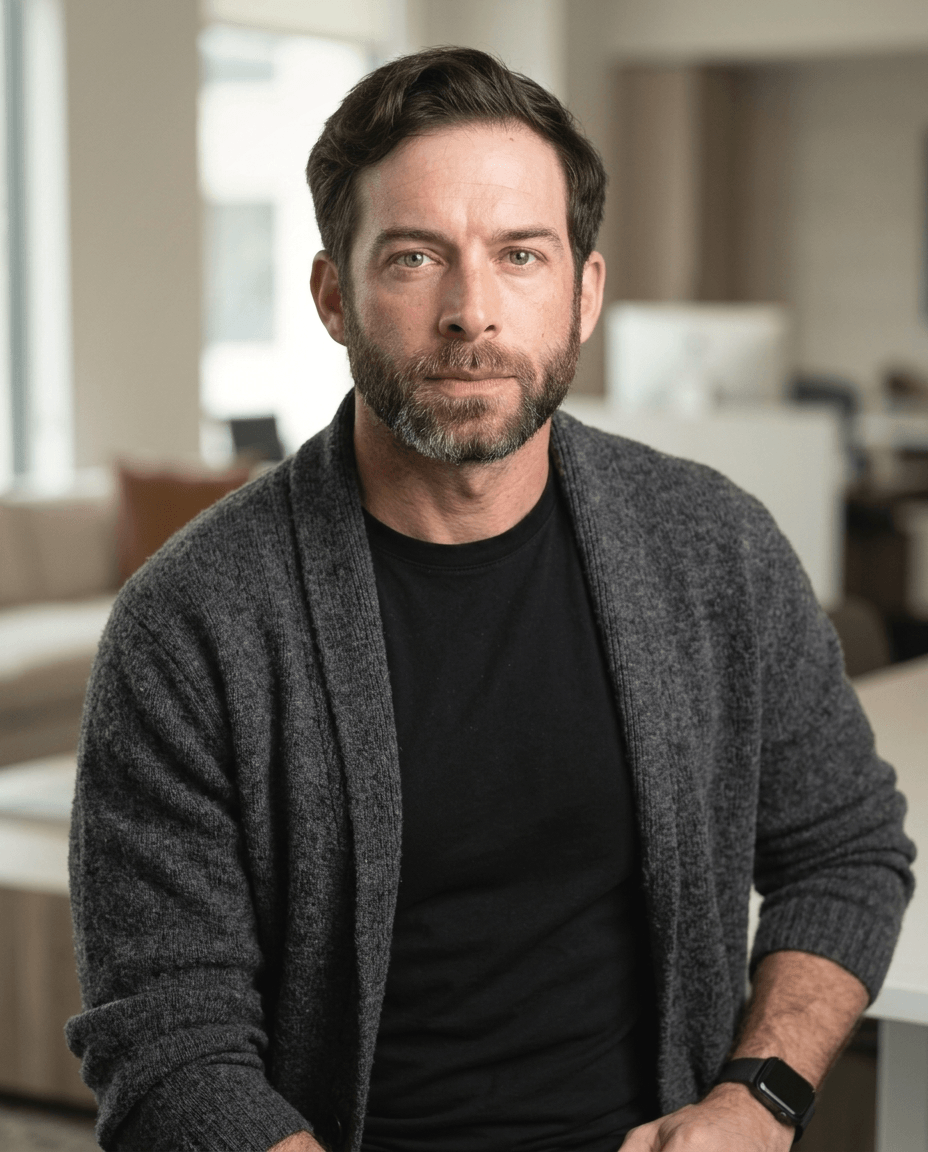

Most men's corporate headshots fail for a handful of predictable reasons, and none of them start with the camera. The problem is usually purpose, fit, posture, or styling. That matters because a study of 243 participants found that professional headshots increased perceived competence by 76% and trustworthiness by 9% in one report summarized by Headshots Inc.
We know that holds up in practice. At Studio Pod, we've photographed 10,000+ real professionals since 2019. That photographer-first experience shaped how we think about corporate headshots for men. The image has to do one job clearly. It needs to signal that you look current, capable, and comfortable in your role.
The good news is that strong headshots are repeatable. The same principles work in a studio and in a modern AI workflow. The difference isn't magic. It's control.
Table of Contents
- The framework for a powerful corporate headshot
- Pre-shoot preparation clothing and grooming
- Posing angles and authentic expression
- What photographers see lighting and backgrounds
- Common mistakes that ruin men's headshots
- The modern workflow studio vs AI
The framework for a powerful corporate headshot
Most corporate headshots for men miss because they try to be universally “professional” instead of specifically right for the person and role. A generic photo reads as generic judgment. You see it immediately. The suit is fine, the lighting is acceptable, but the expression doesn't match the job and the styling doesn't match the face.
The framework we use is simple. Role signal, technical control, then natural expression. In that order. If you reverse it, the image falls apart.
A headshot for a managing partner, account executive, founder, physician, or engineer shouldn't be directed the same way. People read small visual cues fast. Body angle, wardrobe structure, smile intensity, eye contact, crop, and background all change the message.
Practical rule: A strong headshot answers one question clearly. “What should someone feel about this person in five seconds?”
That's why purpose comes first. If you need authority, the choices tighten. If you need warmth and approachability, the face softens and the body opens. If you need technical credibility, the cleanest route is usually restrained styling, direct eye contact, and zero visual clutter.
The second part is control. Good headshots aren't casual. They depend on fit, skin tone management, controlled light, and deliberate framing. We built that thinking into our process after years of working with real clients who showed up nervous, rushed, or certain they weren't photogenic.
Small adjustments do the heavy lifting. A better jacket fit, lower shine on skin, a stronger chin position, and cleaner crop often matter more than a more expensive camera.
The last part is expression. Men usually overdo this section in one of two directions. They either lock up and look stern, or they force a broad smile that doesn't fit their face. Neither reads well. The right expression looks like you on your best workday, not you trying to “take a good picture.”
Pre-shoot preparation clothing and grooming
Clothing and grooming decide the floor of the image before the camera ever comes out. If those choices are off, the photographer spends the session fixing preventable problems instead of refining the portrait.

Wear structure, not noise
For modern business portraits, expert guidance favors a tight crop and simple, fitted solids over heavy patterns because patterns pull attention away from the face. The same guidance also advises men to avoid shiny styling products that create specular highlights on hair and skin, as covered in this business portrait guidance video.
That advice lines up with what works in real sessions. Men usually look best in jackets, knit layers, or shirts with enough structure to define the shoulders and neckline. The fit matters more than the brand. A mid-range blazer that fits cleanly photographs better than an expensive one with loose sleeves and a collapsing collar.
If you wear glasses daily, keep them in the frame. Just choose them with intent. Frame shape changes the portrait more than most men expect, so a practical primer on selecting men's optical frames is worth reviewing before a shoot.
Here's the simplest prep checklist we give clients:
- Choose fitted solid colors: Navy, charcoal, soft blue, white, and muted earth tones usually photograph cleanly. Skip loud checks, glossy fabrics, and visible logos.
- Bring one structured layer: A blazer, sport coat, or sharp sweater gives the shoulders shape and instantly makes the crop feel more intentional.
- Press everything: Wrinkles read as neglect on camera. They're harder to ignore in a headshot than in a full-body photo.
- Keep accessories restrained: One watch is fine. Stacked bracelets, flashy chains, and novelty ties usually compete with the face.
A fuller wardrobe breakdown lives in our guide to executive headshot wardrobe.
Groom for the lens, not the bathroom mirror
Grooming for headshots isn't about looking styled. It's about removing distractions. The camera exaggerates shine, flyaways, razor irritation, and dry skin in a way normal conversation doesn't.
Trim facial hair cleanly. If you shave, do it early enough to avoid visible irritation. If you wear a beard, define the neckline and cheek lines. Hair should look controlled but not lacquered.
A polished headshot usually looks less “done” in person than men expect. That's normal. Cameras reward restraint.
The same goes for skin. Moisturize, but don't grease up. Blot excess shine before the shoot. If you know you run shiny on the forehead or scalp, handle that before the first frame instead of hoping retouching will rescue it later.
Posing angles and authentic expression
Most men often tense up, and the camera captures every bit of it. Good posing isn't about looking like a model. It's about putting the body in a position that makes confidence look natural.

Set the body first
Start with the torso, not the face. Turn the body slightly off camera, then bring the eyes back to lens. That creates shape through the chest and shoulders. Straight-on can work, but only if the rest of the image is clean and intentional.
Guidance on male headshot posing notes that a stronger body angle, crossed arms, or a neutral expression can read as more authoritative, while a smaller smile and direct eye contact can read as more approachable, as outlined by Hero Shot Photography. That's the key point. Pose isn't one formula. It depends on the role signal you need.
If you cross your arms, keep the shoulders relaxed. If you leave the arms down, give the hands a job outside the crop or lightly engage them with a jacket edge or pocket. Dead hands create dead posture.
Fix the jaw and eyes
The strongest correction for most men is simple. Push the forehead slightly forward, then tip the chin a touch down. It feels wrong. It looks right. That move sharpens the jawline and prevents the camera from flattening the lower face.
Then fix the eyes. Relax the brow. Narrow the lower eyelids slightly. Photographers often call that a squinch, but the idea matters more than the term. You want alert eyes, not wide eyes.
Eyes do more than the smile. If the eyes look uncertain, the whole portrait looks uncertain.
This is why direct coaching matters in a studio and why photographer-led systems matter in AI. The image has to preserve tension in the right places and remove it everywhere else.
Choose the right expression for the job
Expression should match seniority and context. Men often default to the same half-smile no matter what they do. That's a mistake. A founder raising capital, a recruiter, and a litigator shouldn't all send the same signal.
A neutral mouth with engaged eyes can read senior and decisive. A smaller smile usually feels more modern than a broad grin in corporate settings. Full teeth can work, but only when it's genuine and the rest of the pose stays grounded.
Use this test. If the expression would feel natural in the first thirty seconds of a client meeting, it will usually work in the headshot. If it feels like “photo face,” scrap it.
What photographers see lighting and backgrounds
Lighting is the difference between a portrait and a record shot. Viewers can't name the setup, but they can see the result immediately. One looks dimensional and calm. The other looks flat, shiny, or accidental.
Light creates shape
Photographers look first at facial shape and separation. The key light defines the face. Fill controls how deep the shadows go. Hair or rim light separates the subject from the background. The arrangement doesn't need to look dramatic. It needs to look controlled.
A production example used for staged corporate setups recommends a 10-foot backdrop with the subject placed about 5 feet in front of it to keep the background evenly white while reducing spill and shadow contamination, described in the same portrait lighting video referenced earlier. That spacing principle matters because backgrounds go bad fast when the subject is too close. You get muddy shadows, edge spill, and a cheap look.
Our photography background is exactly why this matters to us. Studio Pod was built by photographers Joseph West and Hunter Casner, not a software team working backward from generic image models. We built our standards from real sessions, real lighting, and real human faces.
Backgrounds should support, not compete
The best background for corporate headshots men use most often is the one nobody notices. White, gray, deep neutral, and subtle office blur all work when they match the intended use. LinkedIn, company bios, speaker pages, and press kits usually reward clarity over mood.
A background fails when it competes with hair, jacket edges, or skin tone. It also fails when it says too much. Busy offices, random outdoor scenes, and visible furniture usually weaken the image unless they're tightly art directed.
If the viewer remembers the wall before the face, the background did too much.
That's the standard photographers use, and it's the right standard for judging any headshot workflow.
Common mistakes that ruin men's headshots
A bad headshot doesn't look neutral. It sends a negative signal. On professional platforms, that cost is real. LinkedIn profiles with a professional photo receive 21 times more views and are 36 times more likely to receive a message, according to this summary of LinkedIn-related profile image data from Write Styles Online.

The credibility killers
The first mistake is using an old photo that no longer looks like you. People notice that gap instantly, especially if they meet you on video or in person after seeing the image.
The second is the casual selfie. Car shots are the worst offender. The light is uneven, the angle is too close, and the setting feels improvised. A cropped group photo is just as bad. It tells people the image wasn't worth doing properly.
A third failure is background noise. Kitchens, trade show floors, parking lots, and office clutter all drag the portrait down. The face loses priority.
Then there's wardrobe drift. Men underestimate how fast overly casual clothing weakens the frame. A hoodie, wrinkled polo, or stretched collar can be appropriate in daily life and still wrong for a headshot.
Reality check: A headshot doesn't need to be formal. It does need to look deliberate.
The last mistake is expression mismatch. Some men look angry when they think they look serious. Others look uncertain because they're trying too hard to seem friendly. If the face and role don't align, the image feels off even when everything else is technically fine.
The modern workflow studio vs AI
Traditional photography still has a clear advantage in one area. A skilled photographer can direct live, adjust light inch by inch, and make real-time decisions around posture, wardrobe, and expression. For some executives, branding teams, and public-facing leaders, that hands-on process is still the right call.

What the old process gets right
A good photographer session can also be efficient. One professional described a tightly controlled workflow with tethered capture, per-subject lighting adjustment, and live review that scaled to 125 heads in a day, which implies roughly 2–4 minutes of camera time per person in batch environments when setup and culling are efficient, as described by Steve Glass.
But the trade-off is obvious. A traditional headshot session often costs $300 to $600+ and requires scheduling, travel, and delivery time. That's a real barrier for job seekers, distributed teams, and anyone who needs a current image this week, not next month.
That same pressure shows up across hiring materials more broadly. If you're comparing self-serve tools with expert services on the resume side, this breakdown of StoryCV vs professional resume services is a useful parallel. The decision usually comes down to speed, cost, consistency, and how much hands-on help you need.
Where AI fits now
The market has already shifted. In 2025, Microsoft's Work Trend Index reported that 75% of knowledge workers were using AI at work, a point cited in Wolf Studio's discussion of male corporate headshots. That doesn't prove every AI image is credible. It does explain why professionals want faster, standardized imagery that doesn't depend on a full studio booking.
Here's a look at that workflow in practice.
For many professionals, the better question isn't “studio or AI?” It's “what level of control do I need, and how fast do I need it?” We built AiHeadshots from a photographer-led foundation at Studio Pod. You upload 10–20 phone selfies, and the system delivers 30+ studio-grade headshots in about 30 minutes. Pricing starts at $29, compared with the $300–$600+ range common for a traditional session. That's why it fits job changes, team rollouts, LinkedIn updates, and fast-turnaround branding work.
You can review examples or compare plans on the pricing page.
Upload 10 selfies, see your first headshot in 30 minutes, for $29 at AiHeadshots.